


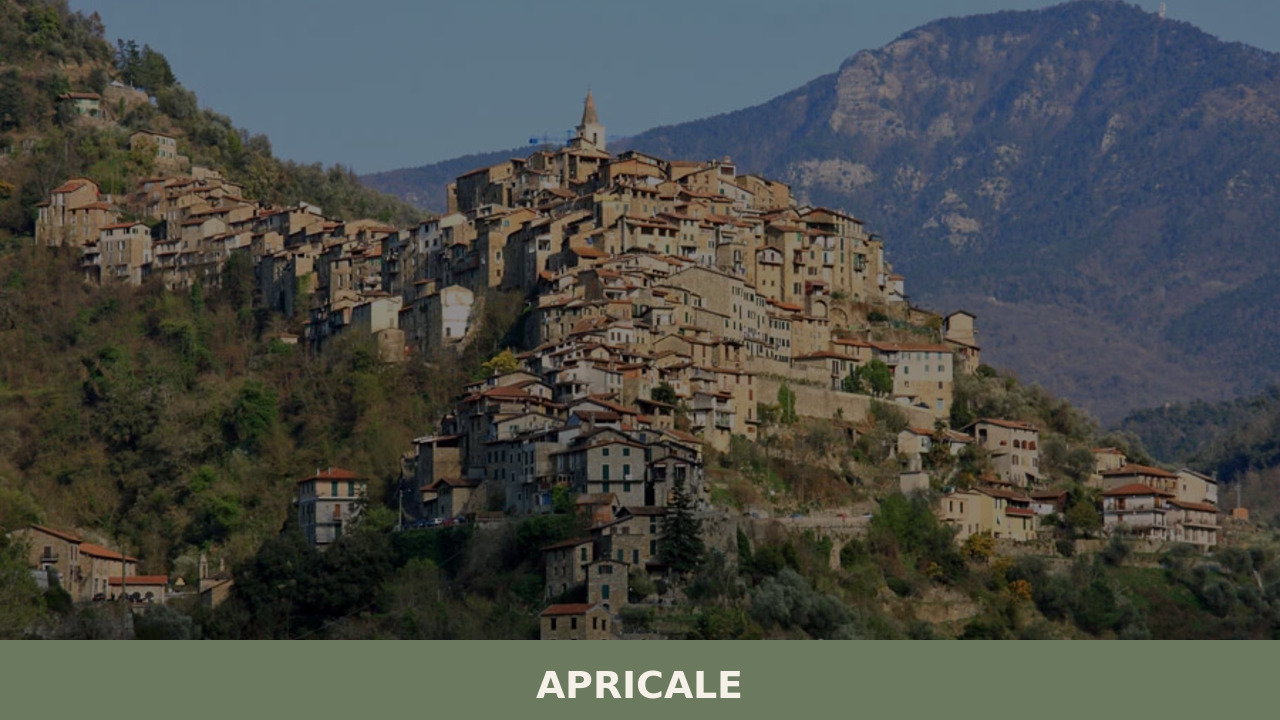
Apricale
 Hills
Hills
A sun-facing medieval village of 626 inhabitants in Liguria’s Val Nervia. Explore what to see in Apricale, from its castle to its open-air murals.
Discover Apricale
Morning light catches the stone facades one terrace at a time, climbing the hillside in slow increments until the entire village glows a warm ochre against the dark green of olive groves. Alleyways narrow to shoulder-width. Cats stretch across doorsteps warmed by early sun. Murals — dozens of them — appear on walls where you expect only plaster and age. With just 626 residents and a web of medieval passageways that resist any logic of grid planning, understanding what to see in Apricale requires slowing down, looking up, and letting the village reveal itself at its own pace.
History of Apricale
The name itself is a map reference to the sun. “Apricale” derives from the Latin apricus, meaning “exposed to the sun,” and the village earns the description honestly: built on a south-facing slope at 273 metres above sea level in the Province of Imperia, it absorbs light from dawn until the hills to the west finally block the last of it. The settlement dates to the late tenth century, when the Counts of Ventimiglia established a fortified outpost here to control the Merdanzo valley and the routes leading inland from the Ligurian coast.
By the thirteenth century, Apricale had come under the influence of the Republic of Genoa, which extended its administrative reach across the western Riviera and its hinterlands. The village’s compact, concentric layout — stone houses stacked in tight rows around the castle at the summit — is typical of defensive hilltop settlements of that era, designed to maximise protection while minimising the footprint of habitable land. Unlike many Ligurian villages that expanded during the Renaissance or Baroque periods, Apricale remained largely fixed in its medieval form, a consequence of its inland isolation and modest population.
In the twentieth century, rural depopulation reduced the village to a fraction of its earlier numbers, but a grassroots cultural revival beginning in the 1980s brought new attention. Artists were invited to paint murals on village walls, and the castle was restored as a cultural venue. Today, Apricale holds the distinction of being among Italy’s Borghi più belli d’Italia — a recognition that, in this case, reflects not tourism polish but a genuine architectural integrity maintained over a thousand years.
What to see in Apricale: 5 must-visit attractions
1. Castello della Lucertola
The “Castle of the Lizard” sits at the highest point of the village, its name a nod to the reptiles that sun themselves on its stone walls. Originally a tenth-century fortification built by the Counts of Ventimiglia, the structure was restored in the late twentieth century and now functions as a museum and venue for exhibitions and theatrical performances. Its terrace offers an unobstructed view down to the Mediterranean coast.
2. Chiesa della Purificazione di Maria
This parish church, positioned along one of the village’s main ascending paths, features a Baroque interior with painted vaults that contrast sharply with the rough stone of its medieval exterior. The bell tower serves as a vertical landmark visible from the valley floor, and the church remains the spiritual centre of Apricale’s small community, hosting services and feast-day celebrations throughout the year.
3. The open-air mural gallery
Beginning in the 1980s, artists from across Italy and beyond were invited to paint directly onto the walls of Apricale’s houses and passageways. The result is a scattered, unplanned gallery — figurative, abstract, surreal — integrated into the fabric of daily life. No two murals share a wall, and no catalogue fully maps them; finding each one becomes a form of directed wandering through the village’s vertical labyrinth.
4. Cappella di San Rocco
Set slightly apart from the main cluster of houses, this small chapel dedicated to Saint Roch — the protector against plague — reflects a pattern common across Liguria, where such chapels were built at village edges as both spiritual defence and quarantine markers. Its modest proportions and unadorned facade make it easy to overlook, but its position offers a quiet vantage point across the olive-clad terraces below.
5. Cappella di San Martino
Another of Apricale’s rural chapels, the Cappella di San Martino stands on a path leading out of the village into the surrounding countryside. Its construction dates to the medieval period, and its simple stone architecture — devoid of ornamentation — is characteristic of the small devotional buildings scattered along mule tracks and pilgrimage routes throughout the Ligurian hinterland.
Local food and typical products
Apricale sits in the heart of western Liguria’s olive-growing territory, and the extra virgin olive oil produced from Taggiasca olives — small, dark, and intensely flavoured — defines the local kitchen. The village’s signature dish is pansarole, thin fried dough fritters traditionally served during festivals, sometimes dusted with sugar, sometimes paired with local cheeses. Rabbit cooked with Taggiasca olives and pine nuts (coniglio alla ligure) appears on menus with the regularity of a regional anthem. Pasta is dressed with pesto or with a walnut sauce, salsa di noci, that is more common in this inland area than on the coast.
The village has a small number of trattorias and agriturismi where these dishes are served without ceremony — terracotta plates, house wine from Rossese di Dolceacqua grapes, bread baked in wood-fired ovens. Rossese di Dolceacqua DOC, a light red wine with notes of dried herbs and cherry, is produced in the surrounding Val Nervia and pairs naturally with the olive-rich local cooking. During autumn, chestnuts from the surrounding forests are roasted and ground into flour for castagnaccio, a dense, barely sweetened cake.
Best time to visit Apricale
Spring — late March through May — is ideal. Temperatures are mild at 273 metres of elevation, wisteria overtakes the stone walls, and the village is uncrowded. Summer brings warmth and occasional cultural events in the castle courtyard, including open-air theatre performances, though July and August see higher visitor numbers along the entire Riviera hinterland. Autumn offers the olive harvest, chestnut season, and the clean, low-angled light that documentary photographers favour for stone architecture.
Winter is quiet, sometimes markedly so. Some restaurants reduce their hours, and the village can feel genuinely empty on weekday mornings. But the air is sharp, the views toward the coast gain clarity, and the murals — freed from the flat glare of summer — take on a different character in the grey light. If solitude is the objective, January and February deliver it without reservation.
How to get to Apricale
From the A10 motorway (Genova–Ventimiglia), exit at Bordighera and follow the SP63 road inland through the Val Nervia for approximately 13 kilometres. The drive from the coast takes around 20 minutes on a narrow, winding road that passes through Dolceacqua before climbing to Apricale. Parking is available outside the village gates — the interior streets are inaccessible to vehicles.
- Nearest railway station: Ventimiglia (approximately 20 km), served by regional trains on the Genova–Ventimiglia line and by cross-border services from Nice.
- Nearest airport: Nice Côte d’Azur (approximately 65 km), with direct connections across Europe. Genoa Cristoforo Colombo airport is approximately 170 km east.
- From Sanremo: approximately 30 km, 40 minutes by car.
- From Genoa: approximately 170 km, roughly 2 hours via the A10.
Local bus services connect Ventimiglia to the Val Nervia villages, but frequencies are limited, particularly on weekends. A car is the most practical option for reaching Apricale and exploring the surrounding hilltop settlements.
More villages to discover in Liguria
Apricale belongs to a wider constellation of Italian villages where small populations, geographic isolation, and centuries of architectural continuity have produced places that feel out of step with contemporary time. The phenomenon is not limited to Liguria. In the volcanic hills north of Rome, Calcata occupies a tufa cliff above a wooded gorge — a village that was nearly abandoned in the 1960s before a community of artists and outsiders reclaimed its empty houses. Its trajectory mirrors Apricale’s own revival, though the landscape and materials are entirely different: tufa rather than slate, gorge rather than terraced hillside.
Further south, in the Daunian sub-Apennines of Puglia, Volturino offers another variation on the hilltop village form — windswept, austere, with wide views across the Tavoliere plain. These are not interchangeable destinations. Each village is shaped by its specific geology, its specific light, its specific silence. What connects them is scale: communities small enough that a single afternoon of walking can reveal the entire built environment, and quiet enough that the absence of noise becomes, itself, something worth travelling for.
Frequently asked questions about Apricale
What is the best time to visit Apricale?
Late March through May is the ideal window: mild temperatures at 273 metres elevation, wisteria in bloom on stone walls, and light visitor numbers. Autumn (October–November) brings the Taggiasca olive harvest, chestnut season, and low-angled light that enhances the stone architecture. Summer sees open-air theatre in the Castello della Lucertola courtyard. Mark 8 September on your calendar for the feast of Sant'Antonio, the village patron, when local celebrations animate the piazza and surrounding lanes.
What are the historical origins of Apricale?
Apricale takes its name from the Latin apricus, meaning 'exposed to the sun,' describing its south-facing hillside position at 273 metres in the Province of Imperia. The settlement was founded in the late tenth century by the Counts of Ventimiglia as a fortified outpost controlling the Merdanzo valley. By the thirteenth century it had come under Genoese influence. Its concentric medieval layout — stone houses stacked around a hilltop castle — survived largely intact due to inland isolation, and today Apricale is listed among Italy's Borghi più belli d'Italia.
What to see in Apricale? Main monuments and landmarks
The Castello della Lucertola (Castle of the Lizard) crowns the village and functions as a museum and performance venue, with a terrace offering coastal views. The Chiesa della Purificazione di Maria features Baroque painted vaults and a landmark bell tower. Dozens of murals painted directly onto house walls since the 1980s form a scattered open-air gallery best discovered on foot. The Cappella di San Rocco and Cappella di San Martino are two medieval rural chapels on the village perimeter, both worth seeking out for their quiet setting and valley views.
What are the main natural or scenic attractions of Apricale?
Apricale sits within the Val Nervia, a valley of terraced olive groves and stone-walled mule tracks connecting hilltop villages. The terraced hillsides of Taggiasca olive trees surrounding the village are themselves a defining landscape. Paths lead out through the surrounding countryside toward Dolceacqua and neighbouring hilltop settlements, passing rural chapels such as San Martino. The elevated position at 273 metres provides wide, unobstructed views toward the Ligurian coast on clear days, particularly in winter when atmospheric haze is minimal.
Where to take the best photos in Apricale?
The terrace of the Castello della Lucertola offers the widest panorama, stretching toward the Mediterranean coast. For village-level shots, the narrow ascending lane leading to the castle frames the stacked stone facades at their most photogenic — best in morning light, when the sun catches the south-facing ochre walls. The murals throughout the alleyways provide concentrated photo opportunities, and the Cappella di San Rocco, set apart from the main cluster, gives a clean elevated view across the olive terraces below.
Are there museums, churches or historic buildings to visit in Apricale?
The Castello della Lucertola, restored in the late twentieth century, houses a museum and hosts exhibitions and theatrical performances — check local listings for seasonal programming as hours vary. The Chiesa della Purificazione di Maria is the active parish church with a Baroque interior and painted vaults, open during services and feast days. The Cappella di San Rocco and Cappella di San Martino are small medieval chapels accessible by foot on the village perimeter. Entry to outdoor spaces and chapels is generally free.
What can you do in Apricale? Activities and experiences
Walking the medieval lanes in search of murals is the defining activity — unguided and self-paced, it rewards slow exploration over any fixed itinerary. In summer, the Castello della Lucertola courtyard hosts open-air theatre performances. The surrounding Val Nervia offers drives and walks connecting Apricale to nearby Dolceacqua and other hilltop villages. In autumn, local agriturismi offer meals centred on the olive harvest. Wine tasting of Rossese di Dolceacqua DOC is available in the valley below, and chestnut festivals animate the inland villages through November.
Who is Apricale suitable for? Families, couples, hikers, solo travelers?
Apricale suits couples and culturally curious solo travellers most naturally: the village is compact, car-free inside the gates, and rewards slow, attentive exploration rather than a checklist approach. Photographers and artists are drawn by the murals and medieval light. Families with older children will find the castle and mural hunt engaging; the terrain involves steep stone steps unsuitable for pushchairs. Hikers use it as a base for Val Nervia walking routes. Those seeking nightlife or beach access will need to descend to the coast, roughly 20 minutes by car.
What to eat in Apricale? Local products and specialties
Extra virgin olive oil from Taggiasca olives — small, dark, and intensely flavoured — is the defining ingredient of the local kitchen. Pansarole, thin fried dough fritters served sweet or with local cheese, are the village's signature festival food. Coniglio alla ligure (rabbit with Taggiasca olives and pine nuts) is the staple secondo, while pasta appears with pesto or salsa di noci (walnut sauce). Rossese di Dolceacqua DOC, a light red from the surrounding valley, accompanies most meals. In autumn, castagnaccio — a dense chestnut flour cake — rounds out the seasonal table.
Nearby Villages near Apricale
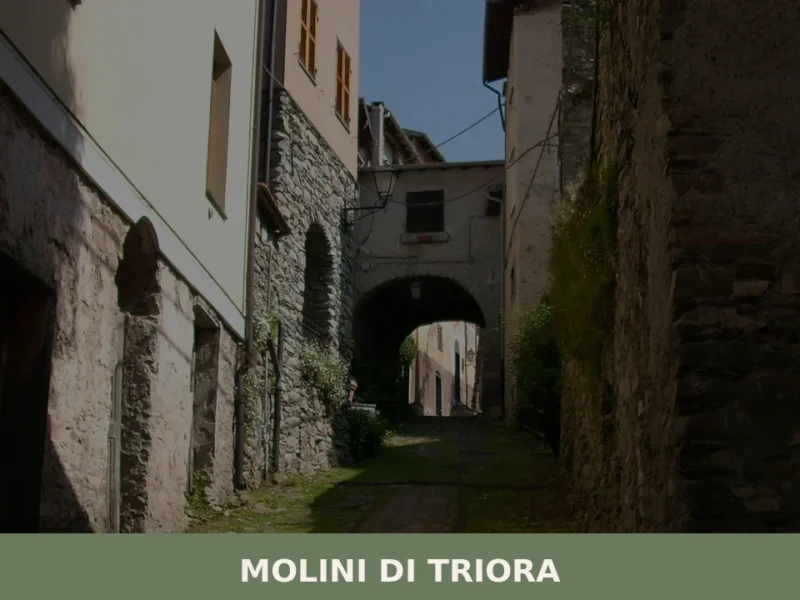
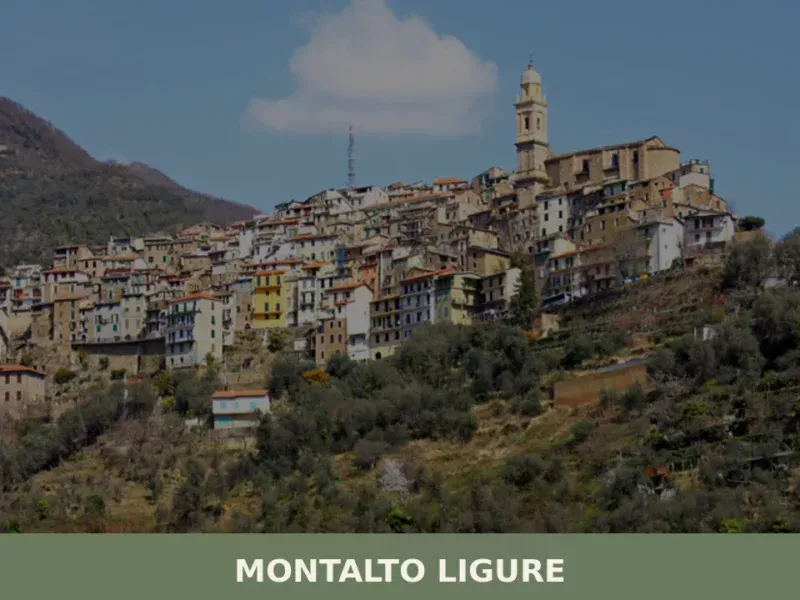
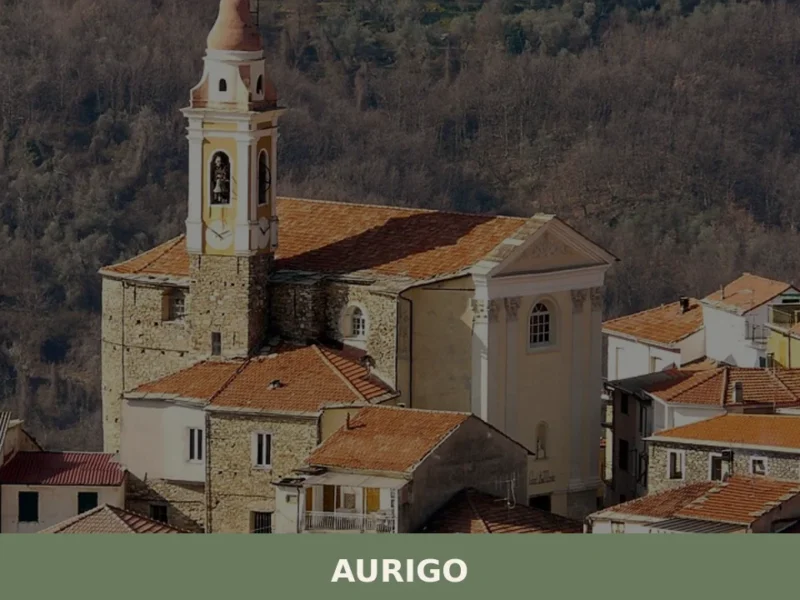
In Liguria More villages to discover
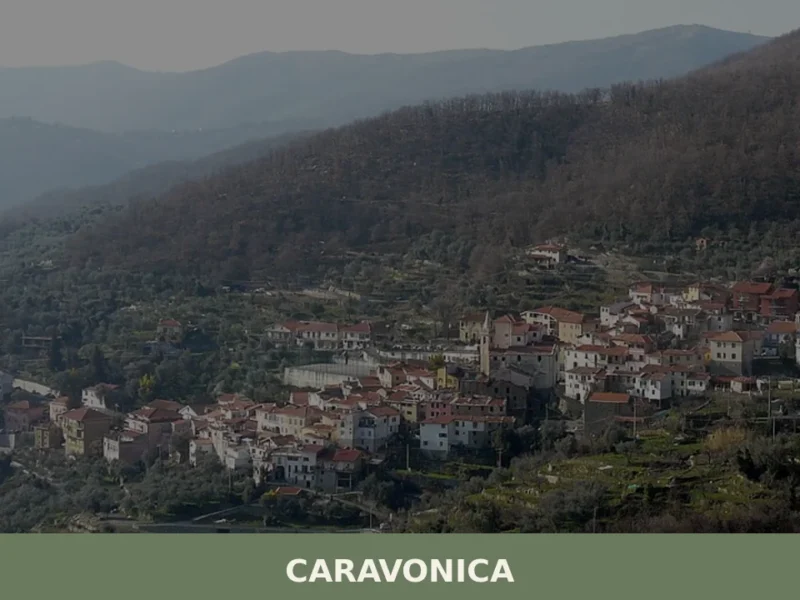
Caravonica
Hills
The scent of wild rosemary drifts on the morning air, carried by a breeze that has travelled from the Ligurian Sea and across the terraced olive groves. Morning light, still soft, begins to illuminate the ochre and terracotta facades of Caravonica “”, a village clinging to a hillside in the Imperia province. At 360 meters […]
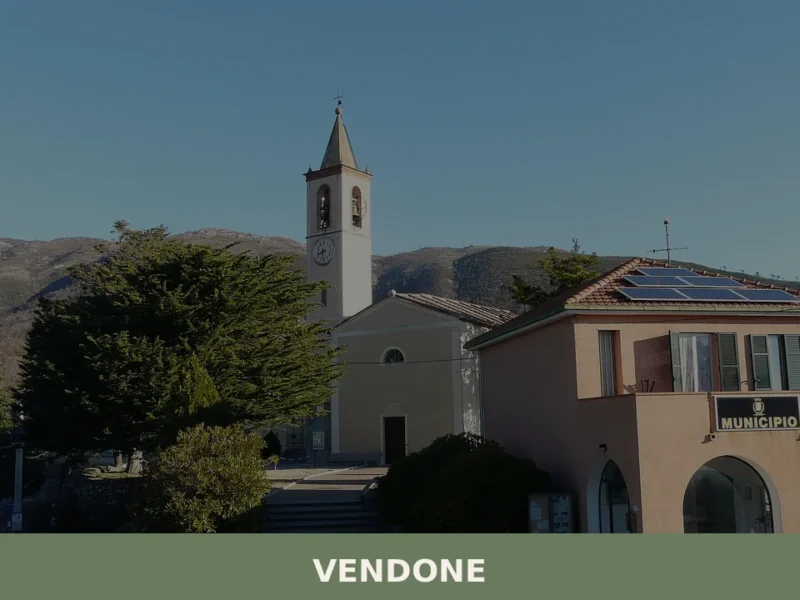
Vendone
Hills
What to see in Vendone, Liguria, Italy: 5 attractions, local food, festivals and how to get there. 401 inhabitants, 80 km from Genoa. Discover it now.
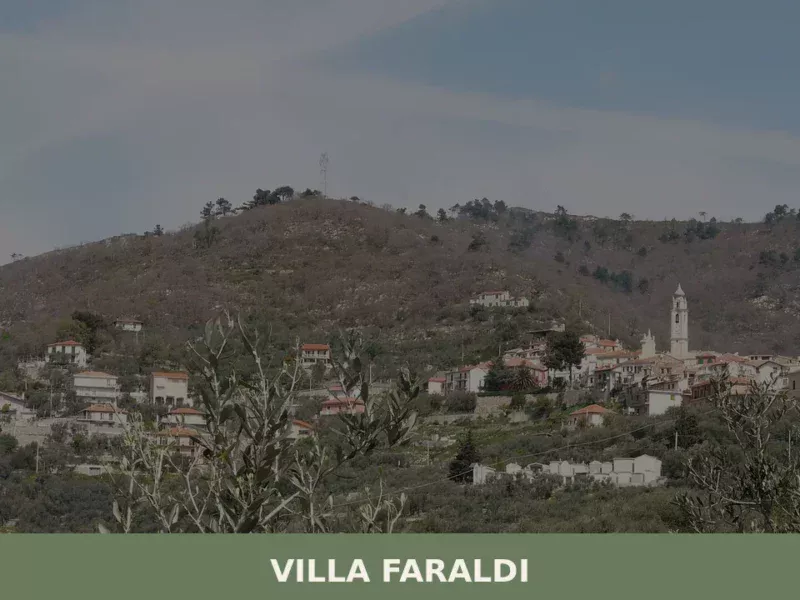
Villa Faraldi
Hills
what to see in villa faraldi: Discover this Italian village of 452 inhabitants in Liguria. Explore historic alleys and scenic views. Read our guide to Villa Faraldi, Italy.
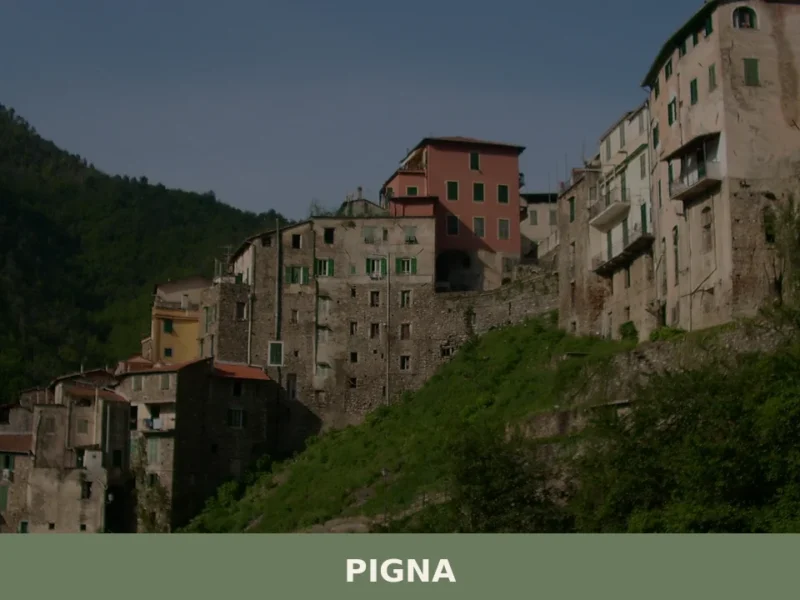
Pigna
 Mountain
What to see in Pigna: Explore this Ligurian village, home to 741 inhabitants, its historic tower, and ancient bridge. Discover Italy's rich past.
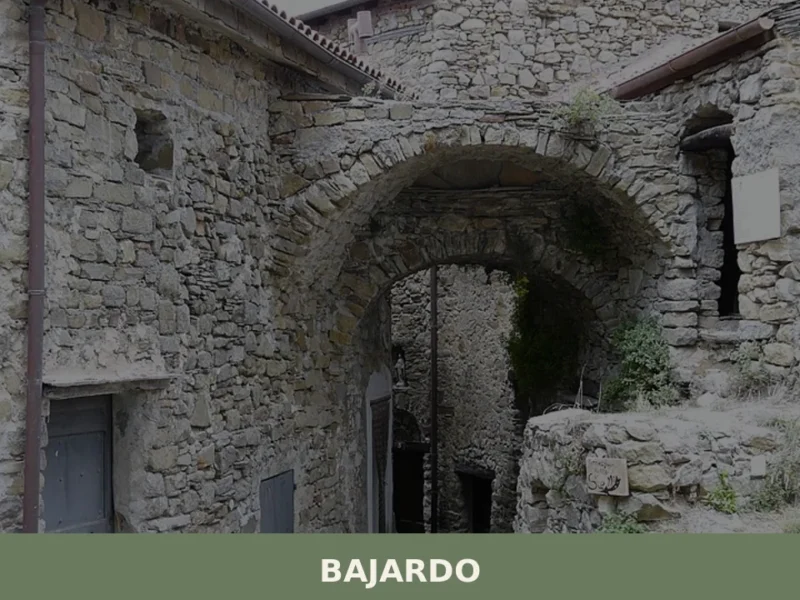
Bajardo
Mountain
What to see in Bajardo? Discover top 5 attractions at 910m, with historic ruins, stunning views, and trails. Plan your visit!
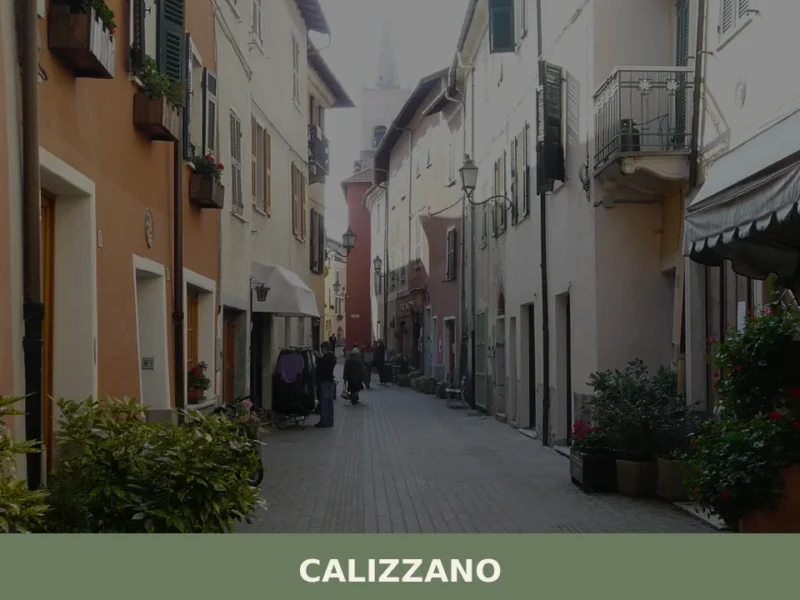
Calizzano
Mountain
What to see in Calizzano, Liguria, Italy: explore the upper Bormida Valley at 70 km from Genoa. Discover Monte Spinarda, local food and festivals. Read the guide.
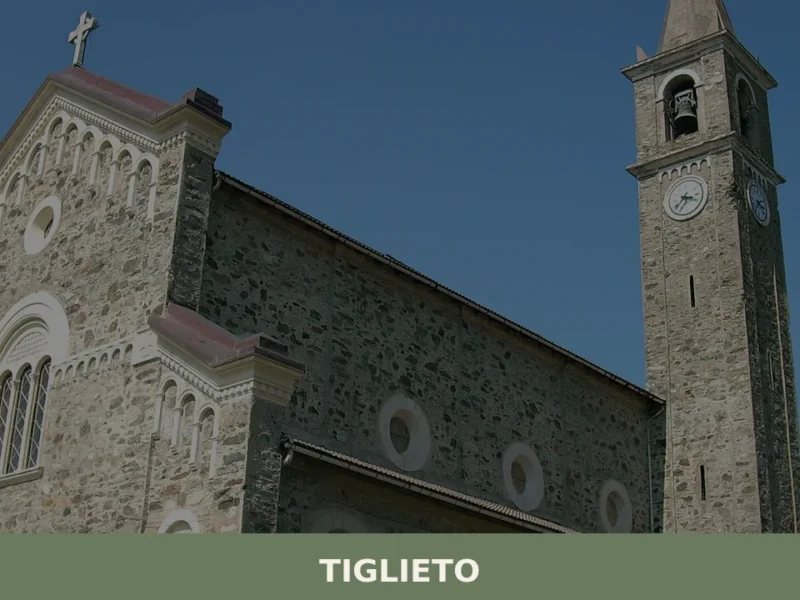
Tiglieto
Mountain
what to see in tiglieto: Explore Tiglieto, Italy, located 52 km (32 mi) from Genoa. Discover the historic Abbey and the Beigua Regional Park.
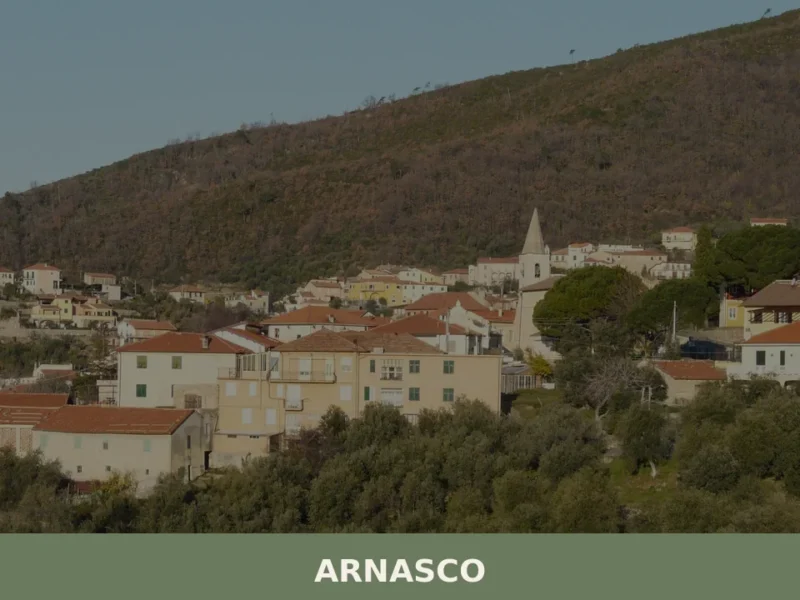
Arnasco
Hills
What to see in Arnasco, Liguria, Italy: discover this 552-inhabitant village 80 km from Genoa. Explore its historic centre, local festivals and Ligurian cuisine.
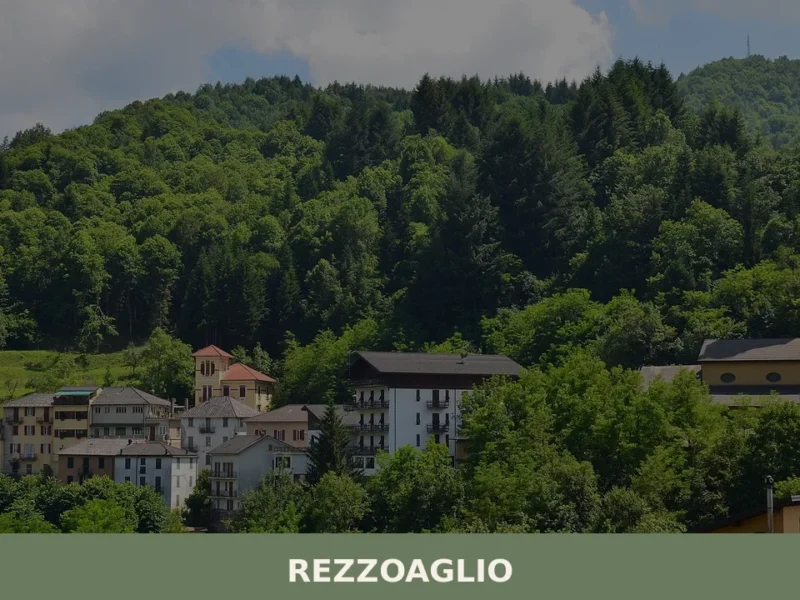
Rezzoaglio
Mountain
What to see in Rezzoaglio, Italy: explore the Aveto Natural Regional Park, local food traditions and 1,048 inhabitants village life. Discover everything here.
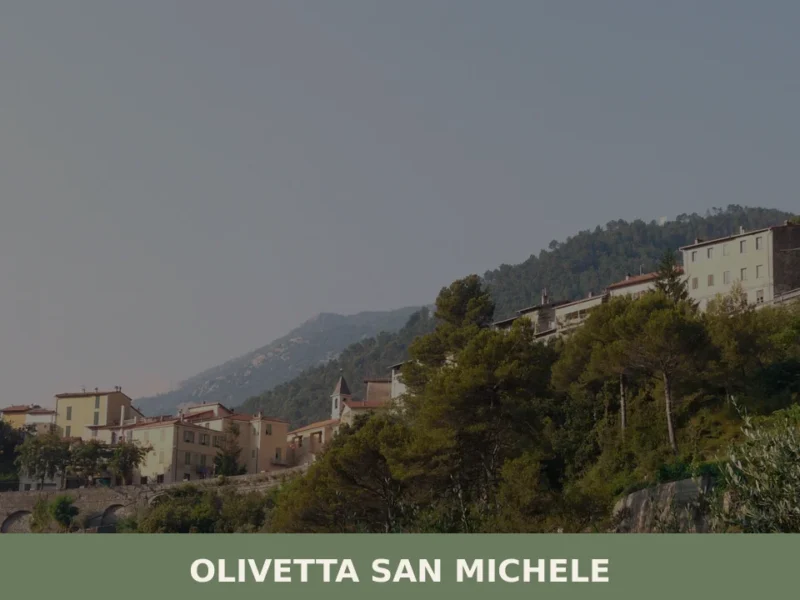
Olivetta San Michele
Mountain
What to see in Olivetta San Michele? Discover 5 unique aspects of this Ligurian village, between history and nature. Read the full guide and plan your visit!


🏡 Know Apricale better than we do?
If you’re a local or have been there, your knowledge matters: add what’s missing or fix a detail on this page.