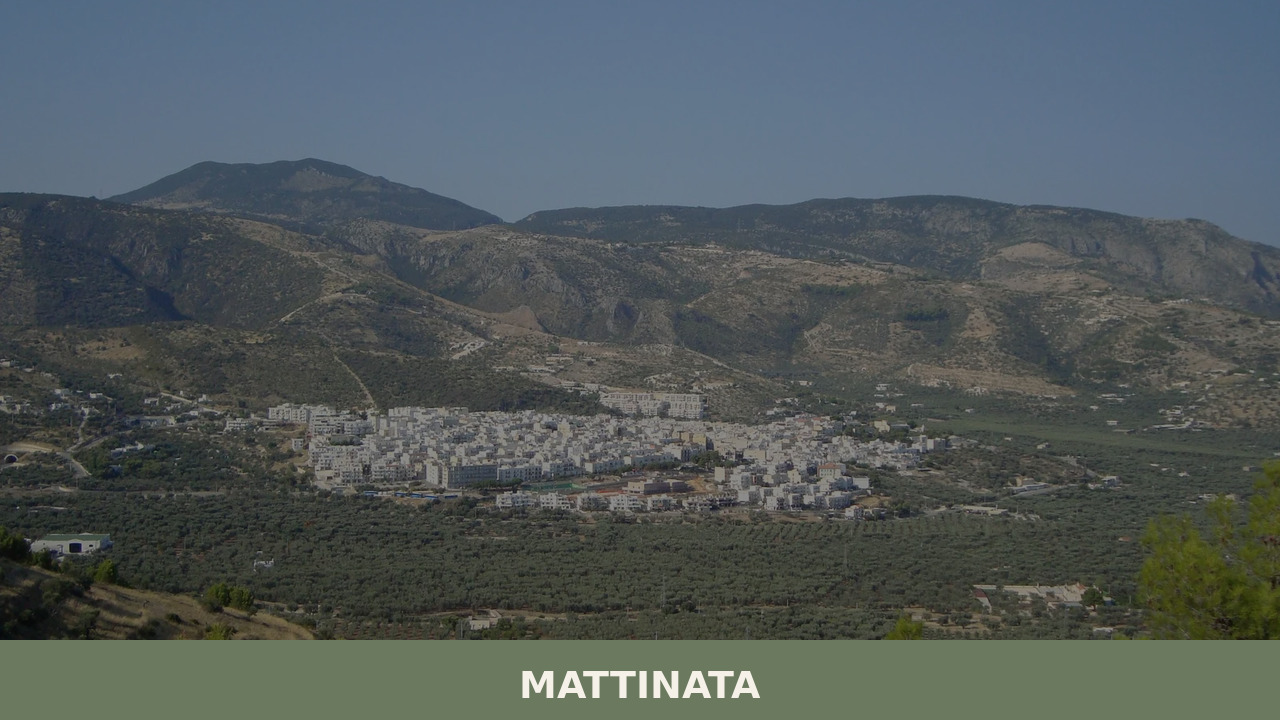
Perched on the sun-drenched slopes of the Gargano promontory, Mattinata is a dazzling white jewel overlooking the Adriatic Sea. With just 5,976 inhabitants and sitting at 75 metres above sea level in the province of Foggia, this coastal village captivates visitors with its pristine bays, ancient olive groves, and a way of life shaped by […]
Perched on the sun-drenched slopes of the Gargano promontory, Mattinata is a dazzling white jewel overlooking the Adriatic Sea. With just 5,976 inhabitants and sitting at 75 metres above sea level in the province of Foggia, this coastal village captivates visitors with its pristine bays, ancient olive groves, and a way of life shaped by centuries of Mediterranean tradition. If you’re wondering what to see in Mattinata, prepare to be enchanted by a landscape where limestone cliffs plunge into turquoise waters and history hides around every sunlit corner.
The origins of Mattinata reach deep into prehistory. Archaeological evidence shows that the area was inhabited as far back as the Neolithic and Bronze Ages, with significant finds — including the celebrated Stele Daunie, carved stone slabs produced by the ancient Daunian people — unearthed in the surrounding countryside. The Greeks and Romans also left their mark on this stretch of the Gargano coast, drawn by its natural harbours and fertile land. The name “Mattinata” is widely believed to derive from the Latin matutina, meaning “of the morning,” a poetic reference to the village’s eastward orientation, where it catches the first light of dawn over the Adriatic.
During the medieval period, the settlement fell under the influence of various powers that shaped southern Italy, including the Lombards, the Normans, and later the Swabians under Emperor Frederick II. The area’s strategic coastal position made it a target for Saracen raids, which periodically devastated the community and forced inhabitants to retreat to more defensible positions inland. It was only in the modern era that the population gradually resettled closer to the coast, giving rise to the compact, whitewashed townscape that visitors admire today.
By the 18th and 19th centuries, Mattinata had become a thriving agricultural community centred on olive oil production — a tradition that remains the economic and cultural heartbeat of the village. The modern municipality, officially established after Italian unification, has evolved into one of the Gargano’s most beloved seaside destinations while retaining its authentic rural character, a balance that few coastal towns in Puglia have managed to preserve so gracefully.
Arguably the most photographed spot on the entire Gargano coast, Baia delle Zagare is a breathtaking cove framed by towering white limestone sea stacks — the famous faraglioni. Accessible by boat or via a steep path, the bay features crystalline waters ideal for swimming and snorkelling. The name, meaning “Bay of the Orange Blossoms,” hints at the fragrant citrus groves that once lined the cliffs above.
Set dramatically on a rocky spur just a few kilometres from the town centre, this ancient abbey dates back to the 6th century and was rebuilt by the Benedictines in the 12th century. The complex includes a main church, monastic quarters, and a network of hermit caves carved into the surrounding cliffs. It remains a place of active spiritual retreat and offers sweeping panoramic views over the Gulf of Manfredonia.
Overlooking the bay of Mattinata, this archaeological site preserves hundreds of Daunian tombs dating from the 7th to the 4th century BC, carved directly into the limestone ridge. Many of the celebrated Stele Daunie were discovered here, offering invaluable insights into the pre-Roman civilisations of the Gargano peninsula. The hike to the summit rewards visitors with extraordinary coastal views.
Standing at the heart of the village, the Chiesa Madre is the spiritual centre of Mattinata. Though relatively modest in scale, its clean lines and luminous interior reflect the unpretentious beauty of Gargano religious architecture. The church hosts important liturgical celebrations throughout the year and anchors the lively piazza where locals and visitors gather on warm summer evenings.
The countryside surrounding Mattinata is blanketed with ancient olive trees, some estimated to be several hundred years old, their gnarled trunks testament to generations of careful cultivation. A network of well-marked hiking and cycling trails winds through this landscape, connecting the village to panoramic viewpoints, hidden coves, and the broader trail system of the Gargano National Park.
Mattinata’s cuisine is a celebration of the land and sea that define Gargano life. Extra virgin olive oil is the undisputed protagonist — the local cultivar, Ogliarola Garganica, produces a delicate, fruity oil that is the foundation of nearly every dish. Typical plates include orecchiette with turnip tops or wild herbs, fresh seafood such as grilled octopus and sea urchin, and hearty bread-based dishes like pancotto (bread soup enriched with vegetables and oil). Local bakeries produce the celebrated pane di Monte Sant’Angelo, a fragrant, long-lasting bread with a thick crust, traditionally baked in wood-fired ovens.
For a deeper taste of the territory, seek out local caciocavallo podolico cheese, made from the milk of the semi-wild Podolica cattle that graze on the Gargano highlands, as well as the area’s almonds, dried figs, and honey. Visitors will find authentic trattorias and agriturismi both in the village centre and scattered across the surrounding countryside, where meals are often accompanied by robust local wines from the Puglia region. The weekly market is another excellent opportunity to sample seasonal produce directly from the farmers who grow it.
Mattinata enjoys a Mediterranean climate with hot, dry summers and mild winters, making it a pleasant destination for much of the year. The peak season runs from June to September, when warm temperatures and calm seas make the beaches and coves irresistible. July and August are the busiest months; booking accommodation well in advance is essential. For a more tranquil experience with comfortably warm weather, May, June, and September are ideal — the sea is still swimmable, trails are less crowded, and the landscape bursts with wildflowers and the silver shimmer of olive leaves.
The village calendar is punctuated by festivals that offer a window into local traditions. The Festa Patronale in honour of the Madonna della Luce, celebrated in September, features religious processions, live music, and fireworks over the sea. Spring brings agricultural fairs celebrating the new olive oil and seasonal produce. Even in the quieter winter months, Mattinata rewards visitors with dramatic coastal scenery, peaceful hiking, and the warmth of Puglian hospitality in the local osterie.
Mattinata is located in the province of Foggia, on the southern coast of the Gargano promontory. The nearest major airport is Bari Karol Wojtyła Airport (BRI), approximately 170 km to the south, which is well served by domestic and European carriers. From the airport, the most convenient option is to rent a car and drive north via the A14 motorway, exiting at Foggia and continuing on the SS89 coastal road through Manfredonia — a scenic route that takes roughly two hours. The smaller Gino Lisa Airport in Foggia is closer (about 60 km) but offers limited commercial flights.
By train, the main railway station is in Foggia, which is connected to Rome (approximately 3 hours), Naples (around 2.5 hours), and Bari (around 1.5 hours) by Trenitalia and Italo high-speed services. From Foggia, local SITA bus services and regional buses run to Mattinata via Manfredonia, though schedules can be limited outside the summer season. Having a car is strongly recommended for exploring the Gargano’s scattered coves and mountain villages at your own pace. Parking is available in the village centre and near the main beaches.
The province of Foggia is rich with villages that reveal different facets of Puglia’s extraordinary heritage. Inland from the Gargano coast, the ancient city of Lucera stands as one of southern Italy’s most historically layered towns. Once home to a thriving Saracen colony established by Frederick II and crowned by one of the largest medieval fortresses in the region, Lucera offers a fascinating counterpoint to Mattinata’s coastal character — a place where Roman amphitheatres, Gothic cathedrals, and Swabian walls tell a thousand years of interwoven stories.
Further south across the Tavoliere plain, the town of Orta Nova provides a window into the agricultural soul of the Foggia province. Surrounded by vast wheat fields and olive groves, Orta Nova is a place of genuine, unhurried southern Italian life — perfect for travellers who want to step beyond the tourist trail and experience the rhythms of rural Puglia. Together with Mattinata and the wider Gargano, these villages form a compelling itinerary through one of Italy’s most diverse and rewarding regions.
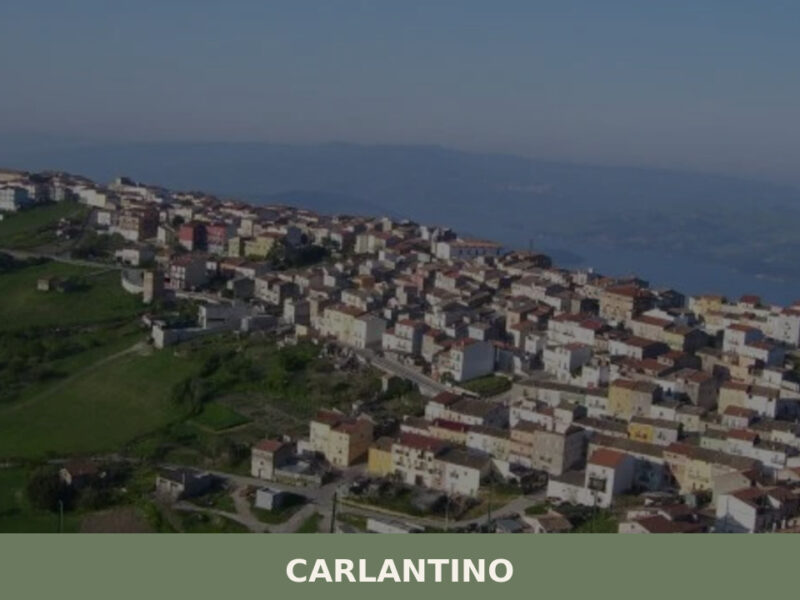
Discover Carlantino, a tiny hilltop village overlooking Lake Occhito in Puglia's Daunia hills. Explore its history, nature trails, and renowned black truffles.
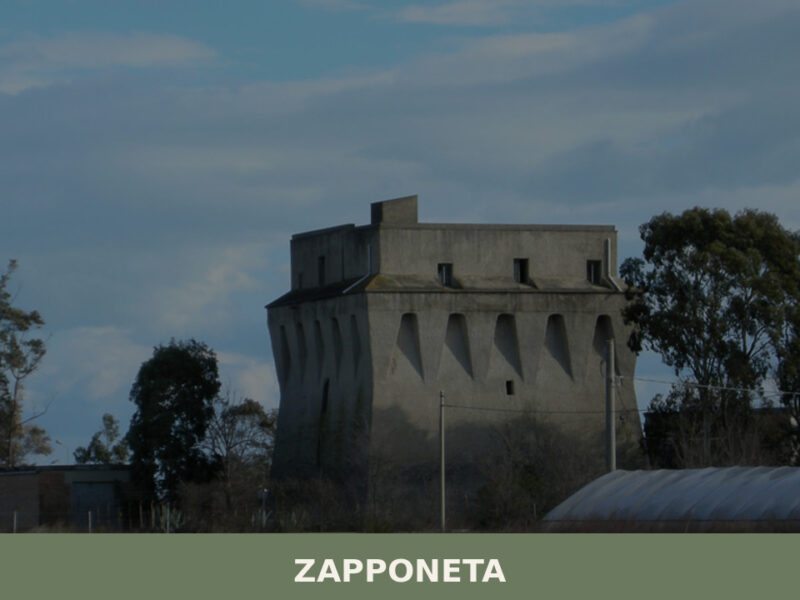
A flat Adriatic village at two metres above sea level, Zapponeta sits where the Tavoliere plain meets the coast. Salt, wind, and wheat define this quiet corner of Foggia province.
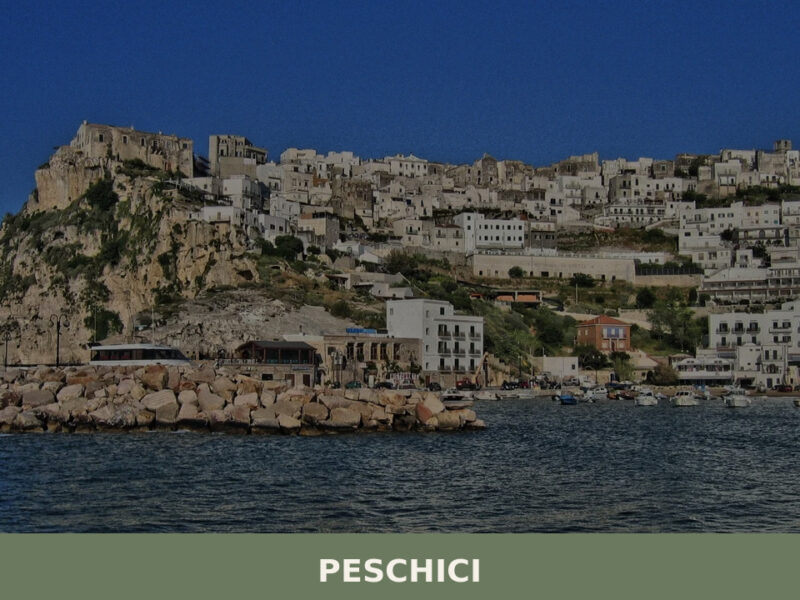
Perched on a rocky promontory above the turquoise waters of the Adriatic Sea, Peschici is one of the most enchanting coastal villages in Puglia’s Gargano peninsula. With its whitewashed houses, narrow alleyways, and dramatic clifftop setting, this small town of 4,283 inhabitants offers a captivating blend of history, natural beauty, and Mediterranean charm. If you’re […]
📝 Incorrect information or updates?
Help us keep the Mattinata page accurate and up to date.