


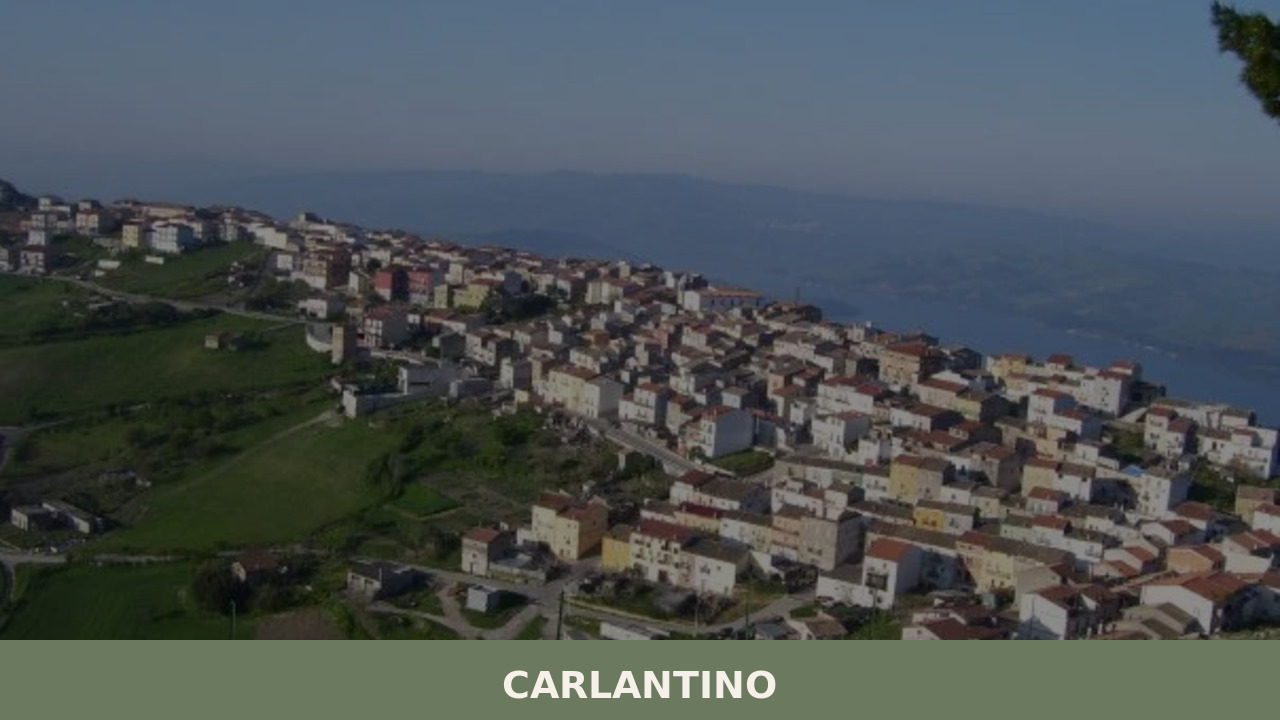
Carlantino
 Plains
Discover Carlantino, a tiny hilltop village overlooking Lake Occhito in Puglia’s Daunia hills. Explore its history, nature trails, and renowned black truffles.
Discover Carlantino
Perched quietly above the waters of Lake Occhito in the province of Foggia, Carlantino is one of Puglia’s smallest and most unspoiled villages. With just 804 inhabitants, this hilltop hamlet offers a rare glimpse into authentic southern Italian life far from the tourist crowds. If you’re wondering what to see in Carlantino, prepare for a journey through centuries of history, breathtaking reservoir landscapes, and a culinary tradition rooted in the land. This is a place where time moves gently, and every cobblestone has a story to tell.
History of Carlantino
Carlantino’s origins are tied to the broader feudal history of the Daunia sub-Apennine region. The village is believed to have been founded or re-established around the 15th century, during a period when many small settlements in the Foggia province were organised under the control of noble families. The name “Carlantino” is traditionally thought to derive from a local feudal lord, possibly linked to a diminutive form of “Carlo” or “Carlantonio,” though historical records from this period remain fragmentary. Like many villages in the Subappennino Dauno, it developed as an agricultural community sustained by cereal cultivation, sheep farming, and the resources of the surrounding forested hills.
Throughout the medieval and early modern periods, Carlantino passed through the hands of various baronial families who held sway over much of the rural Capitanata. The village’s strategic position on a hill overlooking the Fortore river valley gave it a degree of natural defence, a common feature of settlements in this part of southern Italy. The construction of the Occhito Dam in the mid-20th century transformed the local landscape dramatically, creating the vast artificial lake that now defines Carlantino’s panorama and identity.
Despite its small size, Carlantino has maintained a proud sense of community identity through the centuries. Religious traditions, seasonal festivals, and a close-knit social fabric have allowed this tiny borgo to survive the waves of emigration that emptied many neighbouring hamlets. Today, it stands as a living testament to the resilience of Italy’s inland villages.
What to see in Carlantino: 5 must-visit attractions
1. Lake Occhito
The crown jewel of Carlantino’s landscape, Lake Occhito is one of the largest artificial lakes in southern Europe. Formed by the damming of the Fortore River, its tranquil blue waters stretch across the border between Puglia and Molise. The lake offers opportunities for fishing, birdwatching, and peaceful lakeside walks, with Carlantino providing one of the most scenic vantage points from which to admire it.
2. Chiesa Madre (Mother Church)
The main parish church of Carlantino sits at the heart of the village and serves as both a spiritual and architectural focal point. Dedicated to local devotion, it features a modest but charming façade typical of small Daunia churches. Inside, visitors can find religious artwork and statuary that reflect centuries of faith in this tight-knit rural community.
3. The Historic Centre
Carlantino’s compact centro storico is a delightful labyrinth of narrow lanes, stone archways, and whitewashed houses. Walking through its quiet streets, you’ll encounter small piazzas, elderly residents sharing stories on doorsteps, and architectural details that speak to the village’s medieval and early modern past. It is the essence of an unhurried Italian hill village.
4. Panoramic Viewpoints over the Fortore Valley
Thanks to its elevated hillside position, Carlantino rewards visitors with sweeping views across the Fortore River valley and surrounding Daunia mountains. Several points along the village perimeter and nearby trails offer extraordinary panoramas, especially at sunrise and sunset, when the lake below shimmers with golden light and the rolling hills recede into soft haze.
5. Nature Trails and Countryside Walks
The countryside surrounding Carlantino is rich in Mediterranean scrubland, olive groves, and oak woodland. Informal trails and rural paths lead walkers through a landscape alive with wildflowers in spring and vibrant foliage in autumn. Birdwatchers will appreciate the variety of species attracted to Lake Occhito’s shores, making this area a quiet paradise for nature lovers.
Local food and typical products
Carlantino’s cuisine is deeply rooted in the peasant traditions of the Daunia Apennines. Meals here revolve around simple, robust ingredients: durum wheat pasta, locally pressed olive oil, foraged wild vegetables, and preserved meats. Orecchiette and cavatelli served with ragù or seasonal greens are staples, while lamb and pork dishes reflect the area’s pastoral heritage. Local bread, baked in wood-fired ovens, remains a point of pride — dense, golden-crusted, and perfect for soaking up sauces. The extra-virgin olive oil produced in this part of the Foggia province is noted for its robust, peppery flavour.
Carlantino is particularly celebrated for its production of black truffles, which thrive in the oak and hazelnut woodlands surrounding Lake Occhito. This prized ingredient appears in local dishes during the autumn and winter months, elevating simple pasta and egg preparations into something extraordinary. Visitors should also seek out local cheeses, including aged caciocavallo and fresh ricotta, as well as homemade preserves and liqueurs. Small trattorias and agriturismi in the area provide the most genuine dining experiences, where multi-course meals are served with warmth and generosity.
Best time to visit Carlantino
Carlantino enjoys a pleasant inland climate with warm summers and cool winters, typical of the Daunia sub-Apennine hills. Spring (April to June) is arguably the finest season to visit, when wildflowers blanket the hillsides, the lake is full from seasonal rains, and temperatures are ideal for walking and exploring. Autumn is equally rewarding, particularly for food lovers hoping to taste the local black truffle harvest and enjoy the region’s rich autumnal colours.
Summer brings warmer days and the opportunity to enjoy the lakeside, though temperatures can climb significantly in July and August. The village’s festa patronale and other religious celebrations, typically held in summer, offer a wonderful chance to experience local traditions, music, and communal feasting. Winter is quiet but atmospheric, with mist rolling over Lake Occhito and hearty food providing comfort against the chill. Regardless of the season, Carlantino is a destination for those who appreciate solitude, authenticity, and the slower rhythms of rural Italian life.
How to get to Carlantino
Carlantino is located in the western part of the province of Foggia, close to the border with Molise. By car, the village is accessible from the A14 Adriatica motorway — exit at Poggio Imperiale or San Severo and follow provincial roads south-west through the Daunia hills. The drive from Foggia city takes approximately one hour and fifteen minutes (around 80 km), winding through scenic countryside. From Bari, expect a journey of roughly two and a half hours (approximately 200 km).
The nearest railway stations are at San Severo and Lucera, both served by Trenitalia regional services on the Foggia line. From these stations, you will need a car or local bus to reach Carlantino, as direct public transport to the village is limited. The closest major airport is Bari Karol Wojtyła Airport (approximately 200 km), while Naples Capodichino Airport (approximately 170 km) can be a convenient alternative, especially for travellers arriving from international destinations. Having a rental car is strongly recommended to explore Carlantino and the broader Daunia area at your own pace.
More villages to discover in Puglia
Carlantino sits within one of the least explored corners of Puglia, but the wider region is rich with extraordinary villages waiting to be discovered. If you’re drawn to coastal beauty after exploring the tranquil hills of the Daunia, consider heading east towards the Gargano promontory and the charming seaside village of Mattinata, where dramatic white cliffs meet crystal-clear Adriatic waters and ancient olive groves tumble down to secluded bays.
Closer to Carlantino, the historic city of Lucera is an unmissable stop for history enthusiasts. Once home to a thriving Saracen colony under Emperor Frederick II, Lucera boasts one of the largest Roman amphitheatres in southern Italy and a magnificent Angevin fortress. Together, these destinations paint a vivid picture of Puglia’s extraordinary diversity — from quiet lakeside hamlets like Carlantino to storied cities and sun-drenched coastal gems, this region has something profound to offer every traveller.
Frequently asked questions about Carlantino
When is the patron saint festival celebrated in Carlantino?
Carlantino honours its two patron saints, San Donato and San Rocco, on 7 August each year. This summer celebration is one of the most important dates in the village's calendar, bringing together residents and visitors for religious ceremonies, music, and communal festivities. It is an ideal occasion to experience the authentic social and devotional traditions that have kept this small Daunia community cohesive across generations.
Is Carlantino feasible as a day trip from Foggia or San Severo?
Yes. From Foggia city, Carlantino is approximately 80 km away, roughly one hour and fifteen minutes by car via provincial roads through the Daunia hills — a comfortable day-trip distance. From San Severo, the journey is shorter. However, public transport connections to the village are very limited, so a rental car is strongly recommended. Combining Carlantino with a stop in nearby Lucera, which has a Roman amphitheatre and an Angevin fortress, makes for a well-rounded day itinerary.
Is Lake Occhito really one of the largest artificial lakes in southern Europe?
Yes. Lake Occhito was formed by damming the Fortore River and straddles the border between Puglia and Molise. It is widely documented as one of the largest artificial reservoirs in southern Europe by surface area. The lake serves important water-management functions for agricultural irrigation across the Capitanata plain. Carlantino sits above it on a hillside, offering one of the most scenic elevated viewpoints over the reservoir, particularly striking at sunrise and sunset.
Are black truffles really found near Carlantino, and when is the best time to taste them?
Yes. The oak and hazelnut woodlands surrounding Carlantino and Lake Occhito support the growth of black truffles, a well-documented local product of this part of the Subappennino Dauno. The harvest and peak availability fall in autumn and winter. During these months, local trattorias and agriturismi incorporate truffles into traditional dishes such as pasta and egg preparations. Autumn is therefore the best season for food-focused visitors wanting to experience this prized ingredient at its freshest.
Nearby Villages near Carlantino
In Apulia More villages to discover
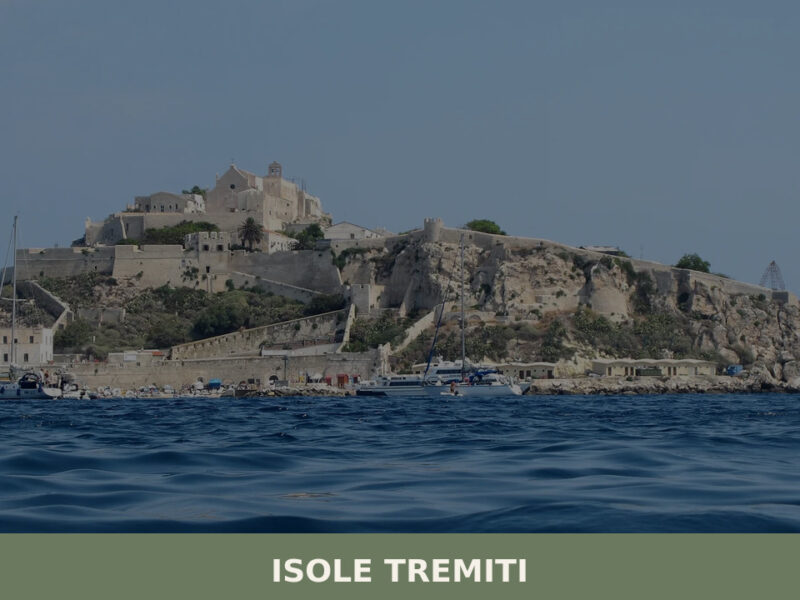
Isole Tremiti
 Sea
Sea
A 481-resident archipelago off Puglia's Gargano coast, the Tremiti Islands compress monastic history, Adriatic wildlife, and sea caves into three inhabited islands.
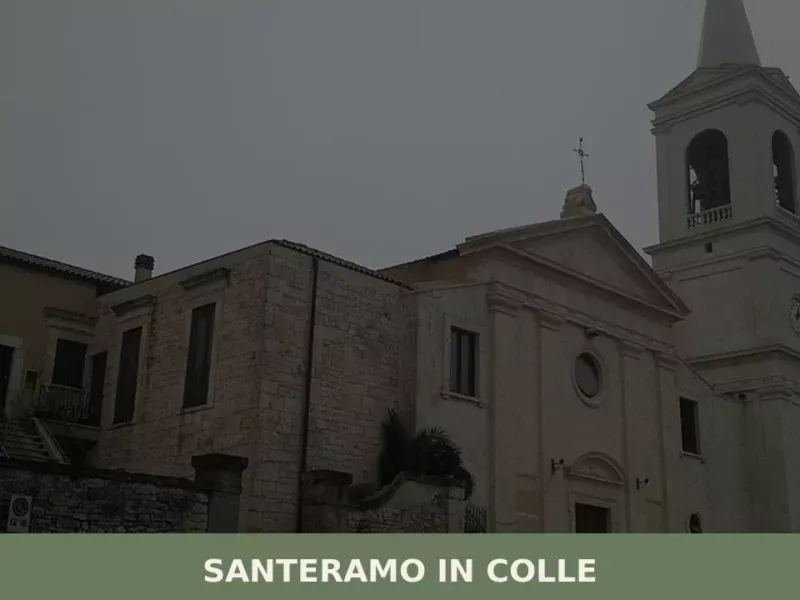
Santeramo in Colle
 Hills
Hills
What to see in Santeramo in Colle? Discover the top 5 attractions, from the historic center to beautiful churches. Plan your visit to Puglia!
Adelfia
Plains
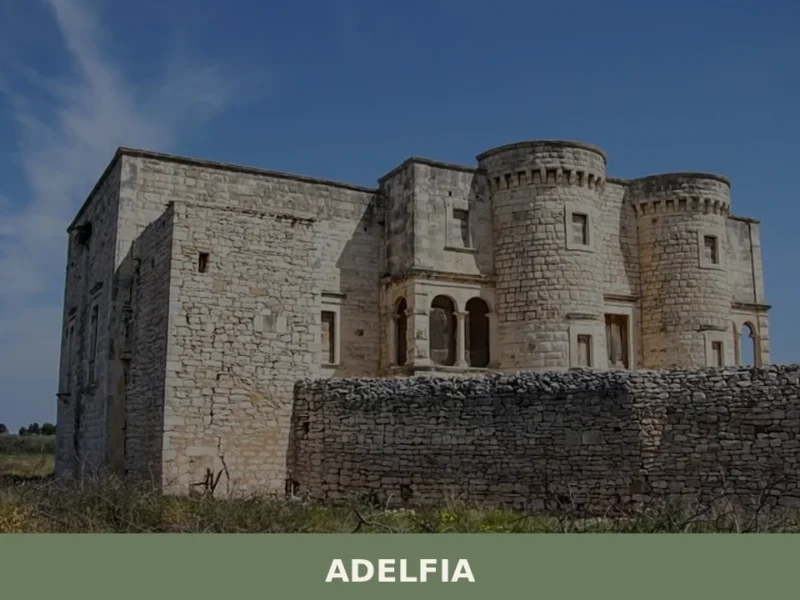
In 1927, a royal decree unified two separate municipalities — Canneto di Bari and Montrone — into a single administrative entity given the name Adelfia, from the Greek adelphós, meaning brother. It was a political gesture that encapsulated centuries of coexistence between two settlements separated by less than a kilometre of countryside, yet each fiercely […]
Putignano
Hills
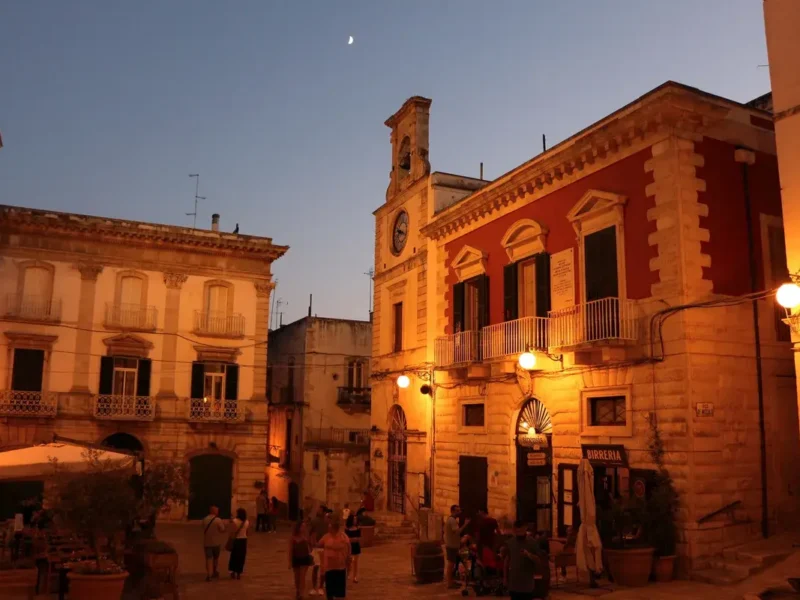
What to see in Putignano: hilltop town at 372m in the Murgia Barese. Grotta del Trullo, 6-century-old Carnival, PAT cuisine. Plan your visit now.
Margherita di Savoia
Sea
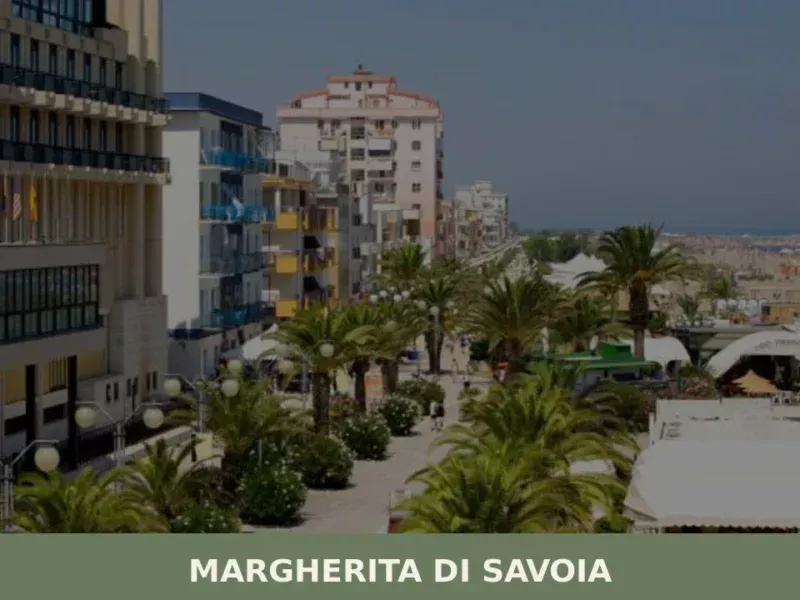
Discover what to see in Margherita di Savoia: Europe's largest salt flats, the historic Torre delle Saline, thermal baths and an Adriatic beach in Puglia.
Carovigno
Sea
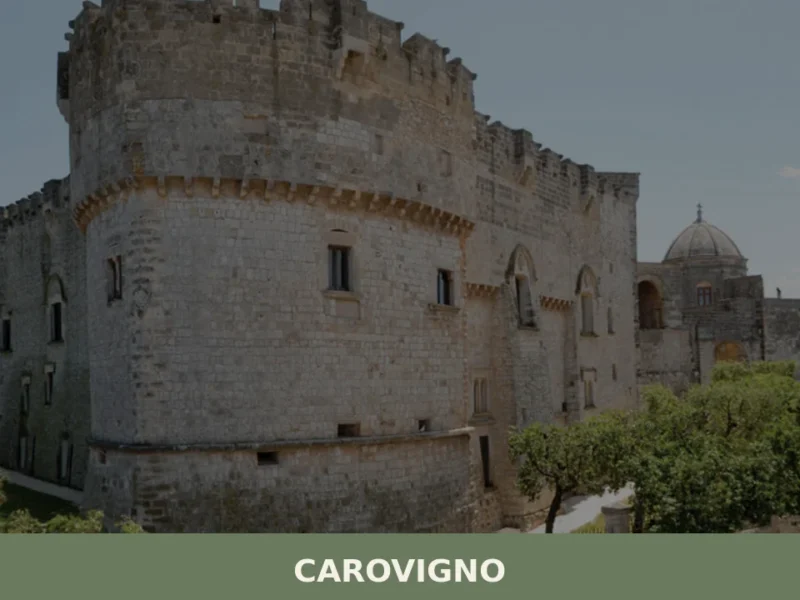
Discover what to see in Carovigno, Puglia: medieval castle, rupestrian churches, Torre Guaceto nature reserve, olive oil traditions and practical travel tips.
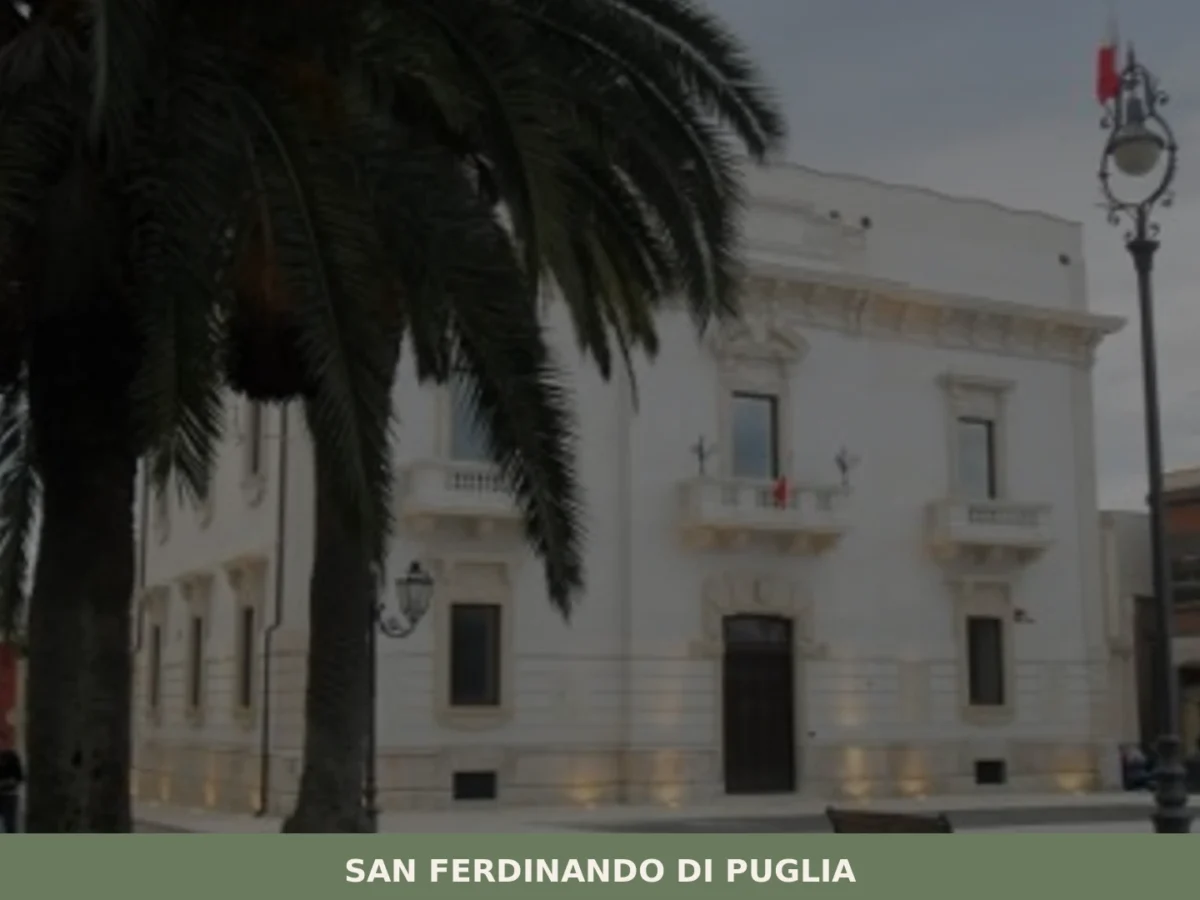
San Ferdinando di Puglia
Plains
What to see in San Ferdinando di Puglia: 5 must-visit attractions, from the historic centre to the churches. Discover the complete guide and plan your visit.
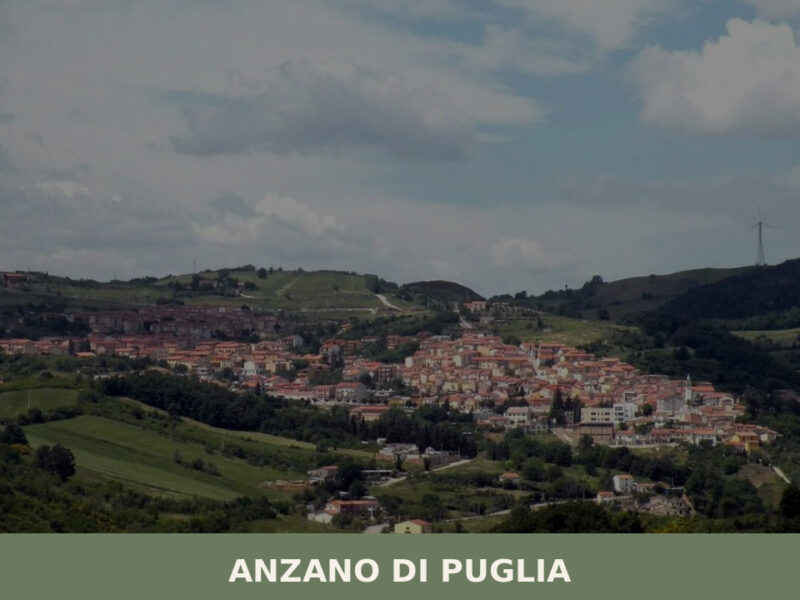
Anzano di Puglia
 Mountain
A tiny hilltop village at 760 m in the Daunia Mountains, Anzano di Puglia enchants with stone lanes, sweeping panoramas, and authentic mountain cuisine.
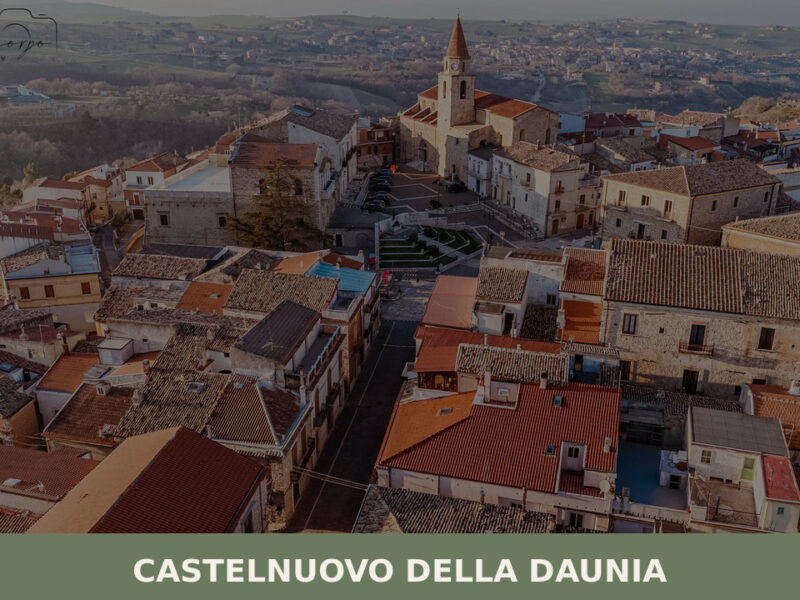
Castelnuovo della Daunia
Hills
A compact hill village at 543 metres in Puglia's Subappennino Dauno, Castelnuovo della Daunia offers medieval lanes, panoramic views over the Tavoliere, and the quiet rhythms of inland southern Italy.
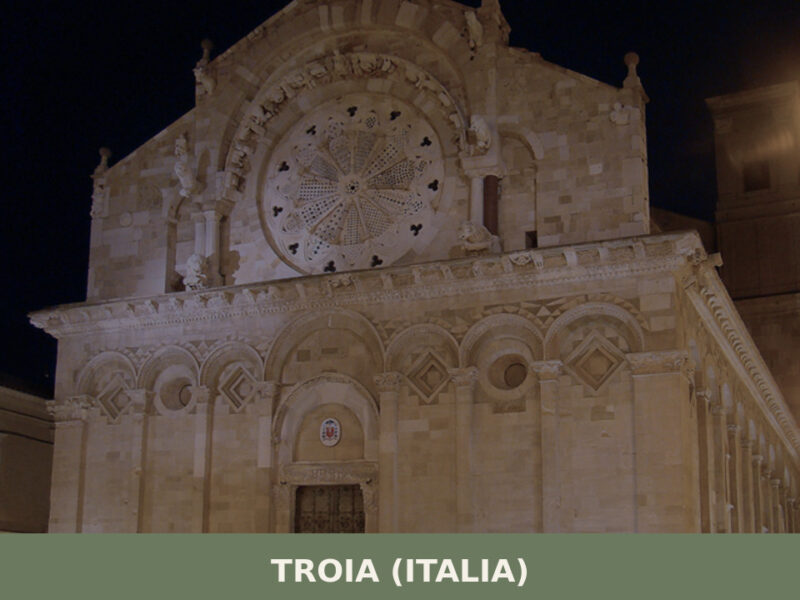
Troia
Hills
Are you ready to discover one of the most fascinating villages of Troia Puglia? Hidden among the gentle hills of the Dauno Sub-Apennines, this medieval jewel will amaze you with its historical, architectural and cultural richness. Troia Puglia is not just a tourist destination, but a true journey through time that will take you back […]
🧀 Italian traditional products



🏡 Know Carlantino better than we do?
If you’re a local or have been there, your knowledge matters: add what’s missing or fix a detail on this page.