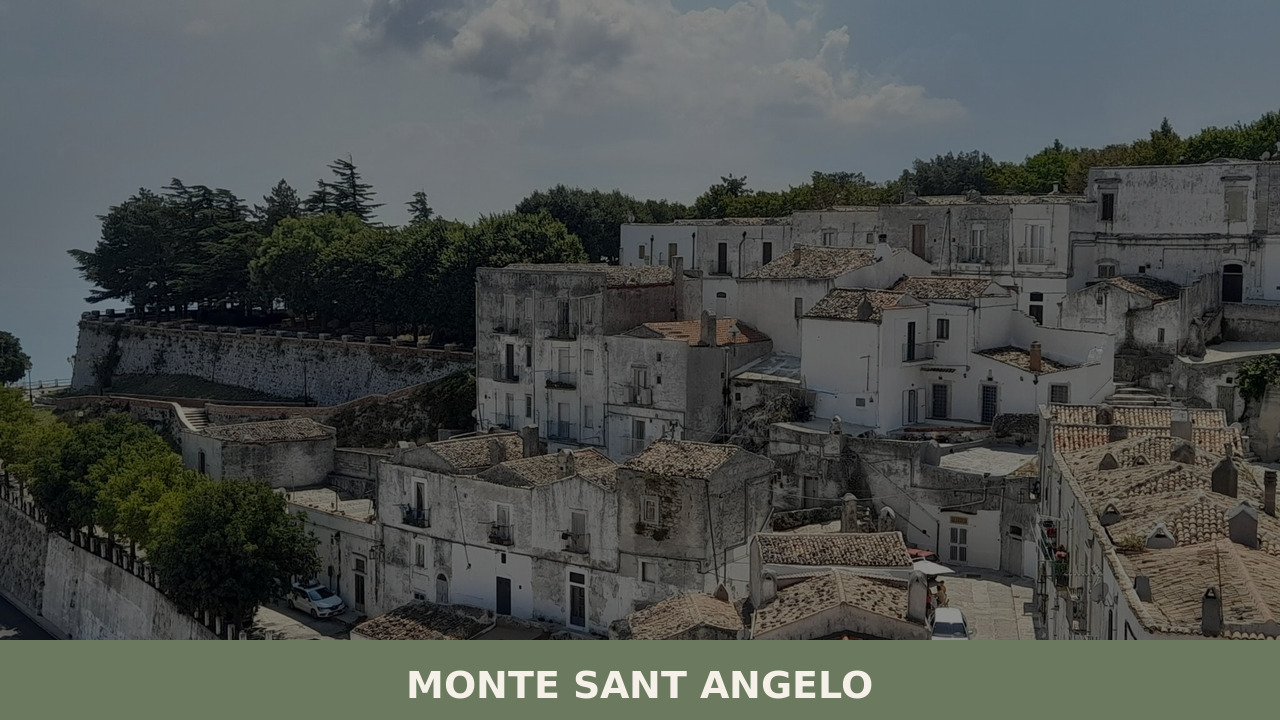
Monte Sant’Angelo, borgo garganico patrimonio UNESCO, incanta con il santuario di San Michele, il castello svevo e vicoli medievali. Scopri cosa vedere, come arrivare e quando visitarlo.
Perched at 796 metres above sea level on the sun-bleached slopes of the Gargano promontory, Monte Sant’Angelo is one of Puglia’s most spiritual and captivating hilltop villages. If you’re wondering what to see in Monte Sant’Angelo, prepare to be swept away by a place where sacred grottos, Norman fortresses, and sweeping Adriatic panoramas converge. Home to around 11,353 inhabitants and nestled in the province of Foggia, this ancient pilgrimage town has drawn travellers, saints, and warriors for well over a thousand years.
The origins of Monte Sant’Angelo are inseparable from the legend of the Archangel Michael. According to tradition, the archangel appeared in a limestone cave on Mount Gargano in 490 AD, commanding that the grotto be consecrated as a place of worship. This miraculous event gave the village its name — literally “Mount of the Holy Angel” — and transformed it into one of the most important Christian pilgrimage sites in Western Europe. The Sanctuary of Saint Michael the Archangel became a critical stop on the Via Sacra Langobardorum, the sacred route that pilgrims travelled from northern Europe to the Holy Land.
During the Lombard period (6th–8th centuries), Monte Sant’Angelo flourished as a political and religious centre. The Lombard dukes of Benevento embraced the cult of Saint Michael, seeing in the warrior archangel a reflection of their own martial traditions. Under their patronage, the sanctuary grew in prestige and wealth. The village later passed through Norman, Swabian, and Angevin hands. Frederick II of Hohenstaufen, the Holy Roman Emperor who reshaped much of southern Italy, fortified the castle that still crowns the town, leaving an indelible mark on its skyline and strategic importance.
In 2011, the sanctuary was inscribed as a UNESCO World Heritage Site as part of the serial property “Longobards in Italy: Places of the Power (568–774 AD).” This international recognition cemented Monte Sant’Angelo’s status not merely as a regional curiosity but as a place of universal cultural significance, a living testimony to the layers of faith, conflict, and artistry that define the Italian South.
The beating heart of Monte Sant’Angelo, this sanctuary is built around the sacred grotto where the Archangel Michael is said to have appeared. Descending the monumental stairway into the cave, visitors encounter a space of extraordinary power — part natural cavern, part medieval chapel, adorned with centuries of votive offerings. The bronze doors, cast in Constantinople in 1076, are among the finest examples of Byzantine metalwork in Italy.
Dominating the highest point of the village, this imposing fortress was expanded by the Normans and later reinforced by Frederick II. Its pentagonal tower and massive curtain walls offer spectacular views stretching from the Gargano plateau to the Adriatic Sea and, on clear days, across the Tavoliere plain. The castle interior hosts exhibitions and provides a vivid window into the military architecture of the medieval Mediterranean.
The Rione Junno is the oldest neighbourhood in Monte Sant’Angelo, a dense labyrinth of whitewashed houses with distinctive flat rooftops used historically for drying crops. Wandering its narrow alleys feels like stepping back centuries. The compact, almost organic layout reflects a medieval urban fabric that has survived remarkably intact, offering photographers and curious travellers an authentic glimpse of southern Italian village life.
This elegant Romanesque church, dating to the 12th century, features a beautifully carved portal and interior frescoes that reward close attention. Its rose window and sculpted archivolt demonstrate the refined artistic culture that flourished in Monte Sant’Angelo during the Norman period. Often quieter than the famous sanctuary, Santa Maria Maggiore provides a contemplative counterpoint and a deeper understanding of the town’s rich sacred heritage.
Housed in a restored medieval building, this ethnographic museum documents the traditional rural life of the Gargano region. Through tools, costumes, furnishings, and reconstructed domestic spaces, visitors discover how the people of Monte Sant’Angelo lived, worked, and celebrated across the centuries. It is an excellent complement to the monumental sites, grounding the village’s grand history in the everyday experiences of its inhabitants.
Monte Sant’Angelo’s cuisine is rooted in the pastoral and agricultural traditions of the Gargano. The town is famous for its ostie ripiene (filled wafers) — two thin wafer discs enclosing a mixture of toasted almonds and honey, a sweet treat with ancient origins linked to the pilgrimage tradition. Local bread, baked in wood-fired ovens, is a staple, as are handmade pasta shapes such as orecchiette and troccoli, typically served with rich ragù or wild herb sauces. Goat and lamb dishes reflect the area’s shepherding heritage, while cheeses like caciocavallo podolico — made from the milk of the rare Podolica cattle that graze the Gargano highlands — are prized across Italy.
The surrounding territory also yields excellent extra virgin olive oil, with Gargano varieties contributing to Puglia’s reputation as one of the world’s great olive oil regions. In the village, small trattorias and family-run restaurants serve these traditional dishes with genuine hospitality. Look for establishments in the historic centre, particularly around the Junno district and the streets leading to the sanctuary, where meals often come with panoramic views and a strong sense of place.
Monte Sant’Angelo’s elevated position at nearly 800 metres means its climate is noticeably cooler than the Puglian lowlands, making it a refreshing escape during the scorching summer months. Spring (April to June) is arguably the ideal season to visit: wildflowers carpet the Gargano hillsides, temperatures are pleasant for walking, and the village is less crowded than in peak summer. Autumn (September to October) is equally rewarding, with warm light, harvest festivities, and the surrounding forests of the Gargano National Park turning golden.
The most important festival is the Feast of Saint Michael the Archangel, celebrated on 29 September and again on 8 May, drawing pilgrims and visitors from across Italy and beyond. During these celebrations, the town comes alive with processions, sacred music, and communal meals. Winter can be cold and occasionally foggy at this altitude, but the village takes on a quiet, atmospheric beauty, and you may have the sanctuary and castle almost to yourself. Regardless of season, comfortable walking shoes are essential — the steep stone streets and stairways are part of the charm but demand sure footing.
Monte Sant’Angelo lies in the province of Foggia, on the southern slopes of the Gargano promontory. By car, the village is reached via the SS272 road from the Foggia–Manfredonia corridor. From the A14 motorway (Bologna–Taranto), take the Foggia exit and follow signs toward Manfredonia and then Monte Sant’Angelo — the total drive from the motorway is approximately 60 kilometres and takes about one hour, with the final stretch winding scenically through the Gargano hills.
The nearest railway station is Foggia, which is well connected to Rome (approximately 3 hours by high-speed train), Naples (around 2.5 hours), and Bari (about 1.5 hours). From Foggia station, regional bus services operated by local companies reach Monte Sant’Angelo, though a rental car offers far greater flexibility for exploring the Gargano. The closest airport is Bari Karol Wojtyła Airport (approximately 170 km south), while Foggia’s small Gino Lisa Airport handles limited domestic traffic. For international travellers, Bari is the most practical gateway.
Monte Sant’Angelo serves as a magnificent starting point for exploring the wider Gargano and northern Puglia. Just 25 kilometres to the west, the renowned pilgrimage town of San Giovanni Rotondo draws millions of visitors each year to the shrine of Padre Pio. Combining both destinations creates a deeply rewarding spiritual and cultural itinerary through one of Italy’s most soulful landscapes — two sacred villages connected by winding mountain roads and centuries of shared faith.
Venture further across the Tavoliere plain and you’ll reach Orta Nova, a lesser-known but characterful village in the heart of Puglia’s great agricultural flatlands. The contrast with Monte Sant’Angelo is striking — from sacred mountain heights to the sunlit expanse of wheat fields and olive groves — and together these destinations paint a rich, varied portrait of the province of Foggia. Whether you seek the mystical or the bucolic, northern Puglia rewards every kind of traveller with authenticity and warmth.
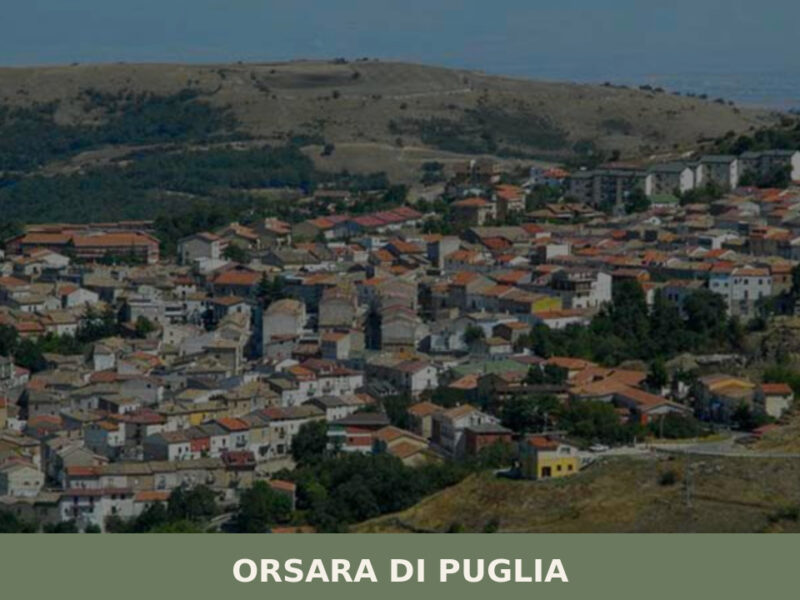
A mountain village of 2,507 people in the Foggia province, Orsara di Puglia holds sacred grottoes, medieval stonework, and one of southern Italy's most distinctive culinary traditions.
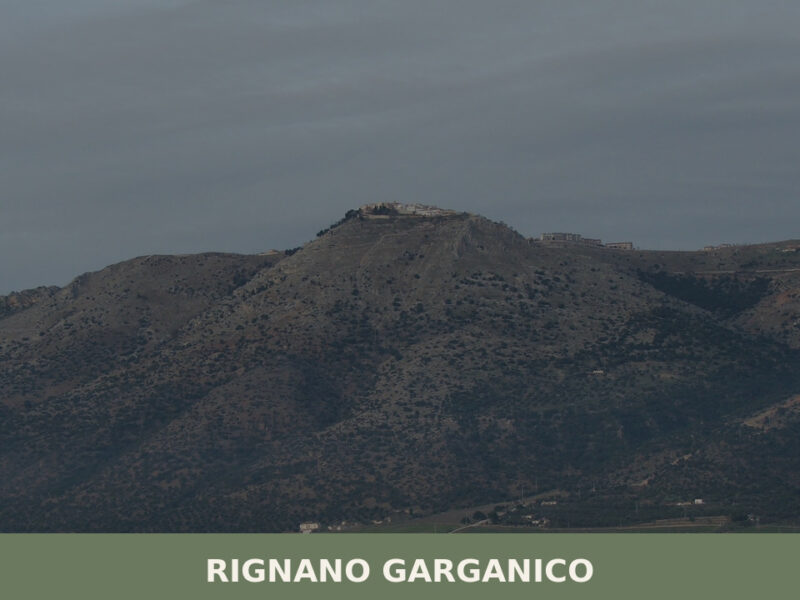
A quiet hilltop village at 590 metres on the Gargano promontory, Rignano Garganico rewards visitors with medieval lanes, wide Tavoliere views, and the honest food traditions of inland Puglia.
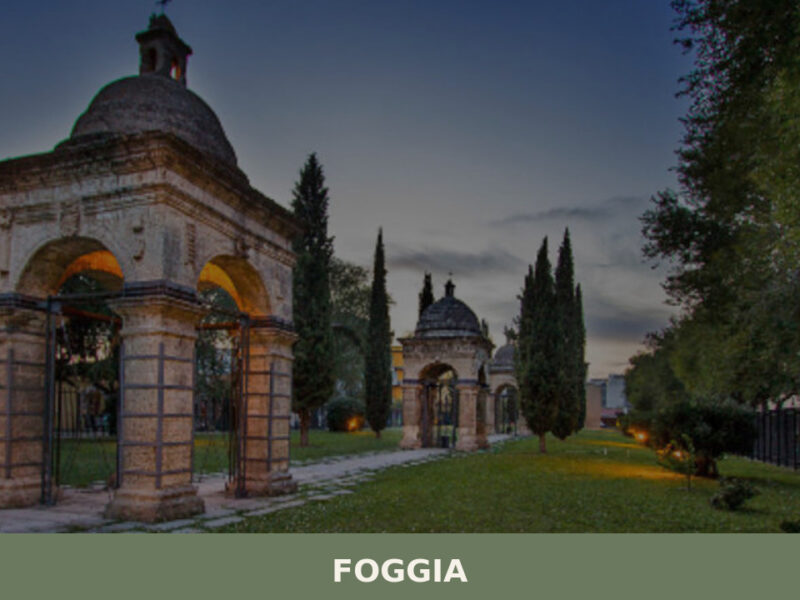
Foggia, capital of the Capitanata, holds medieval traces, Daunian artefacts, and the culinary traditions of Italy's largest wheat plain. A guide to its overlooked layers.
📝 Incorrect information or updates?
Help us keep the Monte Sant Angelo page accurate and up to date.