


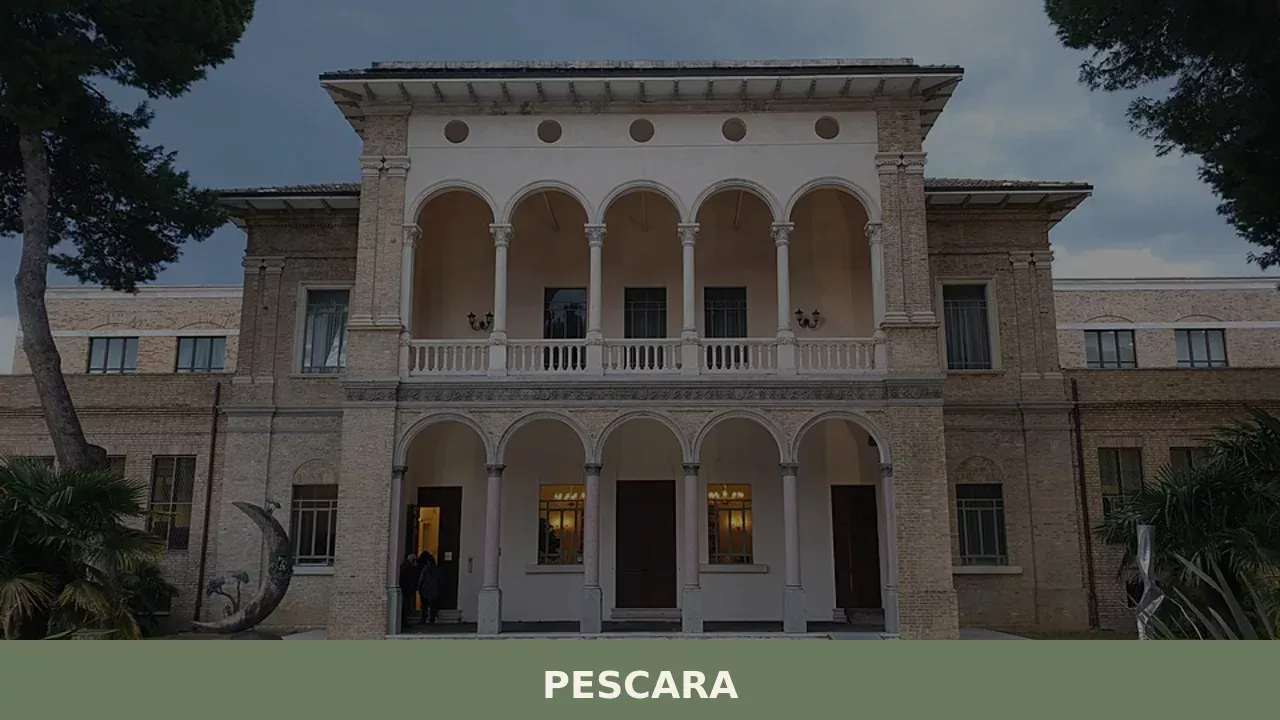
Pescara
In Pescara, where the Aterno river meets the Adriatic, the city stretches across a coastal plain just 4 metres above sea level. Its forked layout, divided by the watercourse that once served as its natural boundary, has shaped the identity of this centre of nearly 119,000 inhabitants in the province of the same name. On […]
Discover Pescara
In Pescara, where the Aterno river meets the Adriatic, the city stretches across a coastal plain just 4 metres above sea level. Its forked layout, divided by the watercourse that once served as its natural boundary, has shaped the identity of this centre of nearly 119,000 inhabitants in the province of the same name. On 10 October, the city celebrates its patron saint, San Cetteo di Amiterno, a historical figure that links Pescara to its most ancient roots. For those wondering what to see in Pescara, the journey often begins with its maritime calling, visible in the long sandy beaches and the port that defines its horizon, but it continues through an urban fabric that preserves traces of a complex past and a twentieth-century rebirth. Its position on the Abruzzo coast makes it a gateway to both the sea and the hinterland, with mountains rising on the horizon.
History and origins of Pescara
The origins of Pescara reach back to Roman antiquity, when it was known as Aternum, named after the river that flowed through it. Its strategic position at the mouth of the Aterno river, which served as a natural harbour, made it an important commercial and military port along the Adriatic coast. Historical documents attest to the presence of a settlement as early as the 3rd century BC, with road connections such as the Via Tiburtina Valeria linking it to Rome. During the late imperial and early medieval period, the city suffered various incursions and destructions, passing under the control of the Goths, Byzantines and Lombards. The modern name, Piscària, appears for the first time in a document from 1075, referring to the abundance of fish in its estuary — an indication of its enduring maritime vocation.
The medieval and Renaissance period saw Pescara at the centre of disputes between various powers, from the Normans to the Swabians, from the Angevins to the Aragonese, and finally under Spanish rule. Its coastal position made it vulnerable to attacks from the sea, such as the Saracen raids of the 9th century that led to the destruction of the original settlement. In the 15th and 16th centuries, the city was fortified, with the construction of the Castle of Pescara and defensive walls, to protect it from Turkish threats. Despite the fortifications, Pescara remained a centre of modest size, with a population that rarely exceeded a few thousand inhabitants. A distinguished figure linked to this period is Gabriele D’Annunzio, born in Pescara in 1863, whose birthplace is now a museum and bears witness to the bourgeois life of the nineteenth-century city.
The demographic and economic development of Pescara took a significant turn in the 19th and 20th centuries. In 1807, during the Napoleonic period, Pescara was elevated to district capital, beginning a path of modernisation. However, real growth only came in 1927, when the municipality of Pescara was merged with that of Castellammare Adriatico, situated on the north bank of the river, creating a single large urban entity. This unification, promoted by the Fascist regime, gave the city fresh momentum, and it became a provincial capital. Post-war reconstruction, following the heavy bombardments of World War II that destroyed much of the historic centre, led to rapid urban and demographic expansion. Today, Pescara is the most populous city in Abruzzo, with its 118,657 inhabitants, an economic and tourist hub that has reinvented itself while maintaining its identity as a seaside city with an important cultural heritage.
To learn more about the history of Pescara, reliable sources such as Wikipedia Italia or the official website of the Municipality of Pescara can be consulted.
What to see in Pescara: 5 top attractions
The Ponte del Mare
The Ponte del Mare is a modern structure that spans the Pescara river, connecting the city’s two riviere. Inaugurated in 2009, it is a cable-stayed pedestrian and cycle bridge, distinguished by a single inclined tower approximately 50 metres high from which the steel cables supporting the deck fan out. Its sinuous shape and night-time illumination make it a visual landmark, offering views of the port, the seafront and the coastline. The structure was designed to integrate with the urban and maritime landscape, becoming a place of passage and observation for residents and visitors to Pescara alike. The bridge is approximately 466 metres long, with a central span of 170 metres that rises above the river mouth, allowing boats to pass beneath.
The Birthplace of Gabriele D’Annunzio
The Birthplace of Gabriele D’Annunzio, located in the centre of the old town, is a nineteenth-century building that has preserved the furnishings and atmosphere of the era in which the poet lived. The palazzo, now a state museum, stands on Corso Manthonè, one of the oldest and most distinctive streets in the city. The exhibition rooms trace the life and works of D’Annunzio through personal objects, manuscripts, photographs and original furnishings. On the ground floor are the rooms dedicated to the family’s daily life, while the upper floor displays documents and memorabilia related to the literary and political career of the Vate. The visit offers a glimpse into bourgeois Pescara of the 19th century and explores the poet’s bond with his homeland.
The Museo delle Genti d’Abruzzo
The Museo delle Genti d’Abruzzo is housed in the former Aurum factory, a historic building situated in the Pineta Dannunziana. This ethnographic museum collects and presents aspects of Abruzzo life, culture and traditions from the Palaeolithic to the contemporary era. Its thematic sections illustrate the social and economic evolution of the region, with particular attention to agriculture, pastoralism, craftsmanship and popular beliefs. Agricultural tools, household utensils, traditional costumes and reconstructions of rural settings are on display. Its collection comprises approximately 1,500 objects, divided into 13 exhibition sections covering a timespan of around 4,000 years. The museum aims to document and safeguard the historical and cultural memory of the Abruzzo territory.
The Cathedral of San Cetteo
The Cathedral of San Cetteo, dedicated to the city’s patron saint, is the main place of worship in Pescara. Its construction dates back to the 1930s, designed by the architect Cesare Bazzani, and it stands on the site of an ancient medieval church destroyed by World War II bombings. The building displays a neo-Romanesque style with classicising elements, featuring a light stone façade with a large central rose window and three portals. The interior, with three naves, contains works of art including a painting by Francesco Paolo Michetti depicting Saint Francis of Assisi. The cathedral is an example of sacred architecture from the Fascist period in Italy and serves as a centre of the city’s religious and social life, hosting celebrations in honour of the patron saint on 10 October.
Aurum – Fabbrica delle Idee
The Aurum – Fabbrica delle Idee is an architectural complex that was once the headquarters of a historic liqueur factory, the eponymous Aurum, produced with oranges and saffron. The building, located in Largo Gardone Riviera, is an example of 1920s rationalist architecture, designed by Giovanni Michelucci. After a period of neglect, it was restored and converted into a multifunctional cultural centre. It currently hosts art exhibitions, conferences, concerts and events. Its ample interior and exterior spaces, surrounded by a park, make it a gathering place and a venue for cultural promotion in the city. Its industrial history merges with its new role as a creative hub, keeping alive a piece of Pescara’s productive memory.
What to eat in Pescara: local cuisine and regional products
Pescara’s gastronomic tradition is deeply rooted in its geographical setting, between the Adriatic Sea and the mountains of the Abruzzo hinterland. This duality is reflected in a cuisine that skilfully combines seafood with the products of pastoralism and mountain agriculture. The influence of the sea is evident in the preference for fresh fish, while the proximity to inland areas brings lamb, pork, pulses and cheeses to the table. The cooking is characterised by simple yet flavourful preparations that highlight the quality of the ingredients. Recipes often derive from a long tradition of farming and fishing, handed down from generation to generation, reflecting the seasonality of produce and the rhythms of local life.
Among the signature dishes of the tradition, Arrosticini stand out — skewers of diced lamb or mutton, grilled over charcoal. Their preparation is straightforward: the meat, usually from sheep, is threaded onto a wooden skewer and cooked on a special small brazier called a “rustillire”. They are served hot, often accompanied by bread drizzled with olive oil and chilli pepper. Another cornerstone of coastal cuisine is the Brodetto di pesce alla pescarese, a mixed fish stew that varies depending on the day’s catch. Typical ingredients include fish such as scorpionfish, weever, smooth-hound shark, cuttlefish and prawns, cooked in a sauce of fresh tomato, garlic, parsley and chilli, often served with slices of toasted bread. The Timballo abruzzese is a festive dish, a kind of baked lasagne with layers of scrippelle (thin crêpes) alternating with meat ragù, peas, mushrooms and cheese — a dish that requires time and dedication to prepare.
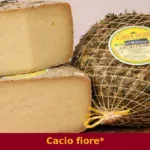
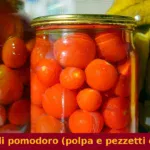
The Abruzzo territory offers a variety of certified products that enrich the Pescara table. Arrosticini (PAT), already mentioned, are the symbol of sheep farming and are found throughout the region. Cacio di vacca bianca (PAT) and Caciocavallo abruzzese (PAT) are stretched-curd cheeses, made with cow’s milk, with varying degrees of ageing and flavour. Aglio rosso di Sulmona (PAT) is a horticultural product with an intensely red bulb, aromatic and pungent in flavour, used in many preparations. Bocconotti di Castel Frentano (PAT) are small shortcrust pastries filled with jam or cream, often chocolate and almonds. Confetto di Sulmona (PAT), though not from Pescara itself, is a regional excellence, renowned for its quality and artistic variations. Centerba o Cianterba (PAT) is a digestive liqueur made from aromatic herbs, with a high alcohol content, produced in the hinterland and enjoyed across the entire region. Conserve di pomodoro (polpa e pezzetti di pomodoro) (PAT) represent the tradition of preserving summer flavours.
For those wishing to buy or taste local products, Pescara offers several opportunities. The covered market at Piazza Muzii is a go-to spot for purchasing fresh fish and local fruit and vegetables. Throughout the year, the city and its surroundings host food festivals and gastronomic events that celebrate local products, particularly during the summer and autumn months. For example, the patron saint’s feast, San Cetteo, on 10 October, is often accompanied by culinary events. A number of restaurants and trattorie along the seafront and in the old town serve traditional dishes, using seasonal ingredients and local produce. Food shops and wine bars offer a selection of regional cheeses, cured meats and baked goods.
As for beverages, Abruzzo is a notable wine-producing region. The best-known DOC wines are Montepulciano d’Abruzzo, a robust and full-bodied red, and Trebbiano d’Abruzzo, a fresh and mineral white. Both are widely available in Pescara’s restaurants and wine bars, and they are a natural pairing for the dishes of the local cuisine, whether from the sea or the land.
When to visit Pescara: the best time
The best time to visit Pescara depends on the traveller’s interests. The city enjoys a Mediterranean climate, with hot summers and mild winters. For those looking for a beach holiday, the months of June, July and August are ideal, with average temperatures ranging between 25 and 30 degrees Celsius and long, sunny days. During this period, the beaches are busy and the seafront is lively with evening events and activities. However, these are also the most crowded months and accommodation prices tend to be higher.
For those who prefer a quieter experience and wish to explore the city and the hinterland without the intense heat, the months of April, May, September and October offer milder temperatures, between 18 and 24 degrees Celsius, and fewer tourists. Spring and autumn are excellent for walks along the coast, museum visits and excursions into the nearby natural areas. During the summer, Pescara hosts cultural events such as Pescara Jazz (July) and the Premio Flaiano (July), while on 10 October the Feast of San Cetteo is celebrated. For families with children, late spring and early autumn offer a balance between pleasant weather and the chance to enjoy the attractions without excessive heat. Couples may appreciate the low-season months for a more intimate atmosphere, while hikers will find optimal conditions for outdoor activities in spring and autumn, before or after the summer heat.
How to get to Pescara
Pescara is well connected to the rest of Italy thanks to an infrastructure network that includes motorways, railways and an airport. For those travelling by car, the city can be reached via the A14 Adriatica motorway (Bologna–Taranto), with the direct exits “Pescara Nord” and “Pescara Ovest-Chieti”. From Rome, you can take the A25 Roma-Pescara motorway, which joins the A14. The distance from Rome is approximately 200 km, with a travel time of around 2 hours and 30 minutes. From Bologna, the distance is approximately 350 km (around 3 hours and 30 minutes), while from Bari it is approximately 300 km (around 3 hours). The secondary road network also allows the city to be reached from various locations within Abruzzo.
Pescara Centrale railway station is a major hub on the Adriatic rail network, with direct and frequent connections to Italy’s main cities. Intercity and regional trains link Pescara to Rome, Milan, Bologna, Ancona and Bari. The train journey from Rome takes approximately 3–4 hours, depending on the type of service. Abruzzo International Airport (PSR) is located just 4 km from the centre of Pescara and can be easily reached in a few minutes by car or by local bus services. The airport offers domestic and international flights, connecting Pescara to various European destinations. From the railway station and the airport, the city centre is served by a network of urban buses operated by TUA (Trasporto Unico Abruzzese), which provides efficient connections to the various areas of Pescara and neighbouring municipalities.
Other villages to discover in Abruzzo
Abruzzo offers a variety of towns and villages worth exploring, each with its own historical and landscape features. After visiting Pescara, you might consider an itinerary heading inland or along the coast, discovering places that complete the picture of the region. One example is Civitella Roveto, a village situated in the Roveto Valley, in the province of L’Aquila. This centre is notable for its medieval architecture and its proximity to the Abruzzo, Lazio and Molise National Park. Its history is linked to the Orsini family and the castles of the Marsica, offering a contrast with the coastal modernity of Pescara. A trip from Pescara to Civitella Roveto takes approximately 1 hour and 30 minutes by car, covering a distance of around 100 km, through landscapes that shift from coast to mountain.
Another interesting destination along the coast is Martinsicuro, situated further north, on the border with the Marche region. This coastal town, in the province of Teramo, is known for its wide sandy beaches and the presence of the Tower of Charles V, a sixteenth-century fortification that attests to its past defensive role. Martinsicuro offers a different atmosphere from Pescara, with a greater emphasis on beach tourism and a more contained scale. The distance between Pescara and Martinsicuro is approximately 70 km, reachable in around 45 minutes by car along the A14. A combined itinerary could include discovering the urban and cultural side of Pescara, then moving on to the coastal calm of Martinsicuro or the mountainous and historical setting of Civitella Roveto, providing a complete experience of the different facets of Abruzzo.
In Abruzzo More villages to discover
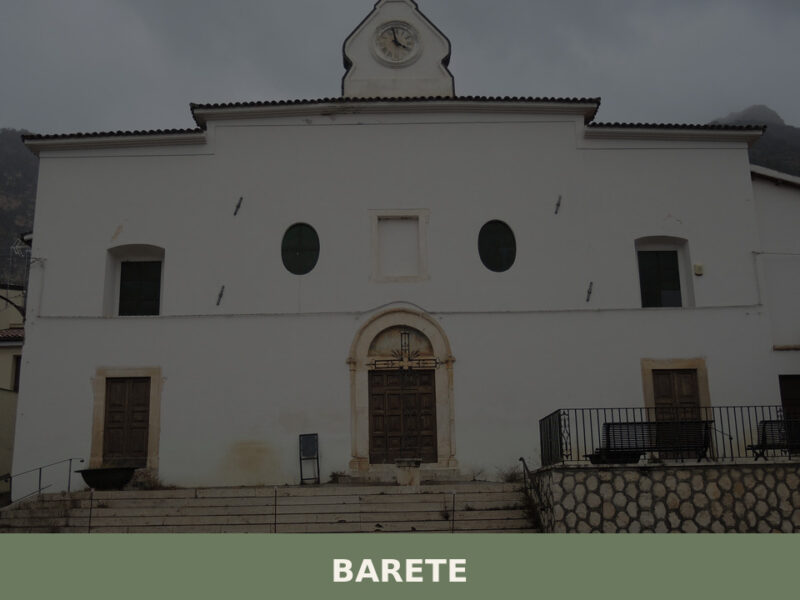
Barete
Morning light hits the limestone walls of Barete’s older houses at a low angle, turning them briefly gold before the shadow of the Gran Sasso massif reclaims the narrow lanes. A rooster calls from somewhere behind a garden wall. The air smells of woodsmoke and cold stone. This is a settlement of roughly 695 inhabitants, […]
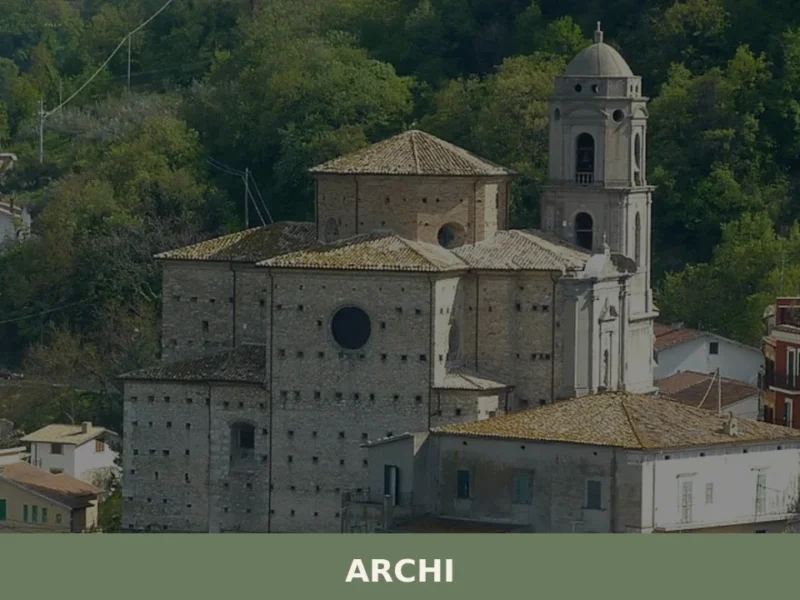
Archi
Archi sits at 492 metres above sea level in the province of Chieti, a settlement of just under 2,000 inhabitants occupying a ridge above the Sangro river valley in southern Abruzzo. The village’s position — commanding views across a landscape that drops sharply toward the river below — has defined its strategic importance since the […]
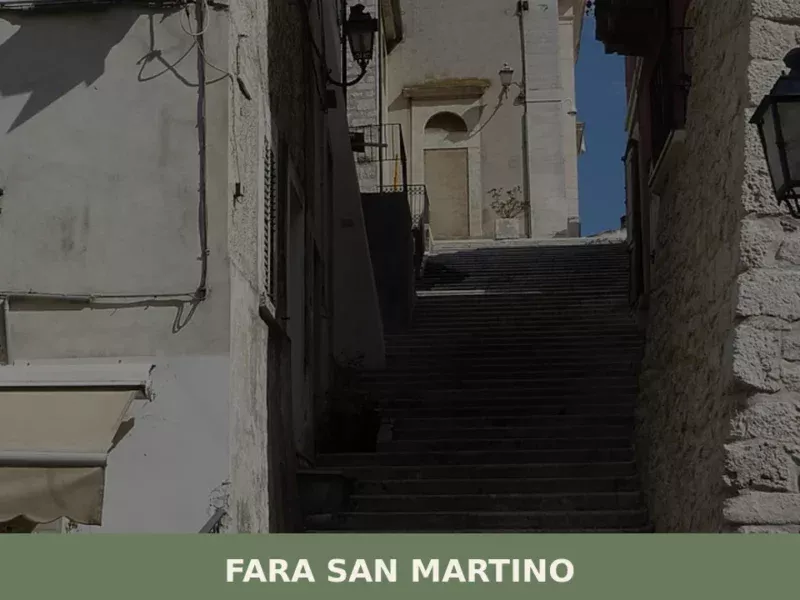
Fara San Martino
Fara San Martino, a municipality of 1,289 inhabitants, is located 440 meters above sea level in the heart of the province of Chieti, marking the entrance to the eastern side of the Maiella National Park. This settlement, with roots dating back to the Lombard era, displays a historical layering evident in its architecture and urban […]

📝 Incorrect information or updates?
Help us keep the Pescara page accurate and up to date.