


Fara San Martino
 Hills
Hills
what to see in fara san martino, Italy. Explore its 440m altitude, the Abbey of San Martino in Valle, and its renowned pasta heritage. Discover Abruzzo now!
Discover Fara San Martino
At 440 m (1,444 ft) above sea level, Fara San Martino presents itself as a hill town within Italy’s Abruzzo region, locally known as La Fàrë. This village holds a significant position on the outskirts of the Majella National Park, integrating deeply with its surrounding natural landscape. Its identity is profoundly interwoven with both the mountainous environment and its established reputation for culinary excellence.
For those wondering what to see in Fara San Martino, Italy offers a distinct experience with its 1,289 inhabitants.
Visitors can explore the historic Abbey of San Martino in Valle or discover the renowned pasta production facilities that define the village as la capitale della pasta. The Fara San Martino highlights include both natural exploration within the Majella National Park and a deep dive into its unique culinary heritage.
History of Fara San Martino
Fara San Martino, a comune and town situated in the Province of Chieti, Italy, possesses a history deeply intertwined with its geographical location within the Abruzzo region. While specific detailed chronicles of its founding are not readily available, the very name ‘Fara’ suggests early medieval origins, often associated with Lombard settlements that established communities across the Italian peninsula. This enduring presence indicates a long historical trajectory for the village, evolving through various periods of regional development and cultural shifts.
For those exploring the depths of its past, understanding its context is key to appreciating what to see in Fara San Martino today.
The village’s trajectory has been shaped significantly by its natural environment, particularly its position on the outskirts of the majestic Majella National Park. This proximity to the Majella massif has influenced everything from local agricultural practices to the availability of pristine water sources, which are crucial for its most famous product. Throughout its history, Fara San Martino has navigated the unique challenges and opportunities presented by its hill country setting, fostering a distinctive local culture.
In more recent centuries, Fara San Martino solidified its economic and cultural identity through specialized production, earning the esteemed title of la capitale della pasta. This designation reflects a long-standing tradition of high-quality pasta manufacturing, which has become central to the town’s reputation and economy. The continuity of these artisanal and industrial food processing traditions represents a significant chapter in its ongoing historical narrative, drawing attention to its unique contribution to Italian gastronomy.
What to see in Fara San Martino, Abruzzo: top attractions
Abbey of San Martino in Valle
The ruins of the Abbey of San Martino in Valle offer a tangible link to Fara San Martino’s distant past, situated amidst the natural ruggedness of the Majella foothills.
This ancient monastic complex, explicitly referenced in the village’s historical overview, dates back to a period when religious orders played a crucial role in shaping the local landscape and culture. Visitors can explore the surviving architectural elements, which provide insight into medieval construction techniques and the spiritual life once flourishing here. Access to the abbey typically involves a walk through the surrounding valley, allowing for an immersive experience in the local environment and a connection to centuries of history.
Majella National Park
Fara San Martino serves as a gateway to the vast expanses of the Majella National Park, a protected area renowned for its diverse ecosystems and dramatic mountain scenery. The park, which surrounds the village, offers numerous trails and opportunities for nature exploration, ranging from gentle walks to more challenging hikes through its peaks and valleys. Visitors can observe a rich variety of flora and fauna, experiencing the pristine natural beauty that characterizes the Abruzzo region. Exploring the park is best done with appropriate gear, especially during the spring and autumn months when the weather is most favorable for outdoor activities, offering an authentic experience of the Abruzzo wilderness.
Historic Centre of Fara San Martino
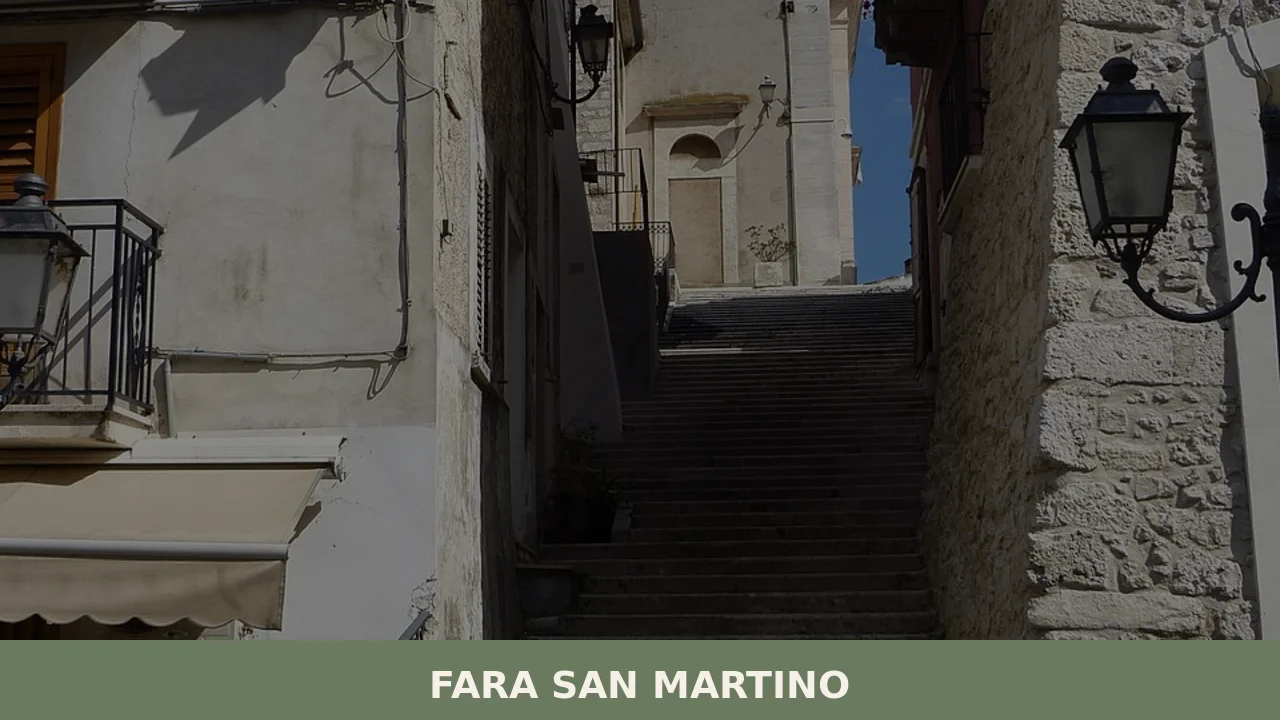
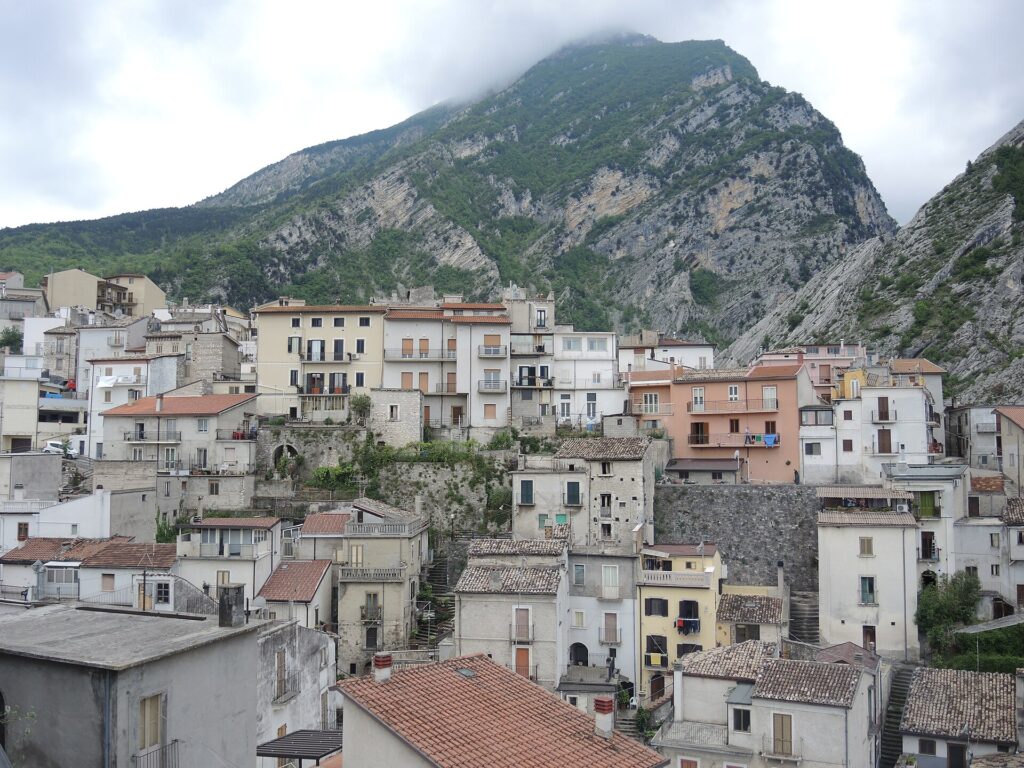
The historic centre of Fara San Martino, perched at an altitude of 440 m (1,444 ft), invites exploration of its traditional street plan and architectural elements.
This hill town, with its population of 1,289 inhabitants, reflects centuries of communal life, characterized by narrow alleys and stone buildings, forming a core part of what to see in Fara San Martino. A stroll through the village reveals glimpses of local life and the distinct character of an Abruzzese comune. Visitors can appreciate the quiet rhythm of the village, observing the details of its construction and the daily routines that define this part of the Province of Chieti.
Fara San Martino’s Pasta Heritage
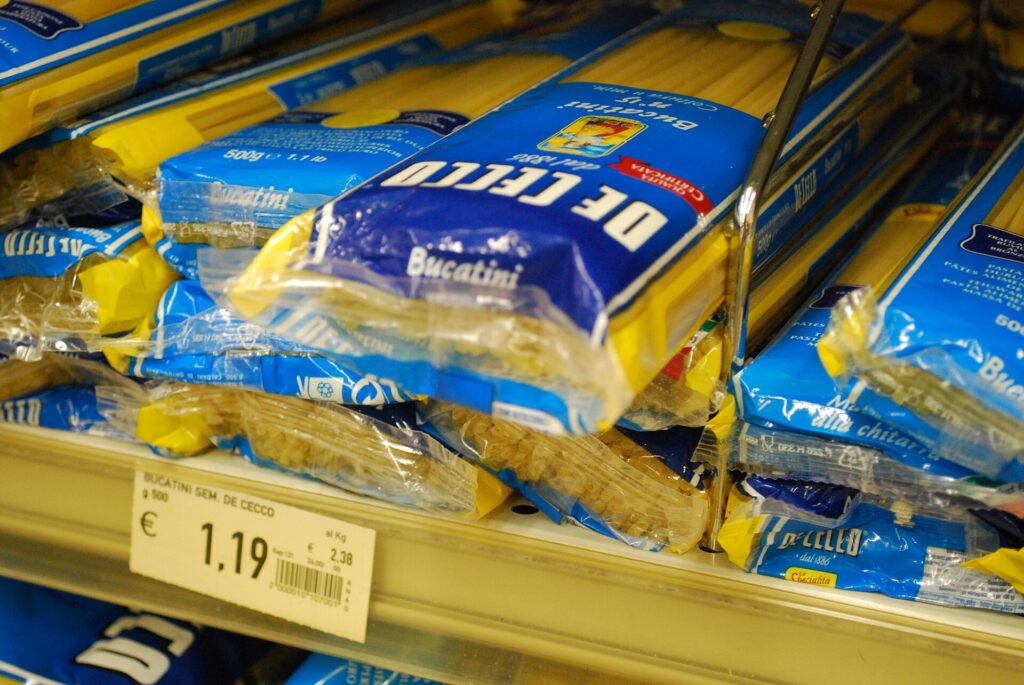
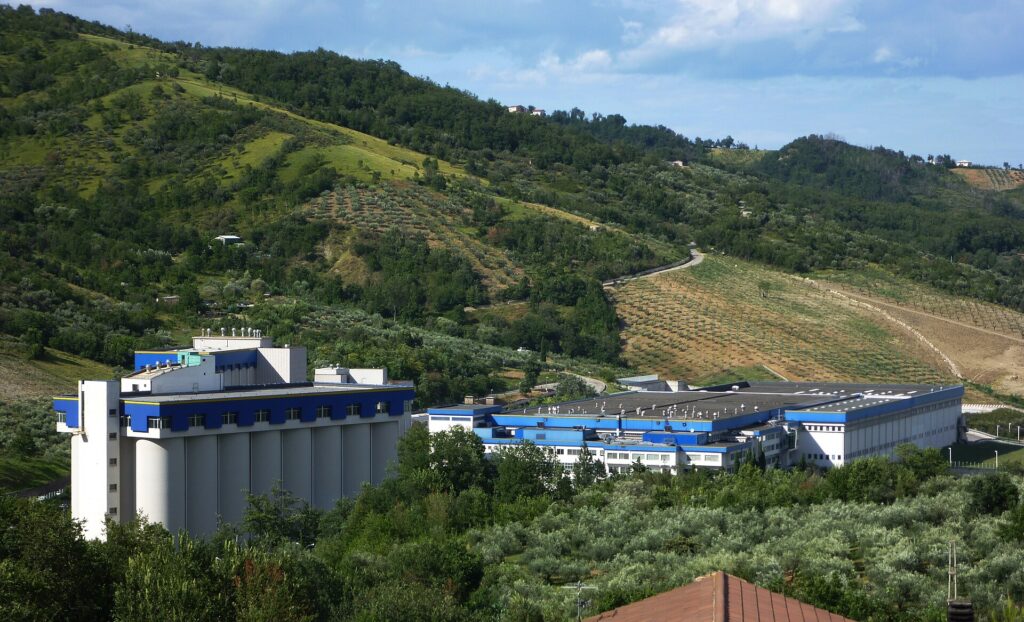
Fara San Martino is internationally recognized as la capitale della pasta, a title earned through its long-standing tradition of high-quality pasta production. The village’s abundant supply of pure water, flowing directly from the Majella massif, is considered a key ingredient in the exceptional quality of its pasta. While specific factory tours are not detailed in the sources, the presence of numerous pasta factories is a defining feature of the local economy and identity. Exploring this heritage provides insight into a vital industry that has shaped the town for generations, offering a unique perspective on Italian culinary craftsmanship.
Local food and typical products of Fara San Martino
The gastronomic tradition of Fara San Martino is intrinsically linked to its esteemed status as la capitale della pasta, a reputation cultivated within the broader culinary landscape of the Abruzzo region.
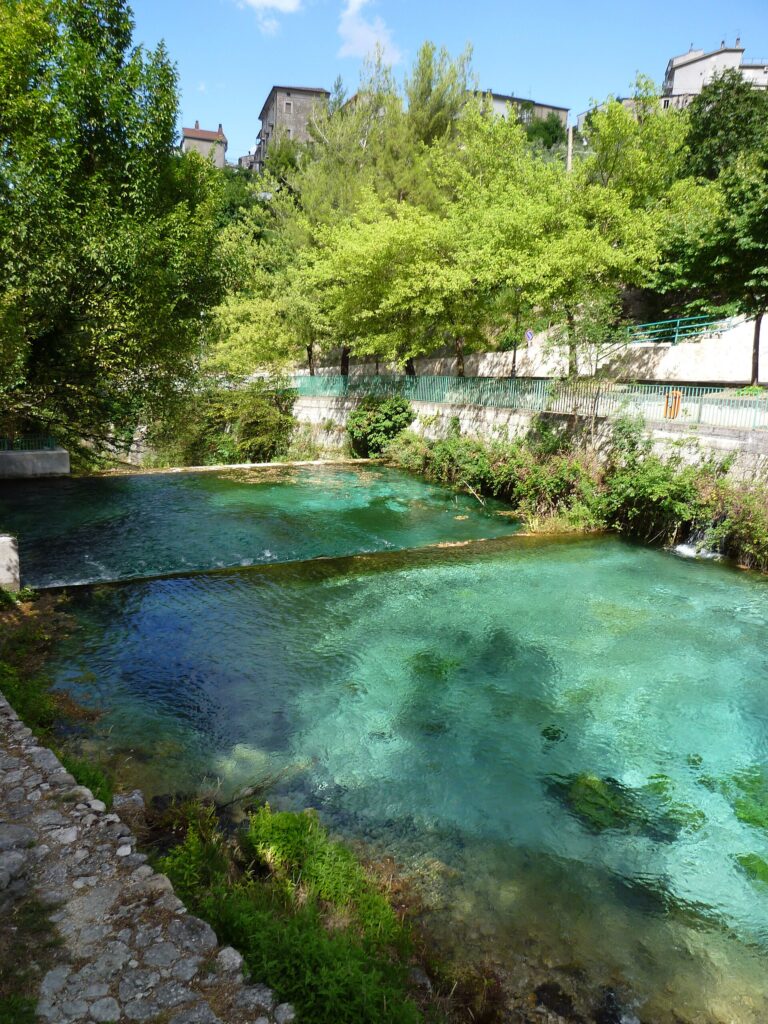
The abundant supply of pristine, mineral-rich water, naturally filtered through the Majella massif and flowing directly into the village, is widely considered a foundational element for the exceptional quality of its pasta. This unique natural resource, combined with centuries of inherited artisanal expertise, has forged a distinctive culinary identity for the village, solidifying its place in the pantheon of Italian food production. This culinary heritage is a crucial aspect of what to see in Fara San Martino, offering a unique insight into local life and flavors.
Although the provided sources do not enumerate specific traditional dishes beyond the overarching category of pasta, the culinary focus of Fara San Martino revolves around its diverse and high-quality pasta creations. Visitors can expect to find a wide array of pasta shapes, meticulously crafted and often paired with the hearty, flavorful sauces characteristic of Abruzzese cooking, which typically feature locally sourced meats, robust vegetables, and the region’s excellent olive oil.
This emphasis on fresh, high-quality ingredients ensures that the inherent excellence of the pasta is always the central feature of any meal, showcasing a profound dedication to local culinary heritage.
While specific Protected Designation of Origin (PDO) or Protected Geographical Indication (PGI) certified pasta products are not detailed in the available information, Fara San Martino’s reputation as la capitale della pasta signifies a collective commitment to high standards. The village’s pasta, known for its superior texture and flavor, is implicitly a product of its unique environment and traditional methods, even without explicit certification names. This general acclaim highlights a strong local pride in maintaining the quality that has earned its global recognition.
Festivals, events and traditions of Fara San Martino
Fara San Martino honors its patron saint, Antonio di Padova, with an annual festival that reflects the deep-rooted religious and communal traditions of the Abruzzo region. While specific dates are not provided in the sources, patron saint celebrations typically occur on the saint’s feast day, traditionally June 13th for Saint Anthony of Padua, though local variations may exist. These events usually involve solemn processions through the village streets, accompanied by traditional music and often concluding with community gatherings or fireworks displays, fostering a strong sense of local identity and shared heritage.
These celebrations are an important cultural element for visitors considering what to see in Fara San Martino, offering a glimpse into its vibrant local customs.
Beyond the patron saint festival, the available sources do not detail other specific annual events, food fairs, or documented traditions unique to Fara San Martino. However, visitors can generally expect that a community so closely tied to pasta production might host local markets or seasonal celebrations related to food, particularly during harvest times or specific agricultural cycles. These would offer opportunities to engage with local producers and experience the village’s culinary heart firsthand, although specific schedules would need local inquiry upon arrival.
When to visit and how to get to Fara San Martino
Considering the query ‘best time to visit Abruzzo’, Fara San Martino offers distinct experiences depending on the season. The spring and autumn months are particularly favorable for exploring the Majella National Park, with milder temperatures ideal for hiking and appreciating the changing foliage. Understanding seasonal nuances is key for planning what to see in Fara San Martino effectively. Summers provide warmer weather suitable for outdoor activities and village strolls, while winters can be cold, with potential for snow, appealing to those seeking a quieter, more austere mountain experience.
The shoulder seasons offer fewer crowds and pleasant conditions for both natural and cultural exploration.
For those planning a ‘day trip from nearest major city’ or seeking information on ‘how to get to Fara San Martino’, the village is most practically accessed by car. Situated in a rural area of the Province of Chieti, road travel is the most efficient means to reach its 440 m (1,444 ft) elevation. Travelers typically access this part of Abruzzo via the A14 Adriatic motorway or inland routes from Rome, offering scenic drives through the Italian countryside.
The nearest major airport serving the region is likely Abruzzo Airport (PSR) in Pescara, located approximately 70 km (43.5 mi) from Fara San Martino, with an estimated driving time of about 1 hour and 15 minutes. While public transport options, such as regional buses, may connect Fara San Martino to larger towns, a personal vehicle provides the most flexibility for exploring the surrounding region and nearby villages like Archi or Basciano.
This allows for independent travel through the diverse landscapes of Abruzzo.
International visitors arriving in Fara San Martino, Abruzzo, Italy, should be aware that English might be limited in smaller shops and eateries, especially outside major tourist hubs. Carrying some Euros cash for purchases and services is advisable, as not all smaller establishments may accept card payments. For the most current local information, consulting the Abruzzo Independent municipal website is recommended. Familiarity with basic Italian phrases will also enhance the travel experience and facilitate interactions with the local community, which values such efforts.
Beyond Fara San Martino, visitors exploring the Abruzzo region might consider extending their itinerary to other characteristic villages. Destinations such as Castelvecchio Calvisio, with its unique historical architecture, or Ancarano, offering different perspectives on Abruzzese life, provide further opportunities for discovery. Each village contributes to the rich tapestry of the region, inviting deeper exploration of its cultural and natural heritage.
Frequently asked questions about Fara San Martino
What is the best time to visit Fara San Martino?
The ideal time to visit Fara San Martino depends on your interests. For outdoor activities like trekking in the Gorges and Maiella Park, spring and summer (April to September) offer mild temperatures and long days. Autumn is perfect for enjoying the village's colors and gastronomy in cooler weather. Winter provides access to nearby Maiella ski resorts, though some natural areas might be less accessible. Don't miss the celebrations for the patron saint, Saint Anthony of Padua, held annually on June 13th, a vibrant local tradition.
What to see in Fara San Martino? Main monuments and landmarks
Fara San Martino offers a blend of natural wonders and historical sites. Explore the dramatic Gorges of Fara San Martino, a stunning canyon carved by the Verde River, leading to the ancient ruins of the Benedictine Monastery of San Martino in Valle. In the village, admire the Church of San Remigio, featuring Romanesque to Baroque elements, and the functional yet aesthetic Monumental Fountain, a symbol of the village's reliance on mountain springs. Finally, pass through the historic Village Gate to enter the charming, medieval heart of Fara San Martino.
What are the main natural or scenic attractions of Fara San Martino?
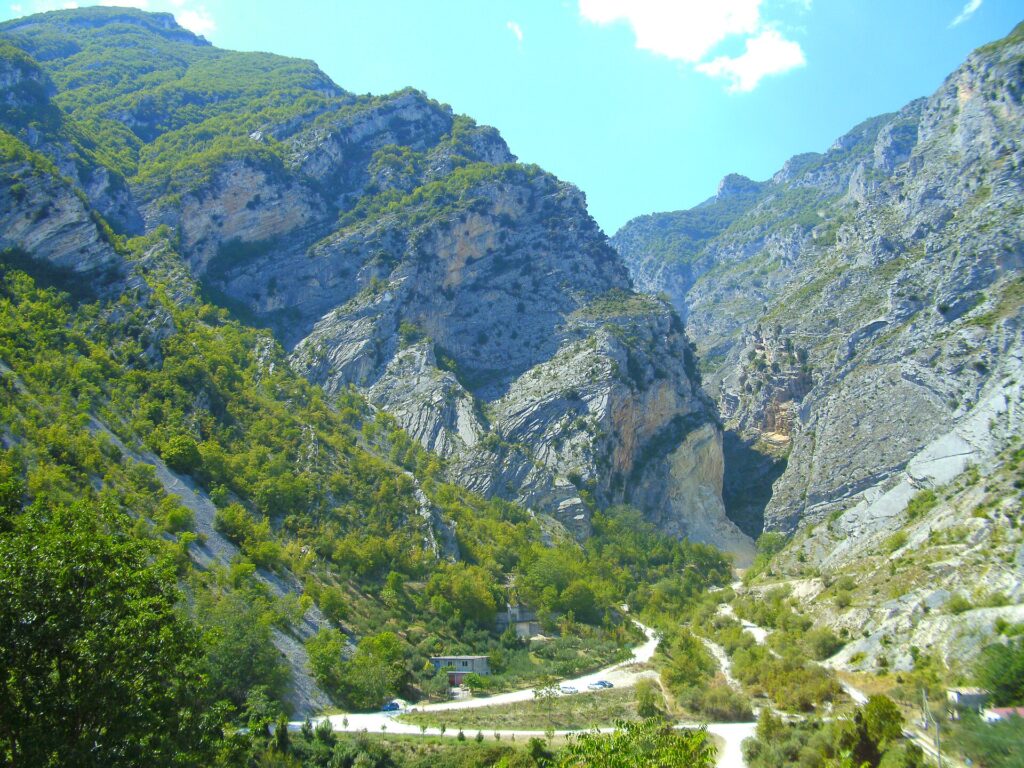
The primary natural attraction is undoubtedly the Gorges of Fara San Martino, a spectacular canyon offering an immersive experience into the Maiella's geology with its towering rock walls. This area serves as a direct gateway to the eastern side of the Maiella National Park, providing opportunities to explore its rich flora and fauna. The Verde River, which carved the gorges, is also a key scenic element, flowing through a pristine mountain environment ideal for nature lovers.
Where to take the best photos in Fara San Martino?
For breathtaking photos, head to the Gorges of Fara San Martino, where the narrow canyon and vertical rock walls create dramatic compositions. The ruins of the Monastery of San Martino in Valle, nestled within the gorges, offer a picturesque blend of history and nature. In the village, capture the striking bell tower of the Church of San Remigio against the sky, or frame your shots at the historic Village Gate, which provides a charming entrance to the ancient, winding streets. The Monumental Fountain also makes for a lovely, characteristic village scene.
Are there museums, churches or historic buildings to visit in Fara San Martino?
Yes, Fara San Martino boasts several historic sites. The main place of worship is the Church of San Remigio, an architectural blend of Romanesque and Baroque styles, central to the village's heritage. Within the Gorges, you can visit the fascinating ruins of the Monastery of San Martino in Valle, an ancient Benedictine complex offering a glimpse into the region's monastic past. The Village Gate also stands as a significant historic structure, marking the entrance to the oldest, most characteristic part of the settlement.
What can you do in Fara San Martino? Activities and experiences
Fara San Martino is ideal for outdoor enthusiasts and cultural explorers. You can embark on exhilarating trekking excursions through the Gorges of Fara San Martino and into the Maiella National Park, enjoying the mountain flora and fauna. The village itself invites exploration of its historic architecture and rich local gastronomy, especially its renowned pasta. During winter, nearby Maiella ski resorts offer opportunities for winter sports, while the annual celebration of Saint Anthony of Padua on June 13th provides a unique cultural experience.
Who is Fara San Martino suitable for? Families, couples, hikers, solo travelers?
Fara San Martino is particularly suitable for nature lovers and hikers, given its direct access to the Maiella National Park and the stunning Gorges. It also appeals to history and culture enthusiasts interested in ancient village layouts and monastic ruins. Foodies will appreciate its world-famous pasta and traditional Abruzzese cuisine. Active families, adventurous couples, and solo travelers seeking an authentic mountain experience with a blend of natural beauty, historical depth, and gastronomic excellence will find Fara San Martino an ideal destination.
What to eat in Fara San Martino? Local products and specialties
Fara San Martino is renowned worldwide for its high-quality pasta, produced with pure Maiella spring water. Don't miss trying local pasta shapes like paccheri, spaghetti alla chitarra, and penne. The culinary tradition also features robust dishes tied to pastoralism: savor authentic Arrosticini (grilled sheep skewers), flavorful Pecorino d'Abruzzo cheese, and cured meats such as Ventricina del Vastese. These specialties reflect the deep connection between the territory, its resources, and the intense flavors of Abruzzese gastronomy.
📷 Photo Gallery — Fara San Martino
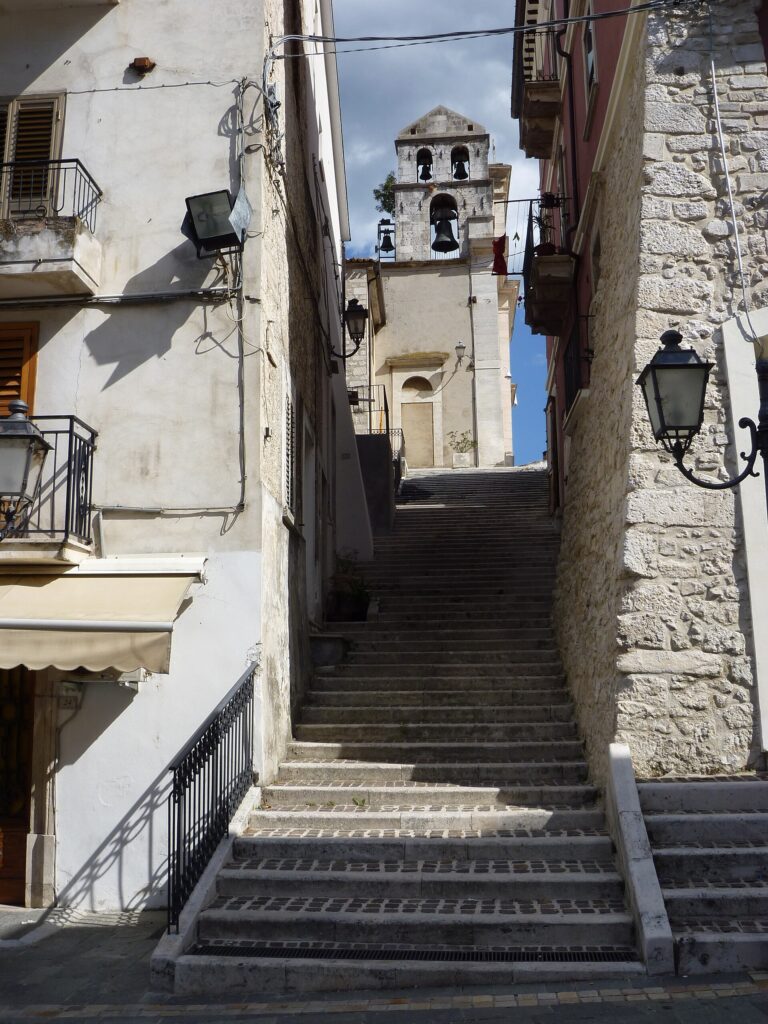
Nearby Villages near Fara San Martino
In Abruzzo More villages to discover

Casalincontrada
Hills
What to see in Casalincontrada, Abruzzo, Italy: 3 historic monuments, a 14th-century city gate and Baroque church. Discover the best of this Chieti village.
Castel del Monte
 Mountain
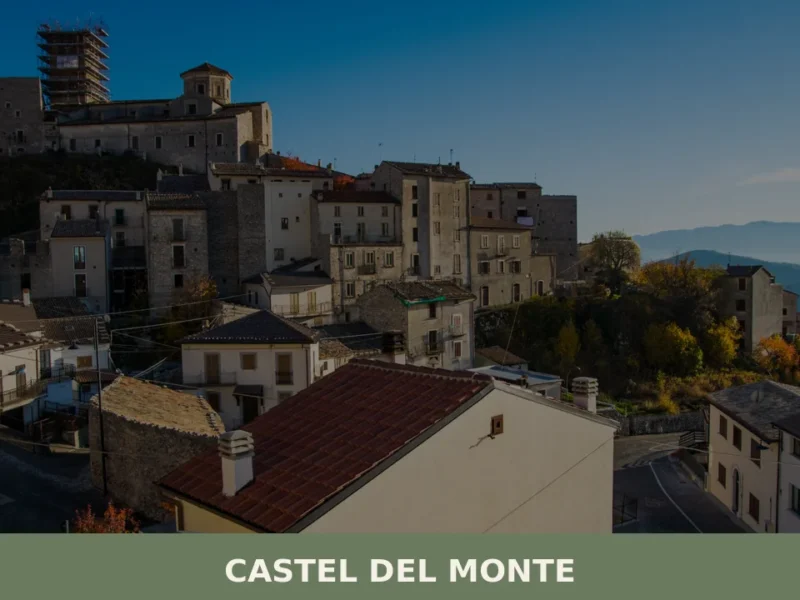
what to see in Castel del Monte? Discover this Abruzzo village at 1346m altitude. Explore historic churches, medieval walls, and taste traditional canestrato cheese in Italy.

Castiglione Messer Raimondo
Hills
What to see in Castiglione Messer Raimondo, Italy: explore 5 top attractions near Gran Sasso, medieval history and local food. Discover Abruzzo's Teramo province.

Castel Frentano
Hills
What to see in Castel Frentano, Italy: 5 top attractions, bocconotto dessert, 14th-century walls & WWII history. Discover this Chieti province village in Abruzzo.
Montazzoli
Mountain
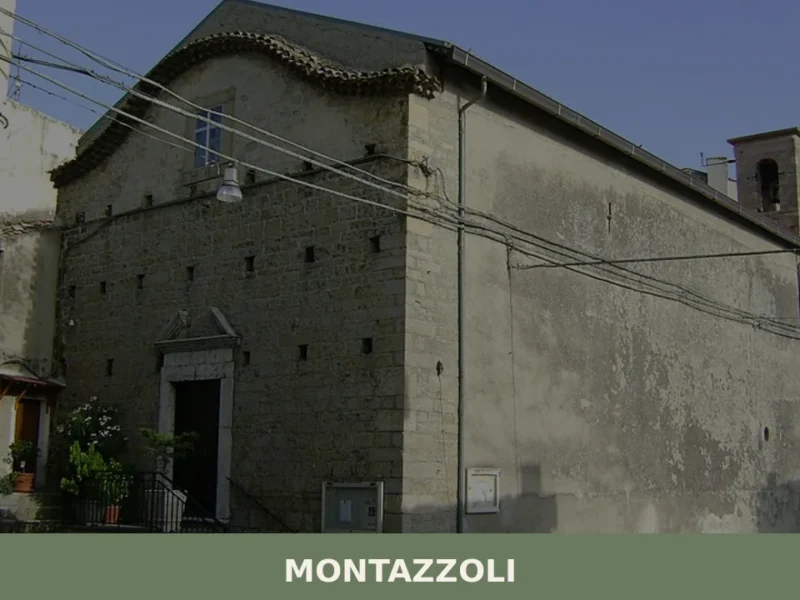
From the heights of the Chieti area, at 850 meters above sea level, the panorama of Montazzoli unfolds, an Abruzzese village with 836 inhabitants in the province of Chieti. Its stone houses cluster around an ancient fortress, bearing witness to centuries of history and mountain life. In this article History and origins of Montazzoli What […]
Carapelle Calvisio
Mountain
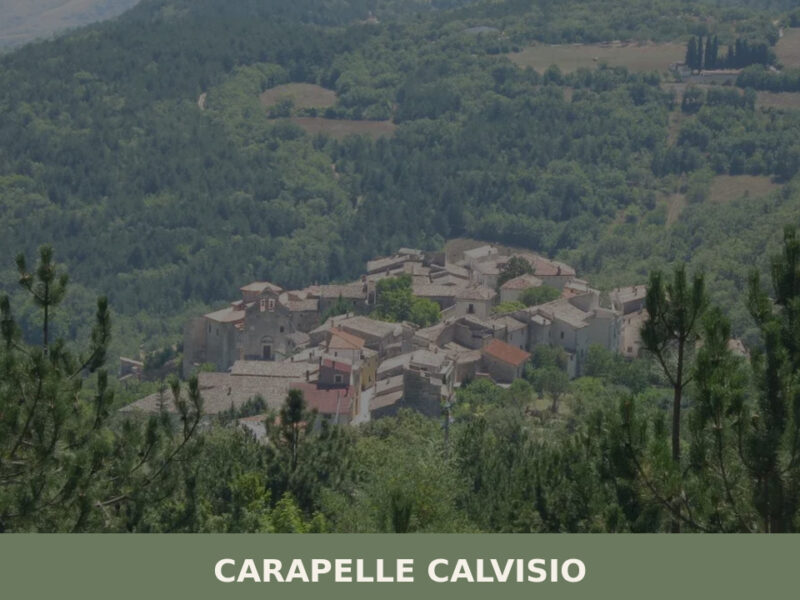
What to see in Carapelle Calvisio, Italy? Explore this village at 910 m (2,986 ft) altitude, visit Rocca Calascio, and discover its unique population status. Read our guide!
Pereto
Mountain
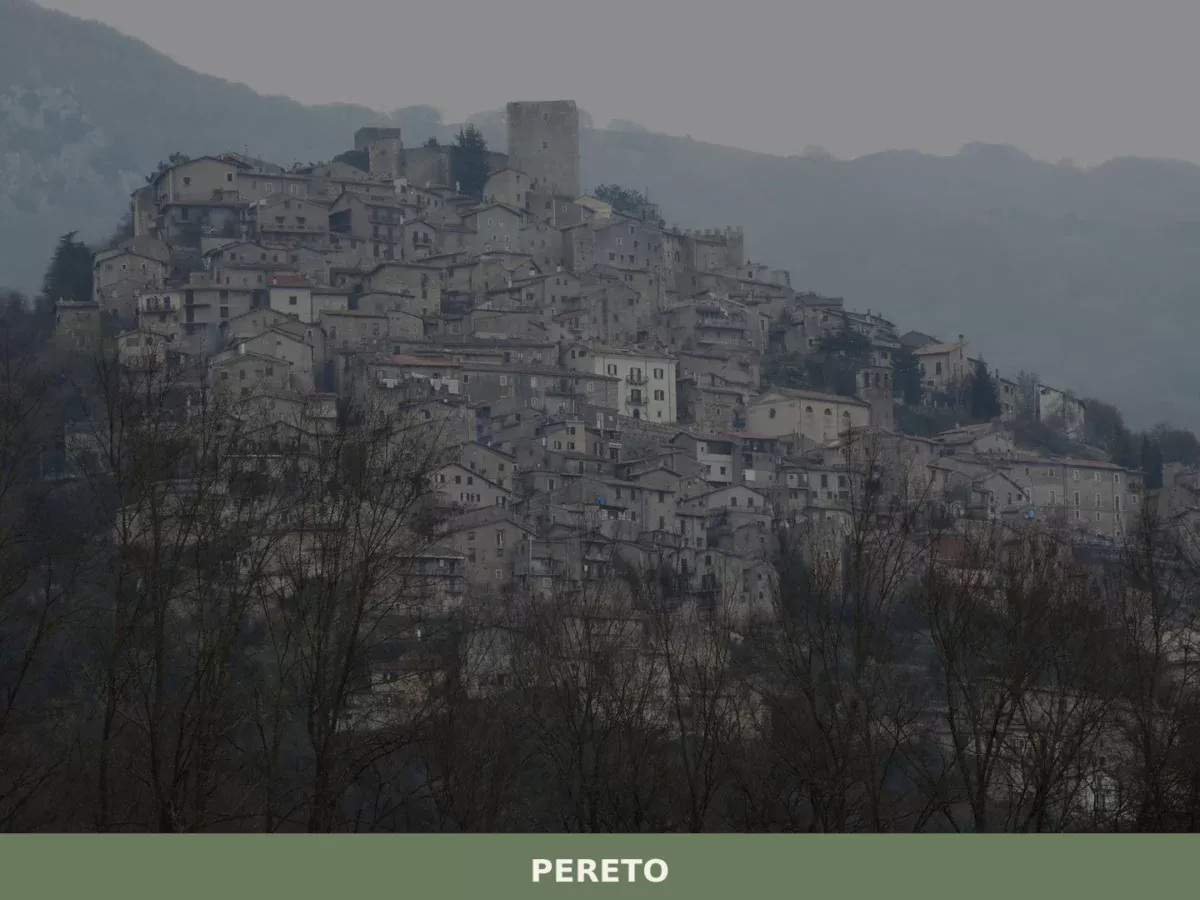
Discover Pereto's 5 must-see attractions in Abruzzo. From Rocca Orsini to historic churches, read our guide and plan your trip!
Alanno
Hills
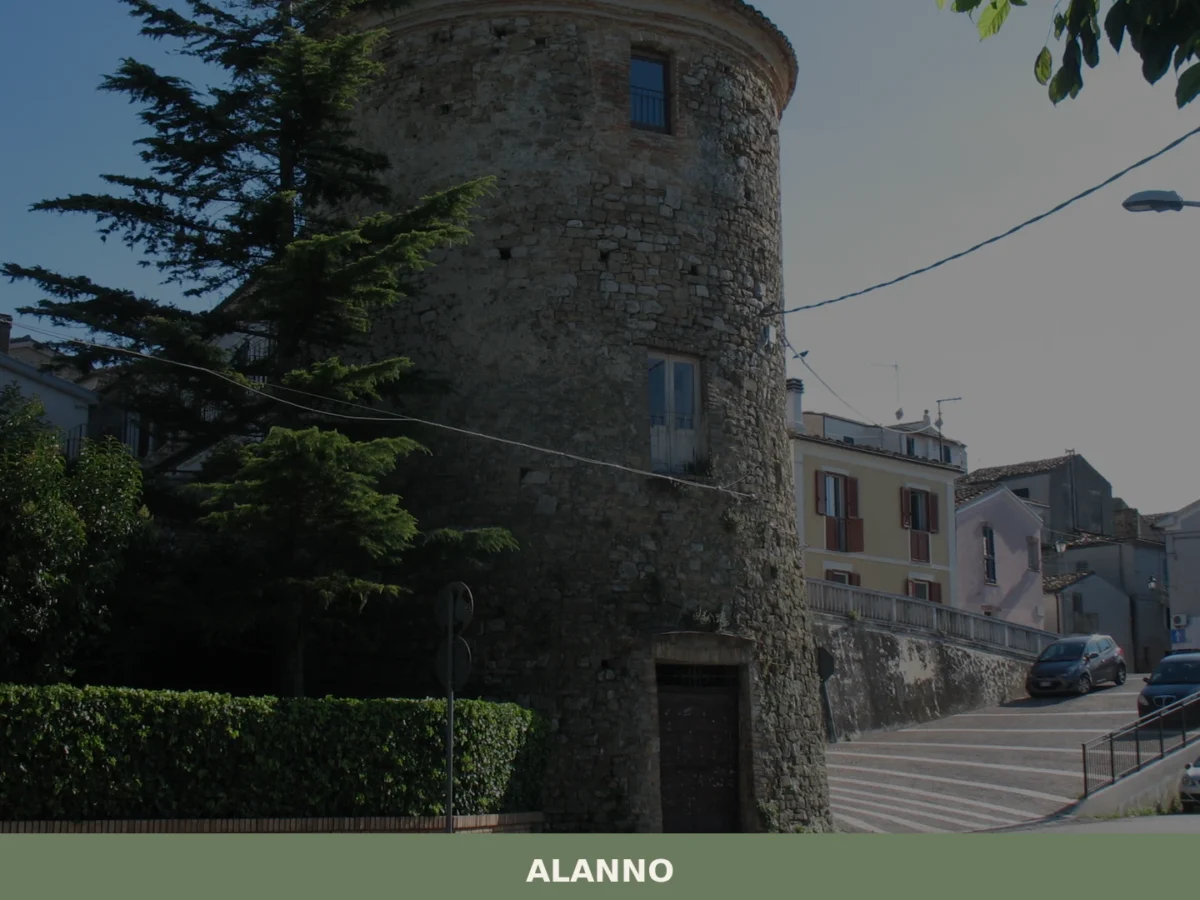
what to see in alanno: Discover Italy's Abruzzo region, a comune recorded with 114 families in 1443. Explore the 1485 Santa Maria delle Grazie church and the Wildlife Oasis. Read more.
Treglio
 Plains
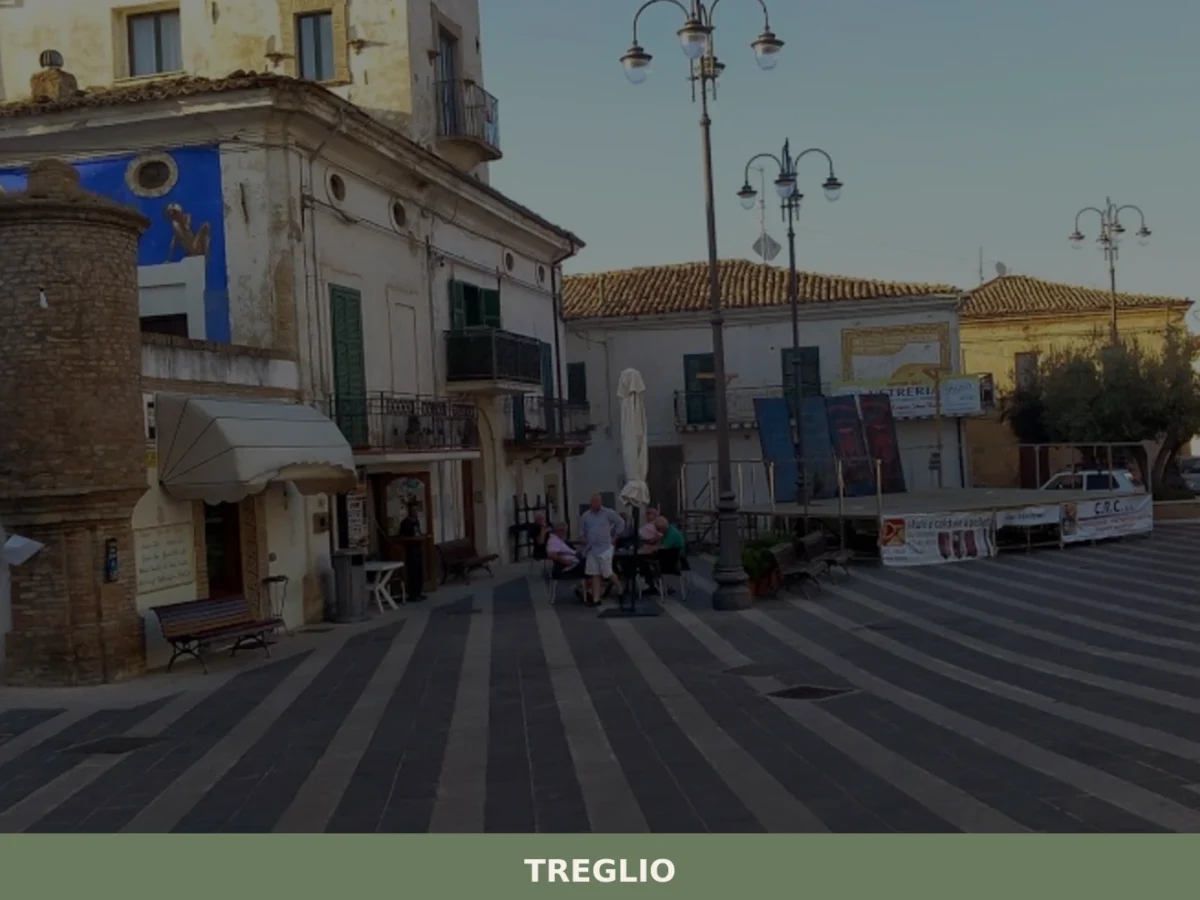
What to see in Treglio? Explore the 5 main attractions of this village in Abruzzo. Discover the complete guide for your visit!

Casalbordino
Hills
 Sea
Sea
What to see in Casalbordino, Italy: a sanctuary dating to 1576, 7.5 km of sand beach, and a nature reserve. Discover top attractions and travel tips.



🏡 Know Fara San Martino better than we do?
If you’re a local or have been there, your knowledge matters: add what’s missing or fix a detail on this page.