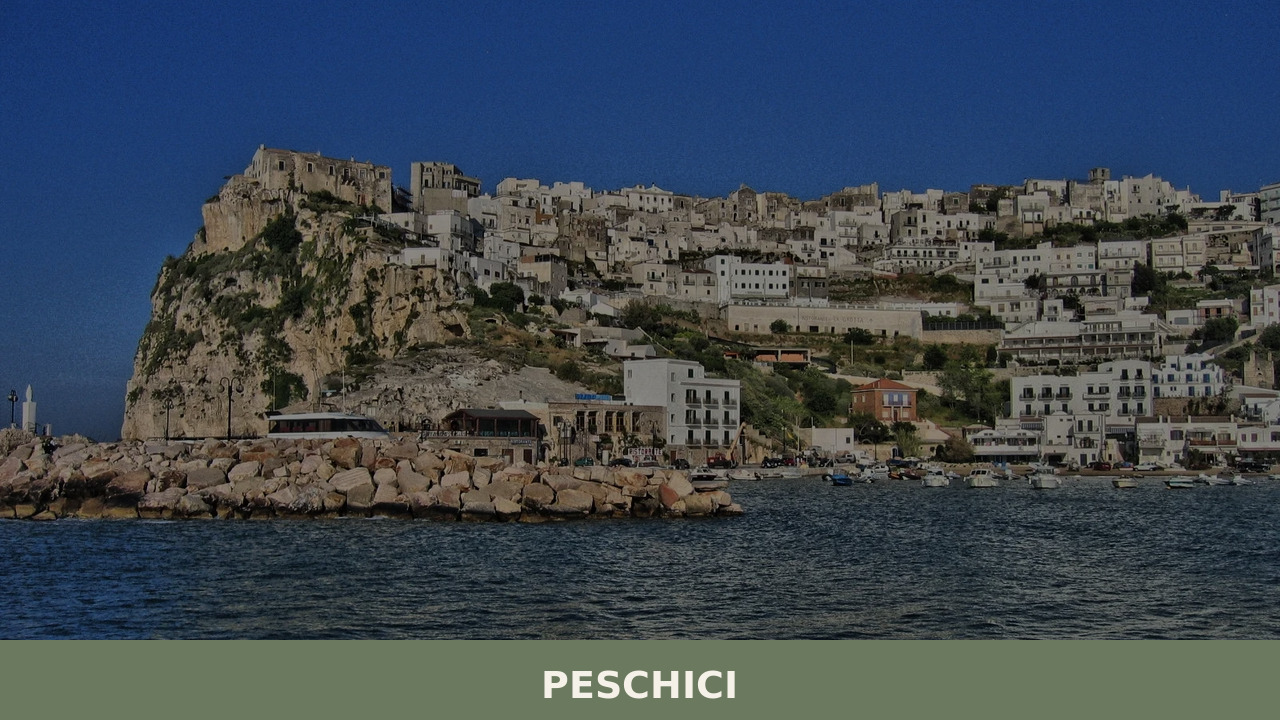
Perched on a rocky promontory above the turquoise waters of the Adriatic Sea, Peschici is one of the most enchanting coastal villages in Puglia’s Gargano peninsula. With its whitewashed houses, narrow alleyways, and dramatic clifftop setting, this small town of 4,283 inhabitants offers a captivating blend of history, natural beauty, and Mediterranean charm. If you’re […]
Perched on a rocky promontory above the turquoise waters of the Adriatic Sea, Peschici is one of the most enchanting coastal villages in Puglia’s Gargano peninsula. With its whitewashed houses, narrow alleyways, and dramatic clifftop setting, this small town of 4,283 inhabitants offers a captivating blend of history, natural beauty, and Mediterranean charm. If you’re wondering what to see in Peschici, prepare to be surprised by a destination where ancient watchtowers guard pristine beaches and centuries of tradition live on in every cobblestone street.
The origins of Peschici are steeped in the turbulent history of southern Italy’s coastal settlements. The town is believed to have been founded around 970 AD by a group of Slavic mercenaries brought to the Gargano by Emperor Otto I to help repel Saracen raids that had long plagued the Adriatic coastline. The name “Peschici” is thought to derive from a Slavic root — possibly from the word pesak, meaning sand — a fitting reference to the golden beaches that stretch along the coast below the village. Other scholars have suggested a link to fishing traditions, though the Slavic etymology is more widely accepted among historians.
During the medieval period, Peschici passed through the hands of several feudal lords and was fortified to protect it from ongoing maritime incursions. The village became part of the Gargano defensive system, which included a network of coastal watchtowers erected during the 16th century under the rule of the Kingdom of Naples. These towers, built to spot Ottoman and pirate ships approaching from the east, remain some of Peschici’s most iconic landmarks. The village’s strategic hilltop position, sitting at approximately 90 metres above sea level, made it an ideal vantage point for surveillance over the surrounding sea and countryside.
Over the centuries, Peschici evolved from a fortified outpost into a humble fishing village. Its relative isolation on the Gargano headland preserved its traditional character well into the 20th century, when the growth of tourism along the Puglian coast brought new life — and new visitors — to its ancient streets. Today, Peschici belongs to the province of Foggia and stands as one of the most beloved destinations in the Puglia tourism circuit, celebrated for its unspoiled beauty and authentic village atmosphere.
The heart of Peschici is a labyrinth of whitewashed houses, steep stairways, and narrow alleys that tumble down the clifftop toward the sea. Wandering through the centro storico, you’ll encounter arched passageways, small piazzas adorned with flowering balconies, and breathtaking viewpoints where the deep blue Adriatic stretches to the horizon. This is the soul of the village and the perfect place to soak in its timeless Mediterranean atmosphere.
Dominating the old town from the highest point of the promontory, the Castle of Peschici dates back to the Norman period and was built to defend the village from seaborne attacks. Though modified over the centuries and partially restored, the fortress still conveys the rugged military character of the medieval Gargano. From its walls, panoramic views sweep across the coastline and the rooftops of the village below.
Along the coastline near Peschici, you can admire ancient watchtowers erected during the 16th century as part of the Kingdom of Naples’ anti-piracy defences. Equally iconic are the trabucchi — traditional wooden fishing platforms that extend over the sea on stilts and long arms, once used to catch fish without venturing offshore. Several trabucchi have been converted into atmospheric restaurants, offering a truly unique dining experience.
Nestled within the old quarter, the Church of Sant’Elia is one of Peschici’s oldest places of worship. Its simple yet dignified architecture reflects the modest devotion of the fishing community that built it. Inside, you’ll find traditional religious art and a peaceful interior that provides a contemplative contrast to the lively streets outside. The church stands as a quiet testament to the village’s enduring spiritual heritage.
The coastline around Peschici is blessed with some of the Gargano’s finest beaches. The main Spiaggia di Peschici lies directly below the village, while nearby bays such as Baia di Manaccora and Baia Zaiana offer crystal-clear waters framed by pine forests and limestone cliffs. Whether you prefer sandy stretches or rocky coves, the beaches here are ideal for swimming, snorkelling, and simply unwinding under the southern Italian sun.
Peschici’s culinary identity is rooted in the sea and the sun-drenched land of the Gargano. Fresh seafood dominates local menus, with dishes such as spaghetti ai ricci di mare (sea urchin pasta), grilled octopus, and brodetto di pesce (a rich fish stew) showcasing the daily catch. The village’s trabucchi restaurants offer the extraordinary experience of dining directly over the water while savouring these traditional preparations. Puglia’s celebrated orecchiette pasta also appears frequently, often paired with broccoli rabe or simple tomato sauces made from locally grown San Marzano-style tomatoes.
Beyond seafood, the Gargano is renowned for its extra-virgin olive oil, produced from the ancient olive groves that carpet the peninsula’s hillsides. The region also produces excellent cheeses, including caciocavallo podolico, made from the milk of the indigenous Podolica cattle that graze in the Gargano’s rugged interior. Local bakeries offer paposce, a traditional Gargano flatbread that is crispy on the outside and soft within, typically filled with fresh tomatoes, rocket, and local cheese. For a sweet finish, look out for ostie ripiene, delicate wafer biscuits filled with almonds and honey — a beloved Gargano confection.
Peschici enjoys a mild Mediterranean climate with warm, dry summers and gentle winters. The peak season runs from June to September, when the beaches are at their best and the village buzzes with energy. July and August bring the warmest temperatures and the most visitors, so if you prefer a quieter experience, consider visiting in June or September, when the sea is still warm but the crowds are thinner and accommodation prices more reasonable. These shoulder months also offer ideal conditions for exploring the historic centre and hiking along the Gargano’s coastal trails.
Spring (April to May) is a lovely time to discover Peschici’s countryside, when wildflowers blanket the Gargano and the air is fragrant with herbs and citrus. The village hosts various local festivals and sagre (food festivals) throughout the year that celebrate its fishing heritage and culinary traditions. The summer months often feature open-air concerts and cultural events in the old town’s piazzas. Even in autumn, Peschici retains its appeal, with mild weather, the olive harvest underway, and a peaceful atmosphere that rewards visitors seeking authenticity over bustle.
Peschici is located on the northern coast of the Gargano peninsula, in the province of Foggia. The nearest major airport is Bari Karol Wojtyła Airport (BRI), approximately 220 km to the south, which receives flights from many European cities. From the airport, you can rent a car and reach Peschici in roughly 2.5 to 3 hours via the A14 motorway, exiting at Poggio Imperiale or San Severo and following the signs toward the Gargano and the SS89 coastal road.
By train, the closest mainline station is Foggia, which is well connected to Rome (approximately 3 hours by high-speed rail), Naples, and Bari. From Foggia, regional Ferrovie del Gargano buses and trains serve the Gargano area, with bus services running directly to Peschici, particularly during summer. The journey from Foggia to Peschici takes approximately 2 hours by bus. Drivers coming from the north can also take the A14 Adriatic motorway and exit at San Severo. During summer, a ferry service sometimes operates between the Tremiti Islands and Peschici’s port, adding a scenic option for island-hopping travellers.
The province of Foggia is home to a wealth of lesser-known villages that reward curious travellers with rich history and authentic southern Italian character. Inland from the Gargano, the splendid town of Lucera awaits with one of the largest medieval fortresses in southern Italy, a striking Roman amphitheatre, and a fascinating past shaped by Frederick II and the Angevin kings. It’s a must-visit for anyone drawn to Puglia’s layered history and makes an excellent day trip from the coast.
Further south across the Tavoliere plain, the agricultural town of Orta Nova offers a glimpse into the working heart of Puglia’s countryside. Known for its grain fields and rural traditions, Orta Nova provides a fascinating contrast to Peschici’s coastal charm and is a worthwhile stop for travellers exploring the diverse landscapes and communities of the Foggia province. Together, these villages paint a fuller picture of Puglia beyond its famous coastline.
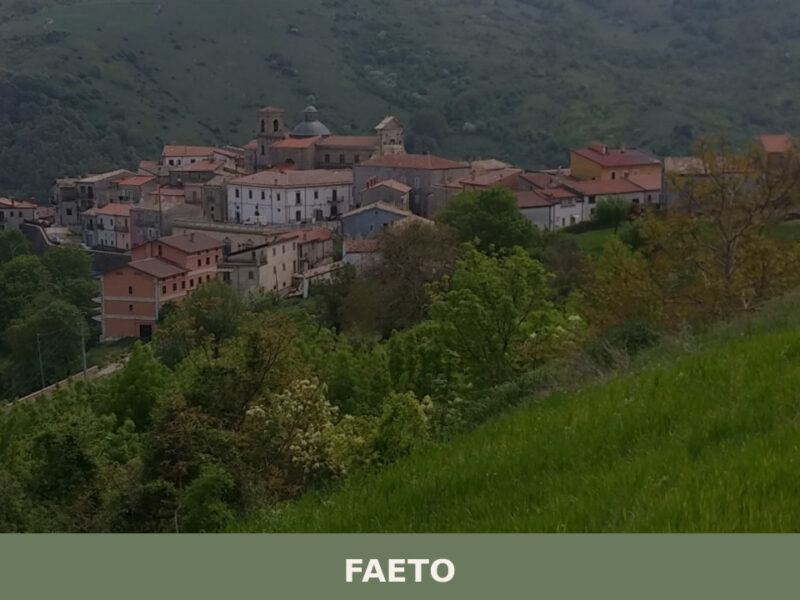
A Franco-Provençal-speaking village of 616 inhabitants high in the Daunia mountains. Discover what to see in Faeto: ancient dialect, beech forests, and Puglia's highest peak.
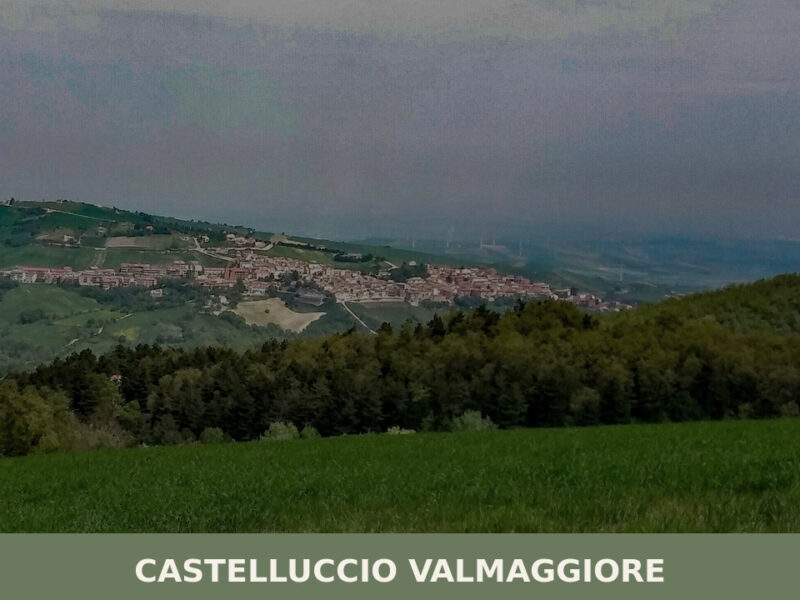
A hilltop village of 1,207 residents at 630 metres in the Daunian Sub-Apennines. Medieval lanes, long views over the Tavoliere plain, and mountain cuisine far from coastal Puglia.
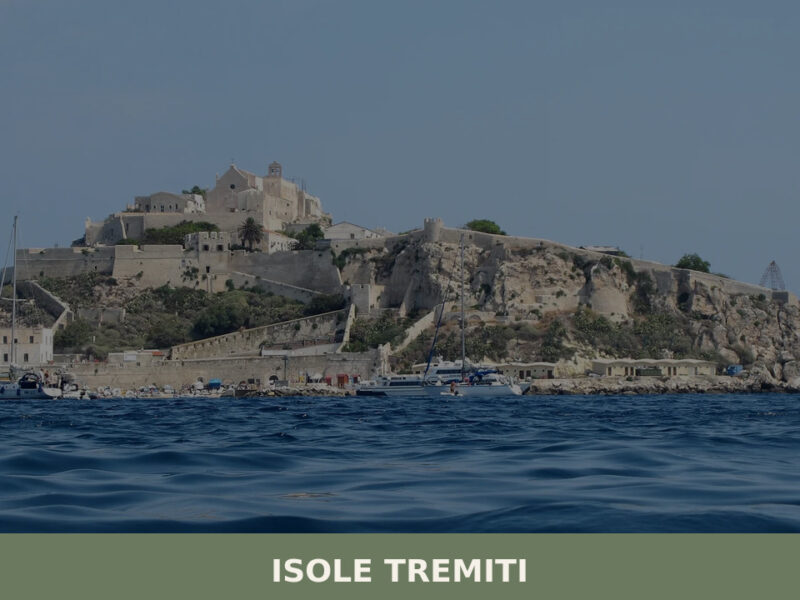
A 481-resident archipelago off Puglia's Gargano coast, the Tremiti Islands compress monastic history, Adriatic wildlife, and sea caves into three inhabited islands.
📝 Incorrect information or updates?
Help us keep the Peschici page accurate and up to date.