


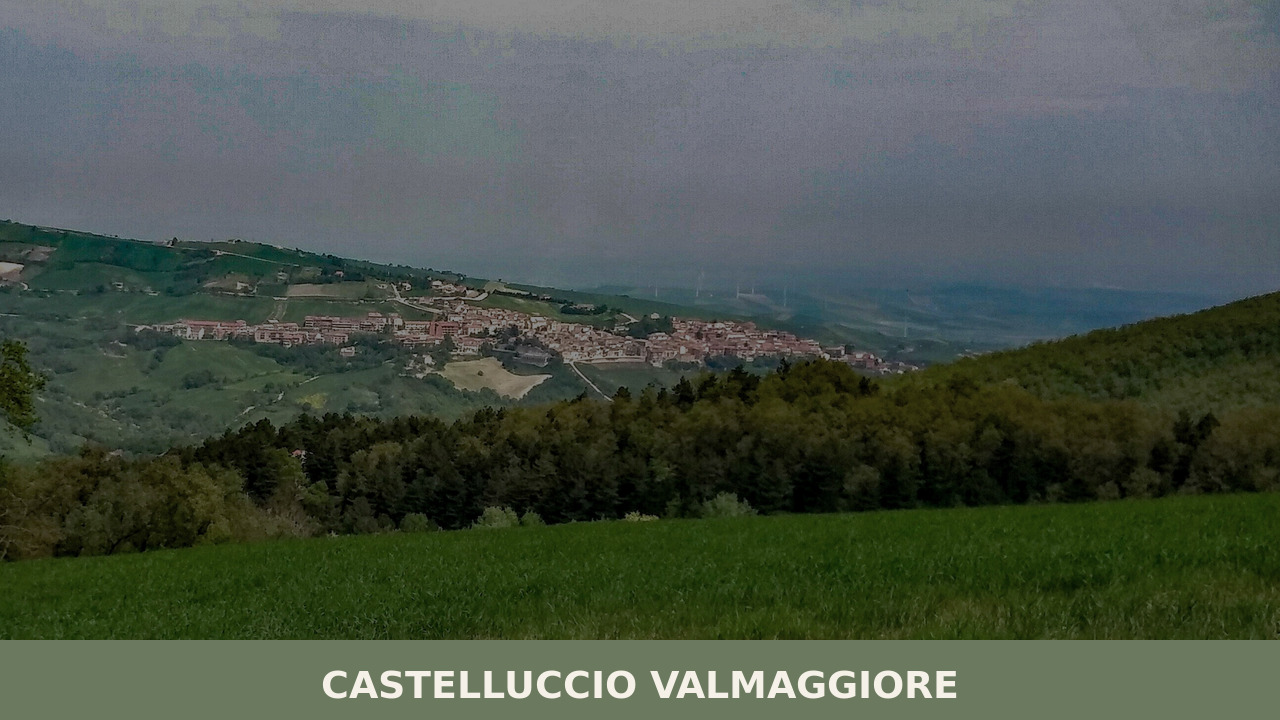
Castelluccio Valmaggiore
 Mountain
A hilltop village of 1,207 residents at 630 metres in the Daunian Sub-Apennines. Medieval lanes, long views over the Tavoliere plain, and mountain cuisine far from coastal Puglia.
Discover Castelluccio Valmaggiore
Morning fog fills the valley below like poured milk, and at 630 metres above sea level the air carries a sharpness that the lowland towns around Foggia never know. Cockerels call across terracotta rooftops. A woman sets a wooden chair outside a doorway no wider than her shoulders. This is Castelluccio Valmaggiore, a commune of 1,207 residents on the western edge of the Daunian Sub-Apennines, where the province of Foggia climbs into hill country. Understanding what to see in Castelluccio Valmaggiore begins here — in the quiet, in the altitude, in the unhurried rhythm of a settlement that has occupied this ridge for close to a thousand years.
History of Castelluccio Valmaggiore
The name itself is a document. “Castelluccio” — a diminutive of castello, meaning “little castle” — points to the fortified origins common across the hilltop settlements of the Province of Foggia. “Valmaggiore” refers to the larger valley — the valle maggiore — that opens below the village to the east, draining toward the Tavoliere plain. The compound name distinguishes this settlement from the several other Castelluccios scattered across southern Italy, anchoring it precisely in its landscape.
The village’s origins are medieval, tied to the period when Norman and later Swabian lords organised the defensive architecture of the Daunian hills during the eleventh and twelfth centuries. Like many settlements in this part of Puglia, Castelluccio Valmaggiore served a dual purpose: an agricultural community working the surrounding land, and a watchtower position along routes connecting the Apulian plain with the interior of Campania and the Irpinian highlands. Under feudal rule it passed through the hands of various baronial families, a succession typical of the southern Italian experience in which ownership changed but daily life — centred on grain, sheep, and seasonal labour — remained largely constant for centuries.
The nineteenth century brought the administrative reorganisation of the Kingdom of the Two Sicilies and, after Italian unification in 1861, the gradual depopulation that has shaped nearly every mountain commune in the Mezzogiorno. From a peak population in the early twentieth century, Castelluccio Valmaggiore has contracted to its present 1,207 inhabitants — enough to sustain a living community, a handful of bars, and a sense of identity that residents articulate with quiet insistence.
What to see in Castelluccio Valmaggiore: 5 must-visit attractions
1. The Chiesa Madre (Mother Church)
The main parish church stands at the heart of the old centre, its stone façade weathered to a pale ochre that shifts colour through the day. Inside, the single nave holds modest but well-preserved altarpieces and devotional statues characteristic of Daunian religious art. The building’s proportions — thick walls, narrow windows — reflect construction priorities shaped as much by cold highland winters as by liturgical tradition.
2. The historic centre and medieval street plan
Narrow lanes ascend from the lower edges of the village toward the highest point where the original fortification once stood. Doorways are cut from local limestone, and many houses retain external staircases leading to upper-floor living quarters — a vernacular solution seen throughout the Sub-Apennine hill villages. Walking the centre on foot takes less than thirty minutes, but the density of architectural detail repays slow observation.
3. Panoramic viewpoints over the Tavoliere
At 630 metres, Castelluccio Valmaggiore commands long sightlines eastward across the Tavoliere delle Puglie — the largest plain in southern Italy after the Campanian lowlands. On clear winter mornings the Adriatic coast is faintly visible. Several points along the village’s eastern edge offer unobstructed views, best appreciated at dawn or in the final hour before sunset when the plain takes on a copper tone.
4. The surrounding Daunian hill trails
Unpaved roads and mule tracks radiate from the village into mixed woodland of oak and chestnut. These paths, once the only connections between neighbouring communes, now serve hikers and mountain bikers. The terrain is moderate — rolling rather than steep — and spring wildflower displays across the hillside meadows are notably diverse, owing to the altitude and the absence of intensive agriculture on the upper slopes.
5. The rural chapels and wayside shrines
Scattered across the countryside surrounding Castelluccio Valmaggiore, small votive chapels and roadside niches mark crossroads and property boundaries. These structures — some no larger than a cupboard, others substantial enough to shelter a dozen people — form a sacred geography that predates modern roads. Their frescoed interiors, where preserved, offer glimpses of popular devotion spanning several centuries.
Local food and typical products
At this altitude, the cuisine leans toward the mountain traditions of the Daunian Sub-Apennines rather than the seafood-oriented cooking of coastal Puglia. Handmade pasta — orecchiette, cavatelli, and the lesser-known cicatelli — is dressed with slow-cooked ragù of pork or lamb, or with wild greens foraged from surrounding meadows. Legumes are central: broad beans, chickpeas, and lentils appear in thick soups enriched with stale bread, a preparation that carries the logic of subsistence agriculture. Local pork products, including cured sausages seasoned with fennel seed and chilli, reflect the pig-keeping traditions of hill communities. The olive oil produced in the Daunian hills, while less internationally famous than that of the Salento or Bari provinces, tends toward a robust, peppery profile suited to the heavier mountain dishes.
Dining options in a village of this size are limited but genuine. A handful of trattorie and agriturismi in the surrounding countryside serve fixed menus that change with the season — wild asparagus and artichokes in spring, mushrooms and chestnuts in autumn. Bread, still baked in wood-fired ovens in some households, is the large-format pane di Puglia variety, with a thick crust and a dense, yellow crumb made from durum wheat flour. It keeps well for days, a quality that once mattered greatly and now simply makes it exceptional toast.
Best time to visit Castelluccio Valmaggiore
The village’s elevation creates a microclimate noticeably cooler than the Foggia lowlands. Summers are warm but rarely oppressive — daytime temperatures hover around 28-30°C in July and August, dropping enough at night to require a light jacket. This makes Castelluccio Valmaggiore a sensible retreat during the scorching weeks when the Tavoliere plain shimmers with heat. Spring (April to early June) is arguably the finest season: wildflowers cover the hillsides, the light is clear without the summer haze, and the village’s agricultural calendar brings a quiet animation. Autumn offers mushroom foraging and the olive harvest. Winters are cold for southern Italy, with occasional snowfall that transforms the village into something from a different country entirely.
Local festivals follow the southern Italian liturgical calendar. The patron saint’s feast day and the August ferragosto celebrations draw returned emigrants and families from the surrounding area, temporarily doubling the village’s population and filling the piazza with music, processions, and outdoor dining. Visitors planning a trip should check locally for exact dates, as schedules can shift. The Puglia regional tourism board provides updated event listings for the province.
How to get to Castelluccio Valmaggiore
Castelluccio Valmaggiore lies in the western reaches of the Province of Foggia, approximately 35 kilometres southwest of Foggia city. By car from Foggia, take the SS17 or the provincial roads climbing into the Sub-Apennine hills — the drive takes roughly 40-50 minutes depending on the route and road conditions. From Naples, the A16 motorway (Napoli-Canosa) connects to the SS655, from which secondary roads lead northward into the Daunian hills; total driving time is around two hours. From Bari, follow the A14 motorway north to Foggia and then head west — approximately two and a half hours in total.
The nearest railway station is in Foggia, which is well served by national and regional rail services including high-speed Frecciarossa trains from Rome (under three hours) and connections from Bari and Naples. From Foggia station, local bus services operated by provincial transport companies reach the Daunian hill villages, though frequencies are limited — a rental car is strongly recommended for flexibility. The nearest airports are Bari Karol Wojtyła Airport (approximately 170 km) and Naples Capodichino Airport (approximately 180 km), both offering domestic and European connections.
More villages to discover in Puglia
Castelluccio Valmaggiore belongs to a constellation of small communes strung along the Daunian Sub-Apennines, each with its own character and each visible from the others on clear days. To the southeast, Ascoli Satriano occupies a prominent position where the hills begin their descent toward the Tavoliere plain. It is a significantly larger town with deep archaeological roots — ancient Ausculum, site of Pyrrhus’s famous costly victory in 279 BC — and its museum and Roman bridge make it a natural complement to a visit in the Daunian hill country.
Further north, toward the Fortore valley and the border with Molise, Carlantino sits above the Occhito reservoir, one of the largest artificial lakes in southern Italy. The drive between Castelluccio Valmaggiore and Carlantino winds through some of the most sparsely populated landscape in Puglia — oak forests, abandoned masserie, and hillsides where the only movement is the slow circling of buzzards. Together, these villages sketch the outline of a region that most visitors to Puglia never reach, and that rewards precisely the kind of traveller willing to follow a narrow road to its end.
Frequently asked questions about Castelluccio Valmaggiore
Quando si festeggia il santo patrono di Castelluccio Valmaggiore?
Il patrono di Castelluccio Valmaggiore è San Giovanni Battista, la cui festa ricorre il 24 giugno. Come in molti comuni del Subappennino Dauno, i festeggiamenti patronali richiamano emigrati e famiglie dai paesi vicini, animando la piazza con processioni, musica e momenti conviviali all'aperto. Il 24 giugno coincide con il solstizio d'estate, periodo in cui le temperature nel paese — a 630 metri di quota — restano gradevoli.
Vale la pena visitare Castelluccio Valmaggiore come tappa di un giorno partendo da Foggia?
Sì. Castelluccio Valmaggiore dista circa 35 chilometri da Foggia, raggiungibile in 40-50 minuti di auto percorrendo la SS17 o le strade provinciali verso le colline. Le dimensioni del centro storico — percorribile a piedi in meno di trenta minuti — si prestano a una visita di mezza giornata, abbinabile a un pranzo in una delle trattorie o agriturismi della zona e a una passeggiata sui sentieri collinari circostanti.
Esistono sentieri ufficiali per escursioni nei dintorni del paese?
Il territorio intorno a Castelluccio Valmaggiore è attraversato da strade sterrate e tratturi storici che collegavano i comuni del Subappennino Dauno, oggi frequentati da escursionisti e mountain biker. Il Club Alpino Italiano (CAI) gestisce una rete di sentieri numerati nel Subappennino Dauno; per percorsi specifici e numerazione aggiornata è consigliabile consultare la sezione CAI di Foggia o i riferimenti cartografici ufficiali prima della partenza.
Nearby Villages near Castelluccio Valmaggiore
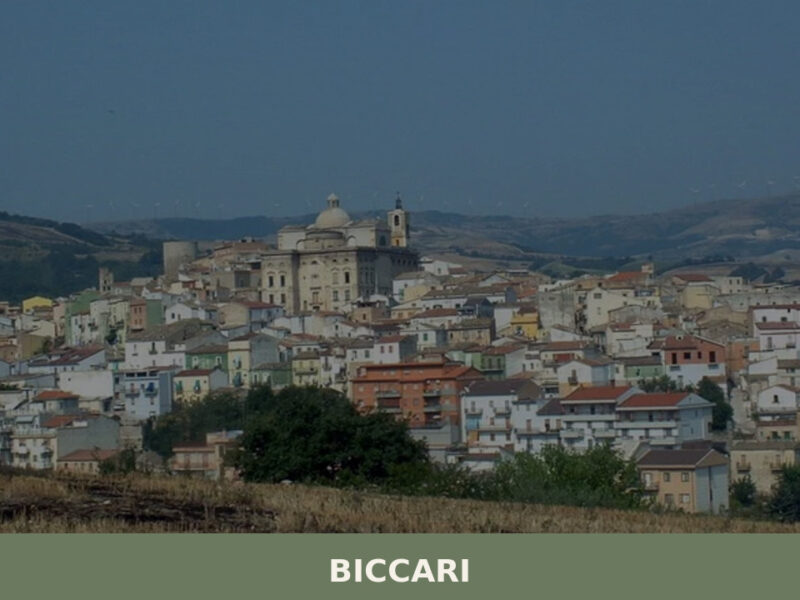
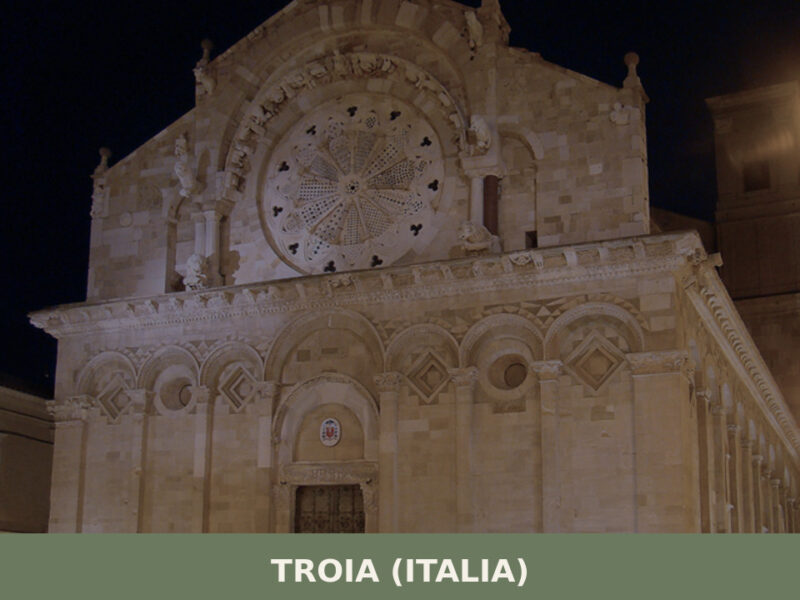
In Apulia More villages to discover
Adelfia
 Plains
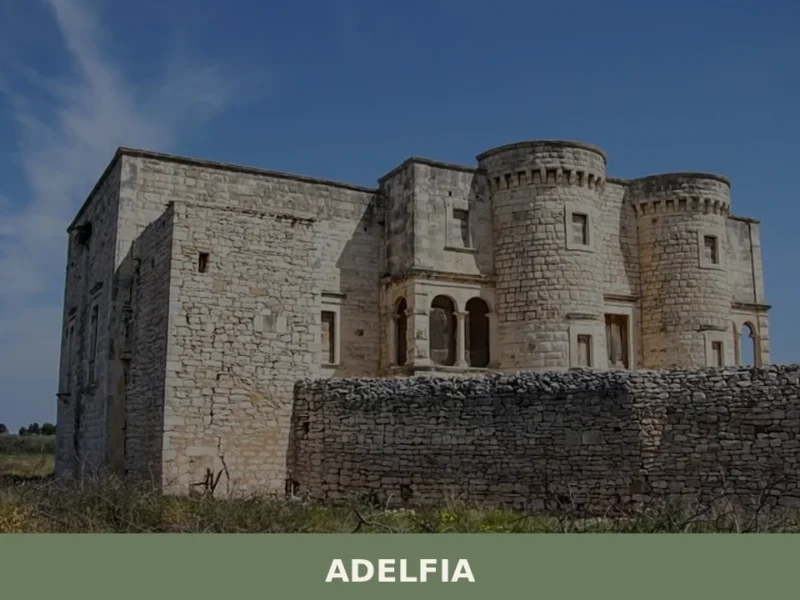
In 1927, a royal decree unified two separate municipalities — Canneto di Bari and Montrone — into a single administrative entity given the name Adelfia, from the Greek adelphós, meaning brother. It was a political gesture that encapsulated centuries of coexistence between two settlements separated by less than a kilometre of countryside, yet each fiercely […]
Martignano
Plains
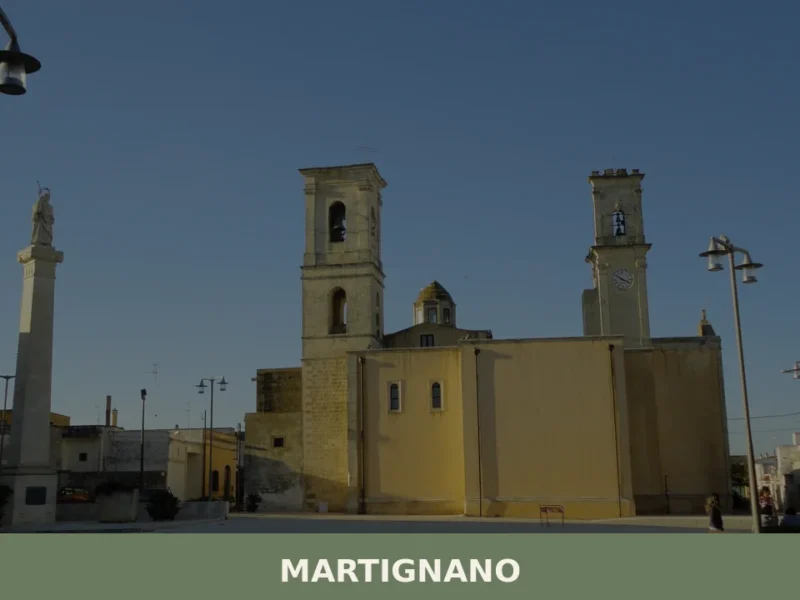
What to see in Martignano: from medieval churches to the main square, discover the 5 top attractions of this Griko village. Plan your visit with this guide.
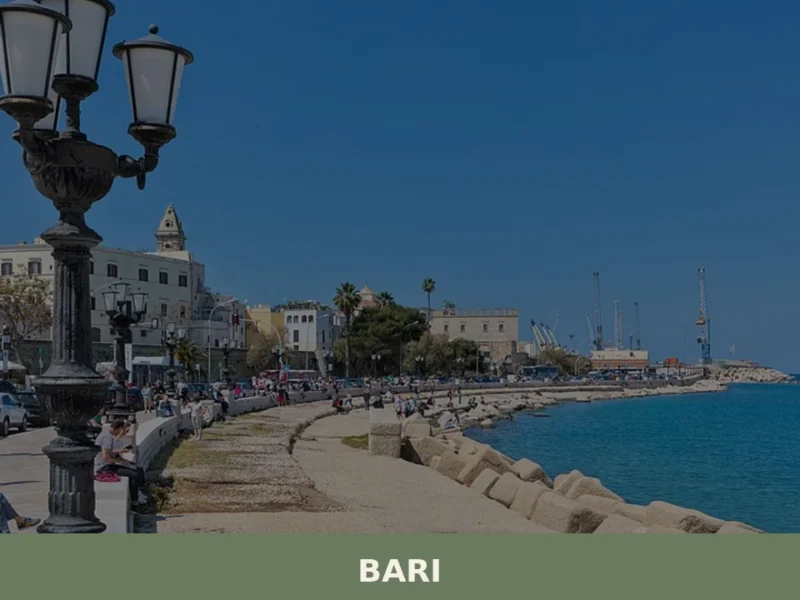
Bari
 Sea
Sea
In Bari, the dawn over the Adriatic Sea paints the ancient walls of the old town in shades of pink, while the first rays of sunlight illuminate the imposing façade of the Basilica di San Nicola, the focal point of a city that has welcomed pilgrims and merchants for centuries. Here, history is etched into […]
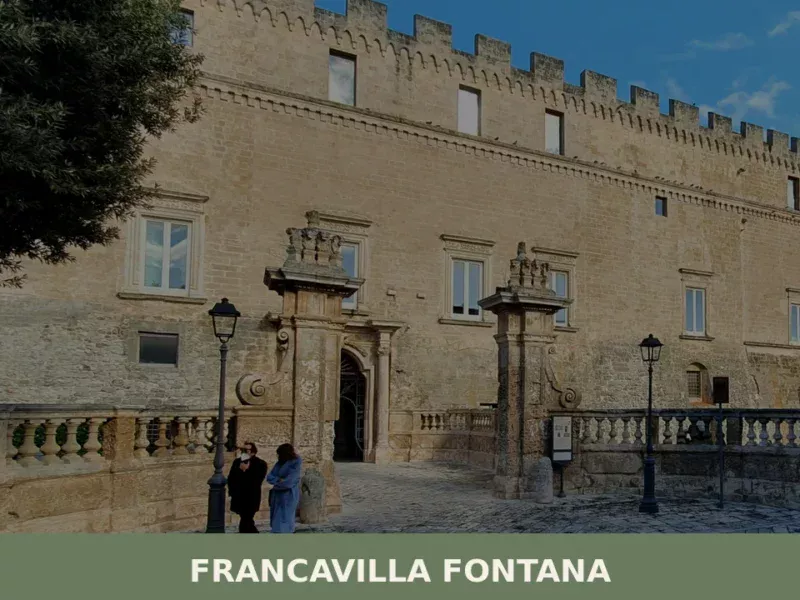
Francavilla Fontana
Plains
Discover what to see in Francavilla Fontana, Puglia: Baroque palaces, the medieval basilica, local food, travel tips and how to get there.
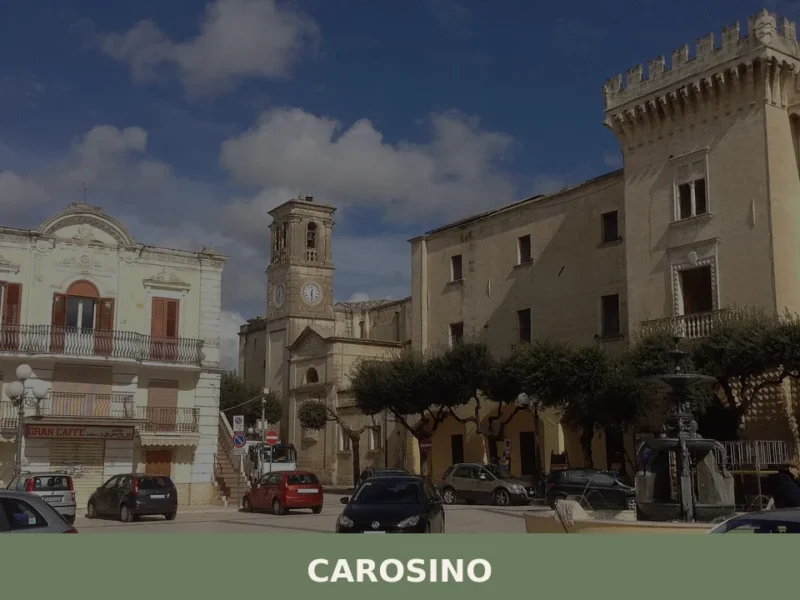
Carosino
Plains
Carosino is a comune of 6,371 inhabitants in the province of Taranto, positioned in the Ionian arc of Puglia where the landscape flattens into olive groves and vineyards before reaching the coast. Known locally by its Salentine dialect name Carusinu, the town sits within a territorial context defined by centuries of agricultural production and the […]
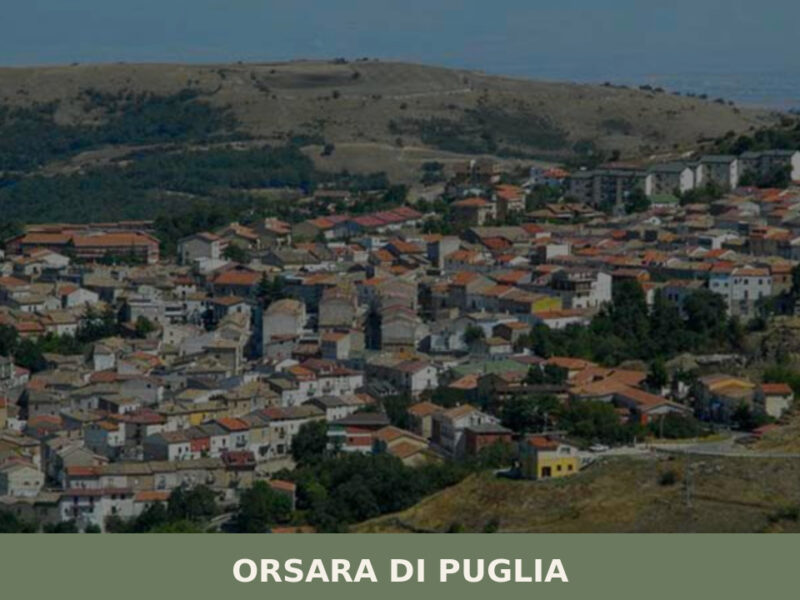
Orsara di Puglia
Mountain
A mountain village of 2,507 people in the Foggia province, Orsara di Puglia holds sacred grottoes, medieval stonework, and one of southern Italy's most distinctive culinary traditions.
Castellana Grotte
 Hills
Hills
In 1938, speleologist Franco Anelli descended for the first time into a karst chasm a few kilometres from the town centre, revealing to the world an underground system stretching over three kilometres — one of the most extensive in Europe. That discovery permanently transformed the identity of an agricultural municipality on the south-eastern Murgia, placing […]
Rutigliano
Plains
What to see in Rutigliano, a town at 125 m in Puglia. Terracotta whistle museum, Norman tower, Peucetian necropolis and PAT cuisine. Plan your visit now.
Andria
Plains
What to see in Andria, Puglia, Italy: explore Castel del Monte UNESCO site, the Cathedral crypt, and local products. Population 97,146. Discover the complete guide.
Bagnolo del Salento
Plains
Bagnolo del Salento: discover the village, visit historic churches, and taste traditional cuisine. Plan your trip now!
🧀 Italian traditional products


🏡 Know Castelluccio Valmaggiore better than we do?
If you’re a local or have been there, your knowledge matters: add what’s missing or fix a detail on this page.