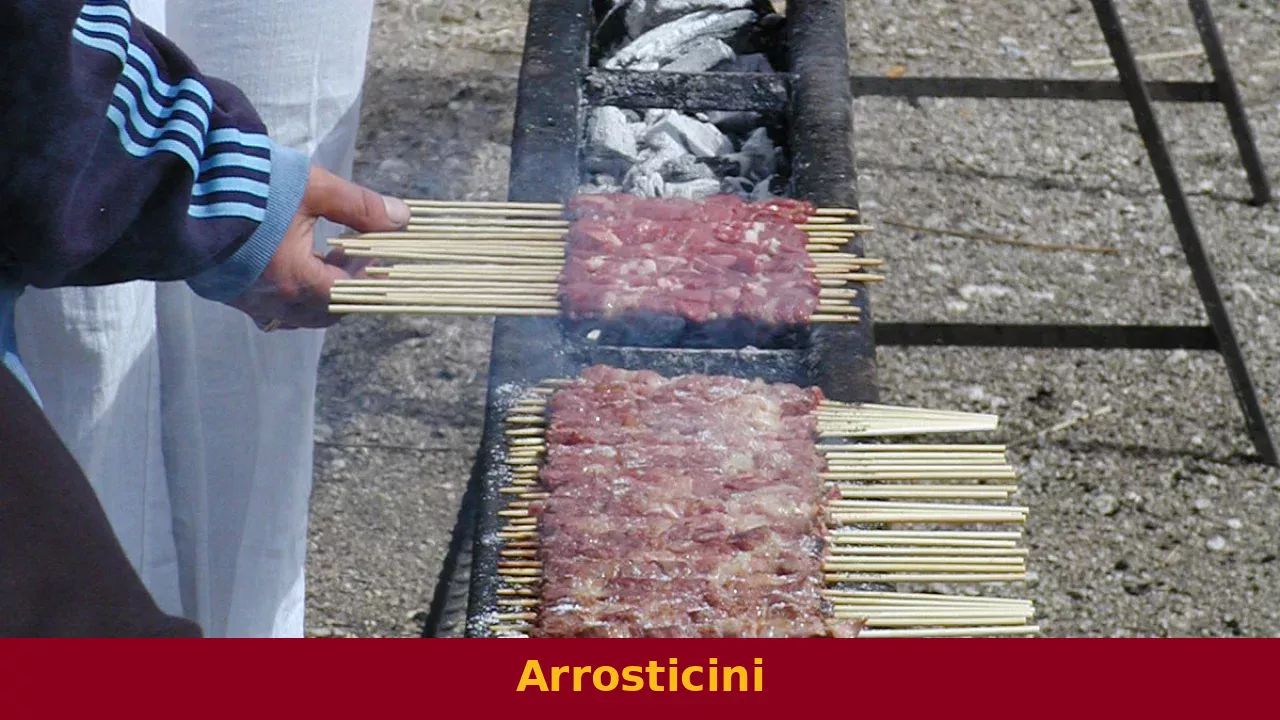
Arrosticini are a gastronomic preparation that unequivocally identifies the Abruzzo region, representing one of its most renowned agri-food products. They are skewers of ovine meat, predominantly from sheep or castrated ram, cut into small cubes and threaded onto a thin wooden skewer. Their denomination varies based on Abruzzese dialectal areas, where they may be called…
Arrosticini are a gastronomic preparation that unequivocally identifies the Abruzzo region, representing one of its most renowned agri-food products. They are skewers of ovine meat, predominantly from sheep or castrated ram, cut into small cubes and threaded onto a thin wooden skewer. Their denomination varies based on Abruzzese dialectal areas, where they may be called rustell’, rustelle, rostelle, or arrustelle, yet their meaning and essence remain unchanged.
The history and diffusion of Arrosticini are closely linked to the pastoral tradition of the Abruzzese Apennines. This practice, centered on sheep farming, naturally led to the development of culinary preparations that made the most of available meat. Arrosticini are not merely a dish, but a symbol of this culture, an example of how necessity and ingenuity gave rise to a specialty now recognized as an arrosticini traditional Italian product.
Included in the category of Abruzzese Traditional Agri-Food Products (PAT), Arrosticini have obtained official recognition that underscores their historical and cultural value. Their diffusion intensified particularly after the Second World War, consolidating their presence throughout the region. The area of origin is often identified in the southeastern part of the Gran Sasso d’Italia massif, specifically in the Piana del Voltigno, an area situated at the border between the provinces of L’Aquila, Teramo, and Pescara, a vital center of sheep farming.
Over time, the fame of Arrosticini has extended beyond regional borders. Factors such as Abruzzese emigration have contributed to exporting this specialty to other areas of Italy, such as Liguria, where it has rightfully entered the local culinary tradition, while maintaining its connection to Abruzzese origins.
The history of Arrosticini has its roots in the practice of pastoralism, an activity that for centuries defined life and economy in Abruzzo. This specialty is the culinary expression of a tradition primarily linked to sedentary pastoralism, although to a lesser extent also to transhumance. The need to make the best use of every part of the animal, particularly ovine, led to the creation of this simple yet substantial dish.
According to established pastoral practice, true Abruzzese Arrosticini are composed exclusively of ovine meat. The meat of young sheep or castrated ram is preferred, a choice that ensures particular tenderness and a balanced taste in the final product. This selection of raw material is a distinctive element that has helped define the identity of Arrosticini within the panorama of Italian gastronomy.
The geographical origin of Arrosticini is located in the southeastern area of the Gran Sasso, specifically in the Piana del Voltigno. This area, situated between the provinces of L’Aquila, Teramo, and Pescara, represented an important crossroads for sheep farming and for the transmission of knowledge and practices related to meat processing. Tradition holds that shepherds, during their activities, prepared these skewers with the less noble cuts of sheep, cooking them directly over fire.
The widespread diffusion of Arrosticini throughout the Abruzzo region occurred significantly in the period following the Second World War. This moment of economic and social recovery saw increased mobility and a growing appreciation of local traditions, allowing Arrosticini to become a symbol of Abruzzese cuisine and a recognized arrosticini traditional Italian product.
Beyond regional borders, Arrosticini have gained popularity in various areas of Italy. This expansion has been favored both by the migratory flows of Abruzzese people, who brought their culinary customs with them, and by the product’s establishment in large-scale distribution. Today, it is possible to find Arrosticini in many Italian cities, evidence of their success and their ability to adapt to different contexts, while preserving their connection to Abruzzo.
The production territory of Arrosticini is intrinsically linked to the Abruzzo region and, more specifically, to the mountainous and hilly environment of the Apennines. This area has always been dedicated to sheep farming, an activity that has shaped the landscape and local food customs.
The identification of the origin of Arrosticini focuses on the southeastern part of the Gran Sasso d’Italia massif. The Piana del Voltigno, an area that extends to the border between the provinces of L’Aquila, Teramo, and Pescara, is often indicated as the birthplace of this preparation. This zone is characterized by vast pastures and a climate that favors sheep farming, providing the essential raw material for Arrosticini.
The particular conformation of the Abruzzese territory, with its mountains and valleys, has encouraged a form of pastoralism that has developed specific techniques and traditions, including the preparation of Arrosticini. The availability of quality ovine meat, from animals raised in a natural and often semi-wild environment, is a determining factor for the organoleptic characteristics of the product.
The diffusion of Arrosticini throughout the Abruzzo region, and subsequently beyond its borders, is a direct consequence of their origin in such a specific geographical and cultural context. Abruzzo, with its strong identity linked to the mountains and pastoralism, provides the ideal context for the production and enhancement of this arrosticini traditional Italian product.
The production of Arrosticini is based on a simple but precise methodology, starting from the selection of meat and extending to its preparation for cooking. The fundamental raw material is ovine meat, as specified by tradition, coming from young sheep or castrated ram. This choice is crucial to ensure the tenderness and characteristic taste of the product.
The process begins with the selection of the most suitable cuts of meat. These are then deboned and cut into small cubes, generally about 1 cm per side. It is common for small fragments of ovine fat to be inserted along with the lean meat pieces. This measure serves to keep the meat soft and juicy during cooking, as well as to impart a rounder flavor.
Once the cubes of meat and, if applicable, fat are obtained, they are manually threaded onto thin wooden skewers. The alternating arrangement of meat and fat (when present) is a common practice that optimizes the yield during cooking. The length of the skewers is variable, but usually ranges between 20 and 30 centimeters, with the meat portion occupying approximately half of the total length.
The preparation of Arrosticini, despite its simplicity, requires manual skill and attention in the selection and cutting of the meat. No marinades or seasonings are foreseen before cooking, as the quality of the raw material and the cooking method are the elements that define the final flavor. This methodology reflects the essential and direct nature of pastoral cuisine, where the enhancement of meat flavor is paramount.
Although homemade or artisanal preparation follows these steps, large-scale production may utilize machinery for cutting and skewering, while maintaining the quality standards required for an arrosticini traditional Italian product.
The organoleptic characteristics of Arrosticini are the result of the quality of the ovine meat used and the traditional cooking method. These properties contribute to making Arrosticini a distinctive and appreciated product.
Appearance: Arrosticini appear as small skewers composed of ovine meat cubes, often interspersed with small pieces of fat. After cooking, the meat acquires an external coloration ranging from light brown to dark brown, with slight charring indicating charcoal cooking. The fat, if present, partially melts and caramelizes, contributing to its sheen.
Texture: The meat of Arrosticini, when cooked correctly, is tender and juicy inside, with a slight external crust due to direct heat cooking. The meat cubes maintain a certain compactness but melt in the mouth, without being rubbery or excessively fibrous. The presence of fat helps maintain moisture and softness.
Aroma: The aroma of cooked Arrosticini is characteristic and intense. Notes of ovine meat are perceived, with hints of charcoal and light smokiness. The aroma is inviting and spreads throughout the environment during cooking, evoking the atmosphere of traditional barbecues. The specific smell of lamb or castrated ram is well recognizable, but not excessively pungent, thanks to the selection of young animals.
Flavor: The flavor of Arrosticini is decided and savory, typical of ovine meat. It is a balanced taste, which may present slight sweet nuances from caramelized fat and a slightly wild, but never overpowering, note of sheep. Charcoal cooking imparts a depth of flavor that cannot be replicated by other methods. Not being seasoned before cooking, the flavor of the meat is the absolute protagonist, enhanced only by a pinch of salt added after cooking.
These characteristics make Arrosticini an arrosticini traditional Italian product immediately recognizable and appreciated by connoisseurs, combining the simplicity of ingredients with a complex and satisfying taste result.
Arrosticini, rather than an ingredient to “use in cooking” for other preparations, are a complete and autonomous dish, central to a specific culinary ritual. Their preparation and consumption follow a consolidated tradition that makes them a convivial dish and a strong identifier of Abruzzo.
The primary way to “use” Arrosticini in cooking is by grilling them over charcoal. Traditionally, a specific, narrow, and long grill, called “fornacella” or “rustillire” in Abruzzese dialect, is used, designed to cook the skewers evenly without burning the wood. Cooking takes place over burning embers, which impart the meat its distinctive flavor and external crust. It is essential that the meat is cooked quickly, maintaining a juicy interior.
Once cooked, Arrosticini are served hot, directly from the grill. Seasoning is minimal: usually a pinch of coarse salt added immediately after cooking. No sauces or dips are provided that might cover the flavor of the meat. Their simplicity is a key element of their goodness.
At the table, Arrosticini are consumed directly from the skewer. It is common to accompany them with homemade “unto” bread, meaning bread moistened with local extra virgin olive oil and sometimes lightly salted. This pairing creates a contrast of textures and flavors that enhances the tasting experience. Extra virgin olive oil, another product of Abruzzese excellence, harmoniously complements the ovine meat.
As a beverage, red wine, preferably a Montepulciano d’Abruzzo, is the traditional accompaniment. The structure of the wine balances the savoriness and succulence of Arrosticini, creating a pairing that is an integral part of the regional gastronomic tradition.
Arrosticini are an ideal dish for convivial occasions, parties, and gatherings, where their preparation and shared consumption strengthen the sense of community. They are considered a main meal or a substantial appetizer, depending on the quantity consumed. Their versatility has made them an arrosticini traditional Italian product appreciated in various contexts, but always respecting their traditional way of being enjoyed.
Arrosticini have obtained official recognition that attests to their connection with the territory and culinary traditions of Abruzzo: they are included in the list of Italian Traditional Agri-Food Products (PAT). This certification is an important element for the enhancement and protection of this specialty.
Traditional Agri-Food Product (PAT): The classification as PAT is a recognition attributed by the Ministry of Agricultural, Food and Forestry Policies to products that exhibit processing, conservation, and aging methods consolidated over time, according to uses handed down for at least 25 years. The inclusion of Arrosticini in this list underscores their long history and the continuity of preparation techniques in the Abruzzo region. This recognition does not imply a rigid production specification like for DOP or IGP, but certifies traditional craftsmanship and the cultural link with the territory.
The recognition as PAT is significant because it helps protect the identity of Arrosticini and distinguish them from imitations or products that do not respect tradition. For consumers, the PAT designation is a guarantee of authenticity and origin linked to the Abruzzese context. This status helps promote Arrosticini not just as a simple meat dish, but as an arrosticini traditional Italian product with a well-defined historical and cultural identity.
Unlike other European certifications such as DOP (Protected Designation of Origin) or IGP (Protected Geographical Indication), PAT is a national recognition that values the richness and diversity of Italian gastronomic heritage, based on the persistence of local traditions. For Arrosticini, this means that their method of production and consumption is an integral part of Abruzzese cultural heritage, a fundamental aspect for their preservation and promotion.
The growing popularity of Arrosticini has made them accessible in an increasing number of places, both within and outside the Abruzzo region. Purchasing this arrosticini traditional Italian product is now simpler, thanks to various distribution channels.
In Abruzzo: In their region of origin, Arrosticini are widespread. They can be found in almost all restaurants and trattorias offering local cuisine. There are also numerous “arrosticinerie,” establishments specializing solely in the preparation and serving of Arrosticini, where they are cooked fresh over charcoal. Local butcher shops, particularly those with a tradition linked to sheep farming, often offer fresh Arrosticini, ready to be cooked at home. Local markets and village festivals are other opportunities to purchase and enjoy them.
Outside Abruzzo: Thanks to their fame and Abruzzese migration, Arrosticini are also available in other Italian regions. As mentioned, Liguria is an example where the specialty has become established. In large Italian cities, it is possible to find Abruzzese restaurants or establishments that include Arrosticini on their menu. Large-scale distribution has contributed significantly to their spread: many supermarkets, even outside Abruzzo, offer Arrosticini in the butchery section or refrigerated counters, often vacuum-packed.
Online purchase: E-commerce has opened new possibilities for purchasing Arrosticini. Numerous Abruzzese producers and specialized retailers offer the option to order Arrosticini online, with refrigerated shipments that guarantee the product’s freshness. This channel is particularly useful for those living far from Abruzzo but wishing to enjoy quality Arrosticini, often directly from small artisanal producers.
Purchase tips: To ensure the purchase of quality Arrosticini, it is advisable to check the origin of the meat and the presence of the PAT mark, if available on the label (for packaged products). The meat should have a vibrant color and a fresh appearance. For those seeking the most authentic experience, purchasing directly from Abruzzese butcher shops or consumption in specialized arrosticinerie remains the preferred choice.
📷 Photo: I have published this image as author … · CC BY-SA 2.5 · All credits →
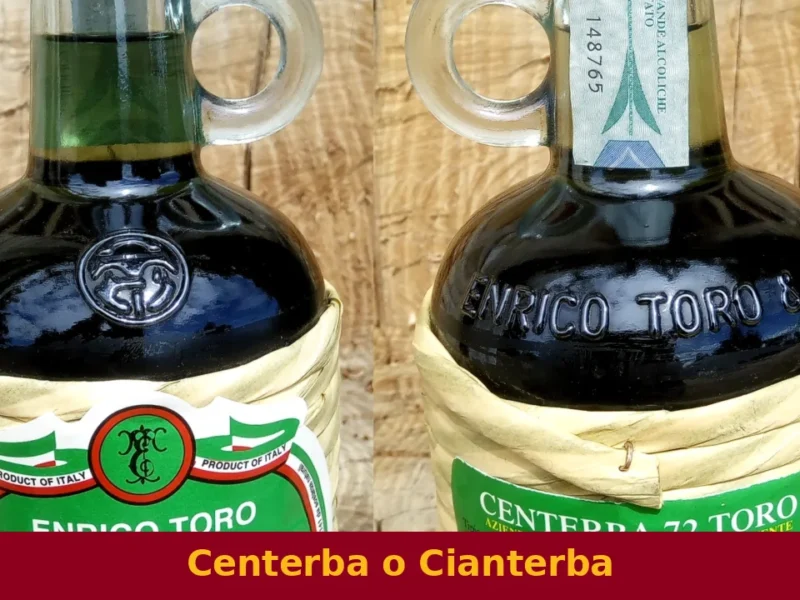
Tra le vette e le vallate selvagge dell'Abruzzo, dove la natura offre una ricchezza botanica sorprendente, nasce un...
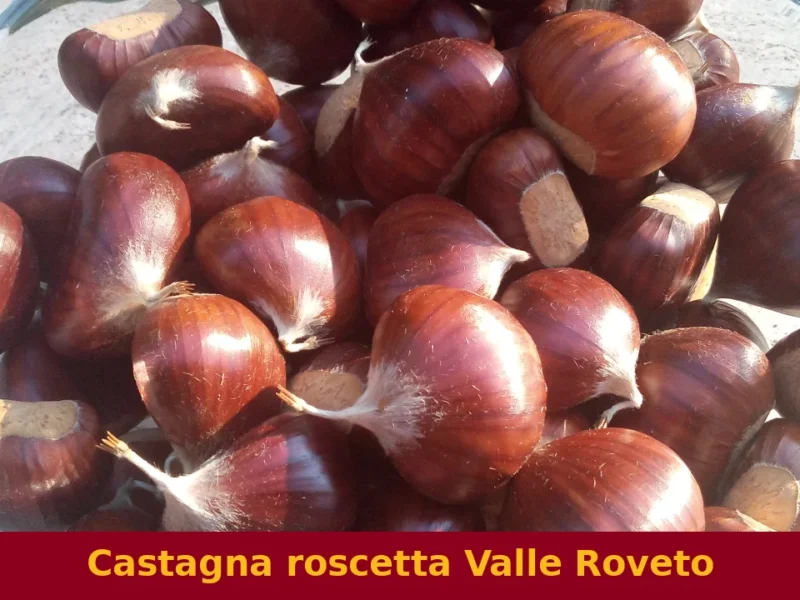
When autumn dyes the Abruzzo woods with ochre and bronze, a special fruit prepares to tell its story:...
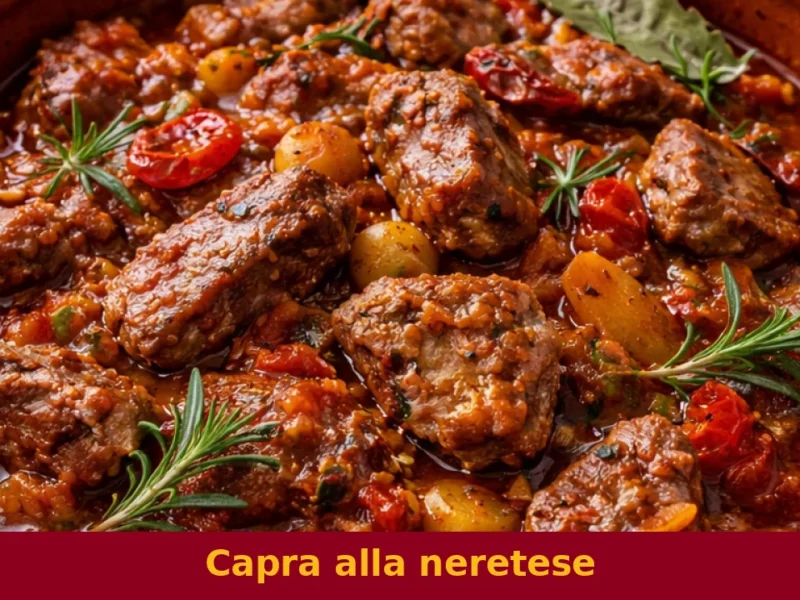
In the heart of Abruzzo, where the landscape unfolds in a succession of valleys and hills, a gastronomic...

Every last Sunday of August, the streets of Capurso light up with illuminations reaching twenty metres in height, and the sheer weight of the crowd forces traffic to be diverted onto the provincial road to Cellamare. This is the climax of the feast of the Madonna del Pozzo, a devotional event that since 1705 has […]

On the Friulian plain, at 18 metres above sea level, a village of just over two thousand inhabitants holds the highest concentration of sundials per square metre in Italy: more than one hundred solar quadrants scattered across house facades, courtyard walls, and church exteriors. This is not an outdoor exhibition designed for tourists — it […]

Morning light catches the limestone walls of Rocca Calascio before it reaches the village below, turning the fortress a pale gold against the dark mass of the Gran Sasso. At 1,210 metres above sea level, the air is thin and sharp, carrying the sound of wind through empty doorways. Only 127 people live here year-round, […]
📝 Incorrect information or updates?
Help us keep the Arrosticini page accurate and up to date.