


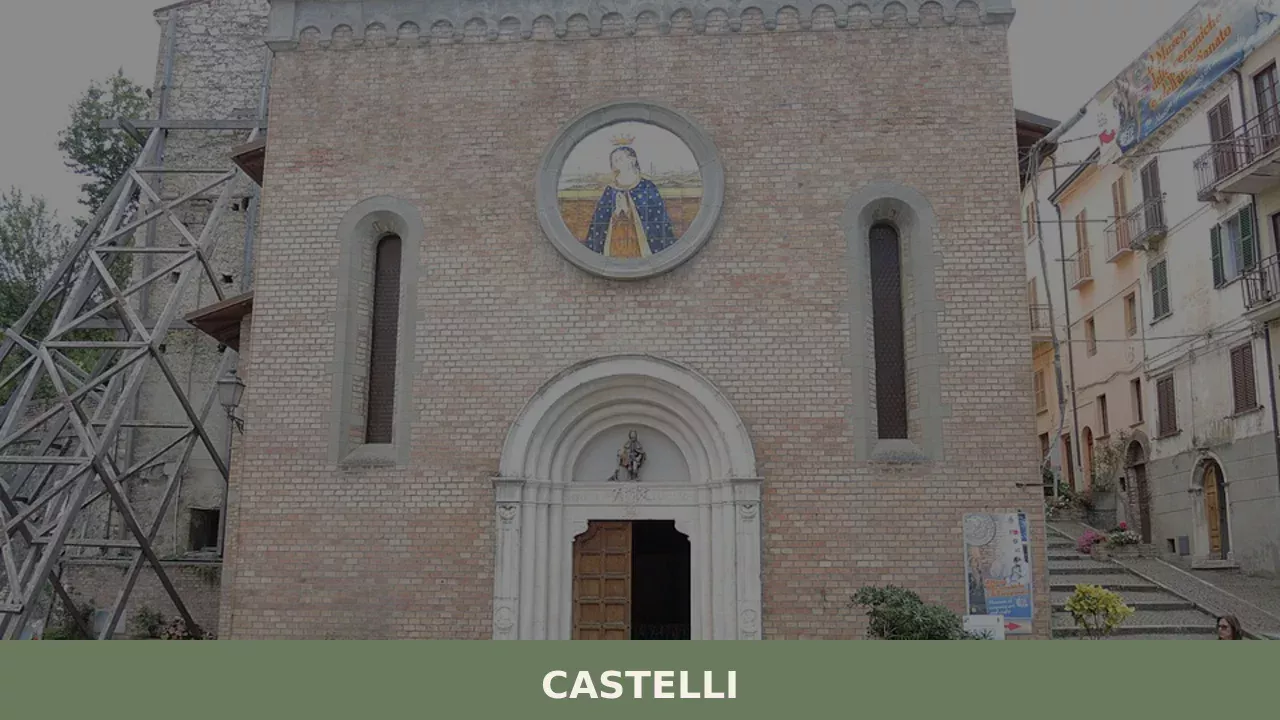
Castelli
 Hills
Hills
Since the 14th century, Castelli has been recognized as one of Abruzzo’s most significant ceramic production centers, an art that has shaped the village’s identity and continues to define its image today. This small settlement, with its 976 inhabitants and an altitude of 497 meters above sea level in the province of Teramo, offers an […]
Discover Castelli
Since the 14th century, Castelli has been recognized as one of Abruzzo’s most significant ceramic production centers, an art that has shaped the village’s identity and continues to define its image today. This small settlement, with its 976 inhabitants and an altitude of 497 meters above sea level in the province of Teramo, offers an exploration through centuries of artisan skill. For those wondering what to see in castelli, the journey begins with its ceramic tradition, visible in every corner and structure of the historic center, a cultural and material heritage that continues to thrive in the hands of local artisans.
History and origins of Castelli
The first records of a settlement in Castelli date back to the medieval period, likely linked to the presence of fortifications that gave the place its name. However, the village’s true identity solidified from the 14th century, when majolica production began to set Castelli apart in the Italian art scene. The 15th century saw the rise of workshops developing their own techniques and styles, influencing Abruzzese ceramics and beyond. The Grue family, between the 17th and 18th centuries, elevated local ceramic art to peaks of excellence, with works commissioned by nobles and prelates.
The village’s location, on the slopes of Gran Sasso and not far from the Adriatic Sea, fostered commercial and cultural exchanges, allowing its art to spread. Over the centuries, despite periods of crisis, the ceramic tradition has been preserved and handed down, becoming the core of Castelli’s economic and social life. Today, the village is not only a production site but also a center for the study and preservation of this heritage, keeping alive a practice that has spanned generations.
What to see in Castelli: 5 essential attractions
The village of Castelli offers visitors various opportunities to observe its history and art. Here are some of the main places to understand what to see in castelli:
The Museum of Castelli Ceramics
Located in the former Franciscan convent, the museum displays a wide collection of majolica produced in Castelli from the 15th to the 20th century. The halls illustrate the stylistic and technical evolution of local ceramics, with pieces ranging from everyday artifacts to elaborate works of art, demonstrating the artisans’ skill. The collection includes works by the Grue, Gentili, and Fuina families.
The Church of San Donato
Known as the “Sistine Chapel of Majolica,” this church features a ceiling entirely covered with about a thousand polychrome majolica tiles, created between 1615 and 1617. Each tile is a unique work of art, depicting biblical scenes, allegories, floral, and geometric elements, creating a visual effect that distinguishes this building.
The “F.A. Grue” Art Institute
Founded in 1906, this high school is a training center for new generations of ceramists. The institute continues to teach traditional Castelli majolica techniques, alongside contemporary experimentation. It is possible to observe students at work and, at times, visit exhibitions of their creations.
The Artisan Workshops
Walking through the village streets, one encounters numerous workshops where artisans work with ceramics, from throwing on the wheel to painting. These workshops represent the core of current production activity, offering the opportunity to observe the creative process and purchase artifacts directly from the producers, from plates to vases and decorations.
The Church of San Giovanni Battista
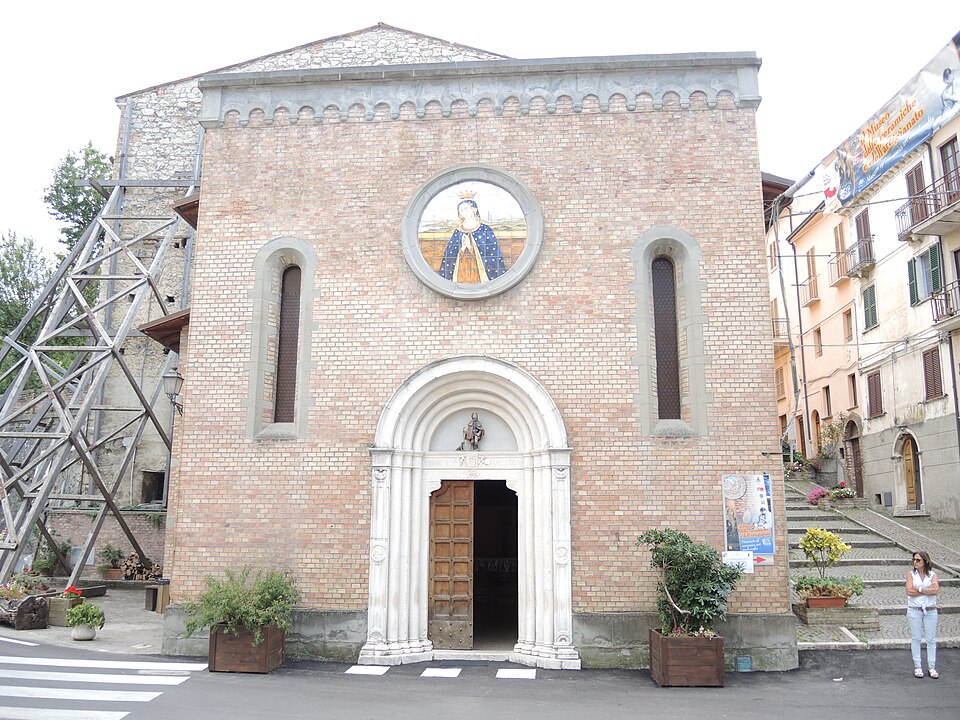
This religious building, dating back to the 15th century, is another example of the village’s sacred architecture. Although less known for its majolica compared to San Donato, it retains artistic and structural elements that highlight its historical significance. Its facade and interiors reflect the aesthetics of the period, offering a glimpse into local spirituality.
Typical cuisine and local products
Castelli’s gastronomy, like that of the entire province of Teramo, is deeply rooted in farming and pastoral traditions. Dishes are based on simple and genuine ingredients, often sourced from the surrounding areas. Among the first courses, Maccheroni alla chitarra stand out, an egg pasta with a square cross-section, seasoned with mixed meat ragù. Other specialties include “Scrippelle ‘mbusse,” thin crepes immersed in broth, and “Virtù,” a unique dish combining legumes, cereals, and various meats, traditionally prepared on May Day.
Local products are a pillar of Castelli’s cuisine. Among these, Pecorino d’Abruzzo, a hard sheep’s milk cheese, and ventricina, a spicy cured meat typical of the area, are often found on tables. Traditional desserts like “bocconotti” and “nevole” are also available. Wine production is represented by Montepulciano d’Abruzzo and Trebbiano d’Abruzzo, wines that accompany meals with their characteristic regional notes. Seasonal festivals, often linked to agricultural products, offer opportunities to taste these specialties.
When to visit Castelli: the best time
The best time to visit Castelli depends on personal preferences, but spring and autumn offer a mild and pleasant climate, ideal for exploring the village and its surroundings. In spring, nature awakens, and on May 8th, the patron saint’s festival of Sant’Eusanio is celebrated, an opportunity to experience local traditions. Autumn, with its colors and harvest products, creates an evocative atmosphere.
Summer can be warm, but the altitude of 497 meters above sea level makes temperatures more bearable compared to the coast, and long days allow ample visiting opportunities. Winter, with its proximity to the Gran Sasso mountains, can bring snowfall and a more subdued atmosphere, suitable for those seeking tranquility and a different experience.
How to get to Castelli
Castelli is primarily accessible by road. For those coming from the north or south, the A14 motorway (Bologna-Taranto) is the most direct route, exiting at Teramo-Giulianova or Roseto degli Abruzzi, then continuing on provincial roads. From Rome, one can take the A24 motorway (Rome-Teramo) to the Teramo provincial capital, and from there follow signs for Castelli. The distance from Teramo is approximately 40 km.
The nearest train station is Teramo, served by regional connections. From Teramo, local bus services can be used to reach Castelli, though with limited frequencies. The nearest airport is Abruzzo Airport (Pescara), approximately 70 km away, offering connections to various Italian and European cities. From Pescara, one can continue by car or with combinations of public transport.
Other villages to discover in Abruzzo
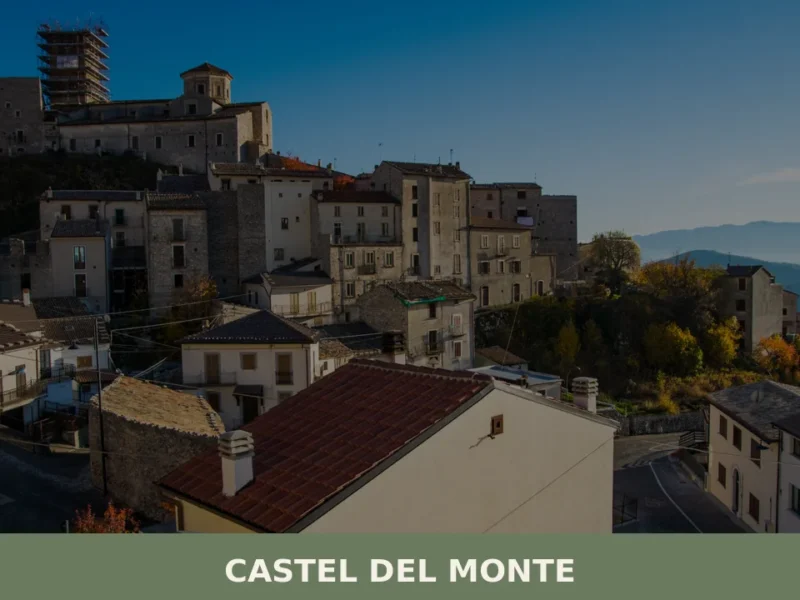
Abruzzo, with its variety of landscapes and settlements, offers multiple opportunities to explore villages that preserve a significant historical and cultural heritage. Beyond Castelli, Alfedena is worth a visit, located in the heart of the Abruzzo, Lazio, and Molise National Park. This village stands out for its archaeological remains and its location within a mountainous natural setting.
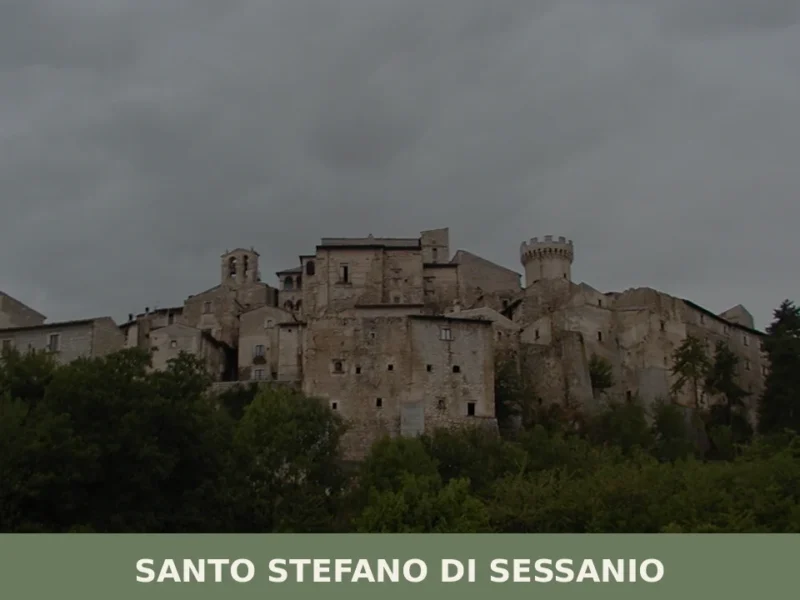
Another example of an Abruzzese village that maintains a strong identity is Arsita, in the province of Teramo, not far from Castelli. Arsita is characterized by its stone architecture and an environment that reflects the agricultural and pastoral traditions of the Fino Valley, offering a genuine experience of the area.
📷 Photo Gallery — Castelli
Nearby Villages near Castelli

In Abruzzo More villages to discover
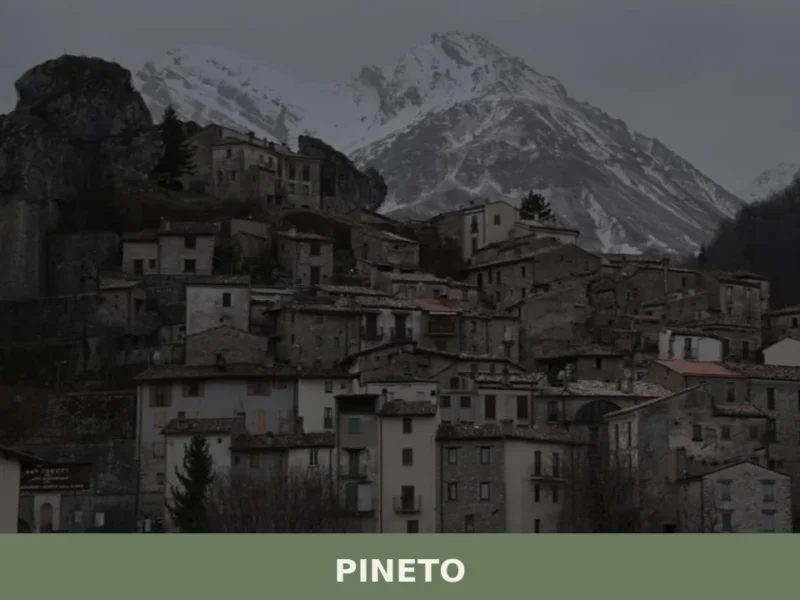
Pineto
 Sea
Sea
what to see in pineto, Italy: Explore a coastal town at 4 m a.s.l., discover the historic Torre di Cerrano, and experience traditional festivals in Mutignano. Read our guide.
San Valentino in Abruzzo Citeriore
Hills
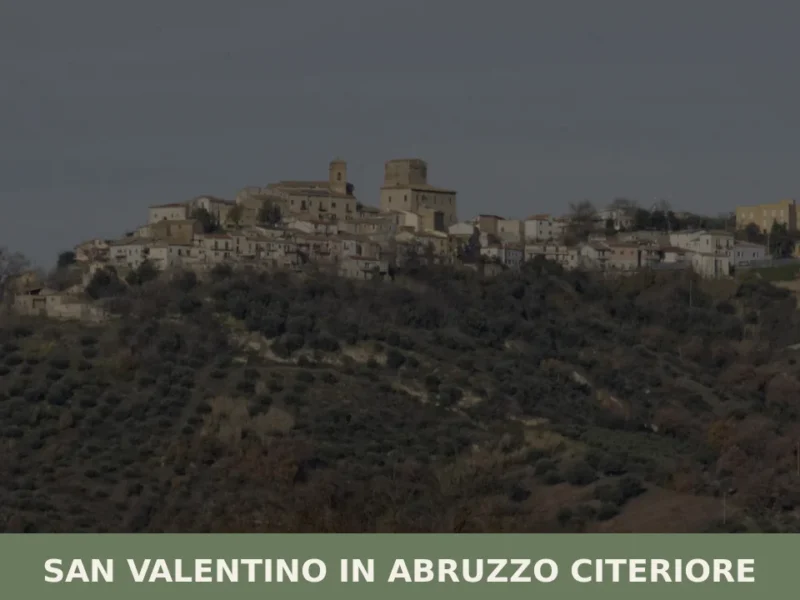
The Apennine peaks rise around San Valentino in Abruzzo Citeriore, a mountain hill town that has maintained its historical character over centuries. Situated on the northern edge of the Majella National Park, this location offers commanding views and a sense of enduring heritage. In this article History of San Valentino in Abruzzo Citeriore What to […]
Campotosto
 Lake
Lake
 Mountain
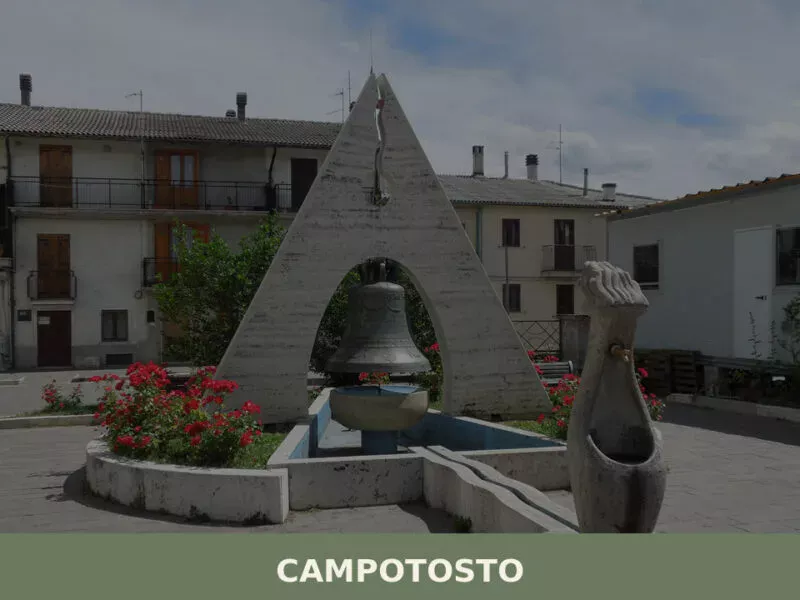
At 1,420 metres beside one of Europe's largest artificial lakes, Campotosto offers wild Apennine landscapes, cured mortadella, and trails into the Gran Sasso National Park.
Roccacasale
Mountain
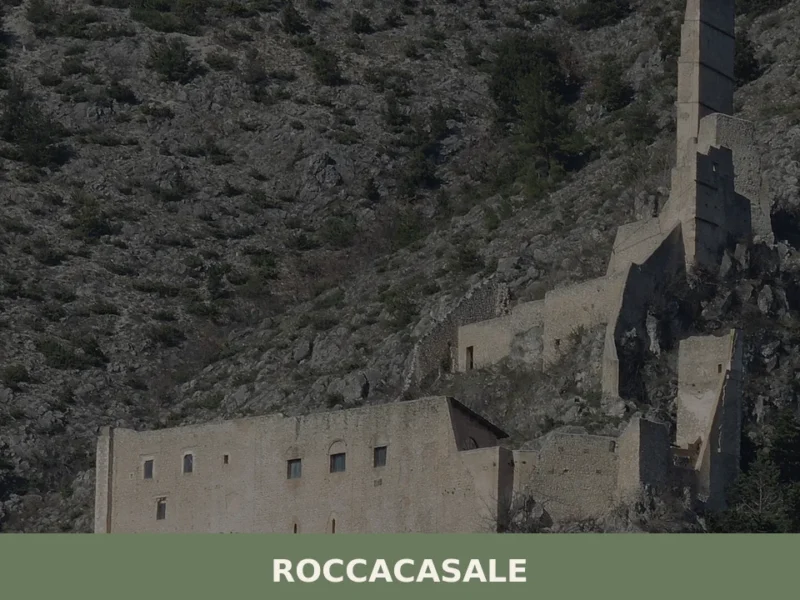
What to see in Roccacasale, Italy: a medieval village of 712 inhabitants above the Peligna Valley. Discover the 1579 church, castle ruins and local cuisine.
Bisenti
Hills
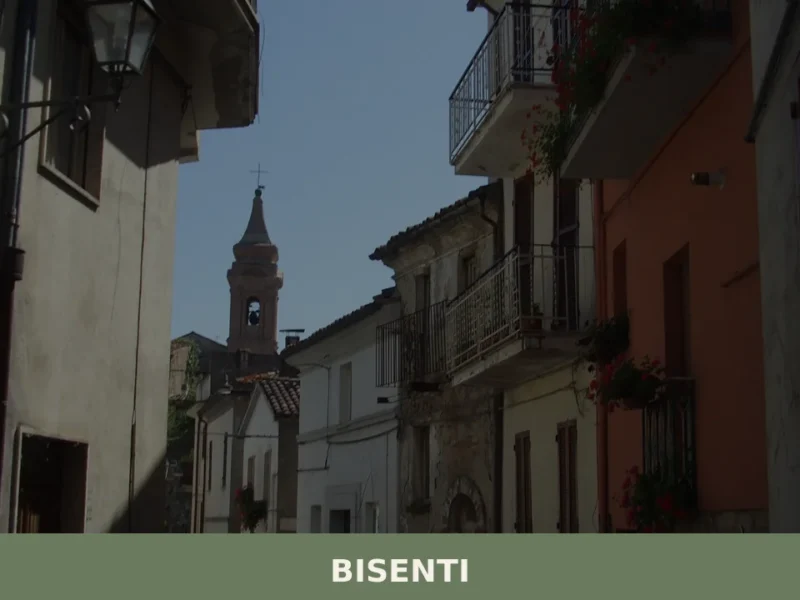
What to see in Bisenti, Abruzzo, Italy: explore the church of Santa Maria degli Angeli, the House of Pilate legend, and a village of 2,030 inhabitants. Discover it now.
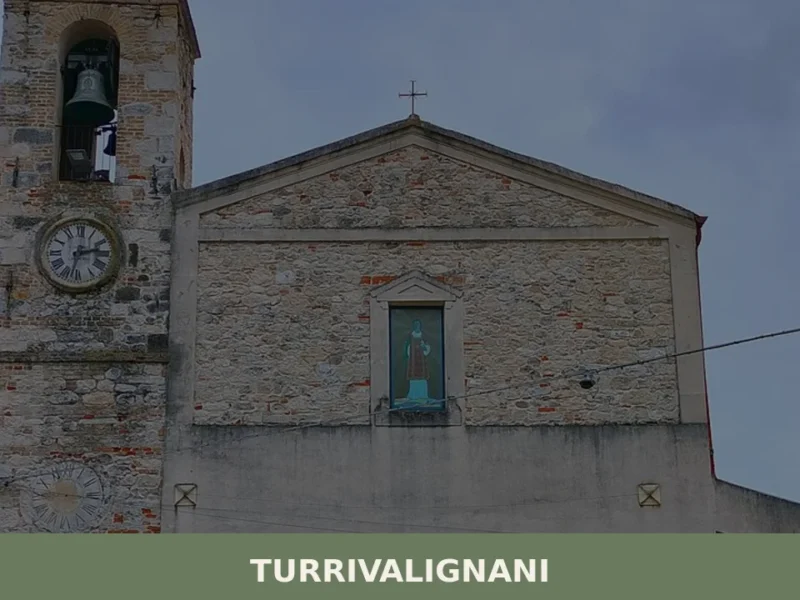
Turrivalignani
Hills
What to see in Turrivalignani? Discover the ancient village, the Church of San Nicola, and nature trails. Plan your visit to Abruzzo!
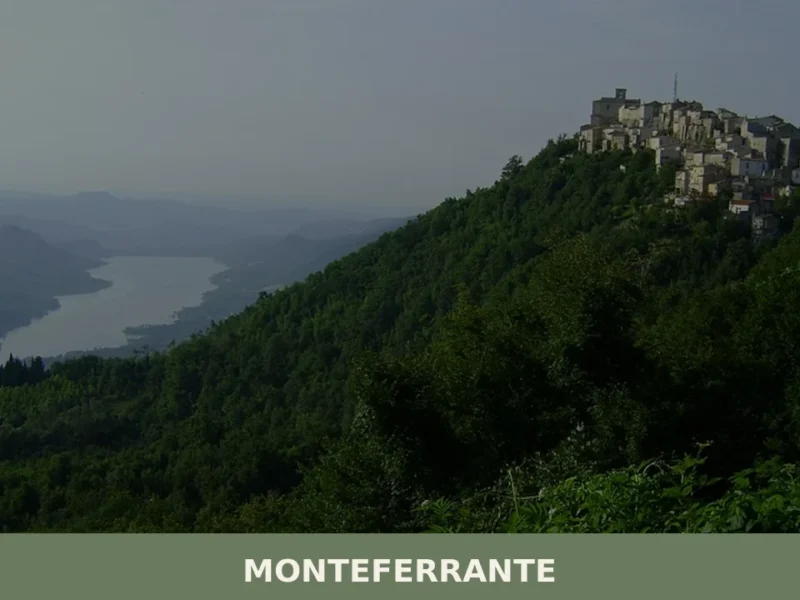
Monteferrante
Mountain
What to see in Monteferrante: discover the 5 main attractions of this mountain village, from the Church of St. John the Baptist to natural trails. Plan your trip!
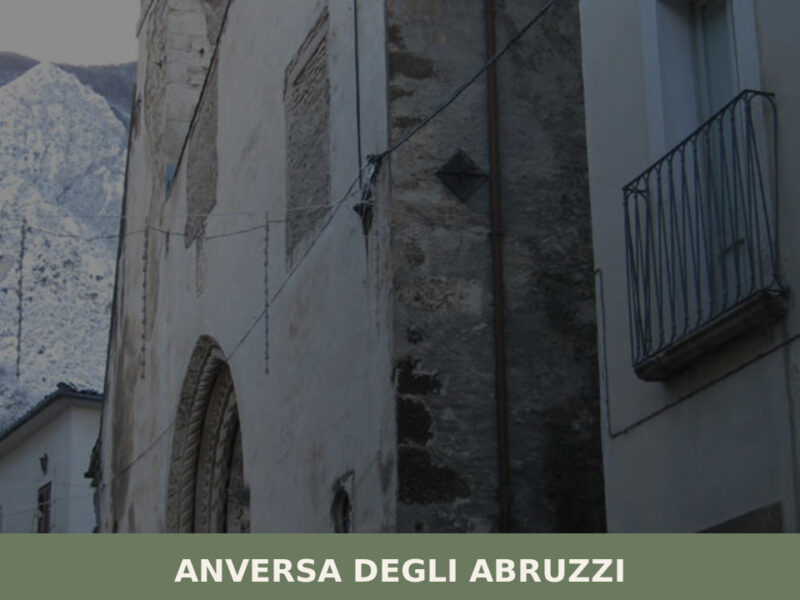
Anversa degli Abruzzi
Hills
Morning light strikes the limestone walls of the old quarter at an angle that turns them the colour of raw honey. Below, the Sagittario Gorge drops away — a vertical wound in the rock that swallows sound. The air carries a faint mineral chill even in July. With only 368 residents, Anversa degli Abruzzi holds […]
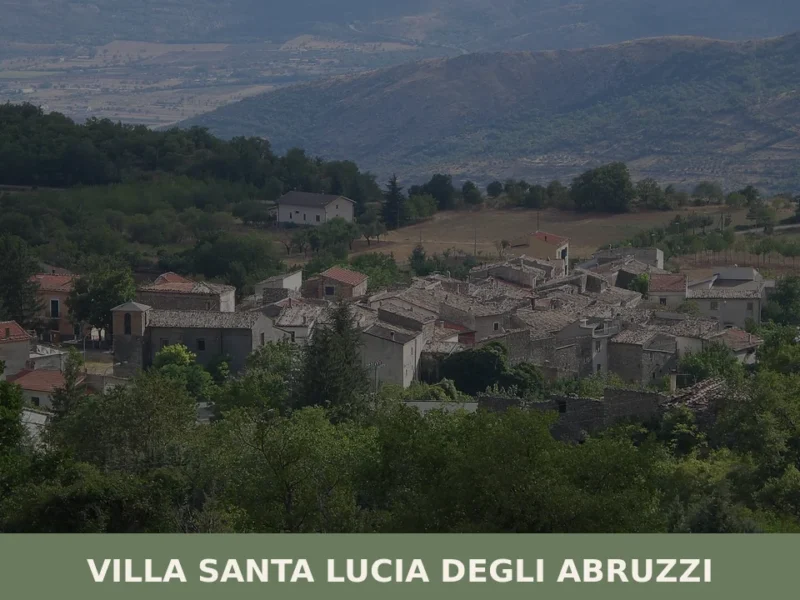
Villa Santa Lucia degli Abruzzi
Mountain
what to see in villa santa lucia degli abruzzi, Italy. With 76 residents, explore its Gran Sasso park setting and unique demographic profile. Discover this Abruzzo village.
Fraine
Mountain
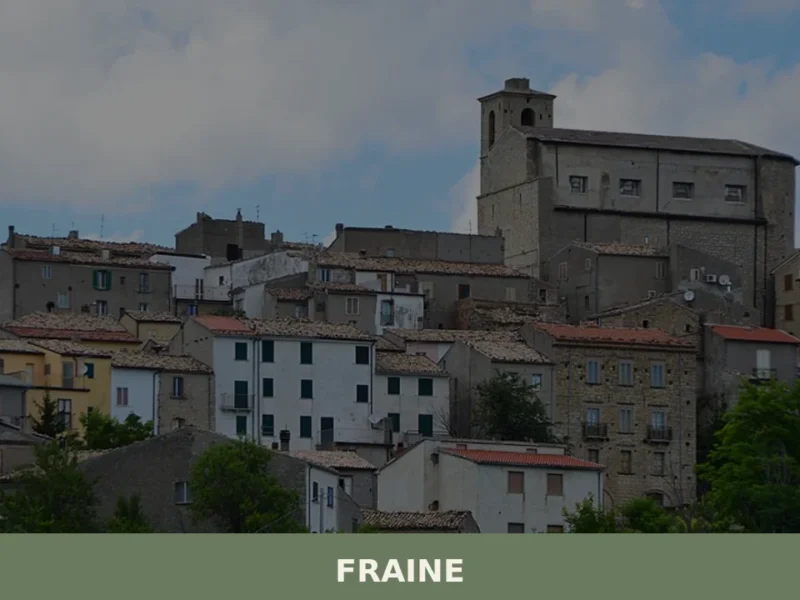
At 751 meters above sea level, in the Chieti area, lies Fraine, a municipality with a population of 261 inhabitants. This village, whose history dates back to the 10th-11th century, serves as an observation point over the Alto Vastese territory. For those wondering what to see in fraine, the town offers a journey through the […]




🏡 Know Castelli better than we do?
If you’re a local or have been there, your knowledge matters: add what’s missing or fix a detail on this page.