


Casalanguida
 Hills
Hills
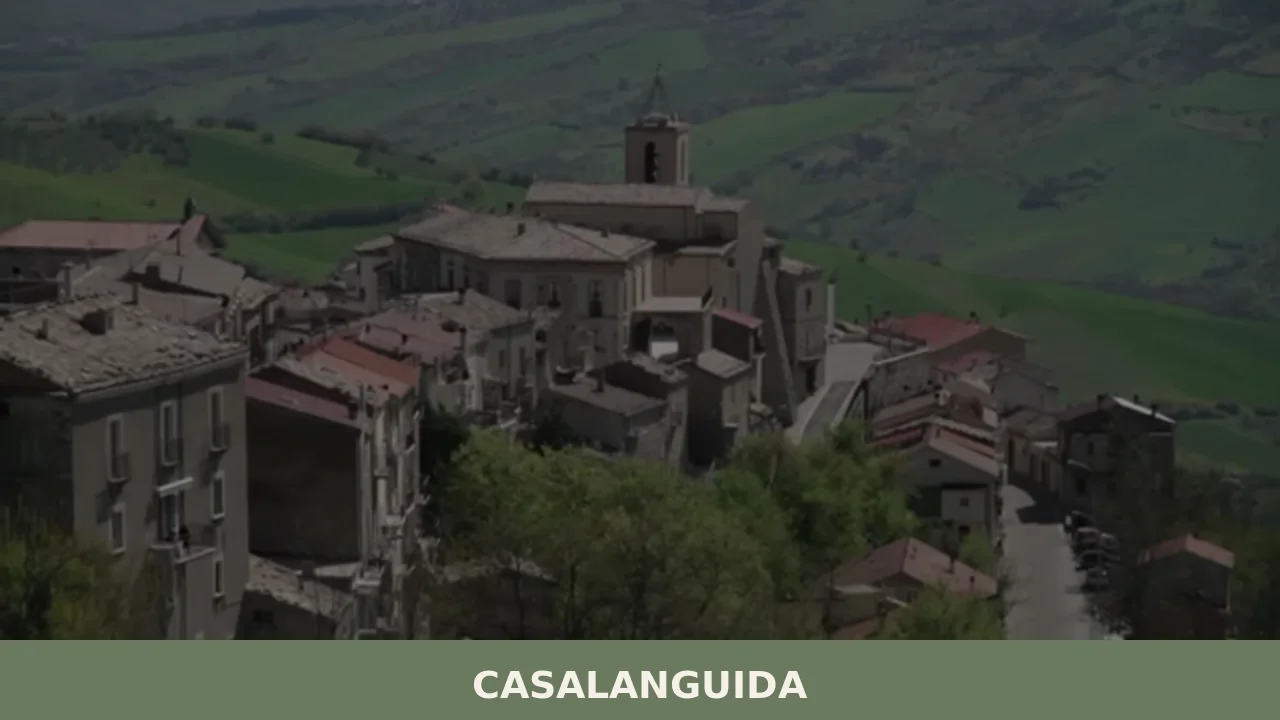
With its 818 registered inhabitants and an elevation of 470 metres above sea level, Casalanguida occupies a hilltop ridge in the middle Sinello valley, in the province of Chieti. The municipal territory extends across vineyards and olive groves that mark the landscape with regular geometric patterns, visible from the provincial road that climbs up from […]
Discover Casalanguida
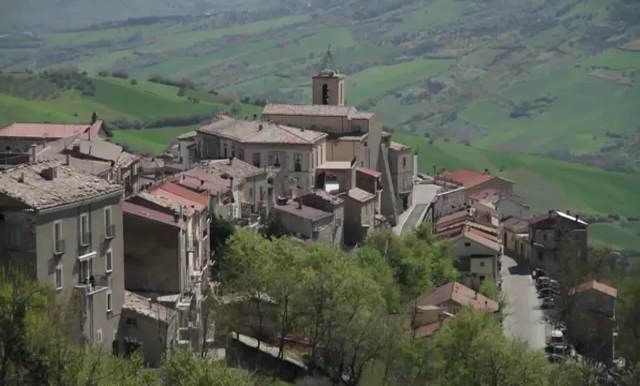
With its 818 registered inhabitants and an elevation of 470 metres above sea level, Casalanguida occupies a hilltop ridge in the middle Sinello valley, in the province of Chieti. The municipal territory extends across vineyards and olive groves that mark the landscape with regular geometric patterns, visible from the provincial road that climbs up from the valley floor. Asking what to see in Casalanguida means entering a compact urban centre where local stone buildings preserve the layout the village assumed between the late Middle Ages and the early modern period, with the parish church dedicated to Saint Nicholas serving as its central topographic reference point.
History and origins of Casalanguida
The place name appears in medieval documents in the forms Casalanguida and Casale Languidum, and its etymology has been the subject of various interpretations: some scholars link it to the Latin casale combined with a Lombard personal name, while others see it as a descriptive reference to the terrain’s configuration. The village fell within the Norman feudal sphere after the conquest of southern Italy in the twelfth century, and subsequently passed under the control of several baronial families in the Kingdom of Naples, following the feudal dynamics common to many settlements in the Sinello valley and the Vasto area.
During the Angevin and Aragonese periods, Casalanguida was recorded in the fiscal cedolari as a fief of modest demographic size, economically tied to cereal farming and transhumant pastoralism that linked the Chieti hills to the pastures of the Tavoliere plain. In the eighteenth century the village came under the administration of local landowners, while the nineteenth century brought post-unification changes: the construction of the provincial road network and a steady wave of emigration to the Americas that significantly reduced the population — a phenomenon shared by many inland towns in Abruzzo.
In November 1943, during the German retreat along the Gustav Line, the territory of Casalanguida suffered considerable war damage. Post-war reconstruction partly reshaped the appearance of the settlement, but preserved the original street layout and several sandstone buildings that still make up the urban fabric today. For further details on the historical and administrative background, see the dedicated Wikipedia page.
What to see in Casalanguida: churches, palazzi and landscape
1. Church of San Nicola di Bari
The parish church, dedicated to the patron saint Nicholas, dominates the old centre with its stone façade. The interior features a single-nave plan with side altars and sacred furnishings dating from the seventeenth and eighteenth centuries. The bell tower, visible from various points across the valley, serves as an orientation landmark for anyone walking through the village streets.
2. Historic centre and stone-built fabric
The houses in the oldest core feature walls of local sandstone, with carved doorways and raised loggias once used for drying agricultural produce. The layout of the buildings follows the profile of the ridge, with external staircases and covered passages connecting the different levels of the village.
3. Baronial palazzo
The most notable noble building in the centre retains architectural elements dating to the seventeenth and eighteenth centuries: an arched portal, stone-framed windows and an internal courtyard. The structure documents the presence of landowning families who administered the fief during the final centuries of the Ancien Régime.
4. Belvedere over the Sinello valley
From the southern edge of the settlement, an expansive view opens out over the Sinello stream valley and the surrounding hills planted with vineyards and olive groves. On clear days, the Adriatic coastline is visible on the horizon, roughly thirty kilometres away as the crow flies. It is a useful vantage point for understanding the village’s strategic position between coast and mountains.
5. Rural paths through vineyards and olive groves
The farm tracks that branch out from the village centre cross plots of vines — predominantly Montepulciano and Trebbiano — and olive groves producing oil in line with the Abruzzo olive oil tradition. These routes, suitable for walking or cycling, range from three to ten kilometres in length and connect Casalanguida to the surrounding farmland.
Local cuisine and regional products
The table in Casalanguida reflects the hill cuisine of the southern Chieti area. Among the first courses, sagne a pézze — broad, irregularly shaped lasagne sheets dressed with tomato and pork sauce — and maccheroni alla chitarra served with lamb ragù are recurrent dishes. Mutton, a legacy of the pastoral tradition, is prepared in several ways: boiled in aromatic broth, or grilled over embers during patron saint festivities. Pallotte cace e ove, fried cheese-and-egg balls then simmered in tomato sauce, are a thrifty dish common throughout the province.
The territory produces extra-virgin olive oil from local cultivars and red wines based on Montepulciano d’Abruzzo. Ventricina del Vastese, a cured meat made from pork cut by hand at knife-point and seasoned with sweet and hot pepper, is the signature salume of the area and is also prepared in the butcher shops and households of Casalanguida during the winter months. Honey, semi-cooked sheep’s-milk cheeses and vegetable preserves round out the range of local food products.
What to see in Casalanguida by season: when to go
Spring, from April to June, offers the best conditions for walking the rural paths: daytime temperatures range between 15 and 25 degrees, the vineyards are in their growing phase and the olive trees are in bloom. Summer brings warm days tempered by the hilltop elevation, with evenings noticeably cooler than on the coast. The patron saint feast of San Nicola, celebrated on 6 December, is the main community event, featuring a solemn mass, a procession and the distribution of traditional sweets.
Autumn coincides with the grape harvest and the olive picking, periods when the agricultural landscape is particularly active and visitors can observe the pressing operations at local olive mills. Winter, with temperatures that often drop below zero during the night hours, is the quietest season but also the one during which domestic food preparations are concentrated: cured meats, preserves and homemade pasta. The village is easily accessible all year round, though it is advisable to check conditions on the provincial roads in case of snow.
How to reach Casalanguida
By car, Casalanguida is reached from the A14 Bologna–Taranto motorway by exiting at the Vasto Sud–Montenero di Bisaccia toll station, from which approximately 25 kilometres remain heading west along the SP 152 and the municipal roads that climb the Sinello valley. From Chieti the distance is around 75 kilometres, drivable in just over an hour via the Strada Statale Trignina or the inland provincial roads.
The nearest railway station is Vasto–San Salvo, on the Adriatic line, approximately 30 kilometres away. From there a car or a local transport service is needed. The reference airport is Pescara’s Pasquale Liberi, about 100 kilometres away, served by domestic flights and some European routes. For up-to-date information on the municipal administration, consult the portal of the Department for Internal and Territorial Affairs.
Other villages to visit in inland Abruzzo
Those exploring inland Abruzzo starting from Casalanguida can extend their itinerary towards the Apennine ridge. Cansano, in the province of L’Aquila, lies close to the Piano delle Cinquemiglia, in a mountain setting entirely different from the hilly terrain of the Vasto area. Its territory, shaped by pastoralism and proximity to the Maiella National Park, provides a direct comparison with the agro-pastoral economy that for centuries linked the Abruzzo highlands to the Apulian pastures via the drovers’ tracks known as tratturi.
Equally interesting is the route towards Carapelle Calvisio, a small settlement at the foot of the Gran Sasso, in the L’Aquila basin. With a population even smaller than that of Casalanguida, Carapelle Calvisio preserves a very compact medieval urban layout, with defensive structures and a limestone building fabric that documents the construction techniques of the central Apennines. Both villages, though far from each other and from Casalanguida, share the demographic condition of small inland municipalities and the need to safeguard a fragile architectural and landscape heritage.
Frequently asked questions about Casalanguida
What is the best time to visit Casalanguida?
The best time to visit Casalanguida largely depends on your interests. Spring, from April to June, offers ideal conditions for outdoor activities like walking or cycling the rural paths, with pleasant daytime temperatures ranging between 15 and 25 degrees Celsius, and the landscape vibrant with blooming olive trees and growing vineyards. Autumn coincides with the grape harvest and olive picking, making it perfect for those interested in local agricultural traditions and food and wine experiences. While summer provides warm days tempered by the hilltop elevation, the main community event is the patron saint feast of San Nicola, celebrated on December 6th with a solemn mass and traditional sweets. The village is accessible all year round.
What are the historical origins of Casalanguida?
Casalanguida's history dates back to medieval times, appearing in documents as 'Casalanguida' or 'Casale Languidum', with its name possibly reflecting a Lombard personal name or the terrain's configuration. It fell within the Norman feudal system after the 12th-century conquest of southern Italy, subsequently passing under various baronial families. Historically, its economy was based on cereal farming and transhumant pastoralism. The 19th century saw significant emigration to the Americas, and the village suffered considerable damage during World War II along the Gustav Line. Post-war reconstruction preserved its original street layout and many characteristic sandstone buildings, which still form its urban fabric today.
What to see in Casalanguida? Main monuments and landmarks
In Casalanguida, visitors can explore several key sites. The **Church of San Nicola di Bari**, dedicated to the patron saint, dominates the old centre with its stone façade and 17th-18th century sacred furnishings. Wander through the **historic centre** itself, characterized by local sandstone buildings, carved doorways, and a layout following the ridge's profile. The **Baronial Palazzo** is another notable building, showcasing 17th and 18th-century architectural elements. For breathtaking views, head to the **Belvedere over the Sinello valley**, offering expansive panoramas of vineyards, olive groves, and the distant Adriatic coast. Additionally, the surrounding **rural paths** are perfect for walking or cycling through the picturesque agricultural landscape.
What are the main natural or scenic attractions of Casalanguida?
Casalanguida boasts beautiful natural and scenic attractions, primarily centered around its hilltop location and the surrounding agricultural landscape. From the **Belvedere over the Sinello valley**, located at the southern edge of the settlement, visitors can enjoy an expansive view of the Sinello stream valley, the rolling hills covered in vineyards and olive groves, and on clear days, even the Adriatic coastline about thirty kilometers away. The village is also the starting point for **rural paths** that wind through plots of Montepulciano and Trebbiano vines and traditional olive groves, offering tranquil routes suitable for walking or cycling, ranging from three to ten kilometers in length.
Where to take the best photos in Casalanguida?
For captivating photos in Casalanguida, the **Belvedere over the Sinello valley** is a prime spot, offering sweeping panoramic views of the agricultural landscape, the Sinello stream, and the distant Adriatic coast. The **bell tower of the Church of San Nicola di Bari**, visible from various points, serves as an excellent photographic landmark. Within the **historic centre**, the characteristic local sandstone buildings, carved doorways, raised loggias, and external staircases provide picturesque scenes of traditional Abruzzese architecture. Additionally, the **rural paths** winding through the vineyards and olive groves offer beautiful opportunities to capture the essence of the tranquil countryside.
Are there museums, churches or historic buildings to visit in Casalanguida?
Yes, Casalanguida offers several historic structures for visitors to explore. The most significant is the **Church of San Nicola di Bari**, the parish church, featuring a stone façade and interiors with sacred furnishings from the 17th and 18th centuries. The **historic centre** itself is a remarkable example of traditional architecture, with its compact urban layout and well-preserved local sandstone buildings, including carved doorways and raised loggias. The **Baronial Palazzo** is another notable historic building, retaining architectural elements from the 17th and 18th centuries such as an arched portal and stone-framed windows. Specific opening hours for interiors are not provided, but exteriors and public areas are always accessible.
What can you do in Casalanguida? Activities and experiences
In Casalanguida, you can immerse yourself in various activities and experiences that highlight its history, nature, and gastronomy. Explore the village's **historic centre** on foot, admiring the traditional stone architecture and the Church of San Nicola. Enjoy **walking or cycling** along the rural paths that wind through picturesque vineyards and olive groves, offering routes of varying lengths. During autumn, observe the **grape harvest and olive picking**, and potentially witness pressing operations at local olive mills. Indulge in the **local cuisine**, sampling traditional dishes like sagne a pézze and maccheroni alla chitarra, and taste regional products such as Ventricina del Vastese and Montepulciano d'Abruzzo wine. If visiting on December 6th, you can participate in the **patron saint feast of San Nicola**.
Who is Casalanguida suitable for? Families, couples, hikers, solo travelers?
Casalanguida is an ideal destination for various types of travelers seeking an authentic and tranquil experience in Abruzzo. It particularly appeals to **couples and solo travelers** looking for a peaceful retreat, historical exploration, and scenic beauty away from crowded tourist routes. **Hikers and cyclists** will appreciate the network of rural paths winding through vineyards and olive groves. **Food and wine enthusiasts** will find it rewarding, with opportunities to savor traditional Abruzzese cuisine and local products like Montepulciano d'Abruzzo wine and Ventricina del Vastese. Its compact size and gentle pace also make it suitable for **families** interested in a quiet cultural immersion and enjoying nature without demanding activities.
What to eat in Casalanguida? Local products and specialties
The cuisine of Casalanguida reflects the rich hill traditions of the southern Chieti area. Among the first courses, specialties include **sagne a pézze**, broad, irregularly shaped lasagne sheets typically dressed with tomato and pork sauce, and **maccheroni alla chitarra** served with a flavorful lamb ragù. Mutton, a legacy of the pastoral tradition, is prepared in various ways, often boiled or grilled. Don't miss **pallotte cace e ove**, fried cheese-and-egg balls simmered in tomato sauce. Local products to savor include high-quality **extra-virgin olive oil**, red wines primarily based on **Montepulciano d'Abruzzo**, the renowned **Ventricina del Vastese** cured meat, local **honey**, semi-cooked **sheep's-milk cheeses**, and various **vegetable preserves**.
📷 Photo Gallery — Casalanguida
Nearby Villages near Casalanguida
In Abruzzo More villages to discover
Sant’Eufemia a Maiella
 Mountain
Scopri le 5 attrazioni imperdibili di Sant'Eufemia a Maiella, un pittoresco borgo dell'Abruzzo tra natura, storia e tradizioni montane.
Pietranico
Hills
What to see in Pietranico, Abruzzo, Italy: 506 inhabitants, a medieval castle site, and wind-swept hilltop views. Discover top attractions and how to get there.
Pietraferrazzana
Hills
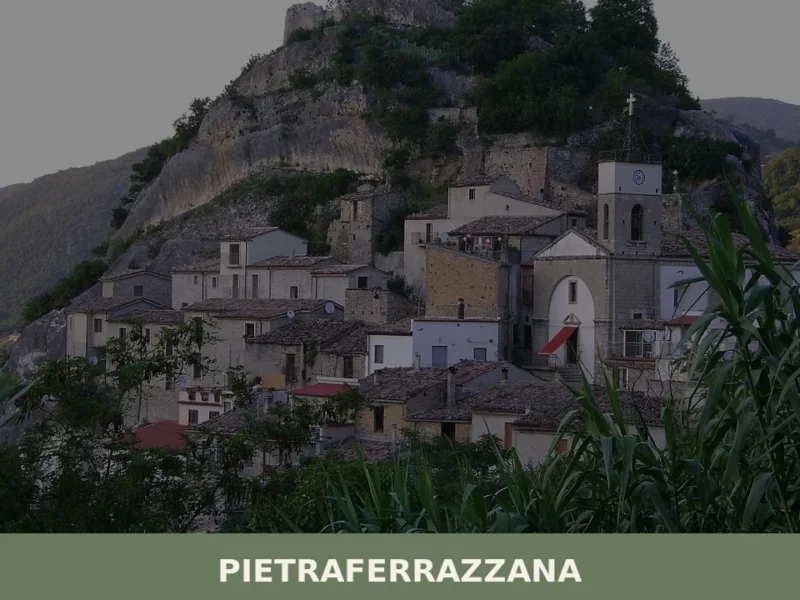
The rock that gives the village its name is no metaphor: Pietraferrazzana literally grew up against a stone cliff, and the profile of the village changes depending on where you stand along the Sangro valley floor. In this article History and Origins of Pietraferrazzana What to See in Pietraferrazzana: Main Attractions Traditional Cuisine and Products […]
Roio del Sangro
Mountain
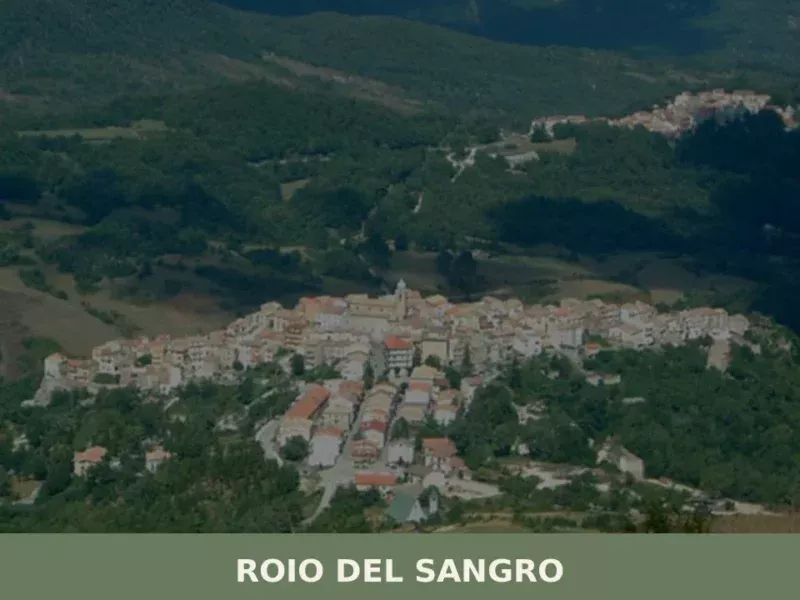
What to see in Roio del Sangro? Explore the 5 main attractions of this village in Abruzzo, amidst history and nature. Discover the ultimate guide for your visit!
Ortucchio
Mountain
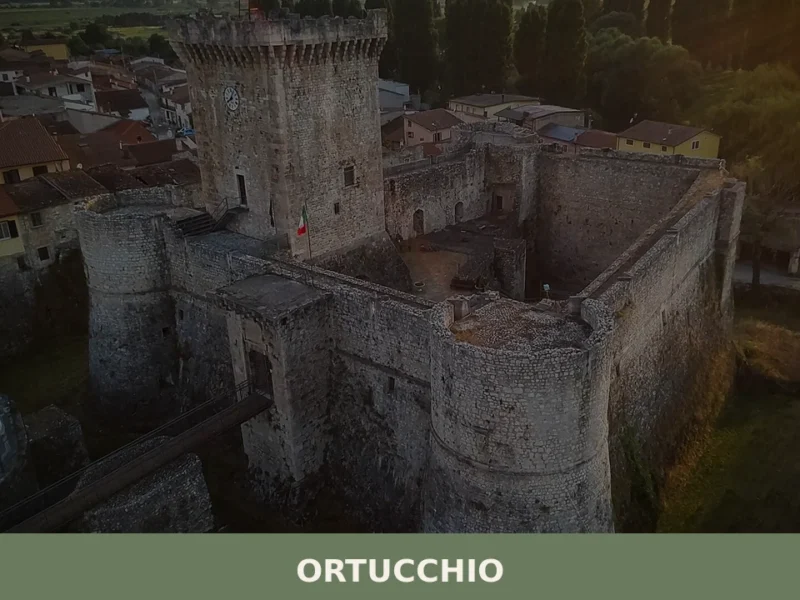
What to see in Ortucchio? Explore Piccolomini Castle and the historic center. Discover the natural beauty of this Marsican village in Abruzzo. Plan your visit!
Palmoli
Mountain
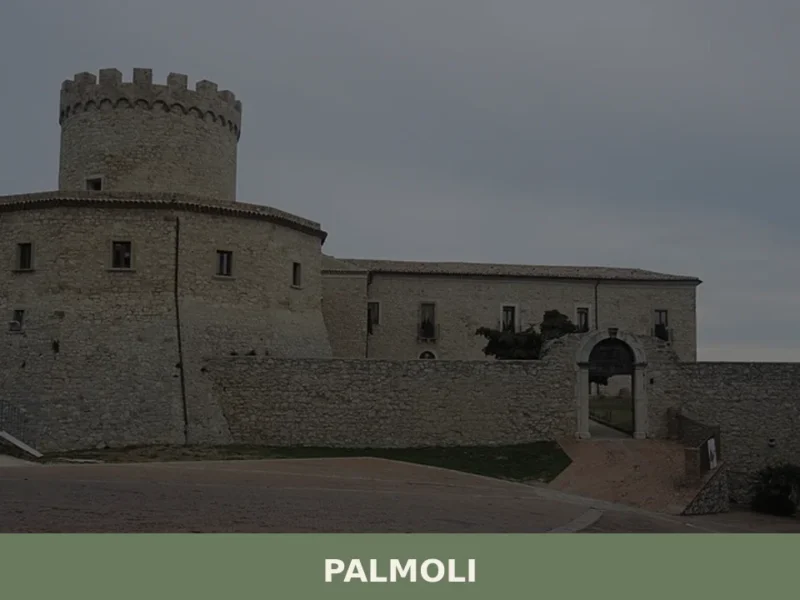
What to see in Palmoli: explore the village at 727 meters above sea level. Discover the Marchesale Castle and the Church of San Valentino. Plan your visit today!
Carunchio
Mountain
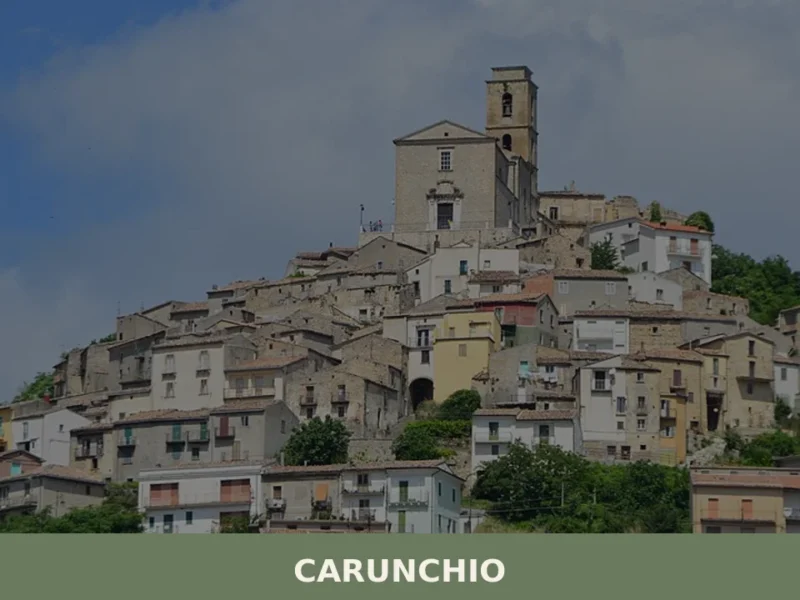
Carunchio is home to 565 inhabitants, spread along a ridge at 714 metres above sea level in the southern part of the province of Chieti, close to the border with Molise. The municipal territory extends between the Treste river and the Elce stream, two watercourses that have shaped the morphology of these clay hills over […]
Palena
Mountain
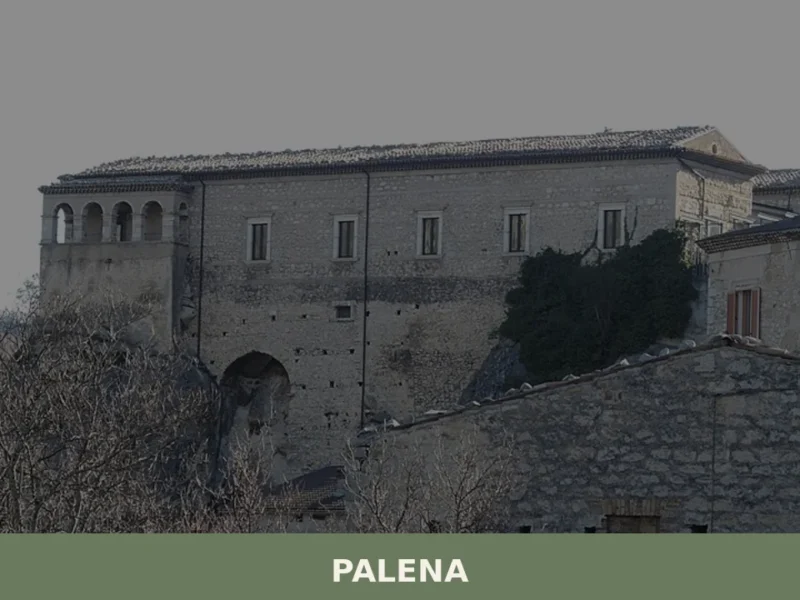
What to See in Palena: discover 5 must-see attractions, from the Ducal Castle to the Marsican Bear Museum. Plan your visit and taste local products.
Roccamontepiano
Hills
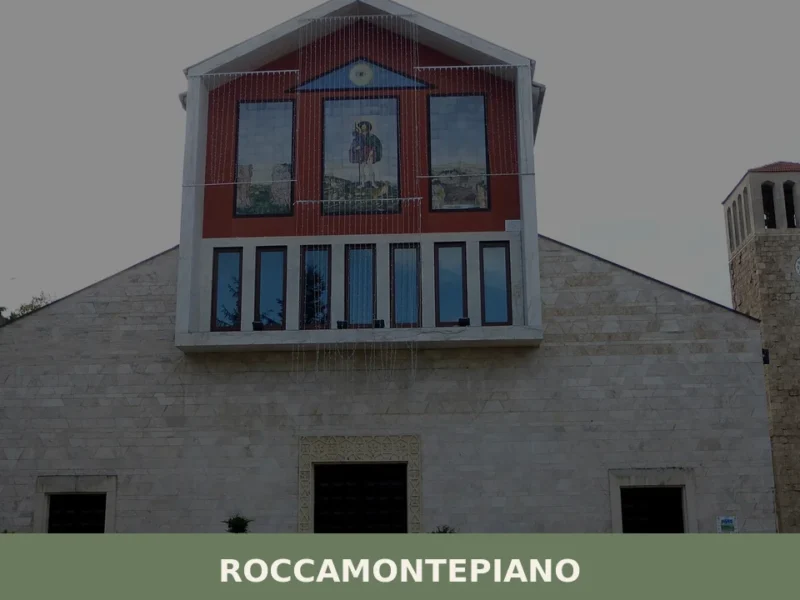
What to see in Roccamontepiano, Abruzzo, Italy: explore a hilltop village at 450 m with a 1765 landslide history. Discover the Saint Roch festival and more.
Palombaro
Hills
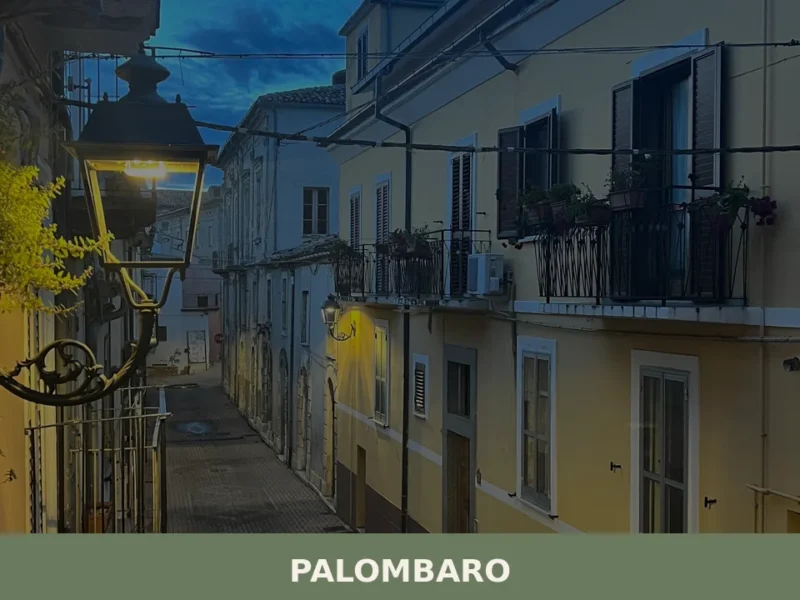
What to see in Palombaro: 5 attractions in this village at 536 m above sea level in the province of Chieti. Discover the historic centre, the medieval tower and the Madonna della Libera festival.



🏡 Know Casalanguida better than we do?
If you’re a local or have been there, your knowledge matters: add what’s missing or fix a detail on this page.