In the Salento region, the balance between the red, iron-rich soil and the sea breezes that temper the hot Apulian summers, creates the ideal environment for the growth of a fruit with exceptional qualities: the Albicocca di Galatone, also known as Arnacocchia di Galatone. This variety, recognized as a Traditional Agri-food Product of PUGLIA, develops…
Also known as: Arnacocchia di Galatone
In the Salento region, the balance between the red, iron-rich soil and the sea breezes that temper the hot Apulian summers, creates the ideal environment for the growth of a fruit with exceptional qualities: the Albicocca di Galatone, also known as Arnacocchia di Galatone. This variety, recognized as a Traditional Agri-food Product of PUGLIA, develops its distinctive sensory characteristics in Galatone. Its juicy flesh and sweet-tart flavor reflect the constant interaction between the Mediterranean sun and the specific composition of the local soil.
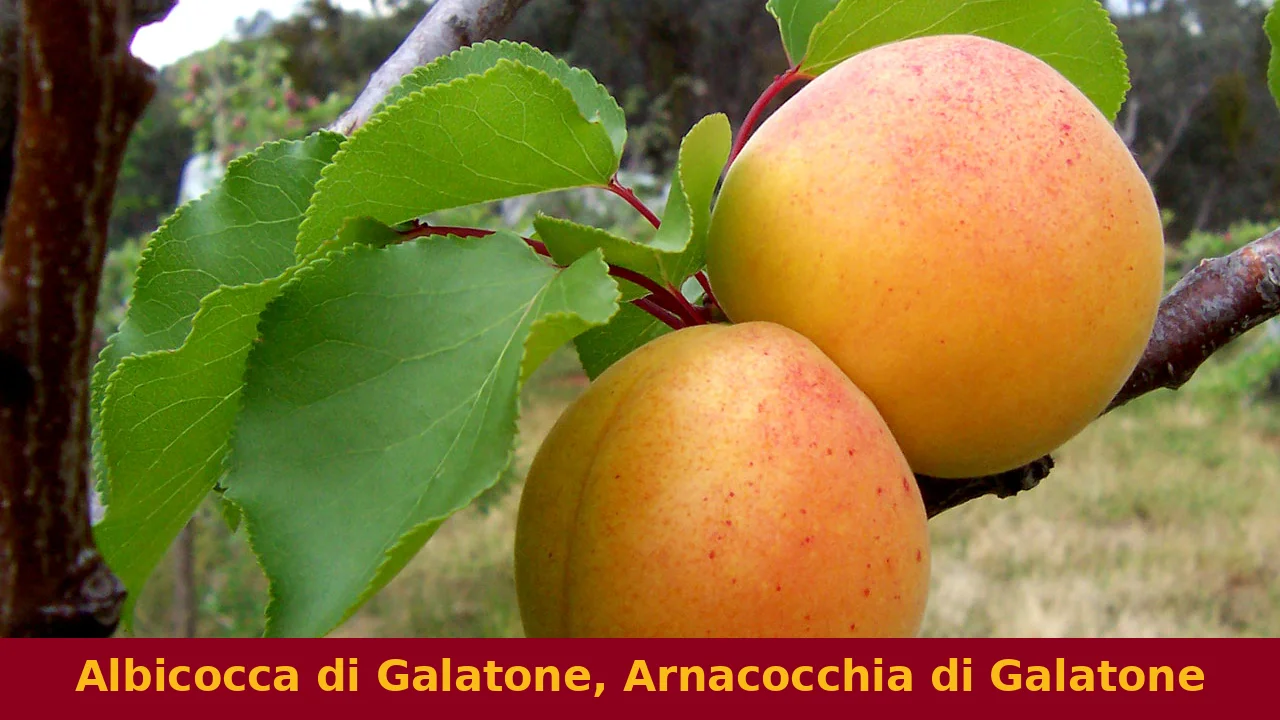
The Albicocca di Galatone, or Arnacocchia di Galatone, is a variety of apricot (Prunus armeniaca) native to the territory of Galatone, in the province of Lecce. It belongs to the Rosaceae family and the Prunus genus, the same as cherries, plums, almonds, and peaches. Recognized as a Traditional Agri-food Product (PAT), this apricot is distinguished by its medium size, a slightly asymmetrical shape, and a color ranging from intense yellow-orange, often with red hues on the sun-exposed cheeks. Its flesh is tender, juicy, and aromatic, with a balance between sweetness and a pleasant acidity that makes it particularly refreshing. Its specificity derives from centuries of adaptation to the Salento environment, which has shaped its unique taste and aromatic profile.
The apricot tree, originating from China, traversed Asia and the Middle East to reach Europe, likely thanks to Roman trade. In Puglia, apricot cultivation has a long history, evidenced by the presence of numerous local varieties. The Albicocca di Galatone, or Arnacocchia di Galatone, fits into this context as an example of preserved agricultural biodiversity. The name “Arancocchia” probably derives from a dialectal corruption of “arancia” (orange), referring to its vibrant coloration, or from “armeniaca,” the Latin name for the species. Its presence is documented in the territory of Galatone from ancient times, handed down through generations of local farmers who recognized its value and adaptability to the Salento soil and climate. Although no specific documents attest to its origin on a precise date, its continuous cultivation indicates its importance for the agricultural economy and gastronomic culture of the area.
The production area of the Albicocca di Galatone, Arnacocchia di Galatone, is strictly confined to the municipality of Galatone and the surrounding areas of Salento, in the province of Lecce. This area is characterized by a predominantly flat or gently rolling landscape, with karstic soils rich in limestone and red clay. The climate is typically Mediterranean, with hot, dry summers, mild winters, and rainfall concentrated in the autumn and winter months. Sea breezes, coming from both the Ionian and Adriatic Seas, play a fundamental role, tempering summer temperatures and contributing to the creation of an ideal microclimate for fruit ripening. The combination of these factors – the draining and mineral-rich soil, intense sun exposure, and constant ventilation – imparts to the albicocca di Galatone its unrepeatable sensory characteristics, influencing the size, coloration, flesh consistency, and the balance between sugars and acids. It is precisely in this specific environmental context that the apricot tree finds the optimal conditions to best express its varietal identity.
The production of Albicocca di Galatone, Arnacocchia di Galatone, follows methods that prioritize sustainability and respect for the local environment. Cultivation takes place in orchards where low environmental impact techniques are often adopted, minimizing the use of pesticides and favoring organic fertilization. Apricot trees are usually pruned to promote good aeration and optimal sun exposure for the fruits, crucial elements for the development of color and aromas. Flowering occurs in spring, while harvesting is concentrated in the summer months, generally between June and July, depending on seasonal weather patterns. Harvesting is almost always manual, a delicate process that allows for the selection of fruits at the right degree of ripeness, avoiding damage to the skin and flesh. This artisanal care in harvesting is essential to preserve the integrity and quality of the Arancocchia di Galatone, ensuring it reaches tables with all its sensory properties intact.
The Albicocca di Galatone, or Arnacocchia di Galatone, stands out for a well-defined and recognizable sensory profile. Visually, it presents a thin, velvety skin of a bright yellow-orange color, often enriched with more intense red hues on the side most exposed to the sun. The shape is generally round or slightly oval, of medium size. To the touch, the consistency is soft but firm, with a slight yield indicating perfect ripeness. The aroma is intense and complex, with fruity notes reminiscent of ripe peach and delicate floral hints. On the palate, the flesh is juicy, fleshy, and melting, with a harmonious balance between sugary sweetness and a pleasant acidity. This balance makes the taste fresh and persistent, never cloying. The medium-sized pit separates easily from the flesh. These characteristics make the albicocca di Galatone an ideal fruit for fresh consumption, but also versatile for various culinary preparations.
The Albicocca di Galatone, with its balanced flavor and juicy flesh, is extremely versatile in the kitchen. The simplest and most appreciated way to enjoy it is certainly fresh, natural, to fully savor its aroma and sweetness. It is excellent as a summer snack or as an ingredient for fruit salads.
In pastry, it is the ideal star for tarts, cakes, and clafoutis, where its flavor is enhanced by cooking. Jams and preserves made from Albicocca di Galatone are a classic, perfect for breakfast or filling desserts. It also lends itself to the preparation of ice creams, sorbets, and mousses, offering a touch of freshness.
Not just for sweets: the albicocca di Galatone can also be used in savory pairings. Try it in salads with fresh cheeses, such as salted ricotta, or as an accompaniment to white meats, like chicken or pork, to create interesting sweet-and-sour contrasts. It can also be used to prepare delicate sauces to accompany roasts or to enrich couscous and risottos, imparting an exotic and fruity note.
The Albicocca di Galatone, Arnacocchia di Galatone, stands out for its uniqueness due to several interconnected factors. First and foremost, it is an indigenous variety, meaning it has evolved and adapted specifically to the territory of Galatone, developing characteristics not found elsewhere. Its indissoluble connection with Salento and its specific microclimate, composed of calcareous soils and sea breezes, gives it an unmistakable sensory profile: a combination of sweetness, acidity, and intense aromas that make it particularly recognizable. The care in cultivation, often still linked to traditional practices and manual harvesting, contributes to preserving its quality and integrity. It is not a mass-produced item, but a specialty that reflects local biodiversity and agricultural expertise, a fruit that tells a story of territory and people, making it a symbol of Apulian agri-food richness.
The Albicocca di Galatone, Arnacocchia di Galatone, is officially recognized as an Italian PAT (Prodotto Agroalimentare Tradizionale – Traditional Agri-food Product). This recognition, granted by the Ministry of Agricultural, Food and Forestry Policies, certifies that the product is characterized by “processing, preservation, and maturation methodologies consolidated over time, uniform throughout the interested territory, according to traditional rules and for a period of no less than twenty-five years”. The PAT certification not only enhances the tradition and cultural identity linked to this apricot but also guarantees that it is produced according to agricultural practices historically established in the territory of Galatone, helping to preserve its typicality and quality. It is a seal of authenticity that underscores its importance among Italian traditional food products.
To savor the authentic Albicocca di Galatone, Arnacocchia di Galatone, the best place is its territory of origin: Galatone and the surrounding areas in the Salento region, in PUGLIA. During the summer months, particularly between June and July, it can be found fresh directly from local producers, at weekly farmers’ markets, or in small food shops in the area.
Many agricultural farms in Salento, especially those dedicated to fruit growing, offer direct sales to the public, allowing not only purchase but also genuine contact with those who cultivate these fruits. Although no specific festivals are exclusively dedicated to the albicocca di Galatone, it is likely to be featured at summer gastronomic events or traditional product fairs held in the Salento municipalities. Purchasing the albicocca di Galatone locally is not only a way to ensure the freshness and authenticity of the product but also an opportunity to explore the Salento landscape, discovering its traditions and food and wine culture.
📷 Photo: Fir0002 · CC BY-SA 3.0 · All credits →
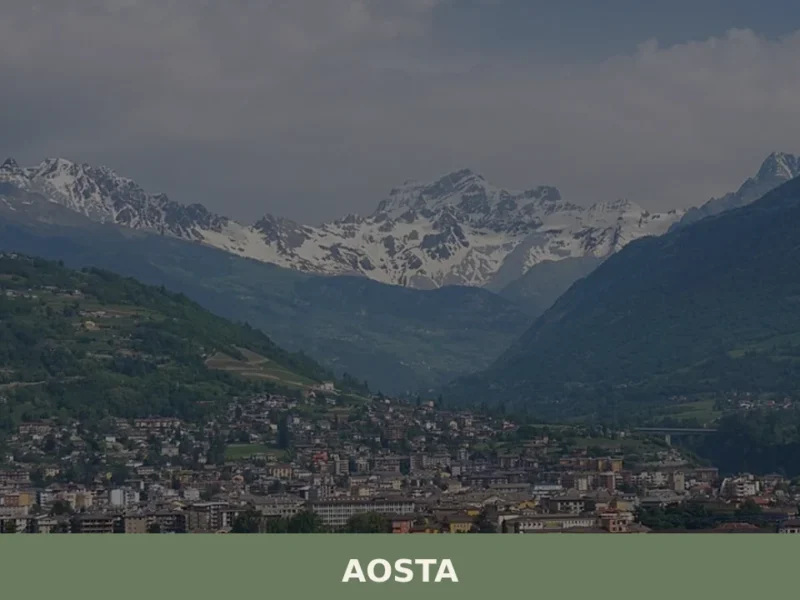
What to see in Aosta: Roman city at 583 m in the Aosta Valley. Arch of Augustus, Roman theatre, Fontina PDO and Fiera di Sant'Orso. Plan your visit now.
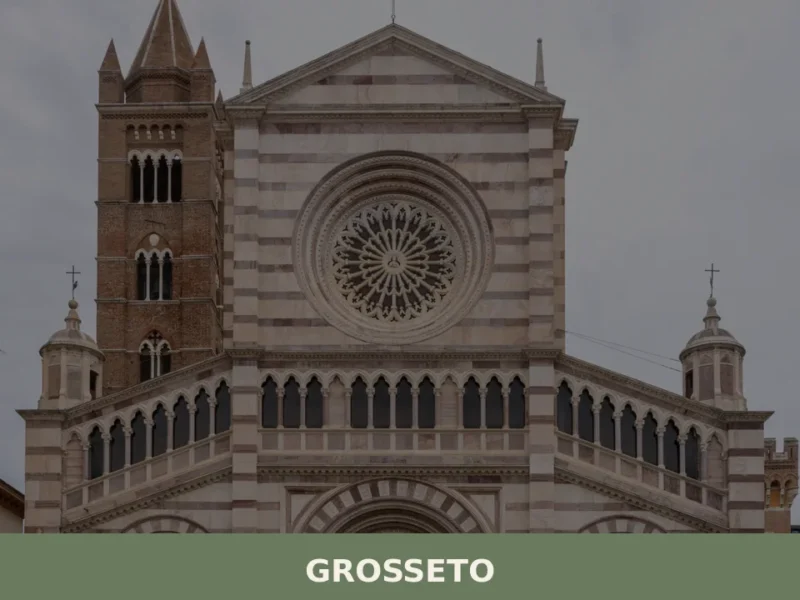
What to see in Grosseto: Medici walls, San Lorenzo Cathedral and the Maremma Natural Park in a city of 79,216 inhabitants. Plan your visit with our complete guide.
A quiet hill village of 677 people in Calabria's Savuto valley. Discover what to see in Altilia — its stone lanes, parish church, and deep agrarian roots.
📝 Incorrect information or updates?
Help us keep the Albicocca di Galatone, Arnacocchia di Galatone page accurate and up to date.


