


Aosta
 Hills
Hills
What to see in Aosta: Roman city at 583 m in the Aosta Valley. Arch of Augustus, Roman theatre, Fontina PDO and Fiera di Sant’Orso. Plan your visit now.
Discover Aosta
In 25 BC, three thousand praetorian soldiers from Augustus’s army founded a colony at the foot of the Alps, on a plain where the Dora Baltea river gathers water from dozens of side valleys. They called it Augusta Praetoria Salassorum, and over the centuries that name evolved into Aosta.
The city preserves a Roman layout that is more legible than almost any other in the Alpine region: the cardo and decumanus still intersect beneath the arcades of the centre, while triumphal arches and perimeter walls define an urban rectangle that has remained substantially intact for two thousand years.
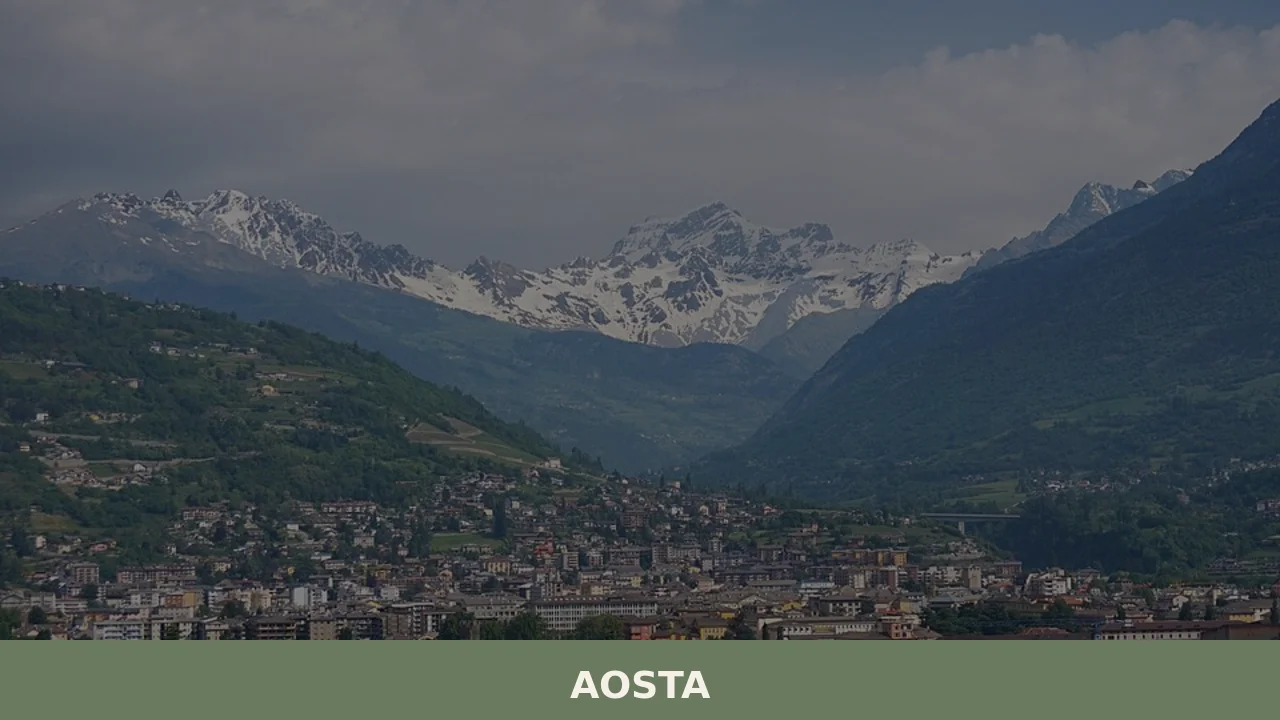
Understanding what to see in Aosta means moving through overlapping layers of history — Roman, medieval, Savoyard — within a compact area that can be explored on foot in under an hour, at 583 metres above sea level, with Monte Emilius and the Becca di Nona closing off the southern horizon.
History and Origins of Aosta
The name Aosta is the popular contraction of Augusta, the title the Roman colony received in honour of Emperor Octavian Augustus. Before the Roman conquest, the basin was inhabited by the Salassi, a Celto-Ligurian people who controlled the Alpine passes of the Great St Bernard and the Little St Bernard, collecting tolls from passing caravans.
Rome subdued them after a military campaign led by General Aulus Terentius Varro Murena in 25 BC, deporting much of the population and founding the colony with a garrison of veterans.
The original urban layout — a rectangle of roughly 724 by 572 metres — was drawn up according to the castrum scheme, with orthogonal streets, a central forum, theatre, amphitheatre and baths. The plan was so robust that the city never required a radical redesign: today’s main streets follow the Augustan grid with metrically verifiable precision.
After the fall of the Western Roman Empire, Aosta came under Burgundian control, then the Ostrogoths, and finally the Franks. It was during the medieval period that the city took on the ecclesiastical character it still partly retains: around 1000 AD, Bishop Anselm — not to be confused with Anselm of Aosta, the theologian born here in 1033 who later became Archbishop of Canterbury — initiated the construction of the cathedral and the Sant’Orso complex, which became the religious centre of the valley.
Anselm of Aosta, a central figure of scholastic philosophy, formulated the famous ontological argument for the existence of God in his work Proslogion: he is probably the most renowned person born within the city walls.
In the twelfth century, the valley obtained a series of franchises from the House of Savoy, which recognised the Conseil des Commis and granted an administrative autonomy that would last for centuries, laying the groundwork for today’s special statute of the Aosta Valley.
From a demographic standpoint, Aosta remained a modestly sized centre for a long time: at the end of the nineteenth century it had around 7,000 inhabitants. Significant growth came in the post-war period, with the steel industrialisation of Cogne and the opening of the Mont Blanc Tunnel in 1965, which turned the city into an Alpine transit hub.
Today its 33,093 inhabitants make it the most populous urban centre in the autonomous region, yet its size remains contained: it is a city you walk through, where the balance between historic fabric and modern development still holds.
The patron saint is Gratus of Aosta, a fifth-century bishop, celebrated every 7 September with a procession that crosses the centre and involves parishes from across the entire diocese.
What to See in Aosta: 5 Unmissable Attractions
1. Arch of Augustus
Erected in 25 BC to celebrate the Roman victory over the Salassi, the Arch of Augustus stands at the eastern end of the decumanus maximus, just before the bridge over the Buthier torrent. Approximately 11.40 metres high, it features a single archway framed by Corinthian half-columns on tall plinths. During the Middle Ages it was converted into a fortified gate and topped with a tower, which was later demolished in the eighteenth century.
The crucifix placed under the vault in 1449 is still visible today. The arch provides the first visual encounter with Roman Aosta for anyone arriving from the east, and its position outside the walls — a sign that it served as an honorary monument, not a defensive one — distinguishes it from the city gates proper.
2. Roman Theatre
On the north side of the decumanus, a few steps from Porta Praetoria, the southern façade of the Roman theatre rises 22 metres high with a sequence of arches across three orders — one of the best-preserved theatrical walls in the entire Alpine area. The building could hold between 3,000 and 4,000 spectators arranged on a semicircular cavea partly carved into the ground. Next to the theatre stood the amphitheatre, now incorporated into the convent of Santa Caterina, of which several arches remain visible. Since 2009 the theatre has been part of an archaeological area accessible with a single ticket, allowing visitors to observe the structure of the stage and orchestra at close range.
3. Collegiate Church of Sant’Orso
The Sant’Orso complex, along the road leading to the Arch of Augustus, comprises the collegiate church, the Romanesque cloister, the bell tower and the priory. The church preserves Ottonian frescoes in the attic space, rediscovered in 1999 and dating to the late tenth century: a narrative cycle of biblical scenes among the oldest in the Alpine region. The cloister, dating to 1133, features historiated capitals with sacred figures, animals and plant motifs, carved in an expressive style that blends Lombard tradition with transalpine influences. The Romanesque bell tower, 44 metres tall, is one of the most recognisable elements of the Aosta skyline, visible from various points across the plain.
4. Cathedral of Santa Maria Assunta
The Cathedral of Aosta, dedicated to Santa Maria Assunta, stands on the site of the Roman forum. The current building is the result of layers spanning from the fourth century — when a first early Christian basilica was erected — to the eighteenth-century restorations of the neoclassical façade.
Inside are twelfth- to thirteenth-century floor mosaics, carved fifteenth-century wooden choir stalls and, in the Treasury Museum, fine medieval goldwork. The restored Gothic stained-glass windows of the choir filter light in ways that shift noticeably between morning and afternoon. From the churchyard, visitors can access the forensic cryptoporticus, a semi-underground Roman gallery that served as a substructure for the terrace of the forum temple.
5. Forensic Cryptoporticus
The forensic cryptoporticus is a double-gallery structure built in the first century BC to level the ground on which the sacred area of the forum stood. It extends on three sides forming a U shape, with barrel vaults supported by pillars of local travertine. The internal temperature, steady at around 10–12 degrees even in summer, creates a sharp contrast with the outside. The site, reopened to the public after restoration campaigns carried out by the regional Superintendency, allows visitors to understand Roman construction techniques for building on alluvial terrain.
It lies just a few metres from the cathedral, accessible from the cloister area, and is included in the circuit of archaeological sites that can be visited with a combined ticket.
What to Eat in Aosta: Local Cuisine and Regional Products
Aosta’s gastronomic tradition reflects the conditions of an Alpine community that for centuries had to cope with long winters and limited supplies.
Valdostan cooking is a cuisine of preservation: dried meats, long-aged cheeses, cold-resistant cereals. The influence of neighbouring Savoy and the Swiss Valais is evident in the central role of dairy products and the use of rye, while the valley’s relative isolation has kept alive preparations that have disappeared elsewhere. The dishes found in the trattorias of the centre and the caves on the outskirts are almost all made from ingredients produced within a radius of a few dozen kilometres.
At the centre of the table you will often find polenta, prepared with cornmeal or, in the older version, with buckwheat flour. It is served as an accompaniment to carbonade, a beef stew marinated in red wine with onion, cinnamon and cloves, slowly cooked until the sauce becomes thick and dark. Another recurring dish is seupa à la vapelenentse, a soup of stale bread, savoy cabbage and Fontina cheese, layered in a terrine and baked until golden.
Valdostan fondue, made from melted Fontina with milk, egg yolks and butter, is probably the most widely known dish outside the region, served with croutons or as a topping for gnocchi and polenta.
Among dairy products, Fontina — a semi-cooked cheese made from whole cow’s milk, recognised as a PDO since 1996 — is the cornerstone of the Valdostan dairy economy.
It is produced at mountain pastures in summer and in valley-floor dairies in winter, with a minimum ageing period of three months in natural caves or temperature-controlled environments. Another notable product is Vallée d’Aoste Lard d’Arnad, lard cured in wooden vats with aromatic herbs, salt and spices, which has received PDO certification.
On the cured-meat front, motzetta — traditionally dried meat from chamois, deer or beef — is an Alpine preservation food still found on the cutting boards served as an appetiser.
The most well-known food event is the Fiera di Sant’Orso, held every year on 30 and 31 January: although primarily a craft fair, it hosts stalls selling typical food products where you can find mountain-pasture cheeses, honey, cured meats and chestnut-based sweets. The covered market of Aosta, in Piazza Cavalieri di Vittorio Veneto, offers local products year-round. During the summer, zero-kilometre farmers’ markets are held weekly in various squares of the centre, with direct sales from valley producers.
The region’s wine production falls under the Valle d’Aosta DOC (or Vallée d’Aoste DOC) designation, which covers the entire region and includes numerous sub-denominations.
Among the most interesting indigenous grape varieties are Petit Rouge, Fumin and Prié Blanc — the latter used to make Blanc de Morgex et de La Salle, produced from vines cultivated at up to 1,200 metres altitude, among the highest vineyards in Europe. In the Aosta area you will find Torrette, a red based on Petit Rouge, and Nus Malvoisie, a white from Pinot Grigio grapes, both included in the regional DOC.
The valley’s wineries are often small, family-run operations that practise direct sales.
When to Visit Aosta: The Best Time
Aosta has a continental climate tempered by the surrounding mountains: winters are cold and dry, with average January temperatures around -1°C, while summers are mild, with highs that rarely exceed 28°C in July. The period from May to September is the most suitable for those who want to visit the open-air archaeological sites and walk through the historic centre without encountering snow or ice on the pavements. The feast of the patron saint Gratus of Aosta, on 7 September, falls at a climatically favourable moment and offers the chance to witness the traditional procession.
Summer also brings music and theatre festivals that use the Roman theatre as a stage — an experience that adds a nocturnal dimension to the visit.
Winter, however, has its own appeal: the Christmas market (Marché Vert Noël), set up in the Roman theatre and surrounding area from late November to Epiphany, draws visitors from across northern Italy.
The Fiera di Sant’Orso, on 30–31 January, is the oldest and most widely attended event, with over a thousand exhibitors of traditional craftsmanship and a turnout that can exceed 200,000 visitors over two days. Those who prefer to avoid the crowds should aim for March–April or October–November, when the city is quieter, accommodation prices are lower, and the autumn or spring light brings out the colours of the Roman stone and the lose stone-slab roofs.
How to Get to Aosta
By car, Aosta is reached via the A5 Turin–Mont Blanc motorway, exiting at the Aosta East or Aosta West toll booths. The distance from Turin is approximately 110 km, covered in about one hour and twenty minutes. From Milan the journey is around 185 km (two hours), taking the A4 to Ivrea and then the A5. Those coming from Switzerland can use the Great St Bernard Tunnel, while the Mont Blanc Tunnel connects Aosta to France (Chamonix is about 80 km away).
The Aosta railway station is served by regional trains on the Chivasso–Aosta line, with connections at Ivrea or Chivasso for Turin Porta Nuova.
Travel time from Turin is approximately two hours.
There are no direct rail links with Milan. The nearest airport is Turin-Caselle, about 130 km away, followed by Milan Malpensa (200 km). Local public transport is operated by the SVAP company, which connects Aosta with the main towns of the valley by scheduled bus services, and by the operator Arriva for interregional connections to Turin and Milan.
Other Towns to Discover in the Aosta Valley
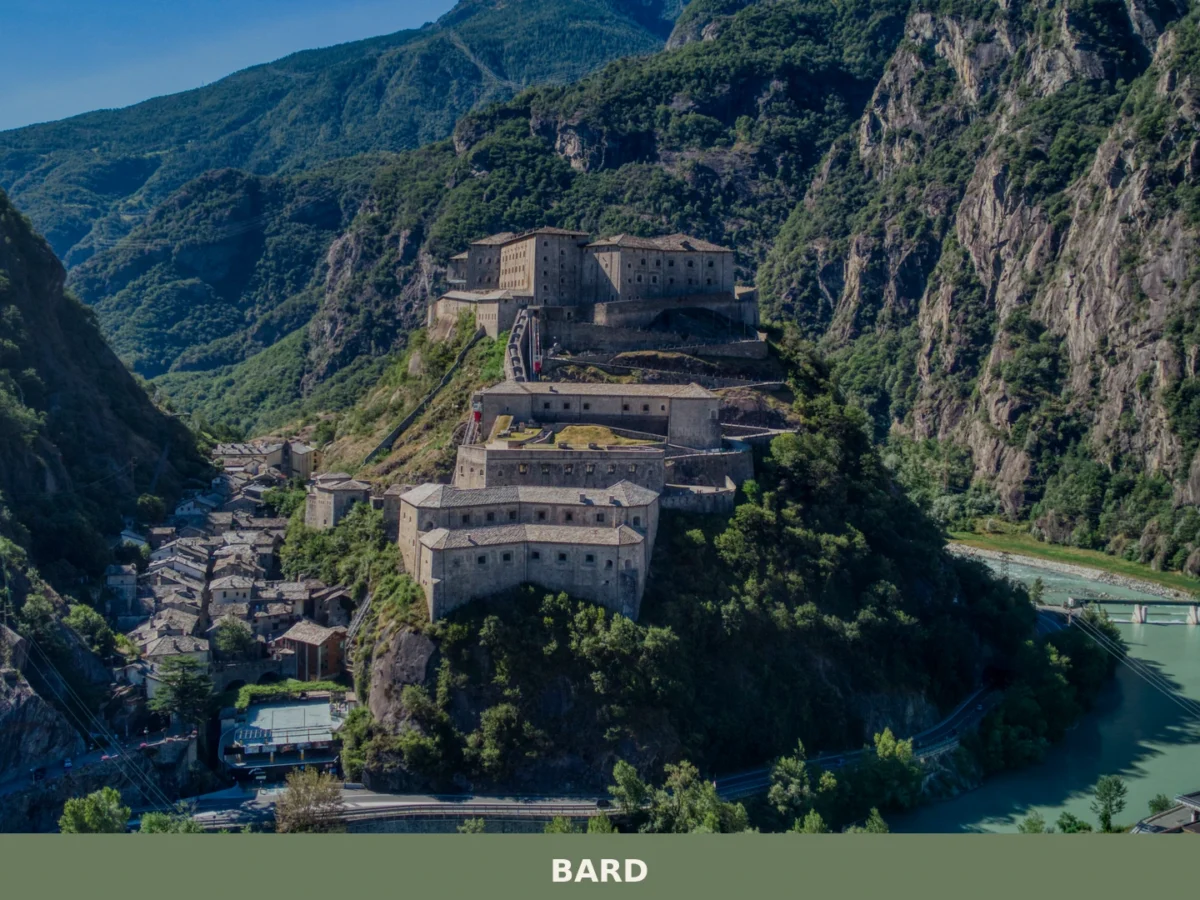
The Aosta Valley is a region where distances are short and every detour from the main road opens up a different landscape. About 30 km east of Aosta, heading up towards the valley floor, you reach Bard, dominated by the imposing nineteenth-century fortress that today houses the Museum of the Alps and international-calibre temporary exhibitions. The village below, squeezed between the rock face and the Dora Baltea, retains medieval houses with stone and timber façades that form an almost unbroken covered street.
A visit to Bard can easily be combined with Aosta in a single day, devoting the morning to the fortress and the afternoon to the Roman sites of the regional capital.
In the opposite direction, heading west, the town of Cogne deserves a detour as the gateway to the Gran Paradiso National Park, reachable from Aosta in about 30 minutes by car along regional road 47.
Cogne offers a radically different setting: mountain meadows, wildlife — ibex and chamois are regularly spotted — and a bobbin-lace craft tradition documented since the eighteenth century. Those with more days available can build an itinerary combining the urban and archaeological dimension of Aosta with the Alpine excursions of Cogne and the cultural visit to Bard, thereby covering three complementary aspects of the Aosta Valley without ever driving more than half an hour.
Frequently asked questions about Aosta
What is the best time to visit Aosta?
Aosta is pleasant year-round. Summer (June–August) offers mild temperatures at 583 m, long daylight hours and access to surrounding mountain trails. Winter (December–March) attracts ski enthusiasts thanks to proximity to Pila and other resorts, plus atmospheric Christmas markets in the city centre. Spring and autumn are ideal for unhurried sightseeing with fewer crowds. A highlight in any season is the feast of the patron saint Gratus of Aosta (Grato di Aosta), celebrated on 7 September with a solemn procession through the historic centre involving parishes from across the entire diocese.
What are the historical origins of Aosta?
Aosta was founded in 25 BC as Augusta Praetoria Salassorum by three thousand praetorian veterans after General Aulus Terentius Varro Murena defeated the Salassi, a Celto-Ligurian people controlling the Great and Little St Bernard passes. The original castrum layout — a rectangle of roughly 724 × 572 metres with orthogonal streets, forum, theatre and amphitheatre — has survived almost intact beneath the modern city. The name evolved from Augusta to Aosta over the centuries. The theologian Anselm of Aosta, author of the ontological argument, was born here in 1033.
What to see in Aosta? Main monuments and landmarks
The entire historic centre is walkable in under an hour. Key sites include: the Arch of Augustus (25 BC, free to view from outside); Porta Praetoria, the best-preserved Roman gate in the Alps; the Roman Theatre (22 m façade, 3,000–4,000 seats) and adjacent amphitheatre ruins, part of a combined-ticket archaeological circuit open since 2009; the Forensic Cryptoporticus beneath the forum area; the Cathedral of Santa Maria Assunta with its floor mosaics and Treasury Museum; and the Sant'Orso Collegiate Church with its 1133 Romanesque cloister and tenth-century Ottonian frescoes. Combined tickets for archaeological sites are available at the Regional Museum of Aosta.
Are there museums, churches or historic buildings to visit in Aosta?
Yes. The Regional Archaeological Museum (Museo Regionale Archeologico), housed in Sant'Orso's former priory area and in dedicated premises, displays finds from Roman and prehistoric Aosta. The Cathedral Treasury Museum holds medieval goldwork and liturgical objects. The Sant'Orso complex includes historiated Romanesque cloister capitals and rare Ottonian frescoes rediscovered in 1999. A combined ticket covers the main Roman archaeological sites: the theatre, cryptoporticus and forum area. For current opening hours and admission prices, check the official Valle d'Aosta tourism portal at lovevda.it.
What can you do in Aosta? Activities and experiences
Beyond sightseeing, Aosta offers a rich calendar of events: the Fiera di Sant'Orso on 30–31 January is one of the oldest Alpine craft fairs, drawing artisans from across the valley. The city is an ideal base for skiing at Pila (reachable by cable car from the town) in winter and for hiking or mountain biking in summer. Food and wine experiences include visiting local producers of Fontina PDO, tasting lard d'Arnad and regional wines along the Route des Vins de la Vallée d'Aoste. Guided tours of the Roman monuments are available through the regional tourism office.
Where to take the best photos in Aosta?
The Arch of Augustus at golden hour, framed against the southern Alpine skyline, is one of the most photographed spots in the Aosta Valley. Porta Praetoria, viewed from the decumanus, offers a striking perspective of layered Roman stonework. The 44 m Romanesque bell tower of Sant'Orso is visible from multiple points across the valley floor and makes an excellent landmark shot. For a panoramic view over the city and its Roman grid, the hillside path leading towards the medieval towers on the northern slope provides an elevated vantage point above the rooftops.
What are the main natural or scenic attractions near Aosta?
Aosta sits at 583 m in the main valley, with Monte Emilius (3,559 m) and Becca di Nona closing the southern horizon. The Pila ski and hiking resort is reachable by cable car directly from the city, offering trails within the Gran Paradiso area. The Dora Baltea river runs through the valley floor, and several CAI-marked trails depart from town toward the surrounding hillsides. The regional parks of Gran Paradiso and Mont Avic are both accessible within a short drive, offering documented wildlife and trekking routes.
Who is Aosta suitable for? Families, couples, hikers, solo travelers?
Aosta suits a wide range of visitors. Families appreciate the compact, walkable historic centre, the interactive Roman archaeological sites and the easy cable car to Pila for outdoor activities. History and culture enthusiasts will find one of the most legible Roman urban plans in the Alps, with genuine two-thousand-year-old monuments at street level. Couples enjoy the intimate scale, regional cuisine and wine routes. Hikers use Aosta as a base for trails into the surrounding mountains. Winter sports enthusiasts benefit from the town's direct connection to skiing. The city's small size and self-contained character make it comfortable for solo travellers too.
What to eat in Aosta? Local products and traditional dishes
Aosta's cuisine is rooted in Alpine preservation traditions. Key dishes include carbonade (beef stewed in red wine with spices), seupa à la vapelenentse (layered bread, savoy cabbage and Fontina baked in a terrine) and Valdostan fondue made with PDO Fontina cheese. Polenta — with cornmeal or traditional buckwheat — accompanies most meat dishes. Certified local products include Fontina DOP (semi-cooked cow's milk cheese, aged minimum three months) and Vallée d'Aoste Lard d'Arnad DOP (lard cured in wooden vats with herbs and spices). Regional wines produced along the valley complete the table.
Nearby Villages near Aosta
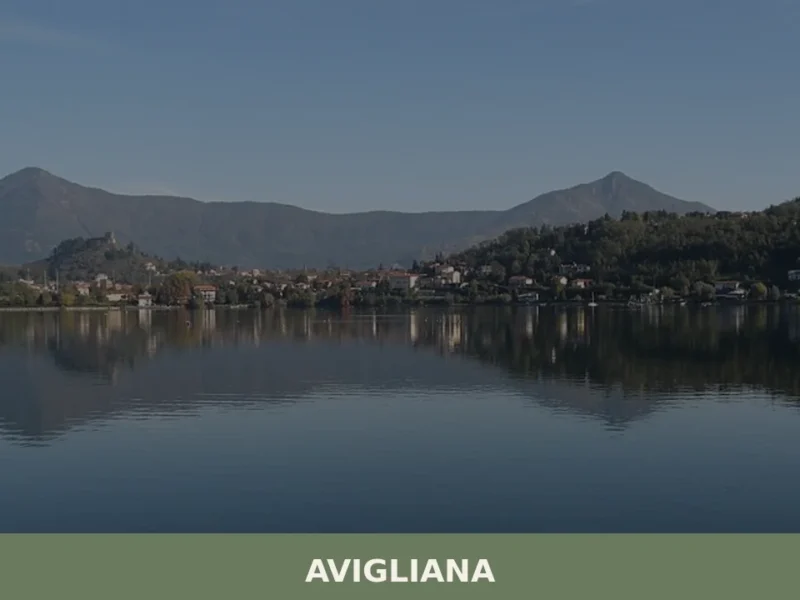
In Aosta Valley More villages to discover
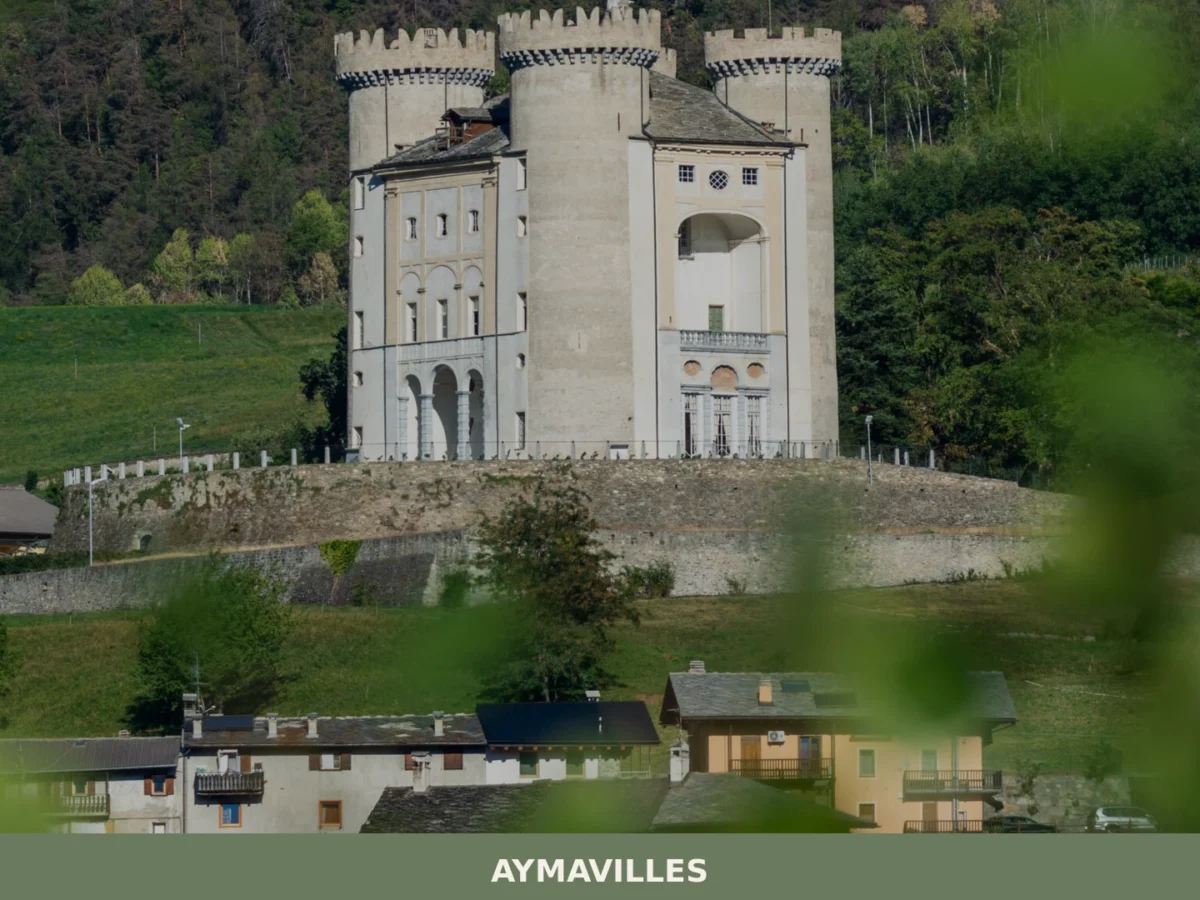
Aymavilles
 Mountain
What to see in Aymavilles, Italy: explore the Roman Pont d'Aël bridge over a 66 m gorge and Alpine trails. Discover top attractions in Valle d'Aosta.
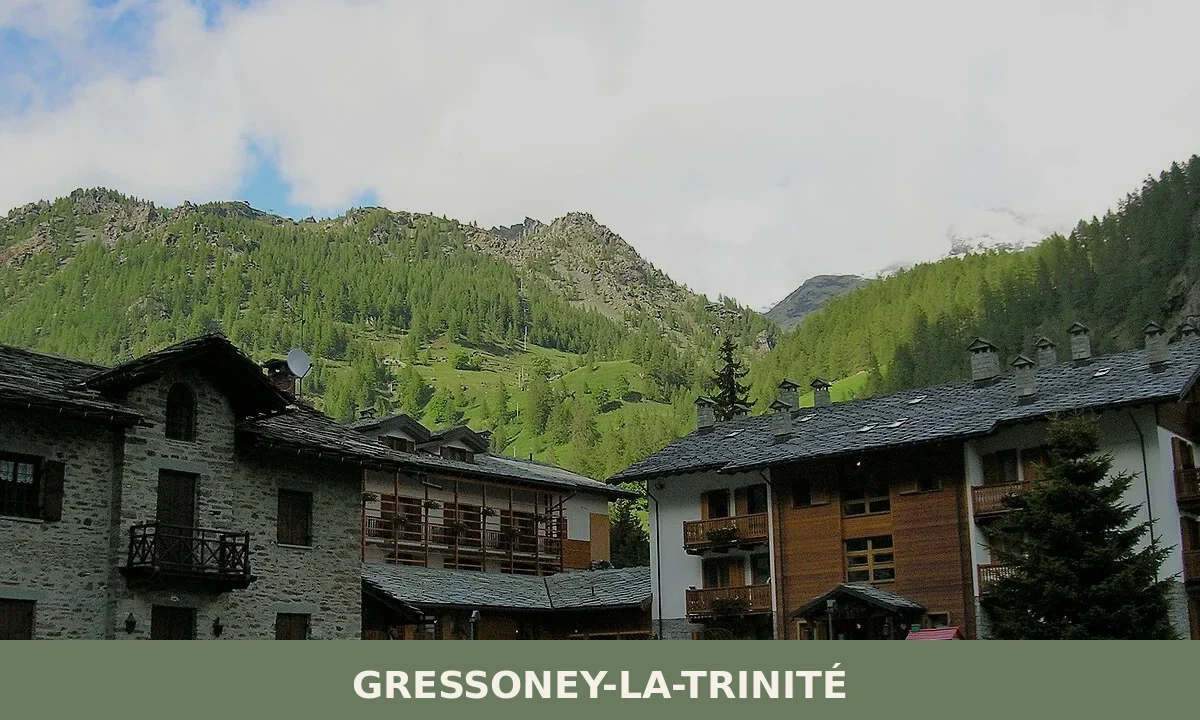
Gressoney-La-Trinité
Mountain
Gressoney-La-Trinité is a 322-inhabitant Walser commune at 1,629 metres in the Valle del Lys, Valle d'Aosta, set against the glaciers and high peaks of the Monte Rosa massif.
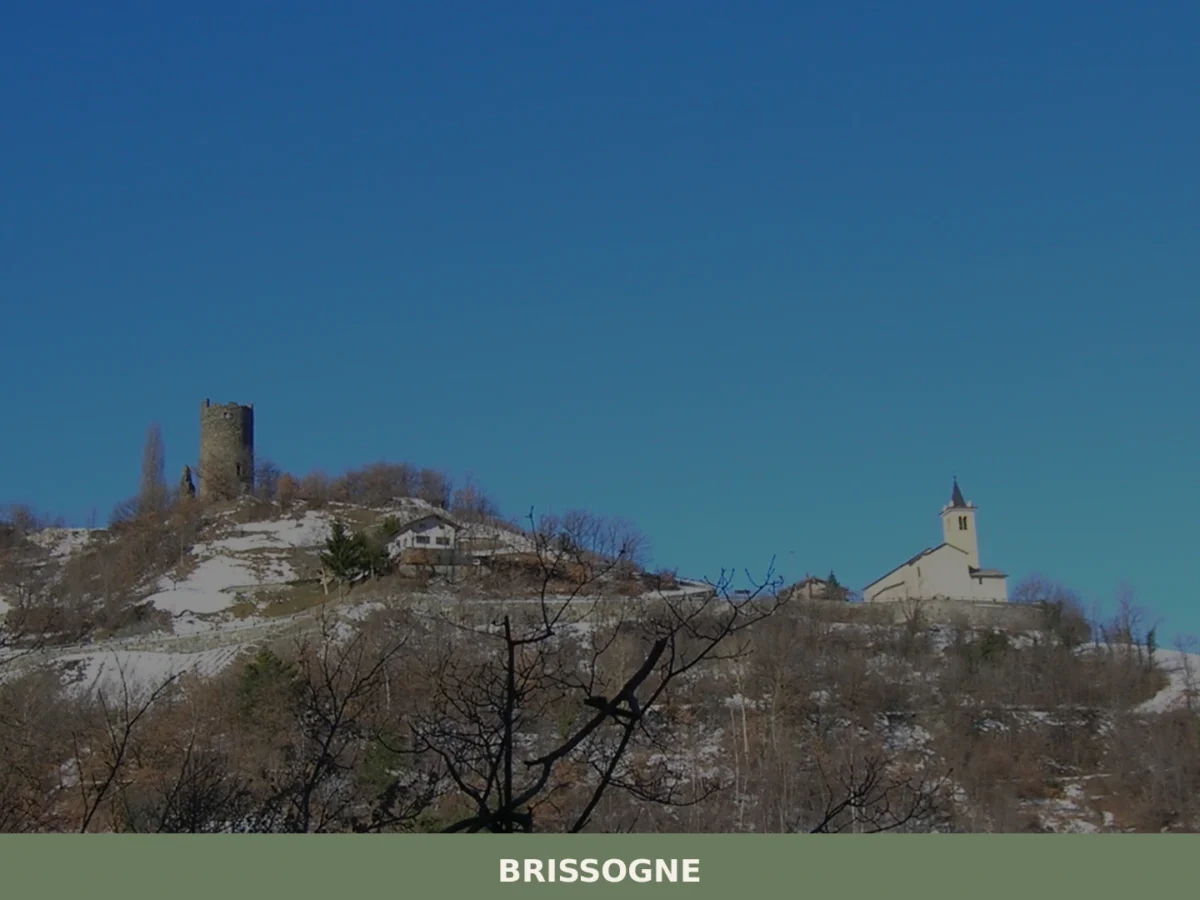
Brissogne
Mountain
What to see in Brissogne? Discover the 5 unmissable attractions of this village in Aosta Valley. From the church to the castle, plan your visit here!
Allein
Mountain
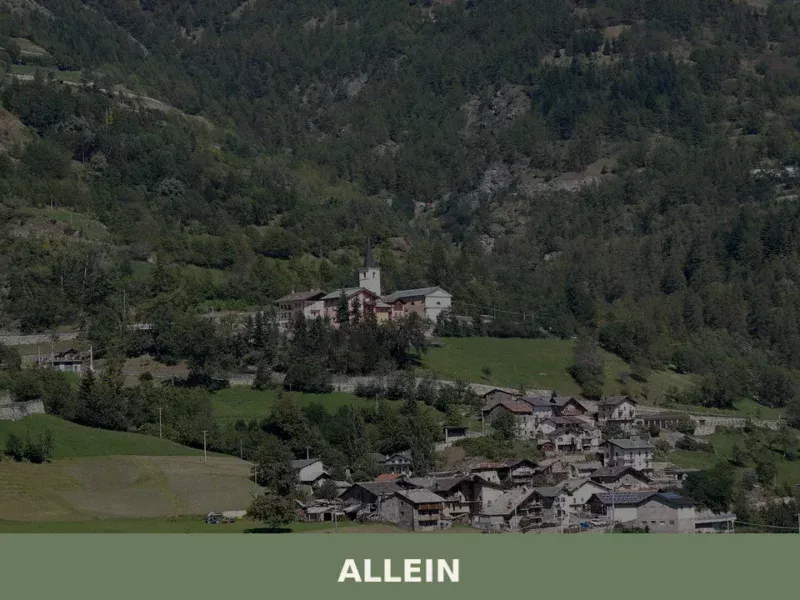
Discover what to see in Allein, a 198-resident comune sparso in the Gran San Bernardo Valley, Valle d'Aosta. History, food, and travel tips.
Ayas
Mountain
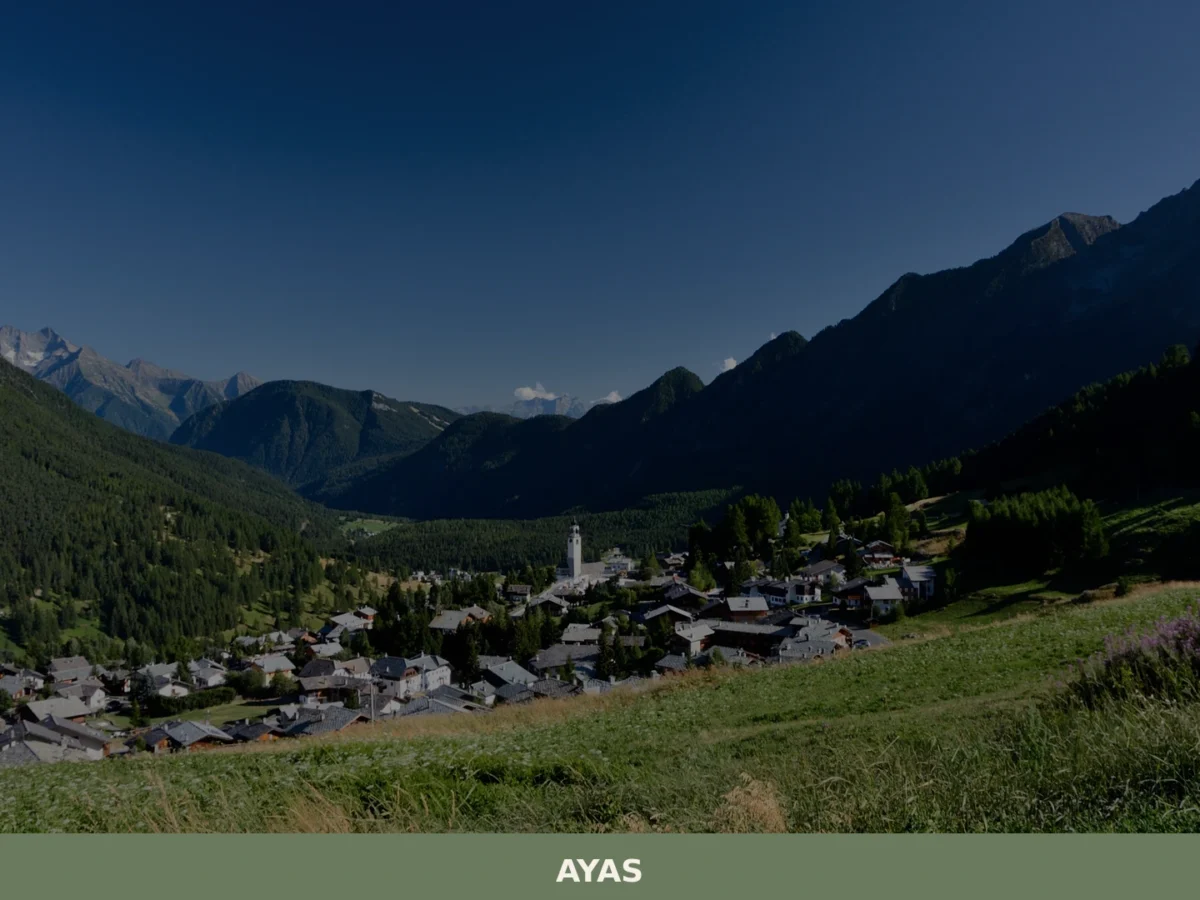
What to see in Ayas, Valle d'Aosta, Italy: explore alpine villages at 1,600 m, medieval chapels and local cuisine. Discover top attractions and how to get there.
Arvier
Mountain
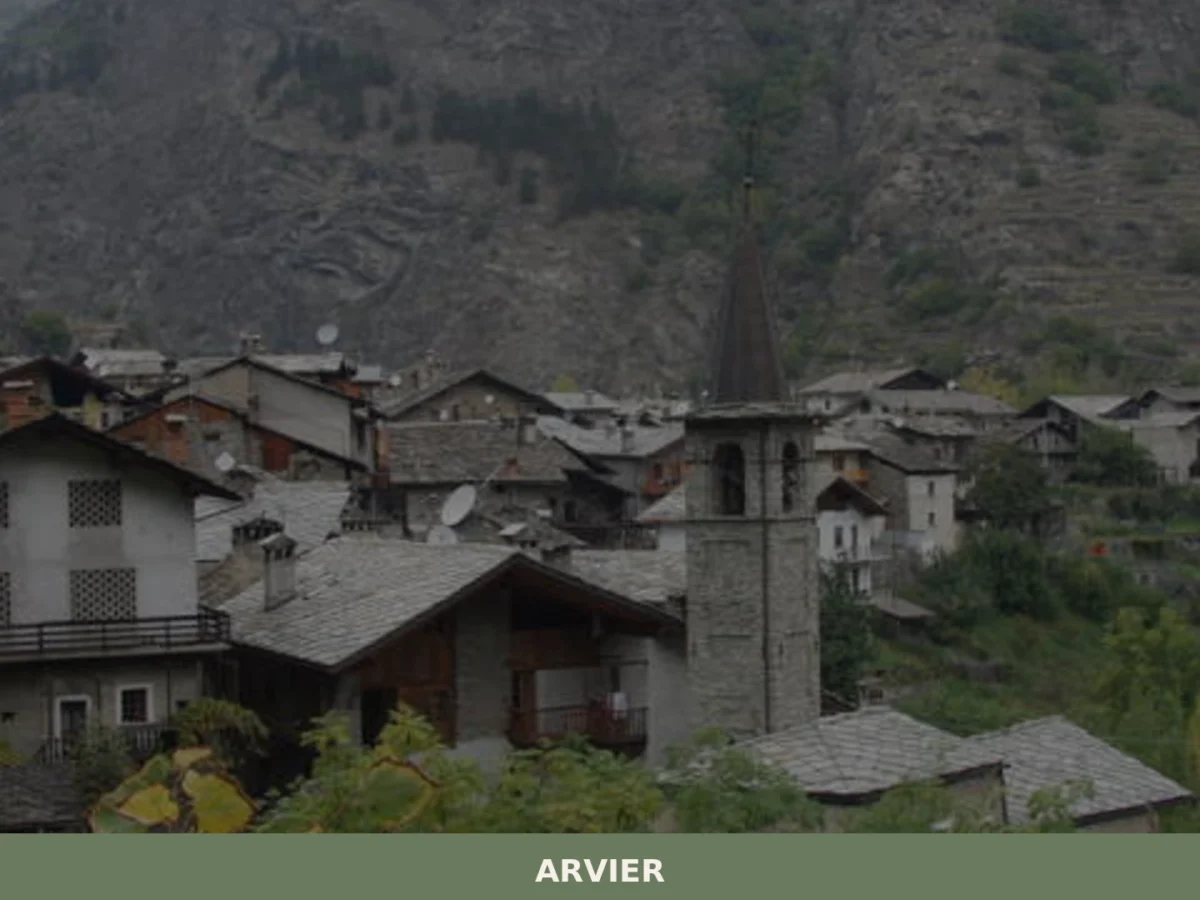
Discover what to see in Arvier, Valle d'Aosta: medieval borough, feudal tower, Enfer d'Arvier vineyards, local food and practical travel tips.
Bard
Mountain
What to see in Bard, Valle d'Aosta, Italy: explore the Fort, medieval streets and local food. Bard sits at 400 m. Discover top attractions and how to get there.
Avise
Mountain
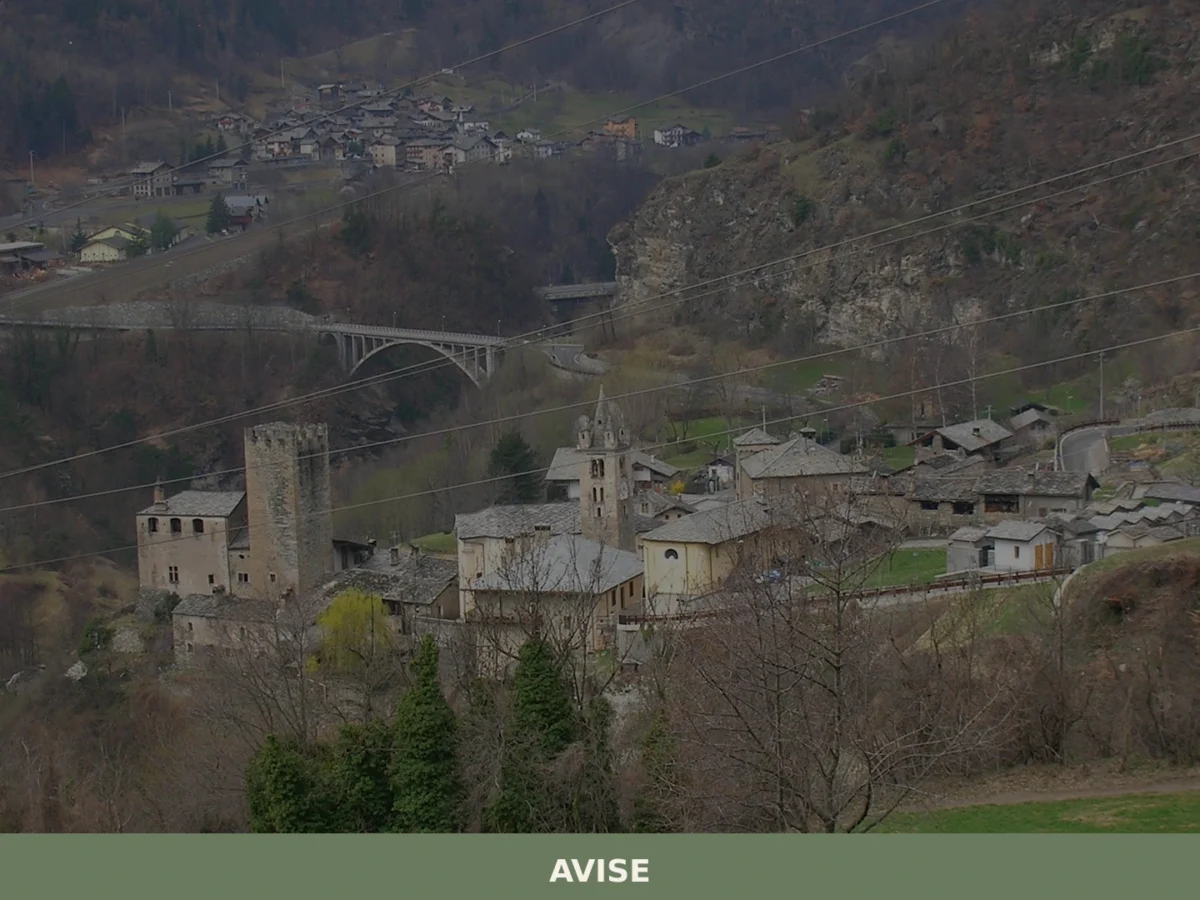
Discover what to see in Avise: a medieval castle, Romanesque church, alpine vernacular architecture and valley views in the upper Valle d'Aosta at 996 metres.
Antey-Saint-André
Mountain
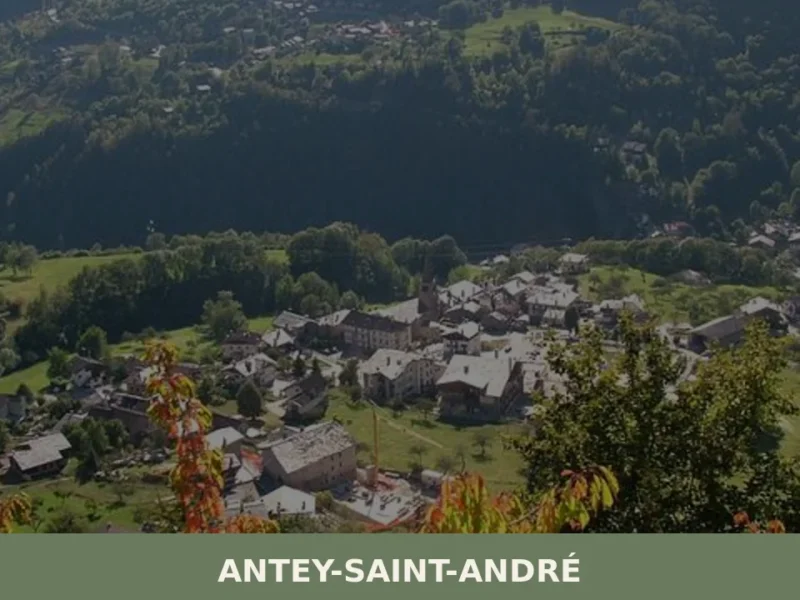
Discover what to see in Antey-Saint-Andru00e9: Alpine hamlets, local food, hiking trails and practical travel tips for this Valtournenche village in Valle d'Aosta.
Challand-Saint-Anselme
Mountain
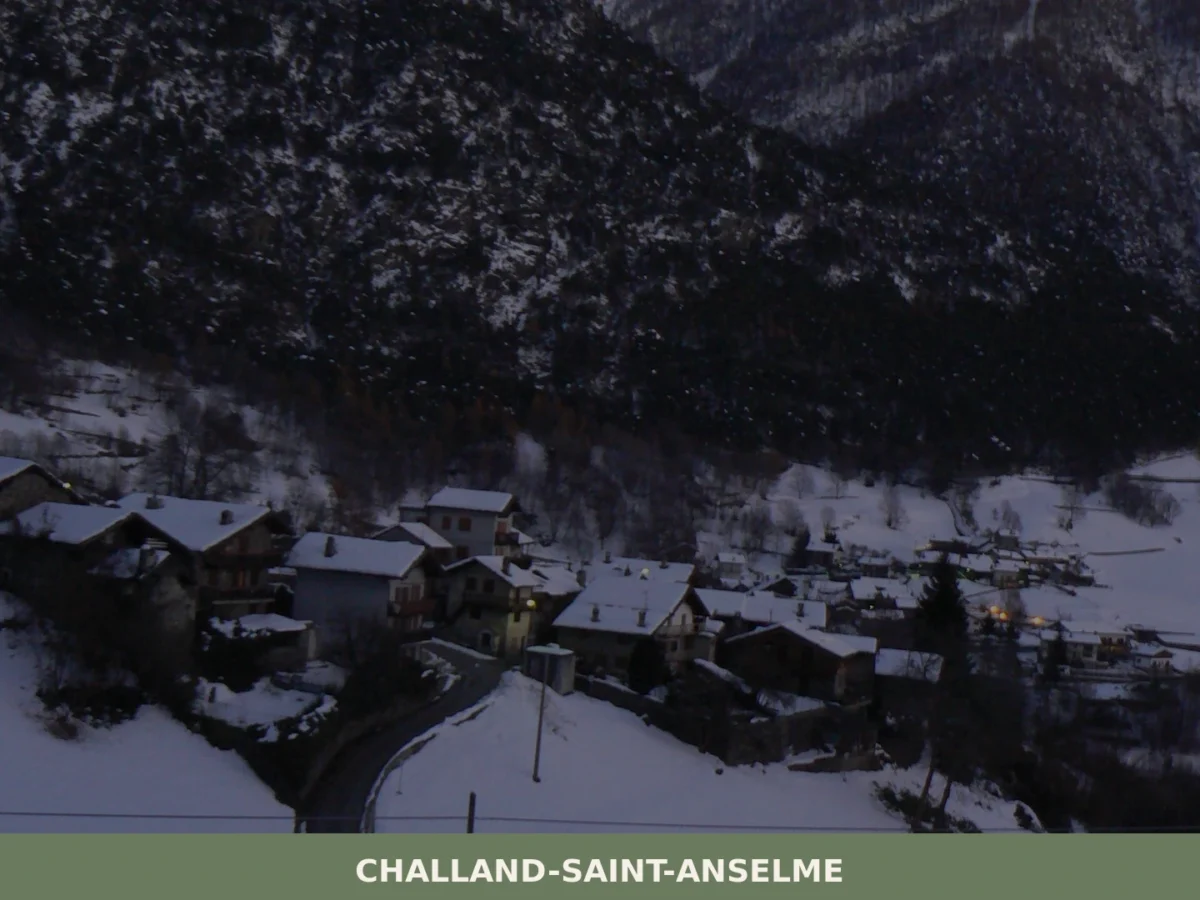
What to see in Challand-Saint-Anselme, Italy? Discover its 1036 m (3,399 ft) altitude, ancient mills, and the Church of Saint-Anselme. Explore this mountain village.
🧀 Italian traditional products

🏡 Know Aosta better than we do?
If you’re a local or have been there, your knowledge matters: add what’s missing or fix a detail on this page.