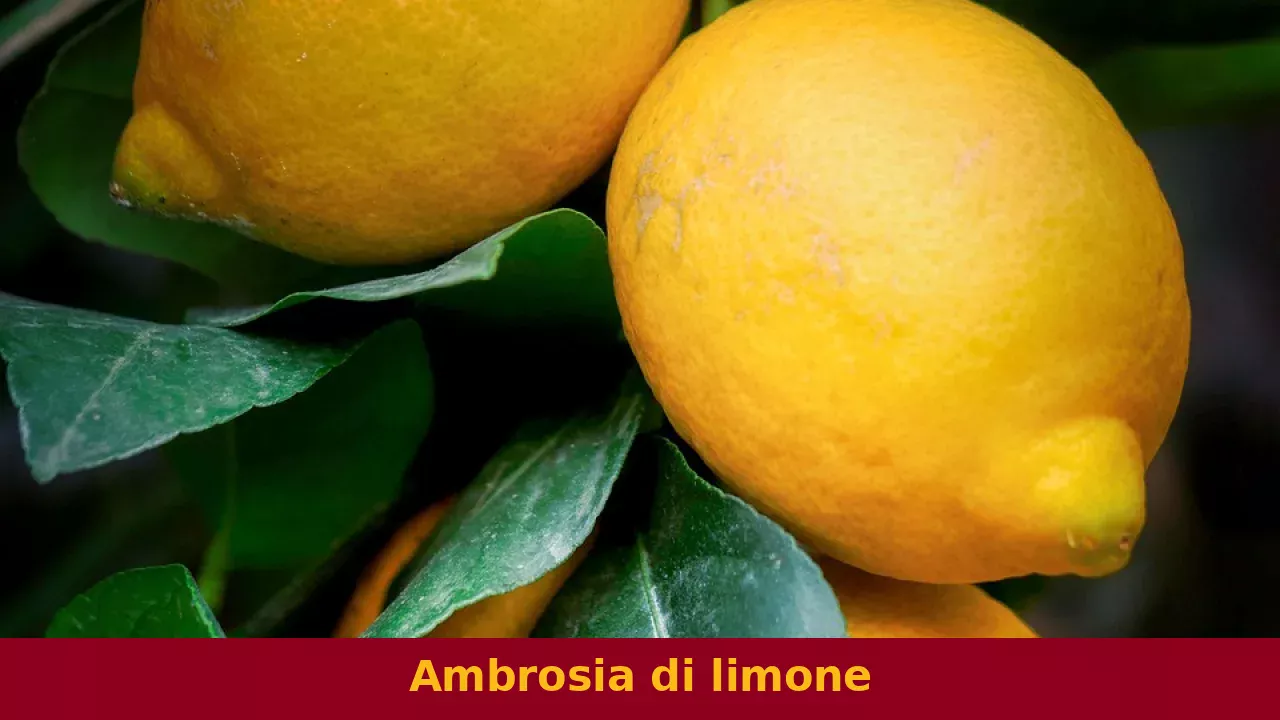
The straw-yellow color and intensely strong aroma define ambrosia di limone, a liqueur that captures the essence of the Gargano citrus groves. Ambrosia di limone is a traditional agri-food product from Puglia, recognized for its quality and its connection to its area of origin, particularly the province of Foggia. Its preparation, which uses ‘Femminiello’ variety…
The straw-yellow color and intensely strong aroma define ambrosia di limone, a liqueur that captures the essence of the Gargano citrus groves. Ambrosia di limone is a traditional agri-food product from Puglia, recognized for its quality and its connection to its area of origin, particularly the province of Foggia. Its preparation, which uses ‘Femminiello’ variety lemons, follows methods that enhance the unmistakable fragrance of these fruits. Each sip evokes the sun and the sea breeze of the promontory, offering a genuine taste experience.
Ambrosia di limone is a Puglian liqueur, classified as a Traditional Italian Agri-food Product (PAT). It presents with a straw-yellow color, clear and luminous, and stands out for its particularly intense and fragrant aroma, derived from the use of indigenous lemons. Its composition includes aromas extracted from lemons, alcohol, water, and sugar, elements which, combined through a traditional process, create a beverage with a distinctive character. It is a significant example among the traditional products from PUGLIA, an expression of the region’s rich citrus heritage.
Ambrosia di limone is rooted in the local custom of valuing the fruits of the territory, particularly the prized Gargano lemons. Its inclusion in the national list of Traditional Agri-food Products occurred in 2001, attesting to its cultural and gastronomic value. The preparation of this liqueur has solidified over time, maintaining processing methods that enhance the sensory qualities of the Femminiello Lemon from Gargano, a citrus variety renowned for its peel rich in essential oils and its penetrating aroma. This lemon, considered the oldest in Italy, has a history intertwined with that of local liqueur production, as can be explored further in the history of Puglian liqueurs.
The heart of ambrosia di limone production beats in the province of Foggia, with a particular concentration in the municipality of Rodi Garganico. This locality, situated on the Gargano promontory, is renowned for its extensive citrus groves, where lemons find ideal climatic and territorial conditions to develop their unique aromatic characteristics. The fruits used are exclusively of the ‘Femminiello’ variety, cultivated in this specific area. The connection between the product and the territory is profound: it is the Gargano microclimate, with its proximity to the sea and its geological peculiarities, that imparts to the lemons that fragrance and savoriness which make ambrosia di limone so special. To learn more about the importance of citrus fruits in this area, articles dedicated to Gargano and its citrus fruits can be consulted.
The production of ambrosia di limone follows a process that enhances the main raw material: the ‘Femminiello’ lemon from Gargano. The traditional processing method begins with the extraction of aromas through alcohol vapors. This operation is carried out in hermetically sealed stainless steel containers, where heated alcohol releases vapors that absorb the essential oils present in the lemon zest. Subsequently, the aroma thus obtained is filtered. At this point, a syrup prepared with water and sugar is added, which gives the liqueur its sweetness and desired alcohol content. The mixture is left to rest for about twenty days, a crucial period for the amalgamation of flavors. At the end of this phase, the liqueur undergoes further filtration and is finally bottled in glass bottles, sealed with cork stoppers, ready for commercialization.
Ambrosia di limone is distinguished by several well-defined sensory characteristics. Its appearance is that of a liqueur with a straw-yellow color, recalling the clear and bright hue of the lemon zest from which it derives. To the nose, it releases a very intense and persistent lemon aroma, fresh and citrusy, thanks to the high concentration of ‘Femminiello’ essential oils. On the palate, while not explicitly described in the sources, one can infer a balanced flavor between the sweetness of the syrup and the lively acidity of the lemon, with a distinct alcoholic note. The alcohol content, in fact, is significant, standing at around 45.4 grams of alcohol per 100 grams of product, with an energy value of 411 kcal per 100 grams.
Ambrosia di limone finds its ideal use as an after-dinner liqueur, appreciated for its digestive properties and its ability to refresh the palate. Its intense aroma makes it perfect to be enjoyed cold, often as the conclusion to a lunch or dinner. Besides being consumed neat, it can be used to enrich desserts, as a syrup for cakes, or to flavor fruit salads. Its presence is also documented at traditional Puglian festivals and fairs, where it is served to accompany main dishes, offering a pleasant contrast and a note of freshness.
The uniqueness of ambrosia di limone lies in several interconnected factors. Firstly, the exclusive use of the Femminiello Lemon from Gargano, an indigenous variety with a particularly aromatic peel rich in essential oils, gives the liqueur an unmistakable olfactory and taste profile. This lemon, due to its history and qualities, is a pillar of the local citrus identity, as highlighted by articles describing its characteristics and the differences among Italian PGI lemons, including the ‘Femminello’ (Ubaldi, 2017) and its peculiarity of being the oldest in Italy (Lenoci, 2020). Secondly, the production method involves the extraction of aromas through alcohol vapors, a traditional technique that effectively preserves and concentrates the fruit’s essences. Finally, the strong connection to the Gargano territory, where the climate and soil contribute to creating optimal conditions for cultivating these lemons, makes ambrosia di limone an authentic expression of its place of origin.
Ambrosia di limone has obtained recognition as a Traditional Agri-food Product (PAT), a mark that certifies its cultural and gastronomic value and its preparation according to rules established for at least 25 years. The year of inclusion in the national list of PATs is 2001. This recognition underscores the importance of preserving productive practices linked to the territory and its resources. Although ambrosia di limone is a PAT, it is essential to note that its main raw material, the Femminiello Lemon from Gargano, also enjoys significant protection and recognition for its unique characteristics.
To savor ambrosia di limone, it is advisable to go directly to the production areas, particularly in the province of Foggia and the municipality of Rodi Garganico. Here it can be found in specialized shops and at traditional retail outlets. The liqueur is also present in modern distribution, making it accessible in a wider circuit. An excellent opportunity for tasting and purchasing are the traditional fairs and festivals held in Puglian towns. A cited example is the “Sagra del Tacchino” (Turkey Festival) in Palo del Colle, in the province of Bari, where ambrosia di limone is offered for tasting. Visiting Puglia offers the opportunity to discover not only ambrosia di limone but also a wide range of Italian traditional food products, immersing oneself in a complete food and wine experience that celebrates the region’s excellences.
📷 Photo: fietzfotos · Pixabay License · All credits →
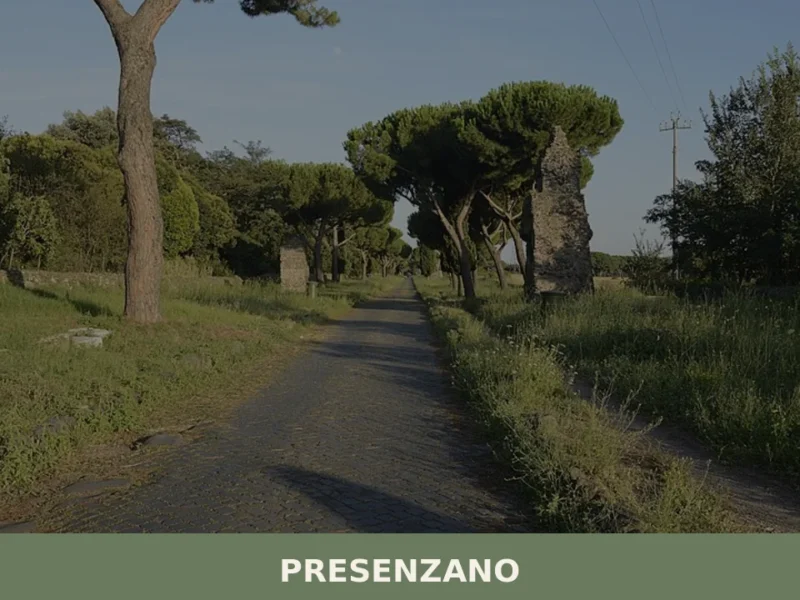
At 272 meters above sea level, in the northwestern sector of the province of Caserta, Presenzano stands out for its strategic position, a natural observation point over the Volturno valley. The territory has been inhabited since Roman times, as evidenced by archaeological finds in the area. This historical continuity has shaped an urban fabric where […]
What to see in Belmonte in Sabina: a hilltop village at 756 m in Rieti province with 644 residents. Explore the medieval centre, PAT guanciale and cacio fiore cheese. Plan your visit now.
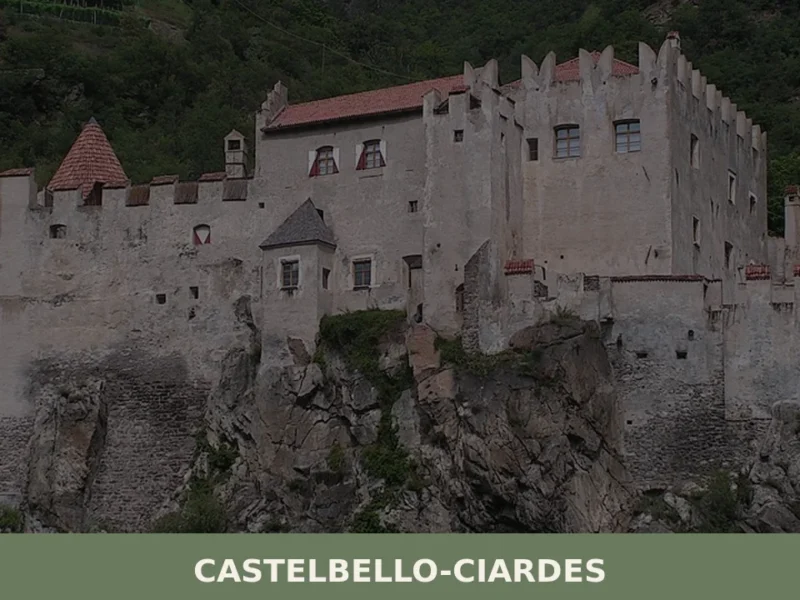
The municipality of Castelbello-Ciardes, home to 2,379 inhabitants at 587 metres above sea level in the Venosta Valley, owes its existence to a dual administrative identity: in 1928 the two separate villages of Castelbello (Kastelbell) and Ciardes (Tschars) were merged into a single municipality. Anyone looking into what to see in Castelbello-Ciardes will find an […]
📝 Incorrect information or updates?
Help us keep the Ambrosia di limone page accurate and up to date.


