


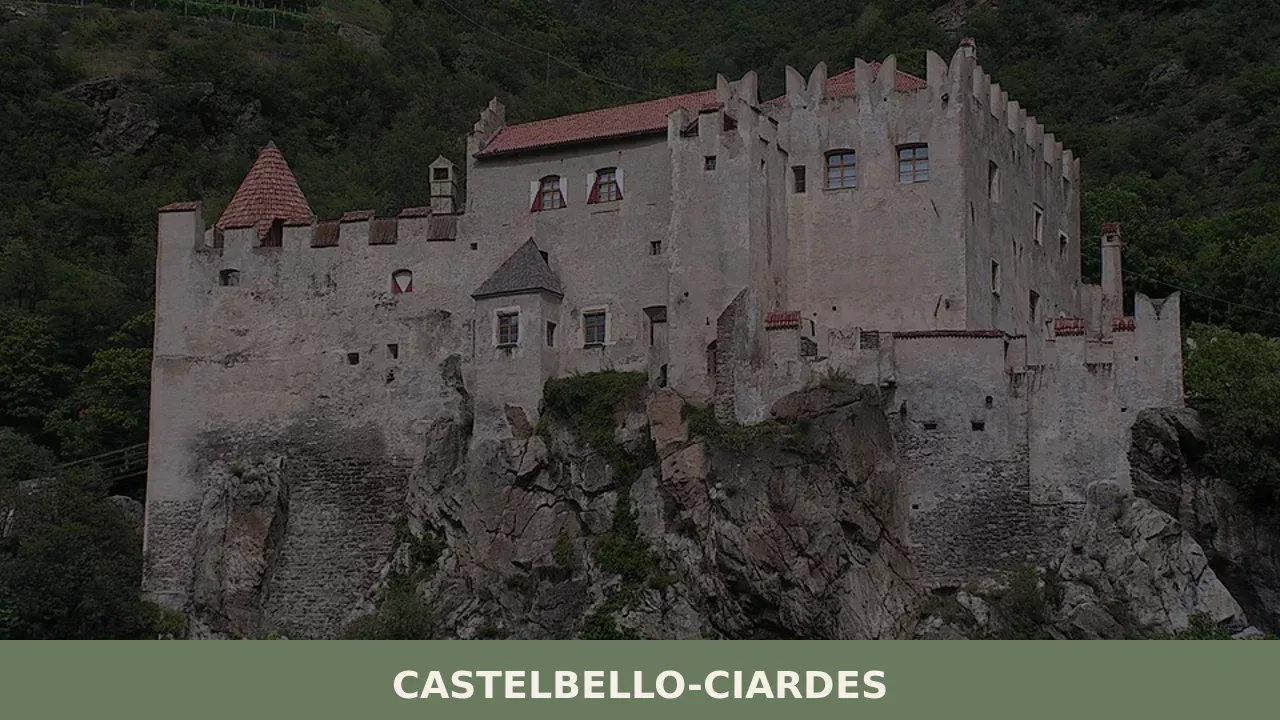
Castelbello-Ciardes
 Hills
Hills
The municipality of Castelbello-Ciardes, home to 2,379 inhabitants at 587 metres above sea level in the Venosta Valley, owes its existence to a dual administrative identity: in 1928 the two separate villages of Castelbello (Kastelbell) and Ciardes (Tschars) were merged into a single municipality. Anyone looking into what to see in Castelbello-Ciardes will find an […]
Discover Castelbello-Ciardes
The municipality of Castelbello-Ciardes, home to 2,379 inhabitants at 587 metres above sea level in the Venosta Valley, owes its existence to a dual administrative identity: in 1928 the two separate villages of Castelbello (Kastelbell) and Ciardes (Tschars) were merged into a single municipality. Anyone looking into what to see in Castelbello-Ciardes will find an unusual concentration of features: a thirteenth-century castle still intact, a system of medieval irrigation channels running through apple orchards, and a stretch of the Via Claudia Augusta that can be walked on foot. Two languages, two inhabited centres, and a territory that extends from the Adige valley floor to the sunny slopes of the western Venosta Valley.
History and origins of Castelbello-Ciardes
The first documented mention of Castelbello dates to 1238, when Castrum Jufal and the nearby Castrum Kastelbel appear in records linked to the lords of Montalban. Ciardes, on the opposite side of the valley floor, is already cited in 1164 as Zardis in a document from the bishopric of Chur. Their position along the route connecting the Resia Pass to Merano made both settlements points of transit and commercial control. The castle of Castelbello, built in the thirteenth century by the lords of Montalban, passed over the centuries to the counts of Tyrol and later to the Hendl family, who held it until the nineteenth century.
The local economy was founded for centuries on irrigated agriculture, made possible by the Waale, hand-dug channels that conveyed glacial meltwater down to the cultivated terraces. Some of these channels, documented from the fourteenth century onward, are still in operation. After annexation to Italy in 1919, the area retained a largely German-speaking population: according to the linguistic census, over 95% of residents declare German as their mother tongue. The administrative merger of 1928 did not erase the distinction between the two centres, each of which retains its own parish church and its own village core.
During the Second World War, the Venosta Valley was the scene of tensions linked to the Options of 1939, the agreement between Hitler and Mussolini that forced South Tyroleans to choose between emigrating to the Reich or remaining and accepting Italianisation. Castelbello-Ciardes, like many municipalities in the valley, saw a significant portion of its population leave, some of whom returned after 1945. The provincial autonomy established by the Special Statute of 1972 has allowed the community to preserve bilingual educational and administrative structures.
What to see in Castelbello-Ciardes: 5 top attractions
1. Castelbello Castle (Schloss Kastelbell)
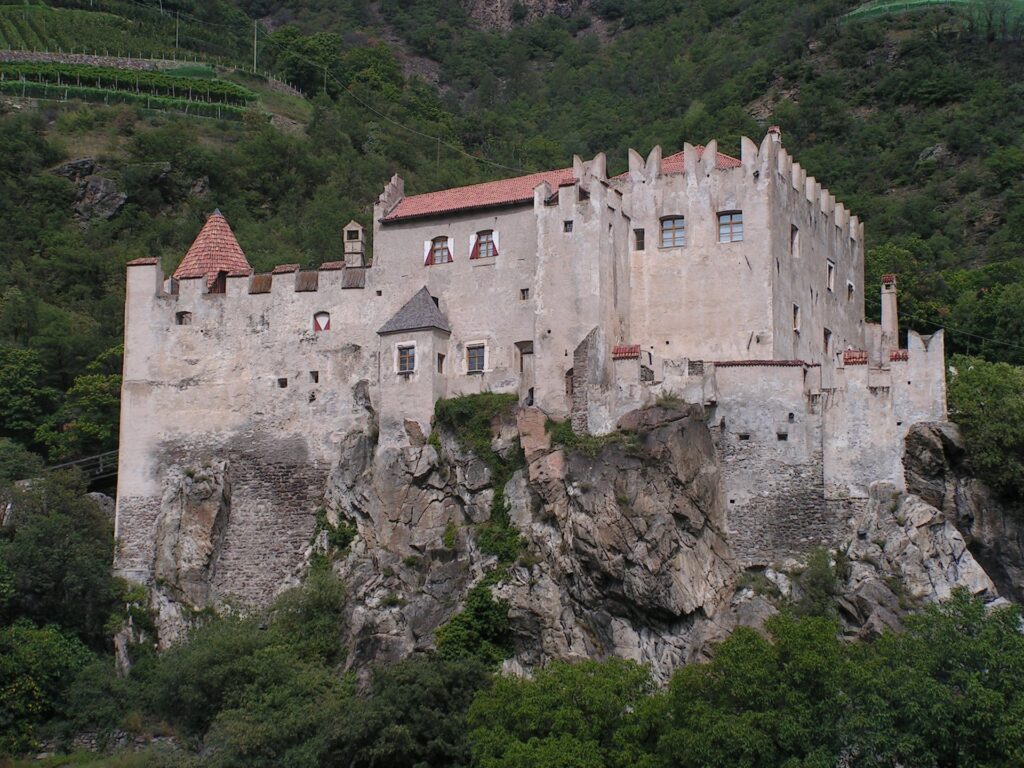
Built in the thirteenth century and rebuilt after a fire in 1531, the castle dominates the valley floor from its elevated position. Today it serves as a venue for contemporary art exhibitions organised by the municipality. The halls retain barrel vaults and remnants of late-Gothic frescoes. Access is through an ogival arched portal. The inner courtyard hosts cultural events during the summer months, with programming that varies from year to year. It is advisable to check opening hours on the official municipal website.
2. Juval Castle (Schloss Juval)
Erected in 1278 at the entrance to the Senales Valley, since 1983 it has been the summer residence of mountaineer Reinhold Messner, who established the Messner Mountain Museum here, dedicated to the myth of the mountain. The collections include Tibetan ritual masks, paintings of Himalayan peaks, and expedition memorabilia. Access to the castle is only by shuttle bus from the car park in the valley below, as the road is private. Opening is limited to the months from March to November.
3. The Waale: the Tscharser Waal and the Latschanderwaal
The Waale are medieval irrigation channels that carry water to the fields along flat-running paths. The Tscharser Waal, approximately 3 kilometres long, starts from the village of Ciardes and runs alongside apple orchards and vineyards with minimal elevation change. The Latschanderwaal, longer and more dramatic, passes through a rocky gorge with sections carved into the cliff face. Both routes are accessible from April to October and serve as a living record of rural hydraulic engineering.
4. Parish Church of Saints Peter and Paul in Castelbello
Documented from the fourteenth century and rebuilt in Baroque forms in the eighteenth, the church preserves a gilded wooden high altar and an altarpiece attributed to the Tyrolean school of painting. The spired bell tower, visible from across the valley floor, reaches approximately 50 metres in height. Inside, the stuccowork of the central nave features floral motifs and figures of saints. The church is open during services and at set times during the summer months.
5. The Via Claudia Augusta section
The Roman road that connected the Po Plain to Augusta Vindelicorum (present-day Augsburg, in Bavaria) crossed the Venosta Valley passing through the territory of Castelbello-Ciardes. A stretch of the route, now signposted and equipped for hikers and cyclists, follows the valley floor along the Adige. Information panels along the way illustrate the original course and the archaeological finds from the area, also documented on the dedicated Wikipedia page.
Traditional cuisine and local products
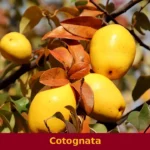
The Venosta Valley is Europe’s largest mountain apple-growing district, and Castelbello-Ciardes is a full participant in this production. The Val Venosta Apple, marketed under the VI.P consortium brand, includes varieties such as Golden Delicious, Gala, and Pinova, grown in orchards that occupy the valley floor between 500 and 900 metres above sea level. Alongside apple cultivation, the area produces Vinschger Paarl, a flat double-disc rye bread flavoured with caraway (Brotklee) and wild fennel, traditionally baked once or twice a year and kept dry for months. Viticulture, favoured by the dry climate of the Venosta Valley (less than 500 mm of annual rainfall), focuses on grape varieties such as Riesling, Pinot Bianco, and Schiava, also vinified under the Alto Adige DOC Val Venosta (Südtirol Vinschgau DOC) designation. Some wineries in the area also produce Gewürztraminer and Pinot Nero in limited quantities.
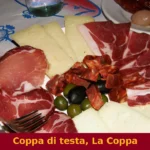
Among the traditional local dishes, Schlutzkrapfen — half-moon rye pasta parcels filled with spinach and ricotta (Topfen) — appear on the menus of nearly every restaurant in the area. Knödel (canederli) are prepared here in the version with speck and stale bread, often served in beef broth, or in the sweet variant with Venosta Valley apricots (Marillenknödel), another significant local crop. Speck Alto Adige IGP is omnipresent: cold-smoked with beechwood and juniper, aged for at least 22 weeks. Graukäse, a lean grey-paste cheese produced without added rennet and typical of the area, is often served with raw onions and vinegar, in the dish known as Graukäse con Essig und Zwiebel. In autumn, the Vinschger Markt festival in Silandro — just a few kilometres from Castelbello — brings together local producers of honey, fruit distillates (Edelbrand), and preserves.
When to visit Castelbello-Ciardes: the best time
The Venosta Valley is one of the driest areas in the Alpine arc, with approximately 500 mm of annual rainfall and over 300 days of sunshine recorded at the Silandro weather station. From April to June the apple orchards are in blossom and all the Waal paths are open: daytime temperatures range between 15 and 25 degrees. Summer, from July to August, brings the longest and warmest days — peaks above 30 degrees are not uncommon on the valley floor — but it is also the period when Juval Castle and the Messner museum are open on a continuous schedule.
Autumn, from September to November, brings the grape harvest and the apple picking: in the orchards the work is visible up close, and the wineries of the Val Venosta designation organise tastings. Törggelen, the South Tyrolean tradition of walking the paths between farmsteads to taste the new wine, roasted chestnuts, and speck, is practised in this area between October and November. Winter is dry and cold, with nighttime temperatures regularly dropping below zero; winter tourism in the area focuses more on the surrounding ski areas (Val Senales, Merano 2000) than on Castelbello itself, but clear days offer exceptional visibility towards the peaks of the Palla Bianca and the Ortles group.
How to reach Castelbello-Ciardes
By car, Castelbello-Ciardes is reached from the Brenner motorway (A22) by exiting at Bolzano Sud and continuing on the MeBo expressway (SS38) towards Merano, then on the SS38 towards the Resia Pass. The distance from Bolzano is approximately 50 km (45 minutes), from Merano approximately 25 km (20 minutes). From Innsbruck the most direct route crosses the Brenner Pass and covers approximately 140 km in just under two hours.
The Castelbello-Ciardes railway station lies on the Merano–Malles line, operated by SAD (Società Autobus Alto Adige), with trains approximately every 30 minutes during peak hours. From Merano the train journey takes about 25 minutes. The nearest airport is Bolzano (approximately 55 km), with limited connections; the international airports of Innsbruck (140 km), Verona (200 km), and Munich (330 km) offer more options. Local bus services connect Castelbello with the Senales Valley and with the scattered hamlets on the mountain side.
What to see in Castelbello-Ciardes and other villages in Trentino-Alto Adige
The Venosta Valley and the South Tyrolean territory offer a density of hill and mountain villages that allows closely spaced itineraries. Approximately 60 km to the east, on the plateau above Merano, Avelengo occupies a high plain at over 1,200 metres above sea level, with a tradition linked to the breeding of the Haflinger horse — the breed takes its name from the German version of the village, Hafling. The perspective on the landscape changes radically compared to the Venosta valley floor: open pastures instead of apple orchards, thinner air, and farmstead architecture scattered across the meadows.
In the direction of the Isarco Valley, Barbiano stretches along a south-facing slope between 400 and 1,100 metres, known for waterfalls that plunge over 200 metres down the rock face below the village. The contrast with Castelbello-Ciardes is sharp: where the Venosta Valley is wide and dry, the Isarco Valley is narrow and rainier, and the architecture reflects this difference in steeper roofs and more compact facades. Visiting the three villages in sequence allows you to cross three microclimates and three distinct agricultural landscapes within a single day’s travel.
Frequently asked questions about Castelbello-Ciardes
What is the best time to visit Castelbello-Ciardes?
April to June is ideal for walking the Waal paths among flowering apple orchards, with mild temperatures between 15 and 25°C. July and August offer the longest days and continuous opening of Juval Castle and the Messner Mountain Museum. September to November is prime season for the grape and apple harvests, with Törggelen tastings of new wine, roasted chestnuts, and speck at local farmsteads. The Venosta Valley records over 300 sunny days per year, making visits pleasant outside winter. Winter remains dry and clear but tourist activity shifts to nearby ski areas.
What are the historical origins of Castelbello-Ciardes?
Castelbello (Kastelbell) appears in written records from 1238, linked to the lords of Montalban who built the valley castle. Ciardes (Tschars) is documented even earlier, in 1164, in a bishopric of Chur deed. Both villages owed their strategic importance to their position on the route connecting the Resia Pass to Merano. The castle passed from the counts of Tyrol to the Hendl family. After Italian annexation in 1919 and the fascist-era administrative merger of 1928, the two centres were unified into a single municipality while retaining distinct village cores and over 95% German-speaking population.
What to see in Castelbello-Ciardes? Main monuments and landmarks
The five key sites are: Castelbello Castle (Schloss Kastelbell, 13th century), now a contemporary art venue with Gothic frescoes and barrel vaults — check municipal website for hours; Juval Castle (Schloss Juval, 1278), Reinhold Messner's summer residence hosting the Messner Mountain Museum, open March–November by shuttle only; the Tscharser Waal and Latschanderwaal medieval irrigation channels, open April–October; the Baroque Parish Church of Saints Peter and Paul with its 50-metre bell tower; and the signposted Via Claudia Augusta Roman road section along the Adige valley floor.
What are the main natural or scenic attractions of Castelbello-Ciardes?
The Waal paths are the defining natural experience: the Tscharser Waal (about 3 km, nearly flat) winds through apple orchards and vineyards from Ciardes, while the more dramatic Latschanderwaal crosses a rocky gorge with cliff-carved sections. Both are accessible from April to October. The territory extends from the Adige valley floor up to sunny mountain slopes, offering views toward the Palla Bianca and Ortles massifs. The Via Claudia Augusta cycling and hiking route follows the Adige riverbank through the municipality, connecting to a wider trans-Alpine itinerary.
Where to take the best photos in Castelbello-Ciardes?
Castelbello Castle, perched above the valley floor, provides the most iconic viewpoint over the Venosta Valley and the Adige corridor — best photographed from the valley road below in morning light. The Latschanderwaal gorge offers dramatic shots of the cliff-cut channel against rock faces. During April and May, the apple orchards in full blossom between 500 and 900 metres create an unbroken white-and-pink carpet visible from the slopes. Juval Castle, set at the entrance to the Senales Valley, frames well against the surrounding peaks from the shuttle approach road.
Are there museums, churches or historic buildings to visit in Castelbello-Ciardes?
Juval Castle houses the Messner Mountain Museum (Schloss Juval branch), with collections of Tibetan ritual masks, Himalayan paintings, and expedition memorabilia; open March–November, accessible only by shuttle bus from the valley car park. Castelbello Castle hosts rotating contemporary art exhibitions; opening times vary — consult the municipal website. The Parish Church of Saints Peter and Paul in Castelbello retains a gilded Baroque high altar, Tyrolean-school altarpiece, and elaborate stuccowork; open during services and at set summer hours.
What can you do in Castelbello-Ciardes? Activities and experiences
Walking or cycling the ancient Waal irrigation channels (April–October) is the signature activity, with two routes of different difficulty. Cyclists can follow the Via Claudia Augusta along the Adige, part of a marked trans-Alpine route. In autumn, Törggelen farmstead walks combine tasting of new wine, roasted chestnuts, and speck. The Messner Mountain Museum at Juval Castle offers a cultural visit with a mountain-mythology focus. Day trips reach the Senales Valley glacier (year-round skiing) and Merano's thermal baths, both within 30 minutes by car or local bus.
Who is Castelbello-Ciardes suitable for?
The village suits hikers and cyclists seeking quiet, well-marked routes with historical depth — the Waal paths and Via Claudia Augusta require no technical skill. Culture-focused travellers appreciate two medieval castles and the Messner Mountain Museum. Food and wine enthusiasts find Val Venosta DOC wineries, apple-growing estates, and authentic South Tyrolean cuisine. Families benefit from the flat valley routes and the visual drama of the castle without strenuous access. Couples looking for a low-key, bilingual Alpine setting away from mass tourism will find the dual-village character of Castelbello-Ciardes particularly appealing.
What to eat in Castelbello-Ciardes? Local products and specialties
Core specialties include: Speck Alto Adige IGP, cold-smoked and aged at least 22 weeks; Val Venosta Apple (VI.P consortium, varieties Golden, Gala, Pinova); Vinschger Paarl, flat double-disc rye bread with caraway and wild fennel; Schlutzkrapfen, half-moon rye pasta filled with spinach and ricotta; Knödel with speck or in the sweet Marillenknödel version with Venosta apricots; and Graukäse, a lean grey-paste cheese served with raw onions and vinegar. Local wines under the Alto Adige DOC Val Venosta designation include Riesling, Pinot Bianco, Schiava, and limited Gewürztraminer.
📷 Photo Gallery — Castelbello-Ciardes
Nearby Villages near Castelbello-Ciardes
In Trentino-South Tyrol More villages to discover
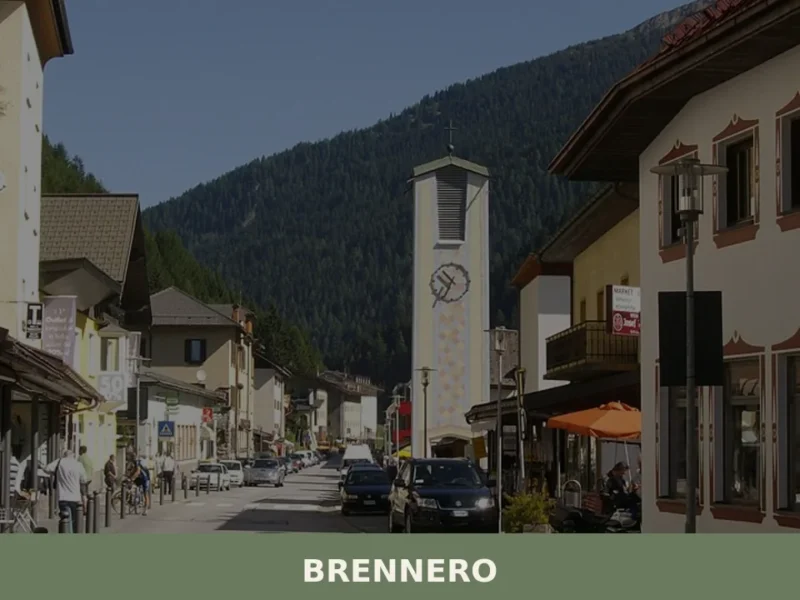
Brennero
 Mountain
The Brenner Pass, at 1,370 metres above sea level, is the lowest Alpine crossing between Italy and Austria, and this geographical circumstance has shaped every aspect of life in the village that bears its name. With 2,111 inhabitants spread across the hamlets of Brennero, Fleres, Ponticolo and Terme di Brennero, the municipality marks the northern […]
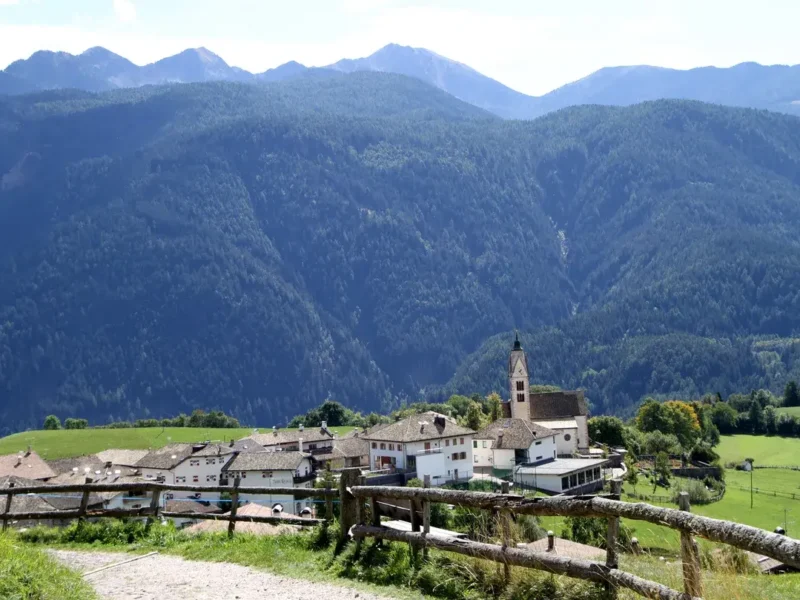
Anterivo
Mountain
In the valleys of Trentino-Alto Adige, at 1209 meters above sea level, lies Anterivo, a small mountain village with just 393 inhabitants. Here, the rhythm of life is dictated by the surrounding nature, with coniferous forests embracing wooden and stone houses, and the crisp air carrying the scent of alpine pastures. In this article History […]
Caines
Hills
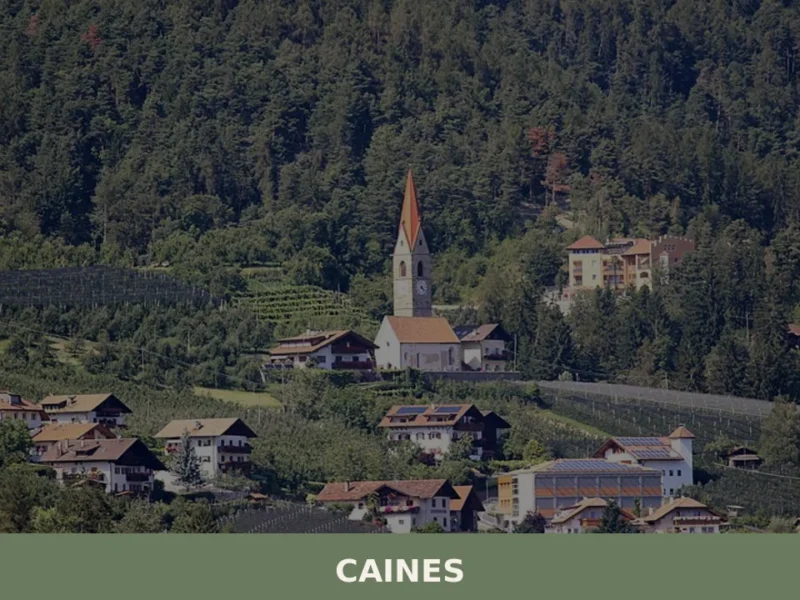
With just 398 registered inhabitants and an elevation of 592 metres above sea level, Caines — Kuens in German — is one of the smallest municipalities in the province of Bolzano. It extends across the sun-facing slope of the middle Passiria Valley, a few kilometres from Merano, on a natural terrace overlooking the confluence of […]

Trento
 Plains
What to see in Trento, a city of 119,359. Discover its Duomo, Castello del Buonconsiglio, and typical cuisine. Explore its rich Council history.
Aldeno
Mountain
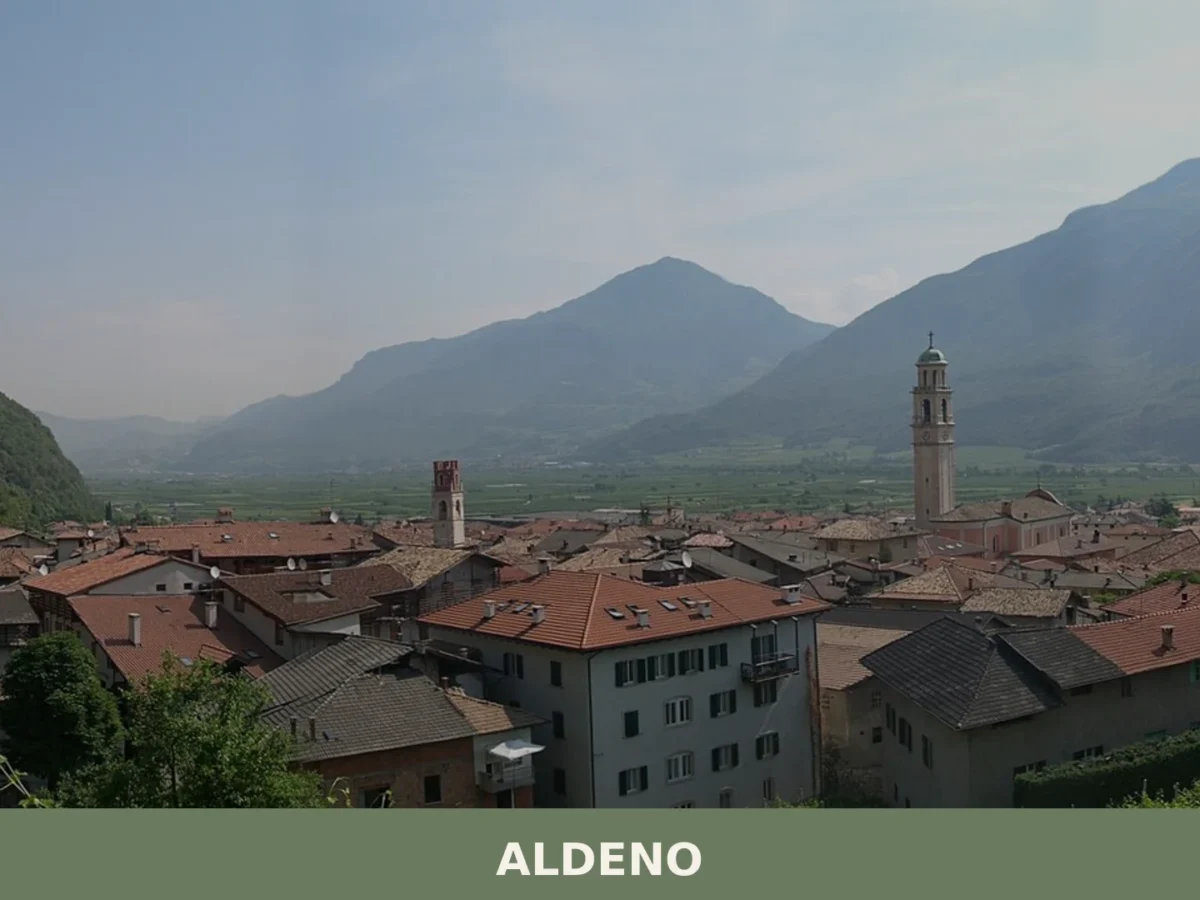
A 3,374-inhabitant comune on the Adige's bank, Aldeno blends prehistoric trade crossings with baroque churches and the memory of the Austro-Hungarian Great War command.
Avelengo
Mountain
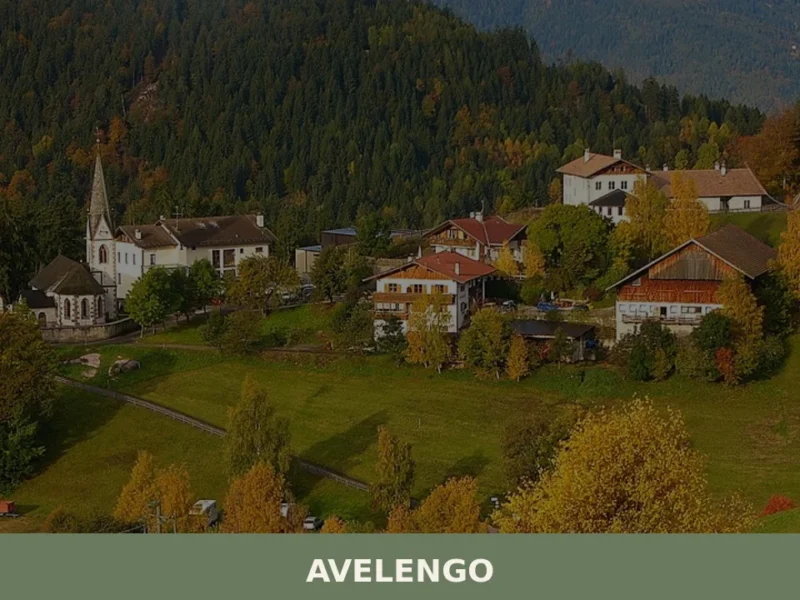
Population 816. A high-altitude comune in South Tyrol offering mountain access and traditional alpine settlement patterns without mass tourism infrastructure.
Caldaro sulla strada del vino
Hills
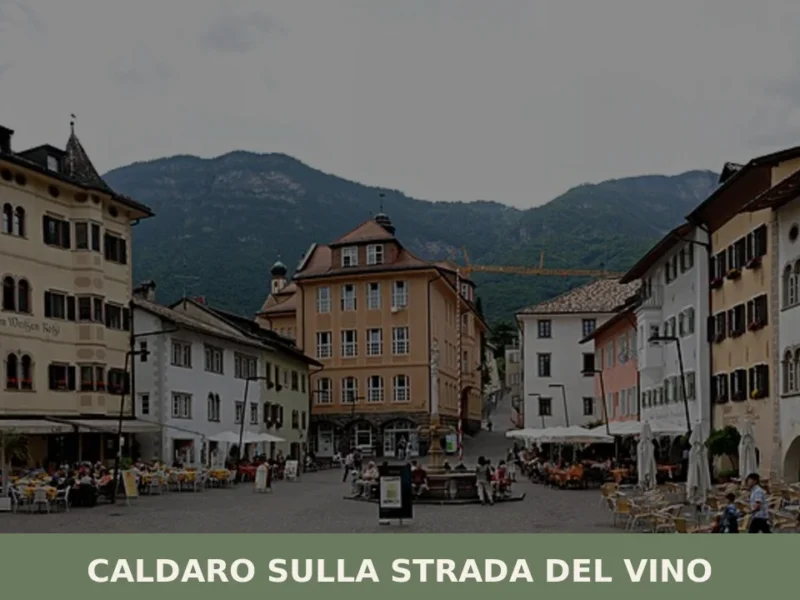
Caldaro sulla strada del vino — Kaltern an der Weinstraße in German — has 7,735 inhabitants and over 600 hectares of vineyards, the largest cultivated wine-growing area in South Tyrol. The place name itself declares the vocation of this centre in the province of Bolzano, which grew along the trade route linking the Bassa Atesina […]
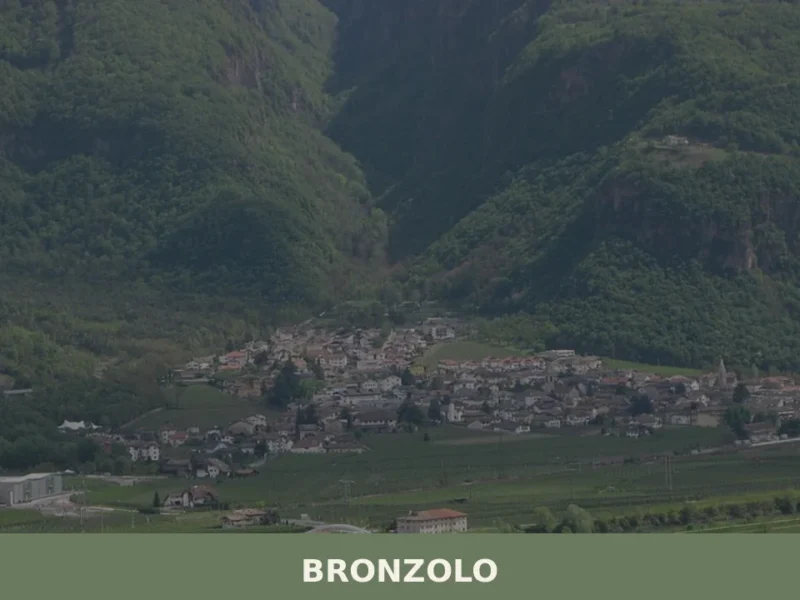
Bronzolo
Hills
Bronzolo has 2,646 inhabitants and sits at 238 metres above sea level, on the right bank of the Adige River, at the point where the Isarco Valley meets the Adige plain. The German name for the town — Branzoll — already appears in medieval documents related to the control of trade routes between the Germanic […]
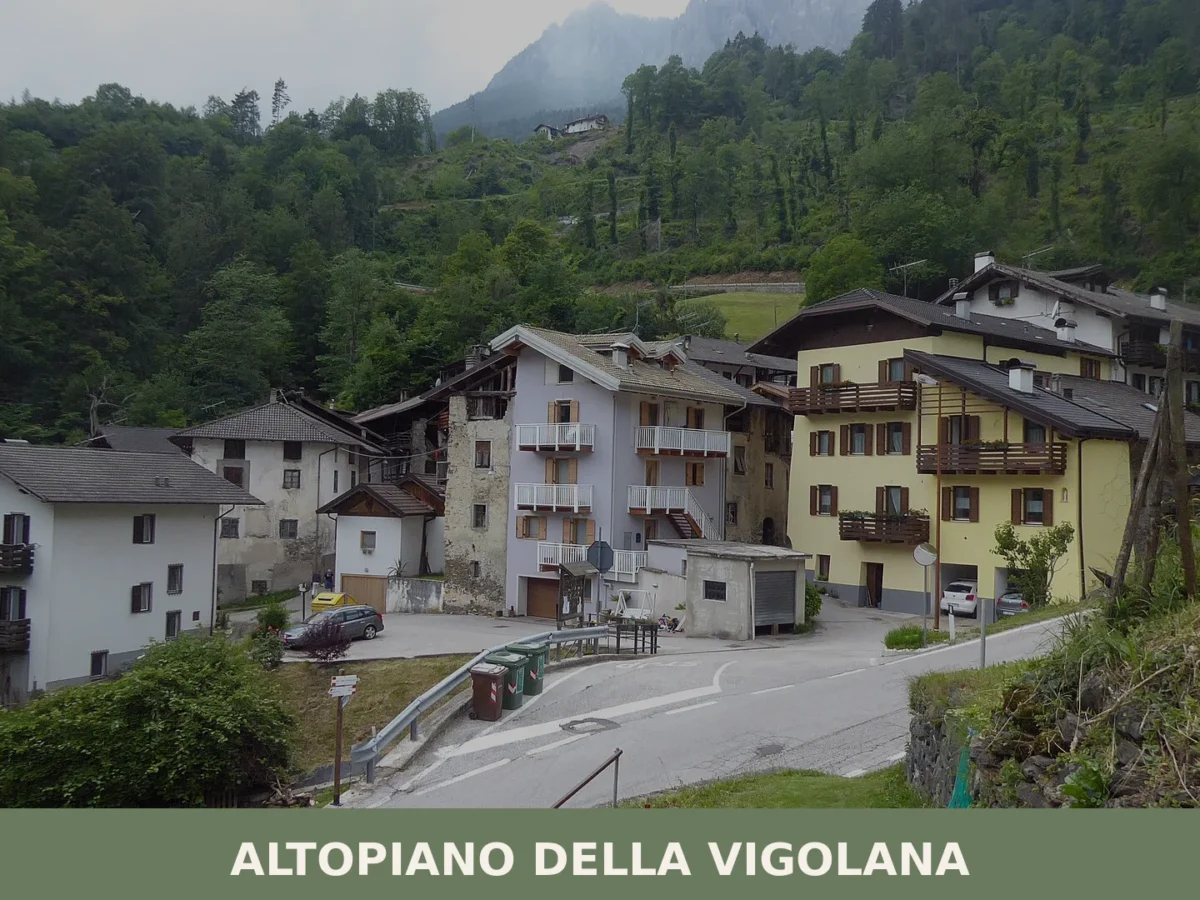
Altopiano della Vigolana
Mountain
Five thousand inhabitants spread across four frazioni at 725 metres altitude. Roman roads, medieval churches and a 2015 municipal reunification anchor this mountain village in the Upper Valsugana.
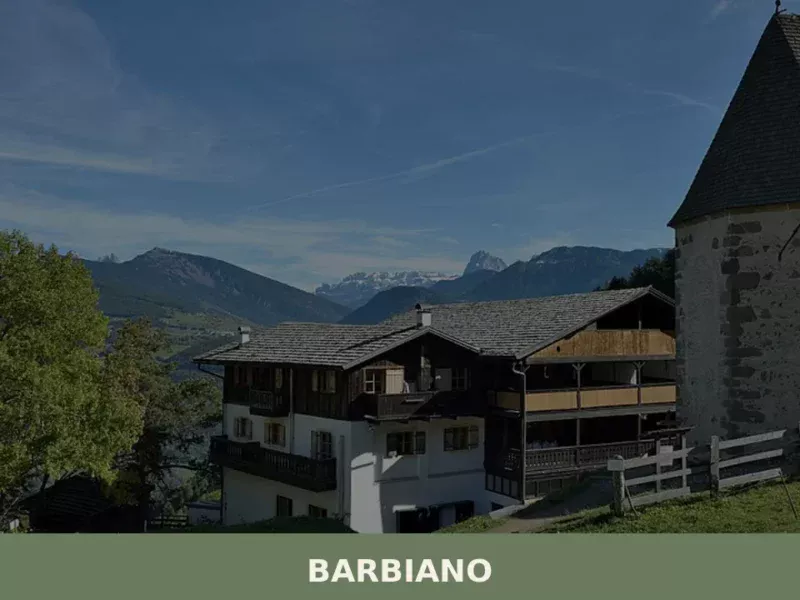
Barbiano
Mountain
Barbiano covers 25.26 square kilometres on the right-hand slope of the Isarco Valley, spread across five hamlets — Barbiano village, Colma, San Giacomo, Saubach and Dreikirchen — each with its own architectural identity and historical function. Understanding what to see in Barbiano means crossing a territory that rises from 471 metres on the valley floor […]
🏡 Know Castelbello-Ciardes better than we do?
If you’re a local or have been there, your knowledge matters: add what’s missing or fix a detail on this page.