


Belmonte in Sabina
 Mountain
What to see in Belmonte in Sabina: a hilltop village at 756 m in Rieti province with 644 residents. Explore the medieval centre, PAT guanciale and cacio fiore cheese. Plan your visit now.
Discover Belmonte in Sabina
At 756 metres above sea level, in the Sabina hills of Rieti province, Belmonte in Sabina occupies a compact limestone ridge from which the surrounding valleys spread out below.
With a population of 644, the village belongs to the province of Rieti and is one of the mountain settlements of inland Lazio that continue to resist depopulation through an active community fabric.
Those wondering what to see in Belmonte in Sabina will find a clearly legible historic centre, a documented religious heritage, and a food culture firmly rooted in the products of the Sabine hills — from guanciale to cacio fiore cheese.
History and Origins of Belmonte in Sabina
The origins of Belmonte in Sabina lie within the historical territory of the Sabina, a region that in pre-Roman times was home to the Sabine people, who were progressively absorbed by Rome from the third century BC onward.
The village’s name clearly reflects its geographical position: “belmonte” was a common term in medieval Italy referring to a hill with visual and strategic significance, while the qualifier “in Sabina” places it within the broader Sabine geographical and cultural area — distinct from the nearby Lazian Sabina associated with monastic tradition.
The name appears in medieval documentary sources in connection with the network of hillside settlements that characterised the Diocese of Rieti during the Middle Ages.
Throughout the medieval period, the territory of Belmonte in Sabina fell within the orbit of the Duchy of Spoleto before becoming subject to the ongoing conflicts between the Papacy and local secular powers that defined the entire Sabina of Rieti between the tenth and fourteenth centuries.
Like many villages in the area, Belmonte developed its urban structure around a defensive core and religious buildings that served as anchors of community life.
The noble families who controlled the Sabine castles left their mark on the property arrangements and religious architecture of the surrounding territory, although available sources do not precisely document the individual construction phases for Belmonte itself.
In the modern era, following Italian unification in 1861, Belmonte in Sabina became part of the new Italian state and was assigned to the province of Rieti.
As with much of the Lazio Apennines, the twentieth century brought waves of emigration that reduced the population from its nineteenth-century peak.
Today the municipality has 644 inhabitants and retains its own administrative identity within Rieti province, providing services for the surrounding territory and maintaining civic life organised around local traditions, including the patron saint’s festival dedicated to Maria SS. della Croce.
What to See in Belmonte in Sabina: Main Attractions
Church of Maria SS. della Croce
The village’s principal place of worship is dedicated to Maria SS. della Croce, the patron saint celebrated each year on 10 September.
The church serves as the religious and social focal point of Belmonte in Sabina — the central venue for liturgical celebrations and for the processions that accompany the patron saint’s festival.
Set within the dense fabric of the historic centre, the building contains decorative elements and sacred furnishings that reflect the depth of local devotion built up over the centuries.
A visit to the interior offers the opportunity to observe the architectural structure and the religious artworks the community has preserved over time.
Historic Centre and Medieval Core
The historic centre of Belmonte in Sabina runs along the hilltop ridge at 756 metres, with a compact urban layout that reflects the medieval settlement patterns typical of Sabine villages.
The local stone houses press close together, following the contours of the terrain and creating a network of internal pathways well worth exploring on foot at a relaxed pace. Visitors can observe carved stone doorways, stairways, arches and courtyards that form a coherent whole.
The altitude also ensures excellent visibility across the surrounding landscape of the Sabina Reatina.
Views over the Sabina Reatina
From its elevated position at 756 metres above sea level, the village offers a broad view over the Sabina Reatina, with the Apennine ridges forming the backdrop and the agricultural valleys in the foreground.
It is worth climbing to the highest points of the village to take in the full sweep of the landscape, which extends across the inland plateaus of northern Lazio toward Rieti.
This viewpoint is one of the features that make Belmonte in Sabina a worthwhile stop for those travelling along the secondary roads of the Sabina — routes that tend to be overlooked by mainstream tourist circuits.
Minor Religious Architecture
Beyond the main church, the municipal territory of Belmonte in Sabina includes rural chapels and votive shrines scattered across the surrounding agricultural and woodland landscape.
These small sacred buildings, found throughout the Sabina Reatina, are often positioned at rural crossroads or on the edges of hamlets, and they document a widespread devotional practice.
Exploring them on foot or by bicycle allows visitors to read the territory in depth, understanding how the local community organised sacred space around the main village over the course of the centuries.
Natural Landscape of the Monti Sabini
The municipal territory of Belmonte in Sabina extends across the Monti Sabini, a system of hills and mountains forming part of the Lazio-Umbria Apennines.
The landscape alternates between oak and hornbeam woodland, open pasture and terraced farmland, with plant biodiversity that shifts noticeably with the seasons.
In autumn the foliage transforms the surrounding countryside, while in spring the flowering meadows make hiking routes particularly popular.
Those who enjoy trekking or mountain biking will find low-traffic trails in this area, well connected to the broader footpath network of Rieti province.
Traditional Food and Local Products of Belmonte in Sabina
The cuisine of the Sabina Reatina, of which Belmonte in Sabina forms a part, is a mountain cuisine built on the preservation and transformation of local ingredients.
The relative isolation of these villages encouraged the development of techniques for curing meats, making cheeses and preparing pulses — all of which today constitute a recognisable gastronomic tradition. The historical influence of transhumance, which connected the high-altitude pastures of the Sabina with the coastal plains of Lazio and Abruzzo, helped circulate food practices and products across different geographical areas.
Homemade pasta, lamb and pork main courses, aged cheeses and artisan cured meats form the backbone of the local table.
Among the most representative dishes of the area are pulse soups — beans, lentils, chickpeas — cooked with local aromatic herbs and Sabine extra-virgin olive oil, a central ingredient in this cuisine.
Hand-rolled egg pasta, cut into different formats depending on family tradition, is often served with lamb ragù or tomato sauce made with guanciale.
Guanciale itself plays a central role in local gastronomy: the cured pork cheek, seasoned and aged with pepper and spices, gives pasta sauces an intense depth of flavour. Pork processed according to the traditional butchery methods of Lazio produces well-aged cured meats that are eaten as a starter or as part of more elaborate dishes.
Three products of particular note are recognised as Traditional Agri-food Products (PAT) associated with this area.
Cacio fiore (PAT) — produced in Belmonte in Sabina and throughout the Sabina Reatina — is a fresh, soft cheese made using vegetable rennet extracted from the flowers of thistle or wild artichoke, an ancient technique that produces a delicate, slightly acidic flavour.
Guanciale (PAT) — produced in Belmonte in Sabina and other municipalities of Rieti province — is the cured meat obtained from the pig’s cheek, aged with salt, black pepper and local aromatic spices.
Guanciale amatriciano (PAT) — produced in Amatrice, Accumoli, Belmonte in Sabina and neighbouring municipalities of Rieti province — is the specific variant from the Amatrice area, with organoleptic characteristics tied to the high-altitude microclimate and the pig breeds traditionally raised in this section of the Apennines.
For those who want to buy these products directly, local markets and small artisan producers are the most straightforward option.
Autumn is the most active period for artisan food production, when pigs are processed and cured meats are prepared.
Several festivals in the Rieti area, held between September and November, offer the chance to taste local products in a festive setting and to meet producers in person.
The period around the patron saint’s festival on 10 September, in particular, brings a series of events to the village that include moments dedicated to local food culture.
Festivals, Events and Traditions of Belmonte in Sabina
The most important event in the civic and religious calendar of Belmonte in Sabina is the festival dedicated to the patron saint Maria SS.
della Croce, celebrated every year on 10 September. The occasion brings the entire village community together for liturgical celebrations in the main church, processions through the streets of the historic centre, and communal gatherings that also draw back residents who left in previous decades.
In mountain villages of this type, the patron saint’s festival serves a social cohesion function that extends beyond its religious significance: it is the moment when collective identity is renewed and passed on to younger generations through established rites and community practices.
The local traditions calendar fits into the broader pattern of festivals across the Sabina Reatina, an area that maintains a close connection with agricultural cycles and with the Catholic liturgical calendar.
The celebrations associated with the end of summer and the beginning of autumn — a period that coincides with the 10 September patron saint’s festival — fall at a time of year when the village sees more visitors from nearby areas and from Rome and Rieti province.
Those who plan a visit during this period can attend the celebrations and observe traditions that the community continues to practise.
When to Visit Belmonte in Sabina and How to Get There
The best time to visit Belmonte in Sabina runs from late spring through to autumn, with two distinct periods of interest.
In spring, between April and June, the landscape of the Monti Sabini is green and the hiking routes are accessible at comfortable temperatures.
In autumn, between September and October, the combination of the 10 September patron saint’s festival, the woodland colours and the food-production activity linked to pork curing makes this a particularly rewarding period.
Summer, thanks to the altitude of 756 metres, brings cooler temperatures than the Lazio lowlands, making the village a practical destination for those looking to escape the heat of the capital. For up-to-date information on events and municipal services, you can consult the official website of the Municipality of Belmonte in Sabina.
By car, the most direct route from Rome follows the A24 Rome–L’Aquila motorway to the Carsoli exit, or the Via Salaria (SS4) toward Rieti, which runs through the heart of the Sabina and allows you to reach the village via mountain provincial roads.
The distance from Rome is approximately 80–90 kilometres.
The nearest railway station is Rieti, served by a regional line; from Rieti you continue by car or local connections. Travellers arriving by air can use Rome Fiumicino Airport, about 130 kilometres away, or Rome Ciampino Airport, at a similar distance.
In both cases, hiring a car is the most practical way to reach the inland villages of the Sabina.
Other Villages to Explore in Lazio
Those who have visited Belmonte in Sabina and want to explore more of inland Lazio can look to other historic centres in the region, each with its own distinct character.
Accumoli, also in Rieti province and situated at high Apennine altitude, shares with Belmonte its mountain tradition and its connection to Lazio cured-meat production, including guanciale amatriciano.
Moving toward the Tuscia, Gradoli offers a completely different context on the shores of Lake Bolsena, with a history tied to the Farnese family and a food tradition centred on freshwater fish and volcanic wines.
For those drawn to the cliff-top villages of Lazio, Calcata, in the Valle del Treja in Viterbo province, is a singular example of a settlement built on a tufa spur surrounded by a regional natural park.
Finally, Villa San Giovanni in Tuscia, in the Viterbo area, is an example of a small rural municipality that has preserved its historic centre and kept the agricultural traditions of the Tuscia alive. These four villages, together with Belmonte in Sabina, form a varied itinerary across the different identities of rural Lazio — a useful framework for anyone planning a multi-day route away from mass tourism circuits.
Frequently asked questions about Belmonte in Sabina
What is the best time to visit Belmonte in Sabina?
Spring (April–June) is ideal for hiking the Monti Sabini, when flowering meadows and mild temperatures make the trails particularly enjoyable. Autumn (September–October) is the richest period overall: on 10 September the village celebrates its patron saint Maria SS. della Croce, with processions, liturgical events and communal gatherings in the historic centre, followed by the peak season for artisan food production — cured meats, cheeses and local harvests. Summer offers cool temperatures at 756 metres, making Belmonte a pleasant escape from the heat of the Lazio lowlands.
What to see in Belmonte in Sabina? Main monuments and landmarks
The Church of Maria SS. della Croce is the village's principal monument, housing sacred furnishings and decorative elements reflecting centuries of local devotion — visit the interior to observe the architecture and religious artworks. The compact medieval historic centre runs along the hilltop ridge and rewards a slow walk on foot: look for carved stone doorways, arches, stairways and courtyards. The rural territory also contains scattered votive shrines and chapels, best explored on foot or by bicycle. No admission fees apply to public areas of the village.
What are the main natural or scenic attractions of Belmonte in Sabina?
The municipal territory extends across the Monti Sabini, part of the Lazio-Umbria Apennines, with a landscape alternating between oak and hornbeam woodland, open pasture and terraced farmland. Low-traffic trails connect to the wider footpath network of Rieti province, suitable for trekking and mountain biking. The plant biodiversity shifts noticeably with the seasons: autumn foliage transforms the hillsides, while spring brings flowering meadows. The area forms part of the broader Sabina Reatina landscape corridor, well connected to other inland Lazio destinations.
Where to take the best photos in Belmonte in Sabina?
The highest points of the hilltop ridge at 756 metres offer the most sweeping views: the Apennine ridges form the backdrop, with agricultural valleys and the inland plateaus of northern Lazio stretching toward Rieti in the foreground. The dense stone fabric of the medieval centre — with its arched passageways, carved doorways and tightly packed houses following the contours of the limestone ridge — provides excellent architectural subjects. Early morning light and autumn foliage season (October) give the surrounding Sabina Reatina landscape its most photogenic quality.
Are there churches or historic buildings to visit in Belmonte in Sabina?
The main religious building is the Church of Maria SS. della Croce, dedicated to the village's patron saint and set within the historic centre. It is the focal point for the annual patron saint's festival on 10 September and contains sacred furnishings and artworks accumulated over the centuries. Beyond the main church, rural chapels and votive shrines are distributed across the municipal territory at crossroads and on the edges of the surrounding hamlets, documenting the widespread devotional culture of the Sabina Reatina. No specific opening hours or admission fees are documented for these sites.
What can you do in Belmonte in Sabina? Activities and experiences
Outdoor activities centre on trekking and mountain biking along low-traffic trails through the Monti Sabini, with connections to the broader footpath network of Rieti province. The historic centre is best explored on a slow walking visit. Food and wine experiences focus on local artisan producers of guanciale, guanciale amatriciano and cacio fiore cheese; autumn is the most active period for direct purchases. The patron saint's festival on 10 September includes communal events with moments dedicated to local food culture, offering a combined cultural and gastronomic experience.
Who is Belmonte in Sabina suitable for? Families, couples, hikers, solo travelers?
Belmonte in Sabina suits hikers and outdoor enthusiasts looking for low-traffic trails through the Monti Sabini with genuine Apennine scenery. Its compact, walkable historic centre and elevated viewpoints make it a rewarding stop for couples and slow-travel visitors exploring inland Lazio off the mainstream tourist circuits. Food tourism travellers with an interest in PAT-recognised products — cacio fiore, guanciale and guanciale amatriciano — will find authentic artisan production in the area. The patron saint's festival on 10 September adds a cultural dimension particularly suited to visitors interested in living village traditions.
What to eat in Belmonte in Sabina? Local products and specialties
Three Traditional Agri-food Products (PAT) are documented for Belmonte in Sabina: cacio fiore, a soft fresh cheese made with vegetable rennet from thistle or wild artichoke flowers, with a delicate and slightly acidic flavour; guanciale, cured pork cheek aged with salt, black pepper and local spices; and guanciale amatriciano, the high-altitude variant linked to the Amatrice area microclimate. On the table, expect pulse soups with Sabine extra-virgin olive oil, hand-rolled egg pasta with lamb ragù or guanciale-based tomato sauce, and aged cured meats served as starters.
Nearby Villages near Belmonte in Sabina
In Lazio More villages to discover
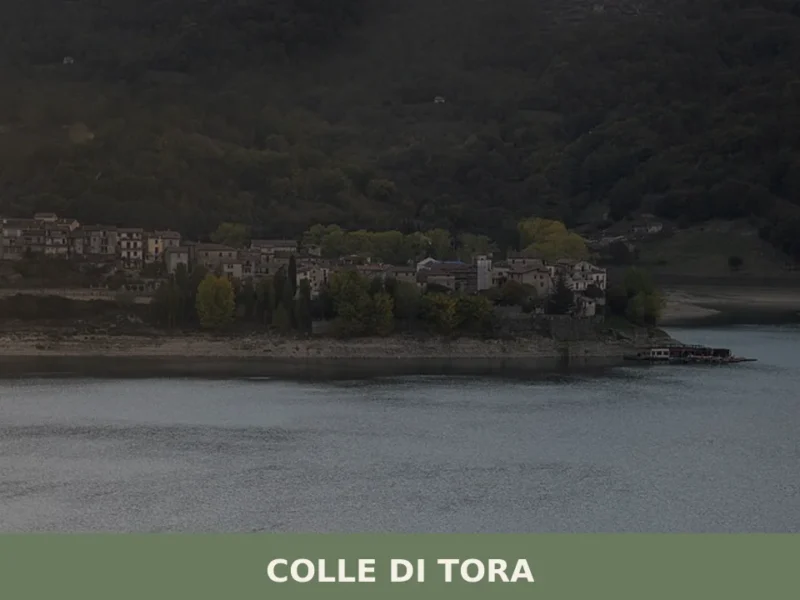
Colle di Tora
 Hills
Hills
 Lake
Lake
What to see in Colle di Tora: a village at 542 m on Lake Turano with 381 residents, a medieval centre and 3 PAT-certified products. Plan your visit today.
Arlena di Castro
Hills
With its 839 registered inhabitants and an elevation of 260 metres above sea level, Arlena di Castro occupies a tuff plateau in the Tuscia area of the Viterbo province, just a few kilometres from the border with the Lazio Maremma. The municipal territory preserves traces of Etruscan presence documented by necropolises and ceramic materials found […]
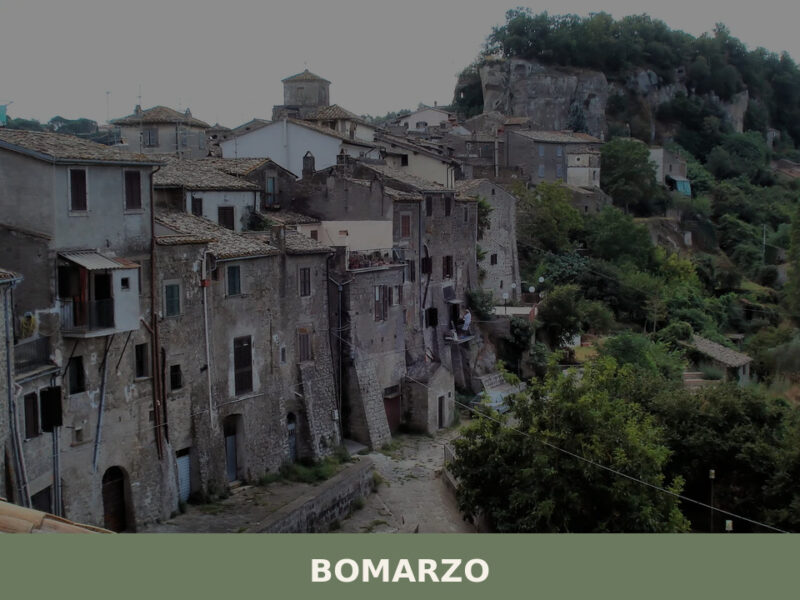
Bomarzo
Hills
Population 1,679. Visit for the Parco dei Mostri and the village's unadorned religious and domestic architecture rooted in the Cimini landscape.
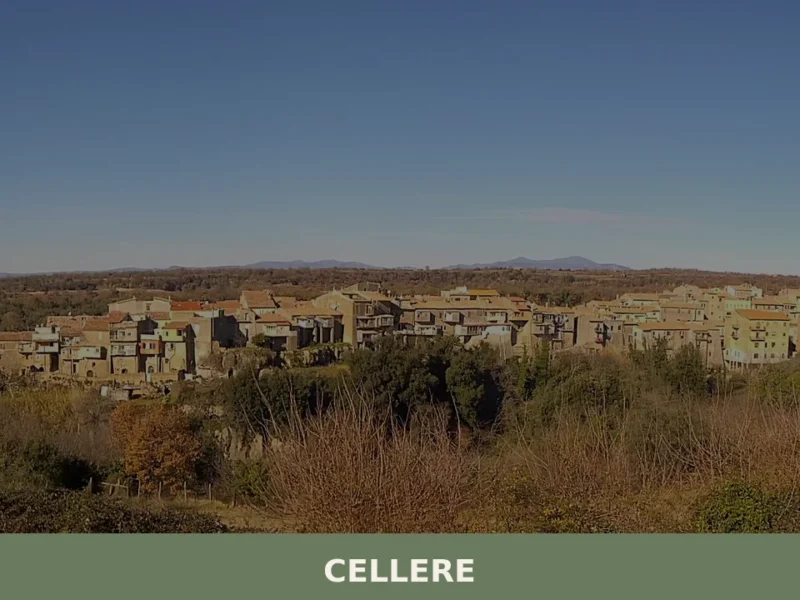
Cellere
Hills
what to see in cellere, Italy. Explore this Viterbo province village, 344 m high. Discover the Church of Sant'Egidio and local traditions. Read our guide!
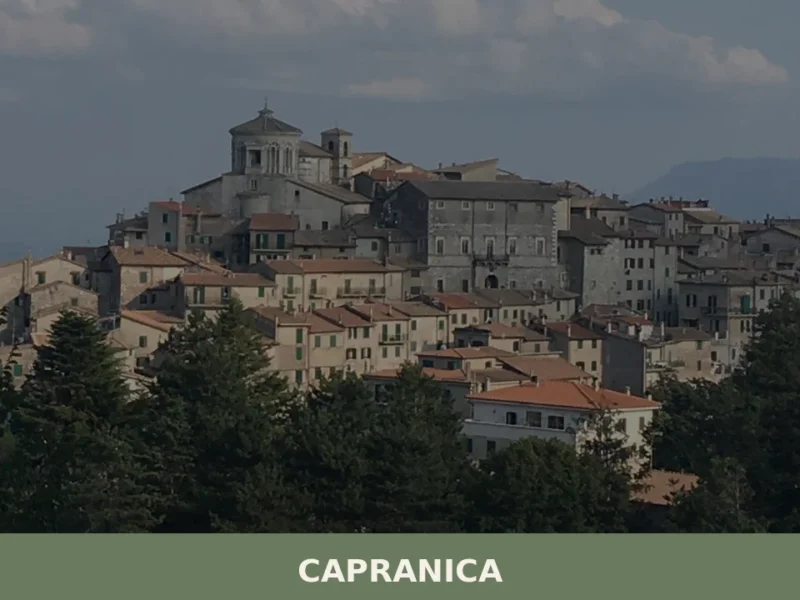
Capranica
Hills
Capranica, a Lazio village between history and nature: discover what to see, how to get there and the top places to visit. Plan your trip with this guide.
Broccostella
Hills
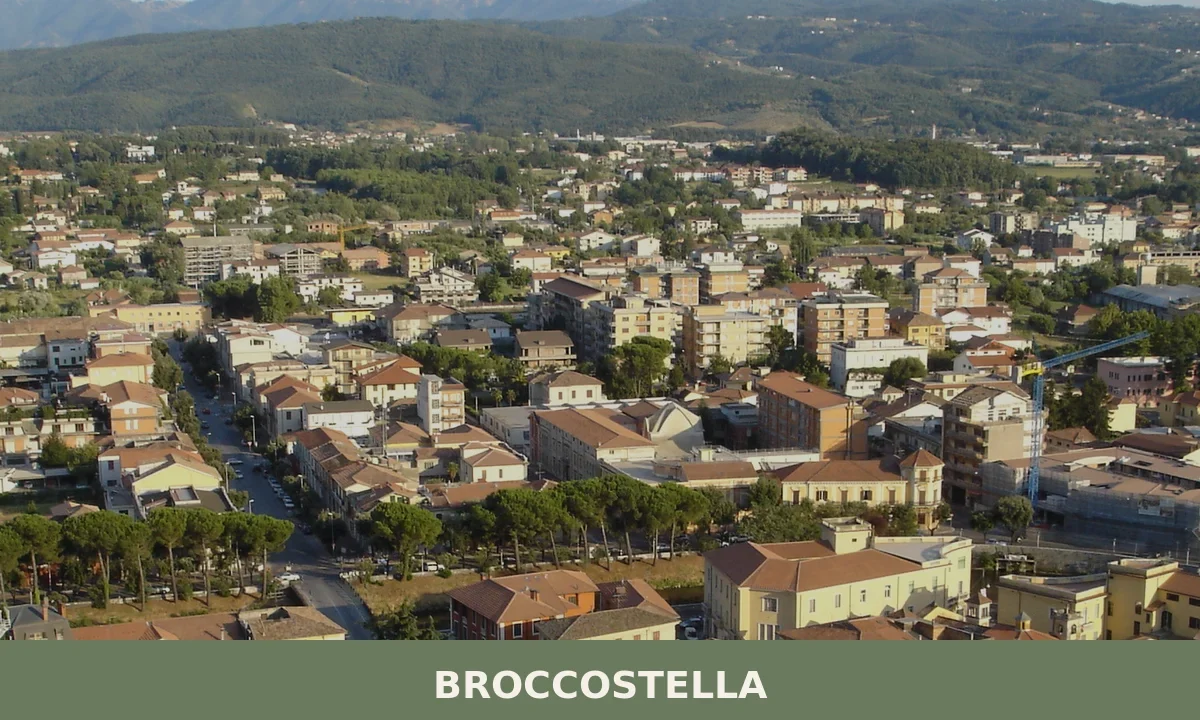
What to see in Broccostella, Lazio, Italy: 100 km from Rome, Lady Gaga connections, Apennine landscapes. Discover top attractions, food and travel tips.
Borgo Velino
Hills
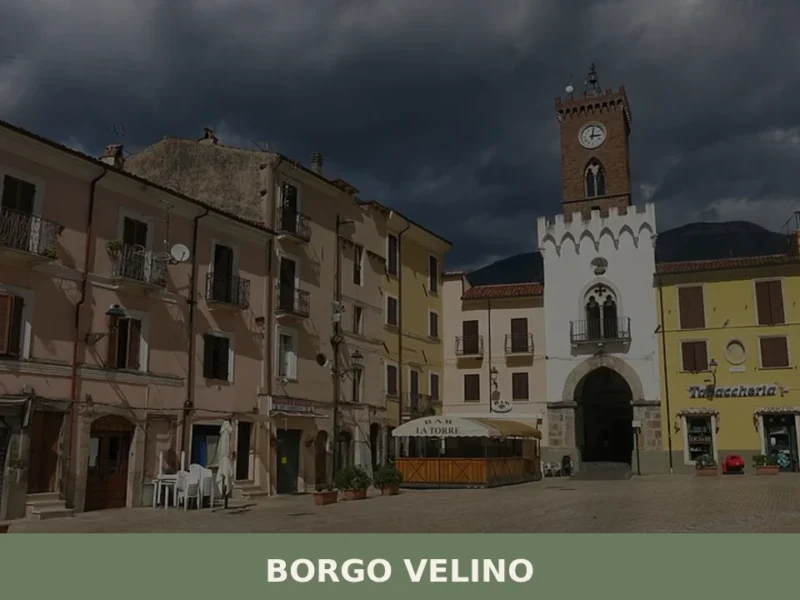
What to see in Borgo Velino: discover 5 key attractions in this village of 996 inhabitants at 460m. Explore Palazzo Brancaleoni and taste Cacio fiore. Plan your visit now.
Castel di Tora
Lake
Mountain
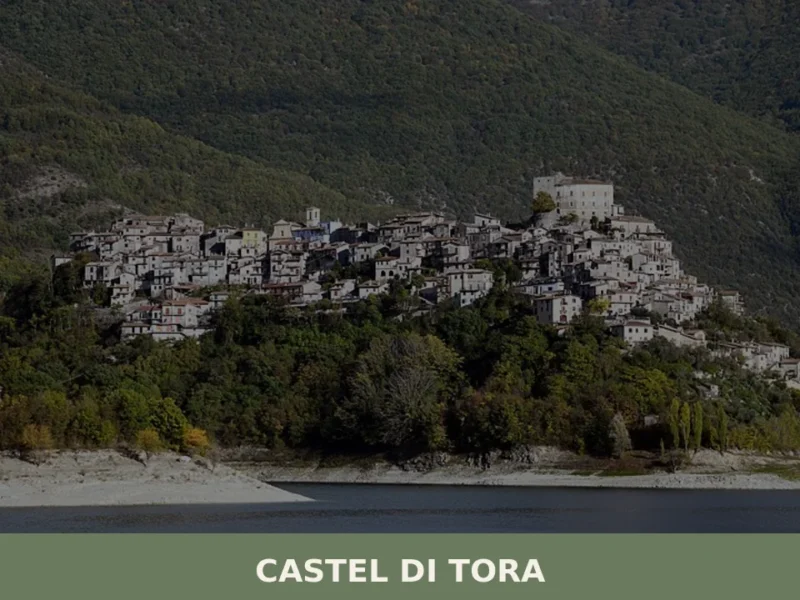
What to see in Castel di Tora: medieval village at 607 m above Lago del Salto, 292 residents, 3 PAT-certified products. Plan your visit with our complete guide.
Civitella d’Agliano
Hills
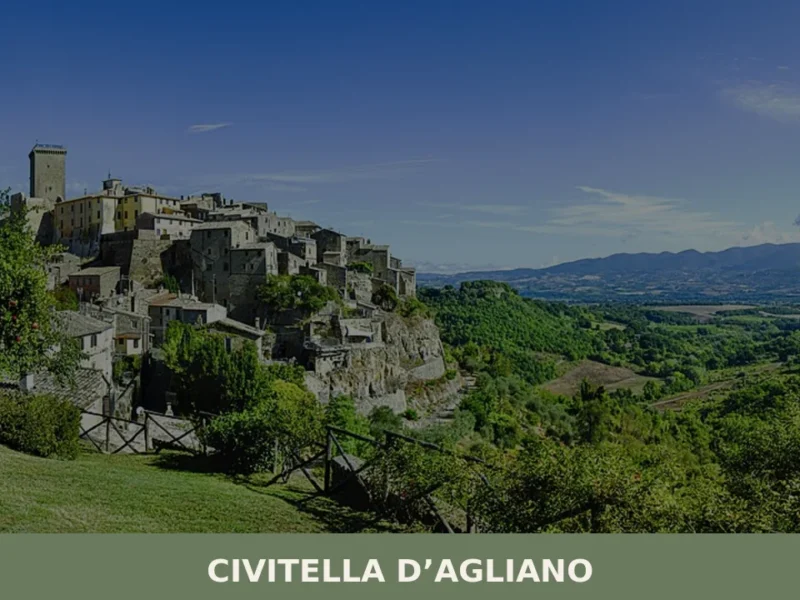
What to See in Civitella d'Agliano: Tower, Castle, Festival. Discover the historic attractions of the village! Experience culture and flavors.
Agosta
Hills
A block of tuff rock rises above the Aniene valley in the Monti Simbruini area, and on its crown sits a tight cluster of stone buildings at 382 m (1,253 ft) above sea level. The Arch of the Cardinal still stands near the point where a bridge once crossed the Aniene river, its masonry dated […]



🏡 Know Belmonte in Sabina better than we do?
If you’re a local or have been there, your knowledge matters: add what’s missing or fix a detail on this page.