


Albiano d’Ivrea
 Hills
Hills
what to see ad Albiano d’Ivrea: con 1.628 abitanti, esplora la Chiesa Parrocchiale e i resti del ricetto medievale. Pianifica il tuo viaggio ora!
Discover Albiano d’Ivrea
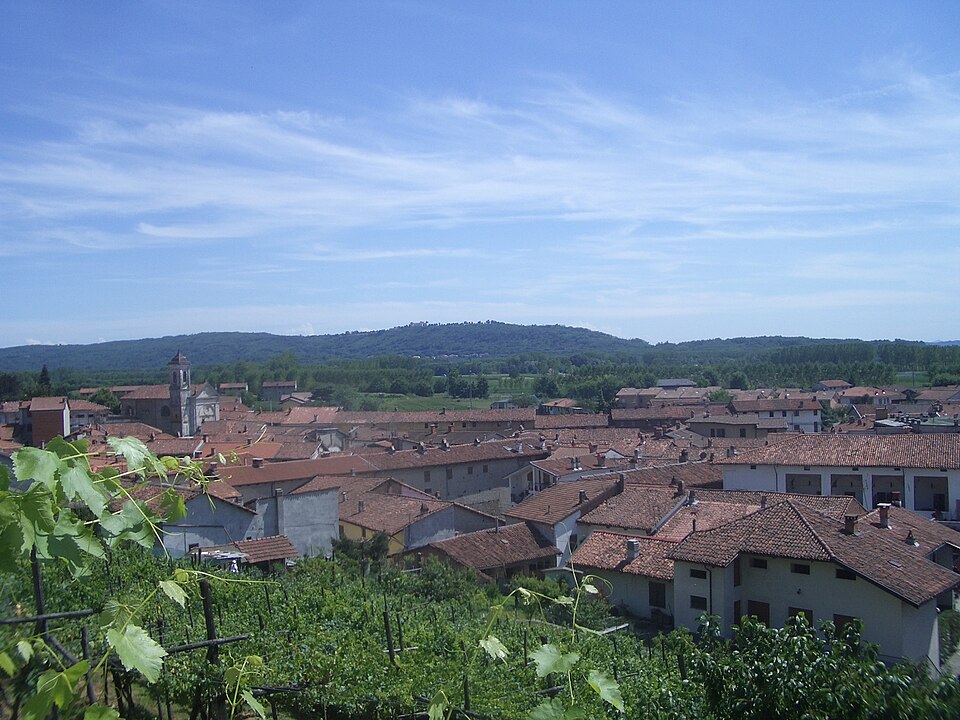
With its 1,628 inhabitants, Albiano d’Ivrea presents itself as a discreet village in the heart of Canavese, where stone and light plaster houses are arranged along quiet streets. At 230 meters above sea level, the surrounding landscape is typical of the Piedmontese plain, interrupted by cultivated fields and groves that follow the course of ancient irrigation canals that shape its territory.
This settlement, while not among the largest, preserves an authentic atmosphere, far from the most beaten tourist routes, inviting the discovery of unexpected corners.
For those wondering what to see in Albiano d’Ivrea, the village offers an itinerary that touches upon points of historical and architectural interest, bearing witness to a long tradition.
With a population of 1,628 inhabitants, exploration can include the Parish Church dedicated to San Martino di Tours and the remains of the ancient ricetto, offering an authentic overview of local life.
Visitors to Albiano d’Ivrea will find a context rich in history and views that invite a contemplative stop, making the trip an experience of discovering the most genuine Piedmont.
History and Origins of Albiano d’Ivrea
The roots of Albiano d’Ivrea are deeply embedded in a past closely linked to the history of Canavese and nearby Ivrea, a territory already frequented in Roman times, as evidenced by some archaeological finds in the surrounding area.
The toponym “Albiano” could derive from the Latin personal name “Albius” or “Albanius”, indicating an ancient land ownership or a settlement that arose on clear lands, typical of the plain.
This suggests a continuous habitation that extends for many centuries, shaping the identity of the village through the ages.
During the Middle Ages, like many centers in the region, Albiano d’Ivrea developed around a defensive core, probably a castle or a ricetto, essential for protection from incursions and feudal disputes that characterized Piedmont between the 10th and 14th centuries.
Its strategic position, a few kilometers from Ivrea, made it an integral part of the events involving local lords and great noble families, such as the Counts of Biandrate or the Marquises of Monferrato, who exercised their influence over the territory.
In this context, Albiano d’Ivrea shares many historical dynamics with nearby villages like Almese, also a witness to the complex feudal plots that marked the region.
Over the centuries, Albiano d’Ivrea entered the orbit of the House of Savoy, following the fortunes of the Duchy and then Kingdom of Sardinia, and finally the Kingdom of Italy.
The village’s economy, situated at 230 meters above sea level, has always been predominantly agricultural, exploiting the fertility of the plain and the presence of watercourses for irrigation. The population, which today numbers 1,628 inhabitants, has maintained a strong connection with rural traditions, while adapting to the social and economic changes of the modern age, preserving its physiognomy as an agricultural and residential center.
What to see in Albiano d’Ivrea: main attractions
Parish Church of San Martino di Tours
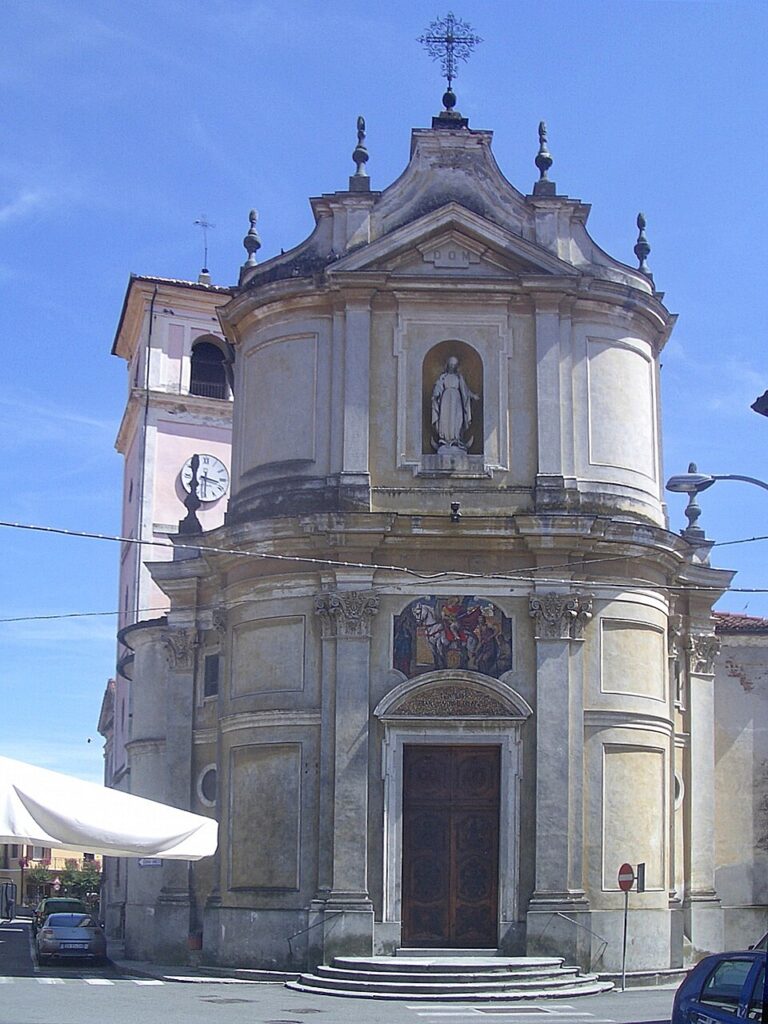
The Parish Church of San Martino di Tours stands out for its exposed brick facade, which reveals the layers of architectural interventions that have succeeded one another over time.
Dedicated to the patron saint, whose feast is celebrated on November 11th, the original building may date back to the 10th century, although it underwent significant alterations, particularly in the 18th century, which gave it its current appearance.
Inside, visitors can observe the decorated naves and the high altar, which forms the focal point of the temple’s liturgical and artistic life, with sculptural and pictorial details typical of Piedmontese sacred art of the era.
The church’s structure, with its bell tower rising above the village skyline, represents a visual and spiritual landmark for the community.
The interiors house minor artworks and sacred furnishings that recount local devotion and stylistic evolution through the centuries. For those wishing to delve deeper into the religious and historical aspect of what to see in Albiano d’Ivrea, a visit to this church offers a significant insight.
Opening hours for religious functions are generally available on the official parish website or displayed at the entrance.
The Remains of the Castle and the Medieval Ricetto
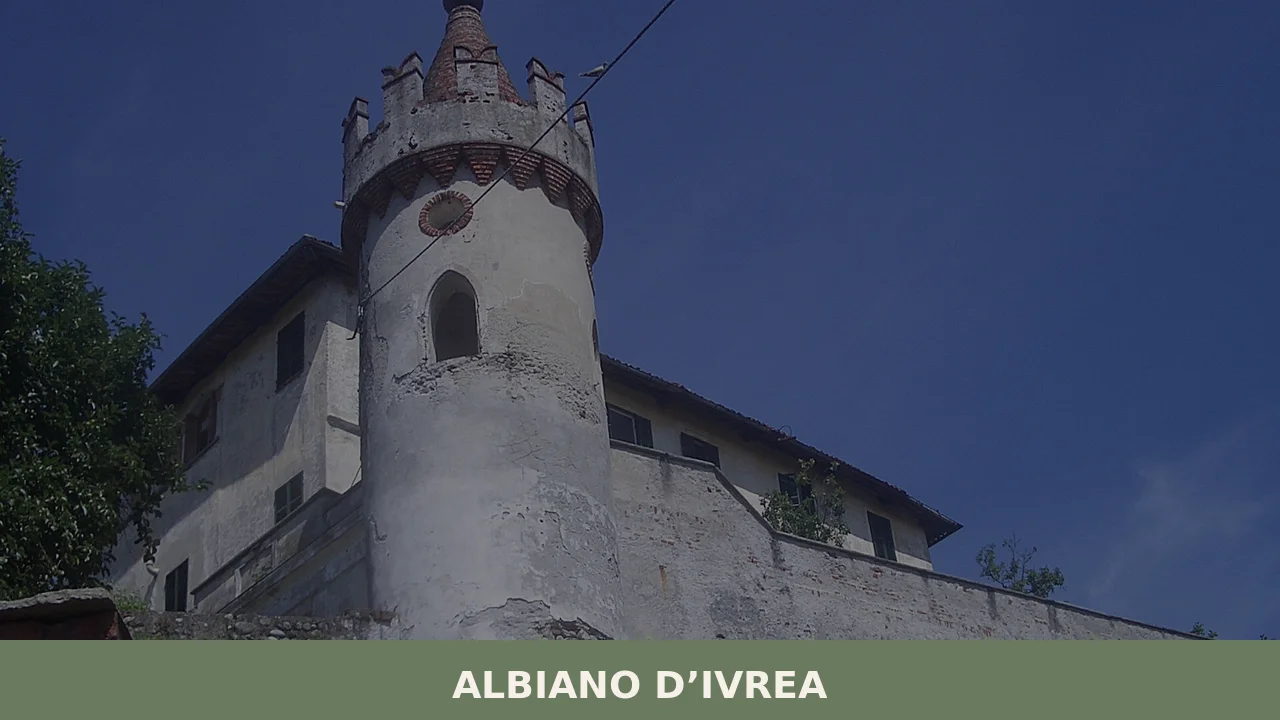
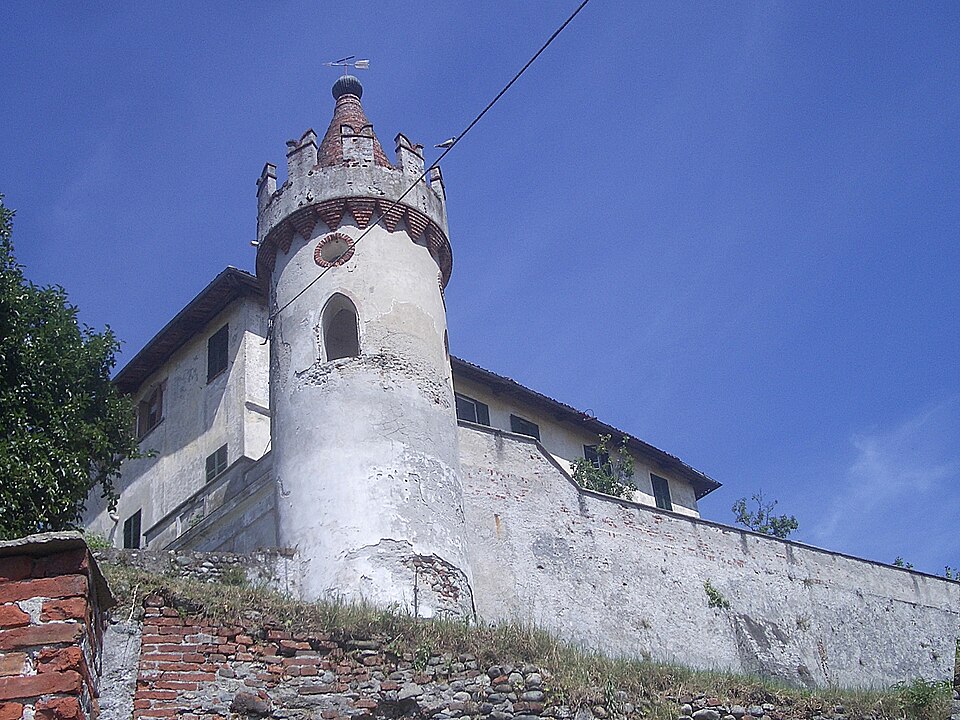
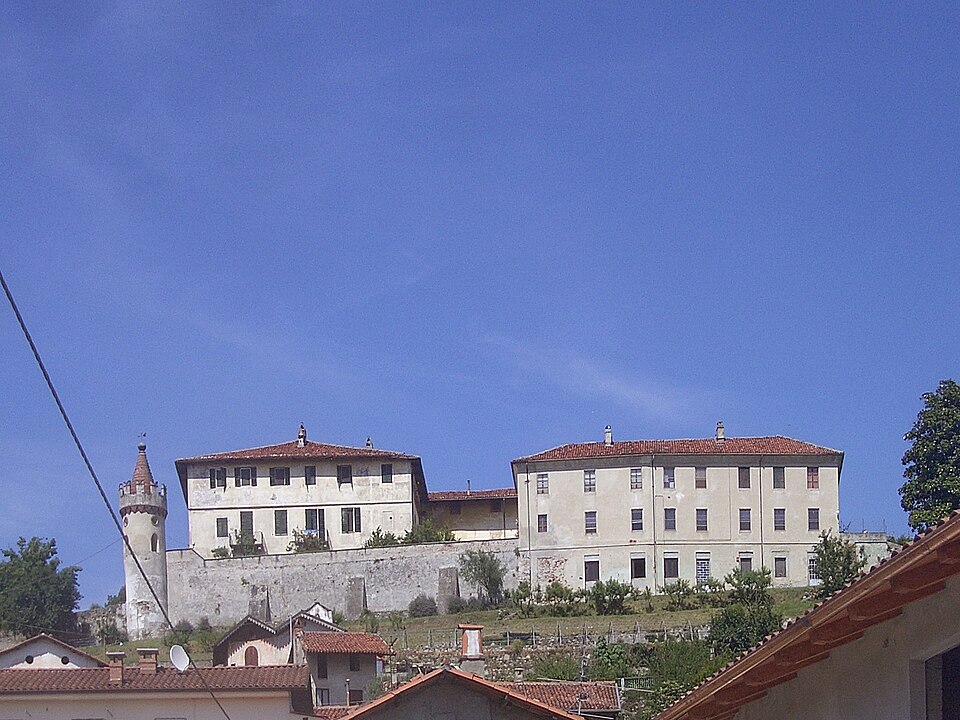
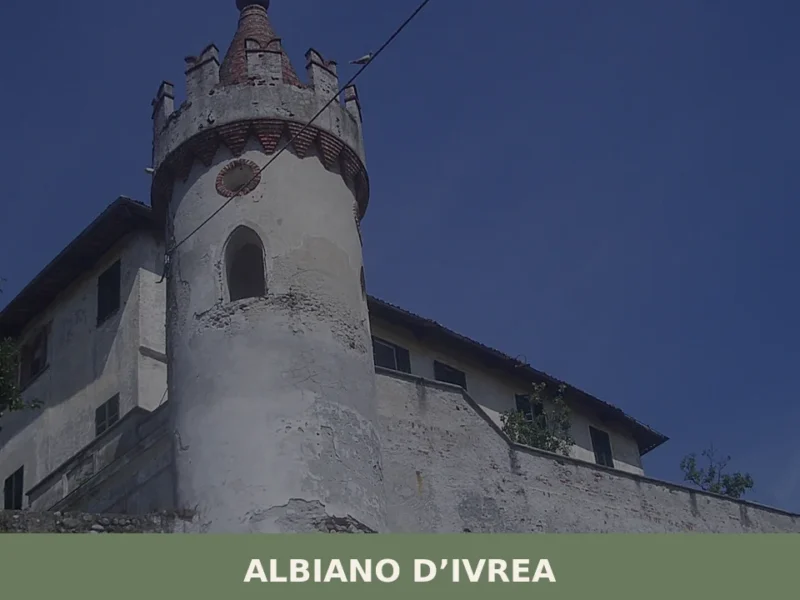
The remains of the Castle and the Medieval Ricetto of Albiano d’Ivrea appear today as fragments of stone perimeter walls and some traces of a watchtower, testament to the village’s ancient defensive function.
The construction of these fortifications probably dates back to the 12th century, a period when the need to protect the population and agricultural assets from incursions was paramount. The ricetto, in particular, was a fortified area where inhabitants could take refuge in case of danger, a common urban model in the Canavese region.
Walking among these ruins, visitors can imagine the life that unfolded within the walls, observing how the structure integrates with the current urban fabric.
The elevated position, though modest given its altitude of 230 m above sea level, historically offered visual control over the surrounding plain, a fundamental strategic element.
Access to this area is generally free, with well-marked paths that allow visitors to explore the surroundings and enjoy a different perspective on the village and cultivated fields, offering an immersive experience in local history.
The Town Hall
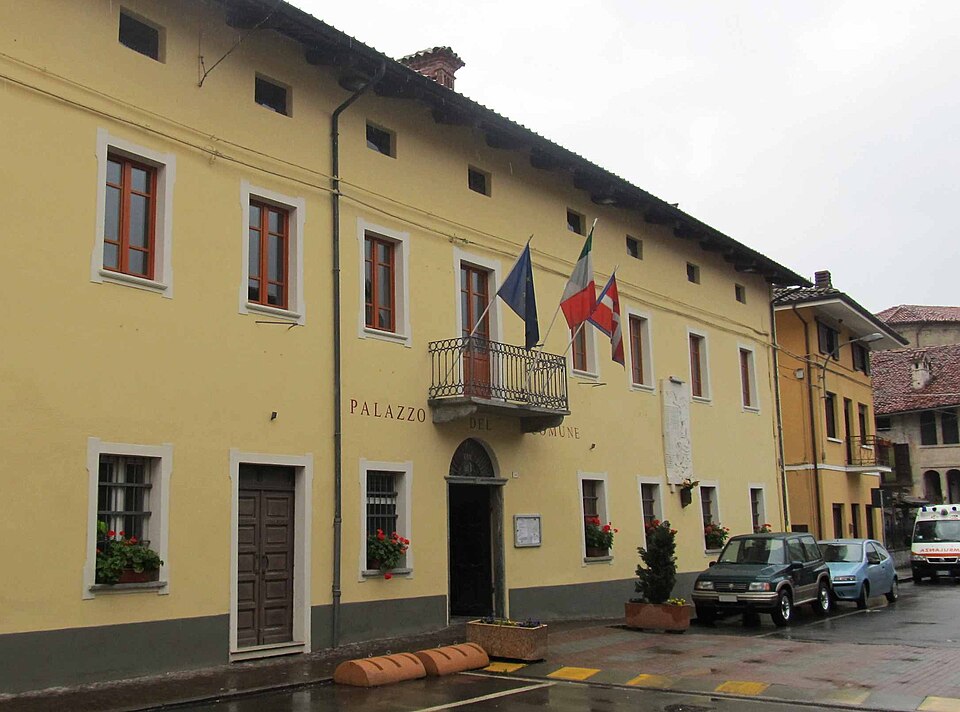
The Town Hall of Albiano d’Ivrea is an elegant civil building, whose architecture reflects the taste of the 19th century, characterized by sober and functional lines.
The facade features a portico on the ground floor and a clock on the upper part, distinctive elements that underscore its public function and importance as the administrative center of the village. The building has served as the seat of the municipal administration since at least 1880, maintaining this function to the present day and becoming a landmark for the community.
The materials used, such as brick and light plaster, are typical of Piedmontese constructions of the era, giving the palace a solid and representative appearance.
The square in front of the Town Hall is often the scene of local events and represents a meeting place for residents, contributing to the lively atmosphere of the center.
Visiting this building means observing an example of civil architecture that has marked the political and social life of Albiano d’Ivrea for over a century, an essential element for understanding what to see in Albiano d’Ivrea in terms of non-religious architectural heritage.
The municipal offices are open to the public during working hours, and the exterior is always visible and accessible.
Liberty Square
Liberty Square represents the beating heart of Albiano d’Ivrea, a large paved open space that serves as a historical and social meeting point for the community. Surrounded by buildings featuring typical architectural elements of the village, the square is a place where time seems to flow at a slower pace, inviting visitors to stop and observe daily life. Historically, this square has hosted weekly markets and public celebrations, maintaining its centrality in the town’s activities even today.
Its size allows visitors to appreciate the surrounding urban layout and the stylistic coherence of the constructions.
The atmosphere of Liberty Square is created by the presence of several commercial activities and services that overlook it, making it an ideal place for a short break. Here you can find small shops and cafes that offer the chance to savor a moment of tranquility, immersed in the local reality.
The square is easily accessible, and parking areas are available nearby, making it a convenient and pleasant stop for anyone.
what to see in Albiano d’IvreaThe Caluso Canal and its Nature Trails
The Caluso Canal, with its clear waters flowing through dense riparian vegetation, offers a significant contrast to the village’s architecture, opening up a scenario of great naturalistic interest.
This historic canal, whose construction dates back to the 16th century, was for centuries fundamental for the agricultural irrigation of the surrounding fields, contributing to the economic prosperity of the Canavese plain. Along its banks, pedestrian and cycle paths wind, allowing visitors to immerse themselves in a serene environment rich in biodiversity, far from the noise of traffic.
The paths along the Caluso Canal are well-maintained and suitable for all fitness levels, offering the possibility of long walks or bicycle excursions.
During the journey, it is possible to observe various species of birds and small wild animals that inhabit the river ecosystem, making the experience enjoyable even for nature lovers.
This opportunity for contact with the landscape is an important aspect of what to see in Albiano d’Ivrea, providing a perspective on the environmental richness of the surrounding territory, and differs from the offerings of mountain villages such as Andrate, which offer alpine panoramas.
Typical Cuisine and Products of Albiano d’Ivrea
The cuisine of Albiano d’Ivrea, like much of the Canavese region, is deeply rooted in Piedmontese gastronomic tradition, characterized by robust flavors and genuine ingredients sourced from the land and local farms.
The village’s location in the agricultural plain has always favored an abundance of cereals, vegetables, and meats, which form the basis of many preparations. Culinary influences from nearby Ivrea and the province of Turin blend here with the specific characteristics of the territory, giving rise to dishes that tell the story and culture of this area.
Among the typical dishes of the area, you can taste Bagna càuda, a warm sauce made with garlic, anchovies, and olive oil, served with raw and cooked seasonal vegetables, representing a profound convivial ritual.
Also indispensable are Agnolotti del Plin, small fresh pasta ravioli filled with meat, often served with butter and sage or with roast gravy.
Another classic is Polenta concia, a polenta enriched with melted cheeses and butter, an energetic and flavorful dish, particularly appreciated in the colder months.
The cuisine of Albiano d’Ivrea, despite not having products with specific certifications, relies on the quality of local raw materials, a constant that is also found in the gastronomic tradition of Biella, where the enhancement of local products is equally felt.
Despite the absence of specific DOP, IGP, or PAT certified products for Albiano d’Ivrea in the database, local gastronomy stands out for its use of fresh, seasonal ingredients, cultivated in the fields surrounding the village.
This includes a variety of vegetables, fruits, and cereals, as well as beef and pork from local farms.
The valorization of these simple but high-quality products is the true strength of Albiano d’Ivrea’s cuisine, reflecting the authenticity of the territory.
For those wishing to purchase typical products or savor local cuisine, it is advisable to visit the small grocery stores in the village or the weekly markets in nearby towns, where farmers and local producers directly offer their goods.
Although there are no widely documented gastronomic festivals specifically for Albiano d’Ivrea, the agricultural fairs and farmers’ markets held in neighboring municipalities during spring and autumn represent excellent opportunities to discover the food and wine excellences of Canavese and Piedmont.
Festivals, Events, and Traditions of Albiano d’Ivrea
The most heartfelt and celebrated festival in Albiano d’Ivrea is undoubtedly the one dedicated to its Patron Saint, Saint Martin of Tours, which falls on November 11th. This date is a moment of deep unity for the community, which gathers to participate in religious celebrations, including the solemn Holy Mass and, on some occasions, a procession that winds through the main streets of the village.
The patron saint’s festival is traditionally accompanied by civil events that strengthen the sense of belonging, such as small markets, food stalls offering traditional local dishes, and entertainment for all ages.
It is an opportunity to relive ancient customs and to keep alive the connection with the history and identity of the town.
In addition to the patron saint’s festival, Albiano d’Ivrea participates in the broader traditions of Canavese and Piedmont.
Although no national-scale festivals or events are specifically documented for the village, agricultural seasons still punctuate local life today, with informal celebrations related to the harvest of the land’s produce. Nearby communities often organize events that also involve the inhabitants of Albiano, such as agricultural fairs or village festivals held during the summer months, offering opportunities for meeting and cultural exchange.
These moments allow one to appreciate the vitality of local traditions and the typical conviviality of small Piedmontese communities.
When to visit Albiano d’Ivrea and how to get there
The best time to visit Albiano d’Ivrea is spring (April-June) or autumn (September-October), when the climate is mild and the landscape of the Canavese plain appears in its full splendor, with blooming flowers or the warm colors of the foliage. During these months, temperatures are pleasant for walks and excursions, and the lower tourist crowds compared to other areas allow you to fully enjoy the tranquility of the village.
Summer can be hot, typical of lowland areas, while winter offers a more intimate atmosphere, though with fewer opportunities for outdoor activities. Those seeking an authentic and relaxing experience will find ideal conditions during these periods.
Getting to Albiano d’Ivrea is relatively simple, both by car and public transport, considering its proximity to Ivrea, an important hub.
If arriving by car, the village can be reached from the A5 Turin-Aosta motorway, exiting at the Ivrea toll booth. From there, continue for a few kilometers following the road signs.
For those who prefer the train, the nearest railway station is Ivrea, connected to Turin and other Piedmontese cities; from Ivrea, it is possible to take a local bus or a taxi to reach Albiano d’Ivrea.
The nearest airport is Turin Caselle (TRN), located about 45 kilometers away, from which you can rent a car or use public transport connections to reach Ivrea and then the village. For detailed timetables and public transport information, it is advisable to consult the official websites of transport companies or the website of the Municipality of Albiano d’Ivrea.
| Starting Point | Distance | Estimated Time |
|---|---|---|
| Turin | 55 km | 45-60 min |
| Ivrea (Railway Station) | 7 km | 10-15 min |
| Turin Caselle Airport (TRN) | 45 km | 40-50 min |
Where to stay in Albiano d’Ivrea
Albiano d’Ivrea, given its modest size and predominantly residential and agricultural nature, offers a limited number of accommodation facilities directly within the village. Large hotels or resorts are not found, but it is possible to find small solutions such as guesthouses or family-run bed & breakfasts, which offer a more intimate experience and direct contact with the local reality.
Those wishing to stay directly in the village should check availability well in advance, especially during high season or in conjunction with nearby events.
For a wider variety of choice, it is advisable to consider the options available in nearby Ivrea, which is a few kilometers away and offers a broader range of hotels, B&Bs, and farm stays in its immediate vicinity.
Many of these offer more comprehensive services and are well-connected to Albiano d’Ivrea and other localities in the Canavese area.
Opting for accommodation in Ivrea can be a practical solution for those intending to explore not only Albiano but also other attractions in the area, including the city of Ivrea itself, a UNESCO World Heritage site. Those visiting Albiano d’Ivrea can extend their itinerary towards Alessandria, which offers a wide range of accommodation facilities and an equally rich history to discover.
Frequently asked questions about Albiano d’Ivrea
What is the best time to visit Albiano d'Ivrea?
Spring (April–June) and early autumn (September–October) are the ideal seasons, when the Canavese plain is lush and temperatures are mild, perfect for walks along the Caluso Canal. The most important local event is the Feast of San Martino, celebrated on November 11th, when the village honors its patron saint with religious functions and community gatherings. Avoiding the peak of summer heat makes visits more comfortable, and autumn also brings the rich flavors of Piedmontese harvest cuisine to local tables.
What to see in Albiano d'Ivrea? Main monuments and landmarks
The key sites in Albiano d'Ivrea include: the Parish Church of San Martino di Tours, with its exposed brick facade and decorated interior, open during religious functions (check the parish notice board for hours); the remains of the medieval castle and ricetto, freely accessible with marked paths around the perimeter walls; the 19th-century Town Hall with its characteristic portico and clock, whose exterior is always visible; and Liberty Square, the social heart of the village, surrounded by local shops and cafes.
What are the main natural or scenic attractions of Albiano d'Ivrea?
The Caluso Canal is the main natural attraction, offering well-maintained pedestrian and cycle paths along its tree-lined banks. Originally built in the 16th century for agricultural irrigation, it now provides a peaceful green corridor through the Canavese plain, suitable for all fitness levels. The riparian ecosystem supports varied birdlife, making it appealing for nature lovers. The surrounding cultivated fields and groves also provide pleasant open countryside scenery characteristic of the Piedmontese plain at 230 metres above sea level.
Where to take the best photos in Albiano d'Ivrea?
The most photogenic spots in Albiano d'Ivrea are the bell tower and brick facade of the Parish Church of San Martino di Tours, especially in morning light; the stone remnants of the medieval ricetto, which frame views over the surrounding plain; Liberty Square for authentic village-life shots; and the banks of the Caluso Canal, where reflections on the water and riparian vegetation create atmospheric landscape images, particularly beautiful in spring and during the golden light of autumn afternoons.
Are there museums, churches or historic buildings to visit in Albiano d'Ivrea?
The Parish Church of San Martino di Tours is the principal historic religious building, housing sacred artworks, a decorated high altar, and architectural elements spanning from a possible 10th-century origin through 18th-century renovations. Opening times follow liturgical functions — check the parish noticeboard at the entrance or the official parish contacts. The 19th-century Town Hall is another notable civil building, open to the public during municipal office hours, while its exterior and the adjoining square are freely accessible at all times.
What can you do in Albiano d'Ivrea? Activities and experiences
Visitors can explore the historic center on foot, visiting the church, medieval ricetto remains, and Liberty Square at a relaxed pace. The Caluso Canal paths offer cycling and walking itineraries through the agricultural landscape. The village is also a good base for day trips to nearby Ivrea, known for its historic center and the famous Carnival. On November 11th, the Feast of San Martino offers an opportunity to experience authentic local religious and community traditions in a genuinely off-the-beaten-track Piedmontese setting.
Who is Albiano d'Ivrea suitable for? Families, couples, hikers, solo travelers?
Albiano d'Ivrea suits travelers seeking authentic, uncrowded Piedmontese village life. Couples and slow-travel enthusiasts will appreciate its peaceful atmosphere, historic architecture, and scenic canal walks. Families with children will find the flat, easy paths along the Caluso Canal ideal for gentle cycling or walking outings. History lovers can explore medieval and 19th-century heritage sites. It is less suited to those seeking nightlife or mountain adventure, but makes an excellent quiet retreat or stopover when exploring the broader Canavese and Ivrea area.
What to eat in Albiano d'Ivrea? Local products and specialties
Albiano d'Ivrea shares the rich gastronomic heritage of the Canavese area and the Province of Turin. Local tables feature classic Piedmontese dishes such as tajarin pasta, brasato al Barbera, and vitello tonnato. The surrounding agricultural plain produces quality vegetables and cereals. The area is also known for Canavese DOC wines. The Feast of San Martino on November 11th is traditionally associated in Piedmont with the tasting of new wine, making it a particularly fitting moment to experience local food and drink culture.
📷 Photo Gallery — Albiano d’Ivrea
Getting there
Corso Vittorio Emanuele, 10010 Albiano d'Ivrea (TO)
Nearby Villages near Albiano d’Ivrea
In Piedmont More villages to discover
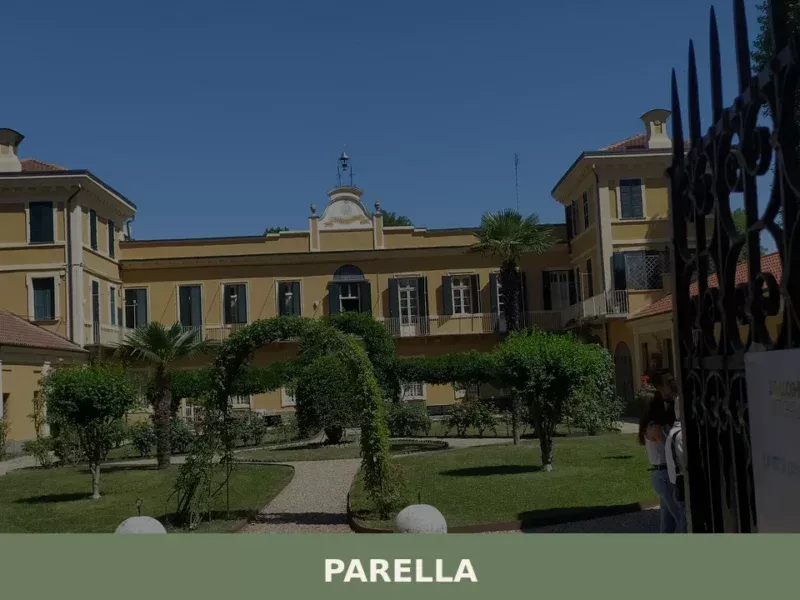
Parella
Hills
Scopri Parella borgo Piemonte: un affascinante villaggio storico tra castelli, natura e tradizioni antiche. Visita uno dei gioielli nascosti del Canavese!
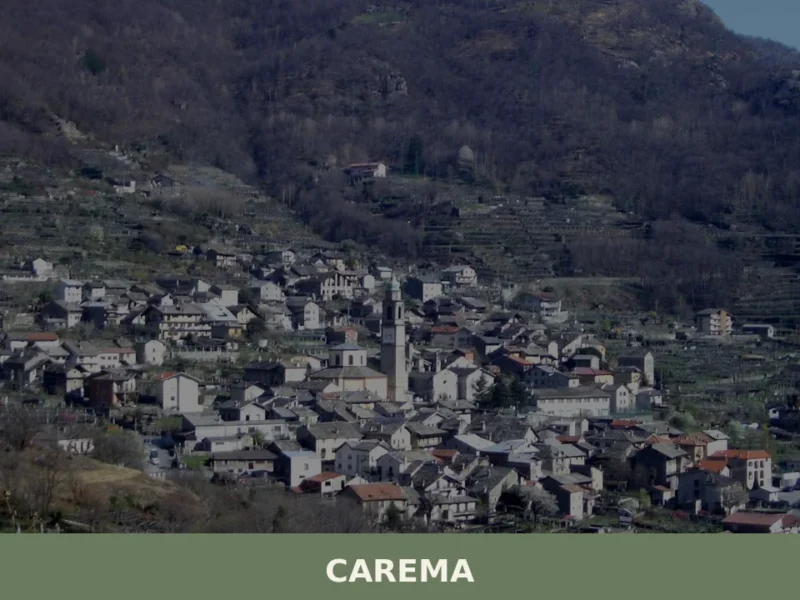
Carema
 Mountain
Scopri Carema borgo medievale: un gioiello del Piemonte tra vigneti storici, torri antiche e tradizioni millenarie. Visita questo angolo unico d'Italia!
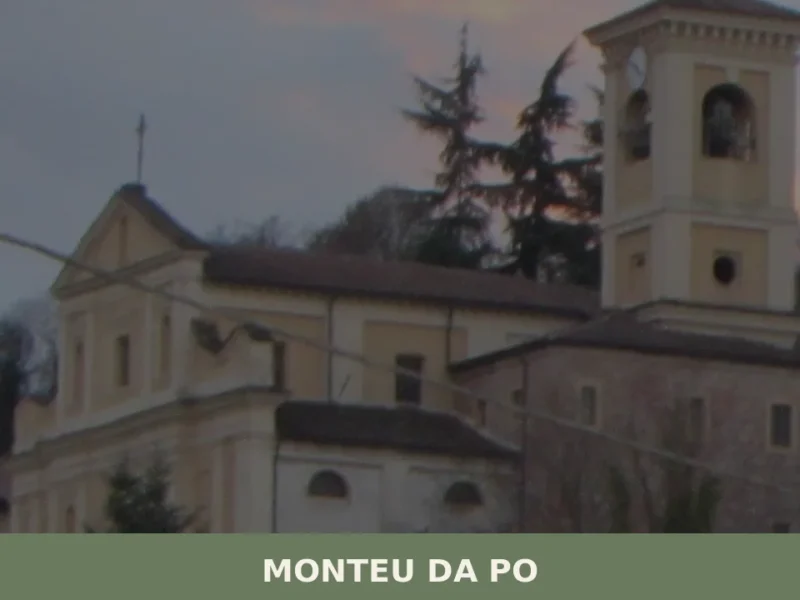
Monteu da Po
Hills
Scopri Monteu da Po, affascinante borgo piemontese sulle rive del Po. Storia, natura e tradizioni in un angolo autentico del Piemonte da non perdere.
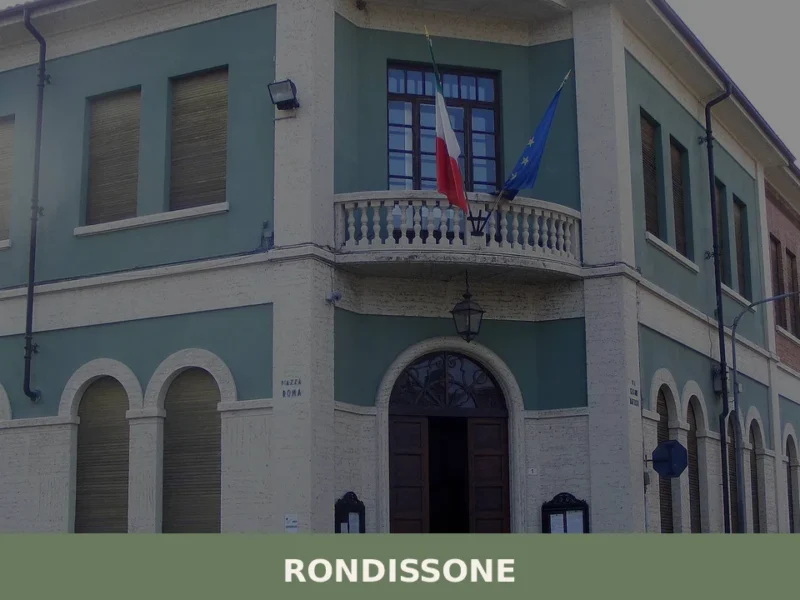
Rondissone
 Plains
Discover what to see in Rondissone, a Po plain comune near Turin inside the Parco Fluviale del Po torinese. History, food, travel tips and more.
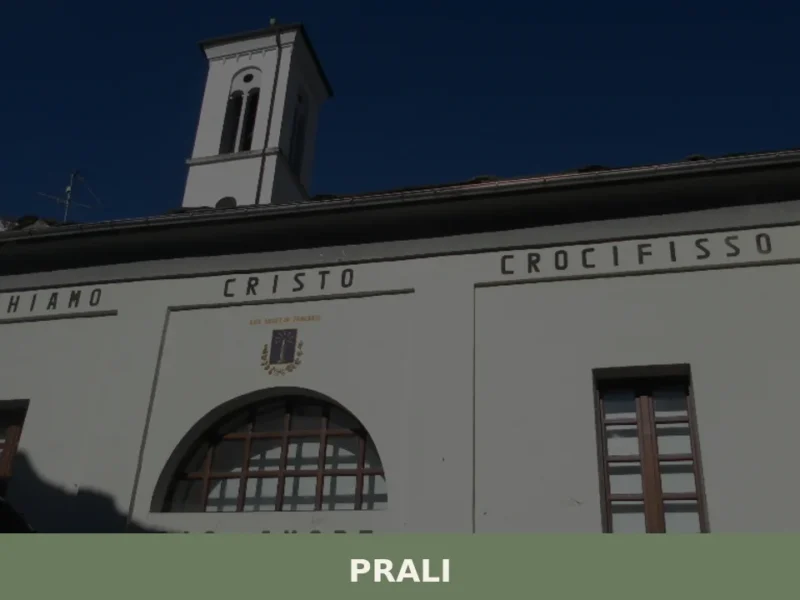
Prali
Mountain
Prali sits at roughly 1,400 metres above sea level in the Germanasca Valley, one of the Waldensian Valleys of the Piedmontese Alps, about 72 kilometres south-west of Turin. With a registered population of 252 inhabitants, it is one of the smaller comuni in the Metropolitan City of Turin — and until 1937 it was officially […]
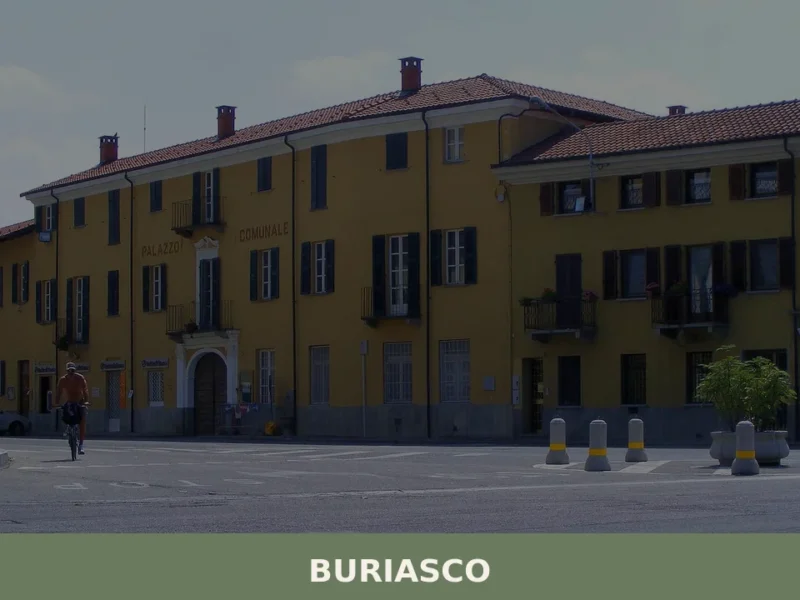
Buriasco
Hills
What to see in Buriasco, Italy: 5 top attractions, local food, festivals and how to get to this 301 m village near Turin. Discover Buriasco, Piemonte.
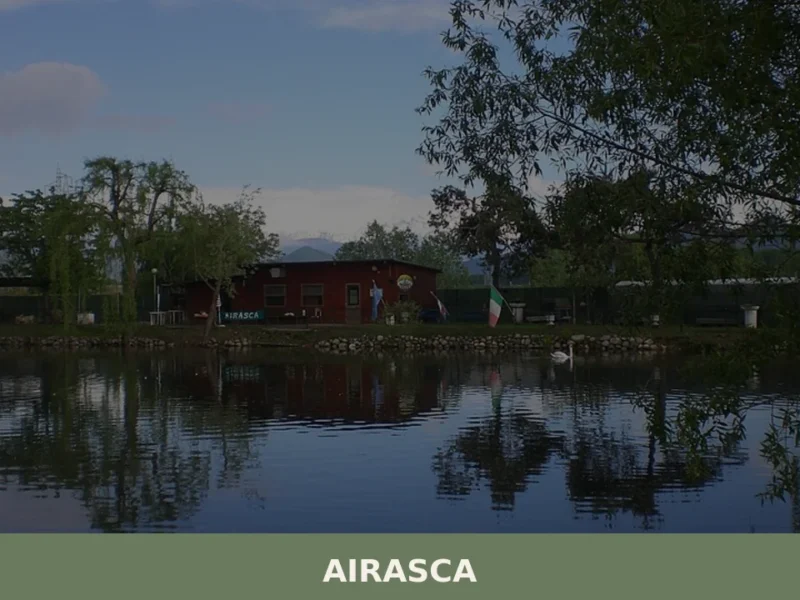
Airasca
Hills
Arriving in Airasca along the provincial road that connects Pinerolo to Turin, the first thing you notice is the bell tower of the parish church of San Bartolomeo, a vertical landmark in a horizontal landscape of cultivated fields and rows of poplars. The municipality, home to 3,842 inhabitants at 257 metres above sea level, occupies […]
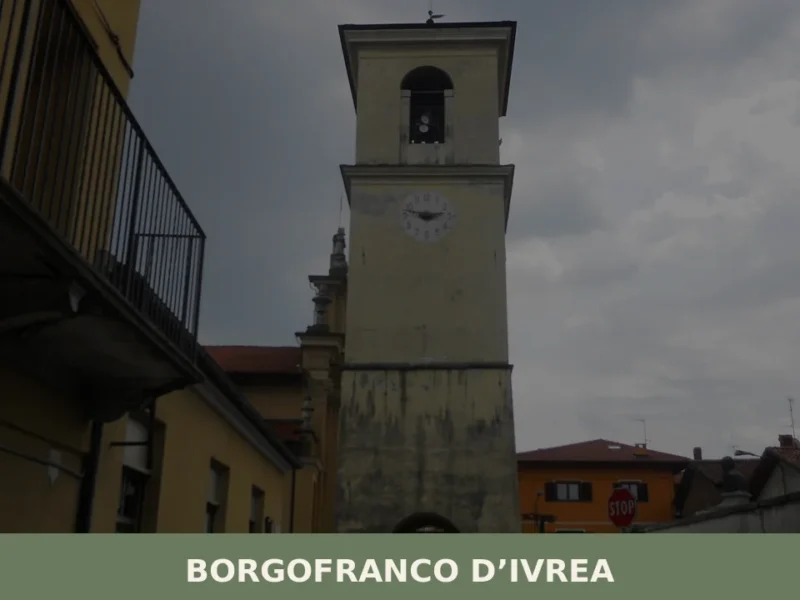
Borgofranco d’Ivrea
Hills
Discover what to see in Borgofranco d'Ivrea: medieval street grid, Serra d'Ivrea moraine, Canavese food and practical travel tips for this Piedmont village.
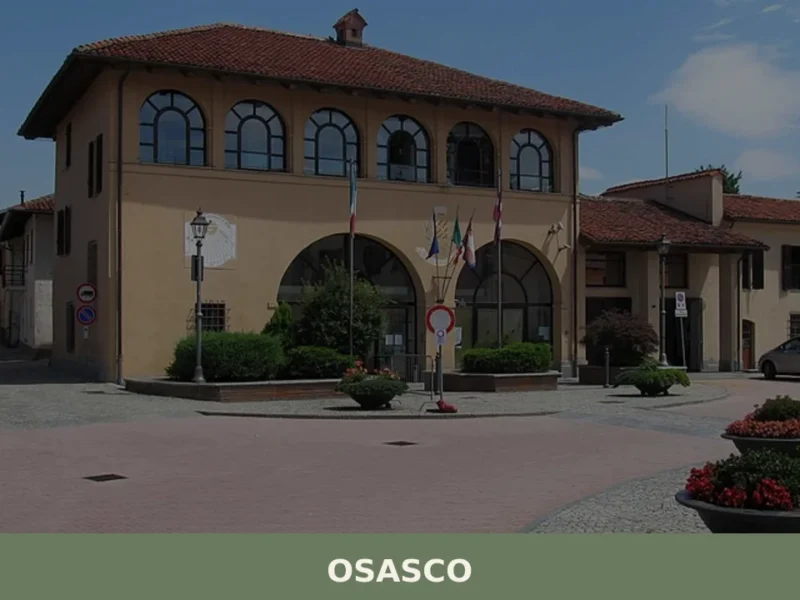
Osasco
Plains
Osasco is a comune of 1,161 inhabitants in the Metropolitan City of Turin, sitting in the Piemonte region of northwestern Italy. Known in the local Piedmontese language as Osasch, the village occupies a modest position in the hills and plains south of Turin, one of dozens of small agricultural and residential communes that form the […]
Biella
Hills
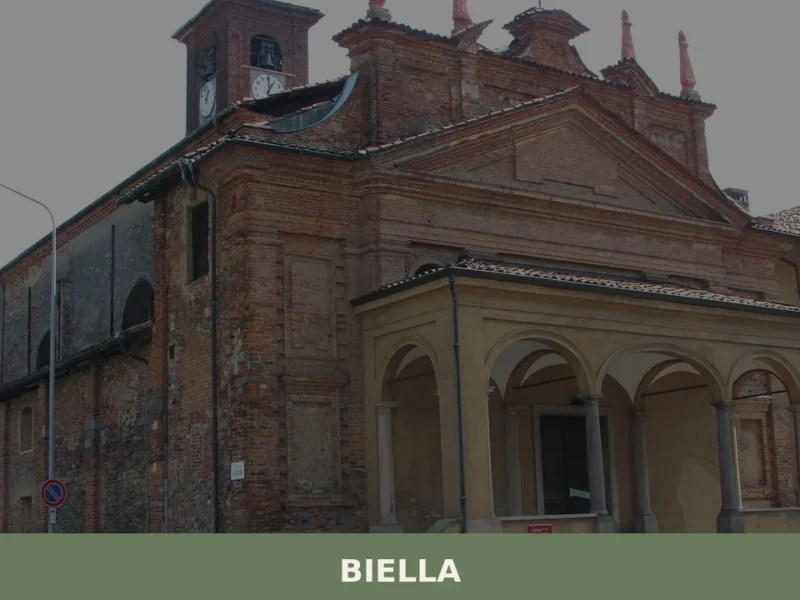
what to see in biella, Italy? Explore the UNESCO Sanctuary of Oropa and Biella's historic 420m altitude Piazzo quarter. Read our guide for top attractions.


🏡 Know Albiano d’Ivrea better than we do?
If you’re a local or have been there, your knowledge matters: add what’s missing or fix a detail on this page.