


Azeglio
 Hills
Hills
Azeglio, a small Piedmontese village on Lake Viverone: history, what to see and how to get there. Discover everything to plan your visit.
Discover Azeglio
In 1847, the Marquis Massimo Taparelli d’Azeglio — writer, painter, and future Prime Minister of the Kingdom of Sardinia — was penning the pages of Miei ricordi (My Memoirs), a work in which his family surname pointed directly to this small centre in the morainic amphitheatre of Ivrea, in the province of Turin. Today the village has 1,344 inhabitants, sits at 260 metres above sea level, and preserves a rural building fabric where exposed-brick farmsteads alternate with walled kitchen gardens and rows of vines. Asking what to see in Azeglio means entering a hilly landscape shaped by centuries of agriculture and devotion, between Lake Viverone to the north and the rice paddies of western Canavese to the south.
History and origins of Azeglio
The place name “Azeglio” appears for the first time in medieval documents under the spelling Asilium or Axilium, recorded in notarial deeds from the 10th–11th century held in the chapter archive of Ivrea.
The most widely accepted etymological hypothesis traces it to a Latin praedial name, probably derived from the personal name Acilius, indicating a farming estate from the Roman period. The village’s position — on a gentle morainic rise left by the retreat of the Baltean glacier — made the area suitable for vine and cereal cultivation from late antiquity onward. Already before the year 1000, the territory was included in the March of Ivrea, and the local church came under the Diocese of Ivrea, one of the oldest in Piedmont, documented at least since the 5th century AD.
Throughout the Middle Ages, Azeglio followed the fortunes of the Canavese fiefdoms, passing through the hands of several noble families linked to the bishop-counts of Ivrea. Between the 12th and 13th centuries, the Canavese was the scene of the so-called “Tuchinaggio” wars — peasant revolts against the feudal nobility — which also affected the countryside around Lake Viverone. From the 15th century the village progressively entered the orbit of the House of Savoy, and with its definitive annexation to the Duchy its history became bound to that of Turin and the future Savoyard state.
During this period, local noble families consolidated their landholdings: among them, the Taparelli, who adopted the predicate “d’Azeglio” and who would give Italy one of its most prominent Risorgimento statesmen, Massimo d’Azeglio (1798–1866), Prime Minister from 1849 to 1852 and author of the famous phrase attributed to him: “We have made Italy; now we must make Italians.”
Between the 18th and 19th centuries, Azeglio retained a markedly agricultural character. The Savoyard land register of 1730 records a prevalence of vineyards, wheat fields, and meadows. With Italian Unification the municipality was confirmed within the province of Turin, and the population fluctuated between one thousand and fifteen hundred residents — a figure that has remained essentially stable to this day.
In the 20th century the local economy opened up to fruit growing and agricultural mechanisation, without ever undergoing heavy industrialisation. This has preserved a coherent agrarian landscape, legible in the network of inter-farm paths and in the enclosed-courtyard farmsteads that still define the village’s profile. The patronal feast dedicated to San Deodato, celebrated on the fourth Sunday of August, remains the community’s most deeply felt occasion of collective gathering.
What to see in Azeglio: 5 top attractions
1. Parish Church of San Deodato
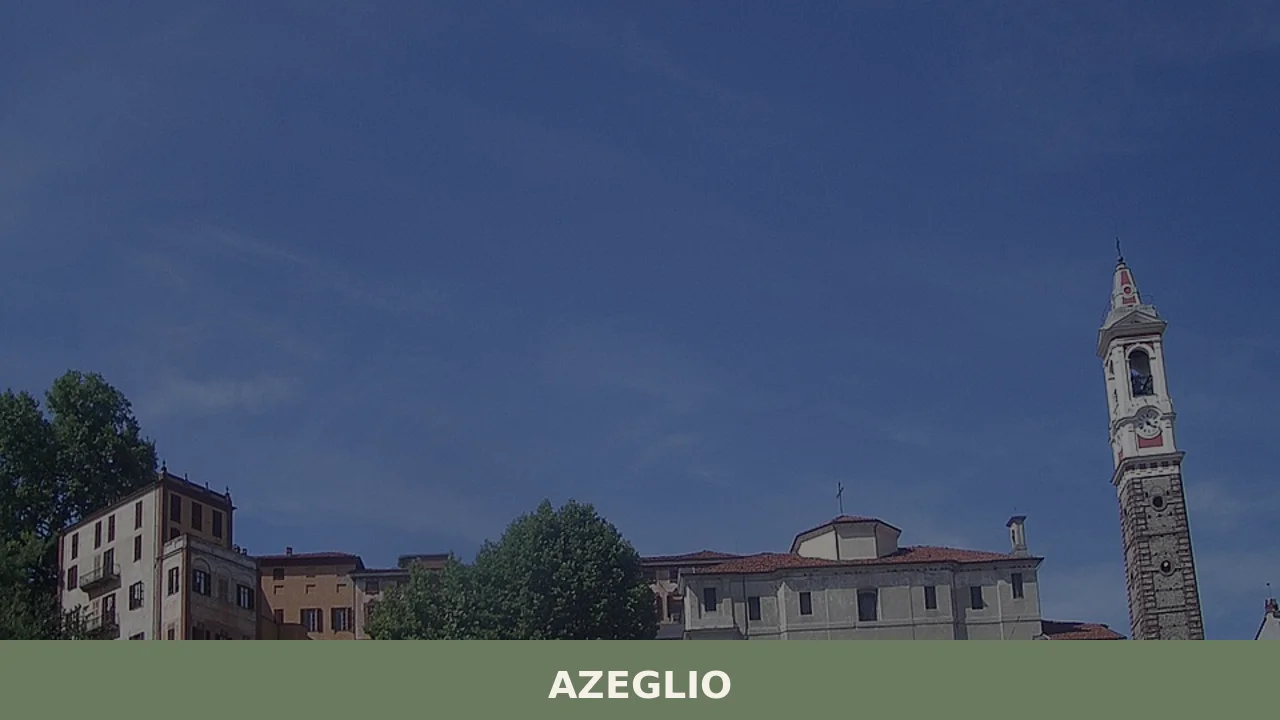
Dedicated to the village’s patron saint, the parish church stands in the central core of Azeglio, along the main street. The current building dates from 18th-century renovations of an earlier structure, with a brick façade and a bell tower visible from several points on the surrounding hillside. The interior preserves decorated side altars and liturgical furnishings of Piedmontese craftsmanship. The single nave, covered by a barrel vault, follows the standard layout of rural Canavese churches. Access is open during service hours; the small square in front offers a good orientation point for anyone beginning a visit of the village.
2.
Enclosed-courtyard farmsteads in the old centre
The building fabric of Azeglio is defined by farmsteads built in solid exposed brick, organised according to the Piedmontese enclosed-courtyard plan: an internal yard overlooked by the dwelling, stable, hayloft, and portico. Some of these structures, along Via Roma and in the side streets, still have wooden entrance gates with terracotta arches and balconies with wrought-iron railings. These are not museum buildings but still-inhabited residences, which makes a walk through the centre a direct reading of Canavese rural architecture. They can be observed from the outside at any time.
3. Hill trails of the morainic amphitheatre
Azeglio lies within the morainic amphitheatre of Ivrea, recognised as a site of geological and landscape interest. From the outskirts of the village, dirt tracks and cart roads lead through vineyards, groves of black locust and oak, and meadows with views over the morainic hills. The most popular route heads towards Lake Viverone, just a few kilometres away, crossing a landscape of glacial origin formed around 20,000 years ago. The trails are suitable for walking or cycling; there are no significant changes in elevation.
4.
Votive pillars and rural chapels
Scattered along the local lanes and at the crossroads of Azeglio’s farmland, votive pillars are a recurring feature of the Piedmontese devotional landscape. They are small masonry shrines, often plastered and painted with images of the Madonna or saints, dating from the 18th and 19th centuries. Some retain frescoes that are still legible despite exposure to the elements. These structures mark ancient connecting routes between farmsteads and the parish church. There is no systematic map of them, but a walk along the unpaved roads south of the centre will bring you past at least three or four within a radius of one kilometre.
5. Panorama towards the Serra d’Ivrea
From the eastern edge of the village, where the last houses give way to cultivated fields, a view opens out towards the Serra d’Ivrea, the longest morainic hill in Europe at approximately 25 kilometres in length. On clear days the profile of the Serra stands out sharply against the Alpine chain behind it, with Gran Paradiso recognisable to the north-west. There is no purpose-built viewpoint, but the best observation spot is reached by taking the municipal road that climbs towards the upper part of the settlement. It is worth pausing for a few minutes, especially in the late afternoon when the raking light brings out the contours of the hills.
Local cuisine and regional products
The table in Azeglio reflects the farming tradition of the Canavese, a repertoire built around a few ingredients prepared with patience.
The most representative dish of the area is the tofeja, a stew of white Saluggia beans slow-cooked in a terracotta pot — the tofeja itself — with pork rinds, trotters, spare ribs, and aromatics. The cooking takes hours, traditionally overnight in a wood-fired oven. Alongside the tofeja, the local cuisine offers agnolotti del plin, meat-filled pasta with braised beef and the characteristic pinch-seal closure, and bagna cauda, a warm sauce of garlic, anchovies, and olive oil into which raw and cooked seasonal vegetables are dipped — cardoons, Jerusalem artichokes, peppers.
Among regional products, the Canavese is a production zone for Erbaluce di Caluso DOCG, a white wine made from the grape variety of the same name, vinified as a still, sparkling, and passito wine. Erbaluce vineyards extend across the morainic hills around Azeglio, and several wineries in the area offer tastings. Also worth mentioning are the Salame di Turgia, a traditional Piedmontese cured meat recognised as a Traditional Agri-Food Product (PAT), and Toma Piemontese DOP, a semi-cooked cheese made from cow’s milk, available in a whole-milk and a semi-skimmed version, aged for at least sixty days.
During the patronal feast of San Deodato, on the fourth Sunday of August, it is customary to set up food stalls serving traditional local dishes — polenta concia, Piedmontese mixed fry, and sweets such as torcetti from Biella (ring-shaped puff pastry biscuits) and bonèt, a cocoa and amaretti pudding typical of Piedmont.
Local trattorias offer fixed-price menus based on seasonal produce; for up-to-date information on restaurants and opening times, it is useful to check the official website of the Municipality of Azeglio.
When to visit Azeglio: the best time of year
Azeglio’s climate is temperate continental, with cold, foggy winters — average January temperatures hover around 0–2 °C — and warm summers tempered by the breeze rising from Lake Viverone. Spring, from April to June, is the best period for walks along the morainic trails: the vineyards are in their budding phase, the meadows are in flower, and the long days allow you to make the most of the light until evening. Autumn, particularly between September and October, offers the added appeal of the Erbaluce grape harvest and the colours of the foliage on the hills.
The most important event is the patronal feast of San Deodato, on the fourth Sunday of August, with a solemn Mass, procession, and food stalls.
In summer the nearby Lake Viverone attracts swimmers and sailors, making Azeglio a convenient base away from the congestion of the lakeshore. Winter is the least frequented season, but those who appreciate the silence of the countryside and winter cooking — tofeja, polenta, braised meats — will find reason enough to stop between December and February. It is advisable to check the opening times of the parish church and any events on the Municipality’s website, as during the winter months some activities operate on reduced schedules.
How to get to Azeglio
Azeglio can be reached by car from the A5 Turin–Aosta motorway, exiting at the Albiano d’Ivrea toll station, from which the village is approximately 8 kilometres south-west along provincial roads. Alternatively, travelling on the A4 Turin–Milan motorway, exit at Santhià and continue for around 20 kilometres northward. From Turin the distance is approximately 55 kilometres, covered in just under an hour. From Milan the journey is around 120 kilometres, for about an hour and a half of motorway driving.
The nearest railway station is Borgo d’Ale-Cigliano, on the Chivasso–Ivrea line, reachable from there by local bus service or taxi.
Alternatively, Ivrea station offers more frequent connections to Turin Porta Nuova, with a travel time of about one hour; from Ivrea to Azeglio it is approximately 15 kilometres by car. The nearest airport is Turin-Caselle, around 60 kilometres away, connected to the motorway network via Turin’s northern ring road and the junction with the A5. Milan Malpensa Airport, approximately 110 kilometres away, is an alternative for those arriving from outside the region.
Other villages to discover in Piedmont
Visitors to Azeglio are well placed to explore other centres in the Canavese and northern Piedmont. A few kilometres to the north-east, following the line of the morainic amphitheatre, you reach Albiano d’Ivrea, a municipality in the same province that overlooks the Dora Baltea and retains structures linked to the processing of red earth and the area’s historic quarrying activity.
Albiano is also the access point for the A5 motorway toll station, making it a logical node for an itinerary combining visits to both villages in the same day, with a stop in the valley floor before climbing back towards the morainic hills.
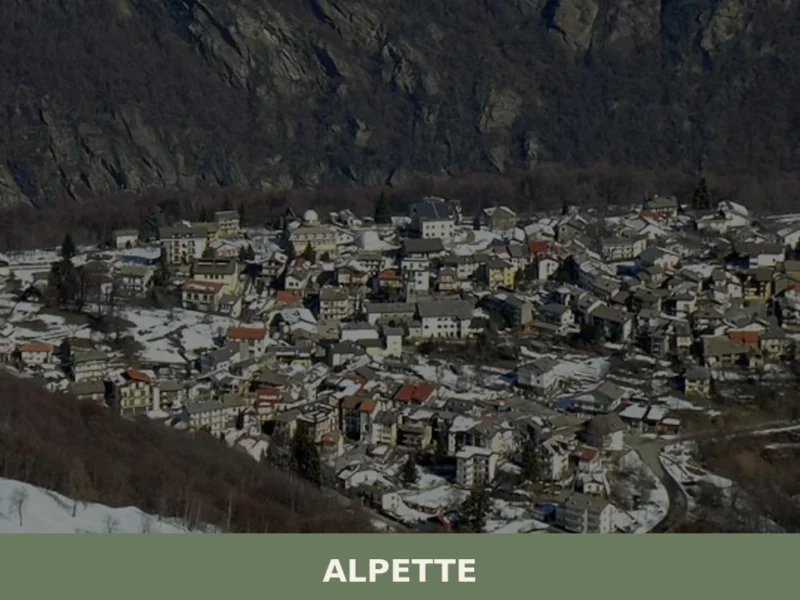
For those seeking a sharper contrast — from hill to mountain — it is worth considering a detour to Alpette, a small mountain settlement in the Gran Paradiso National Park, situated at around 900 metres altitude in the Val Soana. The drive from Azeglio to Alpette, which takes about an hour and a half, crosses the entire altitudinal range of western Piedmont: from the rice paddies and vineyards of the morainic plain up to the beech forests and Alpine pastures. It is a route that allows you to read in geological and climatic sequence the different belts of Piedmontese territory, with possible stops at Castellamonte for its ceramics and at Pont Canavese for the weekly market.
Frequently asked questions about Azeglio
What is the best time to visit Azeglio?
Spring (April–June) is ideal for walking the morainic trails, when vineyards are budding and meadows are in bloom. Autumn (September–October) adds the appeal of the Erbaluce grape harvest and vivid hillside foliage. The highlight of summer is the patronal feast of San Deodato, held on the fourth Sunday of August, featuring a solemn Mass, procession, and food stalls serving traditional Canavese dishes. Winters are cold and foggy, making them the least recommended period for outdoor visits.
What are the historical origins of Azeglio?
The name Azeglio appears in medieval documents as Asilium or Axilium, recorded in notarial deeds from the 10th–11th century in the chapter archive of Ivrea. The toponym likely derives from the Latin praedial name Acilius, suggesting a Roman-era farming estate. The village was part of the March of Ivrea before the year 1000 and fell under the Diocese of Ivrea. From the 15th century it entered the orbit of the House of Savoy. Its most famous connection is the Taparelli family, who took the d'Azeglio predicate and produced Massimo d'Azeglio, Prime Minister of the Kingdom of Sardinia from 1849 to 1852.
What to see in Azeglio? Main monuments and landmarks
The Parish Church of San Deodato, in the village centre, features an 18th-century brick façade, a bell tower visible from the surrounding hillside, and a single barrel-vaulted nave with decorated side altars. The old centre preserves enclosed-courtyard farmsteads along Via Roma — brick buildings with terracotta arches and wrought-iron balconies, viewable from the street at any time. The eastern edge of the village offers a panoramic view towards the Serra d'Ivrea, the longest morainic hill in Europe. Scattered votive pillars and rural chapels dot the unpaved lanes south of the centre.
What are the main natural or scenic attractions of Azeglio?
Azeglio sits within the morainic amphitheatre of Ivrea, a landscape of glacial origin formed approximately 20,000 years ago. Dirt tracks and cart roads from the village outskirts lead through vineyards, oak and black-locust groves, and meadows toward Lake Viverone a few kilometres to the north. The terrain is flat to gently rolling, suitable for walking and cycling. From the village's eastern edge, on clear days, the profile of the Serra d'Ivrea stands out against the Alpine chain, with Gran Paradiso recognisable to the north-west.
Where to take the best photos in Azeglio?
The best viewpoint is along the municipal road climbing to the upper part of the settlement, where the eastern edge of the village opens onto the Serra d'Ivrea and the Alpine chain behind it — particularly striking in late afternoon when raking light defines the morainic contours. The enclosed-courtyard farmsteads along Via Roma, with their terracotta arches and weathered brick, offer strong architectural subjects. The votive pillars along unpaved southern lanes, some still bearing legible 18th- or 19th-century frescoes, provide intimate photographic details of Piedmontese rural devotion.
Are there churches or historic buildings to visit in Azeglio?
The main religious building is the Parish Church of San Deodato, dedicated to the village patron, accessible during service hours. It dates from 18th-century renovations of an earlier structure and contains decorated side altars and Piedmontese liturgical furnishings. The small square in front serves as a natural starting point for exploring the village. The enclosed-courtyard farmsteads throughout the old centre, while privately inhabited, can be observed from the street and represent a coherent example of Canavese rural architecture spanning the 18th and 19th centuries.
What can you do in Azeglio? Activities and experiences
Visitors can walk or cycle the morainic trails connecting Azeglio to Lake Viverone, explore the old centre's farmstead architecture on foot, and seek out the votive pillars and rural chapels along unpaved southern lanes. In autumn, the Erbaluce di Caluso DOCG harvest brings wine-tasting opportunities at local wineries on the surrounding hills. On the fourth Sunday of August, the feast of San Deodato offers a procession and food stalls with traditional Canavese dishes. Lake Viverone, a few kilometres north, is popular for swimming and sailing in summer.
Who is Azeglio suitable for? Families, couples, hikers, solo travelers?
Azeglio suits visitors who prefer quiet, off-the-beaten-track destinations over mass tourism. Couples and solo travellers drawn to Piedmontese rural heritage, architecture, and food and wine will find it rewarding. The flat to gently rolling morainic trails are accessible to families with children and cyclists of moderate fitness. History enthusiasts will appreciate the Risorgimento connection to Massimo d'Azeglio. Birdwatchers and nature lovers benefit from proximity to Lake Viverone. It is not suited to those seeking nightlife, museums with regular hours, or organised tourist infrastructure.
What to eat in Azeglio? Local products and specialties
The signature dish of the Canavese tradition is tofeja, white Saluggia beans slow-cooked overnight with pork rinds, trotters, and spare ribs in a terracotta pot. Agnolotti del plin — small braised-beef-filled pasta — and bagna cauda, a warm garlic-and-anchovy sauce served with seasonal vegetables, round out the local table. Regional products include Erbaluce di Caluso DOCG white wine, vinified still, sparkling, and passito, grown on surrounding morainic hills; Toma Piemontese DOP, a cow's-milk cheese aged at least sixty days; and Salame di Turgia, a Traditional Agri-Food Product (PAT).
📷 Photo Gallery — Azeglio
Nearby Villages near Azeglio
In Piedmont More villages to discover
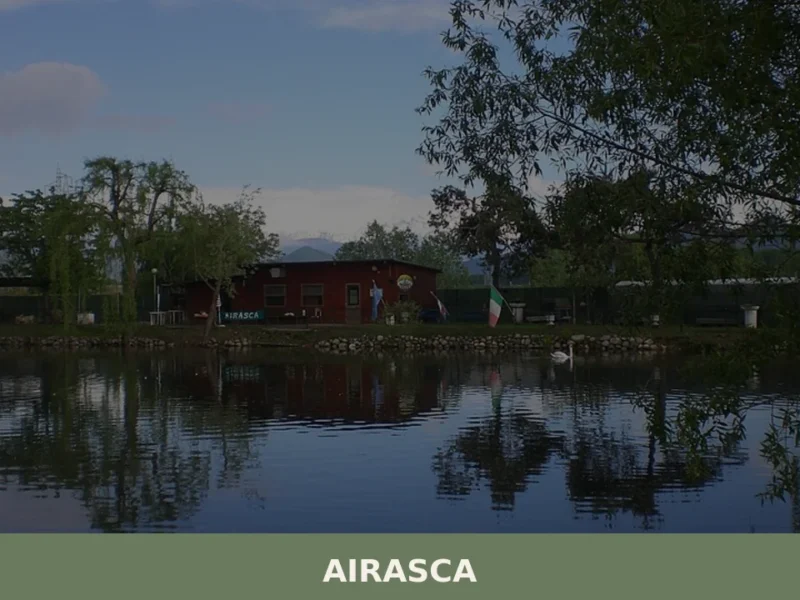
Airasca
Hills
Arriving in Airasca along the provincial road that connects Pinerolo to Turin, the first thing you notice is the bell tower of the parish church of San Bartolomeo, a vertical landmark in a horizontal landscape of cultivated fields and rows of poplars. The municipality, home to 3,842 inhabitants at 257 metres above sea level, occupies […]
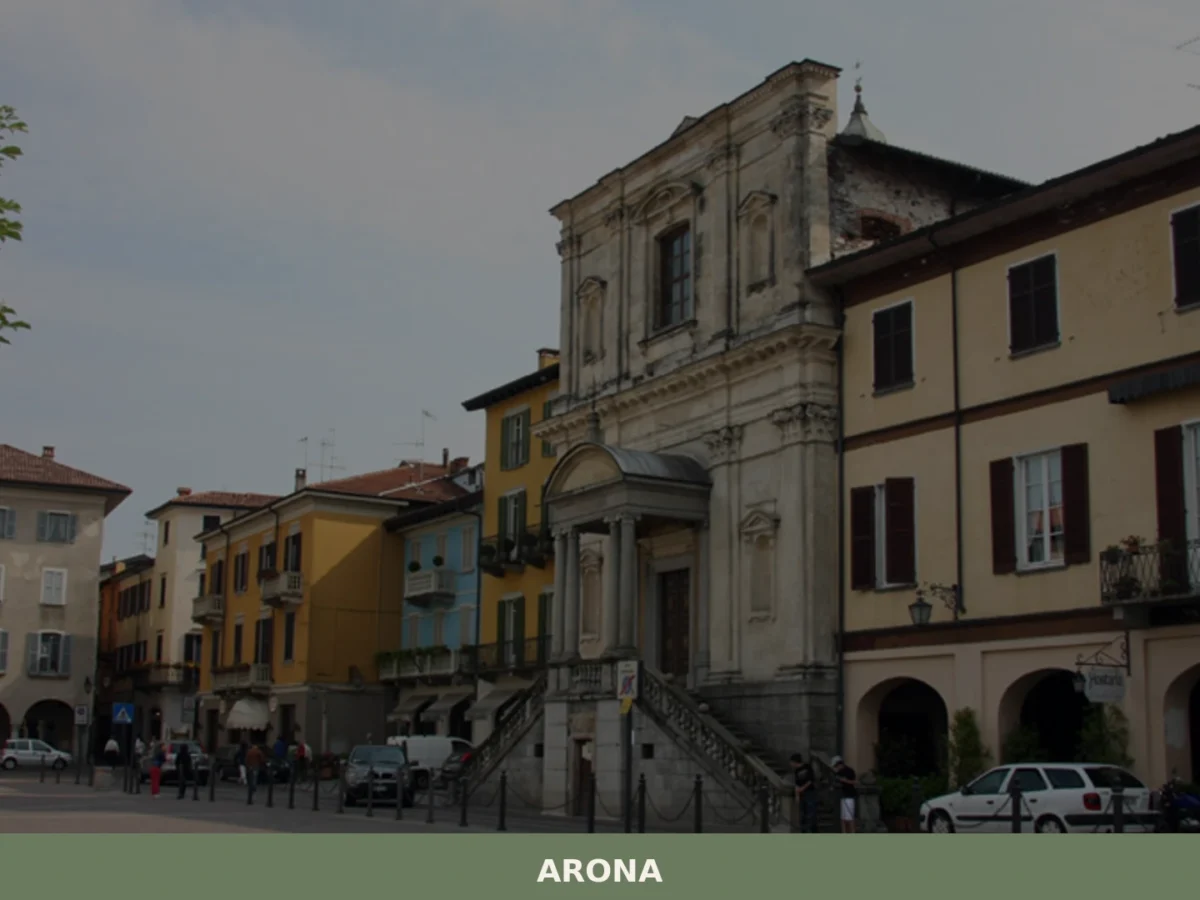
Arona
 Lake
Lake
 Plains
what to see in arona, Italy: Discover Arona, a town of 13,694 inhabitants in Piemonte, home to a notable railway station. Explore this region's travel tips.
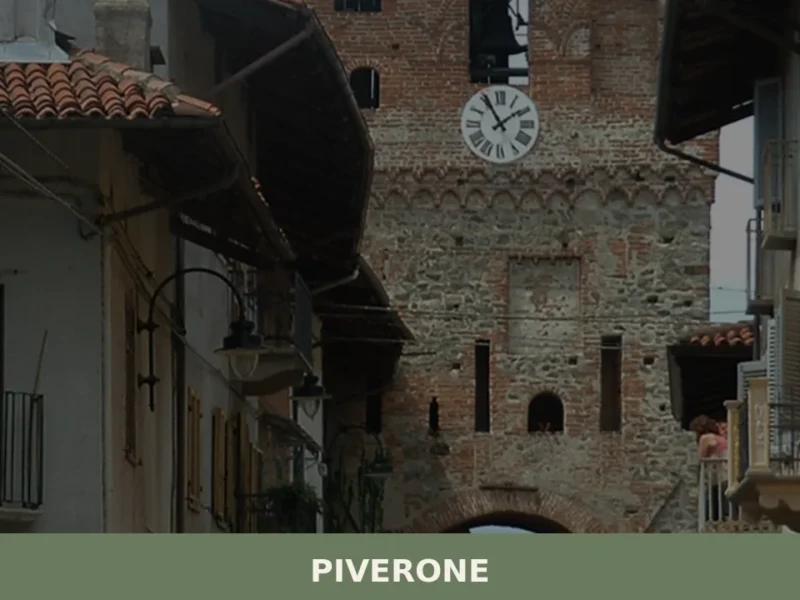
Piverone
Hills
Piverone is a comune of 1,225 inhabitants in the Metropolitan City of Turin, sitting in the Canavese district of Piemonte at the foot of the Monferrato hills. Its Piedmontese name, Pivron, pronounced /pɪw’rʊŋ/, signals a linguistic heritage rooted deep in the region’s Franco-Provençal and Occitan-influenced dialects. For anyone researching what to see in Piverone, the […]
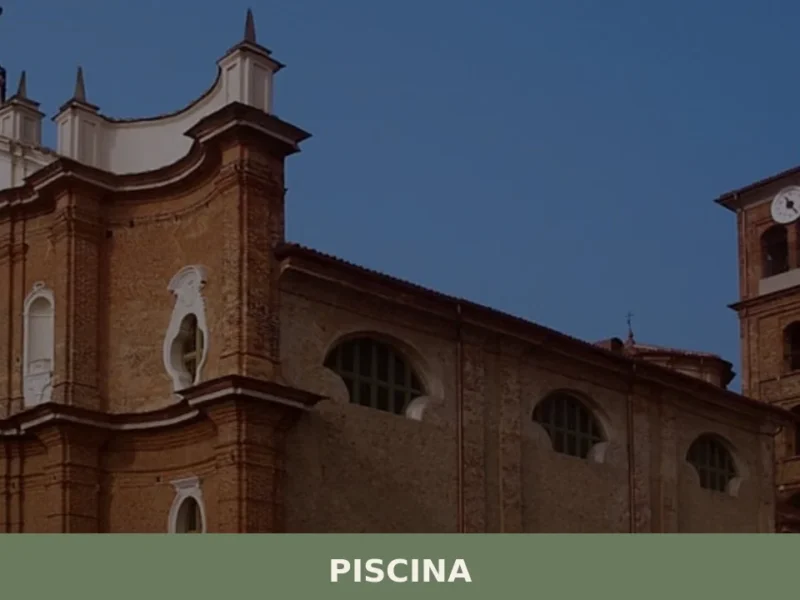
Piscina
Plains
Scopri Piscina borgo Piemonte: storia, tradizioni e attrazioni di questo affascinante comune piemontese tutto da esplorare.
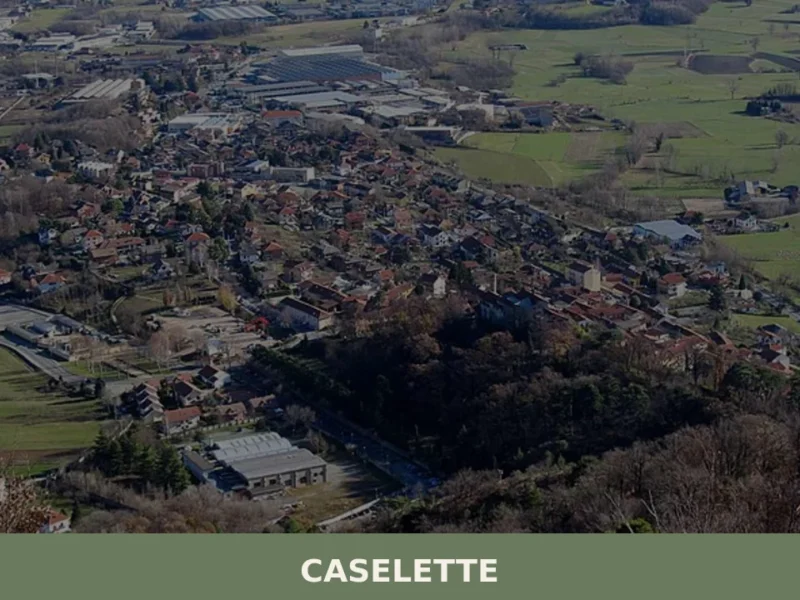
Caselette
Hills
At the foot of Monte Musinè, where the plain of Turin gives way to the first folds of the Val di Susa, a mass of rock the size of a house sits in open ground. The Pietra Alta, one of the largest glacial erratics in the whole of Piedmont, was deposited here by glacial movement […]
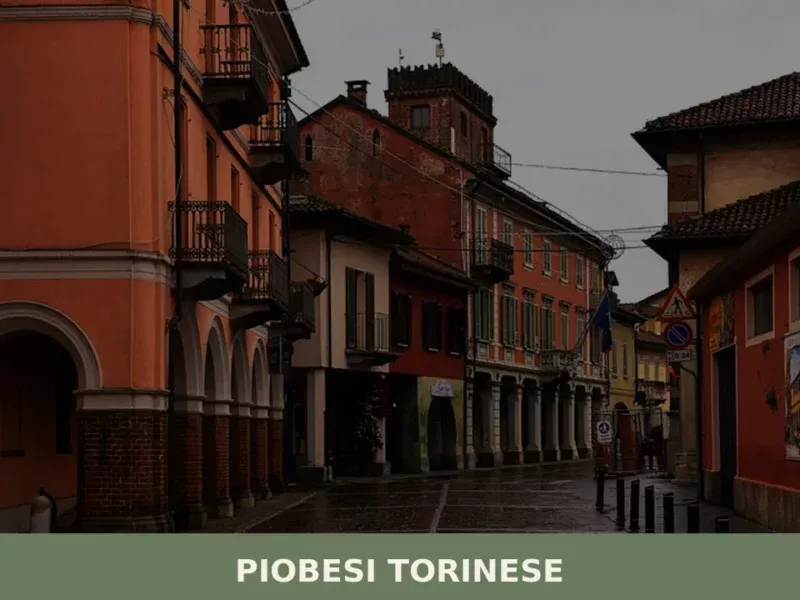
Piobesi Torinese
Plains
Scopri Piobesi Torinese, affascinante borgo piemontese: storia, attrazioni, tradizioni e consigli pratici per visitarlo al meglio.
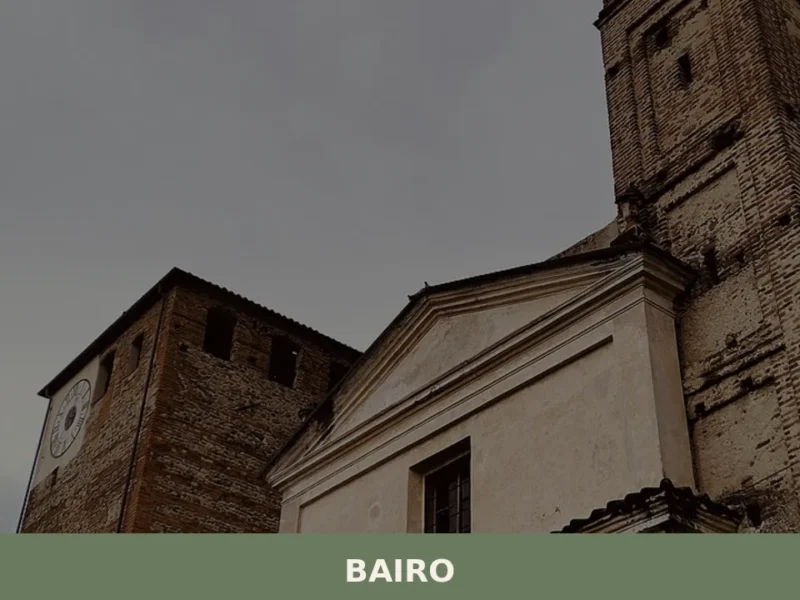
Bairo
Hills
The earliest confirmed record of Bairo dates to a document from 1003, when Marquess Arduino of Ivrea — who would shortly become King of Italy — confirmed landholdings in this portion of the Canavese between the moraine ridge and the foothills of the Graian Alps. Today the municipality has 806 inhabitants, spread across the historic […]
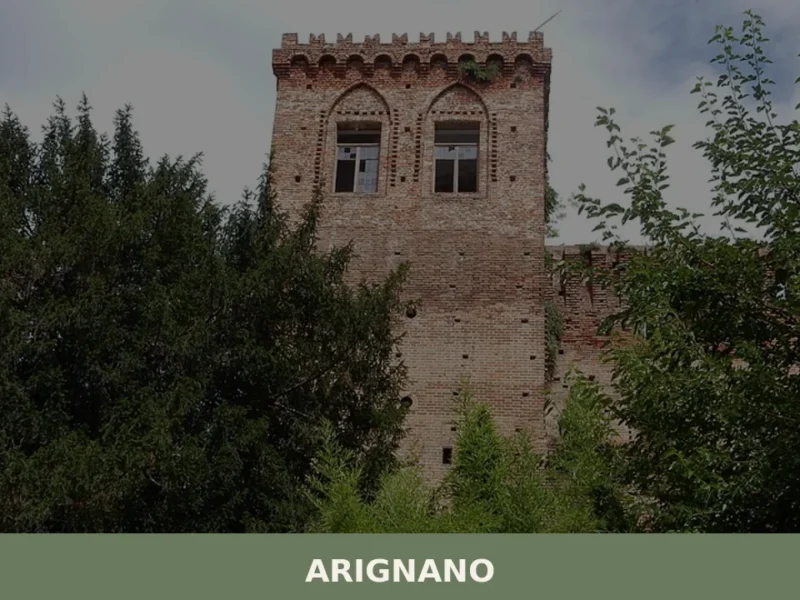
Arignano
Hills
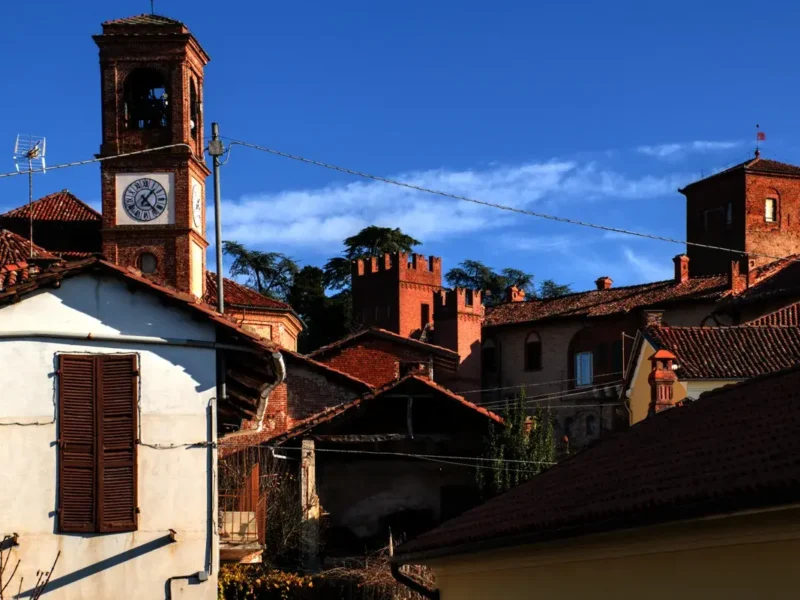
What to see in Arignano in Piedmont: castle, church, hill trails, traditional cuisine, and practical information for visiting the village at 321 m a.s.l.
Moriondo Torinese
Hills
Scopri Moriondo Torinese, un affascinante borgo del Piemonte ricco di storia, natura e tradizioni. Lasciati conquistare dalla sua bellezza autentica!
Pragelato
 Mountain
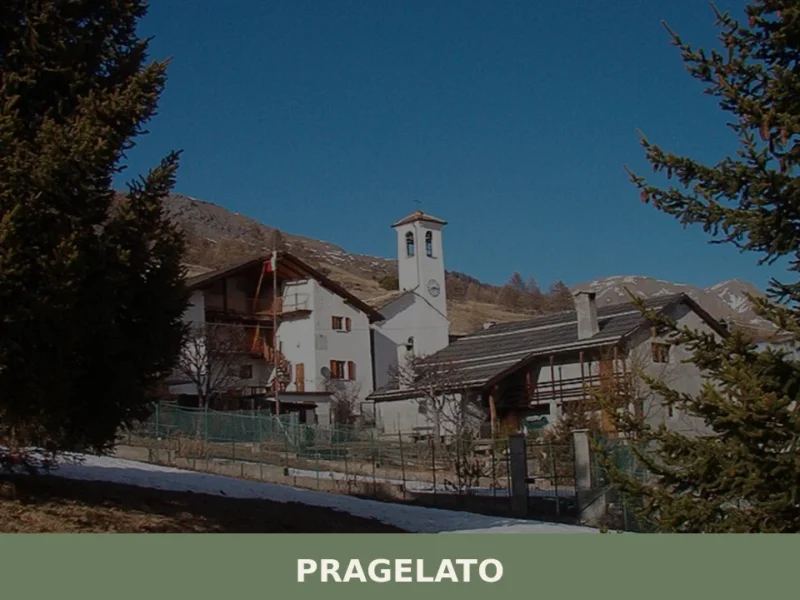
Pragelato sits at around 1,524 metres above sea level in Val Chisone, approximately 82 kilometres west of Turin, and its Occitan name — Pradzalà or Prajalats — translates directly as “frozen meadow”, a reference to the high-altitude pastures that define the landscape here. With a resident population of 692, this is a compact Alpine commune […]


🏡 Know Azeglio better than we do?
If you’re a local or have been there, your knowledge matters: add what’s missing or fix a detail on this page.