


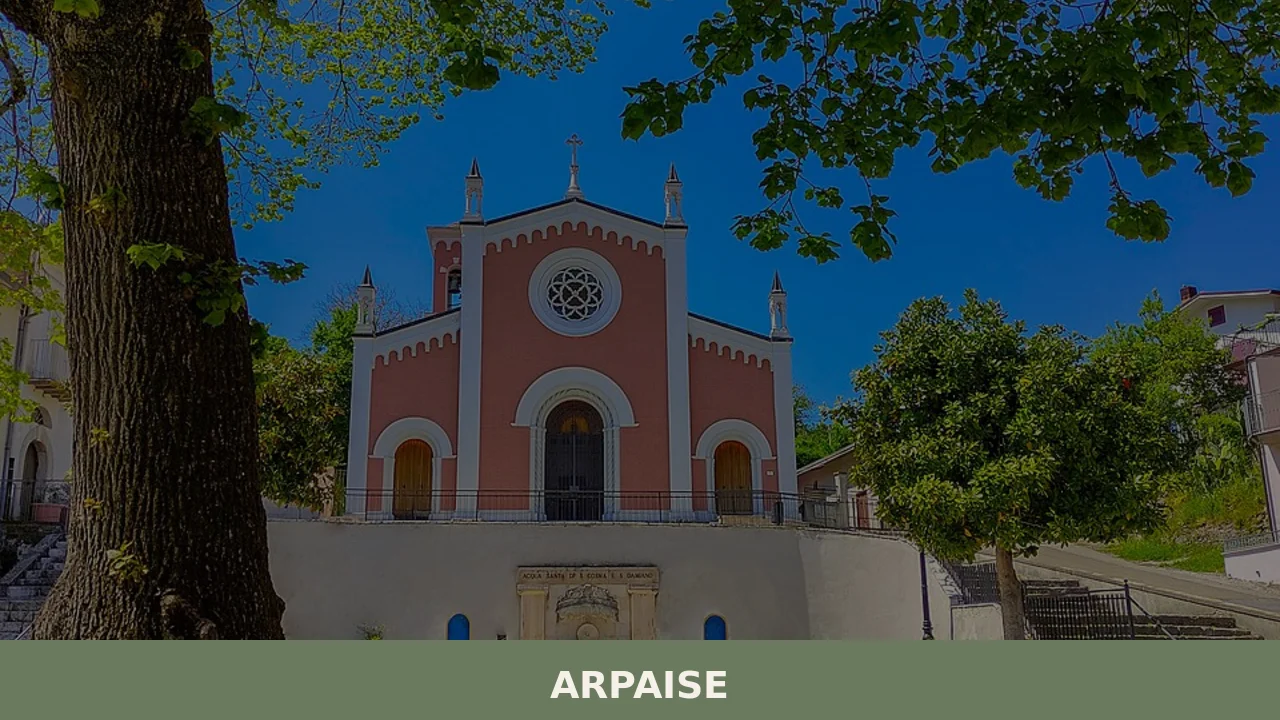
Arpaise
The municipality of Arpaise, in the province of Benevento, has a population of 804 inhabitants and is located 410 meters above sea level. Its toponym, according to some interpretations, might derive from the Roman gens Arpania or from the Lombard term “harpa”, possibly indicating the terrain’s conformation. For those wondering about what to see in […]
Discover Arpaise
The municipality of Arpaise, in the province of Benevento, has a population of 804 inhabitants and is located 410 meters above sea level. Its toponym, according to some interpretations, might derive from the Roman gens Arpania or from the Lombard term “harpa”, possibly indicating the terrain’s conformation. For those wondering about what to see in Arpaise, the village offers a journey through its structures, which indicate a history linked to the Benevento Sannio region. Its streets and buildings retain traces of a past rooted in pre-Roman times, with Samnite settlements, and developing through the Roman and medieval periods.
History and origins of Arpaise
The first records of settlements in the territory of Arpaise date back to the Samnite era, with evidence of the area being inhabited well before Roman domination. The toponym itself, “Arpaise”, has several interpretations: some scholars link it to the Roman gens Arpania, while others suggest a derivation from the Lombard term “harpa”, perhaps referring to the land’s conformation or agricultural tools. These hypotheses place the village within a historical context that spans various cultural and political phases.
During the Middle Ages, Arpaise was part of the fiefs of the Duchy of Benevento, coming under the control of important noble families. Among these, the Sanframondo held its lordship for a long period, followed by the Sanseverino and, subsequently, the Carafa. These dynastic successions influenced the urban and social development of the village. Seismic events, such as the earthquake of 1688, left their mark on the structure of the inhabited center, leading to reconstructions and modifications over the centuries, shaping the current appearance of the town, which can be explored further by visiting the Official Website of the Municipality of Arpaise and the dedicated page on Wikipedia.
What to see in Arpaise: 5 attractions
1. Church of San Rocco
The Church of San Rocco, dedicated to the village’s patron saint, serves as a reference point for the community. Its simple facade conceals interiors that feature elements of sacred art. Each year, on August 18th, the church becomes the focal point of the patron saint’s celebrations, attracting devotees and visitors. The current structure is the result of successive reconstructions, especially after seismic events that affected the area.
2. Church of Santa Maria del Bosco
Located in a more peripheral or historical position, the Church of Santa Maria del Bosco represents another significant place of worship. Its origins are rooted in an older context, perhaps linked to agrarian cults or hermitic settlements. The building, despite its sobriety, maintains a connection with local devotion and the religious history of the Arpaise territory, offering a glimpse into past devotional practices.
3. Baronial Palace (or Ducal)
The Baronial Palace, or Ducal Palace, indicates the presence of the feudal families who governed Arpaise. Although its current forms may show modifications compared to its original layout, the building represents a relevant architectural element. Its walls housed the residences of the lords, reflecting the status and power exercised over the territory for centuries,
In Campania More villages to discover
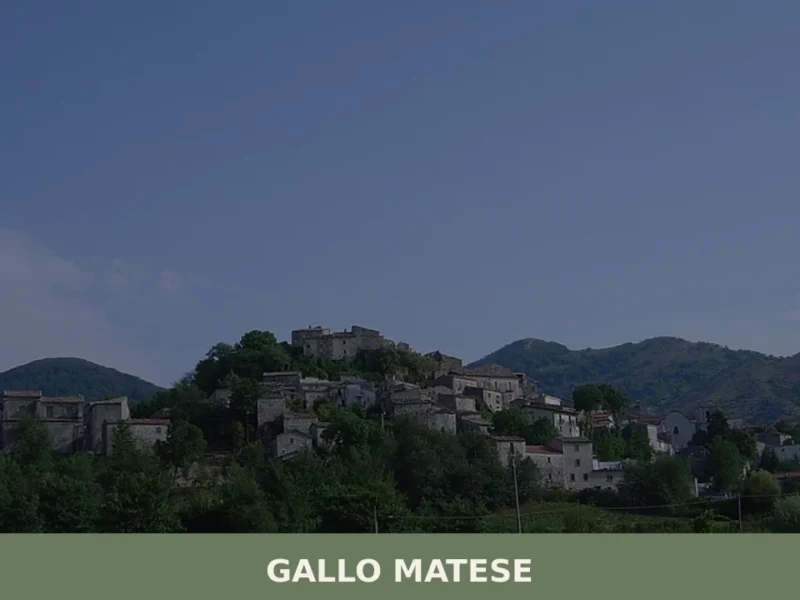
Gallo Matese
With its 625 inhabitants and an altitude of 875 meters above sea level, Gallo Matese ranks as one of the highest centers in the province of Caserta, Campania. Its geographical position, in the heart of the Matese mountain range, determines its identity and structure. The village, whose presence has been documented for centuries, developed in […]
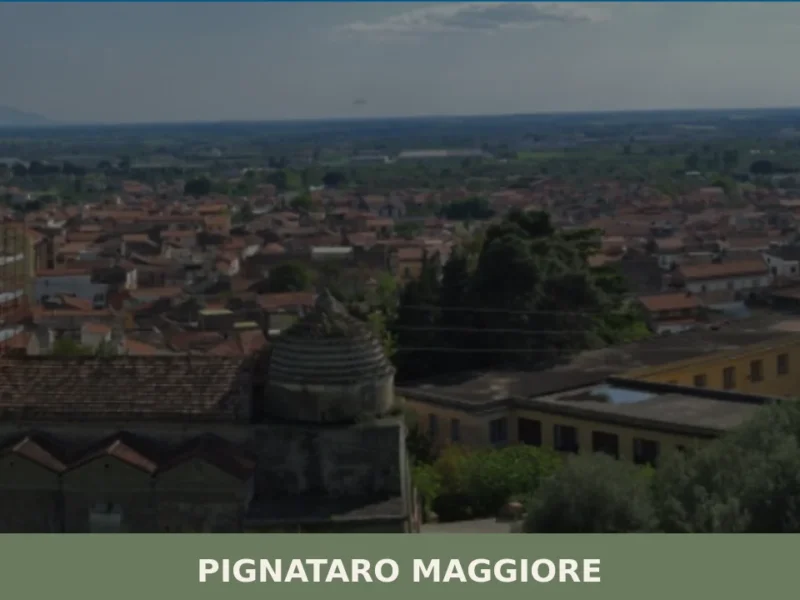
Pignataro Maggiore
What to see in Pignataro Maggiore: 5,733 residents, 93m above sea level in Caserta province. Visit San Giorgio Church, historic centre, 'Ndunderi PAT gnocchi. Plan your trip now.
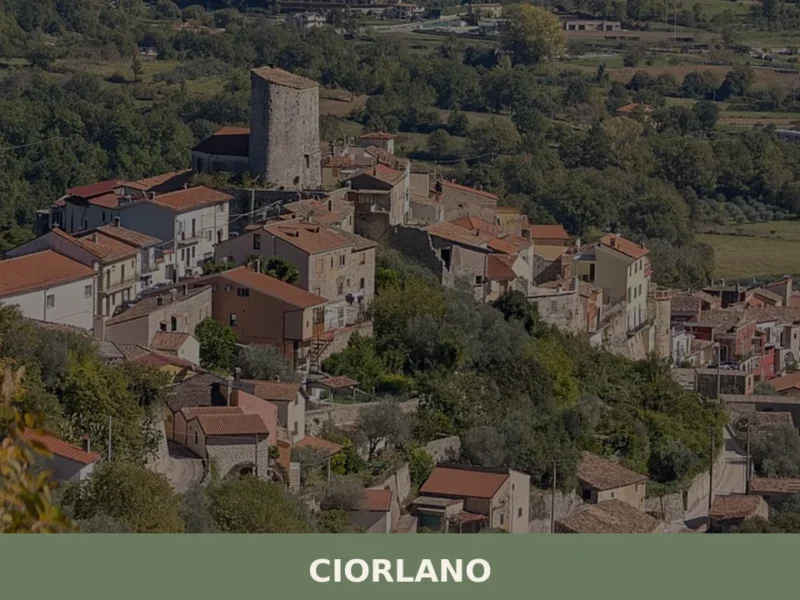
Ciorlano
With its 370 inhabitants spread across an elevation of 330 metres above sea level, Ciorlano is one of the least populated municipalities in the province of Caserta. The village sits in the middle Volturno valley, along the hillside that separates the Matese massif from the Alife plain. Anyone wondering what to see in Ciorlano will […]





📝 Incorrect information or updates?
Help us keep the Arpaise page accurate and up to date.