


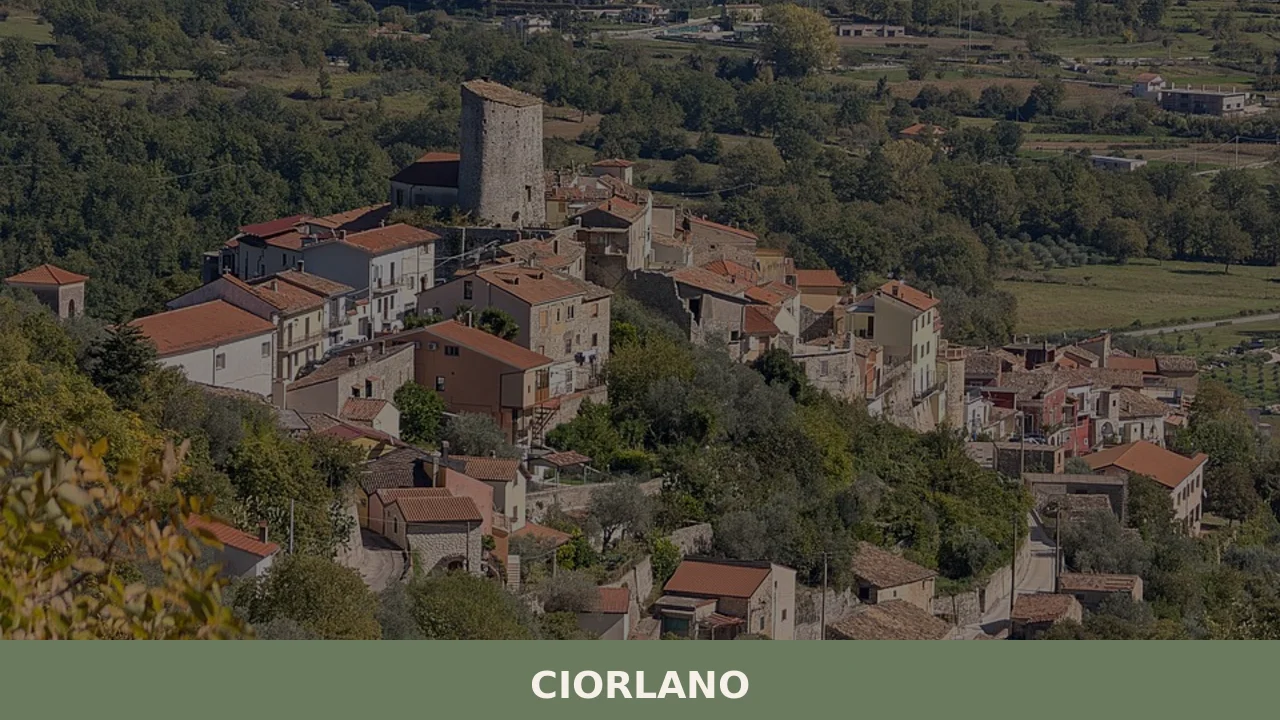
Ciorlano
 Hills
Hills
With its 370 inhabitants spread across an elevation of 330 metres above sea level, Ciorlano is one of the least populated municipalities in the province of Caserta. The village sits in the middle Volturno valley, along the hillside that separates the Matese massif from the Alife plain. Anyone wondering what to see in Ciorlano will […]
Discover Ciorlano
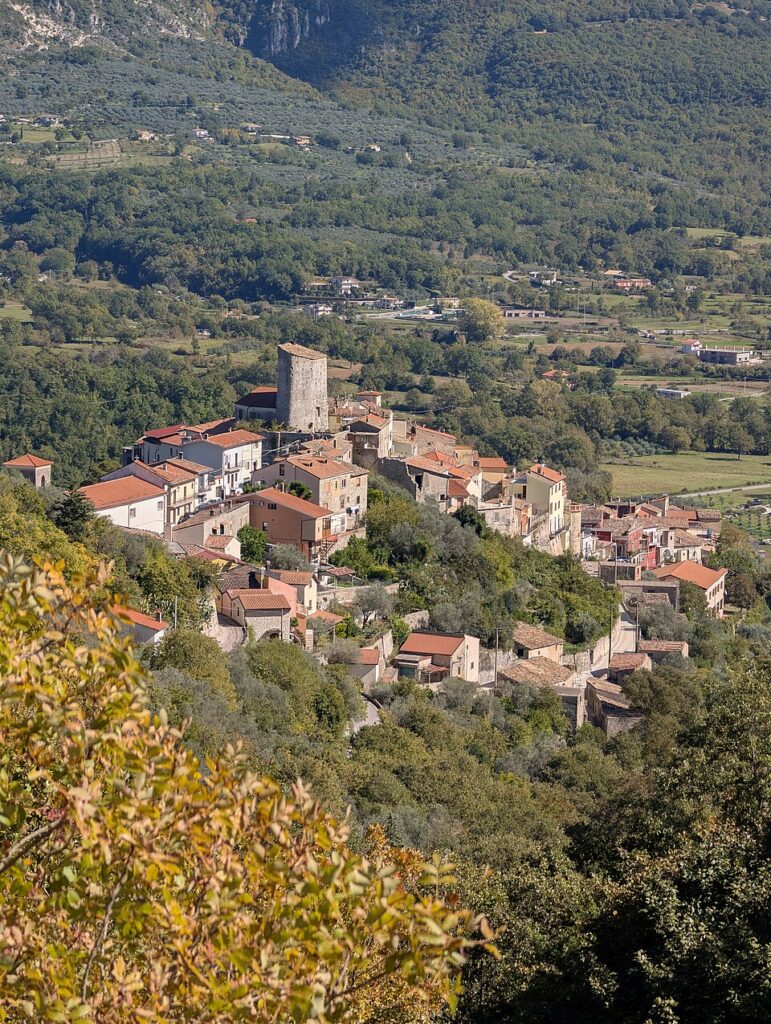
With its 370 inhabitants spread across an elevation of 330 metres above sea level, Ciorlano is one of the least populated municipalities in the province of Caserta. The village sits in the middle Volturno valley, along the hillside that separates the Matese massif from the Alife plain. Anyone wondering what to see in Ciorlano will find a compact urban core, with structures built from local limestone and a network of narrow streets converging towards the parish church dedicated to Saint Nicholas of Bari, the patron saint of the village. The surrounding landscape is dominated by oak woods, arable fields and small olive groves.
History and origins of Ciorlano
The place name “Ciorlano” has debated origins. Some hypotheses link it to a Latin personal name, perhaps a fundus Cerelianus or Caerelianus, following a pattern common in the toponymy of southern Italy, where the names of Roman landowners were gradually transformed over the centuries into place names. The earliest documentary evidence of the settlement dates to the medieval period, when the territory fell within the Lombard and later Norman county linked to the district of Alife.
During the Middle Ages, Ciorlano was part of the feudal system that governed the upper Terra di Lavoro. The village passed through the hands of several baronial families, following the political fortunes of the Kingdom of Naples. Its position in the Volturno valley — along a route connecting the Tyrrhenian coast to the Samnite hinterland — gave the settlement a role, however modest, in local transhumance and trade routes.
In the twentieth century, Ciorlano experienced severe depopulation, a fate shared by many inland centres in Campania. Since the post-war censuses, the population has progressively declined to the current nucleus of just a few hundred residents. The village nevertheless retains the compact urban layout of the old centre, still legible in the arrangement of the houses and in the presence of architectural elements tied to the local stone building tradition.
What to see in Ciorlano: 5 main attractions
1. Church of San Nicola di Bari
The parish church, dedicated to the patron saint of the village, is the focal point of the settlement. The building has a sober façade and a single-nave interior where liturgical furnishings and devotional statues are preserved. The feast of Saint Nicholas, on 6 December, is the community’s main religious occasion, with a procession and celebrations that involve the entire village.
2. Limestone old town
The old core of Ciorlano follows a compact layout, with houses built from local stone arranged along narrow streets and often connected by relieving arches. Carved stone doorways, still visible on several façades, indicate the building phases of the centre between the seventeenth and nineteenth centuries. Some buildings display elements of rural architecture such as external staircases and loggias.
3. Hill paths in the Volturno valley
From the village, unpaved tracks lead through the surrounding hilly landscape, passing through oak woods, Mediterranean scrub and olive groves. These paths — historically used to reach farmland — offer vantage points over the middle Volturno valley and the southern slopes of the Matese massif, whose limestone profile rises above 2,000 metres.
4. Ruins and scattered rural architecture
In the countryside around the village, remains of rural buildings — farmsteads, animal shelters, dry-stone walls — document the agro-pastoral economy that sustained the settlement for centuries. Some of these structures, now in a state of abandonment, preserve dry-stone construction techniques consistent with the building tradition of the upper Caserta area.
5. View towards the Matese
From the upper part of the village, where the terrain rises northward, the view opens onto the Matese ridge. On clear days, the main peaks of the massif are distinguishable and, to the south, the plain stretching as far as Alife. It is a useful orientation point for understanding the geography of the valley and the position of the village in relation to nearby centres.
What to see in Ciorlano: local cuisine and products
The table in Ciorlano reflects the agro-pastoral economy of the middle Volturno valley. Extra virgin olive oil is the most representative product: the olive trees grow on south-facing hillside terrain, and pressing still takes place in small local mills. Local dairy production includes stretched-curd cheeses and pecorinos, tied to the sheep farming that persists in the more inland areas. Among the traditional dishes are legume soups — beans, grass peas, chickpeas — often prepared with homemade pasta, following recipes passed down orally.
The proximity to the Matese also brings porcini mushrooms and chestnuts to the table during the autumn months. Bread is still made in some homes using sourdough and baked in wood-fired ovens. Dining options within the village are limited, but in the neighbouring municipalities along the valley there are trattorias offering menus based on local ingredients. For those looking to take products home, the weekly markets in the larger centres — Piedimonte Matese, Alife — have stalls run by local producers.
When to visit Ciorlano: the best time
Ciorlano’s climate is typical of the inland Campanian hills: hot but breezy summers and cold winters with temperatures that can drop below zero on January nights. Spring, from April to June, is the most suitable period for walking the hill paths, when the vegetation is at the height of its growing cycle and daytime temperatures remain between 18 and 25 degrees. Autumn, particularly October and November, offers the advantage of foliage colours and the mushroom and chestnut season.
The feast of Saint Nicholas of Bari, celebrated on 6 December, is the time of year when the village is at its liveliest, with the participation of those who have emigrated as well. During the summer months, some events organised by the Municipality draw residents and visitors, although the calendar varies and it is advisable to check the dates from year to year.
How to reach Ciorlano
Ciorlano is reached by car via the A1 Milan–Naples motorway, exiting at the Caianello toll station. From there, continue along the SS 372 Telesina in the direction of Alife–Piedimonte Matese, then turn off onto the provincial roads that climb the Volturno valley. The distance from the toll station is approximately 30 kilometres, covered in 35–40 minutes.
From Naples, the total distance is approximately 90 kilometres (about an hour and a half of driving). From Rome, the journey is approximately 190 kilometres, just under two hours via the A1. The nearest railway station is Piedimonte Matese, served by the Alifana line operated by EAV (Ente Autonomo Volturno), which connects the area with Naples. The reference airport is Naples-Capodichino, approximately 100 kilometres away. There are no frequent public transport services to Ciorlano: a car is the most practical option.
Other villages to discover in Campania
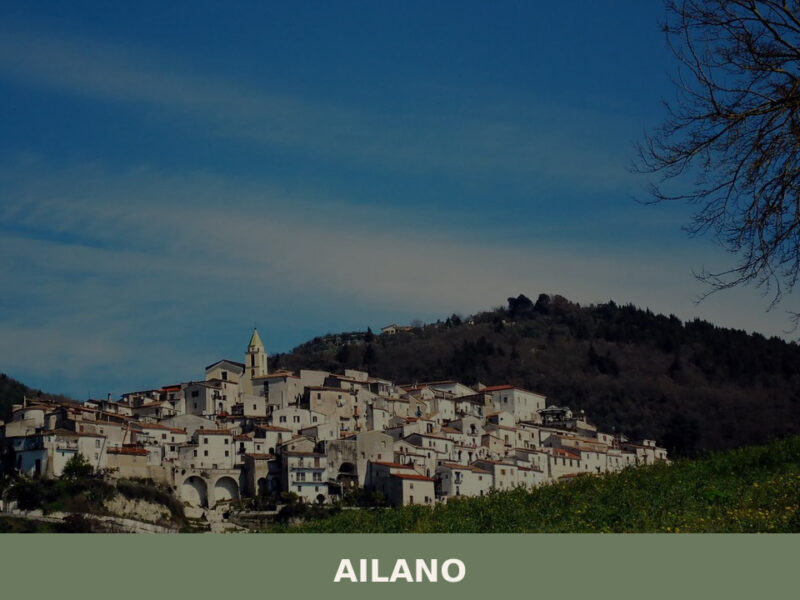
The middle Volturno valley is home to a series of small centres that share with Ciorlano their hillside location and stone settlement structure. Among these, Ailano lies just a few kilometres to the north-west and features an old town with similar architectural elements, as well as a position that offers a different perspective on the Matese. The two villages are connected by provincial roads that can be covered in just a few minutes and can be visited on the same day.
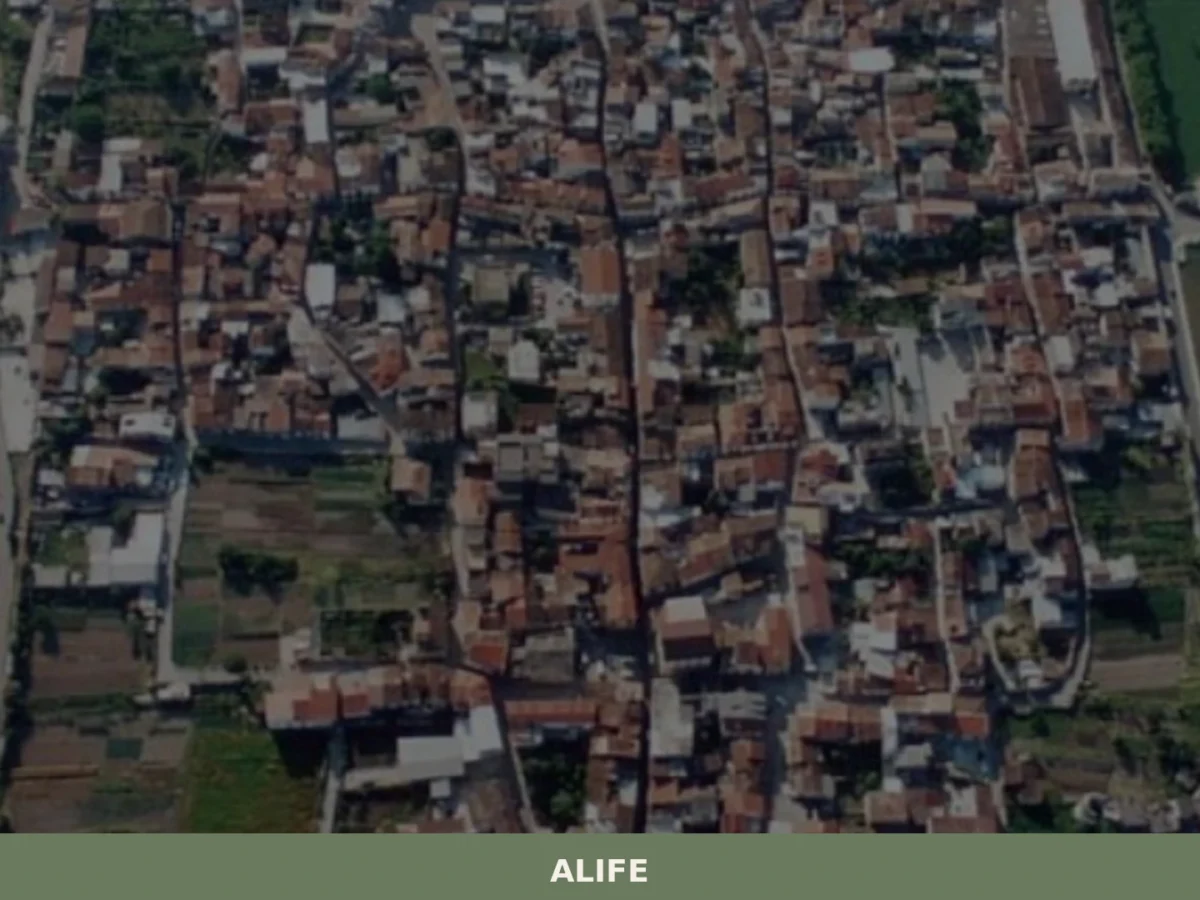
More broadly, the area between the Matese and the Alife plain includes dozens of villages with populations under one thousand, each with its own building features and patron saint festivals. Alife, with its Roman amphitheatre and city walls, is the main historical centre in the area. Piedimonte Matese, the administrative hub of the district, offers services and a logistical base for exploring the surrounding municipalities, including Ciorlano. For those studying the network of small centres in the upper Caserta area, the Touring Club Italiano provides updated entries and cartographic references useful for planning itineraries.
Frequently asked questions about Ciorlano
What is the best time to visit Ciorlano?
The ideal times to visit Ciorlano are spring (April to June) and autumn (October to November). Spring offers pleasant temperatures (18-25°C) perfect for exploring the hill paths amidst blooming vegetation. Autumn provides stunning foliage, and it's the season for local porcini mushrooms and chestnuts. While summers are hot, they are breezy. The village becomes particularly lively on December 6th for the Feast of San Nicola di Bari, the patron saint, a significant religious and community event that draws many visitors and former residents.
What are the historical origins of Ciorlano?
The origins of Ciorlano's name are debated, possibly stemming from a Roman landowner's name like 'fundus Cerelianus'. The earliest documented evidence places the settlement in the medieval period, when it was part of the Lombard and later Norman county of Alife. Throughout the Middle Ages, Ciorlano was integrated into the feudal system of the Kingdom of Naples, playing a modest role in local transhumance and trade due to its position in the Volturno valley. The village experienced significant depopulation in the 20th century, a common fate for many inland Campanian centers.
What to see in Ciorlano? Main monuments and landmarks
Ciorlano's main attractions include the **Church of San Nicola di Bari**, the village's focal point, known for its sober façade and single-nave interior with devotional statues. The **Limestone old town** is a compact network of narrow streets and houses built from local stone, featuring carved doorways from the 17th-19th centuries and elements of rural architecture. Visitors can also explore **Hill paths in the Volturno valley**, offering unpaved tracks through oak woods and olive groves with vantage points over the valley and Matese massif, or enjoy the panoramic **View towards the Matese** from the upper part of the village.
What are the main natural or scenic attractions of Ciorlano?
Ciorlano is nestled in a hilly landscape rich in natural beauty. The primary natural attractions are the **hill paths in the Volturno valley**, which wind through oak woods, Mediterranean scrub, and small olive groves. These tracks provide excellent opportunities for walking and offer panoramic **vantage points** over the middle Volturno valley. From the upper areas of the village, visitors can also enjoy a striking **view towards the Matese massif**, appreciating the limestone profile of its peaks and the expanse of the Alife plain to the south, making it a great spot for landscape photography.
Where to take the best photos in Ciorlano?
For captivating photos in Ciorlano, focus on the **Limestone old town** with its compact layout, narrow streets, and houses built from local stone, often featuring relieving arches and carved stone doorways. These architectural details offer picturesque backdrops. Additionally, head to the **upper part of the village** for panoramic shots of the **Matese ridge** and the Volturno valley. The **hill paths** surrounding Ciorlano also provide excellent opportunities to capture the natural beauty of oak woods, olive groves, and sweeping landscapes, especially during spring and autumn.
Are there museums, churches or historic buildings to visit in Ciorlano?
Ciorlano features the **Church of San Nicola di Bari**, the patron saint's church, which is the central religious building in the village. While there are no museums, the entire **Limestone old town** functions as a living historic site, showcasing a compact urban layout with houses built from local stone, narrow streets, and architectural elements like carved doorways dating from the 17th to 19th centuries, along with rural structures such as external staircases and loggias. The church is generally accessible during service hours or for quiet visits.
What can you do in Ciorlano? Activities and experiences
In Ciorlano, visitors can immerse themselves in nature by **walking the hill paths** that traverse oak woods, olive groves, and Mediterranean scrub, offering scenic views of the Volturno valley and Matese. Exploring the **compact limestone old town** allows for a journey through centuries of local architecture. For culinary enthusiasts, it's an opportunity to discover **local cuisine and products** like extra virgin olive oil, traditional cheeses, and legume soups. If visiting on December 6th, participating in the lively **Feast of San Nicola di Bari** provides a unique cultural experience.
Who is Ciorlano suitable for? Families, couples, hikers, solo travelers?
Ciorlano is ideal for travelers seeking a tranquil escape into authentic Italian village life. It's particularly suited for **hikers and nature lovers** eager to explore the hill paths and enjoy panoramic views of the Volturno valley and Matese massif. **History enthusiasts** will appreciate the well-preserved limestone old town and its medieval origins. **Foodies** can delight in the genuine agro-pastoral cuisine and local products. It's also a perfect destination for **couples and solo travelers** looking for peace, quiet, and a connection with local traditions away from mass tourism.
What to eat in Ciorlano? Local products and specialties
Ciorlano's table reflects its agro-pastoral heritage. The most representative product is **extra virgin olive oil**, pressed from olives grown on south-facing hillsides. Local dairy production includes various **stretched-curd cheeses and pecorinos**. Traditional dishes prominently feature **legume soups**—made with beans, grass peas, or chickpeas—often prepared with homemade pasta. In autumn, the proximity to the Matese massif brings **porcini mushrooms and chestnuts** to the forefront. Some homes still bake bread using **sourdough** in wood-fired ovens, offering a taste of authentic local flavors.
📷 Photo Gallery — Ciorlano
Nearby Villages near Ciorlano
In Campania More villages to discover
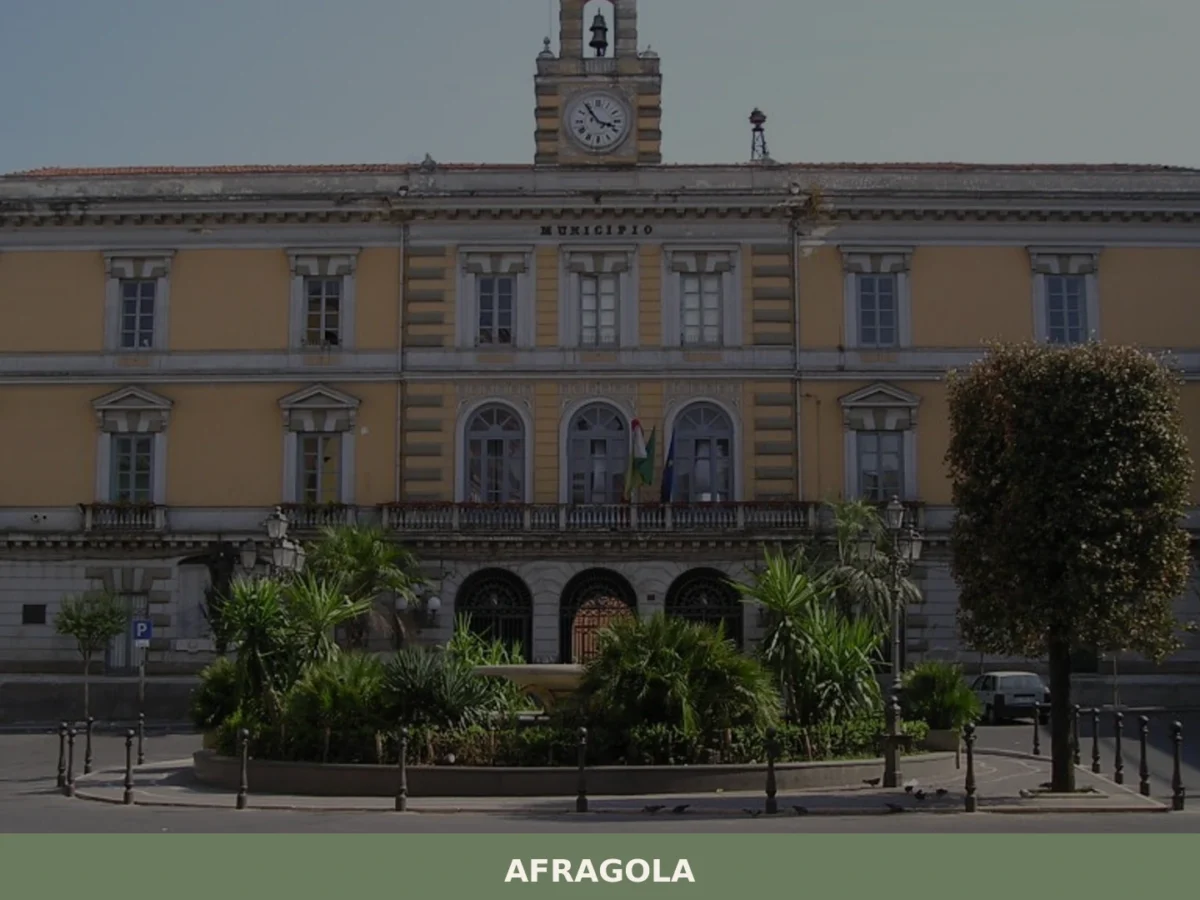
Afragola
 Plains
Discover what to see in Afragola, Campania: Zaha Hadid's station, Baroque churches, local food, and practical travel tips for this Naples hinterland town.
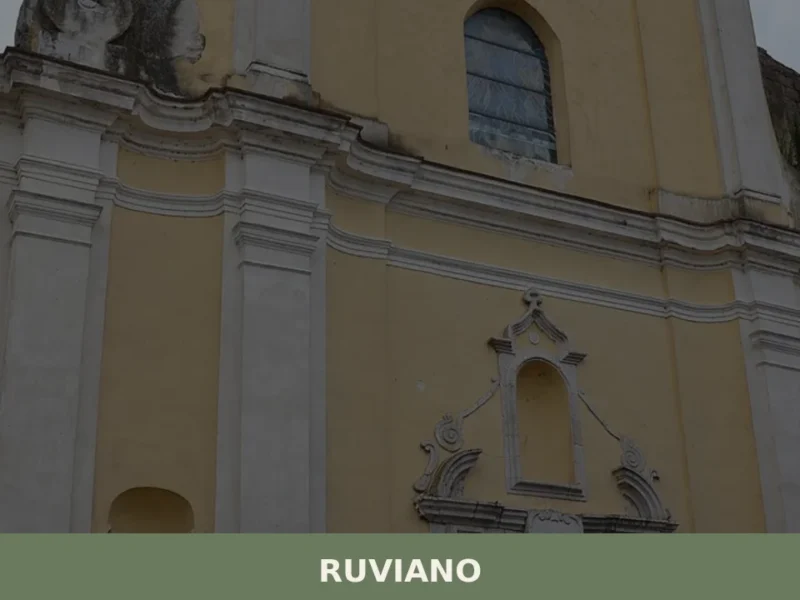
Ruviano
Plains
What to see in Ruviano, Italy: Explore this comune at 80 m altitude, known for its patron feast and agricultural views. Discover Ruviano, Campania.
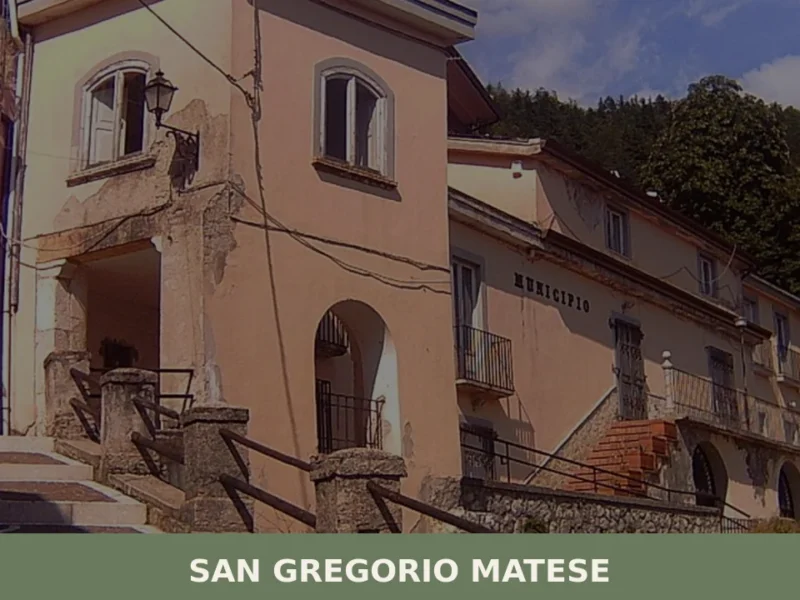
San Gregorio Matese
 Mountain
What to see in San Gregorio Matese, Italy: Explore this mountain village at 765 m altitude. Discover its historic core and annual patron saint feast. Read our guide.
Conca della Campania
Hills
At 420 metres above sea level, on the hilly ridge separating the Volturno valley from the Lazio side, Conca della Campania today has 1,154 inhabitants spread between the main settlement and the hamlets scattered along the ridgelines. The municipal territory falls within the province of Caserta, on the border with Molise and Lazio, a frontier […]
Fontegreca
Hills
Fontegreca, a municipality in the province of Caserta, is home to the Cipresseta, a protected natural area recognized for its size and for the presence of centuries-old cypress trees, a distinctive feature of the local landscape. With a population of 834 inhabitants and situated 320 meters above sea level, this hill village develops on a […]

Napoli
 Sea
Sea
What to see in Napoli: 959,052 residents, UNESCO historic centre and Teatro San Carlo (1737). Discover the National Archaeological Museum, Neapolitan pizza and the 19 September San Gennaro feast.
Avellino
Hills
Uncover the charm of the village of Avellino in Campania, Italy. Explore its rich history, local traditions, and stunning landscapes. Plan your visit to this Italian gem!
Aiello del Sabato
Hills
What to see in Aiello del Sabato, Italy? Discover this village at 425 m (1,394 ft) altitude. Explore its historic core and learn about its Roman past. Read our guide.
Raviscanina
Hills
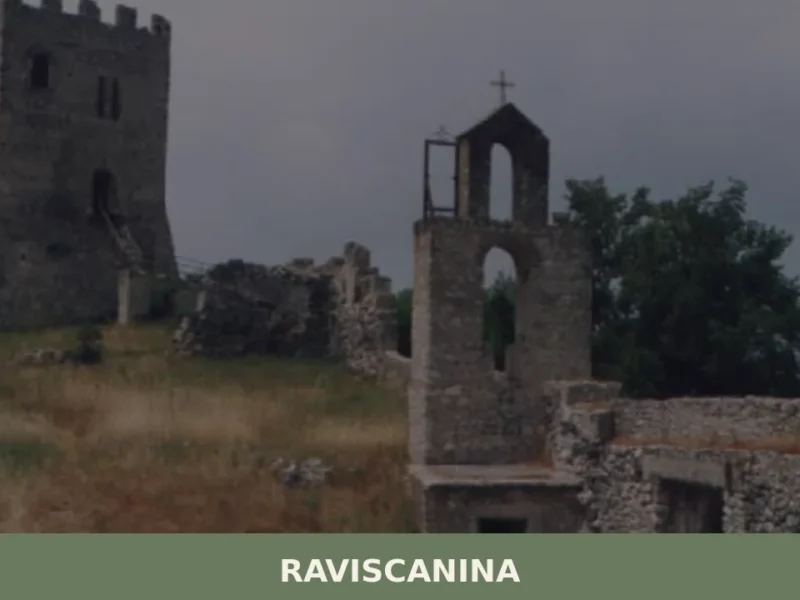
what to see in raviscanina, Italy: Explore this village at 358 m a.s.l. Discover ancient castle ruins and local traditions. Read more.
Benevento
Plains
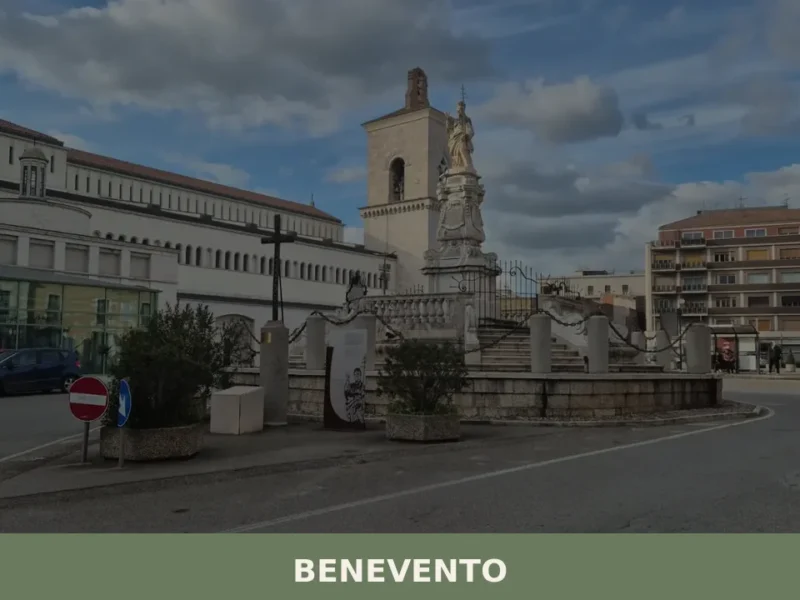
Uncover the rich history and beautiful landscapes of the village of Benevento in Campania, Italy. Plan your visit to this charming Italian gem today!





🏡 Know Ciorlano better than we do?
If you’re a local or have been there, your knowledge matters: add what’s missing or fix a detail on this page.