


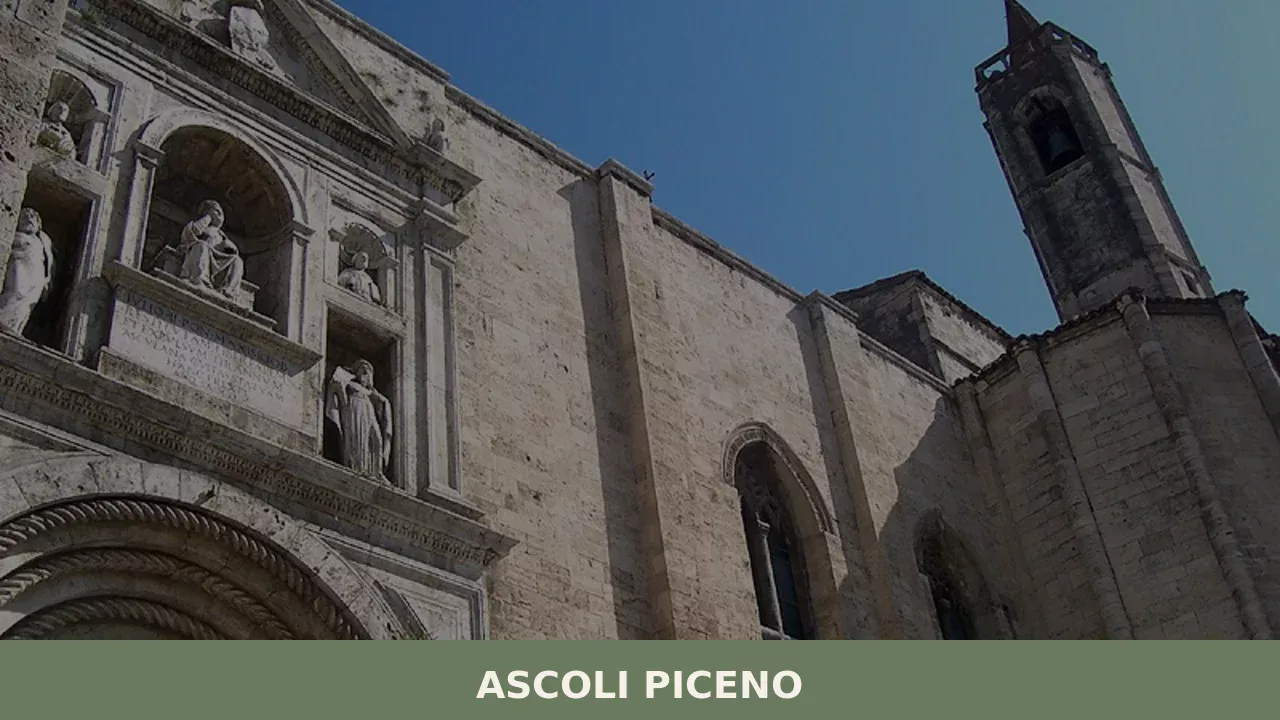

Ascoli Piceno is a provincial city of 45,277 residents in Marche, renowned for its medieval towers, travertine historic centre, and deep-rooted Picene heritage.
Discover Ascoli Piceno
Ascoli Piceno is a city of 45,277 residents in the Marche region of central Italy, capital of its own province, set in the valleys of the Tronto and Castellano rivers at an elevation of 154 metres above sea level. Classified by ISTAT among Italian municipalities with a cultural, historical, artistic and landscape vocation, it preserves one of the most complete medieval and Renaissance urban cores in the country, with its characteristic towers, porticoed squares, and buildings raised in the pale local travertine that gives the city its distinctive appearance.
Searching for Ascoli Piceno village in Marche is how many travellers first discover what is, in fact, a substantial provincial city with more than forty-five thousand residents, a full calendar of civic and religious life culminating in the feast of San Emidio on 5 August, and a layered history stretching back to prehistoric settlement. From its Picene origins to its medieval skyline of towers — still earning it the epithet Città delle cento torri, City of the Hundred Towers — and forward to its contemporary cultural institutions, Ascoli Piceno rewards visitors looking for depth alongside the more immediately picturesque.
Ascoli Piceno village in Marche: history, origins, and long continuity
Ascoli Piceno is a city with documented human presence from the Stone Age, traditionally said to have been founded by Sabine peoples guided by a woodpecker during one of their spring migrations known as the ver sacrum, who merged with local populations to form the Piceni around 1,600 years before the founding of Rome. The name Picenum itself derives, according to ancient sources including Strabo, Pliny, Festus, and Paul the Deacon, from picus, the Latin word for woodpecker. The city’s fuller designation, Asculum Picenum, was used to distinguish it from Asculum Apulum in Apulia.
The medieval city developed a striking skyline through the construction of roughly two hundred gentilizie towers, building activity that began shortly after the year one thousand. Tradition holds that around 1242 Federico II ordered the destruction of ninety-one of them, and further reductions continued over subsequent centuries. Today Ascoli Piceno retains a number of these towers and is known by the epithet Città delle cento torri, the City of the Hundred Towers. The historic centre, built almost entirely in travertino — a pale, durable sedimentary limestone — has as its centrepiece the Renaissance Piazza del Popolo.
The official addition of “Piceno” to the municipal name occurred by royal decree in November 1862, following a deliberation of the town council in July of that year, formalising a geographic qualifier that had in practice accompanied the city’s name since antiquity.
Piazzas, Towers, Churches and Museums in Ascoli Piceno
Ascoli Piceno offers visitors a historic centre built almost entirely in travertine, organised around the Renaissance Piazza del Popolo and enriched by medieval tower-houses, Roman-era archaeology, several significant churches, and a set of museums ranging from contemporary art to ancient inscriptions.
Piazza del Popolo and the Palazzo dei Capitani del Popolo
The Renaissance Piazza del Popolo is the civic focal point of the city. Facing onto it stands the Palazzo dei Capitani del Popolo, whose medieval crenellated tower rises above the square. The church of San Francesco also borders the piazza, forming its principal backdrop alongside the arcaded palazzi that frame the space. The Caffè Meletti occupies a position to one side of the Palazzo dei Capitani; it is a member of the Locali Storici d’Italia, the association of Italy’s historic establishments.
Chiesa di San Francesco
San Francesco is among the defining monuments of Piazza del Popolo and counts as one of the named churches of the city. Its presence on the square places it within the layered architectural fabric that accumulated through the medieval and later periods.
Cattedrale di Sant’Emidio
The cathedral is dedicated to San Emidio, patron of the city, whose feast falls on 5 August. It stands among the principal religious buildings of the historic centre.
Tempietto di Sant’Emidio Rosso
A smaller structure dedicated to the same patron saint, the tempietto is one of the named religious sites within the commune.
Other Churches
Among the further churches nominable within the city are San Tommaso Apostolo and San Vittore.
Museo Archeologico Nazionale di Ascoli Piceno
Opened to the public in 1981, the national archaeological museum is located on Piazza Arringo, in the historic centre. It is the principal repository of ancient material from the territory.
Galleria d’Arte Contemporanea “Osvaldo Licini”
Located within the Polo Culturale Sant’Agostino, the gallery holds works by a number of significant Italian artists including Fontana, Capogrossi, Vedova, Severini and Bompadre. A particular holding is the Celi-Hellstrom collection, described as especially rich in its representation of contemporary Italian art.
Lapidario di Ascoli Piceno
This collection brings together inscriptions, tombstones, coats of arms and sculpture gathered from within the city, with systematic collecting beginning around 1860 under Giulio Gabrielli. Among the most notable pieces are two Roman sarcophagi and Lombard-era windows.
Musei della Cartiera Papale
The Cartiera Papale complex traces its origins to the medieval period, when documentary evidence records the operation of grain mills on a bend of the Torrente Castellano from as early as the eighth century. The building, constructed in squared travertine blocks, subsequently accommodated various productive activities over the centuries before its current museum function.
Archivio di Stato di Ascoli Piceno
Established as a Section of the State Archive by ministerial decree in the mid-twentieth century and elevated to full Archivio di Stato status in the early 1960s, the institution began operating in its present premises in May 1962. It is a point of reference for documentary research on the city and its territory.
Ponte Maggiore and the Torrente Castellano
The Ponte Maggiore crosses the fiume Tronto, linking the historic centre to the Porta Maggiore quarter. Its arches face those of the Ponte di Cecco across the same waterway.
Castles in the Territory
The wider municipal territory includes the Castello di Tronzano, the Castello di Montadamo and the Castello di Casalena.
Olives, Cured Meats and the Flavours of Ascoli Piceno’s Territory
Ascoli Piceno’s area is most closely associated with the Oliva Ascolana del Piceno DOP, the large, tender stuffed olive that takes its name directly from this city, alongside a broader table of certified products from the surrounding Piceno territory. The province also produces Ciauscolo IGP, a soft spreadable salume, and contributes to Agnello del Centro Italia IGP. Among designated wines, the vineyards around this part of the Marche yield Offida DOCG, Falerio DOC and Rosso Piceno / Piceno DOC, all grown within reach of the city.
Several traditional preparations circulate across the wider regional area and are worth seeking in local restaurants and markets: vino cotto, sapa, and a liquore al cumino are among the PAT-listed products associated with the Marche, though they are not exclusive to Ascoli Piceno itself. The historic centre, with its covered market and the long-standing Caffè Meletti on Piazza del Popolo — a member of the Locali Storici d’Italia — offers a natural starting point for tasting what the territory produces.
Reaching Ascoli Piceno and Planning Your Stay
Ascoli Piceno is accessible by road from the Adriatic coast in roughly 30 minutes, sitting approximately 28 kilometres inland from the sea, with the A14 motorway and its A14dir spur providing the main motorway connection from the Adriatic coast, and the SS4 Salaria providing the main overland connection from Rome and central Italy. Spring and early autumn are the most comfortable seasons for exploring a city of 45,277 residents whose historic centre rewards unhurried walking; the summer peak, marked by the feast of San Emidio on 5 August, brings the city’s cultural calendar to a particular intensity.
The city sits at 154 metres above sea level at the confluence of the Tronto river and the Castellano torrent, surrounded on three sides by hills and mountains. The nearby comune of Acquasanta Terme lies to the west along the Tronto valley, while Castel di Lama and Appignano del Tronto border Ascoli to the east, making the wider valley easy to explore as day trips from the city.
| Departure | Distance | Time |
|---|---|---|
| San Benedetto del Tronto | approx. 35 km | approx. 35 min |
| Acquasanta Terme | approx. 25 km | approx. 25 min |
Three long-distance walking routes pass through or near Ascoli Piceno: the Cammino dei Cappuccini (400 km), the Sentiero dei Fioretti (310 km) and the Cammino Francescano della Marca (167 km), making the city a practical base for walkers tackling any of these trails. The city’s CAP is 63100 and its institutional website is www.comune.ascoli-piceno.ap.it.
Frequently asked questions about Ascoli Piceno
How do you get to Ascoli Piceno by car or train?
By car, take the A24 Rome–L'Aquila motorway and exit at San Benedetto del Tronto–Ascoli Piceno, then follow the SS4 Salaria road inland for about 30 km. By train, the nearest main-line station is San Benedetto del Tronto on the Adriatic coast, served by Trenitalia regional trains; from there a connecting regional train runs along the Tronto valley directly into Ascoli Piceno central station, with a journey time of roughly 35–40 minutes.
When is the best time to visit Ascoli Piceno?
Spring (April–June) and early autumn (September–October) offer mild temperatures ideal for exploring the historic centre on foot. The most atmospheric date is 5 August, the feast of San Emidio, patron saint of the city, when the streets fill with processions and civic celebrations. Mid-August also sees the Quintana, a celebrated medieval jousting tournament held in Piazza del Popolo, drawing large crowds and offering a spectacular pageant of period costumes and horsemanship.
Are there hiking or cycling routes around Ascoli Piceno?
Yes. The surrounding Sibillini Mountains National Park, roughly 30 km away, offers an extensive network of CAI-marked trails, including routes toward Monte Vettore. Closer to the city, the Tronto and Castellano river valleys have signposted greenway paths suitable for walking and cycling. The Ciclovia del Tronto, a developing long-distance cycling route following the Tronto river from the Apennines to the Adriatic, passes through the area and connects Ascoli Piceno to the coast at San Benedetto del Tronto.
How long should you plan to visit Ascoli Piceno and is parking available?
A thorough visit to the historic centre, including Piazza del Popolo, the Cathedral, and the main museums, comfortably requires one full day; two days allow for surrounding day trips. Several paid car parks sit just outside the historic ZTL (restricted traffic zone), including Piazzale Giornate Partigiane and areas near Porta Romana. The centre is compact and largely walkable once parked. Visitors arriving for major festivals should book parking in advance as spaces fill quickly.
What is a little-known historical fact about Ascoli Piceno?
Ascoli Piceno was one of the main flashpoints of the Social War (91–87 BC), the conflict in which Italian allied peoples (socii) fought Rome for full citizenship rights. The city of the Picentes rose in revolt, and the war is sometimes called the Bellum Asculanum after the city. Although Rome ultimately prevailed militarily, the conflict led directly to the extension of Roman citizenship to virtually all free inhabitants of Italy, making Ascoli Piceno pivotal in shaping the legal foundations of Roman Italy.
Nearby Villages near Ascoli Piceno
 Mountain
In Marche More villages to discover
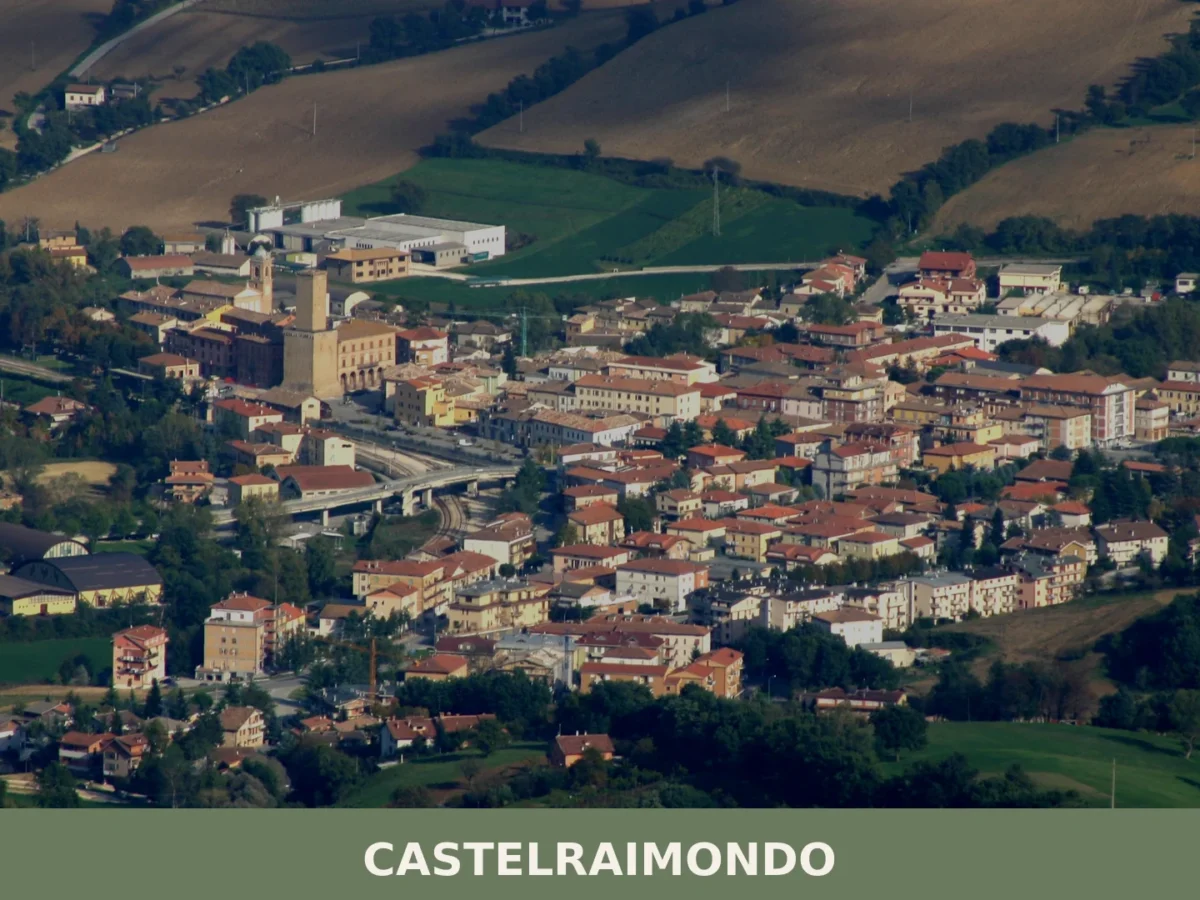
Castelraimondo
 Hills
Hills
4,280 residents and a 38.3-metre tower that still dominates the skyline. Castelraimondo rewards visitors with medieval architecture, a fine-arts castle museum and one of the Marche's most vivid Corpus Domini traditions.
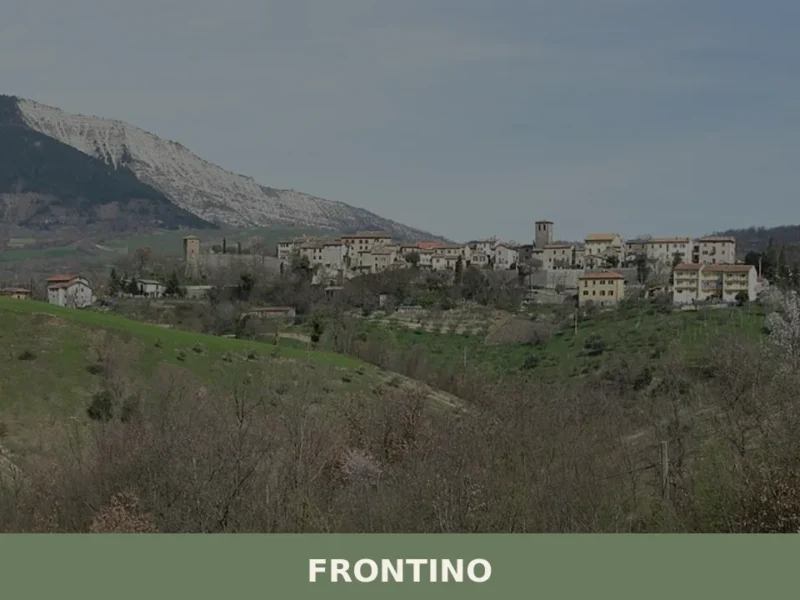
Frontino
Hills
Frontino has around 300 inhabitants today, spread across a hilly area in the province of Pesaro and Urbino at 519 metres above sea level, along the eastern slope of the Apennines separating the Marche from Tuscany and Romagna. The municipality, one of the least populated in the entire region, retains a compact and legible urban […]
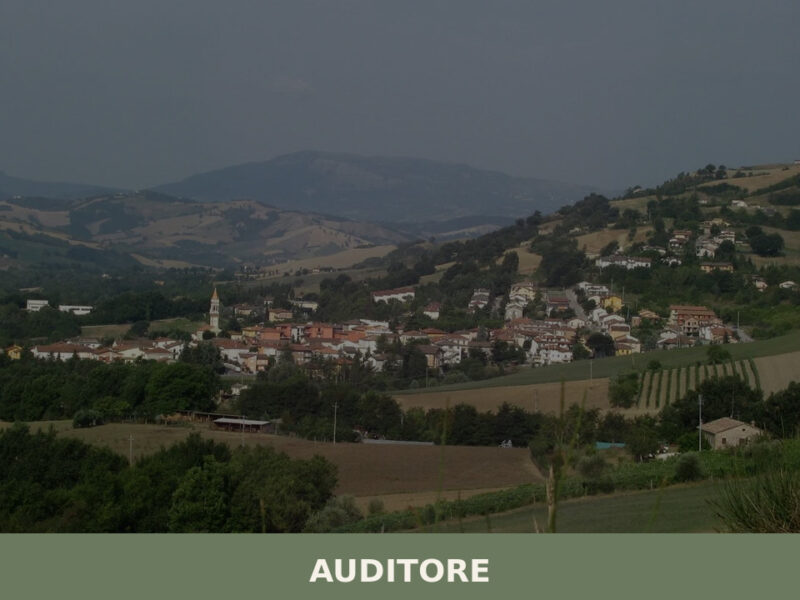
Auditore
Hills
Morning light falls across a line of stone houses the colour of dry wheat, and somewhere below the rooftops a church bell marks the hour with a single, unhurried stroke. Auditore sits in the hill country of the province of Pesaro e Urbino, a settlement of 1,631 people where the Foglia river valley opens toward […]
Castel di Lama
Hills
Castel di Lama is a commune of roughly 8,400 inhabitants in the province of Ascoli Piceno, Marche, whose hilltop quarter, Roman vestiges and contemporary art collection make it a quietly rewarding sto
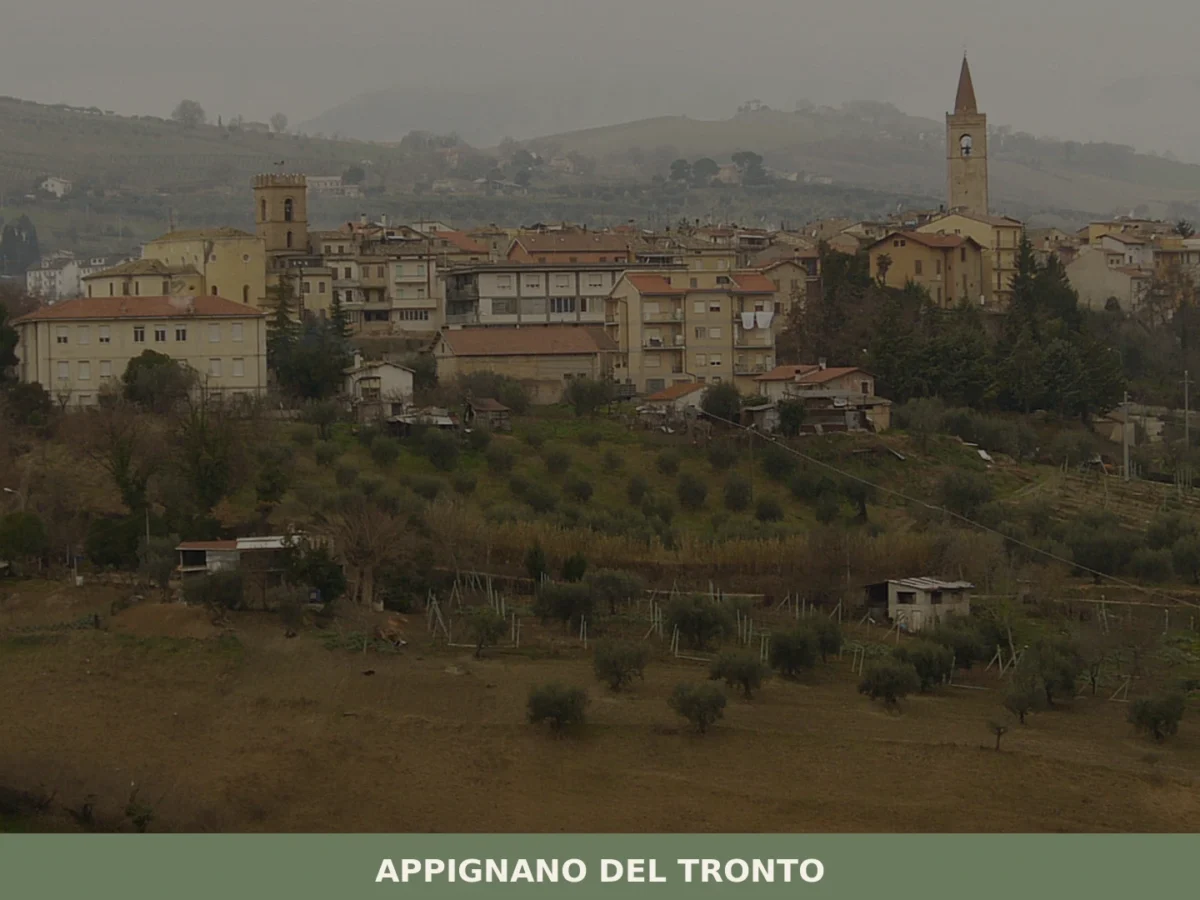
Appignano del Tronto
 Plains
What to see in Appignano del Tronto, Italy: 9 km from Ascoli Piceno, discover top attractions, local food, and travel tips for this Marche village. Explore now.
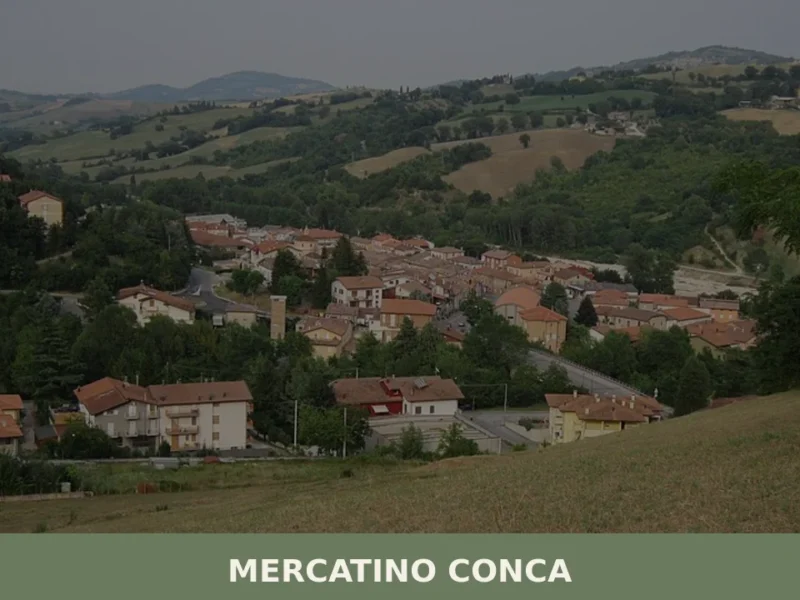
Mercatino Conca
Hills
At 275 meters above sea level, in the province of Pesaro and Urbino, lies Mercatino Conca, a settlement with 1,033 residents. The name itself, “Mercatino” (meaning “little market”), suggests a historical commercial function, likely linked to its position in the Conca river valley, a crossroads for trade and activities since ancient times. For those wondering […]
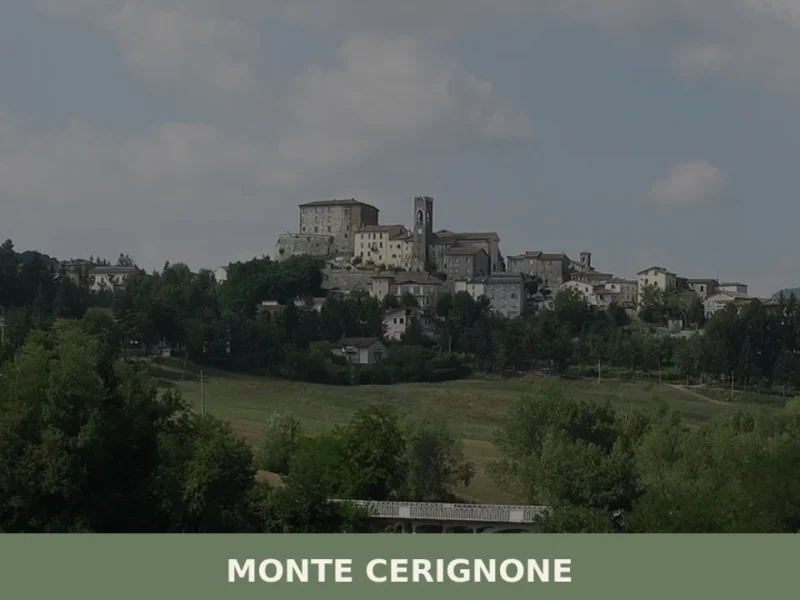
Monte Cerignone
Hills
What to see in Monte Cerignone: discover 5 must-see attractions, from Malatesta Fortress to St. Blaise Church. Plan your trip to this Marche village.
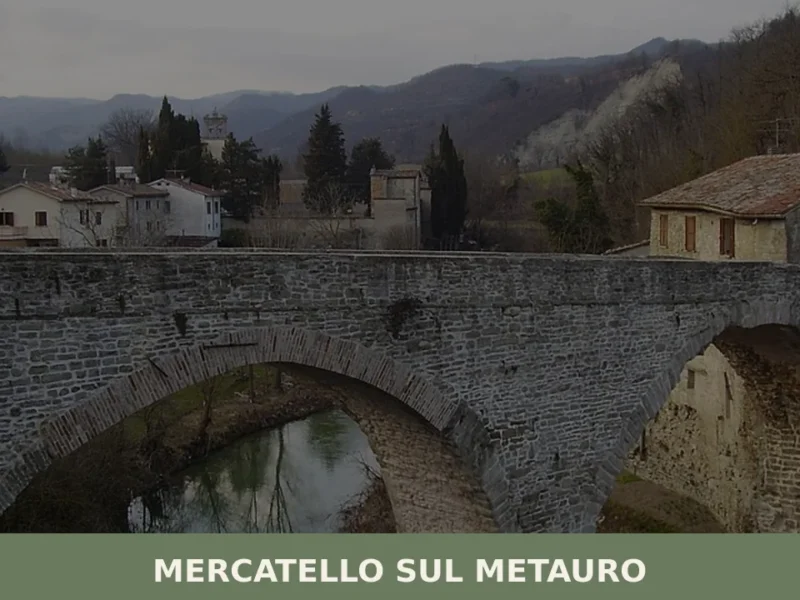
Mercatello sul Metauro
Hills
Mercatello sul Metauro has a current population of 1,326 and sits at an elevation of 429 metres in the middle Metauro valley, in the province of Pesaro and Urbino. The village owes its identity to one specific figure: Saint Veronica Giuliani, a Capuchin mystic born here in 1660, beatified in 1804 and canonised in 1839. […]
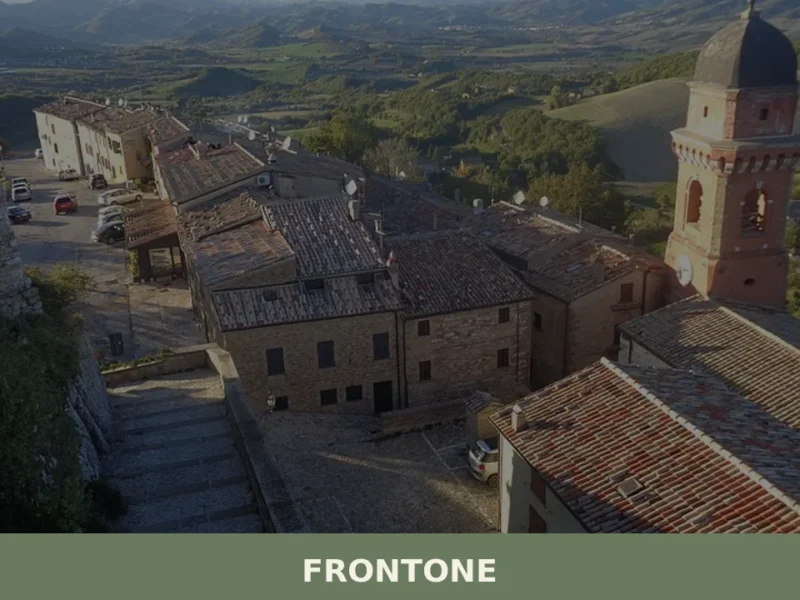
Frontone
Hills
Frontone Castle, whose original structure dates between the 11th and 12th centuries, overlooks the village of the same name, a municipality of 1,218 inhabitants in the province of Pesaro and Urbino. Situated at 412 meters above sea level, Frontone extends along the slopes of Mount Catria, offering a view of the surrounding hilly landscape. Its […]
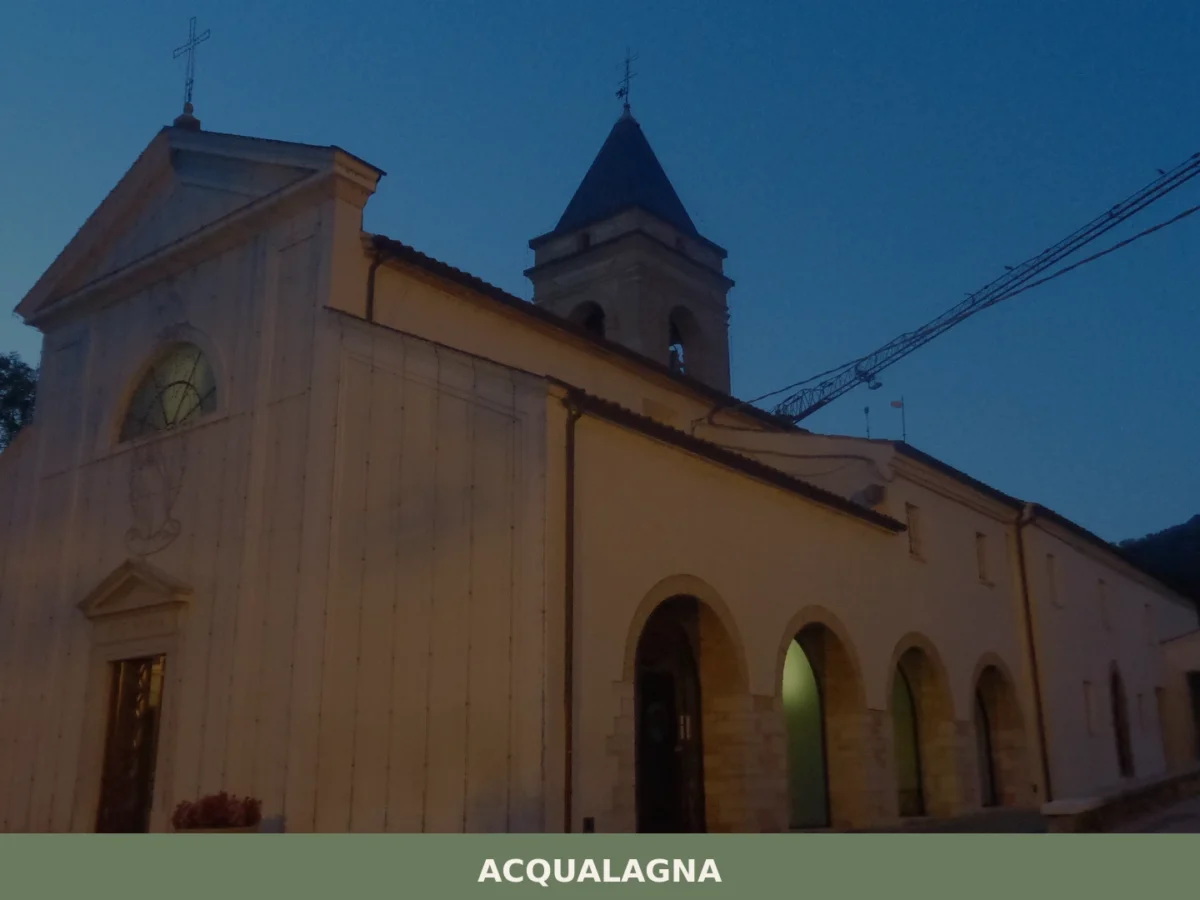
Acqualagna
Plains
Discover what to see in Acqualagna, Marche: the Furlo Gorge, Via Flaminia, white truffle fairs and Apennine woodlands. Practical travel guide to Pesaro e Urbino.




🏡 Know Ascoli Piceno better than we do?
If you’re a local or have been there, your knowledge matters: add what’s missing or fix a detail on this page.