


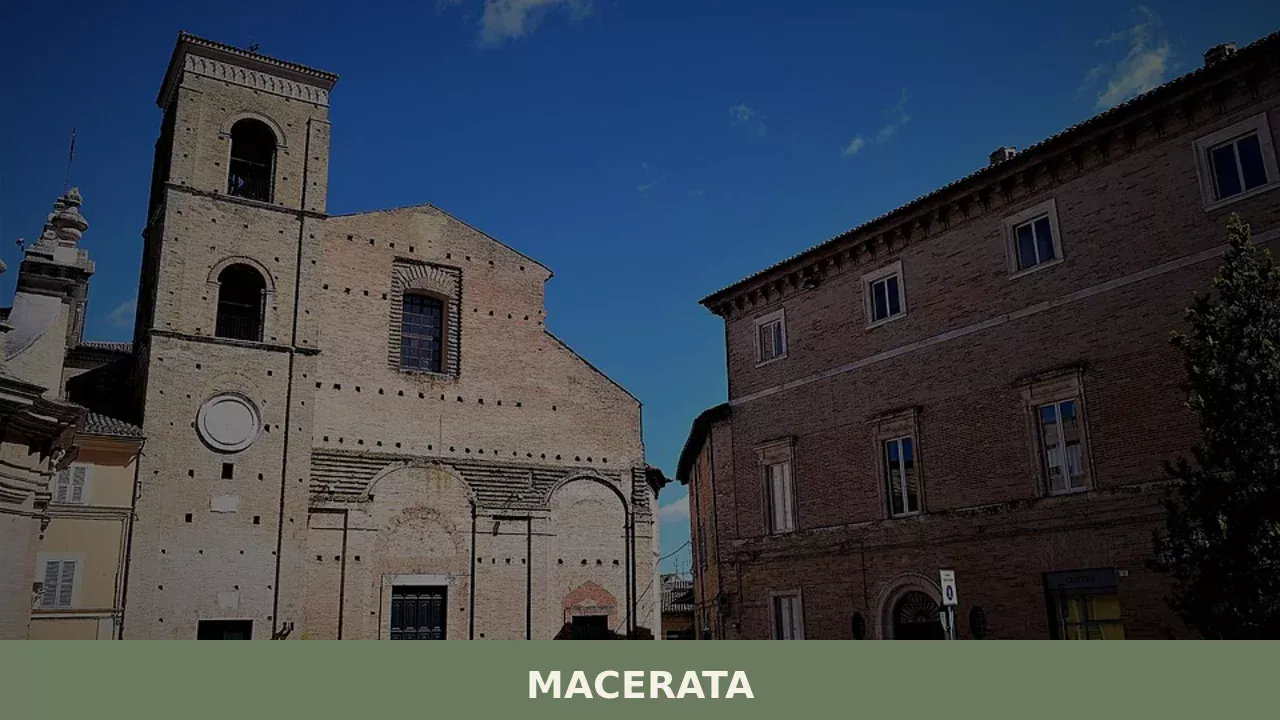

Macerata is a hilltop city in the Marche region of central Italy, sitting at about 323 metres above sea level between the Chienti and Potenza valleys, with a rich cultural and artistic heritage.
Discover Macerata
Macerata is a hilltop city in the Marche region of central Italy, the administrative seat of its own province, sitting at 315 metres above sea level on a ridge between the Chienti and Potenza valleys, with a population of around 40,000 spread across roughly 92.73 square kilometres. From its elevated centre, the view opens toward the Adriatic on one side and the Apennines on the other, giving the city a character shaped equally by landscape and by a long urban history that stretches from Roman origins through a medieval commune and a flourishing sixteenth-century golden age.
Macerata village in Marche draws visitors with a compact historic core that holds a university of medieval foundation, a remarkable concentration of museums and churches, and an open-air lyric theatre whose summer opera season is among the most distinctive in Italy. The city’s patron saint is San Giuliano, celebrated on 31 August, and its residents — known as maceratesi — take quiet pride in a place that produced the Jesuit scholar Matteo Ricci, the scenographer Dante Ferretti, and, more recently, the tennis champion Camila Giorgi.
Macerata village in Marche: history and origins
Macerata is a hilltop city in the Marche region whose origins are traditionally traced back to the Roman settlement of Helvia Recina, itself believed to have developed from an earlier Piceni community, with the medieval commune formally established on 29 August 1138. The most significant material evidence of the ancient past is a Roman theatre dating from around the second century, which points to a thriving urban presence; when Gothic incursions destabilised the lowland settlement, sometime in the fourth or fifth century, much of the population moved uphill, laying the foundations for the medieval town.
A decisive turning point came in 1320, when the city received a bishopric, bringing both population growth and greater political standing through close ties to the Papal State. The sixteenth century is regarded as the city’s golden age: the defensive walls were completed, the central piazza was restructured, and the urban fabric was substantially transformed. It was also during this period, on 2 July 1574, that Gerolamo Zoppio — a professor at the University of Macerata known for his studies on Dante and Petrarch — founded the Accademia dei Catenati, reflecting the broader cultural flourishing of the era.
Later centuries brought shifting fortunes. A papal decree of 1592 drew power progressively toward Rome, consolidating a narrow oligarchic class locally. By the end of the eighteenth century, Enlightenment ideas had taken hold among the bourgeoisie, and the arrival of Napoleonic forces generated first enthusiasm, then sharp resistance: in 1799 a popular uprising briefly drove French troops from the city, though they returned and retook it after several days of fighting. Macerata then played an active part in the Risorgimento; in the votes of November 1860 on annexation to the Kingdom of Italy, more than 99% of ballots cast favoured unification, and the formal annexation followed on 17 December that year. The city was liberated from fascist control on 30 June 1944 by partisan forces.
Palaces, Museums and Sacred Buildings across Macerata’s Historic Centre
Macerata offers visitors a concentration of civic museums, historic palaces, several churches and a notable collection of twentieth-century Italian art, all within a walled hilltop centre situated at around 315 metres above sea level between the Potenza and Chienti river valleys.
Palazzo Buonaccorsi and the Civic Museums
The city’s main civic collections are housed in Palazzo Buonaccorsi, in Via Don Minzoni. The building was commissioned by the Buonaccorsi family and today shelters the Pinacoteca together with the Museo della Carrozza. The historical and artistic heritage of the municipality had been held elsewhere until the early 2000s, when it was transferred to this new permanent home.
Museo Palazzo Ricci — Italian Art of the Twentieth Century
Set inside the historic Palazzo Ricci, furnished with eighteenth-century pieces, this museum brings together more than 300 works by significant figures of twentieth-century Italian art. Among the names represented are Giorgio De Chirico, Umberto Boccioni, Giacomo Balla, Mario Sironi and Scipione, making this one of the more substantial private collections of modern Italian painting accessible to the public in the Marche region.
Museo Civico di Storia Naturale
The natural history museum occupies the underground spaces of Palazzo Rossini Lucangeli, a historic building in Via Santa Maria della Porta whose construction began in the second half of the sixteenth century. It has been open to the public at this address since the early 1990s.
Biblioteca Statale di Macerata
The State Library began its activity on 1 December 1990, having originally been established as a branch of the National Library of Naples by ministerial decree in 1987. It became an independent institution in the early 2000s.
Museo della Tessitura
Since 1986 a working weaving workshop — the Laboratorio di Tessitura “La Tela di Ginesi e Va…” — has operated within the city walls, preserving textile traditions associated with the area between the Chienti and Potenza valleys.
Loggia dei Mercanti
The Loggia dei Mercanti stands on Piazza della Libertà. It was built between the early years of the sixteenth century and the following decades at the wish of Alessandro Farnese, Pope Paul III (1468–1549), who served as pope from 1534 to 1549.
Churches
Among the sacred buildings worth noting are the Cathedral (Duomo di Macerata), the church of Santa Maria della Misericordia, the church of Santa Maria della Porta — adjacent to the street that shares its name — the church of San Filippo Neri, and the church of Santa Maria delle Vergini. No further attributions or decorative details are confirmed by the available sources.
The Autopalazzo
Built against the western city walls and completed in 1911 to a design by engineer Ugo Cantalamessa, the Autopalazzo — also known as the Palace or Garage Perogio — is an example of Liberty-style architecture within the historic urban fabric.
Flavours of Macerata and the Surrounding Marche Hills
Macerata and its province sit within one of central Italy’s richest food and wine corridors, where certified products include Ciauscolo IGP — the soft, spreadable cured meat emblematic of the Marche interior — alongside Agnello del Centro Italia IGP and the prized Formaggio di Fossa di Sogliano DOP, a pit-aged cheese with an intense, earthy character.
The vineyards of the Macerata area produce wines under two DOCG denominations — Vernaccia di Serrapetrona and Verdicchio di Matelica Riserva — as well as DOC wines including Colli Maceratesi, Esino, and I Terreni di San Severino. The broader regional IGT umbrella covers a wide range of Marche whites and reds. Among traditional preparations cited for the territory are sapa, vino cotto, and vino di visciole, though these are regional products rather than specialities exclusive to the city itself.
The Lenticchia di Castelluccio di Norcia IGP, grown on the Apennine plateau to the west, is among the certified products associated with this stretch of central Italy.
Getting to Macerata and Planning Your Stay
Macerata is best reached by car or rail and rewards visitors year-round, though the mild months between late spring and early autumn are ideal for exploring its hilltop streets and the surrounding valleys of the Potenza and Chienti rivers. The city sits roughly 30 km from the Adriatic coast and about 60 km from the Apennine watershed, making it a natural base for day trips across the Marche.
The A14 Adriatic motorway provides the main highway connection; from the coast, provincial roads climb inland through rolling countryside. A regional railway line links Macerata to the national network via Civitanova Marche on the coast. The patron saint’s feast of San Giuliano on 31 August draws particular local celebration, and the summer months also bring cultural events that animate the historic centre.
From Macerata, the hilltop village of Appignano is easily reached to the northwest, while Apiro lies further into the Apennine foothills and offers a quieter, more rural character. To the south, the historic city of Fermo makes a rewarding half-day excursion. Walkers can also join the Via Lauretana, a pilgrim route of approximately 150 km that passes through this part of the Marche.
| Departure | Distance | Time |
|---|---|---|
| Costa adriatica (Civitanova Marche) | approx. 30 km | approx. 30 min |
| Ancona | approx. 50 km | approx. 45 min |
| Fermo | approx. 40 km | approx. 40 min |
| Appignano | approx. 15 km | approx. 20 min |
These practical references help organise the journey clearly, while the village itself is best understood slowly and on foot once you arrive.
Frequently asked questions about Macerata
How do I get to Macerata by car or train?
By car, take the A14 Adriatic motorway and exit at Civitanova Marche, then follow the SS77 inland for about 25 kilometres to reach Macerata. By train, Trenitalia serves Macerata station on the Civitanova Marche–Albacina line, with connections from Ancona requiring a change at Civitanova Marche. Journey time from Ancona is roughly one hour. From Rome, the fastest option combines a high-speed train to Ancona with a regional connection onward.
When is the best time to visit Macerata?
Summer is the prime season, thanks to the Sferisterio Opera Festival held in July and August inside the city's landmark open-air arena. The patron saint feast of San Giuliano falls on 31 August and brings local celebrations to the historic centre. Spring and early autumn offer mild temperatures and fewer crowds, ideal for exploring the hilltop streets and nearby Chienti and Potenza valleys. Winters are cool and quiet, suiting visitors interested in museums rather than outdoor events.
How long should I plan for a visit to Macerata?
A focused day trip allows you to walk the compact historic centre, visit the main museums, and see the Sferisterio arena. However, two days give a more comfortable pace, including time for the Palazzo Buonaccorsi, the Civic Museum, and the cathedral area, plus an evening meal sampling local Marche cuisine. If you plan to attend a Sferisterio opera performance, book accommodation in advance as the city fills quickly during the summer festival weeks.
Is there a connection between Macerata and the Jesuit missionary Matteo Ricci?
Yes. Matteo Ricci, the sixteenth-century Jesuit scholar who became one of the first Western missionaries to enter China's imperial court and introduced Western science and cartography there, was born in Macerata in 1552. The city honours him with a dedicated museum, the Museo Matteo Ricci, located in the historic centre. His legacy is recognised internationally, and his cause for beatification has been formally opened by the Catholic Church, making him a significant figure of local and global historical interest.
Where can I park if I arrive in Macerata by car?
Macerata's historic centre is a limited-traffic zone, so visitors arriving by car should use the paid car parks on the city's perimeter. The main options include Parcheggio Sferisterio, close to the arena and well signposted, and several lots near Porta Mercato and along Viale Puccinotti. From these peripheral car parks, the centre is reachable on foot in five to ten minutes, or via the free electric minibus service that connects the parking areas to the main piazzas.
Nearby Villages near Macerata
In Marche More villages to discover
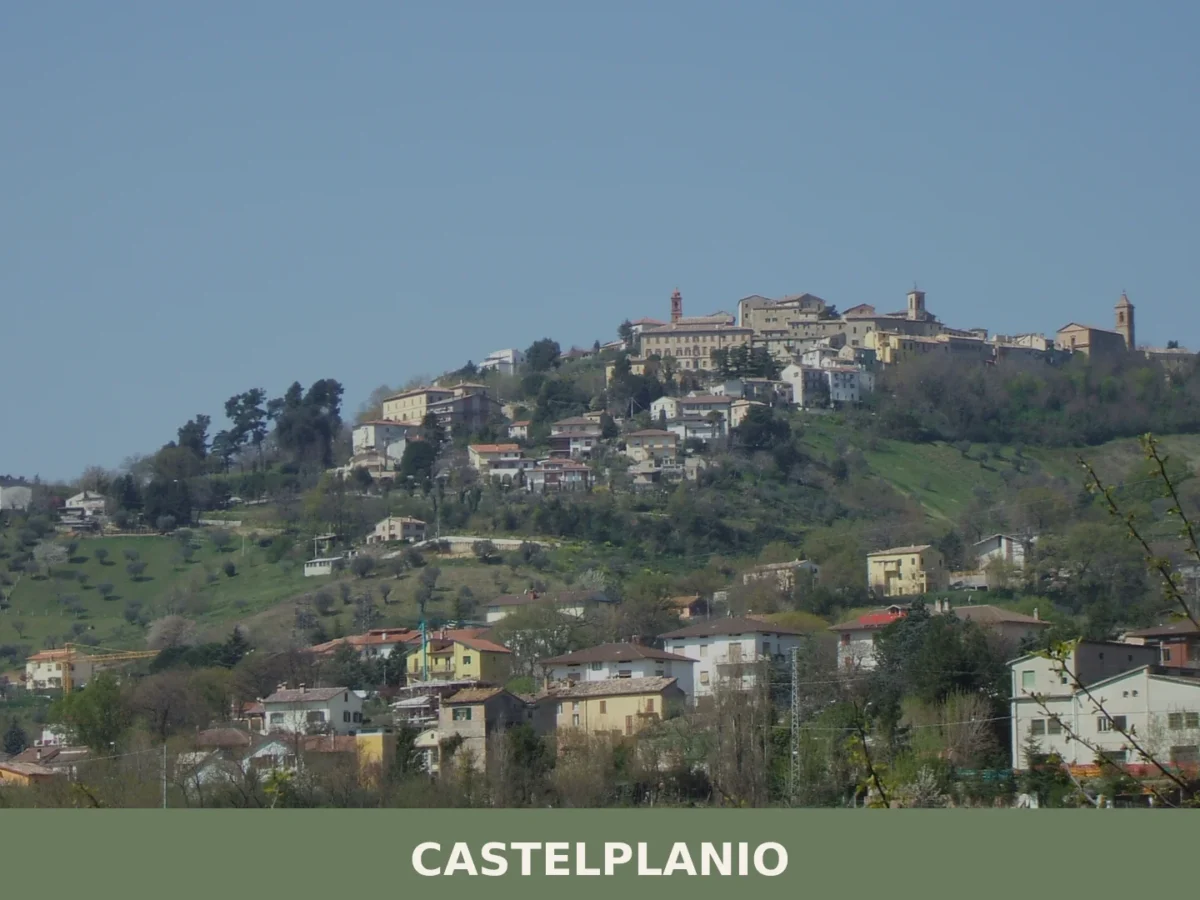
Castelplanio
 Hills
Hills
Home to 3,579 residents, Castelplanio rewards visitors with a medieval abbey, a civic art collection and a museum dedicated to a pioneering physician.
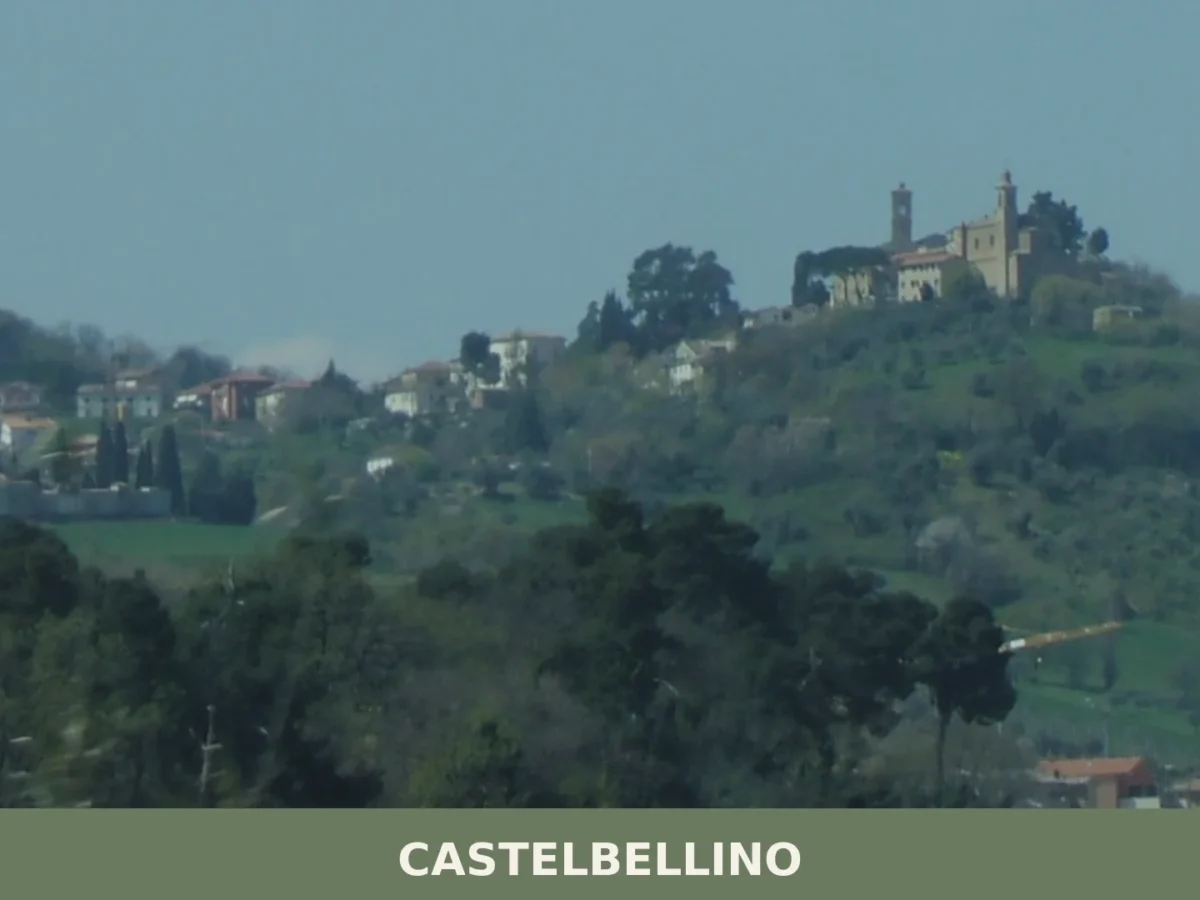
Castelbellino
Hills
Castelbellino is a hilltop comune in the province of Ancona, Marche, with over nine centuries of documented history, a walled medieval centre, and an open panorama over the Esino valley.
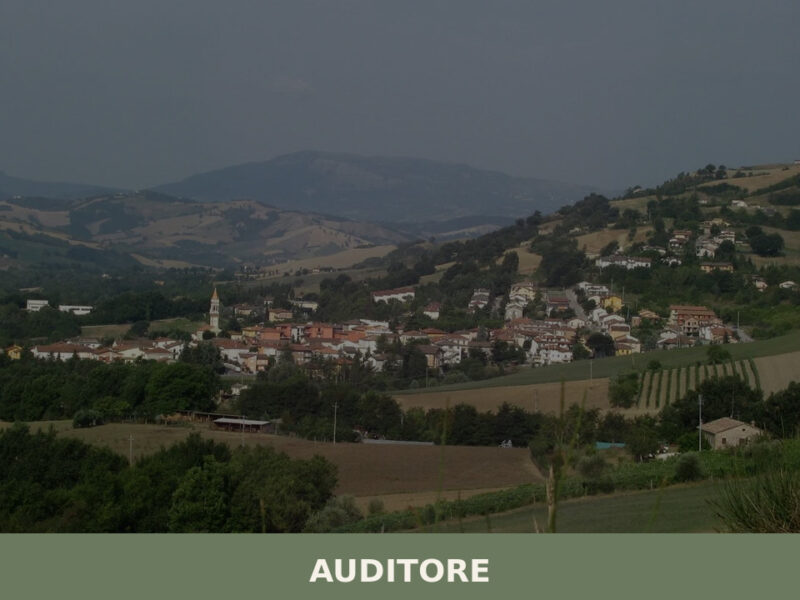
Auditore
Hills
Morning light falls across a line of stone houses the colour of dry wheat, and somewhere below the rooftops a church bell marks the hour with a single, unhurried stroke. Auditore sits in the hill country of the province of Pesaro e Urbino, a settlement of 1,631 people where the Foglia river valley opens toward […]
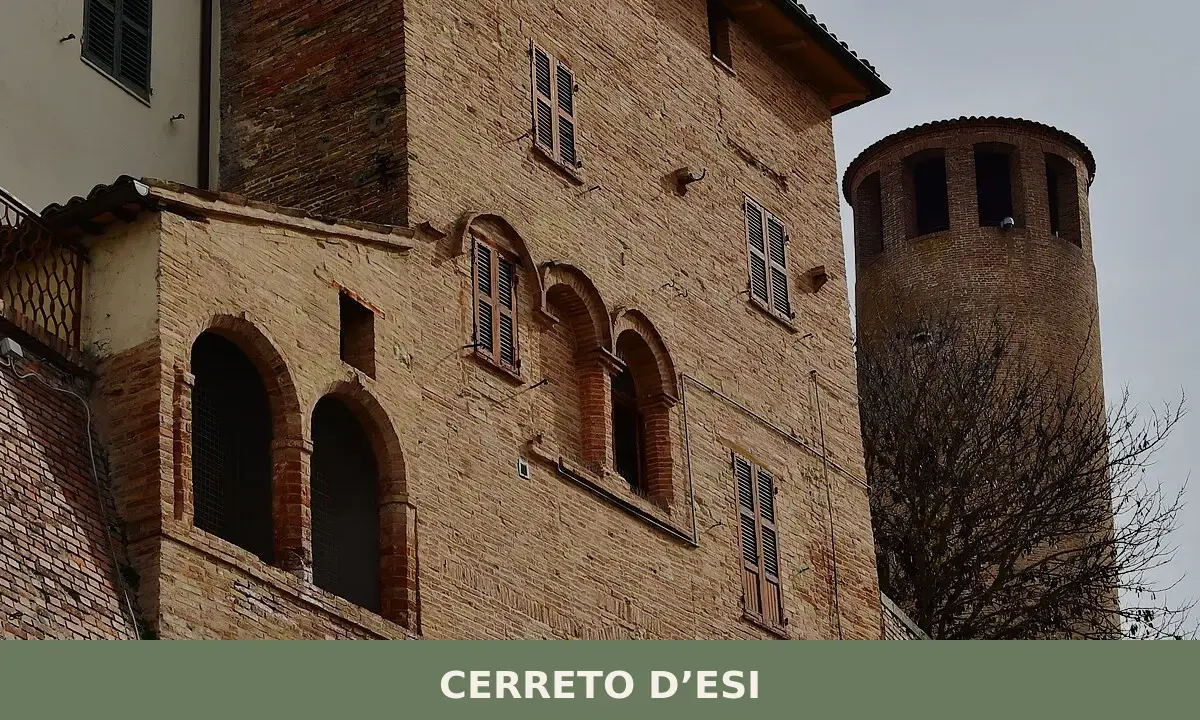
Cerreto d’Esi
 Mountain
Cerreto d'Esi is a medieval hill town of 3,367 residents in the province of Ancona, Marche, known for its civic tower, historic churches and long-distance pilgrimage routes.
Cessapalombo
Mountain
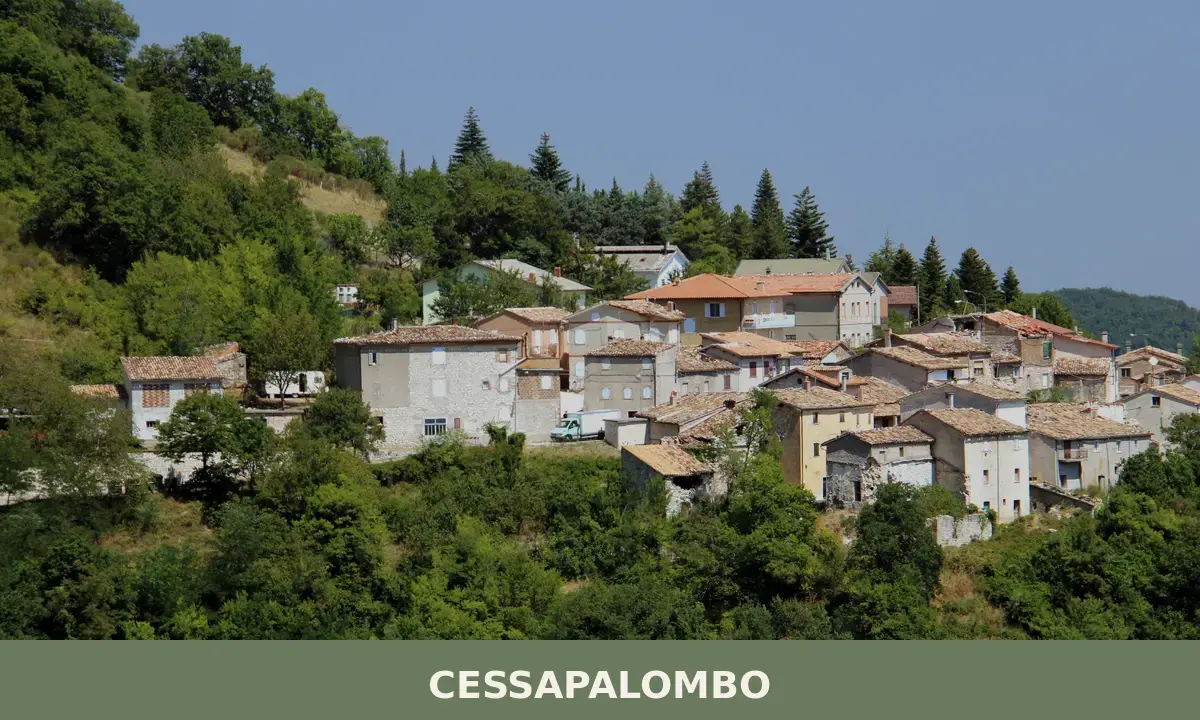
Cessapalombo is a mountain commune of 426 residents in the province of Macerata, set within the Monti Sibillini national park and rich in medieval heritage and Apennine landscape.
Amandola
Hills
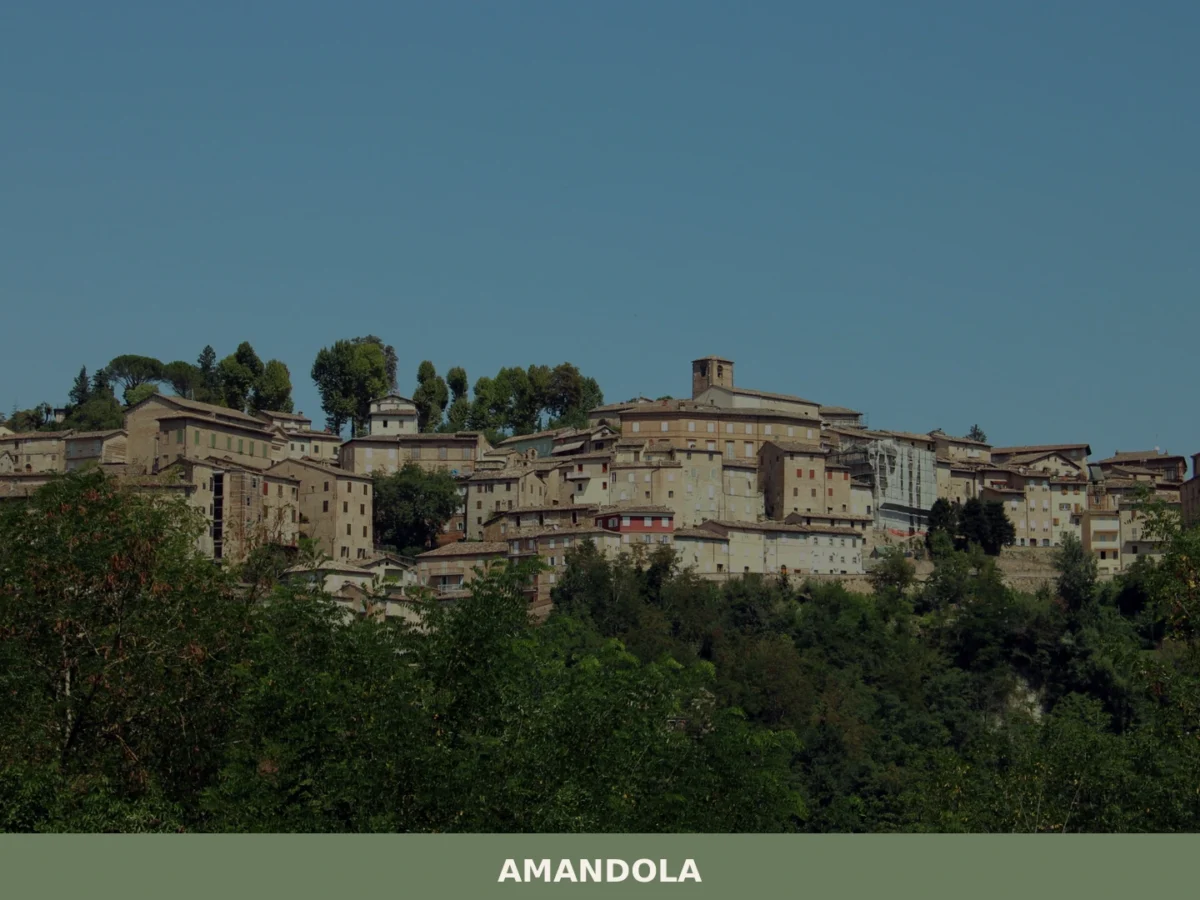
What to see in Amandola: 5 attractions in this Marche village, from the historic centre to the Sibillini Mountains. Discover the complete guide and plan your visit.
Carassai
Hills
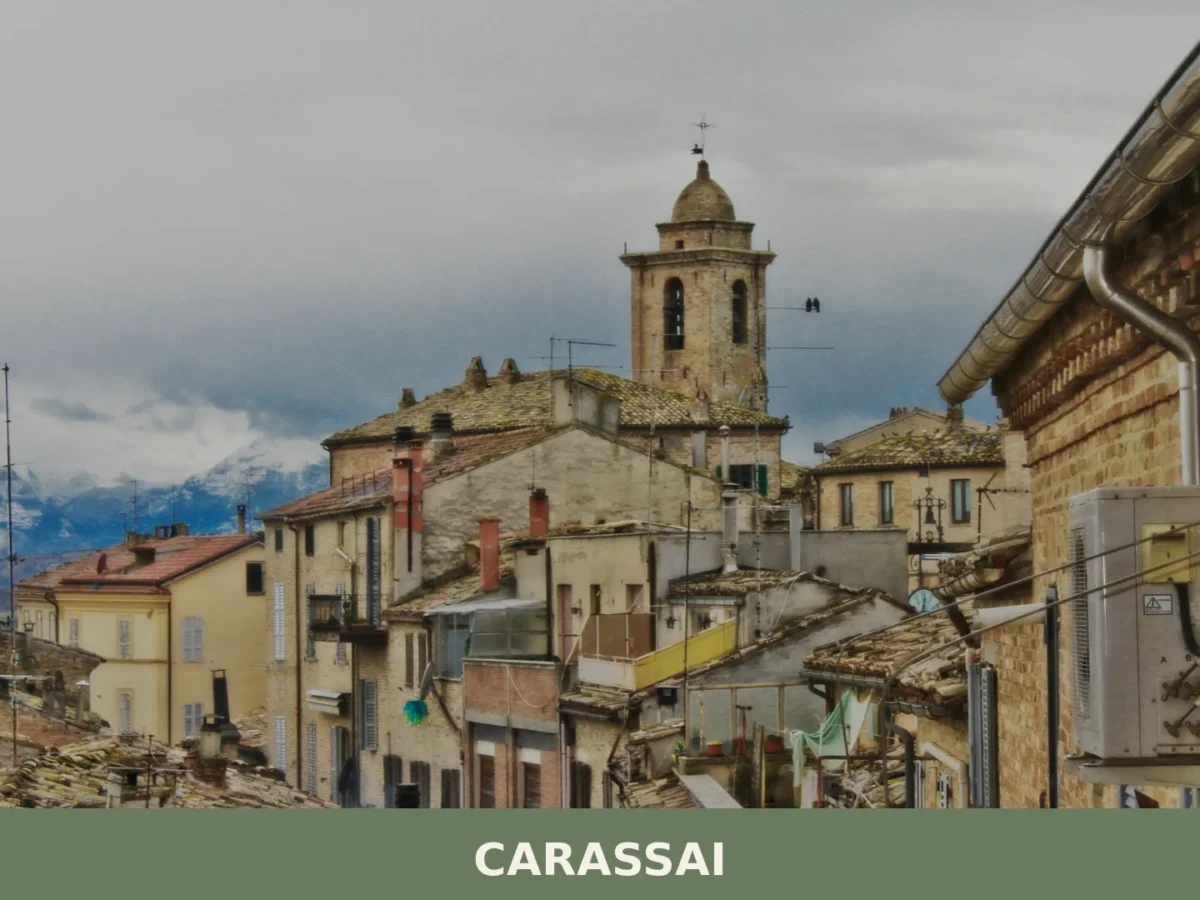
Carassai is a hilltop comune at 354 metres in the province of Ascoli Piceno, Marche, preserving medieval walls, an Antiquarium with finds from the Neolithic to the Middle Ages, and a cluster of histor
Frontino
Hills
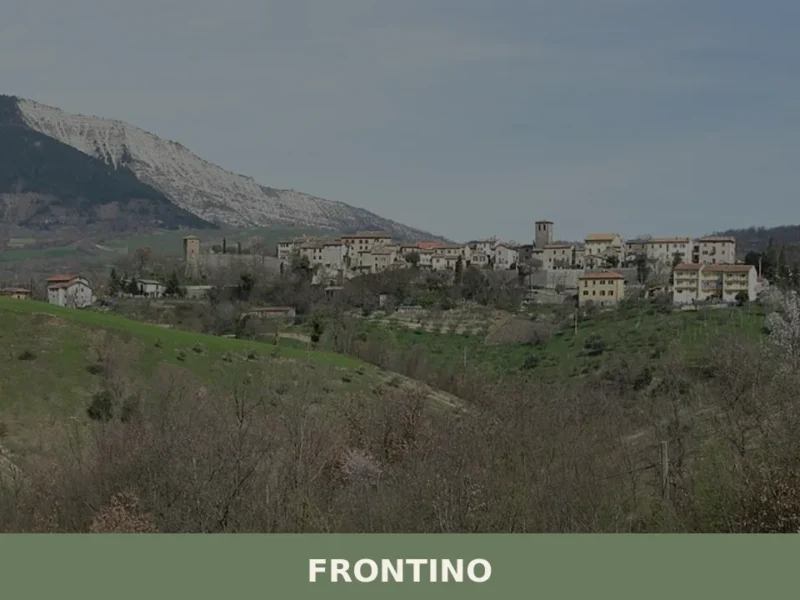
Frontino has around 300 inhabitants today, spread across a hilly area in the province of Pesaro and Urbino at 519 metres above sea level, along the eastern slope of the Apennines separating the Marche from Tuscany and Romagna. The municipality, one of the least populated in the entire region, retains a compact and legible urban […]
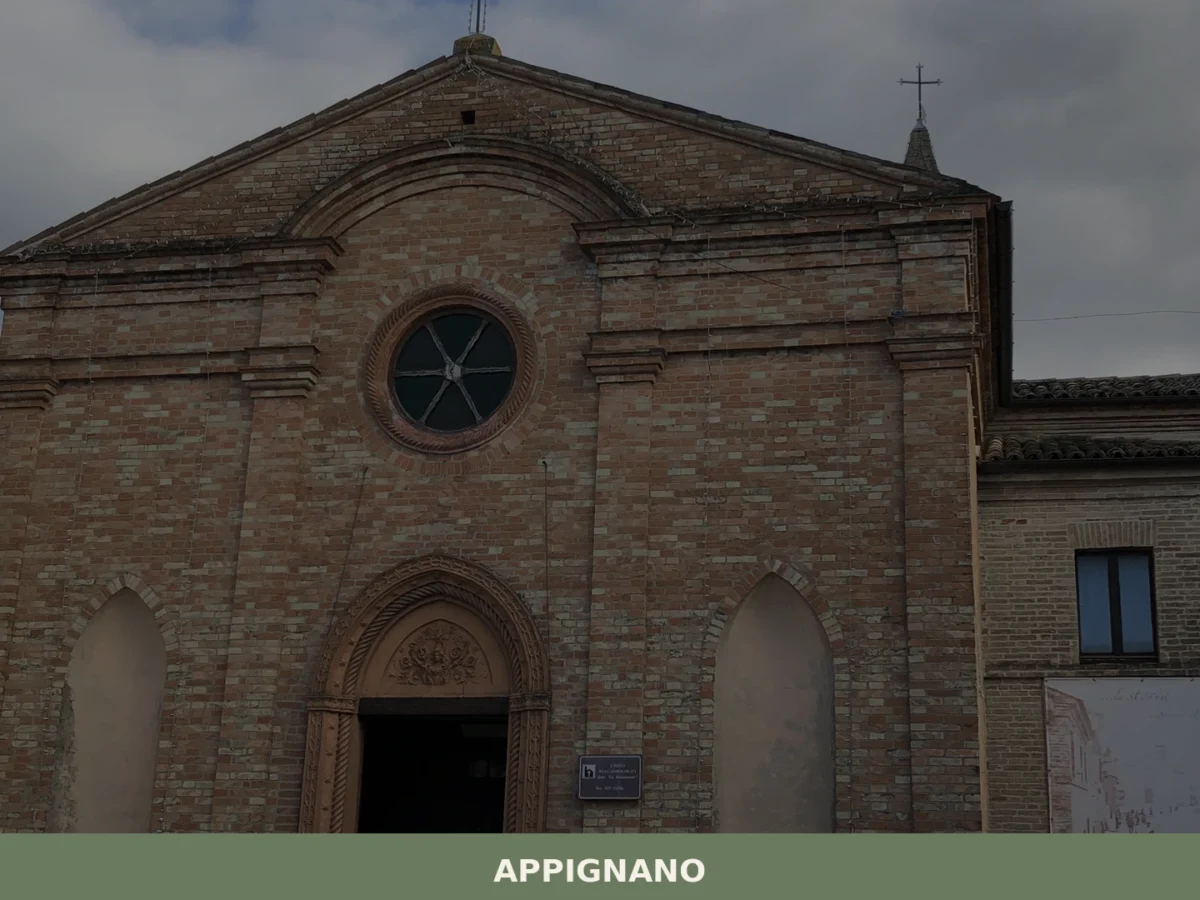
Appignano
 Plains
What to see in Appignano, Marche, Italy: discover the church of San Giovanni, local food traditions, and a village 35 km from Ancona. Explore the full guide.
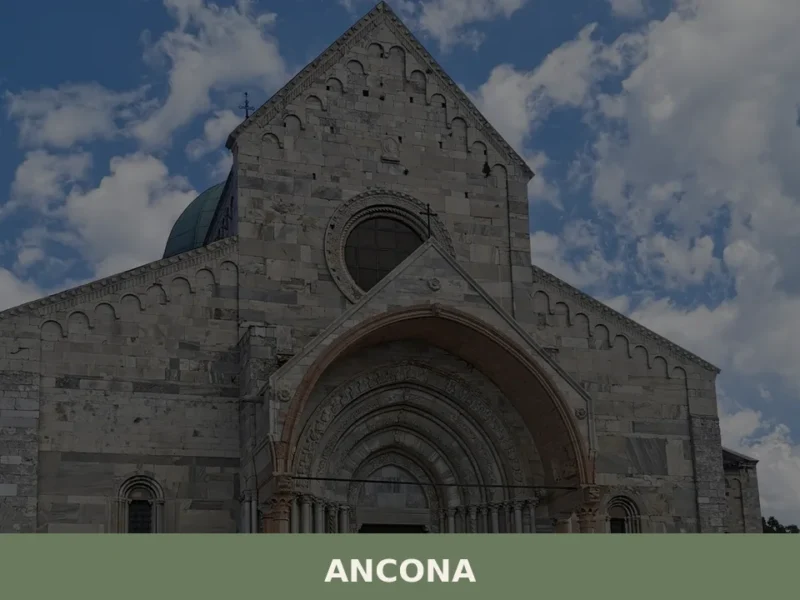
Ancona
 Sea
Sea
what to see in ancona, a city with 99,000 inhabitants. Discover 5 main attractions like the Duomo di San Ciriaco and Trajan's Arch. Plan your visit.

🏡 Know Macerata better than we do?
If you’re a local or have been there, your knowledge matters: add what’s missing or fix a detail on this page.