


Capodimonte
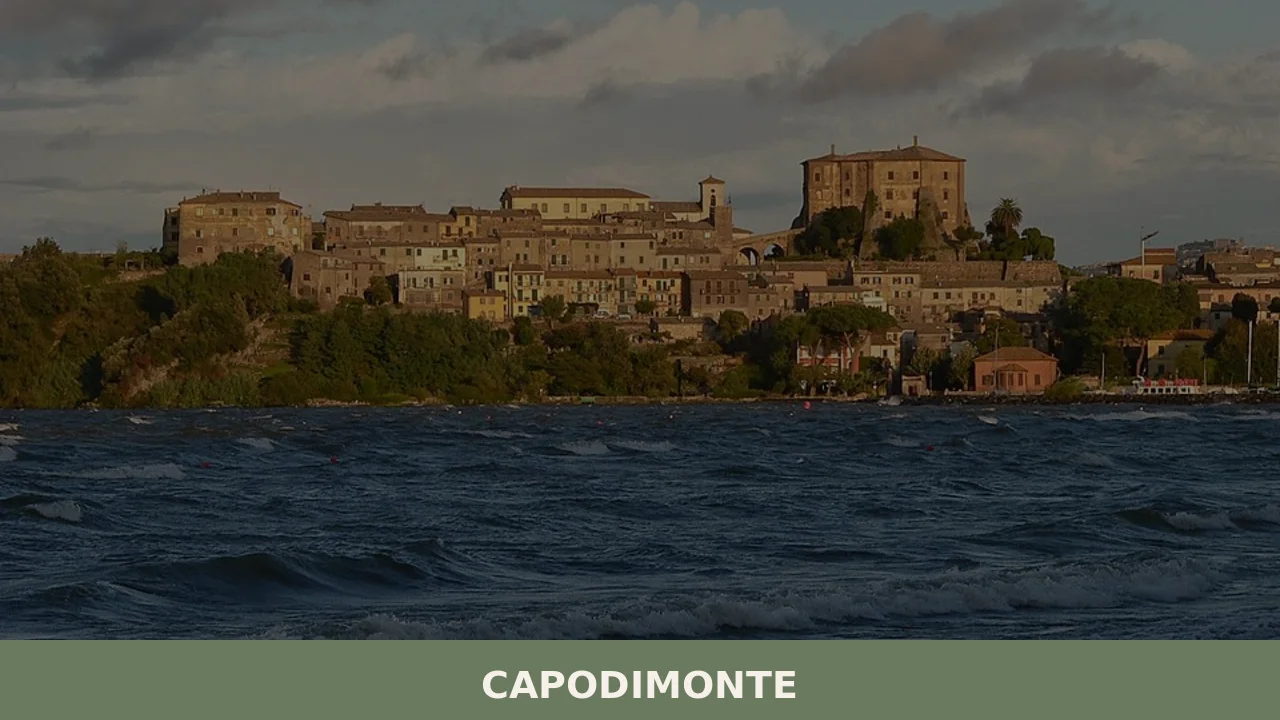
Morning light hits the surface of Lake Bolsena and scatters across the waterfront, where fishermen pull flat-bottomed boats onto volcanic sand. The smell of woodsmoke and fresh catch hangs in the air. Capodimonte rises on a promontory jutting into Italy’s largest volcanic lake, a settlement of 1,716 inhabitants in the province of Viterbo. This is […]
Discover Capodimonte
Morning light hits the surface of Lake Bolsena and scatters across the waterfront, where fishermen pull flat-bottomed boats onto volcanic sand. The smell of woodsmoke and fresh catch hangs in the air. Capodimonte rises on a promontory jutting into Italy’s largest volcanic lake, a settlement of 1,716 inhabitants in the province of Viterbo. This is a village shaped not by roads or railways but by water — its rhythms, its resources, its ancient caldera geography. To visit Capodimonte is to encounter a place where the lake determines everything.
History of Capodimonte
The name itself tells the story: Caput Montis, “head of the mountain,” referring to the elevated tufa promontory that projects into Lake Bolsena. The site was inhabited long before the Romans arrived. Etruscan settlements once dotted the surrounding hills, and the lake’s volcanic islands — Bisentina and Martana — served as sacred and strategic sites for centuries. Archaeological finds in the area confirm continuous human presence from the Bronze Age onward, drawn by the fertile volcanic soil and abundant freshwater fish.
During the medieval period, Capodimonte passed through the hands of various feudal lords who recognized the defensive advantage of its lakeside position. The village came under the control of the Farnese family in the late fifteenth century, a connection that would profoundly shape its architecture and identity. Pope Paul III, born Alessandro Farnese, elevated his family’s regional influence, and the imposing octagonal fortress that still dominates the village skyline was built under Farnese patronage. Designed by the architect Antonio da Sangallo the Younger, the structure served as both military fortification and aristocratic residence.
By the sixteenth and seventeenth centuries, Capodimonte functioned as a minor court within the Farnese duchy, its fortunes rising and falling with that powerful family. When the Farnese line died out in the eighteenth century, the village passed to the Bourbon rulers of Naples before eventually becoming part of unified Italy. Throughout these political changes, the lake remained the constant — its eel fisheries and agricultural terraces sustaining a population that rarely exceeded a few thousand.
What to see in Capodimonte: 5 must-visit attractions
1. Palazzo Farnese (Rocca Farnese)
The octagonal fortress designed by Antonio da Sangallo the Younger commands the promontory’s highest point. Built in the early sixteenth century for the Farnese family, it features thick tufa walls and a geometric floor plan that reflects Renaissance military architecture. The building now serves as a cultural venue and offers unobstructed views across the full diameter of the lake and its two islands.
2. Bisentina Island
Accessible by boat from Capodimonte’s harbor, this small island in Lake Bolsena contains a sequence of Renaissance chapels, including works attributed to Jacopo Barozzi da Vignola. The island’s gardens and sacred architecture served as a private retreat for the Farnese family. Seasonal boat services operate from the village waterfront, and guided visits reveal frescoed interiors rarely seen by casual travelers.
3. Church of Santa Maria Assunta
The parish church near the village center contains a notable collection of liturgical art accumulated over several centuries. Its interior preserves painted altarpieces and carved wooden elements that document local devotional traditions. The church’s position within the old quarter places it along the natural walking route through the historic core of Capodimonte.
4. The Lakefront Promenade and Harbor
Capodimonte’s working harbor remains the social center of the village. Fishermen still launch traditional boats here at dawn, and the surrounding promenade is lined with low stone buildings that once served as net storage. The black volcanic sand beach stretches along the promontory’s southern edge, offering direct contact with the lake’s remarkably clear water.
5. Museo della Navigazione nelle Acque Interne
This museum dedicated to inland waterway navigation houses a reconstructed ancient dugout canoe recovered from the lake bed, alongside fishing tools, boat-building implements, and cartographic materials. It documents the central role of freshwater navigation in this region’s economy and culture, providing tangible evidence of the lake’s importance stretching back to prehistoric times.
Local food and typical products
The cuisine of Capodimonte is lake cuisine. Freshwater fish — eel, pike, perch, and coregone (whitefish introduced in the twentieth century) — appear on nearly every restaurant menu along the waterfront. Eel from Lake Bolsena, smoked or stewed with tomato and local herbs, has been a regional specialty for centuries. The volcanic soil surrounding the lake produces excellent lentils and chickpeas, while olive groves on the hillsides yield a peppery, low-acidity oil typical of the Alto Lazio area. The Tuscia territory holds DOP recognition for its extra virgin olive oil, and local producers often sell directly from farmstead shops.
Dining in Capodimonte tends toward the informal: small trattorie near the harbor serve lake fish grilled or fried, accompanied by local white wines from the Est! Est!! Est!!! di Montefiascone DOC zone, produced just a few kilometers away. Sbroscia, a traditional fish soup made with whatever the morning catch provides, cooked with tomatoes and served over toasted bread, is perhaps the most emblematic dish — humble, practical, and inseparable from the lake that produces it.
Best time to visit Capodimonte
Late spring and early autumn offer the clearest conditions. In May and June, the lake water warms enough for swimming while the surrounding hills remain green and the summer crowds have not yet arrived. September brings the grape harvest to neighboring vineyards and a softer, amber-toned light across the caldera. Summer — July and August — fills the waterfront with Italian vacationers, and the small harbor area can feel congested, though the long evenings and warm lake water have their own appeal.
The village hosts its patron saint festival and a traditional fish sagra during the summer months, events that bring the community onto the waterfront with food stalls, music, and processions. Winters are quiet and damp, with fog occasionally settling into the caldera and reducing the lake to a grey abstraction. For those interested in the landscape without the crowds, the shoulder months are unequivocally the best choice. A minimum of two days allows time for a boat trip to Bisentina Island and an unhurried exploration of the old quarter.
How to get to Capodimonte
Capodimonte sits in the northern Lazio province of Viterbo, approximately 120 kilometers northwest of Rome. By car from Rome, take the A1 motorway north toward Florence, exit at Orvieto, and follow the SS71 and local roads south toward the lake — the drive takes roughly ninety minutes. From Viterbo, the regional capital, the distance is about 30 kilometers along the SR Cassia Cimina and lakeside roads. The nearest railway station is at Montefiascone or Viterbo, both of which require onward travel by bus or car. Cotral regional buses serve the lake area, though schedules can be infrequent outside peak season. The nearest major airports are Rome Fiumicino (approximately 150 km) and Rome Ciampione, making a rental car the most practical option for reaching the lake.
More villages to discover in Lazio
The northern Lazio territory surrounding Capodimonte holds a concentration of small, historically layered villages that share the region’s volcanic geology and Etruscan heritage. To the south, Barbarano Romano occupies a tufa plateau above deep-cut ravines, with access to the Marturanum Park and its Etruscan necropoli carved directly into the rock. The landscape there is wilder and more forested than the lakeside, offering a sharp contrast to Capodimonte’s waterfront character.
East of the lake, toward the Tiber valley, Bassano in Teverina perches above the river gorge with views that reach across to Umbria. Together, these villages form a network of small communities that reward slow, deliberate exploration — each one shaped by its particular geography, whether lake, tufa canyon, or river bluff. Traveling between them reveals how varied and specific the landscape of upper Lazio truly is, far from the broad generalizations that most travelers bring to the region.
In Lazio More villages to discover
Mompeo
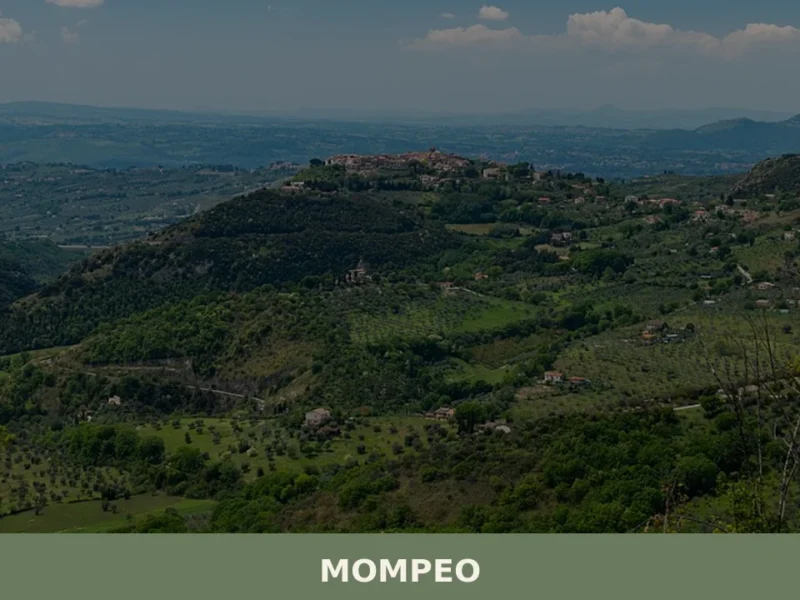
Discover Mompeo, a charming village in Lazio, Italy. Explore its rich history, stunning landscapes, and authentic Italian culture off the beaten path.
Onano
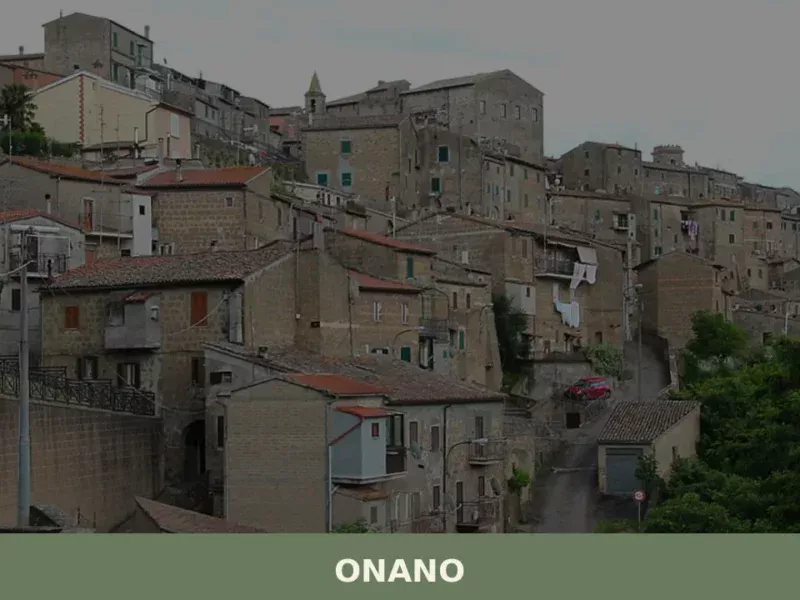
Onano has 898 inhabitants and sits at 485 metres above sea level on the southern slopes of Lake Bolsena, in the province of Viterbo. The municipal territory, stretching across lentil fields and oak groves, borders both Umbria and Tuscany — a point of triple regional convergence that has shaped the town’s economic and linguistic history. […]
Accumoli
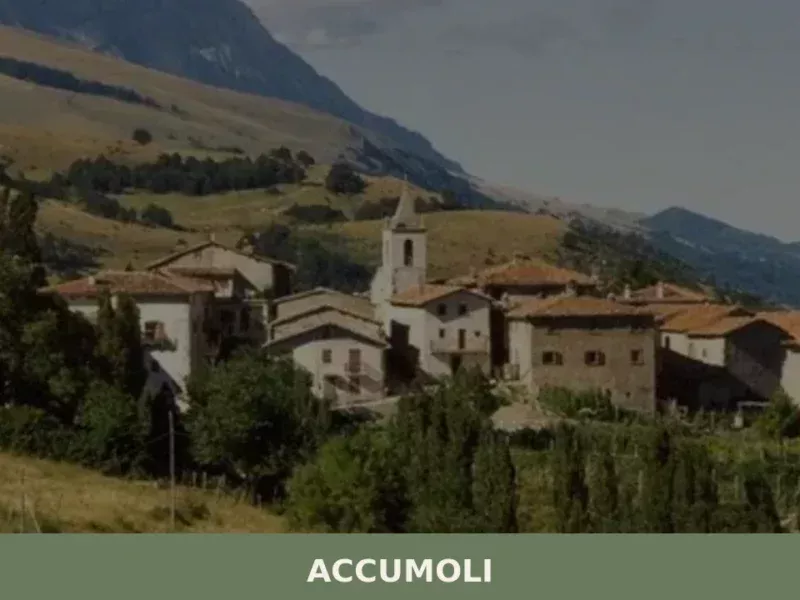
A chill, thin air descends with the late afternoon sun, drawing long shadows across the uneven cobblestones of the piazza. The scent of woodsmoke, faint but persistent, mingles with the dry fragrance of ancient stone. At 855 meters above sea level, the village of Accumoli, nestled within the Rieti province of Lazio, feels like a […]




📝 Incorrect information or updates?
Help us keep the Capodimonte page accurate and up to date.