


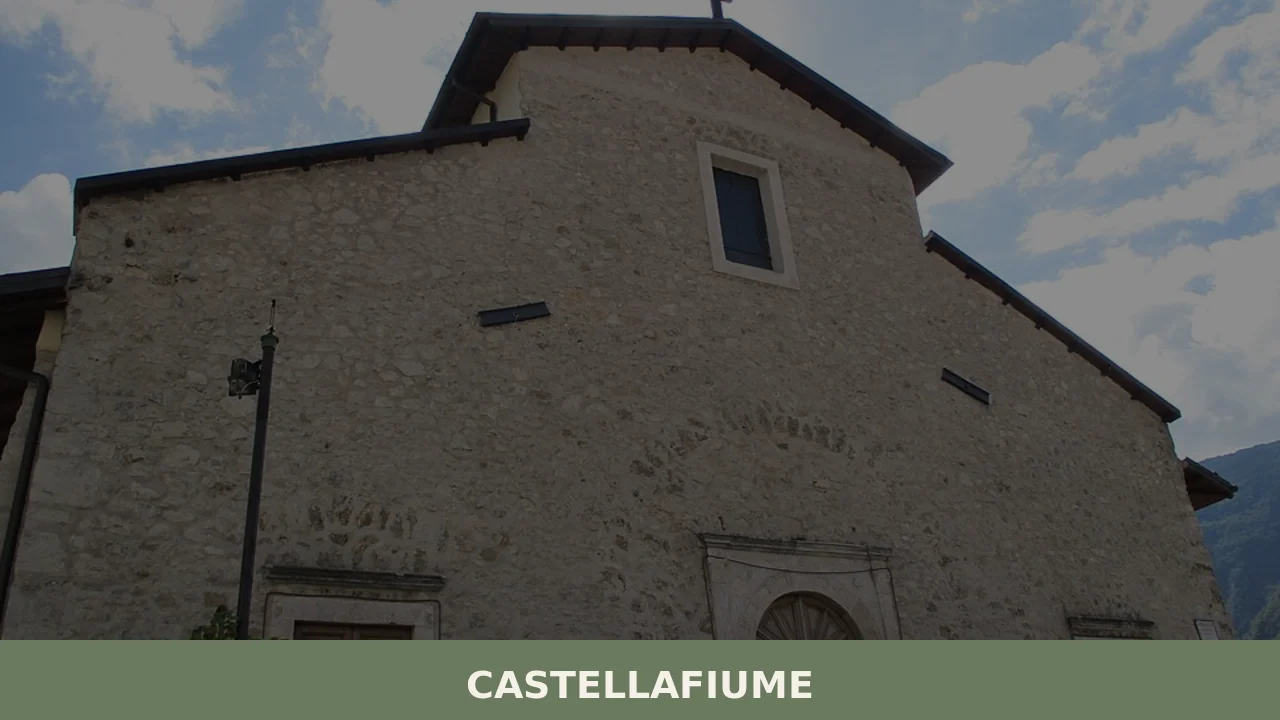
Castellafiume
Documented since the 11th century as *Castrum Fluminis*, Castellafiume stands at 840 meters above sea level, in the heart of the L’Aquila Marsica region. This settlement, whose toponym evokes its connection to the Liri River which has its sources here, currently has 1,032 inhabitants. Its history is interwoven with events related to territorial control and […]
Discover Castellafiume
Documented since the 11th century as *Castrum Fluminis*, Castellafiume stands at 840 meters above sea level, in the heart of the L’Aquila Marsica region. This settlement, whose toponym evokes its connection to the Liri River which has its sources here, currently has 1,032 inhabitants. Its history is interwoven with events related to territorial control and feudal dynamics that shaped inland Abruzzo. For those wondering **what to see in castellafiume**, the village offers a route among religious architecture and traces of defensive structures, evidence of a past that rooted the community in this mountain landscape.
History and Origins of Castellafiume
The first historical records of Castellafiume date back to the year 1052, when it is mentioned as *Castrum Fluminis* in documents from that period. The name itself, “Castle of the River,” clearly indicates the presence of a fortified structure and its proximity to the sources of the Liri River, a geographical element of primary importance for the settlement. During the Middle Ages, the village was an integral part of the domains of the Counts of Marsi and subsequently came under the control of various noble families, including the Piccolomini and the Colonna.
Castellafiume’s strategic position, in a transit area between the Liri Valley and the Fucino basin, made it a point of interest for controlling communication routes. Its architecture, despite undergoing modifications and reconstructions over the centuries, particularly following seismic events like that of 1915, retains elements that recount the phases of development and the defensive needs of the inhabited area. Its history is that of a community that has adapted and rebuilt, maintaining a strong connection with its mountain territory.
What to See in Castellafiume: 5 Must-See Attractions
An itinerary through Castellafiume allows observation of the historical layers and peculiarities of its urban development. Here are some of the main attractions:
1. Church of San Nicola di Bari
The main place of worship in the village, dedicated to the patron saint. Its current structure is the result of several reconstructions, especially after the 1915 earthquake. The interior features marble altars and works of sacred art that bear witness to the community’s devotion. The facade is characterized by architectural elements that reflect the styles of the reconstruction eras.
2. Church of Madonna del Rosario
This church, also dedicated to one of the patron saints, is another religious landmark of the village. Although less imposing than the main church, it plays a significant role in local celebrations. Its simple and linear architecture is typical of mountain churches, with interiors that house sacred furnishings and votive icons.
3. Ruins of the Medieval Castle
Traces of the ancient *Castrum Fluminis* are still visible in the upper part of the village. These remains, while not a complete structure, offer an indication of the site’s original defensive function and its strategic importance. A walk among the ruins allows one to imagine the medieval configuration of the village and its dominant position over the surrounding territory.
4. The Ancient Village
Walking through the streets of the oldest part of Castellafiume means observing the spontaneous architecture of the stone houses, some of which retain traditional building elements. The narrow streets and small squares reveal the urban structure that developed around the defensive fortress, with passages adapting to the terrain’s morphology.
5. The Sources of the Liri River
A short distance from the inhabited center are the sources of the Liri River. This place, from which the village takes part of its name, represents a natural element of great interest. Water flows from the mountain, giving rise to one of central Italy’s most important rivers. It is a point for observing local geology and the relationship between humans and the river environment.
Typical Cuisine and Local Products
Castellafiume’s gastronomy fits into the culinary tradition of the Marsica region and mountain Abruzzo, characterized by simplicity and the use of genuine ingredients from the land and livestock farming. Among the typical products, sheep and goat cheeses stand out, often aged, reflecting the still widespread practice of sheep farming. Artisanal cured meats, such as pork sausage and capocollo, are prepared according to handed-down recipes, using local meats.
Traditional dishes include legume-based preparations, such as sagne e fagioli, a homemade pasta seasoned with beans and seasonal vegetables. Homemade bread, baked in wood-fired ovens, accompanies every meal. Grilled meats are also present, particularly arrosticini, lamb skewers that have become a symbol of Abruzzese cuisine. During local festivities, it is possible to taste traditional sweets prepared with simple ingredients like flour, eggs, and honey.
When to Visit Castellafiume: The Best Time
The best time to visit Castellafiume depends on the traveler’s specific interests. Spring and summer offer pleasant temperatures, ideal for exploring mountain trails and the surrounding natural areas, including the Liri springs. The patron saint’s festival, celebrated in May in honor of San Nicola di Bari and Madonna del Rosario, represents a significant moment to observe the village’s traditions and community life.
Autumn colors the landscape with warm hues, making walks through the woods evocative. Winter, with the possible presence of snow, transforms Castellafiume into a secluded place, offering a different atmosphere, suitable for those seeking quiet and contact with the mountains in a more intimate setting. The climate is typically continental, with harsh winters and cool summers, characteristic of the Apennine regions.
How to Get to Castellafiume
Castellafiume is primarily accessible via the road network. Coming from Rome, one can take the A24 motorway and then the A25 towards Pescara, exiting at the Avezzano tollbooth and then continuing on provincial roads towards the Liri Valley. From L’Aquila, follow the SS696 to Avezzano and then proceed as indicated. The village is about 100 km from Rome and 70 km from L’Aquila.
The nearest train station is Avezzano, connected to Rome and Pescara. From Avezzano, it is possible to reach Castellafiume via local bus services or taxi. The nearest airport is Abruzzo Airport in Pescara, about 120 km away, or Rome Fiumicino and Ciampino airports, both about 130-140 km away.
Other Villages to Discover in Abruzzo
Abruzzo, with its wealth of landscapes and historical settlements, offers numerous other villages that are worth a visit. Continuing the exploration of the Marsica region, one can consider an itinerary that includes Civitella Roveto, a village that extends along the Liri Valley, known for its agricultural traditions and oil production. Its location makes it a starting point for excursions into the Abruzzo, Lazio and Molise National Park.
Moving to other areas of the region, another settlement to consider is Civitella Messer Raimondo, located in the Sangro Valley, in the province of Chieti. This village, which preserves a historic center with medieval elements, offers a different perspective on Abruzzese history and architecture, set in a natural context that invites exploration of paths among the mountains and hills.
{ “seo_title”: “Castellafiume: What to See in the Abruzzese Village and Its History”, “seo_description”: “Discover what to see in Castellafiume, an L’Aquila mountain village with the sources of the Liri. History, main attractions, and typical Abruzzese cuisine.”, “focus_keyword”: “what to see in castellafiume”, “excerpt”: “Castellafiume, documented since the 11th century, stands at 840 meters in the Marsica region. A journey through history and nature, from churches to castle ruins, up to the sources of the Liri.”, “prodotti_citati”: [“sheep cheeses”, “goat cheeses
Nearby Villages near Castellafiume
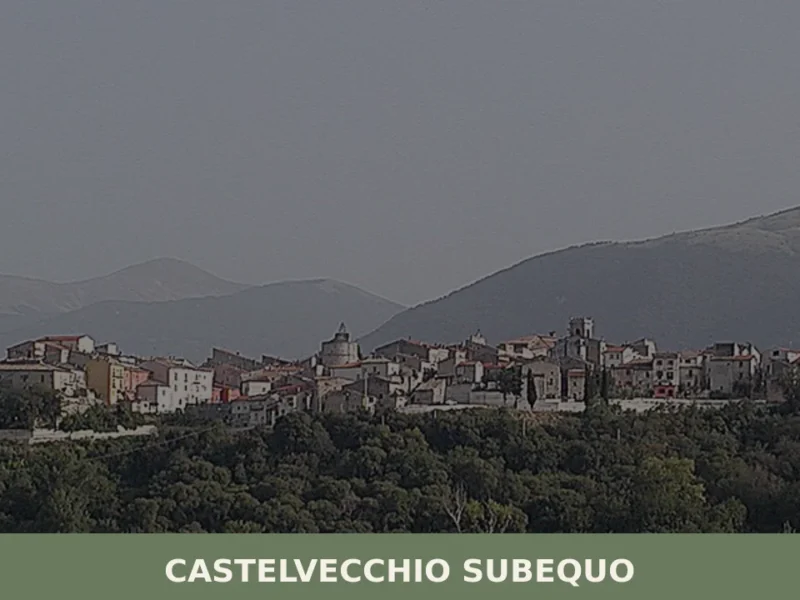
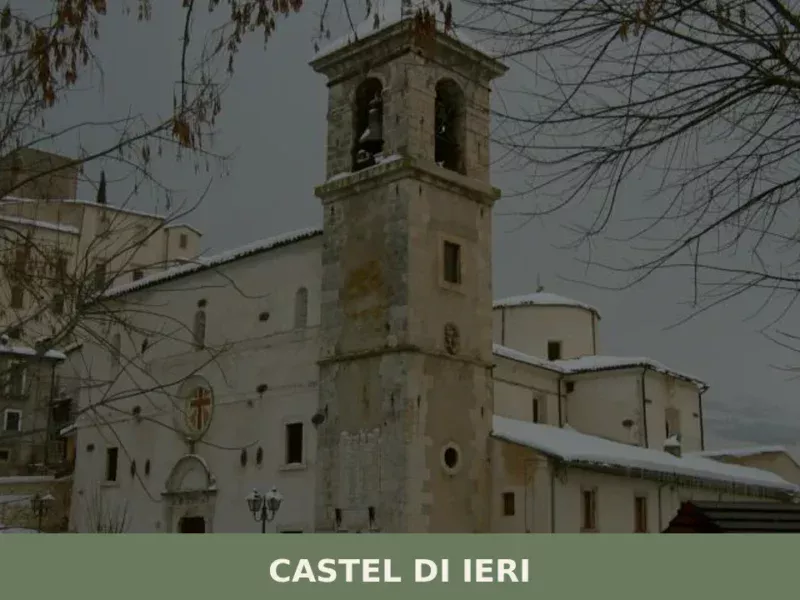
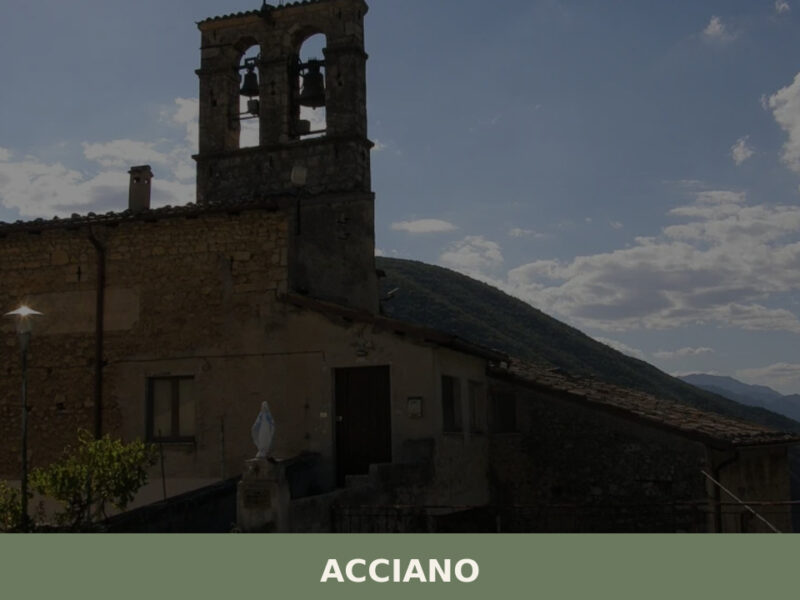
In Abruzzo More villages to discover
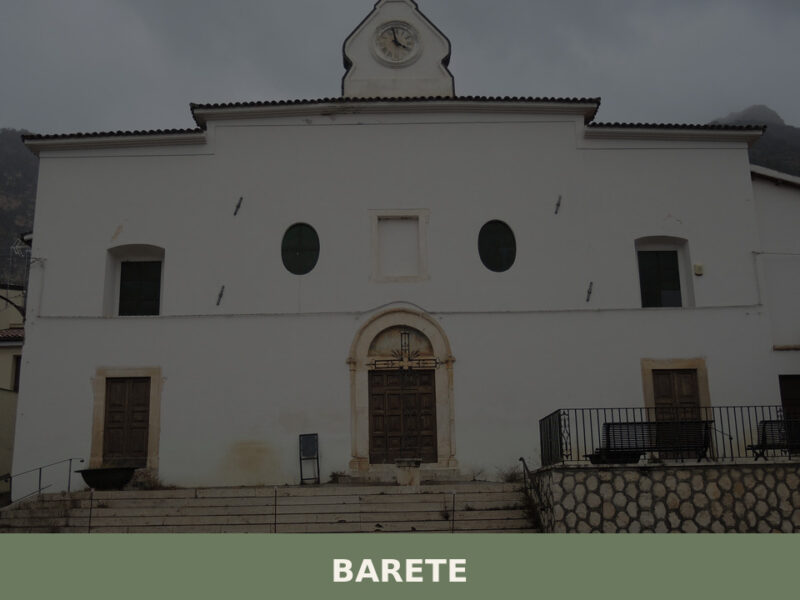
Barete
Morning light hits the limestone walls of Barete’s older houses at a low angle, turning them briefly gold before the shadow of the Gran Sasso massif reclaims the narrow lanes. A rooster calls from somewhere behind a garden wall. The air smells of woodsmoke and cold stone. This is a settlement of roughly 695 inhabitants, […]
Fara Filiorum Petri
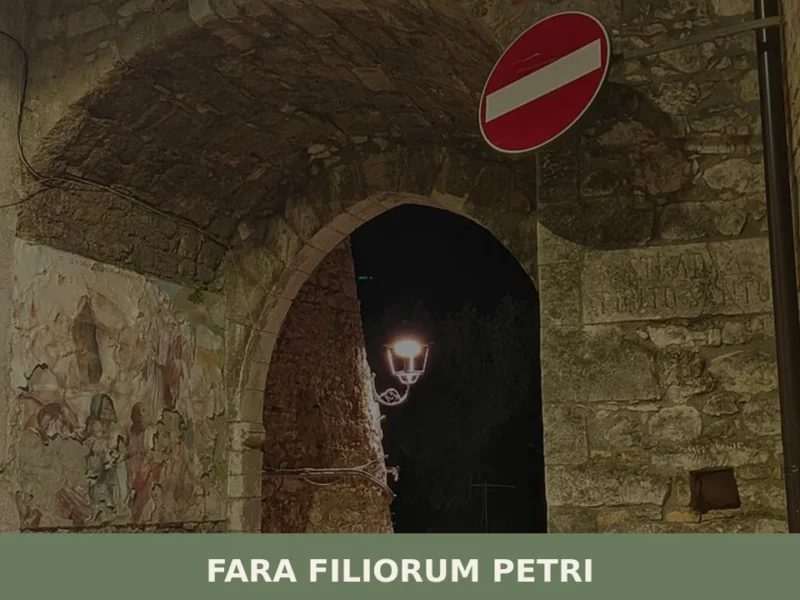
Fara Filiorum Petri, a municipality in the province of Chieti with 1,942 inhabitants, stands at 227 meters above sea level. The toponym itself, of complex origin, suggests historical layering: “Fara” refers to Lombard settlements, while “Filiorum Petri” is linked to the feudal family of Filiorum Petri, who held control in subsequent eras. This duality names […]
Gioia dei Marsi
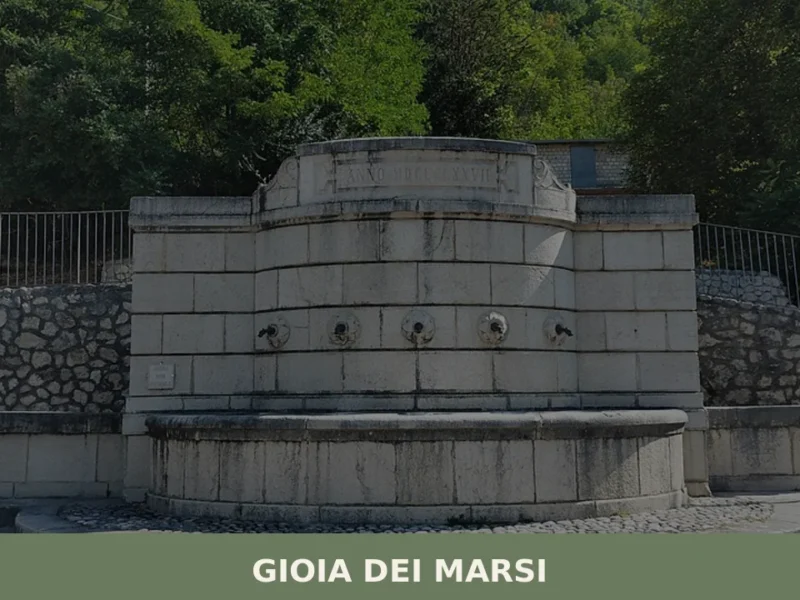
Gioia dei Marsi has a population of 2,091 and sits at 725 metres above sea level on the eastern edge of the Fucino, the plain that until 1875 was the largest lake in peninsular Italy. The draining of the lake radically transformed the economy and landscape of this Marsican settlement, shifting its centre of gravity […]

📝 Incorrect information or updates?
Help us keep the Castellafiume page accurate and up to date.