


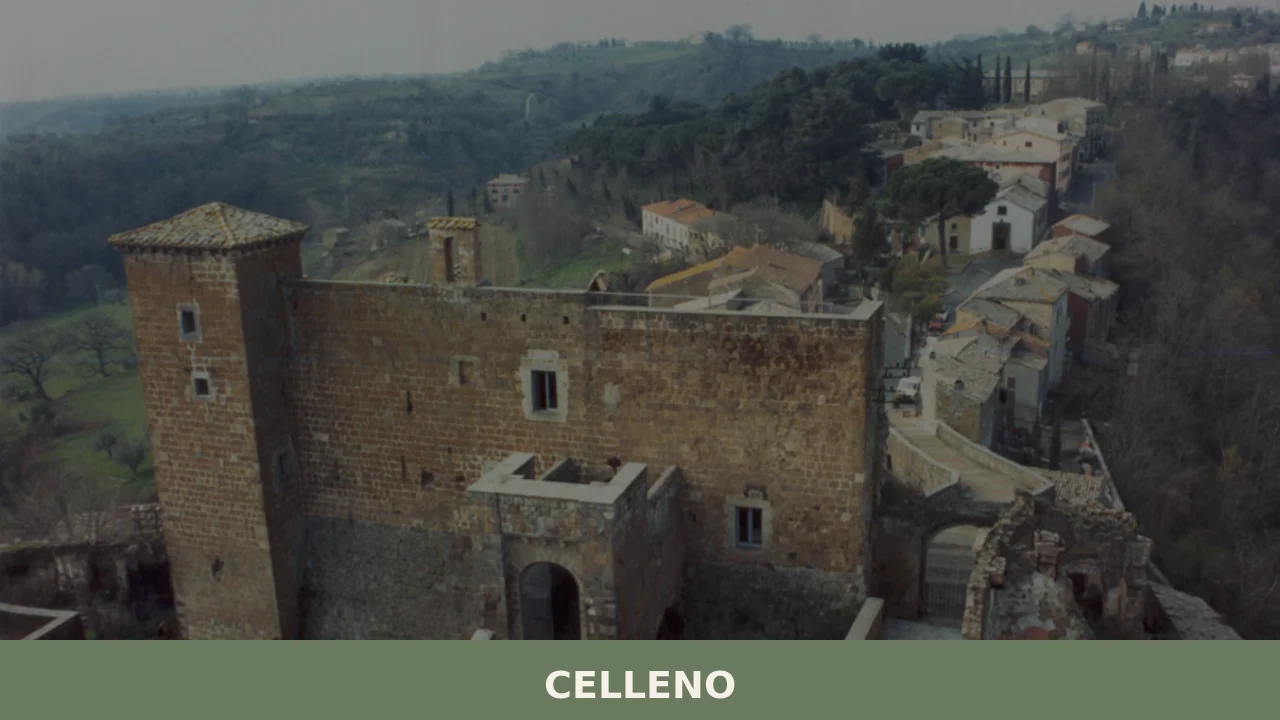

what to see in celleno, Italy? Explore this Lazio village at 407 m altitude. Discover its WWII history and the feast of San Donato d’Arezzo. Read our guide.
Discover Celleno
At an altitude of 407 m (1,335 ft) above sea level, the village of Celleno rises from the rolling hills of Viterbo province, offering expansive views of the surrounding Lazio countryside. This small comune, home to 1,309 inhabitants, maintains a quiet rhythm distinct from the larger urban centers of Italy. Its position in central Italy has shaped a history marked by both agricultural life and significant historical events, providing a unique character to its landscape.
For those asking what to see in Celleno, this Italian comune with 1,309 inhabitants offers a unique blend of history and local tradition.
Visitors often find themselves exploring the village’s compact historic core, learning about its notable role as the site of the first battle involving South African troops in Italy during the Second World War. The Celleno highlights also include the annual feast day dedicated to its patron saint, Donato d’Arezzo.
History of Celleno
Celleno is situated approximately 80 kilometres (50 mi) northwest of Rome and just 15 kilometres (9 mi) north of Viterbo, placing it within the historical and geographical heart of the Lazio region. This strategic location in the Viterbo province, characterized by its “collina” (hill) topography, has influenced the village’s development over centuries.
Like many small settlements in central Italy, Celleno’s past is closely intertwined with the agricultural rhythms of its land and the broader political shifts affecting the papal states and later, the unified Italian nation.
A specific and profound moment in Celleno’s history occurred during the Second World War, when it became the site of the first battle involving South African troops in Italy. This event, part of the Allied campaign, left an indelible mark on the village and its people, connecting Celleno to international wartime narratives. Additionally, Celleno is recognized as the birthplace of Giacinto Achilli, a notable figure whose life contributed to the village’s legacy and is remembered within its community.
In contemporary times, Celleno continues as a municipality within the Province of Viterbo, maintaining its population of 1,309 inhabitants. Its administrative structure reflects the enduring system of local governance in Italy, preserving its identity while contributing to the wider regional fabric. Visitors exploring the historical context of Lazio often find connections with nearby villages like Carbognano, which share a similar heritage shaped by the region’s long and complex history.
What to see in Celleno, Lazio: top attractions
The Historic Center of Celleno
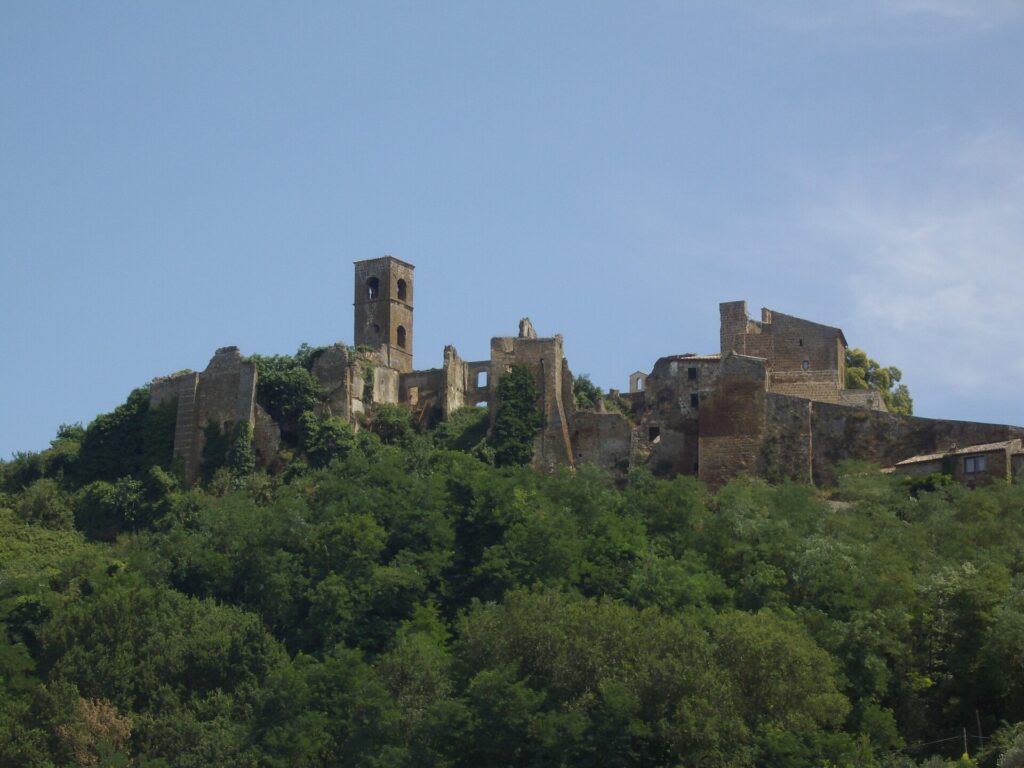
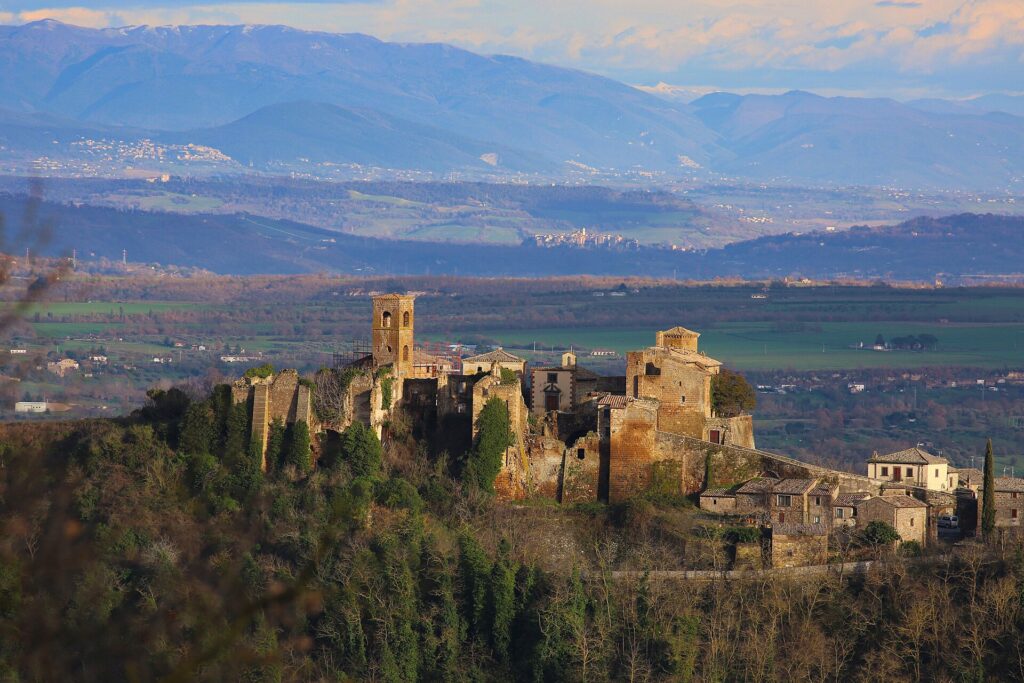
The historic center of Celleno presents a compact arrangement of buildings, typical of a village constructed on a hill, reaching an altitude of 407 m (1,335 ft) above sea level.
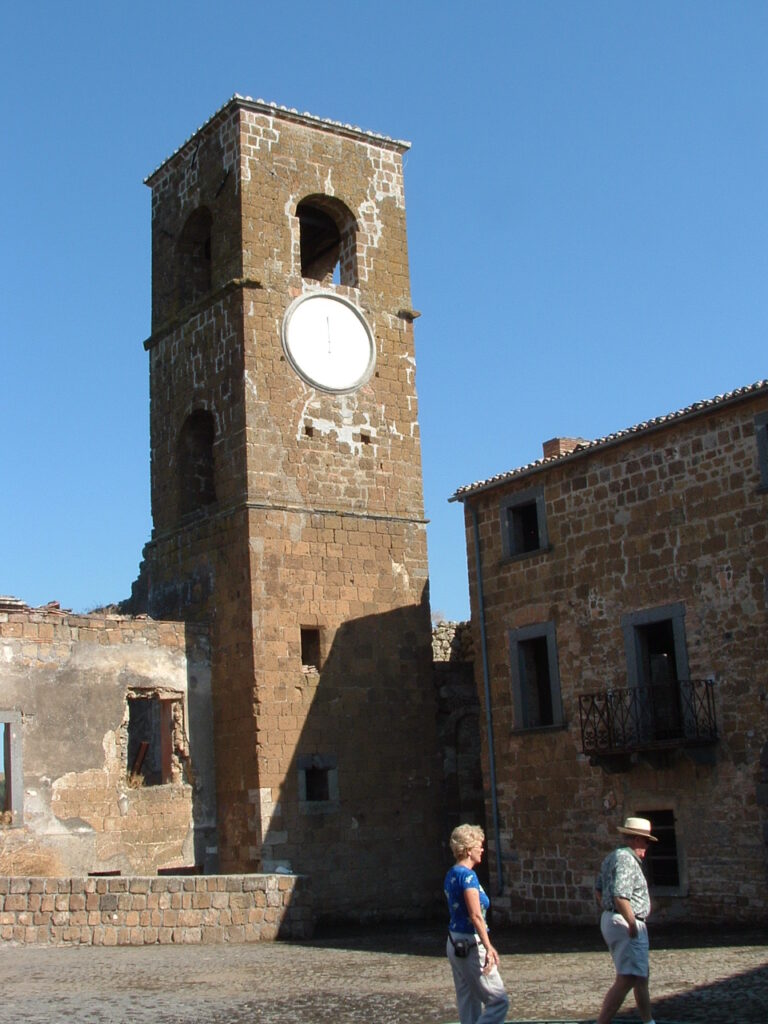
Its narrow streets wind through residential structures, reflecting centuries of local life and adaptation to the terrain. Visitors can experience the quiet atmosphere that pervades these ancient thoroughfares, observing the traditional architecture that defines the village’s character. The elevated position of the center allows for occasional glimpses of the surrounding landscape, providing a sense of its geographical context within the Viterbo province.
Site of the World War II Battle
Celleno holds historical significance as the location where South African troops first engaged in battle on Italian soil during the Second World War. This pivotal event, which occurred as part of the broader Allied campaign in Italy, marks the village as a site of international military history. Standing in Celleno, one reflects on the conflict that swept through Europe and the specific role this small village played in those turbulent times.
The memory of this battle is an important part of Celleno’s identity, connecting its peaceful present to a dramatic past.
The Parish Church of San Donato d’Arezzo
As the spiritual heart of the community, the Parish Church of San Donato d’Arezzo is dedicated to Celleno’s patron saint, whose feast day is celebrated annually on 14 settembre. The church’s architecture, while not detailed in specific historical records, typically reflects the building traditions of the Viterbo region, often incorporating local stone. It serves as a central point for village life and religious observance, a common feature in Italian towns where the church has historically played a vital social role. Visitors can appreciate its historical continuity within the village structure.
Panoramic Vistas over the Viterbo Province
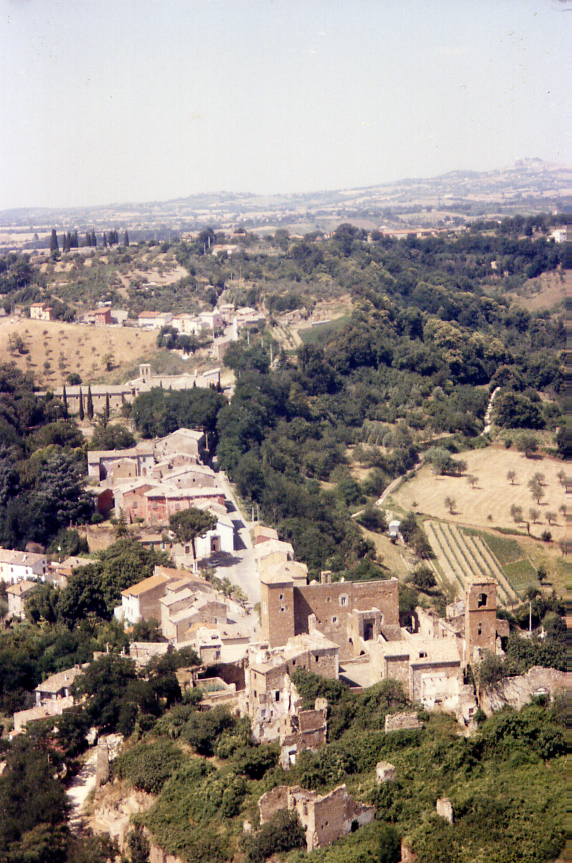
From its elevated position at 407 m (1,335 ft) above sea level, Celleno offers panoramic vistas across the rolling countryside of the Viterbo province. This “collina” (hill) setting provides wide-ranging views that encompass agricultural lands, distant hills, and other small settlements. Observers can trace the natural contours of the landscape that stretches towards Viterbo, located 15 km (9 mi) to the south. The open views provide a visual understanding of the region’s geography and the village’s place within it, making it a point of interest for those appreciating natural landscapes, perhaps similar to the extensive views found near Lubriano.
Traditional Village Architecture
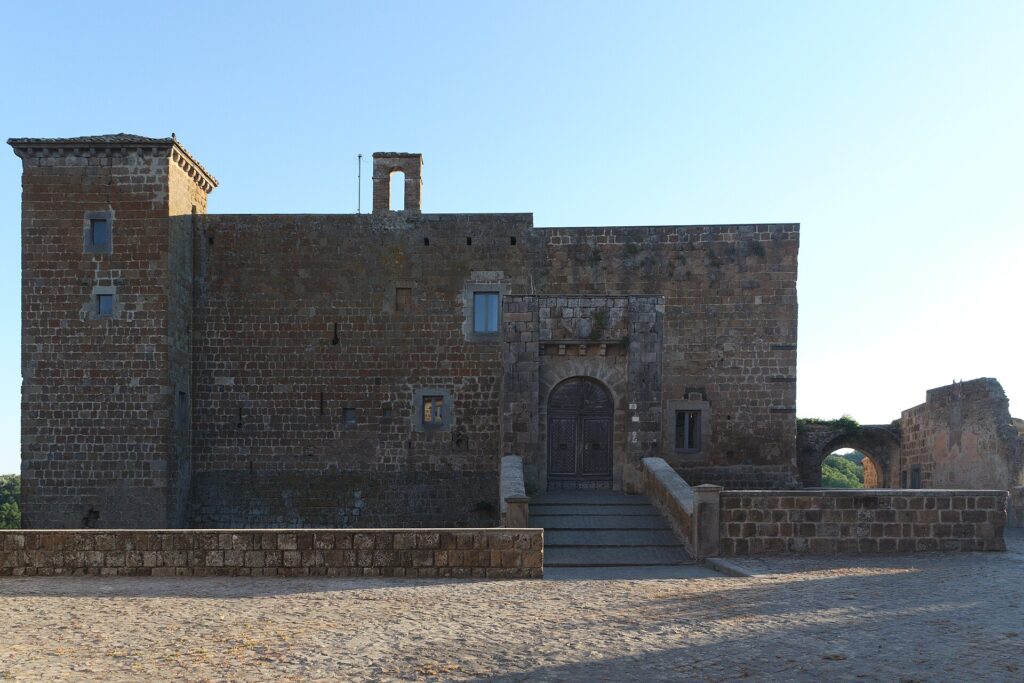
The architecture of Celleno’s older buildings showcases construction methods and materials typical of central Italian villages.
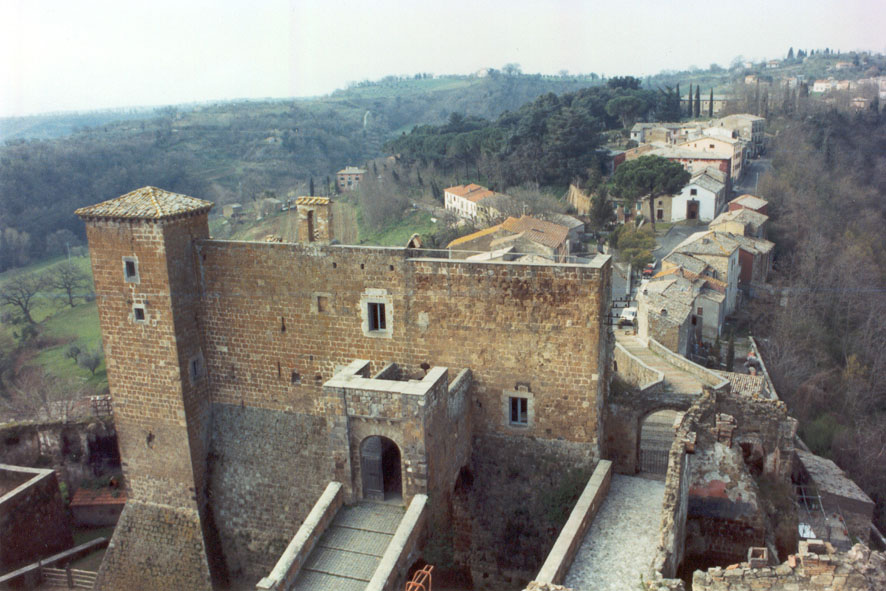
Homes are often built with local stone, forming dense clusters that reflect centuries of communal living and defensive considerations. The practical design of these structures, with their sturdy walls and modest proportions, speaks to a history rooted in agricultural life and self-sufficiency. Visitors can observe how these buildings have adapted to the hillside terrain, creating a cohesive visual character that is representative of many historic settlements in the Lazio region, including places like Canepina.
Local food and typical products of Celleno
The gastronomic tradition of Celleno is deeply influenced by the agricultural landscape of the Viterbo province and its “collina” (hill) environment. The fertile soils of this region yield a variety of produce, including olives, grains, and vegetables, which form the cornerstone of the local diet. Animal husbandry, particularly sheep farming, also contributes significantly to the culinary identity, providing meats and dairy products that have been utilized in traditional cooking for generations. This geographical context ensures that the cuisine is based on fresh, seasonal ingredients, reflecting the bounty of the land.
Cooking in the Celleno area, like much of Lazio, emphasizes simple yet flavorful preparations that highlight the quality of the raw ingredients.
Dishes typically feature hearty elements such as pasta, legumes, and various forms of cured meats, often prepared with olive oil produced locally. While specific certified products unique to Celleno are not detailed in the provided sources, the village’s culinary practices are undoubtedly part of the broader regional tradition that values authenticity and the direct connection between farm and table. This approach to food ensures a taste profile that is robust and genuinely reflective of central Italian rural life.
Festivals, events and traditions of Celleno
The most significant traditional event in Celleno is the annual feast day dedicated to its patron saint, Donato d’Arezzo, which takes place on 14 settembre. This celebration is a cornerstone of the village’s cultural and religious life, drawing together residents and visitors alike. Typically, such festivities in Italian villages involve solemn religious processions, where an effigy of the saint is carried through the streets, accompanied by local clergy and community members.
Beyond the religious observance, the feast of Donato d’Arezzo often includes elements of secular celebration.
These can range from local markets featuring artisanal products and traditional foods to musical performances and communal gatherings that reinforce the strong sense of community within Celleno. While specific details of these secular events are not provided, the patron saint’s day remains a highlight in the village calendar, offering a glimpse into the enduring traditions of this Lazio comune.
When to visit Celleno, Italy and how to get there
For those planning a visit to Celleno, Italy, determining the best time to visit Lazio often depends on personal preference for weather and crowd levels. The spring months, from April to May, offer pleasant temperatures, blooming landscapes, and generally fewer tourists, making it ideal for exploring the village and its surroundings. Early autumn, particularly September and October, also provides comfortable weather and the chance to experience local harvest festivals in the wider Viterbo province. Summer, while warm, can be suitable for those who enjoy the vibrant atmosphere of Italian village life during its peak season.
Understanding how to get to Celleno is crucial for planning your trip.
The village is conveniently located approximately 80 kilometres (50 mi) northwest of Rome and just 15 kilometres (9 mi) north of Viterbo. For international travelers, Rome’s Leonardo da Vinci–Fiumicino Airport (FCO) is the nearest major international hub. From Rome, driving is the most straightforward option, with the journey typically taking around 1 hour and 30 minutes, heading north on the A1 motorway before connecting to provincial roads towards Viterbo and then Celleno. While specific motorway exits are not provided, GPS navigation is reliable for reaching the village.
Public transport options involve taking a train from Rome to Viterbo, which serves as a regional transport hub. Visitors can check schedules and book tickets via Trenitalia. From Viterbo, local bus services or a taxi would be required to complete the 15 km (9 mi) journey to Celleno. It is advisable for international visitors to carry some Euros cash, as English may be limited in smaller shops and services. Celleno presents an excellent option for a day trip from Rome, offering a contrast to the capital’s bustle and an insight into authentic Lazio village life.
Frequently asked questions about Celleno
What is the best time to visit Celleno?
The ideal time to visit Celleno is during spring (April-May) for pleasant temperatures, blooming landscapes, and generally fewer tourists, perfect for exploring the village. Early autumn (September-October) also offers comfortable weather and the opportunity to experience local harvest festivals in the wider Viterbo province. A notable date is September 14th, when Celleno celebrates the annual feast day of its patron saint, Donato d'Arezzo, a significant cultural and religious event. Summer months are also suitable for those who enjoy the vibrant atmosphere of Italian village life, despite warmer temperatures.
What to see in Celleno? Main monuments and landmarks
Celleno offers a unique blend of history and tradition within its compact core. Key attractions include the Historic Center, with its narrow streets and traditional stone architecture reflecting centuries of local life. The Parish Church of San Donato d'Arezzo serves as the community's spiritual heart. Visitors can also reflect on history at the Site of the World War II Battle, commemorating the first engagement of South African troops in Italy. From its elevated position, Celleno provides breathtaking Panoramic Vistas over the rolling Viterbo province, offering expansive views of the surrounding Lazio countryside.
What are the main natural or scenic attractions of Celleno?
Celleno's primary natural and scenic attraction is its elevated position at 407 meters (1,335 ft) above sea level, which affords extensive panoramic vistas. From various points in the village, especially the historic center, visitors can enjoy wide-ranging views across the picturesque 'collina' (hill) landscape of the Viterbo province. These views encompass agricultural lands, distant hills, and other small settlements, providing a serene appreciation of the region's geography. While there are no specific parks or nature reserves mentioned within the village itself, the surrounding rolling countryside serves as a beautiful natural backdrop.
Where to take the best photos in Celleno?
For captivating photographs in Celleno, focus on the panoramic viewpoints throughout the historic center, which offer expansive vistas of the Viterbo province's rolling hills and agricultural landscapes. The elevated position at 407 meters provides a dramatic backdrop, especially during sunrise or sunset. Additionally, the narrow, winding streets and the traditional stone architecture of the historic core itself are perfect for capturing the authentic character and quiet atmosphere of this central Italian village. These elements combine to create a visually rich setting for photography.
Are there museums, churches or historic buildings to visit in Celleno?
Yes, Celleno features significant historic buildings and a central church. The primary religious site is the Parish Church of San Donato d'Arezzo, dedicated to the village's patron saint. While specific opening hours are not provided, it remains a focal point for the community. The entire Historic Center of Celleno functions as an open-air historical experience, showcasing traditional architecture built with local stone. The village also holds historical significance as the Site of the World War II Battle. There are no specific museums detailed within the village.
What can you do in Celleno? Activities and experiences
In Celleno, visitors can immerse themselves in history by exploring the compact Historic Center and learning about its unique role as the Site of the World War II Battle. Enjoy the tranquility and admire the traditional stone architecture characteristic of central Italian villages. Take time to appreciate the panoramic vistas over the Viterbo province from its elevated position. For a cultural experience, plan your visit around September 14th to witness the annual feast day of San Donato d'Arezzo. Additionally, savor the local gastronomic traditions, which emphasize fresh, seasonal ingredients from the surrounding agricultural landscape.
Who is Celleno suitable for? Families, couples, hikers, solo travelers?
Celleno is ideally suited for travelers seeking a tranquil escape and an authentic Italian village experience away from larger urban centers. It particularly appeals to history enthusiasts interested in its unique World War II significance and those who appreciate traditional architecture and local customs. Couples looking for a quiet, romantic setting, and solo travelers desiring cultural immersion will find Celleno charming. Its panoramic views also make it attractive for those who enjoy natural landscapes and peaceful contemplation, rather than high-octane activities, offering a relaxed pace for exploration.
What to eat in Celleno? Local products and specialties
The cuisine in Celleno is deeply rooted in the fertile agricultural landscape of the Viterbo province, emphasizing fresh, seasonal ingredients. Expect dishes featuring locally produced olives, grains, and a variety of vegetables. Animal husbandry, particularly sheep farming, contributes significantly to the culinary identity, offering traditional meats and dairy products. Hearty preparations often include homemade pasta, legumes, and various cured meats, all typically prepared with local olive oil. While specific certified products unique to Celleno are not detailed, its gastronomy reflects the robust and authentic rural traditions of central Lazio.
📷 Photo Gallery — Celleno


Nearby Villages near Celleno
In Lazio More villages to discover
Calcata
 Hills
Hills
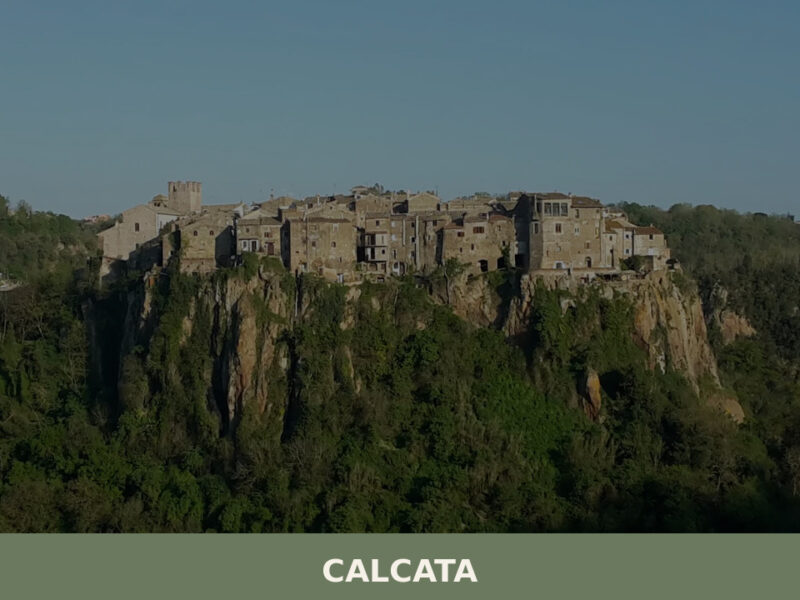
In 1935, the Italian government declared Calcata Vecchia a village to be abandoned due to the instability of the tuff cliff on which it stands. Fifty years later, the village was reborn as an artistic center, now offering visitors a unique experience. If you are wondering what to see in Calcata, the village appears as […]

Ausonia
Hills
What to see in Ausonia, Lazio, Italy: discover a 15th-century sanctuary, an 11th-century castle, and medieval frescoes. Explore the full travel guide now.
Bolsena
Hills
 Lake
Lake
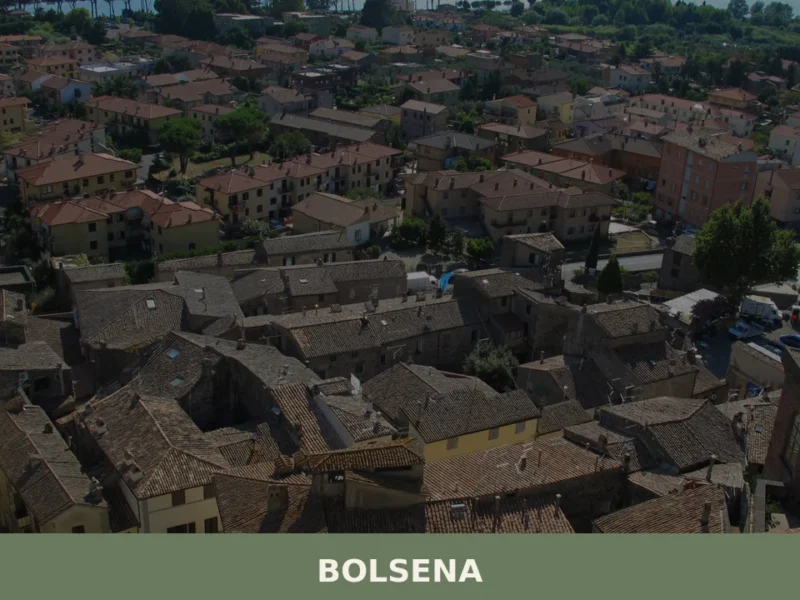
Bolsena is a hilltop town of 3,690 residents in the province of Viterbo, Lazio, rising above the shores of Lake Bolsena with a history stretching from Etruscan origins to medieval pilgrimage.
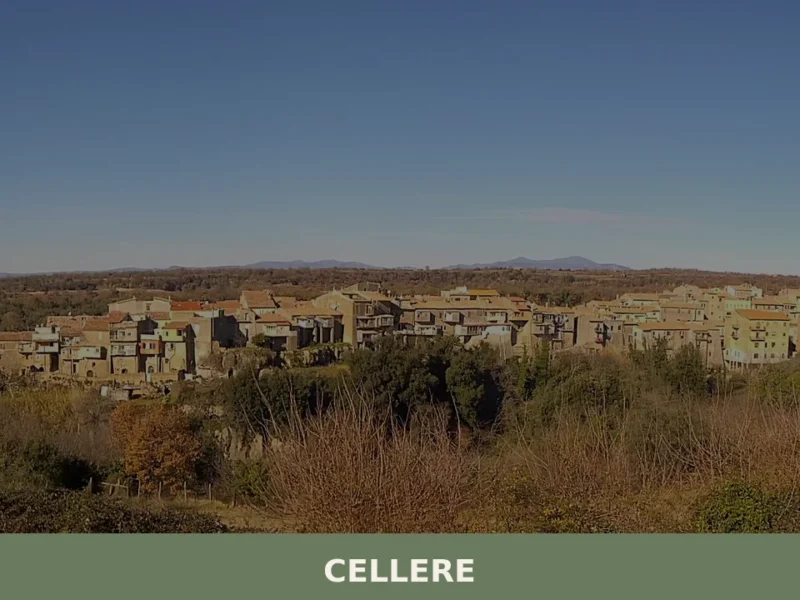
Cellere
Hills
what to see in cellere, Italy. Explore this Viterbo province village, 344 m high. Discover the Church of Sant'Egidio and local traditions. Read our guide!
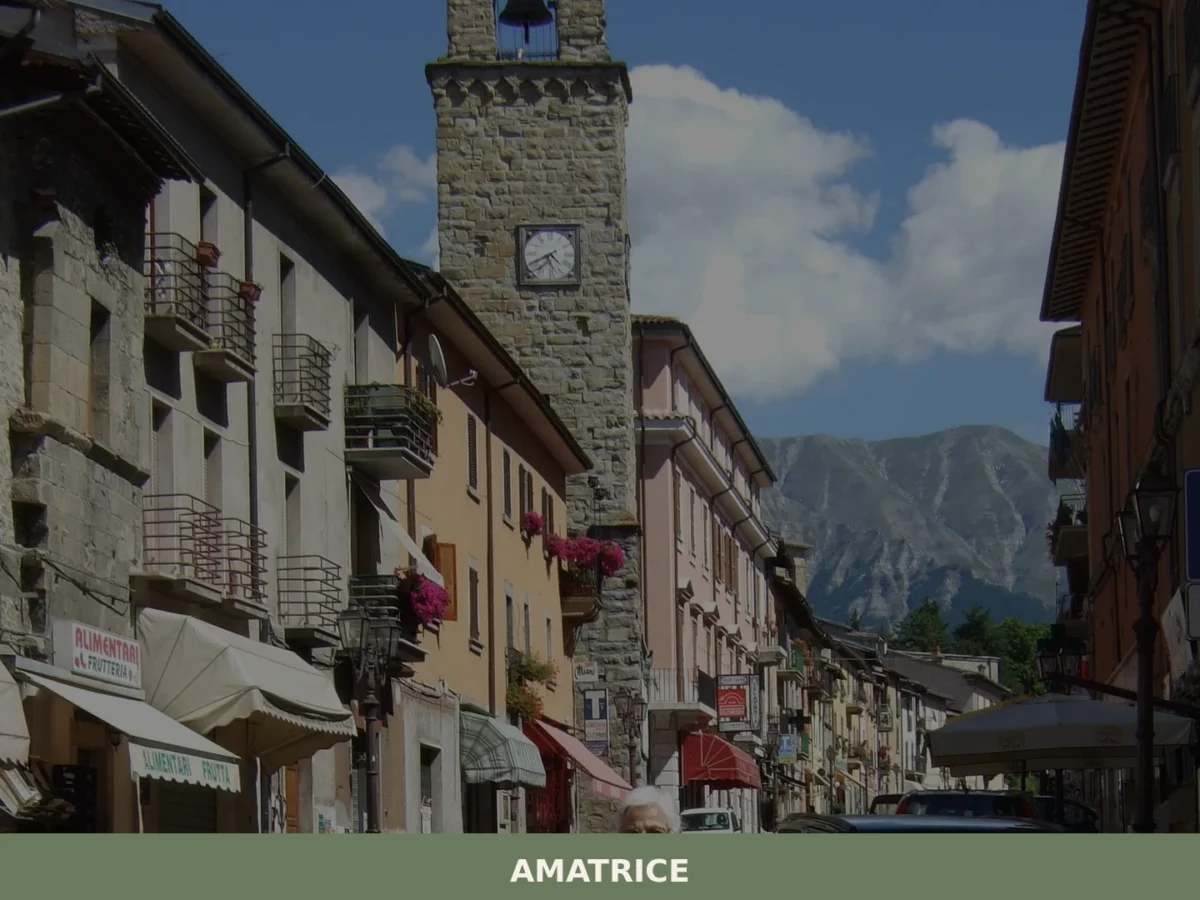
Amatrice
 Mountain
What to see in Amatrice? Explore the 5 main attractions of this village in Lazio. The complete guide awaits you with useful tips. Plan your visit!
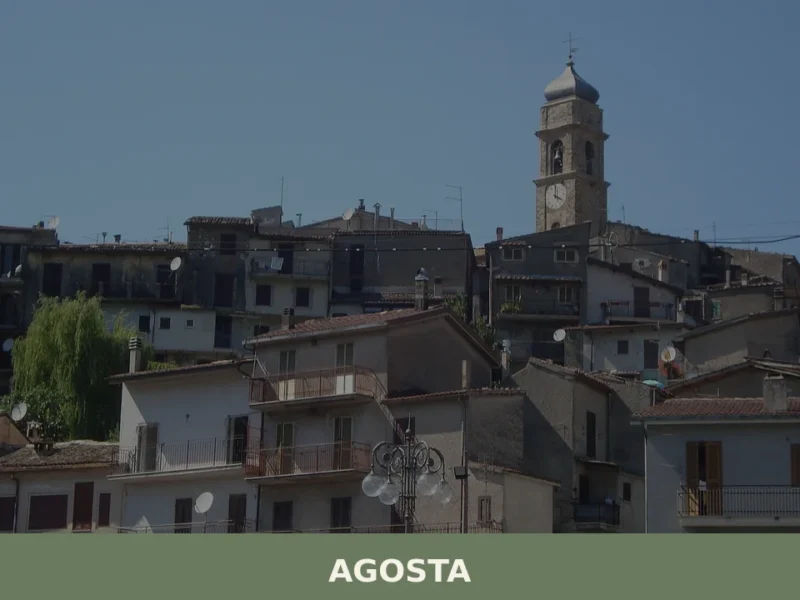
Agosta
Hills
Agosta is a historic municipality of 1,675 residents in the upper Aniene valley, Lazio, with continuous settlement from prehistoric times and a castle documented as early as 1051.
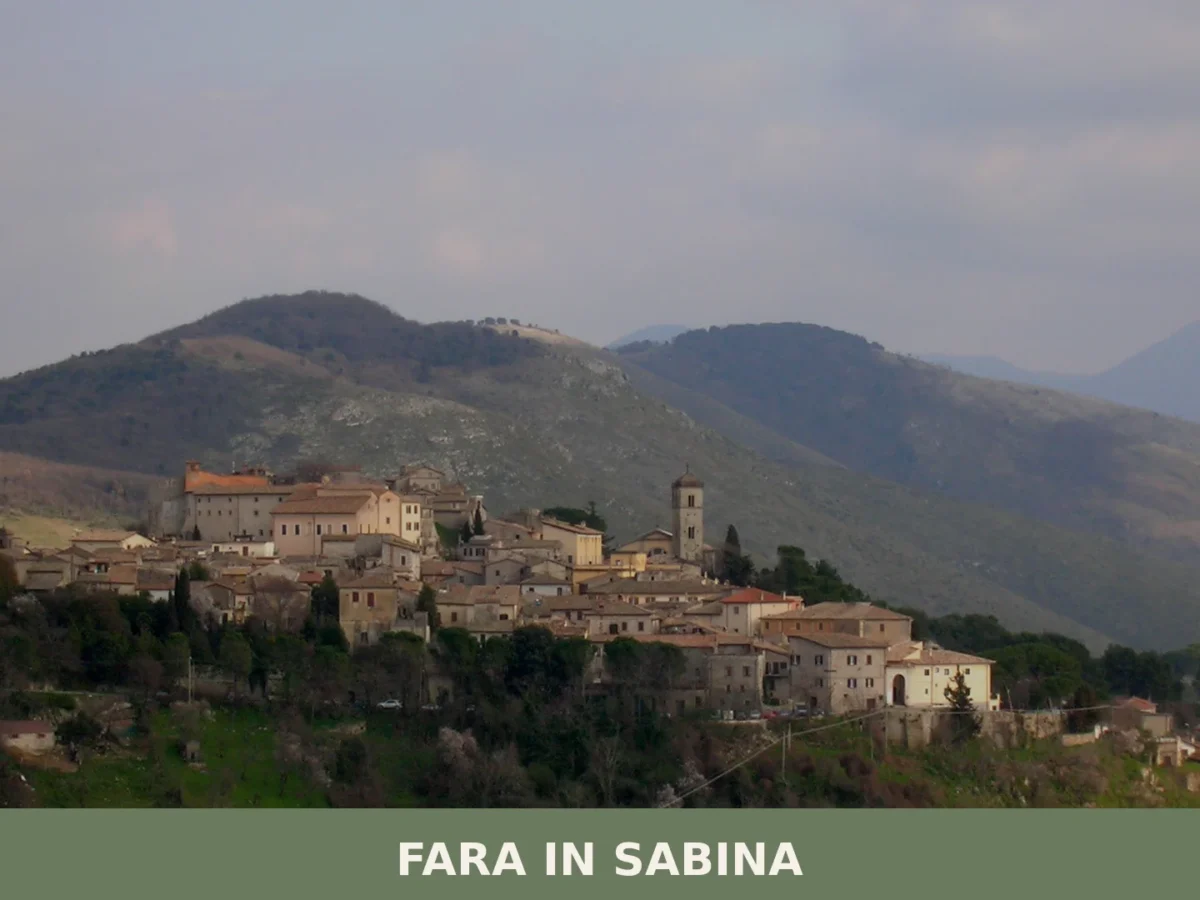
Fara in Sabina
Hills
Fara in Sabina is a historic hill town in the province of Rieti, Lazio, at 493 metres above sea level, where prehistoric remains, a medieval abbey and Risorgimento memories meet in the Sabine hills no
Aprilia
 Plains
What to see in Aprilia? Explore 5 unique attractions in this Lazio village. Discover its historic origins and hidden gems. Plan your visit now!

Boville Ernica
Hills
What to see in Boville Ernica, Lazio, Italy: 18 intact medieval towers, a mosaic attributed to Giotto, and pre-Roman walls. Discover the complete travel guide.
Mompeo
Hills
Discover Mompeo, a charming village in Lazio, Italy. Explore its rich history, stunning landscapes, and authentic Italian culture off the beaten path.




🏡 Know Celleno better than we do?
If you’re a local or have been there, your knowledge matters: add what’s missing or fix a detail on this page.