


Agazzano
 Plains
What to see in Agazzano, a village at 187 m in Piacenza province with 2,054 residents. Explore the medieval castle, Santa Maria Assunta church and Val Luretta. Plan your visit.
Discover Agazzano
At 187 metres above sea level, in the province of Piacenza, Agazzano is a village in the Emilian Apennines with just over 2,000 inhabitants and concrete traces of centuries of feudal history.
Those asking what to see in Agazzano will find a layered answer: a medieval castle of rare architectural continuity, a Romanesque parish church dedicated to the patron saint Mary of the Assumption, and a hilly landscape combining vineyards and woodland along the Luretta valley.
The village was not built for mass tourism, which makes it interesting for those seeking places with a defined and verifiable identity of their own.
History and Origins of Agazzano
The earliest documentary records of Agazzano date to the early Middle Ages, when the territory formed part of the feudal control system that the Diocese of Piacenza exercised over the Apennine valleys.
The village name is probably connected to a Germanic personal name — a form derived from Lombard — according to local historical sources, although the exact etymology remains a matter of debate among scholars. Already in the Carolingian period the site had a strategic function, positioned as it was on a ridge that allowed visual control over the valley below and the transit routes between the Po plain and the Apennine passes towards Liguria.
During the Middle Ages, Agazzano Castle passed through the hands of several noble families who competed for control of the Val Luretta.
Among those who left the most lasting marks were the Dal Verme and later the Anguissola, a Piacenza family with a long tradition that held lordship over numerous castles in the province. The Anguissola are documented in the history of the Diocese and municipality of Piacenza from at least the twelfth century, and their presence in Agazzano fits within the broader pattern of feudal control that characterised the entire Piacenza hill zone between the Middle Ages and the Renaissance.
Over time, the castle underwent alterations and extensions that modified its original appearance, while still preserving structural elements from its earliest phases.
With the early modern period and the progressive consolidation of the Duchy of Parma and Piacenza under the Farnese, the territory of Agazzano was absorbed into the political and economic dynamics of the duchy.
The agricultural structure of the village remained broadly stable over the following centuries, founded on viticulture and cereal farming typical of the Piacenza hills.
In the nineteenth century, following Italian unification, Agazzano became an autonomous municipality within the province of Piacenza, a role it retains to this day. The population, currently recorded at 2,054 inhabitants, reflects the demographic decline that affected many hill settlements in Emilia-Romagna throughout the twentieth century, without however breaking the continuity of the village’s settlement pattern.
What to See in Agazzano: Main Attractions
Agazzano Castle
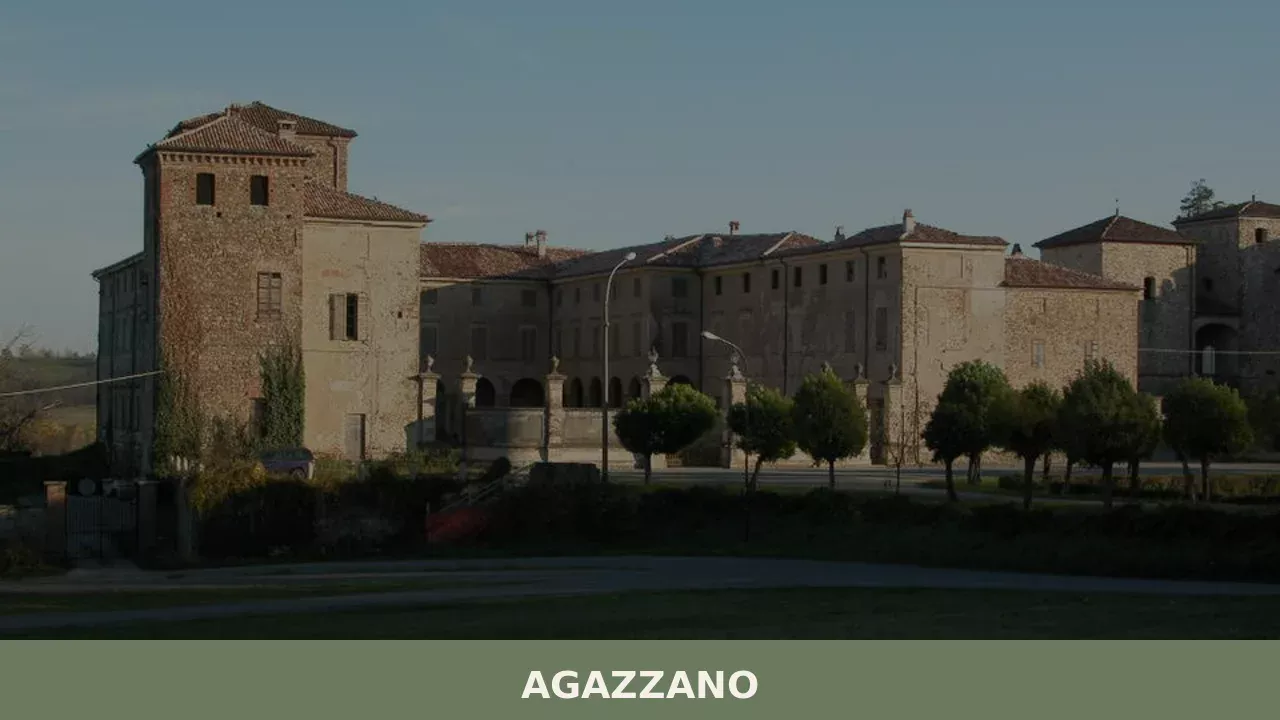
The castle is the visual and historical focal point of the entire village. The structure, whose current form dates mainly to the medieval period with later Renaissance modifications, features corner towers, a main body arranged over several floors, and a moat that still partially defines its perimeter.
The castle was restored during the twentieth century and is known for hosting cultural events and civil weddings; it has remained in private ownership but is accessible on certain occasions.
It is worth observing the façade from the main access road to appreciate the complexity of the overlapping construction phases.
Parish Church of Santa Maria Assunta
The church dedicated to Santa Maria Assunta is the main place of worship in Agazzano and is the centre of devotion to the village’s patron saint, whose feast is celebrated on 15 August.
The building displays architectural elements of Romanesque origin, modified in later periods according to the building practices of the Piacenza hills. The interior preserves liturgical furnishings and works of art that document the continuity of religious life in this part of the Val Luretta. Visitors to Agazzano should set aside time for this building, which has served as the spiritual centre of the community for several centuries.
The Luretta Valley
The municipal territory extends along the valley of the Luretta stream, a watercourse that descends from the Piacenza Apennines towards the plain.
The resulting landscape alternates between vine-covered slopes, broadleaf woodland and scattered small agricultural settlements. Travelling the valley on foot or by bicycle allows visitors to read the hill topography typical of this part of Emilia-Romagna, with slopes that turn lush in spring and take on rich colours in autumn.
The valley also provides the geographical context that explains the territory’s vocation for winemaking, with rows of vines alternating with woodland along the south-facing slopes.
Historic Village and Ancient Core
The inhabited centre of Agazzano preserves a settlement structure consistent with its medieval origins, with stone and brick buildings that follow the perimeter of the old castle.
Walking through the streets of the centre allows visitors to read directly the defensive and organisational logic that guided the construction of the village over past centuries.
Some civic buildings retain carved stone doorways and architectural details attributable to construction phases between the fifteenth and seventeenth centuries. The compact, small-scale urban fabric means the entire village can be explored on foot in a short time without missing any significant features.
Surrounding Hill Landscape and Views over the Val Luretta
Agazzano stands at 187 metres above sea level, an altitude that provides broad views northwards over the Po plain and southwards towards the first Apennine ridges.
From the higher areas of the municipal territory it is possible to take in the full extent of the Val Luretta, with terraced vineyards and small settlements scattered along the ridgelines.
This type of landscape, documented by the Touring Club Italiano which identifies the Piacenza hills as an area of naturalistic interest, makes Agazzano well suited for walking excursions that begin and end in the village itself.
Local Food and Products of Agazzano
The cuisine of the Piacenza hills, to which Agazzano belongs both geographically and culturally, has its roots in a farming tradition formed over centuries of agricultural and pastoral economy.
The gastronomy of the province of Piacenza has developed under multiple influences: the Po plain with its abundance of cured meats and cheeses, the Apennines with their wild herbs and mushrooms, and the hill vineyards that produce distinctive red and white wines.
This convergence of different environments is directly reflected in the dishes found in local restaurants and domestic kitchens throughout the area.
Among the dishes that local tradition considers characteristic of the Piacenza hills, pisarei e fasò hold a prominent place: these are small dumplings made from stale bread and flour, dressed with a sauce of borlotti beans and lard — a simple preparation that has become a gastronomic emblem of the entire province.
Equally common in local trattorias are tortelli con la coda, ricotta and spinach pasta parcels with a distinctive shape, and anolini in brodo, a festive dish of pasta filled with braised meat and Parmesan served in broth.
Pork remains the basis of cured meat production, with coppa, salame and pancetta still made using artisanal methods in workshops throughout the hills.
On the wine side, the Piacenza hills produce the Colli Piacentini designation, which includes varieties such as Gutturnio, Ortrugo and Malvasia. These wines are officially recognised, and the vineyards of the Val Luretta fall within the production zone.
No products with DOP, IGP or PAT certification specifically attributed to the municipality of Agazzano appear in the reference database, but the area sits within a context of wine and cured meat production that connects it to the wider Piacenza tradition.
Those wishing to buy local products can contact the farms in the area, many of which offer direct sales.
The best seasons for experiencing the local food culture are autumn, when porcini mushrooms come down from the Apennine woods and local festivals bring the hill villages to life, and spring, with its availability of wild herbs and fresh vegetables. The agricultural markets in the province of Piacenza, some of which are held weekly, provide a direct opportunity to meet producers and buy cured meats, cheeses and wine straight from those who make them.
Festivals, Events and Traditions of Agazzano
The patron saint’s festival of Agazzano is celebrated on 15 August, the feast of the Assumption of Mary, in honour of Santa Maria Assunta, the village’s patron.
As in many settlements in the Piacenza hills, the occasion is marked by religious services in the main parish church, accompanied by civic gatherings that involve the whole community.
The mid-August date places the festival at the height of summer, a period when seasonal residents and families with roots in the village tend to return, boosting attendance at the celebrations.
The Piacenza hills calendar traditionally includes local festivals and village fairs tied to agricultural cycles, particularly the autumn grape harvest and the winter production of cured meats.
Agazzano, within this context, takes part in initiatives that involve the Val Luretta and the broader hill zone of the province. Institutional sources indicate that many municipalities in the Piacenza hills organise summer and autumn events linked to local culture, music and food, although specific details for Agazzano should be verified directly with the municipal office or local associations.
When to Visit Agazzano and How to Get There
The best period to visit Agazzano runs from spring through to late autumn.
In spring the hills offer their most abundant vegetation and mild temperatures make excursions in the surrounding area comfortable. Summer, though warm, is tempered by the altitude of 187 metres, and August is enlivened by the patron saint’s festival on the 15th.
Autumn is perhaps the most rewarding season from a landscape and gastronomic perspective: the grape harvest brings the Val Luretta vineyards to life and the woodland turns to warm tones.
Winter is a quieter season, suited to those who prefer to visit the village outside tourist flows. For up-to-date information on events and municipal services, the Agazzano municipal website is the most direct official source.
If you are arriving by car, the main route is the state road that runs up the Val Tidone and Val Luretta from the plain.
The nearest motorway junction is Piacenza Sud on the A1 Milan–Naples motorway, from which Agazzano is approximately 25–30 kilometres away, reachable in under 40 minutes along the provincial roads towards the hills.
Travellers arriving by train will use Piacenza station, served by the Milan–Bologna line and several regional services, with a connecting bus or taxi to reach the village.
Those flying can consider Milan Malpensa Airport, around 100 kilometres away, or Guglielmo Marconi Airport in Bologna, both connected to Piacenza by train or motorway. A car remains the most practical option for exploring the Val Luretta and the surrounding villages freely.
Where to Stay in Agazzano
Accommodation in the Agazzano area and the Val Luretta is mostly agriturismo-based, a type of rural hospitality widespread throughout the Piacenza hills. Farms that produce wine and cured meats often combine their agricultural activity with rural accommodation, offering rooms or apartments set among the vineyards.
For those preferring a more comprehensive base, the city of Piacenza, around 30 kilometres away, has a full range of hotels, B&Bs and properties in every category.
Checking availability directly on the municipal website or through the main booking platforms is the most reliable way to find current options in the area.
Other Villages to Discover in Emilia-Romagna
Emilia-Romagna offers a variety of hill and mountain villages that lend themselves to being visited in combination with Agazzano, building thematic itineraries along the Apennine valleys.
Cerignale, in the province of Piacenza, is one of the smallest villages in Italy and shares with Agazzano both its hill setting and its compact scale, making it a natural continuation of an itinerary through the Piacenza hills.
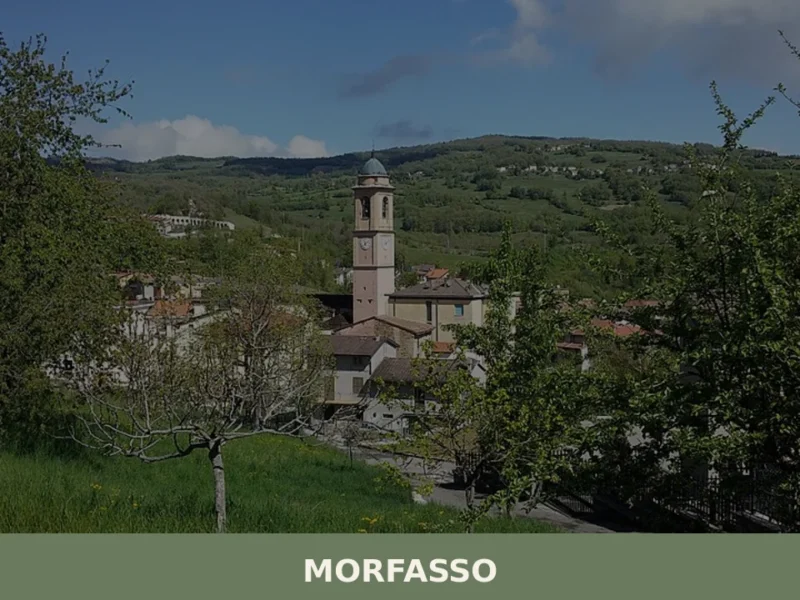
Equally worth exploring is Morfasso, also in the Piacenza area, a settlement that retains elements of the Apennine landscape and a well-documented rural tradition.
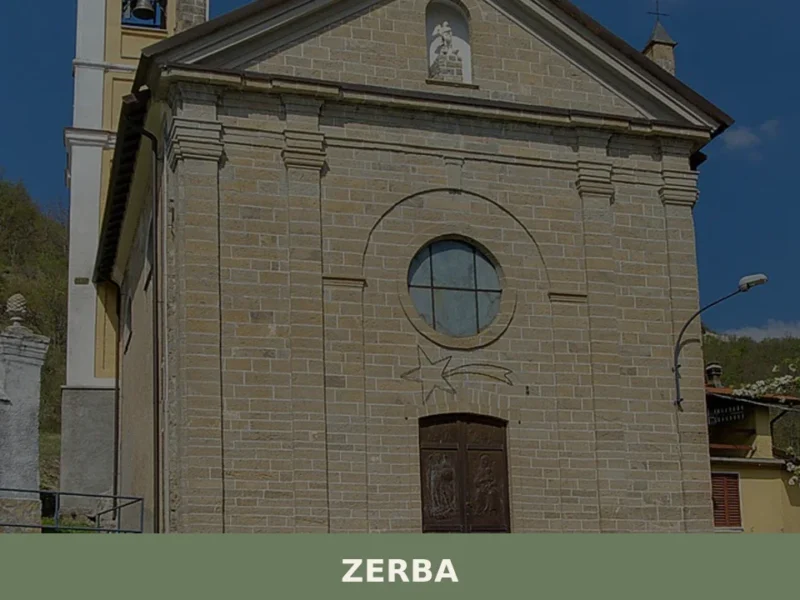
Those who extend their radius further can reach Zerba, the least populous municipality in the province of Piacenza, situated on the Ligurian-Emilian Apennine ridge in a position that offers views over both the Po valley and the Ligurian side.
For those who want to explore the Emilian plain, Castel Guelfo di Bologna offers an example of a lowland centre with its own historical character and distinct territorial identity.
Building an itinerary that connects these villages with Agazzano means crossing the geographical range of Emilia-Romagna, moving from the Piacenza hills to the higher Apennines and on to the Bologna plain, with a connecting thread of local history and agricultural production that has defined these territories over the centuries.
What to see in Agazzano is therefore also a question that opens onto a wider horizon, one made up of small settlements capable of illustrating different facets of the same region.
Frequently asked questions about Agazzano
What is the best time to visit Agazzano?
The most rewarding periods are late spring (April–June), when the Val Luretta vineyards and woodland are at their greenest, and autumn (September–October), when the grape harvest brings the hills to life and porcini mushrooms appear in local kitchens. The patron saint's festival of Santa Maria Assunta on 15 August draws returning residents and visitors to the village for religious ceremonies and communal celebrations, making mid-August a lively time to visit. Avoid mid-winter if you prefer active outdoor exploration, as hill roads can be damp and facilities limited.
What are the historical origins of Agazzano?
Agazzano has documented roots in the early Middle Ages, when it served as a strategic point for the Diocese of Piacenza's feudal control of the Apennine valleys. Its name is linked to a Lombard Germanic personal name, though the exact etymology remains debated. In the Carolingian period the site offered visual control over Val Luretta transit routes towards Liguria. The castle passed through the Dal Verme and then the Anguissola family, a prominent Piacenza dynasty documented from the twelfth century. Under the Farnese Duchy of Parma and Piacenza, the village was integrated into the duchy's agricultural and political structure.
What to see in Agazzano? Main monuments and landmarks
The primary attraction is Agazzano Castle, a medieval structure with corner towers, a moated perimeter and Renaissance modifications, privately owned but open for cultural events and civil weddings on selected occasions — check locally for access dates. The Parish Church of Santa Maria Assunta displays Romanesque architectural elements and preserves historic liturgical furnishings; it is the spiritual centre of the community and generally accessible during services. The compact medieval village core, with carved stone doorways dating to the 15th–17th centuries, can be explored entirely on foot in under an hour.
What are the main natural or scenic attractions of Agazzano?
The Val Luretta is the defining natural feature of Agazzano's territory: the valley of the Luretta stream descends from the Piacenza Apennines through vine-covered slopes, broadleaf woodland and scattered agricultural hamlets. The Touring Club Italiano identifies the Piacenza hills as an area of naturalistic interest. From higher points in the municipal territory, views extend northward over the Po plain and southward toward the first Apennine ridges. The landscape is particularly vivid in spring and assumes warm, layered colours throughout October during the harvest season.
Where to take the best photos in Agazzano?
The approach road to Agazzano Castle offers the clearest view of its façade and overlapping construction phases — ideal for architectural photography, particularly in the morning light. The higher areas of the municipal territory provide panoramic shots encompassing the full sweep of the Val Luretta, with terraced vineyards, ridgeline hamlets and the Po plain in the distance. In autumn, the combination of vine rows, woodland colour and the castle silhouette makes for especially compelling compositions. The medieval village streets, with their stone doorways and compact scale, suit detail photography at any time of year.
Are there museums, churches or historic buildings to visit in Agazzano?
The two principal historic buildings are Agazzano Castle and the Parish Church of Santa Maria Assunta. The castle, a privately owned medieval and Renaissance structure with corner towers and a partial moat, is accessible on certain occasions — civil weddings and cultural events are held there, so it is worth contacting the municipality for scheduled open days. The church, dedicated to the village's patron saint, contains Romanesque architectural elements and historic liturgical art, and is typically accessible during religious services. No municipal museum is documented for Agazzano in available sources.
What can you do in Agazzano? Activities and experiences
Agazzano suits unhurried, self-directed exploration: walking or cycling the Val Luretta valley is the primary outdoor activity, following routes that alternate between vineyard slopes and woodland. The territory falls within the Colli Piacentini wine production zone, making farm visits and direct-purchase tastings at local estates a practical option. The patron saint's festival on 15 August provides a window into authentic village traditions. In autumn, the harvest season and availability of porcini mushrooms from the Apennine woods extend the food and wine experience into the cooler months. The entire village centre can be explored on foot.
Who is Agazzano suitable for? Families, couples, hikers, solo travelers?
Agazzano is best suited to travellers who prefer substance over spectacle: couples seeking quiet hill scenery and local wine culture, hikers and cyclists exploring the Val Luretta, and culturally curious visitors interested in authentic medieval village architecture without crowds. It works well as a day trip or overnight stop within a wider Piacenza hills itinerary. Families with older children who enjoy historical buildings and walking will find it rewarding; those seeking resort-style facilities or a busy programme of attractions should look elsewhere. The village is too small and quiet for travellers wanting organised mass tourism.
What to eat in Agazzano? Local products and specialties
Agazzano sits within the gastronomic tradition of the Piacenza hills. Signature dishes found in local trattorias include pisarei e fasò (bread-and-flour dumplings with borlotti beans and lard), tortelli con la coda (ricotta and spinach pasta parcels) and anolini in brodo (braised-meat-filled pasta in broth). Artisanal pork cured meats — coppa, salame and pancetta — are produced throughout the surrounding hills. The territory falls within the Colli Piacentini DOC zone, which covers Gutturnio, Ortrugo and Malvasia wines. Direct purchase from local farms is possible; autumn is the best season for truffles, porcini and the new wine harvest.
Nearby Villages near Agazzano
 Mountain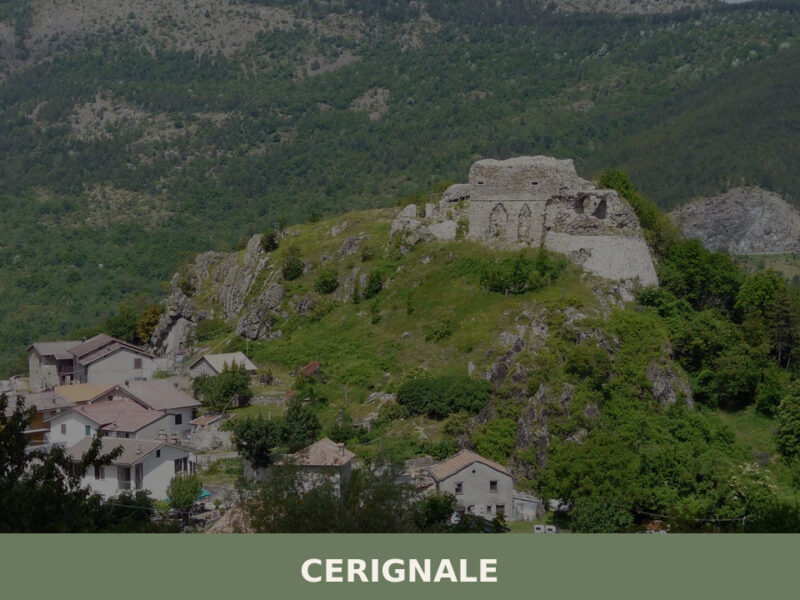
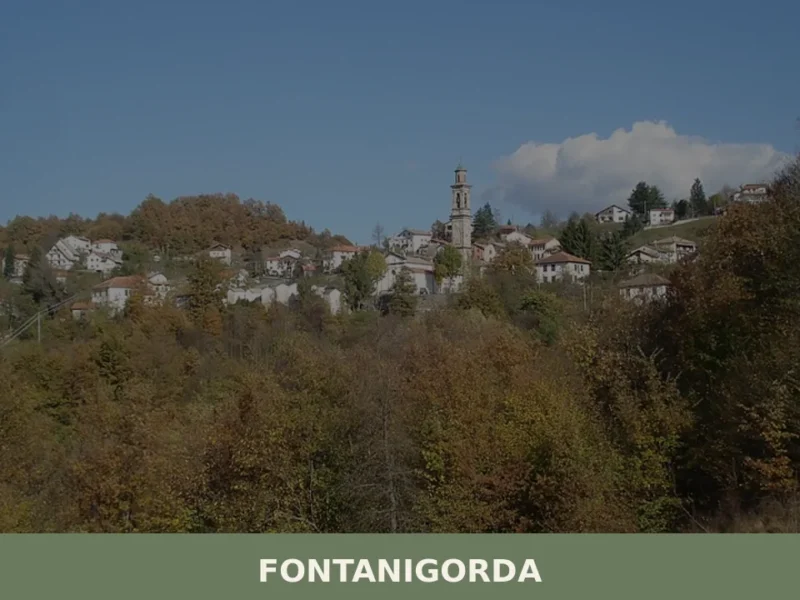
In Emilia-Romagna More villages to discover
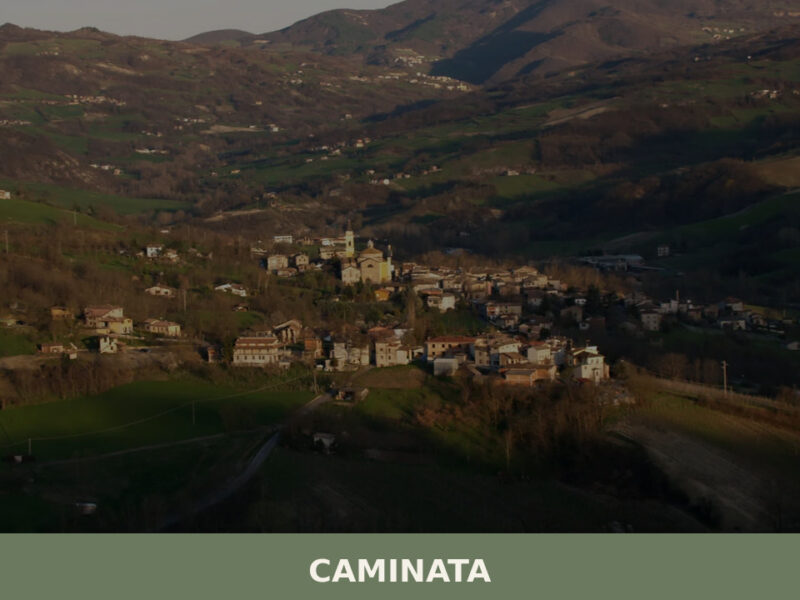
Caminata
 Hills
Hills
Caminata sits at 364 metres in the Val Tidone, Piacenza province. A guide to its church, trails, Apennine food traditions, and surrounding landscape.
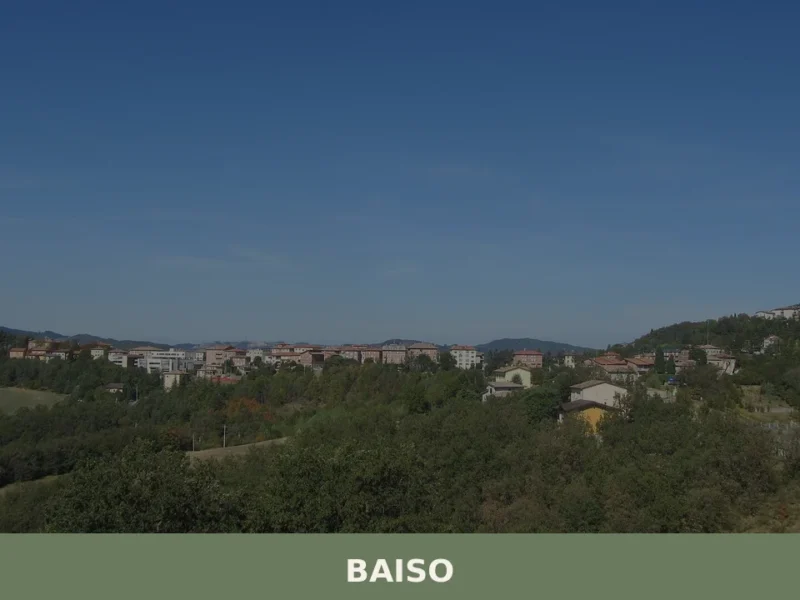
Baiso
Hills
The ridge road into Baiso levels out at 542 m (1,778 ft) above the Po Plain and delivers a view across the Apennine foothills that is measurable rather than vague: the valley floors of the Secchia drainage basin lie several hundred metres below, and the profiles of Carpineti and Castellarano mark the horizon to the […]
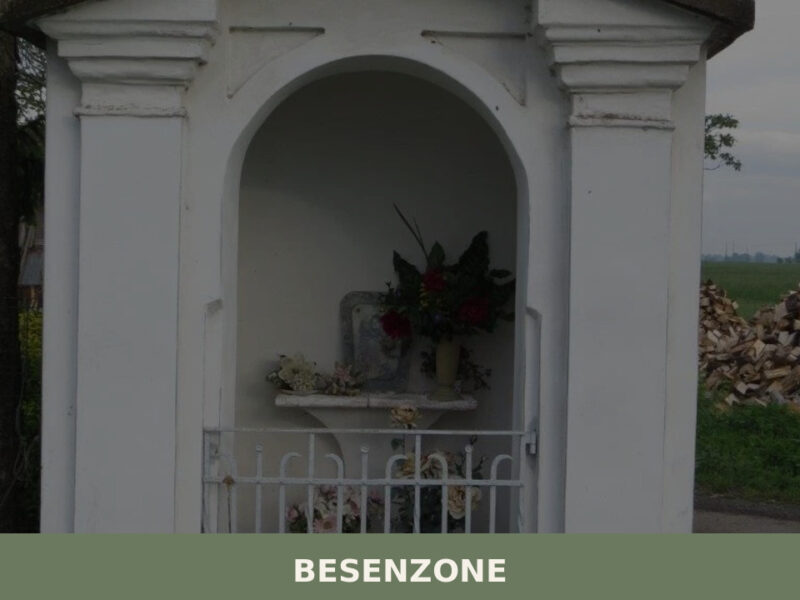
Besenzone
Plains
What to see in Besenzone, Italy: Discover a tranquil village of 916 inhabitants at 48 m (157 ft) altitude. Explore its historical sites and local traditions. Read our guide.
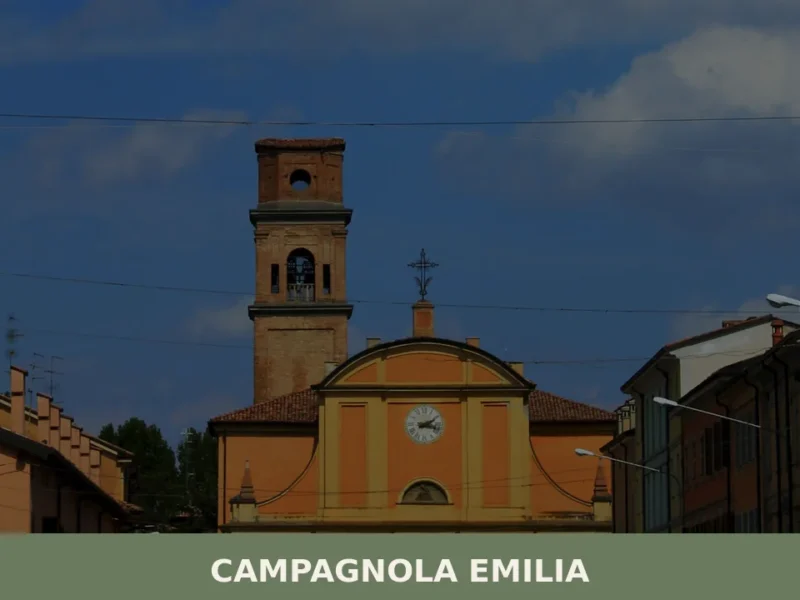
Campagnola Emilia
Plains
What to see in Campagnola Emilia, Italy: explore a Po Plain comune at 22 m altitude, 25 km from Reggio Emilia. Discover local festivals and food. Read the guide.
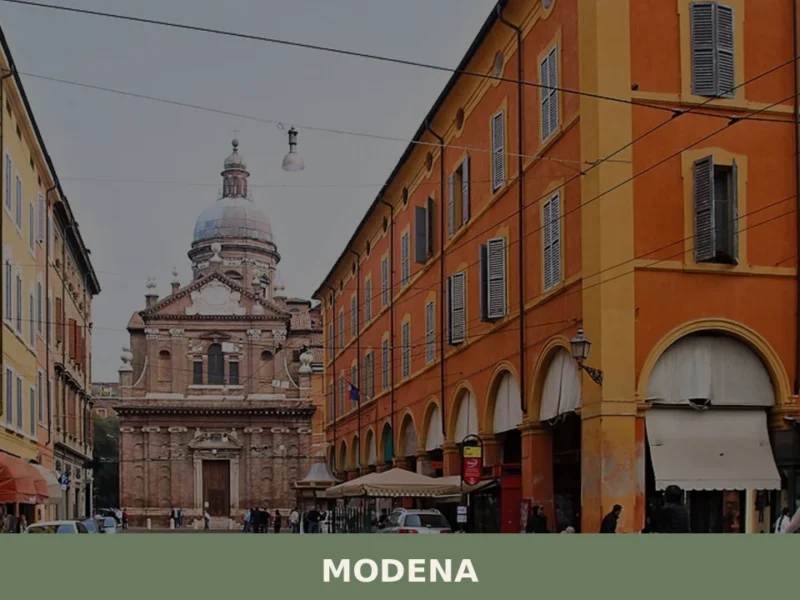
Modena
Plains
what to see in modena. Discover the UNESCO Duomo and Ducal Palace. Explore this city of 179,000+ residents and taste typical Modenese products.
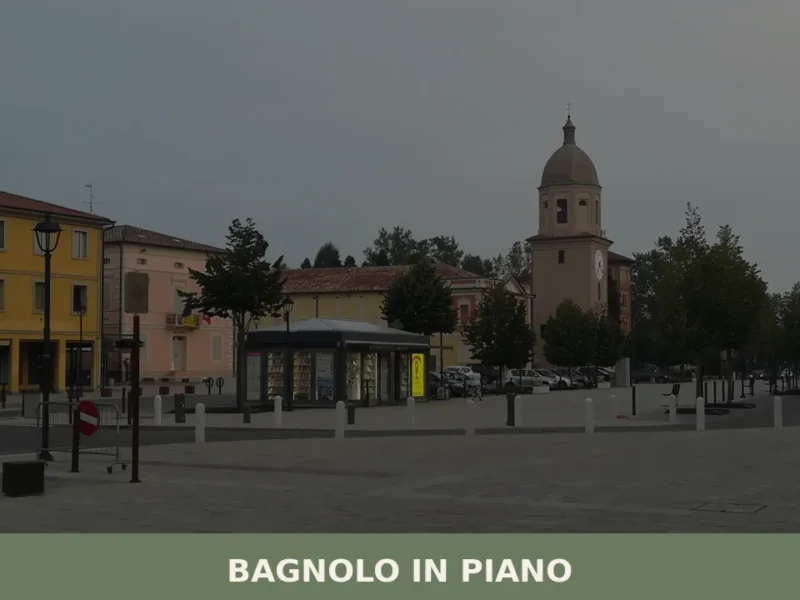
Bagnolo in Piano
Plains
What to see in Bagnolo in Piano, Emilia-Romagna, Italy: explore the medieval Torrazzo tower, the Pieve Rossa church, and local Po Valley cuisine. Discover now.
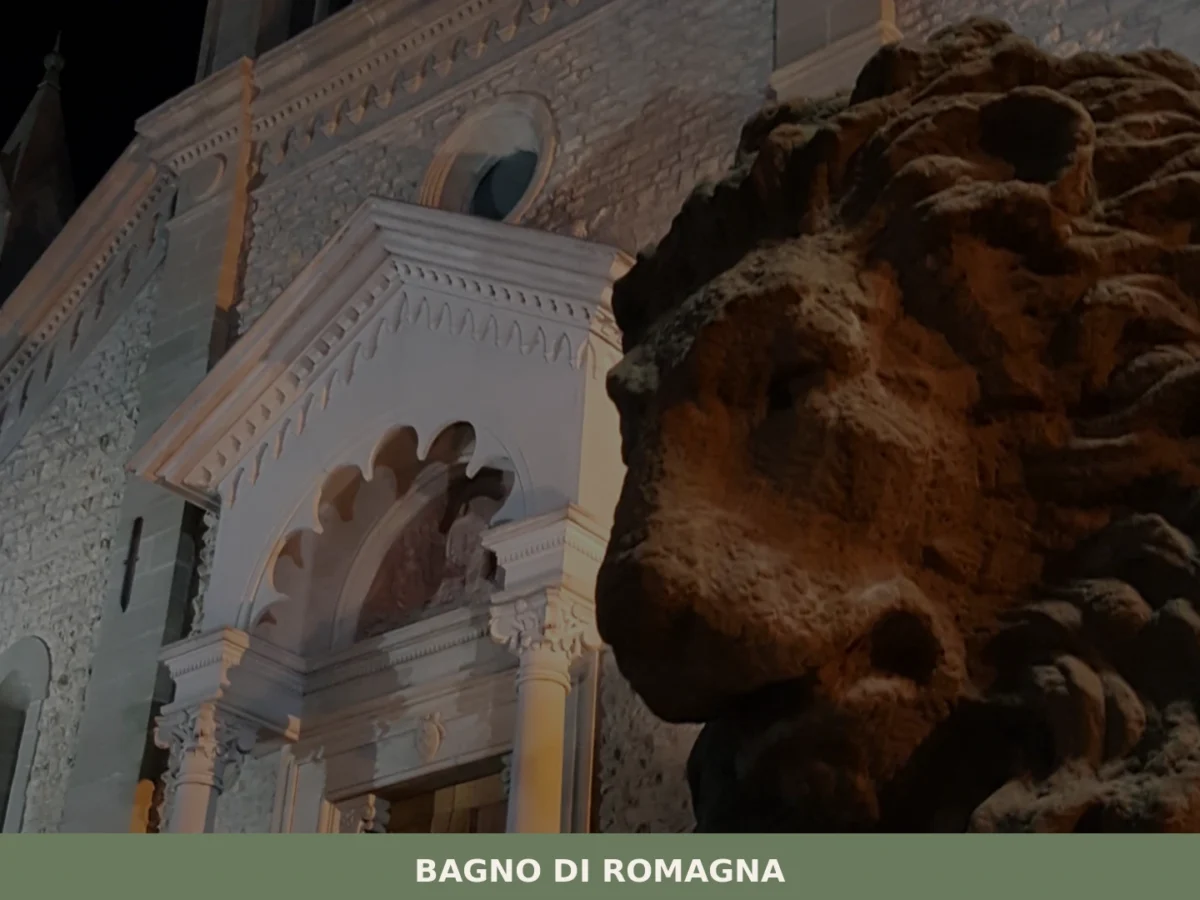
Bagno di Romagna
Hills
what to see in bagno di romagna, Italy: Discover its 47°C hot springs and historic Basilicas. Explore Emilia-Romagna's natural wonders.
Borgonovo Val Tidone
Plains
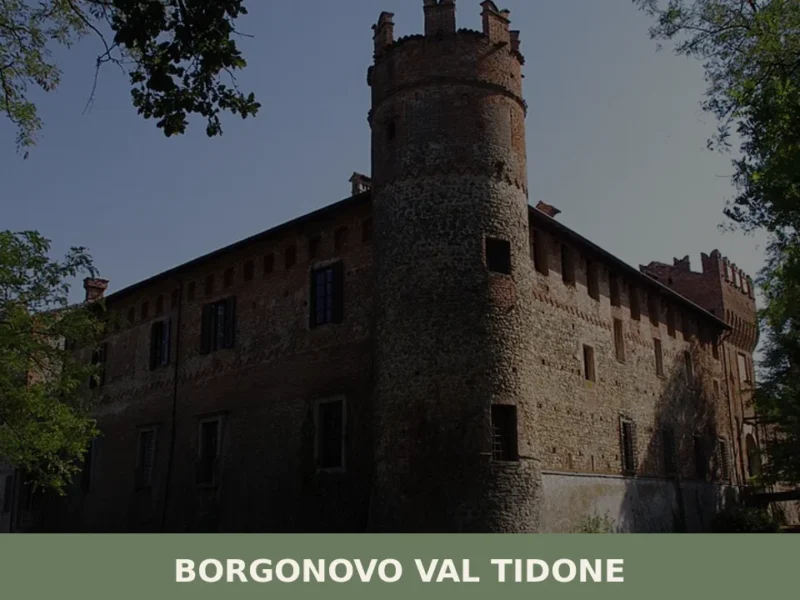
What to see in Borgonovo Val Tidone: 7,774 residents, a medieval castle, the Santa Maria Assunta church and Piacenza cuisine. Plan your visit with this complete guide.
Bagnara di Romagna
Plains
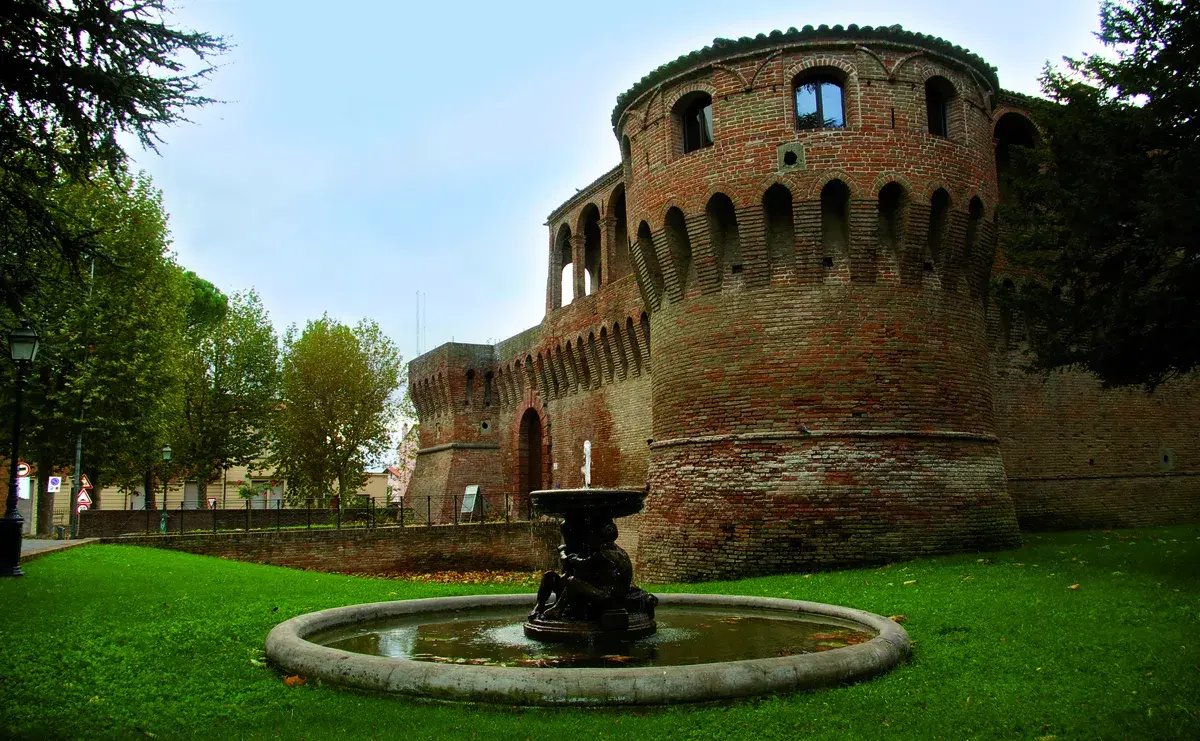
What to see in Bagnara di Romagna, Italy? Explore this 'Borgo più bello' at 22 m (72 ft) altitude. Discover its historical charm and annual Patron Saint's Feast.
Brescello
Plains
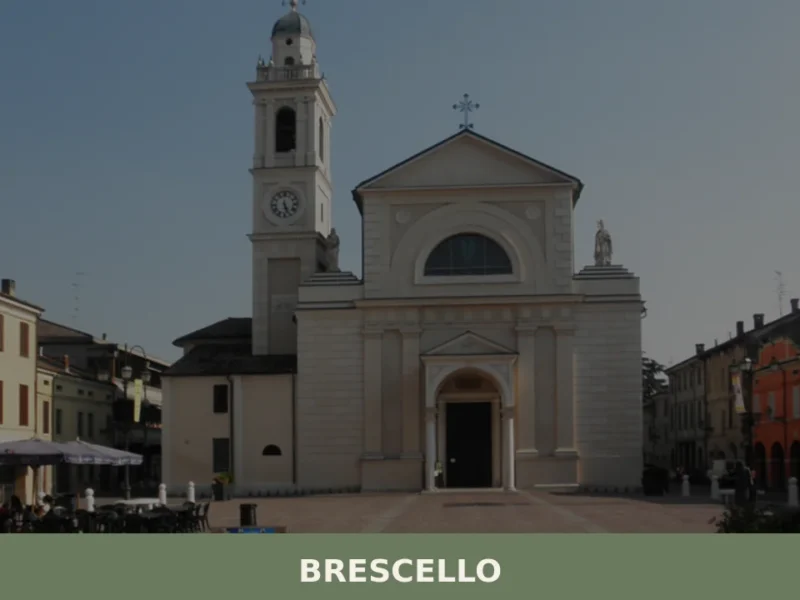
What to see in Brescello, Emilia-Romagna, Italy: explore the Don Camillo Museum, Roman ruins and local Po Valley cuisine. 5,554 inhabitants. Discover it now.



🏡 Know Agazzano better than we do?
If you’re a local or have been there, your knowledge matters: add what’s missing or fix a detail on this page.