


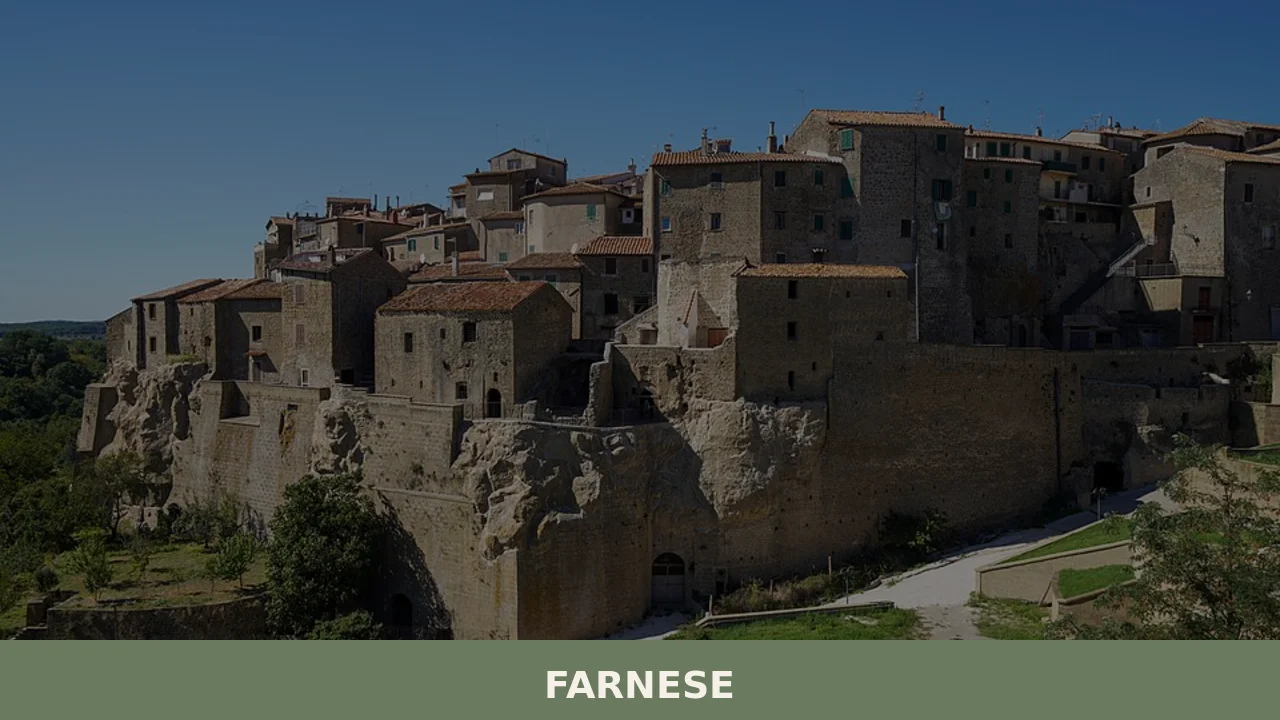
Farnese
 Hills
Hills
The morning light, a pale gold filtering through the narrow aperture of a medieval archway, illuminates the rough-hewn basalt paving stones of Farnese. A faint scent of woodsmoke and damp earth hangs in the cool air, carried on a breeze that rustles the leaves of an ancient oak on the village’s periphery. Here, at 341 […]
Discover Farnese
The morning light, a pale gold filtering through the narrow aperture of a medieval archway, illuminates the rough-hewn basalt paving stones of Farnese. A faint scent of woodsmoke and damp earth hangs in the cool air, carried on a breeze that rustles the leaves of an ancient oak on the village’s periphery. Here, at 341 meters above sea level in the Viterbo province of Lazio, life unfolds with a rhythm dictated by centuries of history, where the legacy of a powerful aristocratic family is etched into every stone and vista. This is a place where the past is not merely recalled, but actively inhabits the present, offering a profound sense of continuity.
History of Farnese
The origins of Farnese are inextricably linked to the powerful Farnese family, whose name became synonymous with influence across the Papal States and beyond. While early settlements in the area predate their arrival, it was under the Farnese dynasty, particularly from the 14th century onwards, that the village began to take its distinct form. Rising from relatively humble beginnings, the family strategically acquired lands and titles, transforming Farnese into a significant stronghold and a testament to their growing power. Their strategic location within the Tuscia region, bordering both Tuscany and Umbria, made it a valuable asset in the intricate political landscape of medieval and Renaissance Italy.
The village’s name itself, “Farnese,” is believed to derive from the Latin farnetum, meaning ‘oak grove,’ a reference to the abundant oak trees in the surrounding landscape. The family’s coat of arms, featuring six blue lilies on a golden field, became a ubiquitous symbol, emblazoned on buildings and documents throughout their territories. Over centuries, the Farnese family produced cardinals, dukes, and even a Pope (Paul III), leaving an indelible mark on art, architecture, and governance, with their influence radiating from this very village across Europe. The architectural fabric of Farnese today still speaks to this rich patronage, reflecting the family’s desire to assert their authority and prestige through monumental constructions.
What to see in Farnese
Palazzo Farnese
Dominating the village’s skyline, the Palazzo Farnese stands as a formidable symbol of the family’s power and architectural ambition. While not as grand as its counterparts in Caprarola or Piacenza, this ancestral residence in Farnese retains a dignified presence. Its robust stone walls and commanding position speak of a past where defense and prestige were paramount. Visitors can trace the evolution of the family’s influence through the building’s various additions and stylistic elements, reflecting centuries of history within its ancient structure.
Chiesa di San Salvatore
The Parish Church of San Salvatore serves as the spiritual heart of Farnese. With its origins likely dating back to the medieval period, the church has undergone several transformations over time, reflecting changing architectural styles and devotional practices. Inside, one can observe the quiet dignity of religious art and artifacts that have accumulated through generations, offering a glimpse into the community’s enduring faith and the artistic expressions it inspired. Its bell tower remains a prominent feature in the village’s profile.
Porta del Moco
One of the surviving medieval gateways, the Porta del Moco offers a tangible connection to Farnese’s fortified past. This ancient archway, built into the defensive walls, once controlled access to the village, regulating the flow of people and goods. Passing through it, one steps from the modern world into the narrow, winding alleys of the historic center, a journey back in time where the defensive needs of a medieval settlement are still clearly evident in the urban planning.
Oratorio del Gonfalone
The Oratorio del Gonfalone, a small but significant religious building, represents the spiritual life of the local confraternities that played a crucial role in community welfare and devotional practices during the Renaissance and Baroque periods. These oratories were often adorned with frescoes and artworks commissioned by the brotherhoods, serving as places for prayer, meetings, and charitable activities. Its modest exterior often belies the artistic and historical treasures contained within.
Museo Civico “F. Rittatore Von Willer”
Housed within the Palazzo Farnese, the Civic Museum “F. Rittatore Von Willer” provides a comprehensive insight into the local history, archaeology, and ethnography of Farnese and its surrounding territory. The museum collects artifacts ranging from prehistoric times to the modern era, including Etruscan and Roman finds, as well as objects illustrating traditional rural life. It serves as an essential resource for understanding the deeper historical layers beneath the village’s more prominent Farnese legacy. Learn more about Farnese’s history on Wikipedia.
Local food and typical products
The culinary landscape of Farnese is deeply rooted in the traditions of upper Lazio and the Maremma Laziale, a region celebrated for its robust, earthy flavors. Olive oil, extracted from the ancient groves that checker the surrounding hills, forms the backbone of many dishes, its peppery notes enhancing everything from fresh vegetables to grilled meats. Local cheeses, particularly those made from sheep’s milk like Pecorino Romano or softer, fresher varieties, are a staple, often enjoyed with local honey or cured meats. The proximity to woodland areas also means that wild game, such as wild boar (cinghiale), features prominently, often slow-cooked in rich sauces and served with homemade pasta like pappardelle.
Beyond the main courses, the local gastronomy embraces simplicity and seasonality. Mushrooms, truffles, and asparagus gathered from the countryside are prized ingredients when in season. Desserts tend to be straightforward, often featuring local nuts, dried fruits, and honey, reflecting a tradition where sweetness was a luxury. To experience the authentic flavors of Farnese, seek out a traditional trattoria or osteria, where dishes are prepared with recipes passed down through generations, often accompanied by a glass of local wine from the nearby volcanic hills. For official information about the municipality, visit the Comune di Farnese website.
Best time to visit Farnese
Farnese, like much of Lazio, offers distinct experiences throughout the year, each with its own appeal. Spring (April to June) is arguably the most idyllic time, when the countryside bursts into bloom, temperatures are pleasantly mild, and the air is fresh. It’s ideal for exploring the village on foot and enjoying the scenic drives through the surrounding nature. Autumn (September to October) also presents a captivating visit, with cooler temperatures, the rich colors of changing foliage, and the bounty of the harvest season, including olive oil production and mushroom foraging.
Summers (July and August) can be warm, but the village’s elevation and the evening breeze often provide relief, making it a good time for outdoor evenings. This period might also coincide with local festivals or sagre, celebrating specific foods or traditions. Winters (November to March) are quieter and cooler, with a stark beauty that appeals to those seeking solitude and a more introspective experience of the ancient village, often accompanied by the comforting scent of wood fires. Always check regional tourism boards for specific event calendars before planning your trip, such as the Lazio Region Tourism site.
How to get to Farnese
Reaching Farnese, nestled in the northern reaches of Lazio, typically involves a combination of road and rail travel. If driving, the village is accessible via regional roads, often connecting from the A1 Autostrada (Milan-Naples). From Rome, the journey is approximately 1.5 to 2 hours, heading north towards Viterbo. From Viterbo itself, Farnese is about a 45-minute drive northwest. For those relying on public transport, the nearest major train station is Viterbo Porta Romana or Viterbo Porta Fiorentina. From Viterbo, local bus services operate to Farnese, though schedules can be infrequent, making a rental car often the most convenient option for exploring the area.
The closest international airports are Rome Fiumicino (FCO) and Rome Ciampino (CIA). From either airport, one would typically travel into Rome’s city center to catch a train to Viterbo, or rent a car directly from the airport. The journey by car from Fiumicino to Farnese takes roughly 2 hours. Given its somewhat secluded location, planning your route, especially if using public transport, is advisable to ensure a smooth arrival.
More villages to discover in Lazio
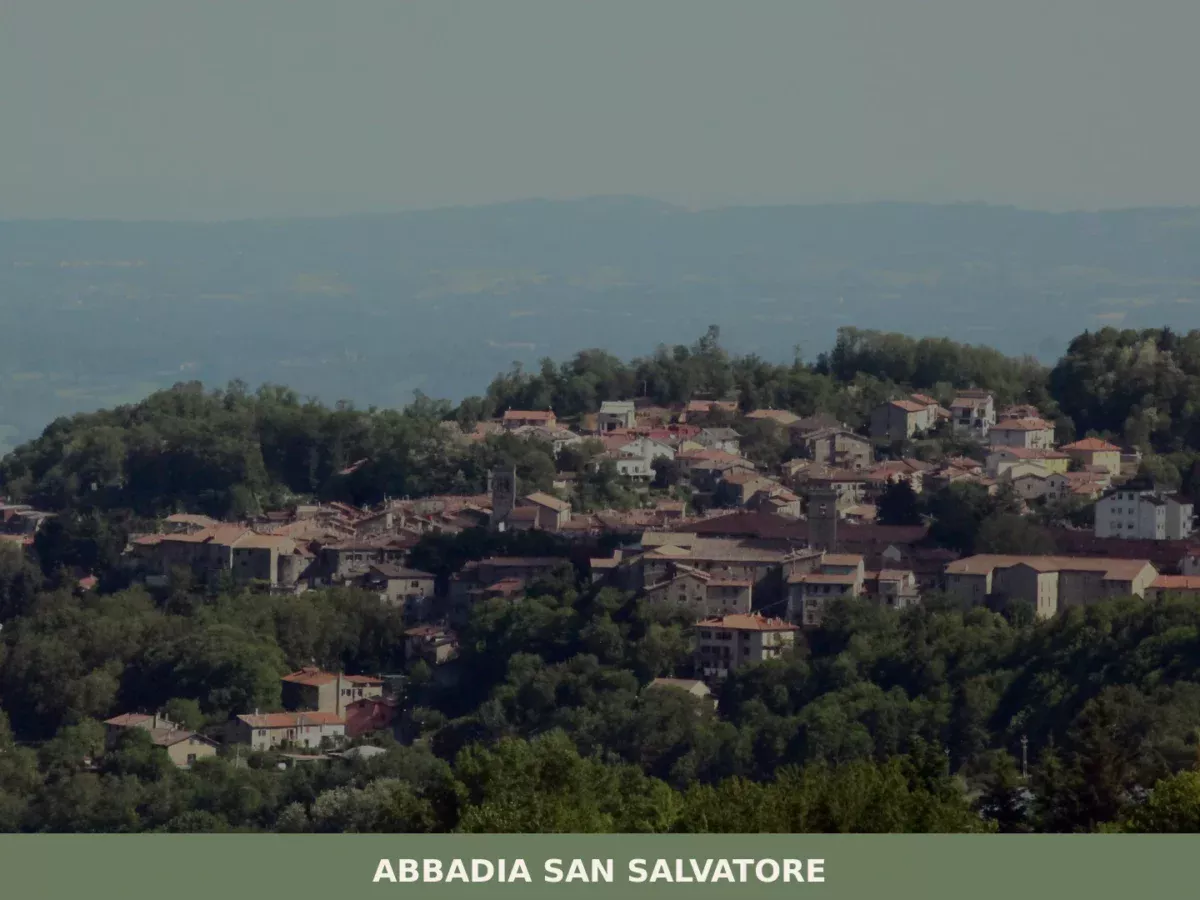
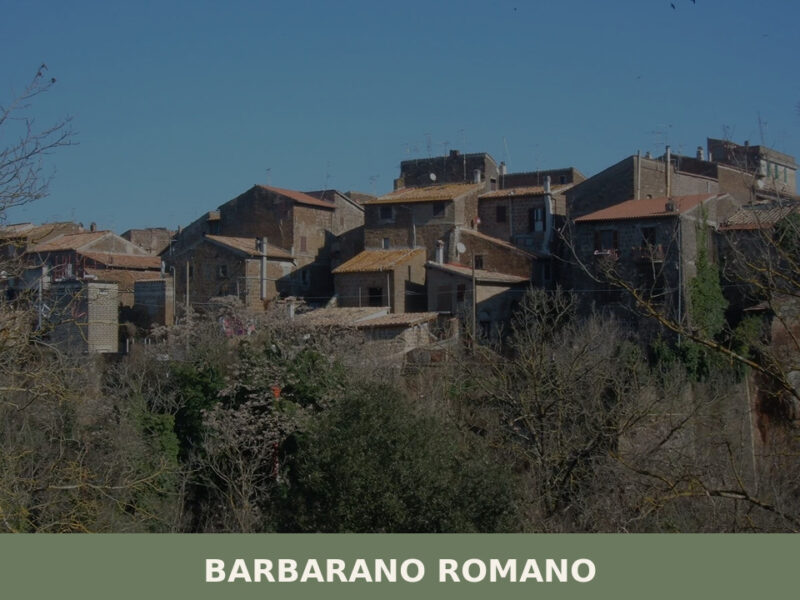
The region of Lazio, particularly its northern reaches, is a tapestry of ancient history, dramatic landscapes, and charming villages, each with its own distinct character. Beyond Farnese, the surrounding area offers a wealth of similar discoveries, inviting deeper exploration into the Etruscan heritage and medieval strongholds that define this part of Italy. For instance, the village of Barbarano Romano, perched on a tuff spur and encircled by deep ravines, offers a fascinating journey into Etruscan necropolises and a beautifully preserved medieval core, showcasing a different facet of Lazio’s rich past.
Further east, another captivating destination is Bassano in Teverina. This village, strategically positioned overlooking the Tiber Valley, blends its medieval architecture with stunning panoramic views, reflecting the historical importance of controlling the river’s flow. These villages, while distinct, share a common thread of history and culture, offering a compelling narrative of human settlement and endurance in a landscape shaped by ancient volcanoes and powerful dynasties. Exploring them provides a richer context to the experience of Farnese itself, revealing the interconnectedness of these historical gems.
Frequently asked questions about Farnese
What is the best time to visit Farnese?
Spring (April to June) is the ideal time to visit Farnese: mild temperatures, blooming countryside, and perfect conditions for walking the historic center and surrounding hills. Autumn (September to October) is equally rewarding, with olive harvests, mushroom foraging, and vibrant foliage. Summer evenings are pleasant thanks to the village's 341-meter elevation. The feast of the patron saint Isidoro l'Agricoltore, celebrated in May, offers an authentic glimpse into local traditions. Winter is quieter but atmospheric, ideal for solitude seekers and lovers of rustic Lazio landscapes.
What are the historical origins of Farnese?
Farnese takes its name from the Latin farnetum, meaning 'oak grove,' referencing the abundant oaks in the surrounding landscape. The village is inextricably linked to the Farnese family, who rose to prominence from the 14th century, transforming the settlement into a powerful stronghold within the Papal States. Their dynasty produced cardinals, dukes, and Pope Paul III, leaving a lasting imprint on local architecture and governance. The family's coat of arms — six blue lilies on gold — remains a symbol visible throughout the village to this day.
What to see in Farnese? Main monuments and landmarks
The key monuments in Farnese include: the Palazzo Farnese, the ancestral seat of the powerful dynasty, which also houses the Civic Museum 'F. Rittatore Von Willer' with archaeological finds from prehistoric to Roman times; the Parish Church of San Salvatore, the community's spiritual heart with medieval origins; the Porta del Moco, a surviving medieval gateway into the historic center; and the Oratorio del Gonfalone, a Renaissance-era oratory linked to local confraternities. Together, these sites offer a layered journey through the village's medieval and aristocratic heritage.
Are there museums, churches or historic buildings to visit in Farnese?
Yes. The Museo Civico 'F. Rittatore Von Willer', housed inside the Palazzo Farnese, is the village's main museum, displaying Etruscan and Roman artifacts alongside ethnographic collections illustrating traditional rural life. The Chiesa di San Salvatore is the principal parish church, featuring accumulated religious art spanning several centuries. The Oratorio del Gonfalone represents the devotional architecture of local confraternities. For current opening hours and admission details, it is recommended to contact the Comune di Farnese directly or consult the municipal website.
What to eat in Farnese? Local products and specialties
Farnese's cuisine reflects the robust traditions of the Maremma Laziale and upper Lazio. Extra virgin olive oil from local ancient groves is foundational to most dishes. Pecorino and other sheep's milk cheeses are staple products, often paired with local honey and cured meats. Wild boar (cinghiale) slow-cooked in rich sauces and served with pappardelle is a regional classic. Seasonal ingredients — porcini mushrooms, truffles, and wild asparagus — feature prominently when available. Local wines from the nearby volcanic hills complete a traditional meal in a village trattoria or osteria.
What can you do in Farnese? Activities and experiences
Farnese offers a range of activities rooted in its natural and cultural heritage. Visitors can explore the medieval historic center on foot, passing through ancient gateways and along basalt-paved alleys. The surrounding wooded hills, rich in oaks and wildlife, are suited to nature walks and seasonal foraging for mushrooms and truffles in autumn. The Civic Museum provides a structured cultural experience. The area is also ideal for slow food tourism — seeking out local olive oil producers, agriturismi, and traditional trattorias serving authentic Maremma Laziale cuisine.
Who is Farnese suitable for? Families, couples, hikers, solo travelers?
Farnese is particularly well suited to couples and solo travelers seeking an authentic, unhurried experience away from mass tourism. History enthusiasts will appreciate the Farnese family legacy and the Civic Museum. Nature lovers and gentle hikers will enjoy the wooded hills and seasonal countryside. Foodies drawn to traditional Lazio cuisine — olive oil, Pecorino, cinghiale, and truffles — will find genuine local flavors here. Families with older children interested in history and culture will also have a rewarding visit. The village is less suited to those seeking beaches, nightlife, or accessible infrastructure.
Where to take the best photos in Farnese?
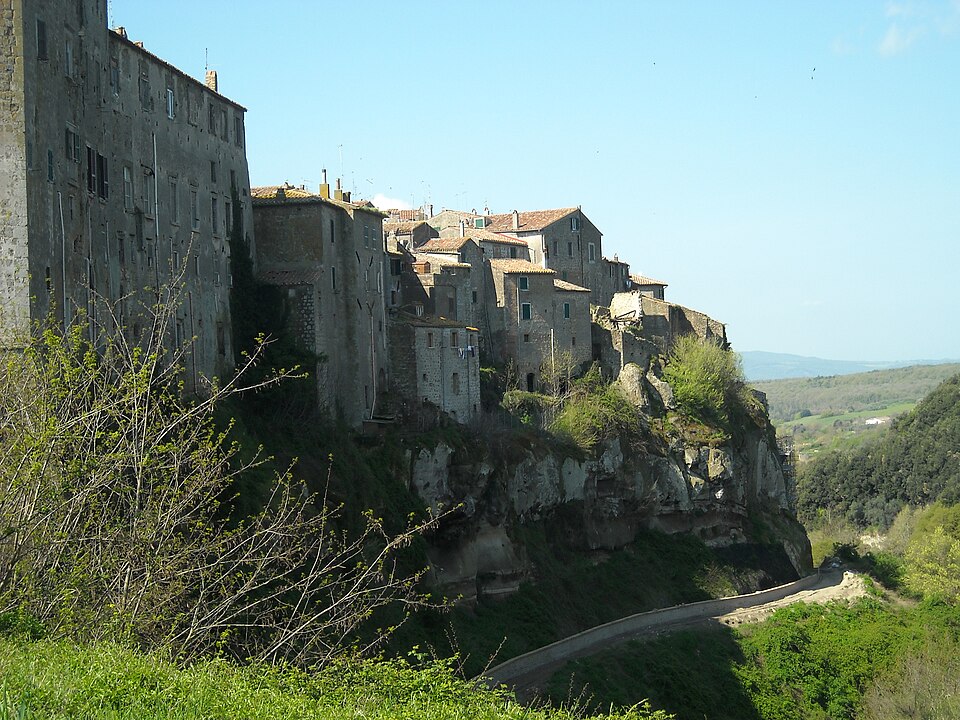
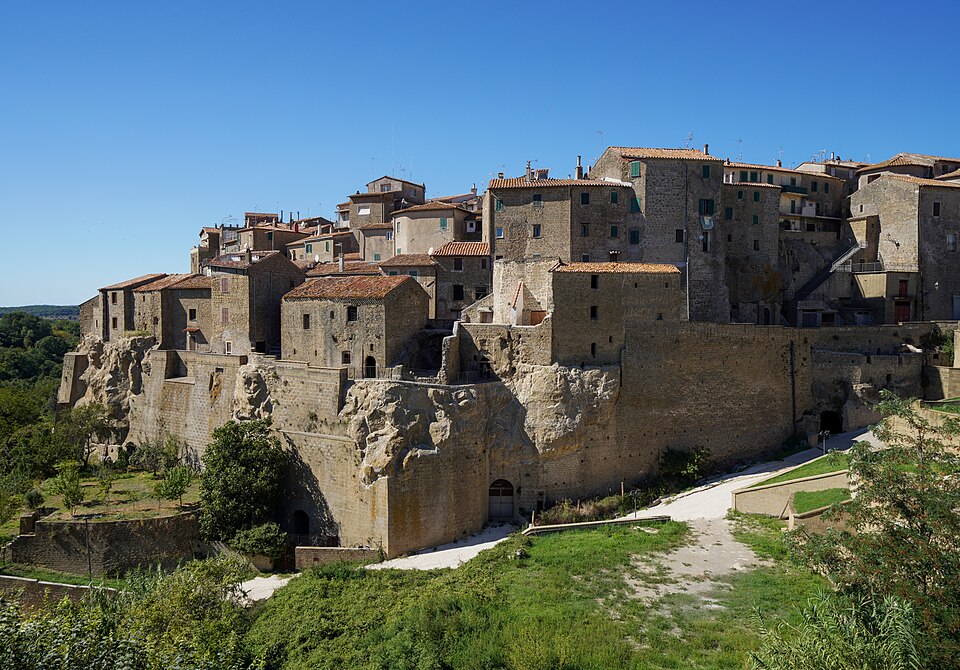
The Porta del Moco gateway frames the historic center dramatically and offers one of the most evocative shots in the village, especially in morning light when pale gold filters through the medieval arch onto basalt paving stones. The Palazzo Farnese, with its commanding position dominating the village skyline, is another key photographic subject. The village's elevated position at 341 meters provides open views across the wooded Maremma Laziale hills, particularly attractive in autumn when foliage turns. The narrow alleys of the medieval center, lined with ancient stone, reward photographers at any hour.
📷 Photo Gallery — Farnese
Nearby Villages near Farnese
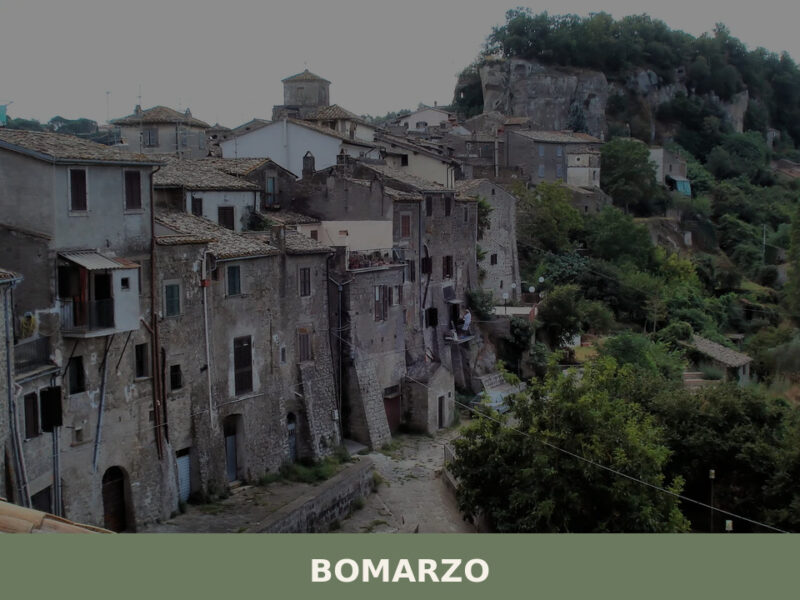
In Lazio More villages to discover
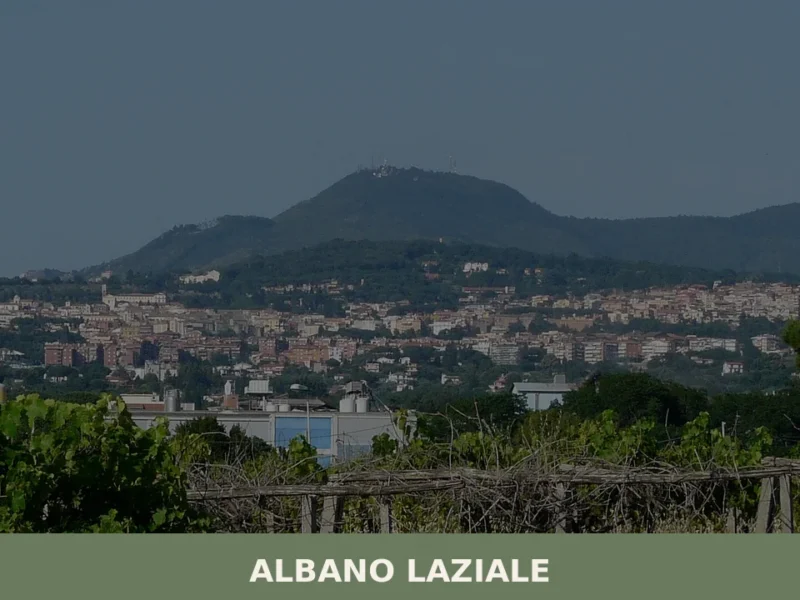
Albano Laziale
Hills
 Lake
Lake
What to see in Albano Laziale, Italy: Lake Albano, Roman catacombs, and the Cathedral of St. Pancras at 400 m. Explore 38,983-inhabitant Lazio hill town. Discover now.
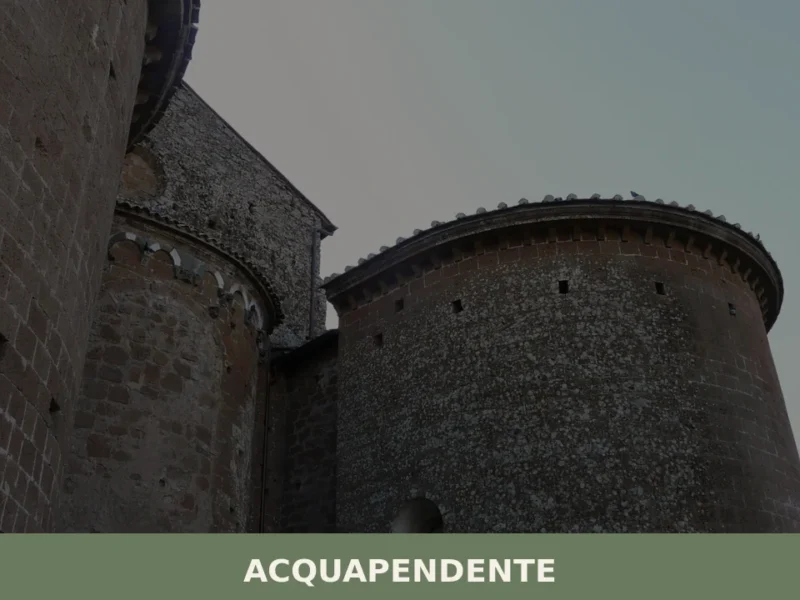
Acquapendente
Hills
What to see in Acquapendente, Lazio, Italy: cathedral dating to 1149, Monte Rufeno Reserve and local pottery. Population 5,619. Discover the full travel guide.
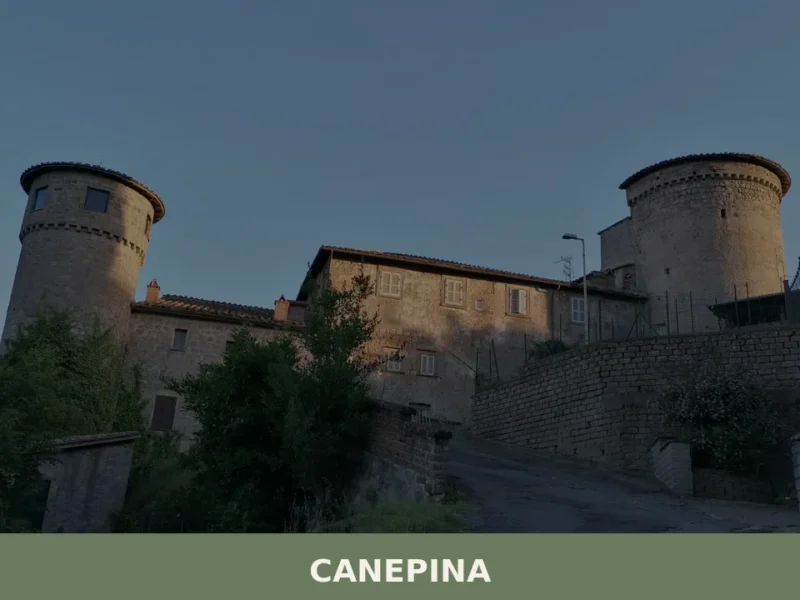
Canepina
Hills
What to see in Canepina, Lazio, Italy: explore this 3,127-inhabitant hill village 60 km from Rome. Discover its hemp heritage, patron saint feast and local cuisine.
Tessennano
Hills
In the heart of Viterbo’s Tuscia region, 302 meters above sea level, lies Tessennano, a settlement with 284 residents. Its hillside location, distant from major thoroughfares, has defined its profile through the centuries. For those wondering what to see in Tessennano, the village presents a historical layering perceptible in its architecture. The settlement develops around […]
Villa San Giovanni in Tuscia
Hills
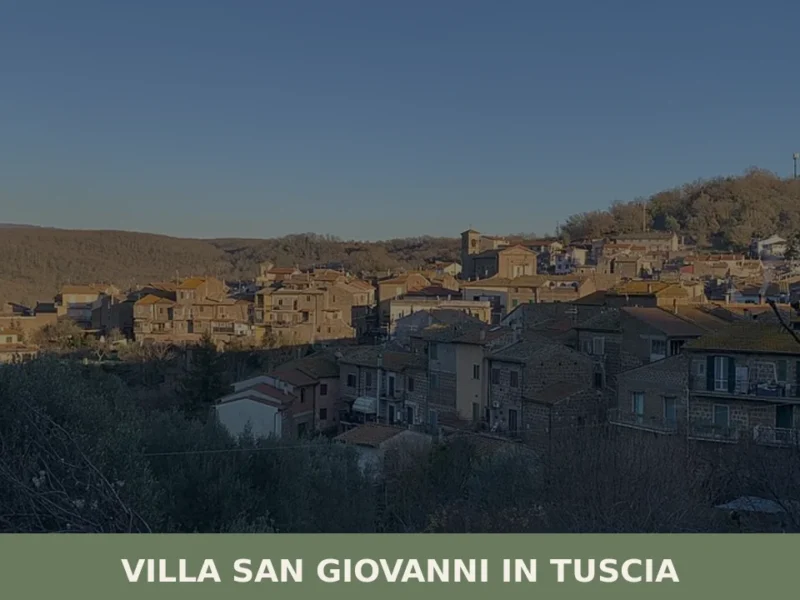
Villa San Giovanni in Tuscia has 1,196 inhabitants spread across a hilly territory at 329 metres above sea level, in the province of Viterbo. The settlement preserves a compact layout dating back to the feudal reorganisation of the late Middle Ages, when the village was under the control of baronial families that ruled upper Lazio. […]
Labro
Lake
 Mountain
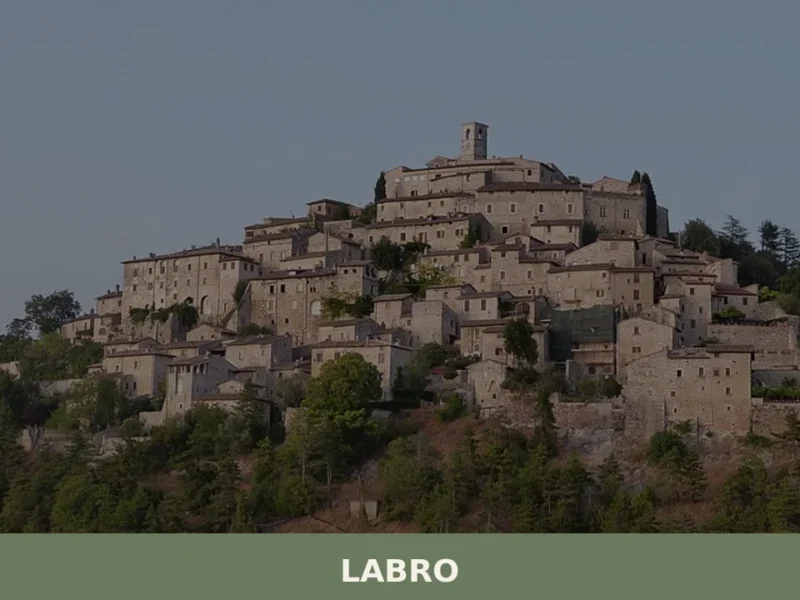
What to see in Labro: medieval castle, Lake Piediluco views and PAT-certified guanciale in a 360-person village at 628 m. Plan your visit to this Rieti province gem.
Proceno
Hills
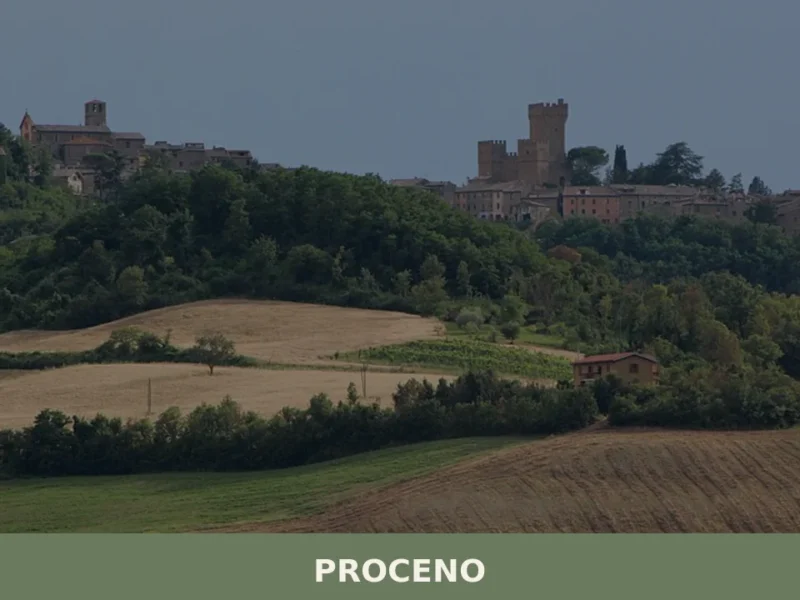
A 418 meters above sea level, in northern Lazio, the village of Proceno developed around a Fortress documented as early as the 12th century. This architectural element, central to the settlement’s development, still defines the structure of the historic center today. With a population of 519 inhabitants, Proceno is part of the Viterbo Tuscia region, […]
Viterbo
Hills
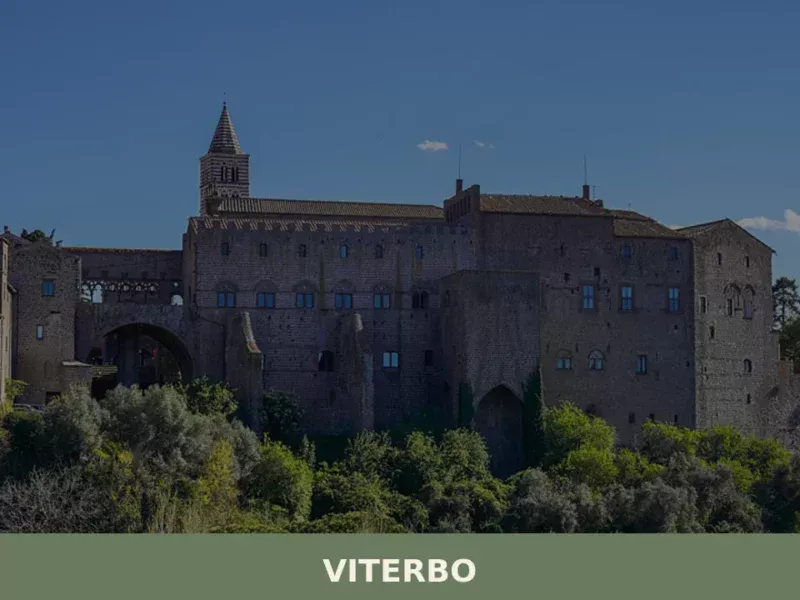
What to see in Viterbo: Palazzo dei Papi, San Pellegrino, Terme del Bullicame and the UNESCO festival of Santa Rosa. Practical guide with info on how to get there and when to visit.
Accumoli
Mountain
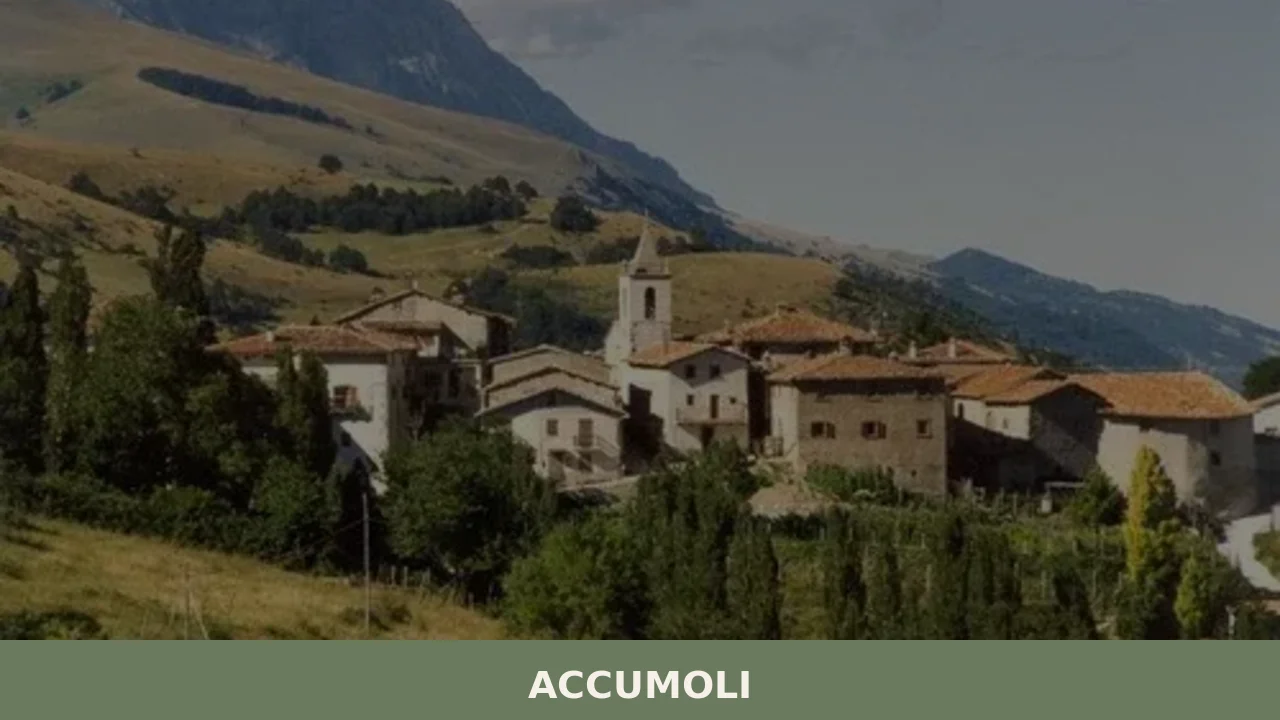
What to see in Accumoli, Italy? Discover this village at 855 m (2,805 ft) altitude. Explore the 12th-century Civic Tower and Palazzo Marini. Read our guide.
Bagnoregio
Hills
Lake
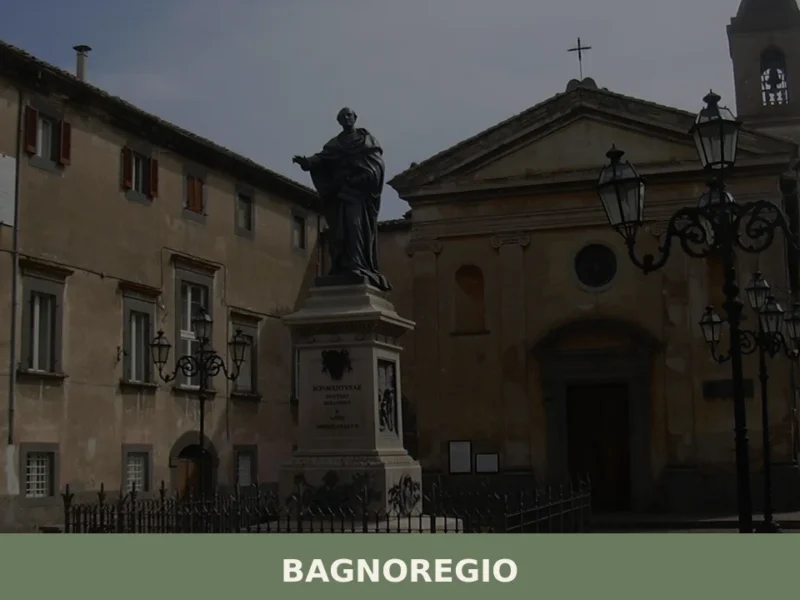
What to see in Bagnoregio, Lazio, Italy: explore Civita di Bagnoregio, the birthplace of St. Bonaventure, 90 km from Rome. Discover top attractions and local food.



🏡 Know Farnese better than we do?
If you’re a local or have been there, your knowledge matters: add what’s missing or fix a detail on this page.