


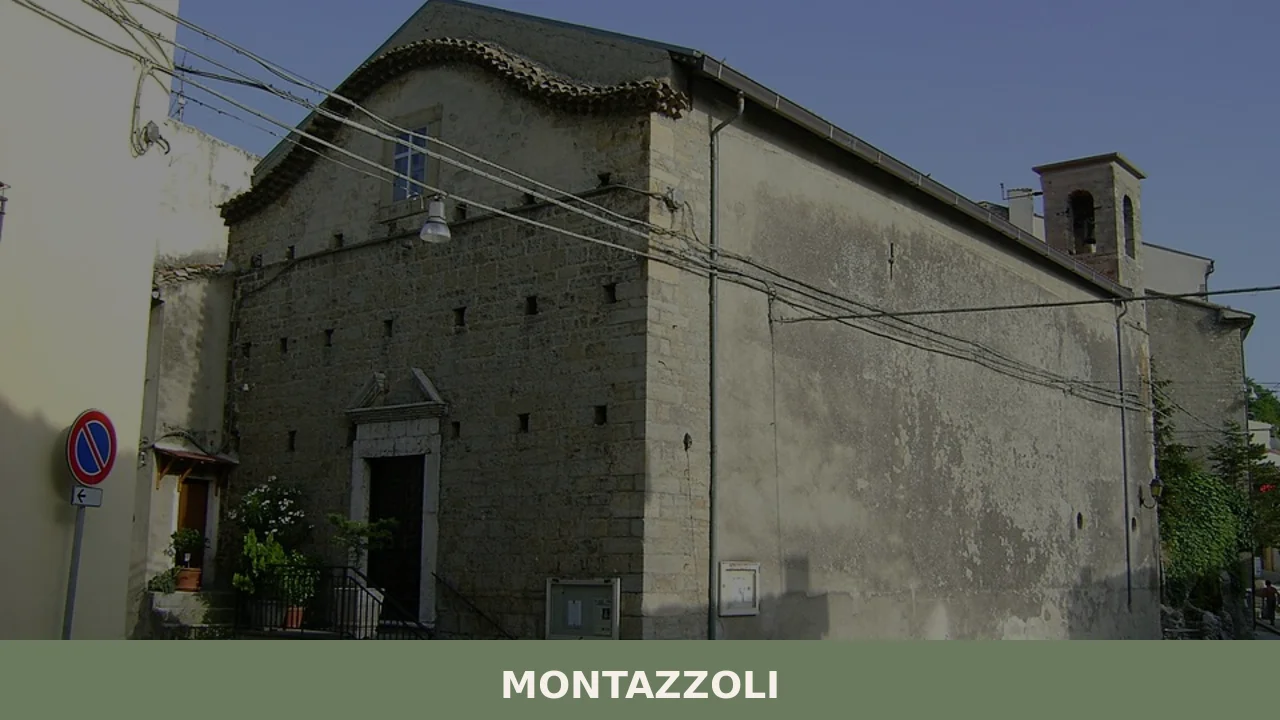
Montazzoli
What to see in Montazzoli at 850m. Discover its 5 historic sites, taste local cheese, visit the annual fair. Explore Montazzoli’s treasures.
Discover Montazzoli
In the heart of Abruzzo, Montazzoli boasts a history intertwined with the surrounding mountainous areas. Its altitude of 850 m above sea level and population of 836 residents configure a small center rich in traditions and natural beauty. Among what to see in Montazzoli are ancient churches and museums that offer a glimpse of the culture and art of this area.
The visit becomes a journey to discover local peculiarities, such as culinary traditions and folk festivals that characterize the soul of the village.
The Montazzoli area integrates perfectly into the context of the Abruzzese mountains, offering not only breathtaking landscapes but also a total immersion in the historical and cultural heritage of the region.
History and Origins of Montazzoli
Montazzoli has historical roots going back to several important periods.
The origins of the village are linked to the Lombard domination, a crucial period during the High Middle Ages. It is likely that the name derives from the presence of ancient mountain fortifications, used to control the transition routes between the adjacent valleys. Although precise historical data is not available, it is known that the area was used by the Lombards starting from the 6th century.
During the 13th century, Montazzoli saw the construction of some of its most significant structures.
A representative example is the Montazzoli Castle, which arose as a key point for the defense of the territory. Over time, the castle has undergone several modifications and renovations, reflecting changes in defensive technologies and the needs of the village.
These changes are evidence of the various eras the village has gone through, reaching a less strategic but always central role for the local community in the modern age.
Another significant evolution occurred with the advent of Aragonese rule, during which Montazzoli became part of a broader network of communication and economic exchanges.
This period of economic flourishing had a considerable impact on the urban development of the village, enriched with civil and religious structures.
Interaction with neighboring communities led to a rather characteristic cultural amalgam, still visible today in the local architecture and traditions.
What to See in Montazzoli: Main Attractions
Montazzoli Castle
The Montazzoli Castle dominates the local panorama with its imposing architecture. Built during the 13th century, it has undergone several renovations over time, initially altering its defensive appearance. Today, the castle walls offer a panoramic view of the surrounding valley, serving as a privileged observation point to appreciate the mountainous landscape.
Visiting the castle means coming into direct contact with the stories of knights and nobility who have crossed these territories.
Church of San Nicola
Dedicated to the patron saint of Montazzoli, the Church of San Nicola represents an important place of worship and community reference.
Built in Romanesque style, the church is a typical example of Abruzzese religious architecture, with an interior that preserves notable frescoes and artworks.
On June 4th, the feast of San Nicola is a moment of great participation and devotion, with processions passing through the village streets. Visiting the church offers not only an opportunity for spiritual reflection but also artistic discovery.
Montazzoli Ethnographic Museum
Although small, the Montazzoli Ethnographic Museum houses a heritage of traditional objects that tell about the daily life and traditions of Abruzzese communities. Agricultural tools, traditional clothing, and historical photographs offer a unique window into local culture.
Visiting it means immersing oneself in the habits of yesteryear, understanding how the past is still an integral part of the present life of the village.
Montazzoli Nature Trail
Hiking enthusiasts will find in the Montazzoli Nature Trail an opportunity to explore the natural beauty of the area.
This path winds through hills and woods, offering glimpses of rare beauty and close contact with local flora and fauna.
The trail is suitable for both experienced hikers and those who want a relaxing walk, thanks to the variety of available routes.
Old Fountain
The Old Fountain is a symbol of Montazzoli. Located near the historic center, it expresses the local ability to manage water resources since ancient times. The fountain, with its stone architectures, is a meeting point for the community and an interesting historical site.
Admiring it means reconnecting with a past in which water was at the center of economic and social life.
Typical Cuisine and Products of Montazzoli
The cuisine of Montazzoli reflects the historical and geographical influences of the Abruzzo region. Located in a mountainous area, the village has developed a food and wine tradition that skillfully combines genuine ingredients and simple recipes.
Culinary influences include those of the Lombard and Aragonese communities, enriching the repertoire of typical flavors.
A typical dish of the village is represented by the arrosticini, prepared with marinated sheep meat and cooked on the grill.
These meat skewers are a classic of the Abruzzo pastoral tradition and are often consumed during folk festivals. Other typical dishes include soups and broths with local legumes, enriched with wild herbs and simple seasonings.
Montazzoli is also famous for some certified products. Among these, the Abruzzo Caciocavallo (PAT) — common in: Civitella del Tronto, Teramo, Pescara, renowned for its strong flavor and distinctive handmade processing.
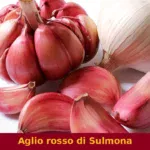
In addition, the Red Garlic of Sulmona (PAT) — common in: Sulmona, Introdacqua, Prezza is a versatile ingredient often used in cooking.
If you want to discover more about the gastronomic culture of the village, we recommend participating in local festivals, especially during the summer.
Markets and food fairs are privileged moments to taste typical products and local dishes, directly purchasable from the producers.
Festivals, Events, and Traditions of Montazzoli
On June 4th, Montazzoli celebrates St. Nicholas, the patron saint, with a festival that involves the entire community.
The celebrations include a solemn procession winding from the historic center to the church, and a series of side events such as concerts and fireworks. During this festival, the village’s alleys come alive with stalls offering culinary specialties and handcrafted items.
The traditions of Montazzoli also include other cultural and religious events, such as seasonal rites and pastoral celebrations.
These events, often accompanied by popular music and dances, are able to attract visitors from the surroundings, interested in rediscovering territorial roots and community practices.
When to Visit Montazzoli and How to Get There
The best time to visit Montazzoli is undoubtedly spring, when the temperatures are mild and the surrounding nature awakens.
The events and festivals that animate the village during this period make the visit particularly interesting for those who love immersing themselves in local traditions. The summer months offer instead a rich calendar of outdoor events.
If you arrive by car, the A14 motorway is the closest: the Vasto Nord exit is about 40 km away. Those who prefer traveling by train can use the Vasto-San Salvo station, which is an hour away by car.
The airports of Pescara and Rome Fiumicino are the main air hubs, located 120 km and 250 km away respectively.
We recommend checking schedules on transport portals to best plan your visit.
| Starting Point | Distance | Estimated Time |
|---|---|---|
| Pescara | 120 km | 1.5 hours |
| Rome | 250 km | 3.5 hours |
| Vasto | 40 km | 40 minutes |
Those visiting Montazzoli can extend their itinerary towards Canosa Sannita, another significant village offering a rich food and wine experience with typical products like the Red Garlic of Sulmona.
Another recommended stop is Giulianova, overlooking the sea and easily accessible for those who want to combine culture and relaxation on the Abruzzo coast.
Photo Gallery of Montazzoli
Do you have photos of Montazzoli?
Share your photos of the village: the best ones will be added to the official gallery, with your credit.
Send your photosFrequently asked questions about Montazzoli
How can I reach Montazzoli by public transportation?
Montazzoli can be reached by train via the Vasto-San Salvo station, which is one hour away by car. From the station, you may need to arrange for a taxi or rental car to reach the village. Check the latest schedules on transport portals to plan your visit.
Is Montazzoli suitable for a day trip, and how much time should I allocate for a visit?
Montazzoli can be a nice day trip destination, offering a blend of historical sites and natural beauty. Allocate around 4-6 hours to explore the main attractions like Montazzoli Castle, Church of San Nicola, and the Ethnographic Museum, along with a leisurely walk on the nature trail.
In Abruzzo More villages to discover
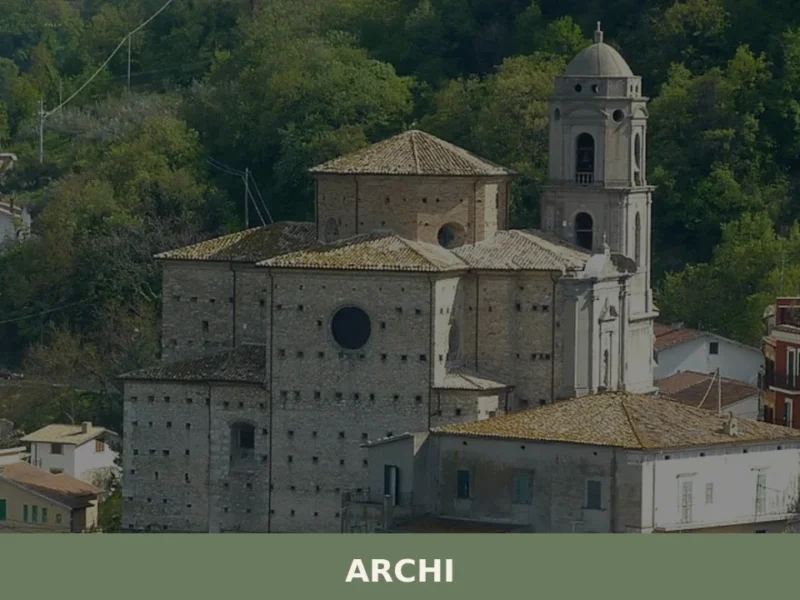
Archi
Archi sits at 492 metres above sea level in the province of Chieti, a settlement of just under 2,000 inhabitants occupying a ridge above the Sangro river valley in southern Abruzzo. The village’s position — commanding views across a landscape that drops sharply toward the river below — has defined its strategic importance since the […]
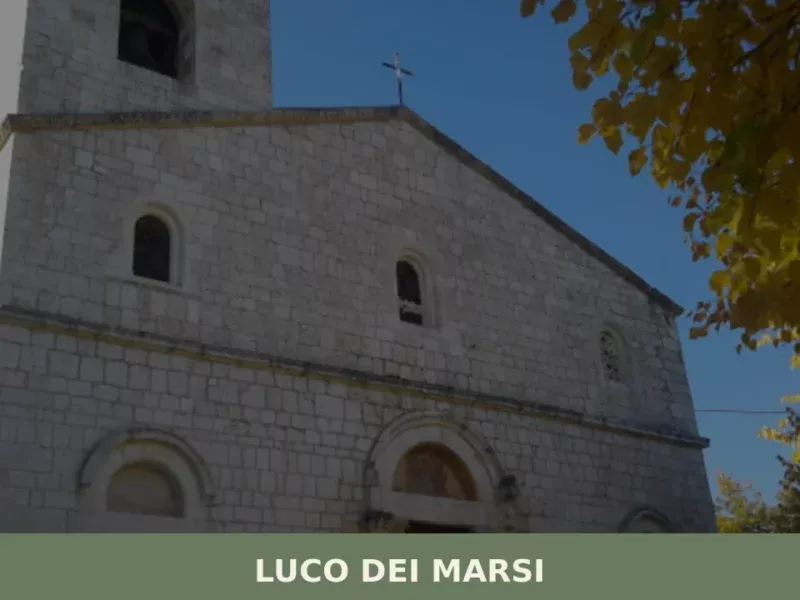
Luco dei Marsi
At 680 metres above sea level, on the eastern edge of what until 1875 was the surface of Lake Fucino — the largest lake in peninsular Italy, drained by Prince Alessandro Torlonia — stands Luco dei Marsi, a municipality of 5,857 inhabitants in the province of L’Aquila. The plain that today stretches as far as […]
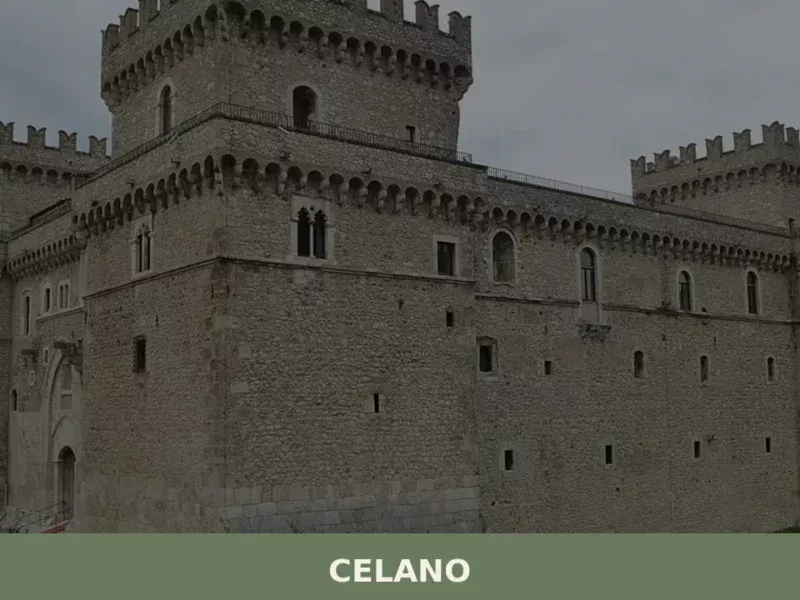
Celano
The Castello Piccolomini in Celano, with its four corner towers and curtain wall enclosing a perimeter of over one hundred metres, commands the Fucino plain from an altitude of 840 metres. Anyone wondering what to see in Celano will find an unequivocal starting point here: a fortress that has endured six centuries of history, earthquakes […]



📝 Incorrect information or updates?
Help us keep the Montazzoli page accurate and up to date.