


Ampezzo
 Hills
Hills
A documentary-style guide to Ampezzo in Carnia, covering its history, key attractions, Carnic cuisine, and how to reach this quiet alpine village in Friuli Venezia Giulia.
Discover Ampezzo
Morning mist lifts slowly off the Tagliamento river valley, revealing a compact settlement of stone and plaster facades arranged along a single main street. Church bells mark the hour to an audience of barely a thousand residents. This is Ampezzo, a small municipality in the Carnia district of Udine province, where the rhythms of alpine Friuli persist largely uninterrupted. For anyone asking what to see in Ampezzo, the answer begins with understanding a place shaped more by geology and isolation than by grand ambition — a village that has quietly endured for centuries at the threshold of the Carnic Alps.
History of Ampezzo
The name “Ampezzo” likely derives from the Latin ambitium, referring to a place situated between two watercourses — a fitting etymology for a settlement positioned in the upper Tagliamento basin where tributary streams converge. The toponym appears in medieval documents from the early centuries of the second millennium, when the territory fell under the ecclesiastical jurisdiction of the Patriarchate of Aquileia, the powerful religious authority that governed much of Friuli through the Middle Ages.
Like many Carnic communities, Ampezzo developed around subsistence agriculture, timber harvesting, and seasonal transhumance. Its position along routes connecting the Friulian plain to alpine passes gave it modest strategic relevance, though it never grew into a fortified stronghold. Under Venetian rule from the early fifteenth century until the fall of the Republic in 1797, the village maintained a degree of communal self-governance — a tradition of local autonomy common across Carnia, where distance from centralised power fostered resilient civic structures.
The nineteenth and twentieth centuries brought significant demographic shifts. Emigration, particularly to other parts of Europe and to the Americas, reduced the population steadily. Both World Wars touched Ampezzo directly: the Carnic front during World War I brought destruction to the wider region, and partisan activity during World War II left its mark on the collective memory of these valleys. Today, with just over one thousand inhabitants, the village reflects the broader demographic contraction affecting mountain communities throughout the Italian Alps.
What to see in Ampezzo: 5 must-visit attractions
1. Chiesa di San Daniele
The parish church of San Daniele stands as the architectural centrepiece of Ampezzo’s core. Its origins date to the medieval period, though the current structure reflects successive renovations across several centuries. Inside, the altarpieces and devotional art speak to the religious patronage networks that connected even remote Carnic parishes to broader Friulian artistic traditions. The bell tower, visible from the valley approach, serves as the village’s primary vertical landmark.
2. The Tagliamento River Corridor
The Tagliamento — one of the last morphologically intact major rivers in the Alps — passes near Ampezzo in its upper course. Here the riverbed is a wide braid of gravel channels and riparian vegetation, a landscape shaped by seasonal flooding rather than human engineering. It is a significant site for fluvial geomorphology and supports a corridor of biodiversity that draws researchers and naturalists.
3. The Old Village Centre
Walking through Ampezzo’s historic nucleus reveals the vernacular architecture of Carnia: buildings of local stone with wooden balconies, narrow passageways between structures, and the compact arrangement typical of settlements designed to conserve warmth and withstand heavy snowfall. Doorways and lintels occasionally bear carved dates and initials — quiet records of the families who built them generations ago.
4. Sentieri Naturalistici (Nature Trails)
A network of marked footpaths radiates from the village into the surrounding montane landscape. These trails pass through mixed forests of beech and conifer, ascending toward alpine meadows that are still used for summer grazing. The routes vary in difficulty and offer direct contact with the geological formations — limestone and dolomitic rock — that define the Carnic Alps. Spring and early summer bring dense wildflower displays on the higher slopes.
5. War Memorials and Historical Markers
Several monuments and plaques in and around Ampezzo commemorate the impact of the two World Wars on the community. These markers — often modest in scale — document the names of local fallen soldiers and acknowledge the partisan resistance. They form a dispersed, informal museum of twentieth-century conflict as experienced by a small mountain population far from any capital city.
Local food and typical products
The cuisine of Ampezzo belongs to the broader Carnic culinary tradition, which is alpine, resourceful, and built on preservation. Cjarsòns — stuffed pasta parcels with fillings that vary from household to household, often combining herbs, smoked ricotta, raisins, and spices, then dressed with melted butter and smoked ricotta — are the signature dish of the region. Polenta, made from locally milled cornmeal, remains a staple, served alongside game, mushrooms gathered from surrounding forests, or the sharp, aged formadi frant, a cheese made by blending and reworking leftover cheese scraps with cream and spices. Smoked meats and cured salumi reflect centuries-old methods of food preservation through harsh winters.
The province of Udine produces several products with protected designation, including Montasio DOP cheese, a firm, flavourful variety made from cow’s milk that appears on tables across Carnia. Local agriturismi and small trattorias offer the most authentic encounters with this food — establishments where the menu reflects what the season and the land provide rather than a fixed printed card. Visitors should also look for locally produced honey and fruit preserves, which benefit from the clean mountain environment and diverse alpine flora.
Best time to visit Ampezzo
Summer — from June through September — offers the most accessible conditions for exploring the village and its surrounding trails. Days are long, mountain paths are clear of snow, and the higher meadows reach their peak of botanical interest in late June and July. This is also when local festivals and sagre (food fairs) are most likely to take place, bringing seasonal animation to a community that is otherwise quiet. Autumn delivers striking colour changes across the forested slopes, and the harvest period intensifies the availability of mushrooms, chestnuts, and game on local menus.
Winter transforms Ampezzo into a deeply still place. Snowfall is substantial at this altitude in the Carnic pre-Alps, and while the village itself remains accessible by road, higher trails require proper mountain equipment. For those drawn to solitude and stark mountain landscapes rather than ski-resort bustle, the cold months have their own austere appeal. Spring is brief and unpredictable, marked by snowmelt and swollen streams, but by May the lower trails reopen and the forests begin to green.
How to get to Ampezzo
Ampezzo is located in the Carnia district of Udine province, in the northeastern Italian region of Friuli Venezia Giulia. By car, the village is reached via the SS52 road, which follows the Tagliamento valley northward from Tolmezzo. From Udine, the drive is approximately 75 kilometres and takes around one hour. From Trieste, allow roughly two hours via the A23 motorway toward Tarvisio, exiting at Carnia/Tolmezzo and continuing north on the SS52.
The nearest railway station with regular service is Carnia station, located in the town of Venzone-Carnia on the Udine–Tarvisio line. From there, local bus connections operated by TPL FVG serve Ampezzo and other Carnic valley communities, though frequencies are limited and a car is strongly recommended. The closest major airport is Trieste – Friuli Venezia Giulia Airport (Ronchi dei Legionari), approximately 120 kilometres to the south. Venice Marco Polo Airport, roughly 190 kilometres away, offers wider international connections.
More villages to discover in Friuli Venezia Giulia
The Carnia district and the wider mountain territory of Friuli Venezia Giulia contain dozens of small communities that share Ampezzo’s character — places where alpine tradition, vernacular architecture, and landscape converge. To the south, closer to where the mountains meet the plain, the village of Socchieve occupies another stretch of the Tagliamento valley, preserving medieval churches and fragments of a pastoral economy that once sustained entire generations. Its frescoed chapels and ancient parish sites reward those willing to slow down and look carefully.
Further afield, the communities of the Julian Pre-Alps and the border areas near Slovenia offer a different but equally compelling dimension of Friulian identity. A village like Sauris, reachable from Ampezzo via winding mountain roads, is one of the most distinctive settlements in all of Carnia — a German-speaking linguistic island with traditions of prosciutto production recognised well beyond the region. Together, these villages form a network of living heritage that no single visit can exhaust, each one a point of entry into the layered cultural geography of Friuli Venezia Giulia.
Frequently asked questions about Ampezzo
What is the best time to visit Ampezzo?
June to September is the ideal window: mountain trails are snow-free, alpine meadows peak in wildflower bloom in late June and July, and local sagre bring seasonal life to the village. The feast of patron saint San Pietro falls on 29 June, offering a genuine community celebration worth timing your visit around. Autumn (October–November) rewards visitors with vivid forest colours and abundant mushrooms and game on local menus. Winter is austere and tranquil rather than resort-oriented; spring is brief but green from May onward.
What are the historical origins of Ampezzo?
The name Ampezzo derives from the Latin ambitium, describing a place between two watercourses — apt for its position in the upper Tagliamento basin. The settlement appears in medieval documents under the Patriarchate of Aquileia, the dominant ecclesiastical power in Friuli through the Middle Ages. From the early fifteenth century it fell under Venetian rule until 1797, maintaining communal self-governance typical of Carnic valley communities. Both World Wars directly affected the village; emigration to Europe and the Americas progressively reduced the population to its current level of just over one thousand residents.
What to see in Ampezzo? Main monuments and landmarks
The parish church of San Daniele is the architectural centrepiece, its bell tower visible from the valley approach; inside, altarpieces reflect broader Friulian devotional art traditions. The historic village core rewards a slow walk: local-stone buildings with wooden balconies, carved lintels bearing family initials and dates, and narrow passageways shaped to retain warmth. Several war memorials and plaques document the community's experience of both World Wars, functioning as an informal open-air museum. Access to all outdoor sites is free; standard church visiting hours apply.
What are the main natural or scenic attractions of Ampezzo?
The upper Tagliamento river corridor near Ampezzo is one of the most significant intact alpine rivers in Europe — a wide braid of gravel channels and riparian vegetation shaped by seasonal flooding rather than engineering. A network of marked footpaths climbs through beech and conifer forests into alpine meadows still used for summer grazing, passing limestone and dolomitic rock formations of the Carnic Alps. Trails vary in difficulty and are best accessed from late May through October; proper hiking footwear is recommended even on lower routes.
Where to take the best photos in Ampezzo?
The Tagliamento river valley below the village offers wide, unobstructed views of braided gravel channels framed by forested slopes — particularly photogenic in early morning when mist lifts off the water. The bell tower of San Daniele and the compact roofline of the historic centre read well from the valley approach road. Higher trail sections above the village provide elevated vantage points over the Carnic pre-Alpine landscape, with the best light on forested ridgelines in autumn and on wildflower meadows in late June and July.
Are there museums, churches or historic buildings to visit in Ampezzo?
The main religious and historic site is the parish church of San Daniele, whose interior houses altarpieces and devotional artworks connected to Friulian artistic patronage networks across several centuries. The vernacular architecture of the old village centre — stone facades, carved doorways with dated lintels, wooden balconies — constitutes a coherent historic streetscape worth exploring on foot. War memorials and commemorative plaques scattered through the village record the names of local fallen soldiers and acknowledge partisan resistance, forming a dispersed layer of twentieth-century historical memory.
What can you do in Ampezzo? Activities and experiences
Hiking the marked trail network through Carnic forests and up to alpine meadows is the primary outdoor activity, with routes suited to different fitness levels accessible directly from the village. The upper Tagliamento corridor attracts naturalists and those interested in fluvial geomorphology. Local agriturismi offer hands-on encounters with Carnic cuisine tied to seasonal availability. The feast of San Pietro on 29 June provides a traditional community event. Autumn foraging culture — mushrooms, chestnuts — adds a seasonal dimension for visitors interested in mountain food traditions.
Who is Ampezzo suitable for?
Ampezzo suits travellers who value quiet, authenticity, and landscape over tourist infrastructure. Hikers and naturalists benefit most from the trail network and the intact Tagliamento river environment. Couples seeking an unhurried mountain retreat and slow-travel enthusiasts drawn to vernacular architecture and local food will find the village rewarding. Families comfortable with a rural, activity-based holiday are well catered for in summer. It is not suited to visitors expecting resort amenities, nightlife, or dense cultural programming — the village's appeal is precisely its small scale and calm.
What to eat in Ampezzo? Local products and specialties
Ampezzo's cuisine belongs to the Carnic alpine tradition. Cjarsòns — stuffed pasta parcels filled with herbs, smoked ricotta, raisins, and spices, dressed with melted butter — are the signature dish of the region. Polenta accompanies game, forest mushrooms, and aged formadi frant, a cheese made from blended leftover curds with cream and spices. Montasio DOP, a firm cow's-milk cheese produced across Udine province, appears on most local tables. Smoked meats, cured salumi, mountain honey, and fruit preserves round out a larder shaped by centuries of alpine preservation traditions.
Nearby Villages near Ampezzo
 Mountain
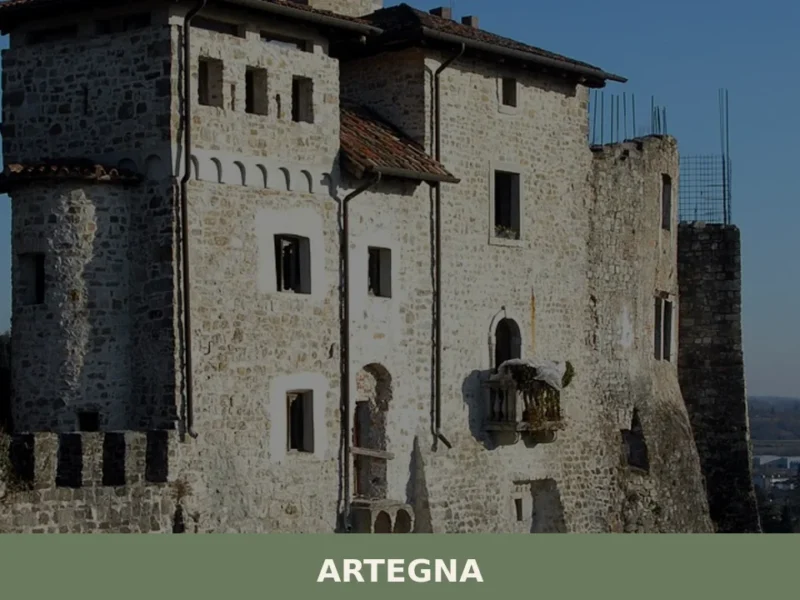
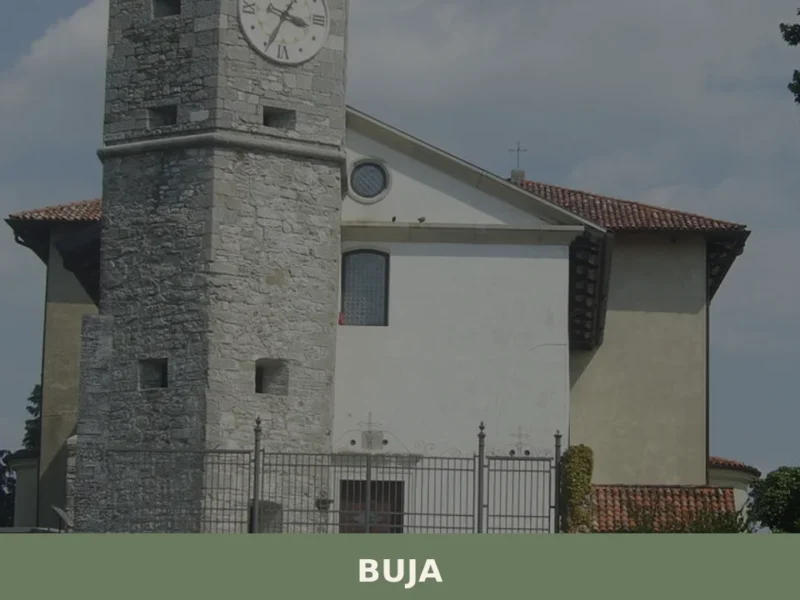
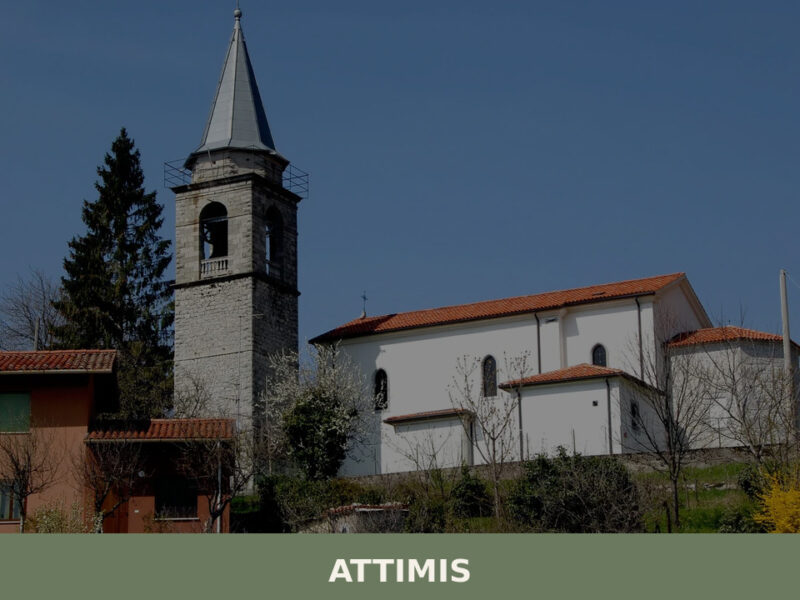
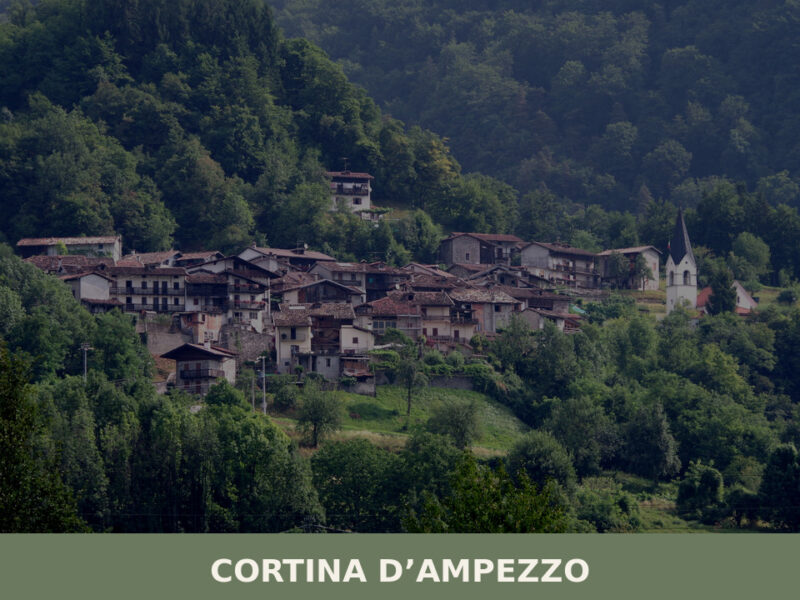
In Friuli-Venezia Giulia More villages to discover
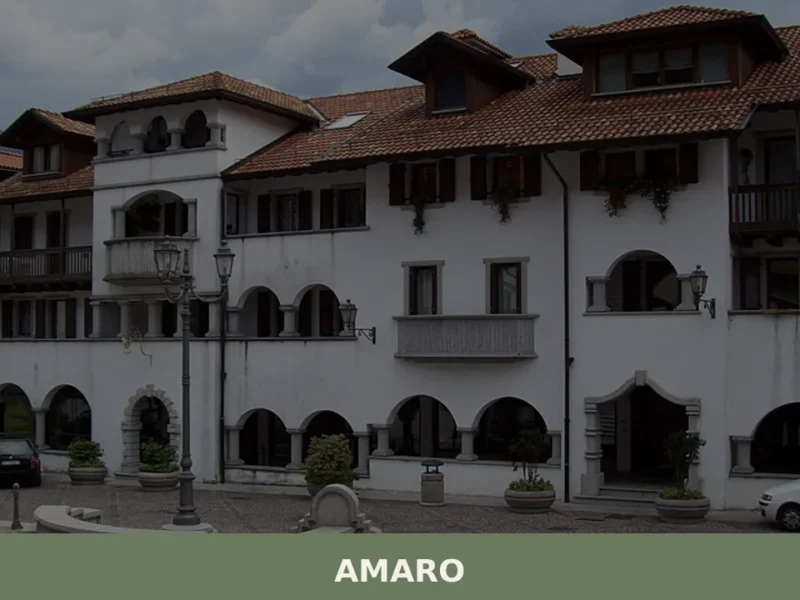
Amaro
Hills
What to see in Amaro, Italy: Discover this Friuli-Venezia Giulia village at 296 m (971 ft) altitude. Explore local traditions and planning your visit.
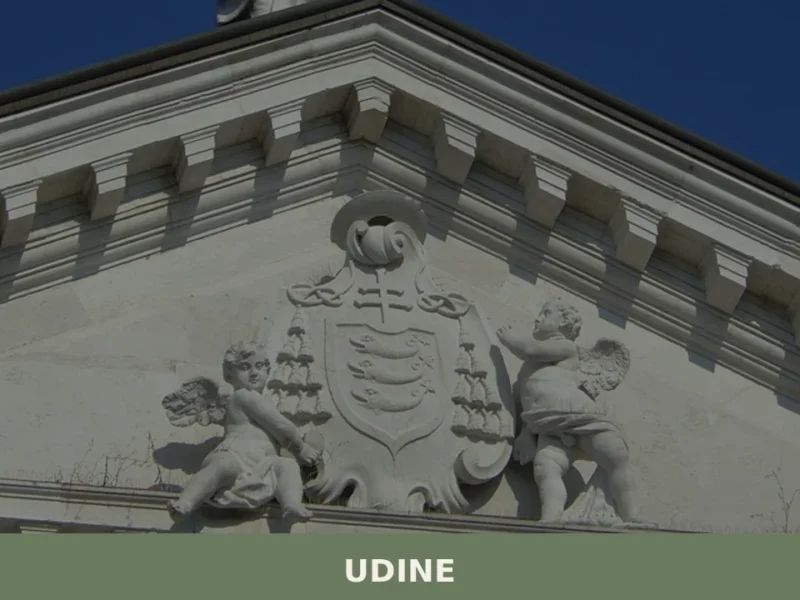
Udine
 Plains
what to see in udine, home to 98,780 residents. Discover the historic Castle, Piazza della Libertu00e0, and Tiepolo Galleries. Explore its rich heritage.

Campoformido
Plains
On 17 October 1797, in a country villa on the Friulian plain, plenipotentiaries representing Napoleon Bonaparte and the Austrian Empire signed the treaty that redrew the political map of Europe, erasing the Republic of Venice after more than a millennium of existence. That document bears the name of this place: Campoformido, a municipality of 7,799 […]
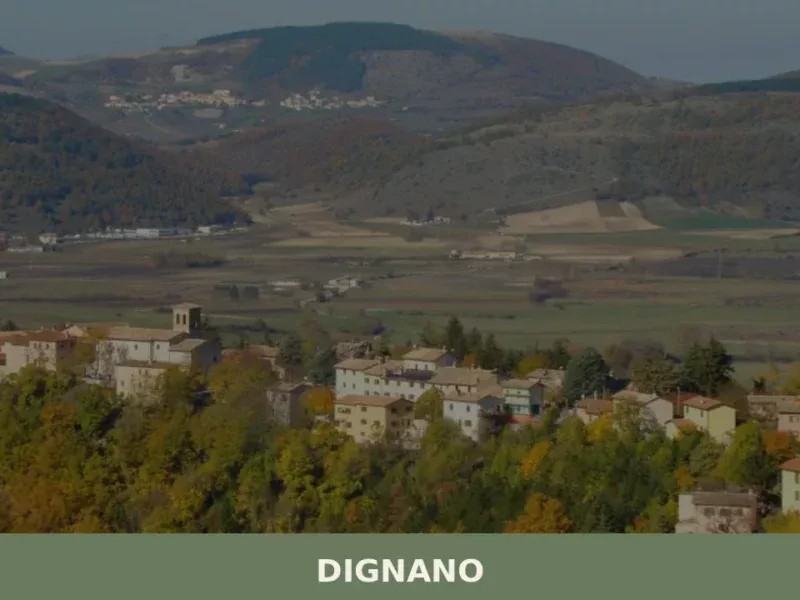
Dignano
Plains
In the cadastral register of 1296, the name Dignano appears among the possessions of the Patriarchate of Aquileia, a rural community closely tied to ecclesiastical control and cereal production on the Friulian plain. Today the municipality has approximately 2,380 inhabitants spread across the main centre and several hamlets, in a flat territory northwest of Udine […]
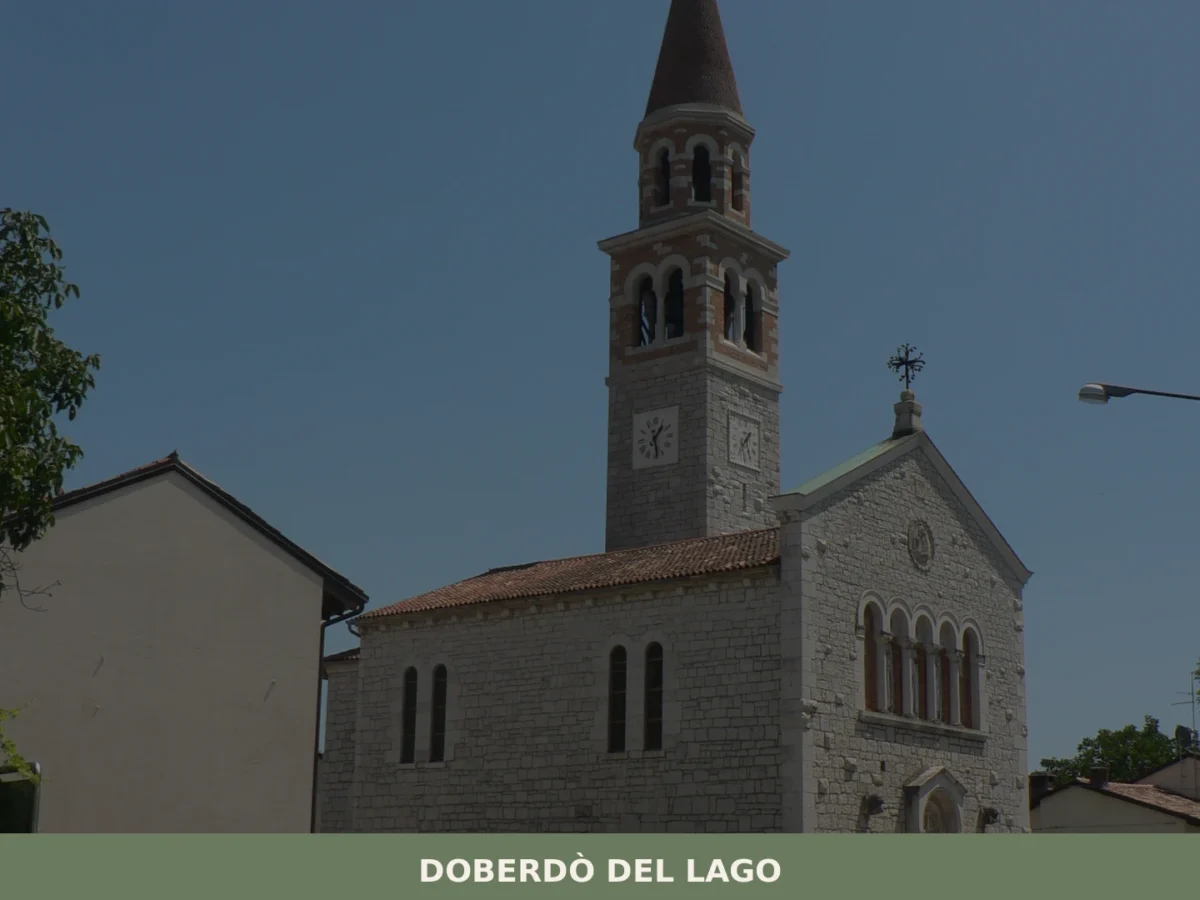
Doberdò del Lago
Plains
What to see in Doberdò del Lago, Italy, a village with 1,340 inhabitants. Discover the unique Karst Plateau and explore significant WWI sites. Plan your visit to Friuli-Venezia Giulia.
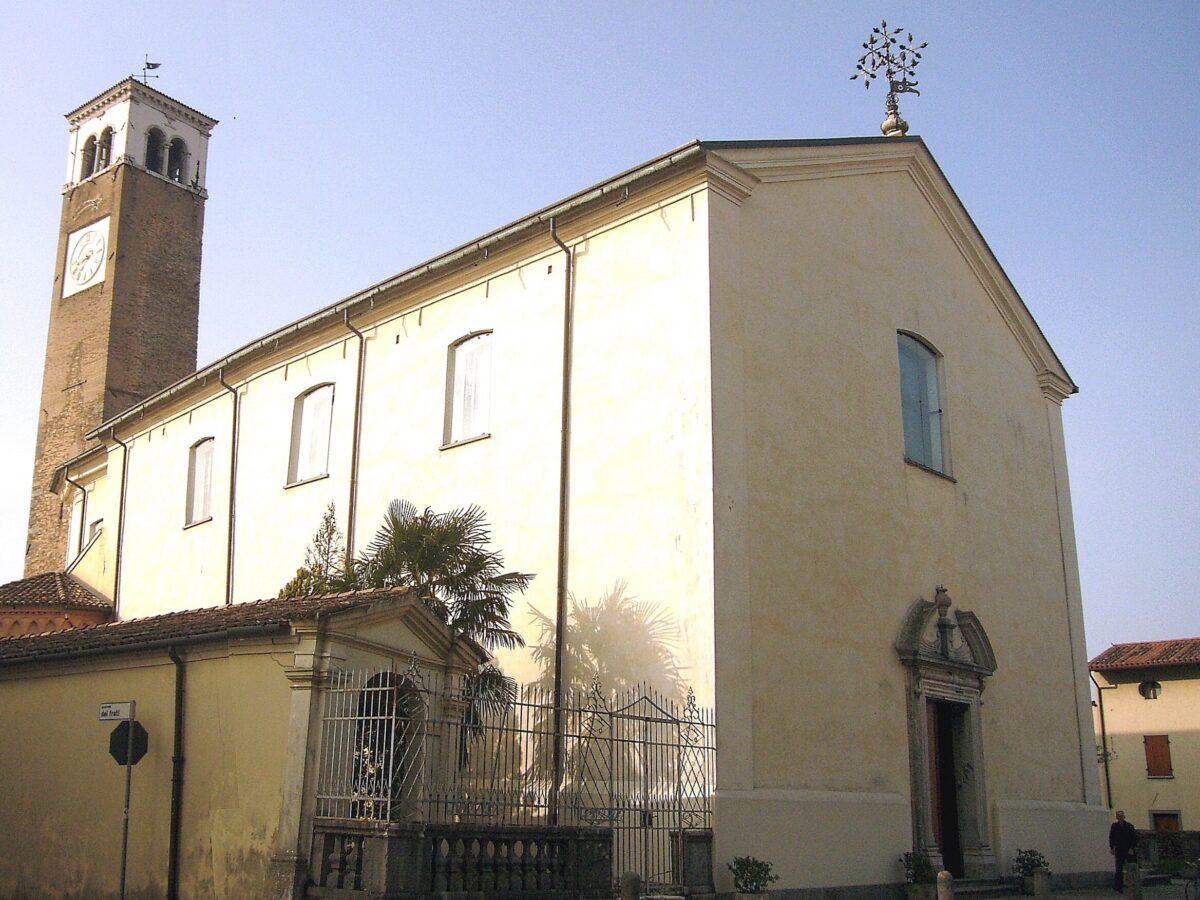
Bertiolo
Plains
The earliest documented mention of the name Bertiolo dates back to 1219, in a notarial deed linked to the properties of the Patriarchate of Aquileia. Arriving today along the road that leads south from Codroipo, visitors encounter a compact urban centre laid out along a grid of orderly streets, surrounded by fields of maize and […]
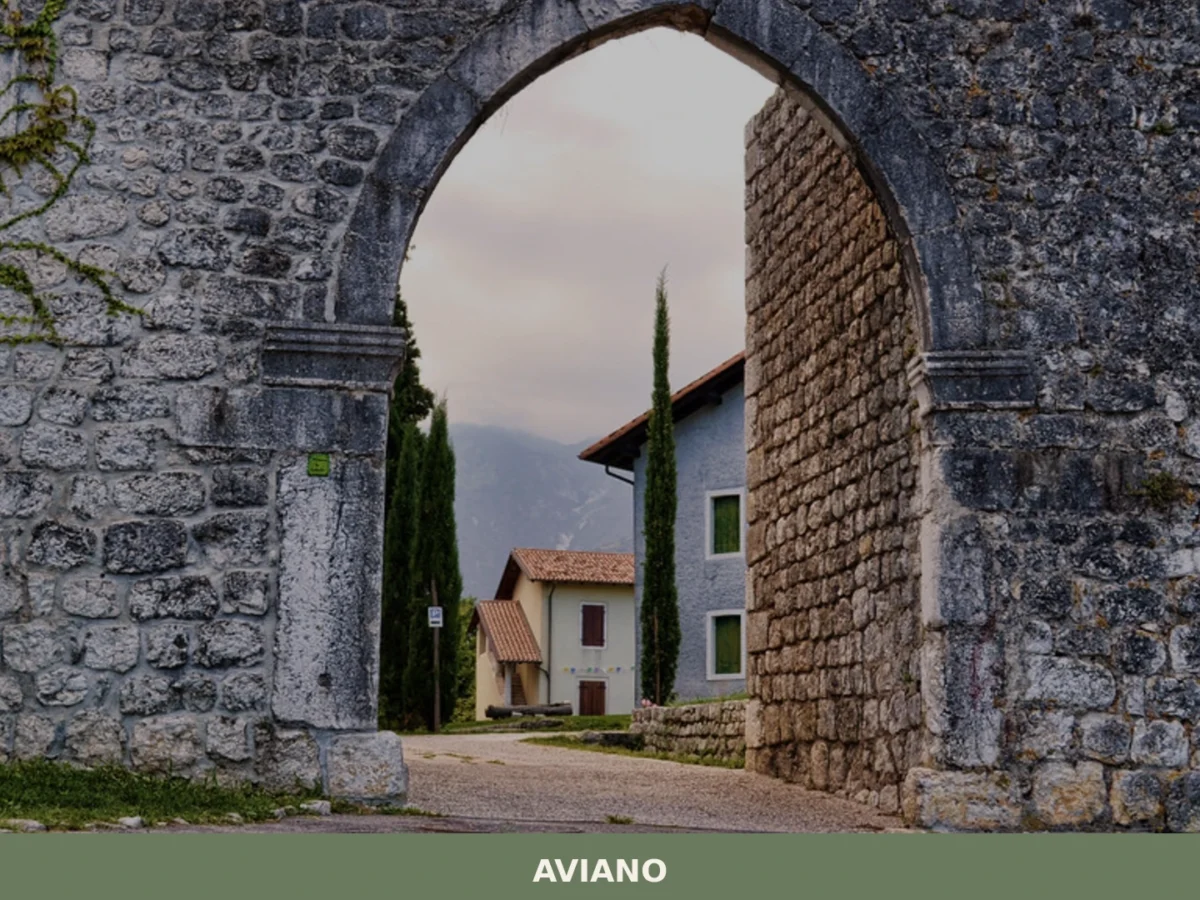
Aviano
Hills
What to see in Aviano, Italy: Explore this town of 8,948 inhabitants, from its 10th-century castle ruins to the Cathedral of San Zenone. Discover its rich history and natural beauty.
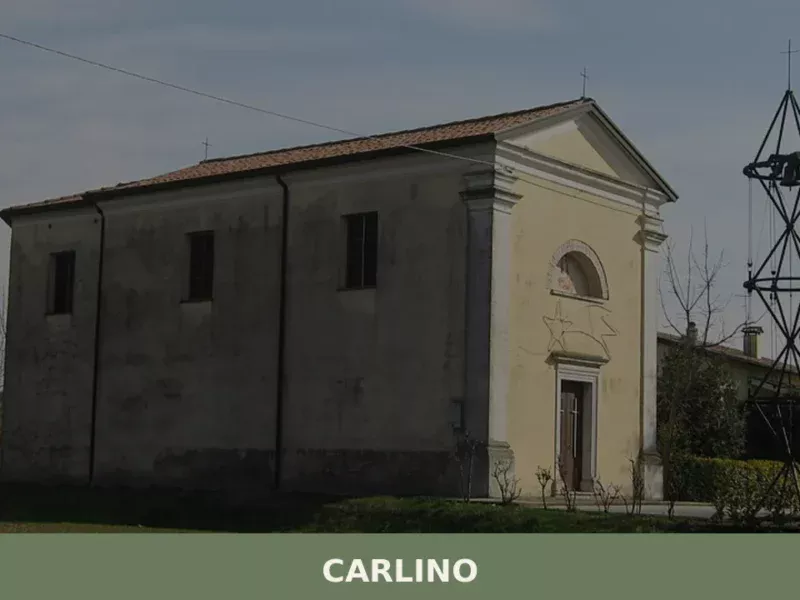
Carlino
Plains
The first thing you notice arriving in Carlino is the industrious silence of the Friulian plain, broken only by the rustle of water flowing through the drainage canals that cross the municipal territory. We are in the Bassa Friulana, province of Udine, just a few kilometres from the Marano Lagoon, in a land where agriculture […]
Aiello del Friuli
Plains
On the Friulian plain, at 18 metres above sea level, a village of just over two thousand inhabitants holds the highest concentration of sundials per square metre in Italy: more than one hundred solar quadrants scattered across house facades, courtyard walls, and church exteriors. This is not an outdoor exhibition designed for tourists — it […]
Comeglians
Hills
In the valley of the Degano torrent, along the road that climbs from Tolmezzo toward the Monte Croce Carnico pass, Comeglians marks a precise point on the map of Carnia: 553 metres above sea level, 533 inhabitants spread across the main village and the hamlets of Povolaro, Maranzanis, Tualis, and Calgaretto. The municipality is documented […]






🏡 Know Ampezzo better than we do?
If you’re a local or have been there, your knowledge matters: add what’s missing or fix a detail on this page.