


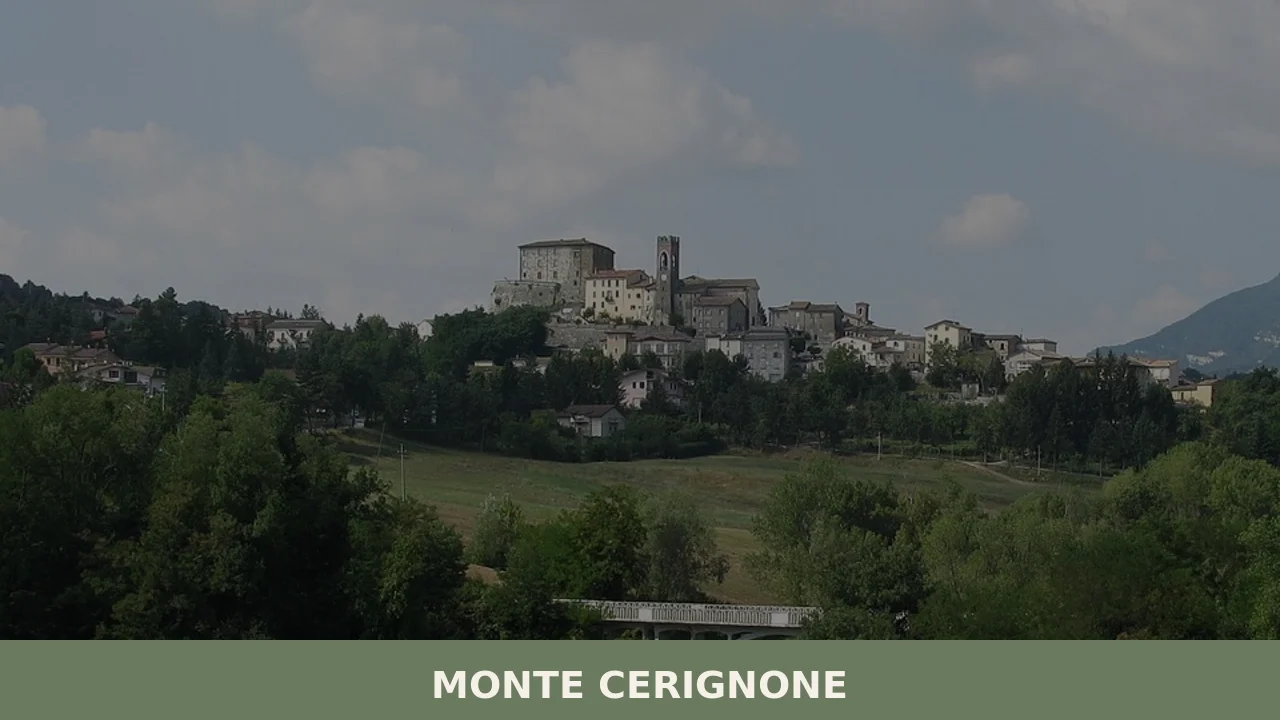
Monte Cerignone
 Hills
Hills
What to see in Monte Cerignone: discover 5 must-see attractions, from Malatesta Fortress to St. Blaise Church. Plan your trip to this Marche village.
Discover Monte Cerignone
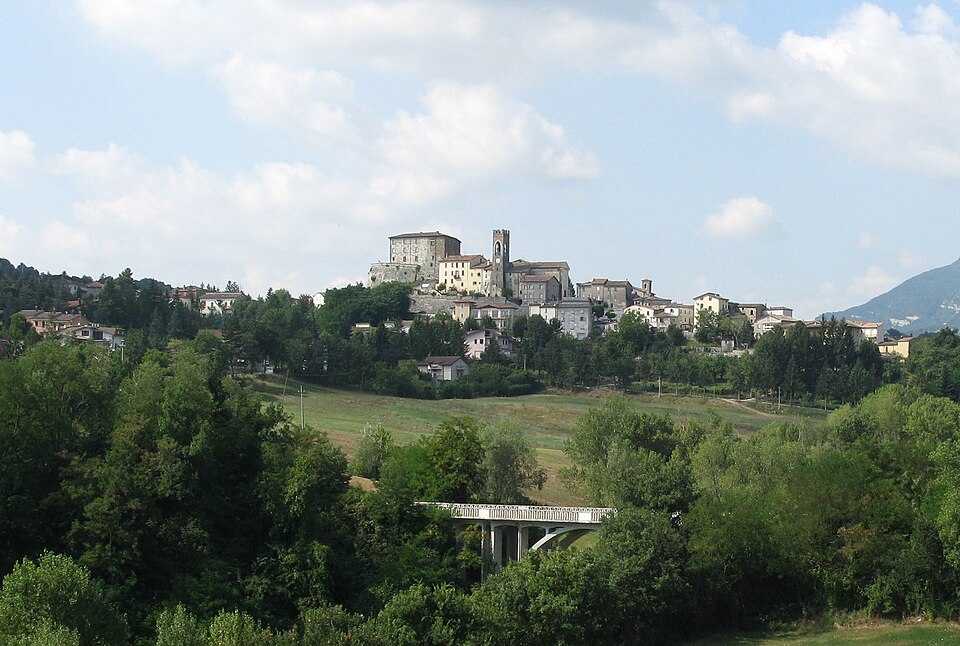
Located 528 meters above sea level, in the heart of the province of Pesaro and Urbino, Monte Cerignone is a village with 604 inhabitants, offering an authentic experience in the hilly landscape of the Marche region.
For those wondering what to see in Monte Cerignone, the village reveals itself as a concentration of history and nature, where the mighty Malatestian Fortress dominates the settlement and the Church of San Biagio welcomes visitors with its architecture.
This center, which has its roots in distant eras, invites you to explore its streets and discover the testimonies of a past rich in events.
History and Origins of Monte Cerignone
The origins of Monte Cerignone are lost in the early Middle Ages, although its history is closely linked to the events of the lordships that dominated the territory between Romagna and the Marche.
The toponym itself, “Cerignone,” could derive from the presence of oak trees (cerro) or from ancient traditions related to cereal cultivation, a hypothesis that reflects the deep connection with the surrounding agricultural environment.
The first documents mentioning the castle date back to the 12th century, when the village was already a strategic outpost for controlling the Conca and Foglia valleys, a point of encounter and conflict between various cultural and political influences.
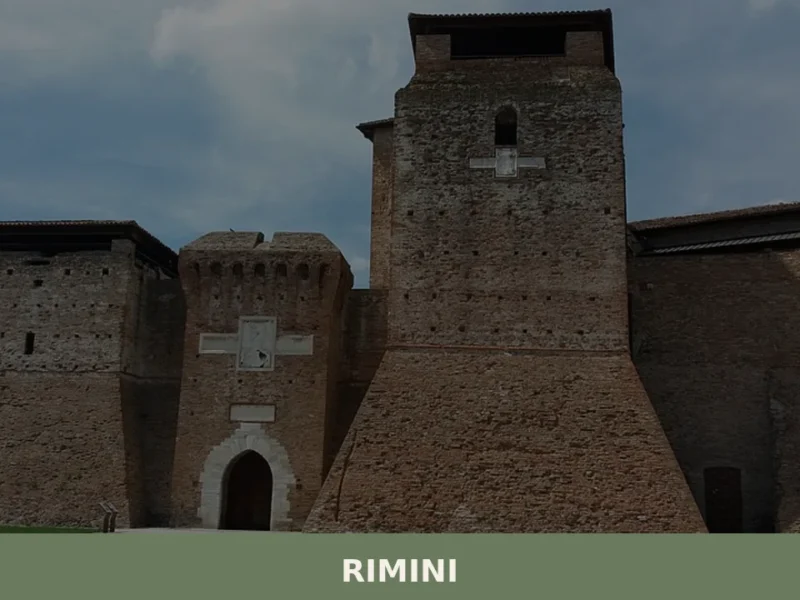
The period of greatest splendor and historical turbulence for Monte Cerignone falls between the 14th and 15th centuries, when the village became one of the main centers of the Malatesta Lordship of Rimini. It was under this powerful family that the Malatestian Fortress assumed its imposing current configuration, transforming into an almost impregnable fortress, a symbol of Malatestian power on the northern border of the Duchy of Urbino.
Numerous sieges and battles saw Monte Cerignone at the center of disputes, particularly with the rival Montefeltro, who sought to extend their influence over these lands.
Its elevated position and its fortifications made it a crucial objective for regional control, and for this reason, over the centuries, the village was often contended and passed between different factions.
With the decline of local lordships and the affirmation of the power of the Papal States, Monte Cerignone became part of the Church’s domains, progressively losing its military strategic importance but maintaining its role as an agricultural and administrative center for the surrounding rural communities.
In the 17th and 18th centuries, the village experienced a period of relative quiet, during which several churches and palaces were built or renovated, which still constitute the historical core of the village today.
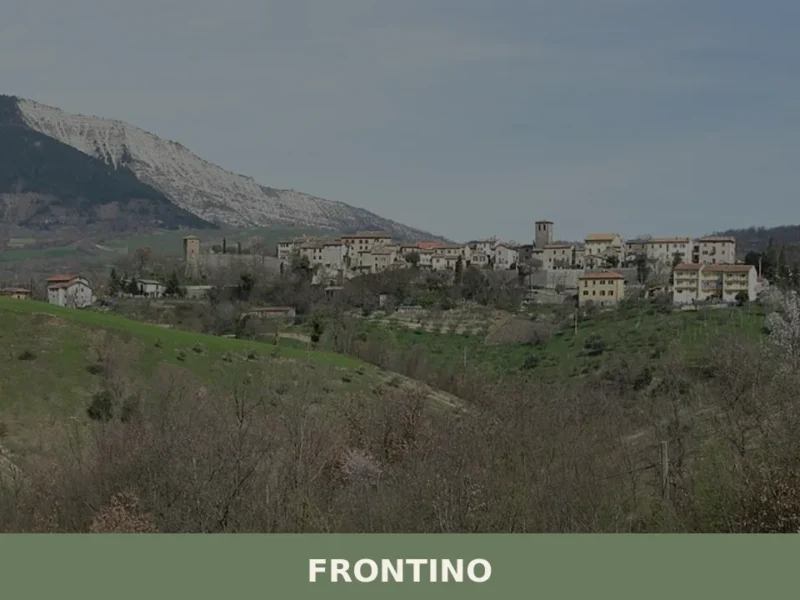
The annexation to the Kingdom of Italy in the 19th century marked the end of papal administration and the beginning of a new phase, which has seen Monte Cerignone preserve its historical and cultural identity, distinguishing itself as one of the most charming villages in the region, similar in certain historical aspects to Frontino, also characterized by a strong connection to its past.
What to see in Monte Cerignone: main attractions
Visiting Monte Cerignone means immersing oneself in an atmosphere where history is manifest in every stone and architectural beauties tell centuries of stories.
The village, with its cobbled streets and panoramic views, offers various opportunities for those who wish to discover what to see in Monte Cerignone and deepen their knowledge of its heritage.
From the majestic fortress to the places of worship, every corner holds a surprise, inviting a careful and curious stroll.
Malatesta Fortress
The Malatesta Fortress undoubtedly represents the symbol of Monte Cerignone and one of its most significant attractions. Built starting from the 12th century and then extensively remodeled by the Malatesta in the 14th and 15th centuries, the fortress stands imposingly on the hilltop, dominating the surrounding landscape.
Its structure is a classic example of Malatesta military architecture, characterized by thick stone walls, defensive towers, battlements, and a central keep that offered the last stronghold in case of siege.
Its massive forms and strategic positioning testify to the importance the village held in the disputes between the lordships. Today, the Fortress is partially open to visitors and hosts cultural events and exhibitions, allowing visitors to explore some internal areas and enjoy an exceptional view of the valleys and hills of the Marche region.
Climbing to its summit offers a unique perspective on the village and the territory, an experience that combines history and panorama.
Church of Saint Blaise Bishop and Martyr
The Church of Saint Blaise, dedicated to the patron saint of the village, is the main place of worship in Monte Cerignone and another point of interest for those exploring the town. Its origin is ancient, but the building has undergone several modifications over the centuries, with interventions that have shaped its current appearance.
The facade features architectural elements that reflect different styles, while the interior, usually with a single nave, houses sacred artworks, including frescoes and canvases from different eras.
One can observe details such as decorated side altars, wooden confessionals, and a carved pulpit, which contribute to creating an atmosphere of devotion and history. The church is an example of local faith and art, and its location in the historic center makes it easily accessible, inviting visitors to admire its peculiarities and its artistic heritage, which often includes religious handicraft artifacts from the area.
Town Hall and Malatesta Square
At the center of the village is Malatesta Square, the beating heart of town life and a meeting place.
Overlooking this square is the Town Hall, a building that, despite having undergone restorations and modifications over time, retains the typical elegance of the civic architecture of the Marche villages.
The palace, with its sober but dignified facade, houses the administrative offices of the municipality, but it is also a reference point for the community.
The square itself is a pleasant place for a stop, surrounded by historic buildings and sometimes enlivened by markets or local events. From here one can admire evocative views and perceive the rhythm of daily life in the village. Its current configuration, with stone paving and urban furniture elements, invites visitors to stroll and observe the architectural details of the surrounding buildings, testifying to the urban evolution of the town.
Castle Walls and Access Gate
Monte Cerignone still preserves significant sections of its ancient castle walls, which once completely encircled the village, protecting it from external attacks.
Walking along the remains of these fortifications allows one to understand the strategic importance of the place and the defensive engineering of the era.
Among the most evocative elements is the ancient access gate to the village, which in some cases may still be visible or identifiable.
These gates, often equipped with guard towers and closing systems, were the only points of entry and exit, controlling the flow of people and goods. Observing the walls and the gate is like stepping back in time, imagining the life that unfolded within these protected confines and the challenges the inhabitants had to face, offering an additional dimension to those wondering what to see in Monte Cerignone.
The Hilly Landscape and Surroundings
Beyond the architectural attractions, the hilly landscape surrounding Monte Cerignone is a fundamental element of the visiting experience.
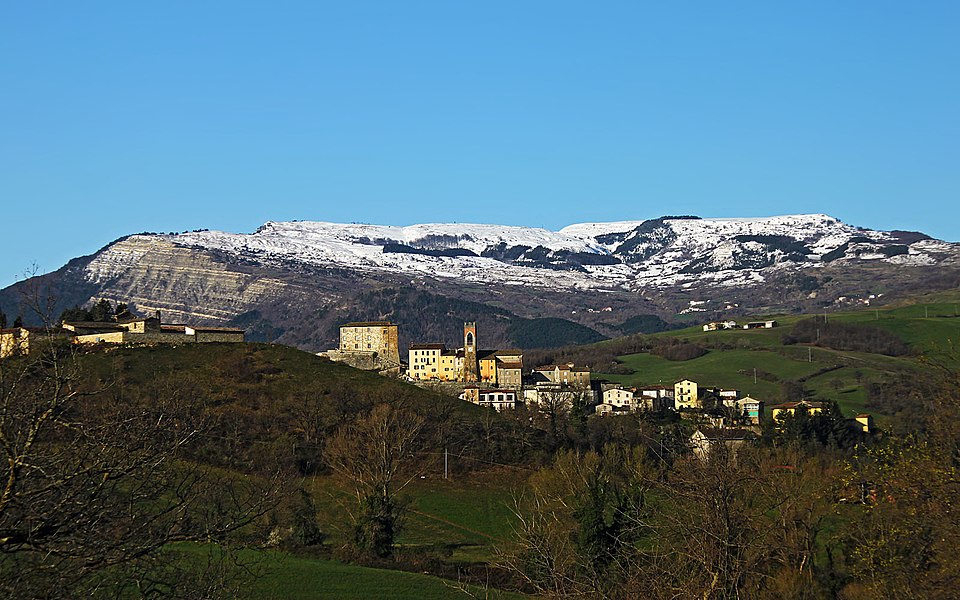
The village is set in a natural context of great beauty, characterized by gentle cultivated slopes, woods, and badlands, typical of the province of Pesaro and Urbino. From the heights of the village, one can enjoy panoramas that stretch as far as the Adriatic on clearer days, and towards the Apennines. Hiking or cycling excursions in the surroundings offer the opportunity to discover hidden corners, small ch
The view from above is particularly appreciated by photographers and by those seeking moments of contemplation.
Typical cuisine and products of Monte Cerignone
The gastronomic tradition of Monte Cerignone, while not boasting specific certified products solely for the municipality, is fully integrated into the rich culinary landscape of the province of Pesaro and Urbino and, more generally, of the Marche region. This cuisine is the result of centuries of peasant life, characterized by the use of simple yet genuine ingredients, sourced from the land and local farms. The influences are typical of the Marche hinterland, with a preference for robust flavors and preparations that enhance raw ingredients, often seasoned with regionally produced extra virgin olive oil.
Homemade pasta, local cured meats, and cheeses form the basis of many recipes, reflecting the agricultural and pastoral vocation of the territory.
Among the typical dishes that can be tasted in Monte Cerignone and neighboring villages, such as Isola del Piano, several specialties stand out.
Tagliatelle al ragù, prepared with hand-rolled egg pasta and a slow-cooked, flavorful meat sauce, represent a timeless classic.
Also featured are passatelli in brodo, a comforting first course, especially during colder months, made from a dough of breadcrumbs, eggs, Parmigiano Reggiano, and nutmeg. Among the main courses, pork is a star, with preparations such as roasted pork loin (arista al forno) or grilled sausages (salsicce alla brace), often accompanied by sautéed wild greens or roasted potatoes.
Game meat, such as wild boar or rabbit, also finds its place in local cuisine, cooked stewed or roasted, enhancing the flavors of the forest.
Regarding products, although there are no specific certified denominations for Monte Cerignone, the surrounding area is known for the production of olive oil, typical regional white and red wines, and sheep and goat cheeses.
The cured meat tradition is strong, with the production of artisanal cold cuts and sausages, such as salami and coppa, which follow ancient recipes. These products can be found in local shops or directly from agricultural producers in the vicinity. The proximity to areas renowned for truffles, such as Acqualagna, also makes fine black truffle an ingredient often present in the kitchens of local restaurants and farmhouses, used to enrich first courses or accompany meat dishes.
Festivals, events, and traditions of Monte Cerignone
Festivals and traditions in Monte Cerignone are important moments for the community, which gathers to celebrate its cultural and religious heritage.
The most significant event is the feast of the patron saint, Saint Blaise, bishop and martyr, which falls on February 3rd.
On this day, the community participates in solemn religious rites, with a mass dedicated to the saint in the Church of San Biagio, often followed by a procession through the village streets.
The patron saint’s feast is an opportunity to honor the spiritual roots of the town and to keep devotion alive. Traditionally, on these occasions, typical sweets are prepared, and small convivial gatherings are organized to strengthen social bonds among residents, often with the participation of local musical bands that liven up the streets with their melodies.
In addition to the patron saint’s feast, other events may take place throughout the year, especially during the summer, attracting visitors and residents.
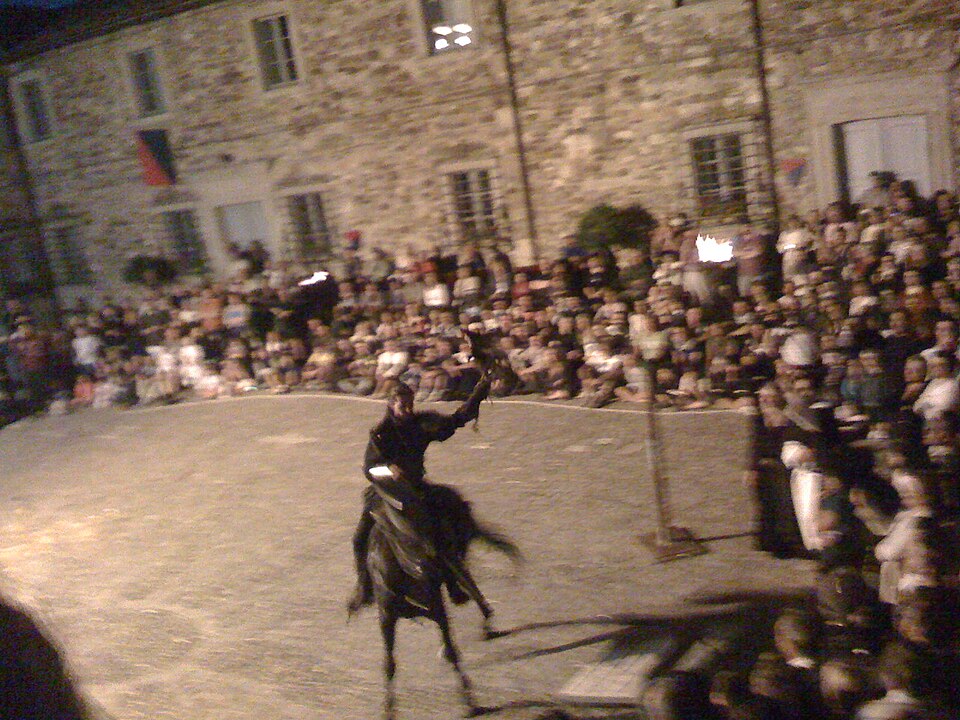
These can include festivals dedicated to typical seasonal products, musical evenings, historical reenactments, or artisan markets that animate Piazza Malatesta and the streets of the center.
Although there are no specific national-level events for Monte Cerignone documented in every detail, the Marche summer is rich in initiatives in neighboring villages, such as in Fratte Rosa, offering a varied calendar.
It is always advisable to consult the official website of the municipality of Monte Cerignone for an updated calendar of events, so as not to miss the opportunities to experience the authentic atmosphere of the village and its traditions.
When to visit Monte Cerignone and how to get there
The best time to visit Monte Cerignone is from late spring to autumn, particularly from May to September. During these months, the climate is mild and pleasant, ideal for exploring the village on foot, enjoying the views, and participating in any outdoor events.
Summer offers long days and the opportunity to combine cultural visits with excursions into the surrounding nature.
Early autumn, with its warm colors and cooler temperatures, is also an evocative time, perfect for those seeking tranquility and breathtaking landscapes.
Those who desire a more secluded visit, away from potential summer crowds, can consider the low season, while keeping in mind that some services might have reduced hours. To know what to see in Monte Cerignone and fully enjoy its peculiarities, a sunny day is always preferable.
To reach Monte Cerignone, the most convenient means is usually by car. The village is accessible via the A14 Adriatica motorway, exiting at the Cattolica or Pesaro toll booths. From Cattolica, continue inland following signs for Monte Cerignone, a journey of about 30-40 minutes. From Pesaro, the route is similar, heading towards the interior of the province.
Those coming from other directions can use ordinary roads, through provincial routes that offer panoramic views of the Marche hills.
The nearest train station is Pesaro or Rimini, from which you can continue by bus or taxi.
The closest airport is Federico Fellini International Airport in Rimini (www.riminiairport.com), approximately 40-50 km away, or the Marche Airport in Ancona-Falconara, which is further. It is always advisable to check public transport timetables and road conditions before departure, especially if traveling during bad weather.
For detailed travel planning, it is useful to consult the official website of the municipality of Monte Cerignone (www.comune.montecerignone.pu.it) for updated information on road conditions, events, and tourist services.
Furthermore, for those exploring the Marche hinterland, Monte Cerignone can be an interesting stop along an itinerary that includes other villages in the province, such as Frontone, known for its castle.
Below is a summary table of distances and estimated times from some major cities:
| Starting point | Distance | Estimated time |
|---|---|---|
| Pesaro | 45 km | 50 min |
| Rimini | 40 km | 45 min |
| Urbino | 25 km | 30 min |
Where to stay in Monte Cerignone
For those wishing to extend their visit and thoroughly discover what to see in Monte Cerignone and its surroundings, the village and its immediate vicinity offer various accommodation solutions, while maintaining an intimate atmosphere tied to the territory.
Accommodation options mainly include farmhouses nestled in the surrounding countryside, allowing you to experience an authentic connection with nature and rural traditions. These establishments often also offer the opportunity to taste local dishes, prepared with zero-kilometre products, and are ideal for those seeking tranquility and relaxation. There are also small B&Bs or guesthouses run by private individuals, located within the historic center or on the outskirts, which guarantee family hospitality and a convenient starting point for exploring the village on foot. It is recommended to book in advance, especially during high season months or in conjunction with local events, to ensure availability.
Photo Gallery of Monte Cerignone
📷 Photo Gallery — Monte Cerignone
Nearby Villages near Monte Cerignone
In Marche More villages to discover
Agugliano
 Sea
Sea
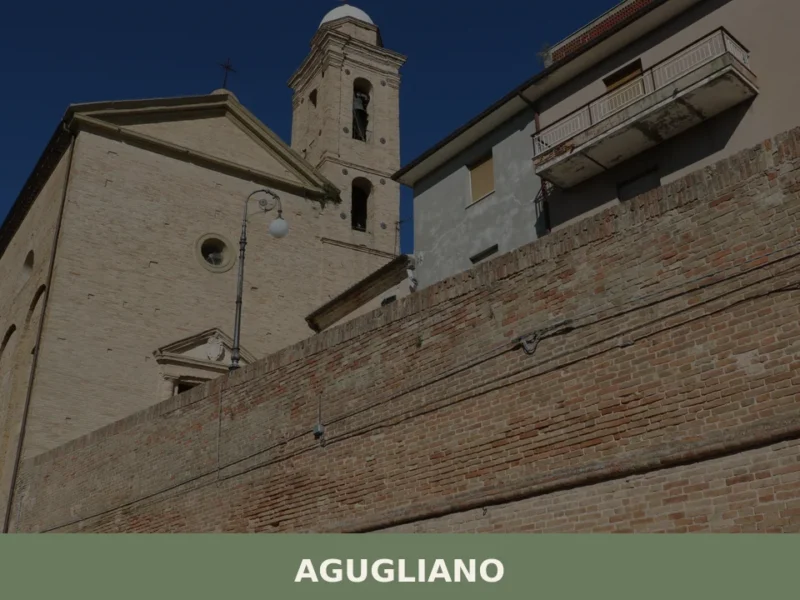
Discover what to see in Agugliano, a hill comune near Ancona in Marche. History, food, attractions, travel tips and where to stay.
Acquaviva Picena
Sea
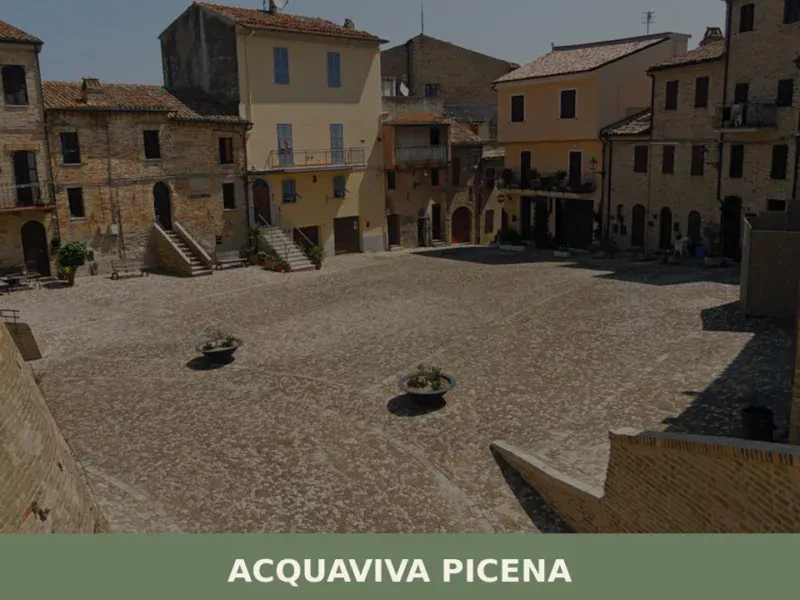
Discover what to see in Acquaviva Picena: medieval fortress, town walls, local food and travel tips for this hilltop village in Ascoli Piceno, Marche.
Altidona
Sea
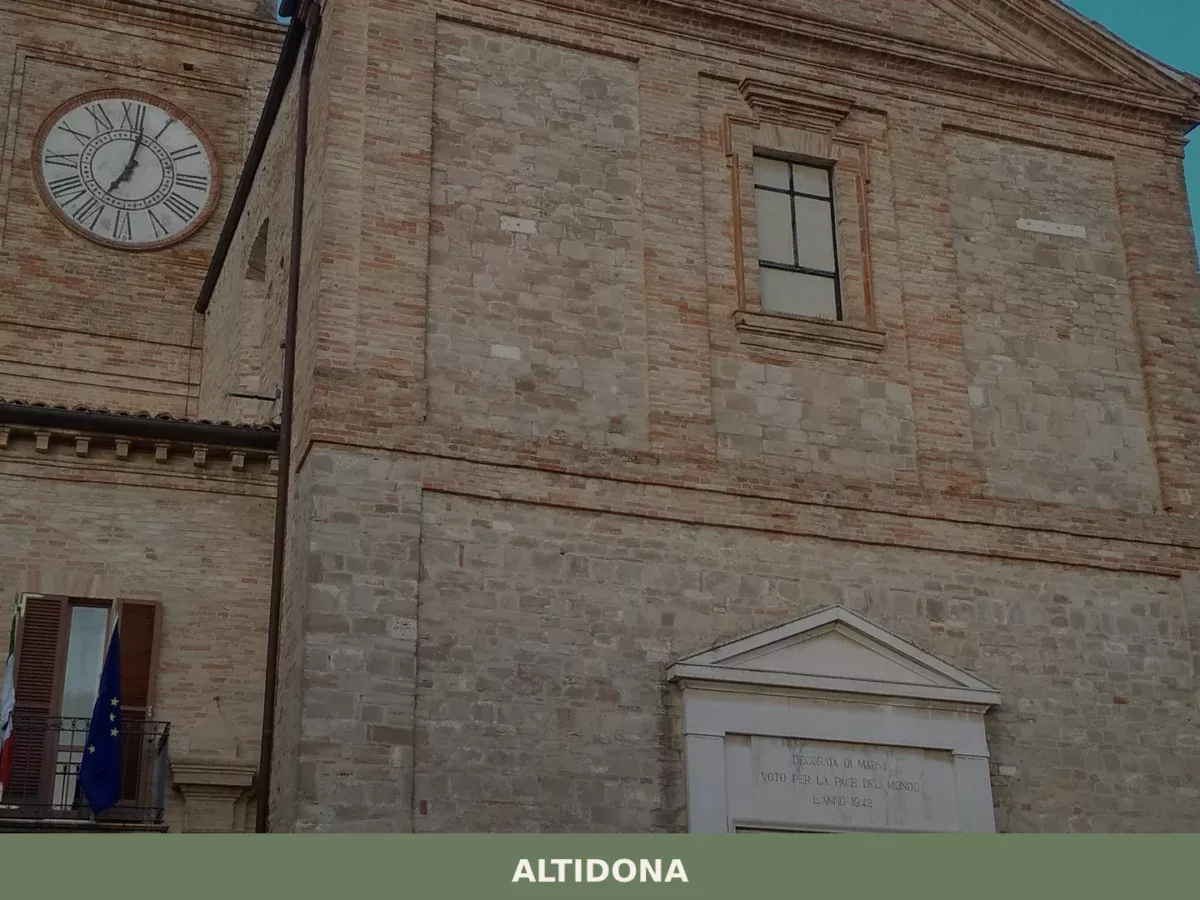
Discover what to see in Altidona, a Marche village in the Province of Fermo. History, attractions, local food, and practical travel tips.
Amandola
Hills
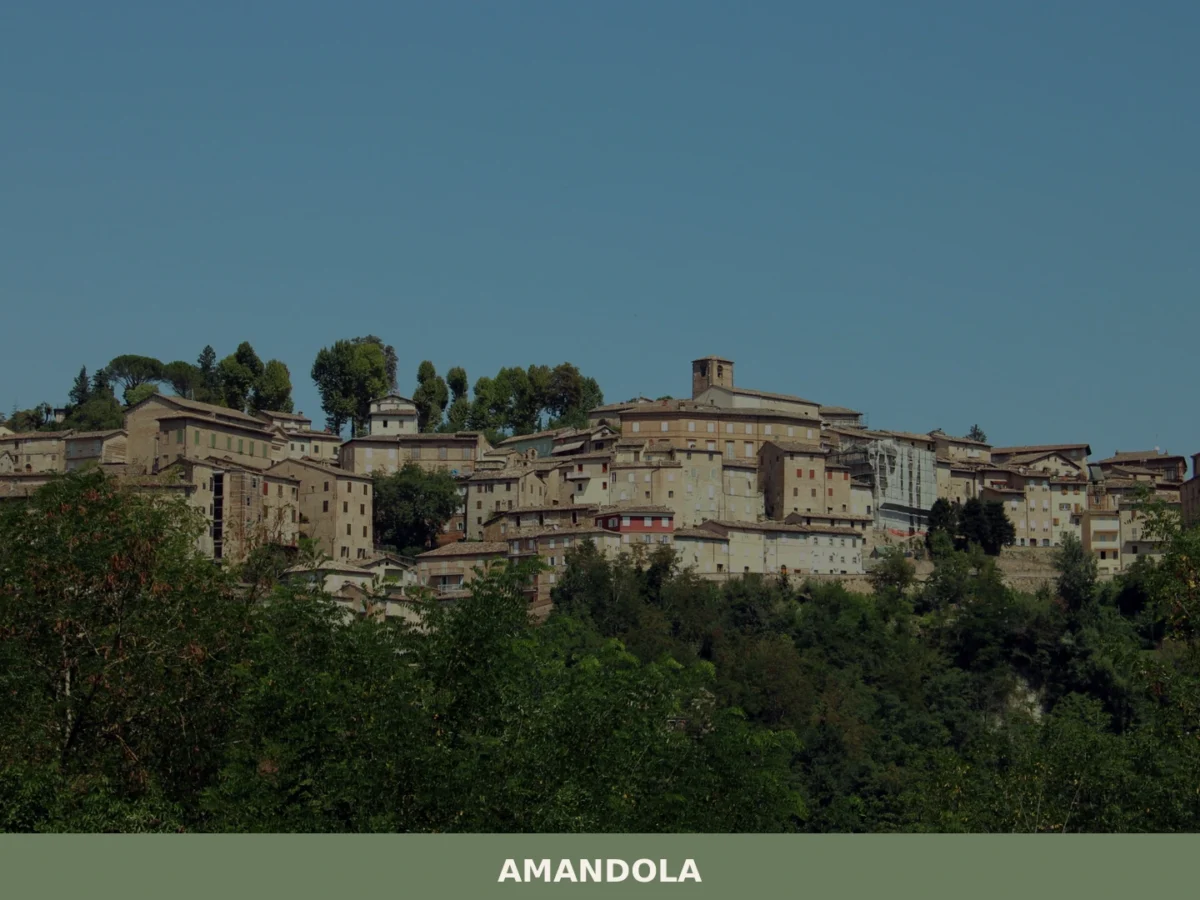
What to see in Amandola: 5 attractions in this Marche village, from the historic centre to the Sibillini Mountains. Discover the complete guide and plan your visit.
Belforte all’Isauro
Hills
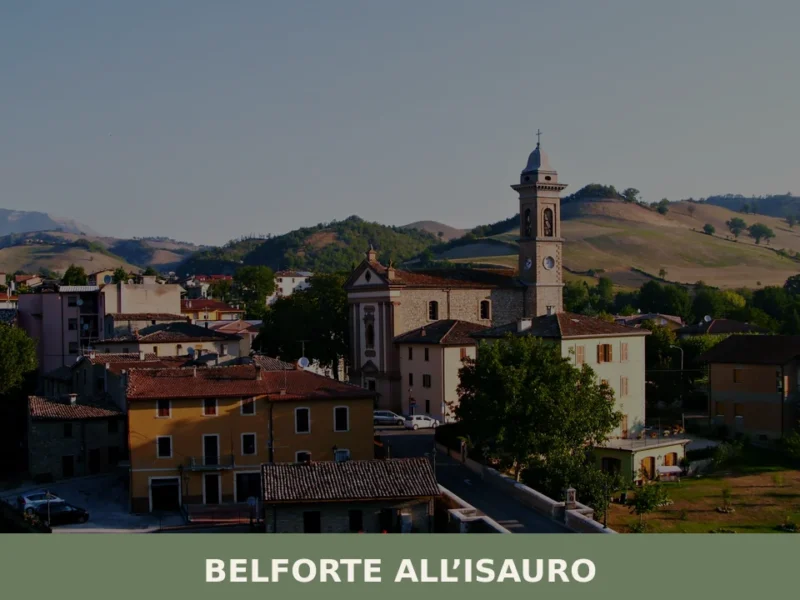
Morning light catches the stone walls of the old borgo before it reaches the valley floor, warming the façades to a pale amber. Below, the Isauro river — a modest tributary of the Foglia — moves quietly between wooded banks. With fewer than 800 inhabitants, Belforte all’Isauro occupies a stretch of the upper Montefeltro where […]
Mercatino Conca
Hills
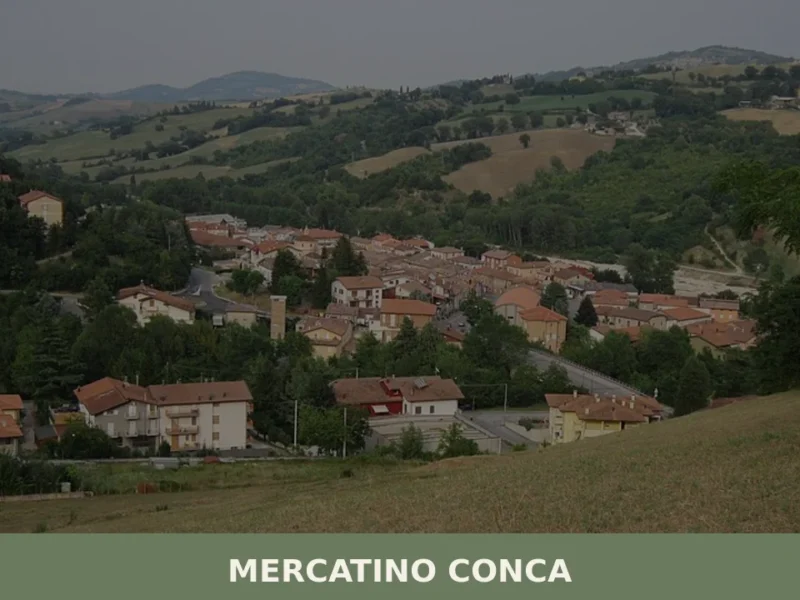
At 275 meters above sea level, in the province of Pesaro and Urbino, lies Mercatino Conca, a settlement with 1,033 residents. The name itself, “Mercatino” (meaning “little market”), suggests a historical commercial function, likely linked to its position in the Conca river valley, a crossroads for trade and activities since ancient times. For those wondering […]
Acqualagna
 Plains
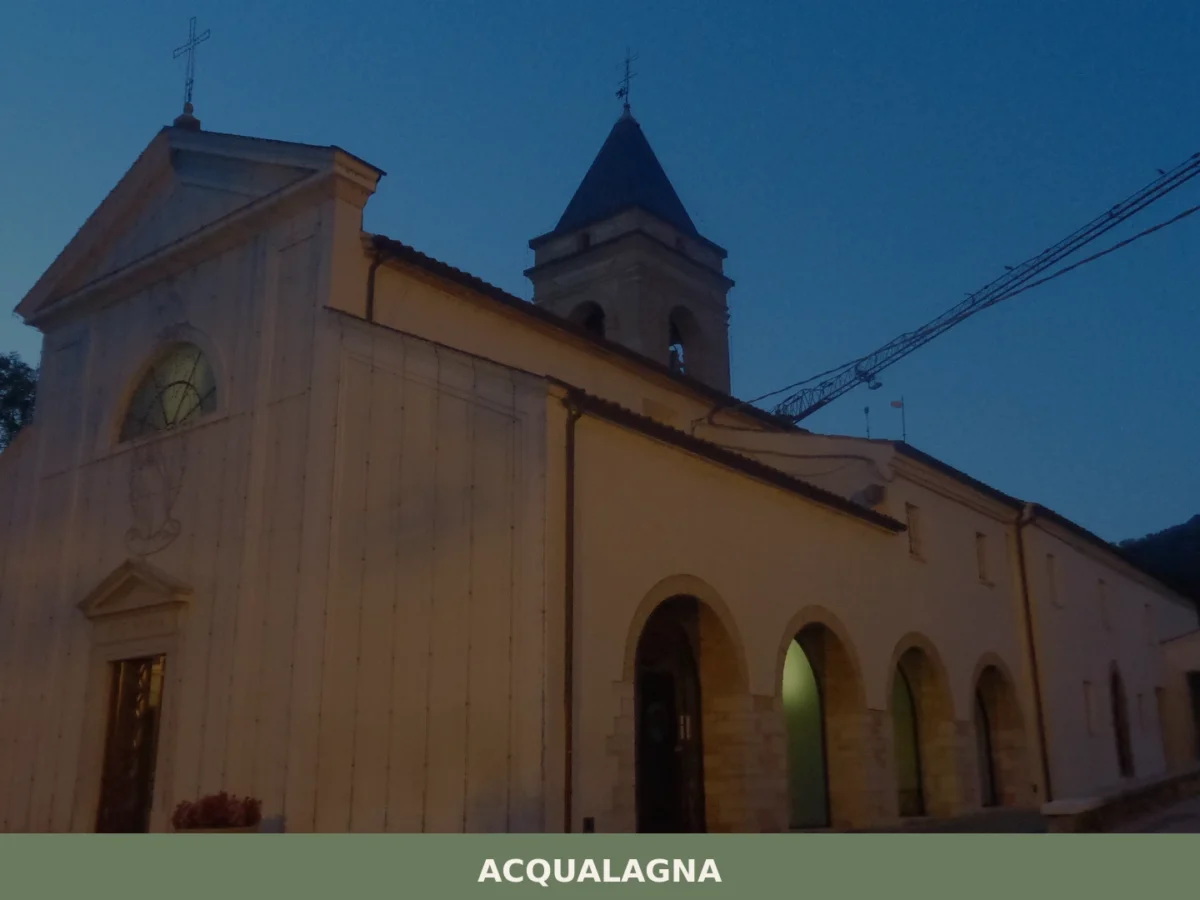
Discover what to see in Acqualagna, Marche: the Furlo Gorge, Via Flaminia, white truffle fairs and Apennine woodlands. Practical travel guide to Pesaro e Urbino.

Grottammare
Sea
Home to a perfectly preserved medieval borgo and 15,924 residents, Grottammare offers a rare meeting of Adriatic beaches and Renaissance history on the Marche coast.
Fermo
Sea
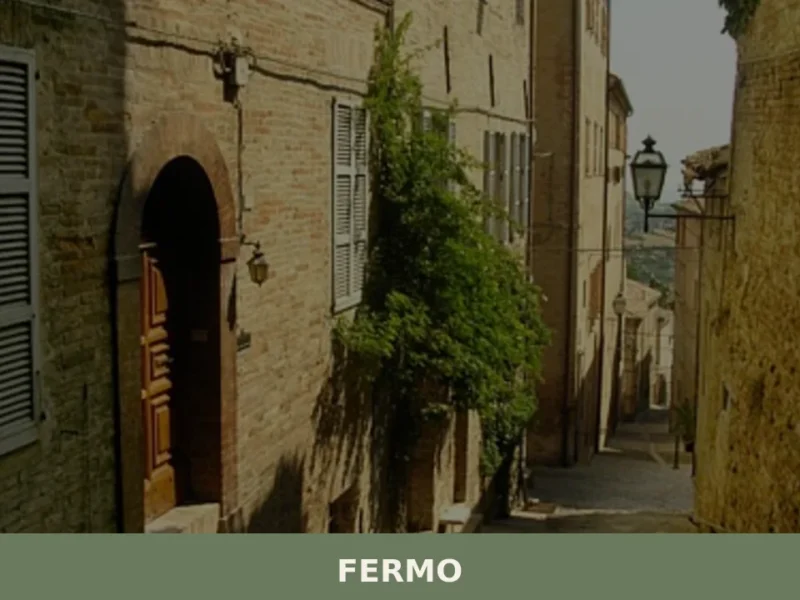
What to see in Fermo? Discover the 5 must-visit attractions of this village in Marche with our complete guide. Plan your perfect visit!
Fratte Rosa
Hills
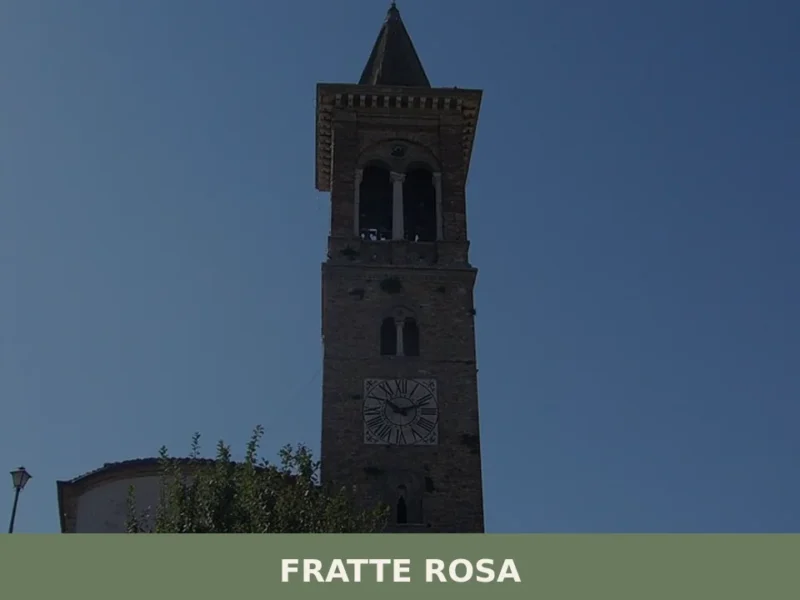
With its 847 inhabitants and an altitude of 419 meters above sea level, Fratte Rosa is located in the province of Pesaro and Urbino, a hilly area of the Marche region. The village’s name “Rosa” is historically linked to the color of a local clay, an essential component for the practice of pottery, documented in […]




🏡 Know Monte Cerignone better than we do?
If you’re a local or have been there, your knowledge matters: add what’s missing or fix a detail on this page.