


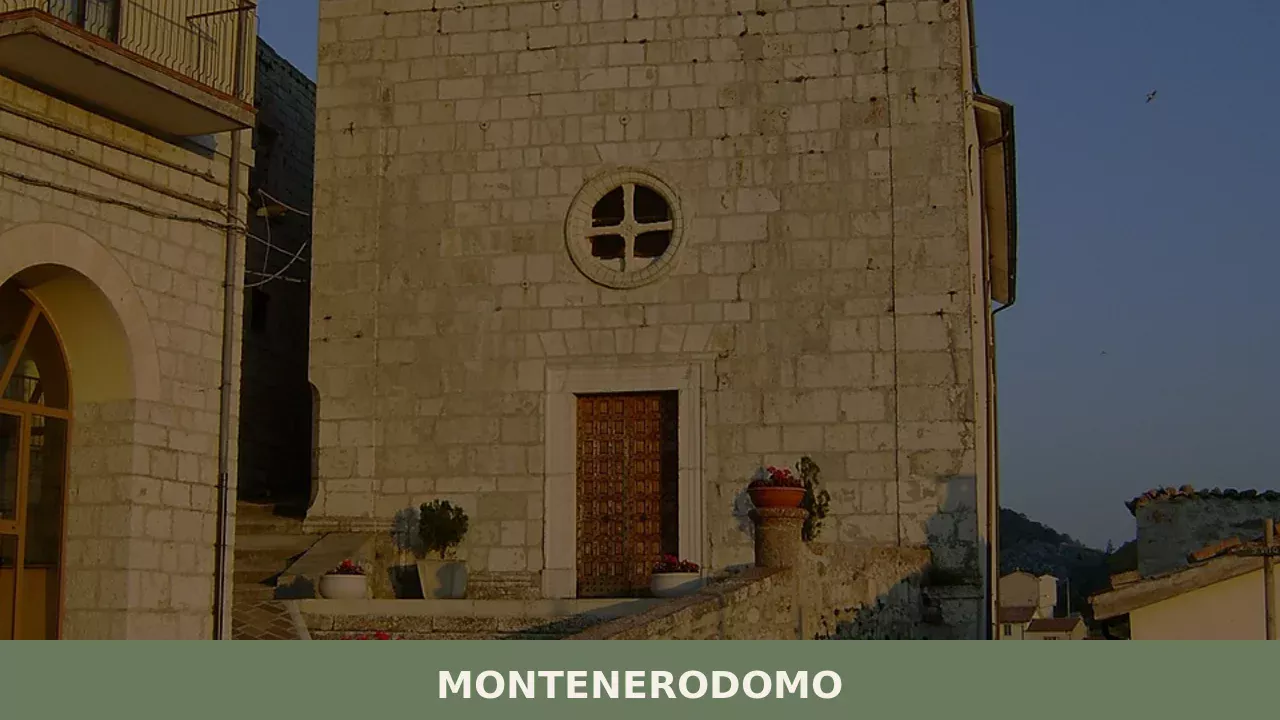
Montenerodomo
 Mountain
What to see in Montenerodomo? Discover the 5 main attractions, from the Juvanum archaeological site to the Majella trails. Plan your visit!
Discover Montenerodomo
At 1165 meters above sea level, in a position dominating the Sangro Valley, the village of Montenerodomo presents itself as a stone outpost, guardian of a stratified past. Its houses, rebuilt with tenacity after wartime destruction, cling to the mountain slope, drawing a profile that merges with the ridges of the eastern Majella.
The thin air carries the scent of mountain herbs, while the gaze wanders among the badlands and surrounding peaks, a rugged and evocative landscape that tells stories of ancient civilizations and resilience.
If you’re wondering what to see in Montenerodomo, you’ll find a heritage ranging from the Roman vestiges of Juvanum to glimpses of the reconstructed village, a testament to its rebirth.
This small center, with its approximately 600 inhabitants, offers an immersion in a historical and natural context of rare intensity.
The main attractions include the important archaeological site of Juvanum and the Antiquarium, which preserves the unearthed artifacts, allowing visitors to retrace millennia of Abruzzese history.
History and Origins of Montenerodomo
The origins of Montenerodomo are rooted in remote times, long before its current configuration. The name itself, believed to derive from “Monte Nero” (Black Mountain) for the dark color of its rocks and “Domo”, perhaps from *domus* (house) or *duomo* (cathedral/church), alludes to a settlement that arose on a hill.
However, the true historical cradle of the territory is the site of Juvanum, an ancient Frentanian city that prospered in the valley below the modern village.
Founded by the Frentani, an Italic population, Juvanum became an important Roman *municipium*, as attested by Pliny the Elder in his writings.
The history of Juvanum is marked by crucial events, including its destruction in 89 BC at the hands of Sulla during the Social Wars, a common fate for many Italic cities that opposed Rome.
Despite the devastation, the city was rebuilt and experienced a new period of splendor under Emperor Augustus, enriched with civil and religious infrastructures. Its decline began with the fall of the Western Roman Empire, leading the population to gradually move towards higher and more defensible positions, giving rise to the residential nucleus of Montenerodomo, first mentioned in a papal bull by Nicholas II in 1059.
During the Middle Ages and the modern era, Montenerodomo was part of the County of Sangro and came under the dominion of various feudal families, including the Caracciolo, Orsini, d’Aquino, and De Capua.
The village suffered severe damage due to earthquakes, such as the one in 1706 that devastated much of Abruzzo, and especially during World War II.
Its strategic position along the Gustav Line made it the scene of fierce fighting, suffering almost total destruction at the hands of German troops in 1943-44.
The subsequent reconstruction, faithful to traditional techniques and materials, shaped the current appearance of the historic center, symbolizing the tenacity of its community, a resilience also found in nearby villages like Gessopalena, which was also deeply marked by wartime events.
What to see in Montenerodomo: main attractions
Juvanum Archaeological Site
Nestled on a plateau at about 900 meters above sea level, the archaeological site of Juvanum preserves the imposing ruins of an ancient Frentanian and Roman city, offering a window into a millenary past.
Visitors can walk along the ancient road that led to the forum, the pulsating heart of public and commercial life, where the remains of a basilica and a portico are visible. The sacred area includes the foundations of a capitolium, a temple dedicated to the Capitoline Triad, and other cult buildings that bear witness to the religious importance of the place.
The theatre, although not completely excavated, reveals its semicircular shape, indicating the existence of shows and public assemblies in Roman times.
The wall structures, built mainly in opus quadratum and opus reticulatum, show the construction techniques used between the 1st century BC and the 2nd century AD.
Excavations have also brought to light a system of aqueducts that supplied the city, highlighting the hydraulic engineering of the era.
The visitor’s path winds through the remains of houses and workshops, allowing one to imagine the daily life of the ancient inhabitants. The site is accessible via a path that descends from the modern village, and its panoramic position offers wide views of the Sangro Valley and the surrounding mountains, making the experience not only historical but also scenic.
Juvanum Civic Archaeological Museum
Housed within a modern building located in the center of Montenerodomo, the Juvanum Civic Archaeological Museum, also known as the Antiquarium, is the ideal complement to a visit to the archaeological site.
Its rooms collect numerous artifacts found during excavation campaigns, offering a detailed narrative of Juvanum’s history from the Italic to the late Roman period.
Among the exhibited objects are common pottery and precious tableware, work tools, coins, and jewelry that illustrate aspects of daily life and the commercial practices of the ancient inhabitants.
A significant section of the museum is dedicated to lapidary inscriptions, including funerary and dedicatory epigraphs, which provide valuable information on society, revered deities, and prominent figures of the city.
Particularly interesting are the decorated architectural elements and sculptural fragments that once adorned the public buildings and temples of Juvanum. The museum is organized with explanatory panels and reconstructions that facilitate understanding of the archaeological context. The visit allows one to appreciate the cultural richness and complexity of this ancient city, offering a concrete perspective on the life and traditions of over two thousand years ago.
Church of San Fedele
The Church of San Fedele, dedicated to the patron saint of the village, represents Montenerodomo’s main place of worship and a symbol of its post-war rebirth.
The current building is the result of a faithful reconstruction that took place after the devastations of the Second World War, which left the village almost entirely in ruins. The facade, sober and linear, is made of local stone, respecting traditional mountain architecture and harmoniously integrating into the rebuilt urban fabric.
The entrance portal, although simple, leads to a collected and luminous interior.
Inside, the church houses a valuable wooden statue of San Fedele da Sigmaringen, revered as the patron saint and an object of particular devotion by the community.
The stained-glass windows and sacred furnishings, though modern, recall elements of Abruzzese religious tradition. The plan is a single nave, with side altars hosting other works of art and sacred images. The bell tower, also rebuilt, rises above the roof, marking the hours and calling the faithful to celebrations.
The church is not only a place of prayer but also a point of reference for the community, bearing witness to its profound faith and its ability to rise again from adversity.
The Village of Montenerodomo and the Architecture of Reconstruction
The inhabited center of Montenerodomo, with its 600 inhabitants and an altitude of 1165 m a.s.l., offers a significant example of reconstruction architecture, a process that shaped its current appearance after its almost total destruction during the Second World War. The houses, largely rebuilt between the 1950s and 1960s, are characterized by the prevalent use of local stone, which gives the village a homogeneous and traditional aesthetic.
The streets and squares wind along the original layout, albeit with adaptations dictated by new needs and post-war construction techniques.
This aspect distinguishes it from other villages that have maintained intact medieval structures, providing a unique perspective on the resilience and identity of a community.
Walking through its streets, one can observe architectural details that recall the
Abruzzese tradition, such as carved stone portals and wrought-iron balconies.
Despite the modernity of its reconstruction, the village retains an authentic atmosphere, with panoramic views that suddenly open up onto the valley and surrounding mountains. The main square, often a meeting point for residents, is an ideal place to grasp the rhythm of local life.
Visiting Montenerodomo also means understanding the value of historical memory and a community’s ability to rebuild its future, keeping its roots firmly planted in its territory.
The Trails of Eastern Majella
Montenerodomo, with its elevated position at 1165 meters above sea level, serves as a privileged access point to the trails and panoramic views of the Eastern Majella, an integral part of the Majella National Park.
The surrounding territory is characterized by rich biodiversity, with beech and oak forests alternating with high-altitude pastures and clay badlands.
Numerous hiking trails of varying difficulty start from near the village, offering nature lovers the opportunity to explore an unspoiled mountain environment. A well-marked trail, for example, leads to the nearest peaks or to panoramic viewpoints from which one can enjoy a view stretching to the Adriatic Sea on clearer days.
During excursions, it’s possible to spot the typical fauna of the park, such as the Apennine wolf, the Marsican brown bear, the Abruzzo chamois, and various species of birds of prey.
The flora, rich in endemic species, offers a spectacle of colors and scents, especially in spring and summer. Those seeking an immersive nature experience will find opportunities here for long walks or more challenging trekking routes. Before embarking on any excursion, it is advisable to consult trail maps and check weather conditions, as well as inquire at the visitor center of the Majella National Park for access regulations and available guides.
Typical Cuisine and Products of Montenerodomo
The gastronomic tradition of Montenerodomo, like that of much of mountainous Abruzzo, is deeply linked to pastoralism, subsistence agriculture, and hunting, reflecting the availability of local raw materials.
The dishes are hearty and flavorful, designed to nourish those who worked hard in the fields and mountains. Local cuisine is based on simple yet high-quality ingredients, such as sheep and pork meats, legumes, cereals, and wild vegetables gathered in the woods.
Historical influences, from Norman to Aragonese dominations, have contributed to shaping a culinary repertoire that, while maintaining a strong regional identity, presents local nuances and variations.
Among the typical dishes that can be savored in this area, highlights include polenta with sausage and rib sauce, a classic for colder days, and sagne a pezze, a homemade fresh pasta, cut into irregular diamond shapes and seasoned with rich sauces, often based on meat or seasonal vegetables.
There are also dishes based on lamb or castrato, stewed or roasted, and legume soups, such as lentil soup or bean soup, often enriched with local aromatic herbs and stale bread.
The simplicity of the ingredients combines with slow cooking techniques, enhancing the natural and deep flavors of the Abruzzese land.
The Abruzzese territory is renowned for a wide range of certified products, some of which represent the region’s excellence.
Among these, the Red Garlic of Sulmona (PAT) stands out — municipalities: Sulmona, Pratola Peligna, Raiano, Vittorito, Corfinio, Roccacasale, Prezza, known for its intense color and strong flavor.
Another famous product is the Confetto of Sulmona (PAT) — municipality: Sulmona, appreciated for its long artisanal tradition and variety of flavors and shapes, often used to celebrate important events.
Although Montenerodomo is not the main municipality for all the listed products, these examples offer a glimpse into the gastronomic richness of the province of Chieti and surrounding areas, a tradition that can also be discovered by exploring villages like Fontecchio, which shares a similar culinary culture linked to the mountain territory.
For those wishing to purchase typical products or savor local cuisine, the restaurants and trattorias of Montenerodomo offer menus that highlight the region’s raw materials. Throughout the year, especially in the summer months, local festivals (sagre) dedicated to specific products may be organized, offering the opportunity to taste local specialties prepared according to traditional recipes.
These events represent a moment of conviviality and a way to connect with the culture and customs of the local community, allowing visitors to directly enjoy the authentic flavors of the Abruzzese mountains.
Festivals, Events, and Traditions of Montenerodomo
Life in Montenerodomo is marked by traditions rooted in the history and faith of its community.
The most significant moment of the year is the celebration of the Patron Saint, Saint Fidelis of Sigmaringen, which falls on April 24th.
This festivity is an unmissable event for the inhabitants, who gather to participate in religious ceremonies, culminating in a solemn procession through the village streets. The statue of the saint is carried on the shoulders of the faithful, accompanied by songs and prayers, in a ritual that unites devotion and a sense of belonging. Often, civil events such as band concerts, shows, and food stalls accompany the religious component, enlivening the town’s squares and streets, creating an atmosphere of celebration and sharing.
In addition to the patron saint’s festival, Montenerodomo keeps other traditions alive, linked to the cycle of seasons and rural life.
Although sources do not always detail specific sagre (festivals) with precise dates, it is common for Abruzzese mountain villages to organize events related to the harvesting of local produce, such as chestnuts in autumn or dairy products in summer. These occasions are valuable for appreciating local craftsmanship, traditional music, and for tasting typical dishes prepared according to ancient recipes. Oral traditions and the stories of elders help to keep the historical memory of the village alive, passing down Montenerodomo’s cultural heritage from generation to generation.
When to visit Montenerodomo and how to get there
The best time to visit Montenerodomo depends on the type of experience you are looking for.
Spring and summer, from May to September, offer the mildest climate and long days, ideal for exploring the archaeological site of Juvanum and for dedicating oneself to excursions on the trails of the eastern Majella. During these months, the surrounding nature is in full bloom, with colorful flowers and pleasant temperatures that make outdoor activities particularly enjoyable.
Summer can also be the time when local festivals or cultural events take place, bringing the village to life. Those seeking tranquility and autumn colors can opt for the months of October and November, when the woods turn red and gold, offering evocative scenery for less crowded walks.
Winter, from December to March, brings colder temperatures and often snowfalls, transforming the landscape into an alpine setting. This period is suitable for those who love snow-covered mountains and tranquility, but requires appropriate equipment and checking road conditions.
For those intending to reach Montenerodomo, the car is the most recommended means of transport for the flexibility it offers. From the motorway network, you can take the A14 (Adriatica) exiting at Val di Sangro or Lanciano, then continuing on state and provincial roads (SS652 and SS84) for about 40-50 km.
Alternatively, from the A25 (Rome-Pescara), the recommended exit is Bussi/Popoli, from which you continue on the SS17 towards Sulmona and then towards the village.
The nearest train station is located in Lanciano or Fossacesia on the Adriatic coast, or in Sulmona on the internal line, from which local bus services can then be used; it is advisable to check their frequency on the official website of the municipality Montenerodomo.gov.it or on regional transport portals. The reference airport is Abruzzo Airport in Pescara, about 70-80 km away.
| Starting Point | Distance | Estimated Time |
|---|---|---|
| Pescara | 75 km | 1h 20 min |
| L’Aquila | 110 km | 1h 45 min |
| Rome | 200 km | 2h 40 min |
Where to stay in Montenerodomo
Despite its small size, Montenerodomo offers some options for those wishing to stay directly in the village or its immediate vicinity, immersing themselves completely in the mountain atmosphere. Available accommodation generally includes small B&Bs and guesthouses, often run by local families, offering authentic hospitality and an opportunity to connect with local culture. These solutions offer a more intimate experience, with cozy rooms and breakfasts featuring local products.
Some of these establishments have been created from ancient stone houses, restored to offer modern comforts while retaining traditional charm.
For those who prefer more independent solutions, holiday homes or apartments for rent are also available, ideal for families or groups of friends.
These options allow you to experience the village like a local, with the freedom to cook and organize your own days.
In the surrounding rural areas, you can also find agriturismi (farm stays) that combine accommodation with the opportunity to taste zero-kilometer products and participate in activities related to rural life. It is always advisable to book in advance, especially during peak season months or in conjunction with specific events, checking availability and services offered directly on online platforms or by contacting the establishments.
Frequently asked questions about Montenerodomo
What is the best time to visit Montenerodomo?
The best time to visit Montenerodomo is from late spring to early autumn (May to October). During these months, the mountain climate at 1165 meters above sea level is ideal for exploring the hiking trails of the Eastern Majella and enjoying the panoramic views. The air carries the scent of mountain herbs, and the flora is vibrant. Spring and summer are particularly pleasant for outdoor activities and discovering both the natural beauty and the historical sites like Juvanum.
What are the historical origins of Montenerodomo?
Montenerodomo's origins are deeply rooted in the ancient Frentanian city of Juvanum, an important Roman *municipium* located in the valley below. After Juvanum's decline following periods of destruction and rebuilding, its population gradually moved to higher, more defensible positions, giving rise to the modern village, first documented in 1059. The village then endured medieval feudal rule, severe earthquakes, and almost total destruction during World War II, leading to its current appearance shaped by tenacious post-war reconstruction.
What to see in Montenerodomo? Main monuments and landmarks
Montenerodomo offers a rich blend of history and resilience. Key attractions include the impressive archaeological site of Juvanum, located on a plateau below the village, where you can explore ancient Roman ruins like the forum, basilica, and theatre. Complement your visit at the Juvanum Civic Archaeological Museum (Antiquarium) in the village center, housing artifacts found at the site. Also, visit the Church of San Fedele, a symbol of post-war rebirth, and explore the unique architecture of the reconstructed village itself, a testament to its community's tenacity.
What are the main natural or scenic attractions of Montenerodomo?
Perched at 1165 meters, Montenerodomo is a prime gateway to the natural wonders of the Eastern Majella, part of the Majella National Park. The surrounding landscape features diverse biodiversity, including beech and oak forests, high-altitude pastures, and striking clay badlands. Numerous hiking trails of varying difficulty start nearby, offering opportunities to explore unspoiled mountain environments. From various panoramic viewpoints, visitors can enjoy expansive vistas of the Sangro Valley and, on clear days, even glimpse the Adriatic Sea.
Where to take the best photos in Montenerodomo?
For stunning photographs, start at the archaeological site of Juvanum, which offers wide, panoramic views of the Sangro Valley and surrounding mountains. Within the modern village, the streets and squares, characterized by their unique reconstruction architecture using local stone, provide evocative shots of historical resilience. For breathtaking natural landscapes, venture onto the hiking trails of the Eastern Majella, where you can capture vast mountain vistas, diverse flora, and even distant views stretching to the Adriatic Sea on clear days.
Are there museums, churches or historic buildings to visit in Montenerodomo?
Yes, Montenerodomo hosts several significant cultural sites. The Juvanum Civic Archaeological Museum, also known as the Antiquarium, is centrally located and displays a wealth of artifacts from the ancient Frentanian and Roman city of Juvanum. The village's main place of worship is the Church of San Fedele, dedicated to its patron saint, faithfully reconstructed after World War II. Furthermore, the entire village center is a remarkable example of reconstruction architecture from the 1950s-60s, offering a unique historical perspective through its stone buildings.
What can you do in Montenerodomo? Activities and experiences
In Montenerodomo, visitors can immerse themselves in a rich blend of history and nature. Explore the millennia-old past by visiting the archaeological site of Juvanum and its Civic Archaeological Museum. For nature enthusiasts, the village serves as an excellent starting point for hiking and trekking through the trails of the Eastern Majella within the Majella National Park, offering opportunities for long walks and wildlife spotting. Additionally, experience the unique atmosphere of the reconstructed village, a testament to community resilience and Abruzzese tradition.
Who is Montenerodomo suitable for? Families, couples, hikers, solo travelers?
Montenerodomo is ideal for hikers and nature lovers, offering direct access to the trails and unspoiled beauty of the Eastern Majella within the National Park. It's also perfect for history enthusiasts, particularly those interested in ancient Roman and Frentanian civilizations, thanks to the Juvanum archaeological site and museum. Solo travelers and couples seeking a quiet, authentic mountain village experience will appreciate its tranquil atmosphere and unique architectural story of post-war reconstruction. Families can also enjoy the historical exploration and lighter nature walks.
Nearby Villages near Montenerodomo
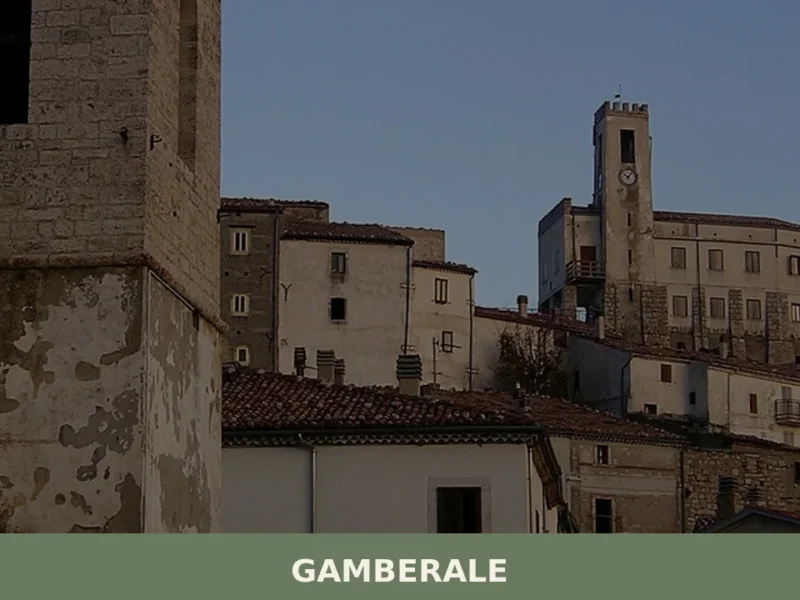
In Abruzzo More villages to discover
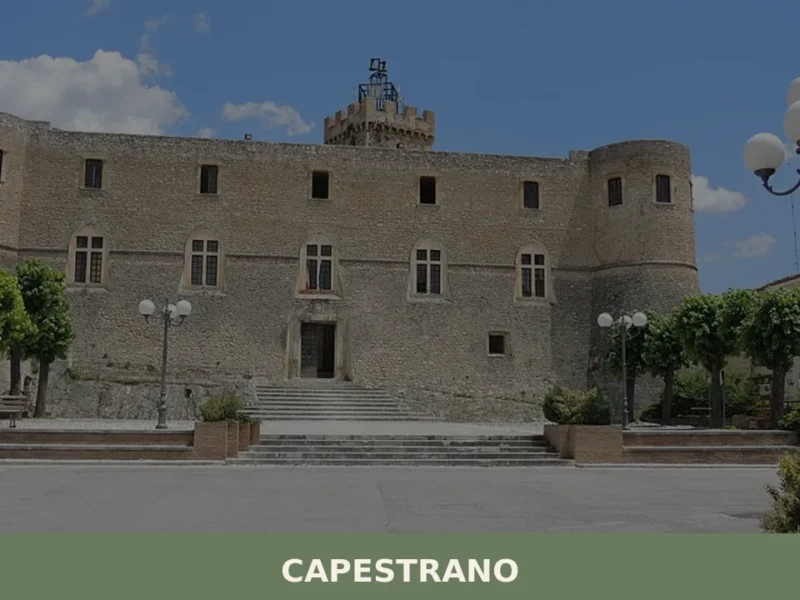
Capestrano
 Hills
Hills
What to see in Capestrano? Discover the 5 top attractions, from Piccolomini Castle to the Warrior statue. Plan your visit to this Abruzzo village.
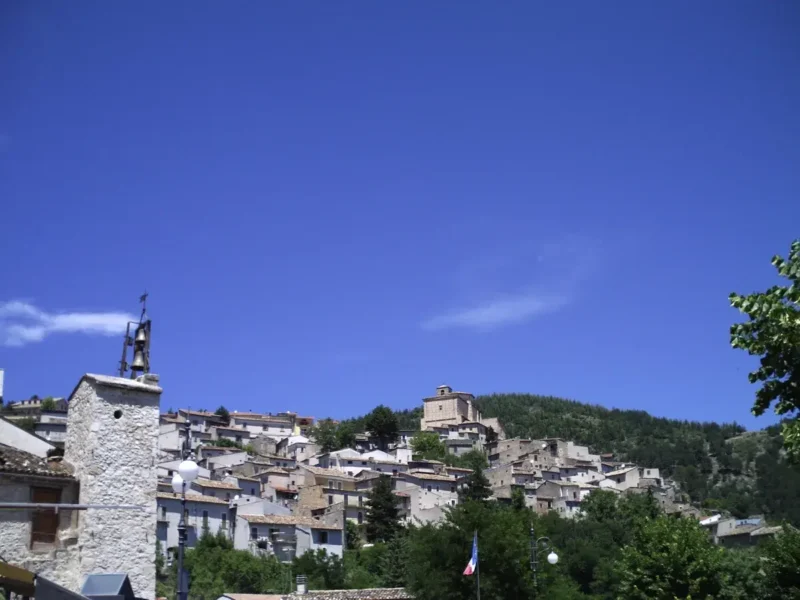
Secinaro
Mountain
what to see in secinaro, Italy: Explore this Abruzzese village at 859m (2,818 ft) above sea level, home to a unique meteor crater field and Monte Sirente's slopes.
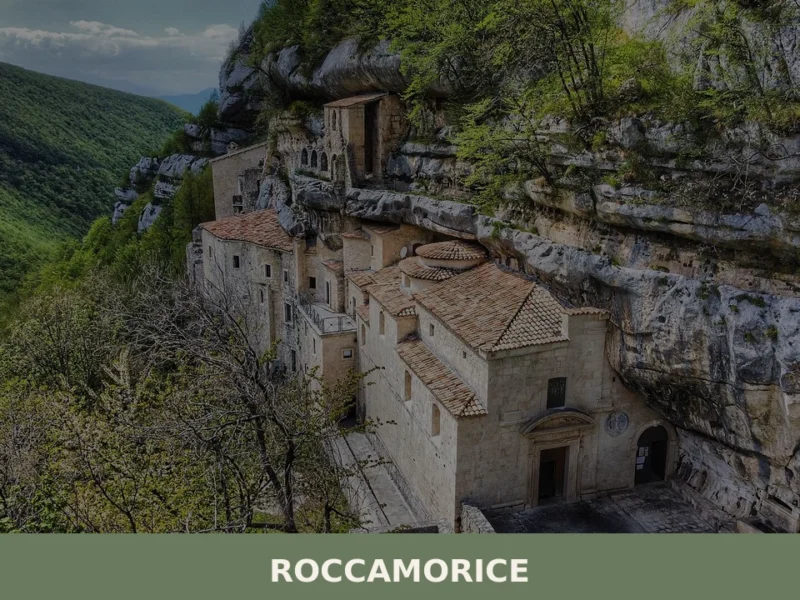
Roccamorice
Mountain
What to see in Roccamorice, Italy: discover rock-cut hermitages, the Majella National Park, and unique river-carved landscapes. Explore Abruzzo.
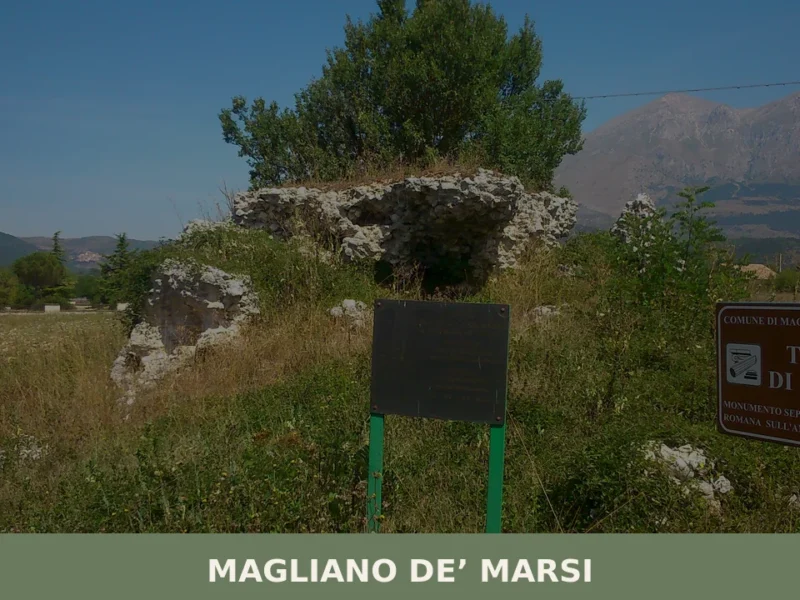
Magliano de’ Marsi
Mountain
Magliano de’ Marsi has 3,739 inhabitants and extends along the western slope of the Fucino Plain, in the province of L’Aquila, at an altitude of approximately 720 metres. The town lies along the route that once connected Rome to the Adriatic coast through the Marsica basin, and its urban layout still bears the marks of […]
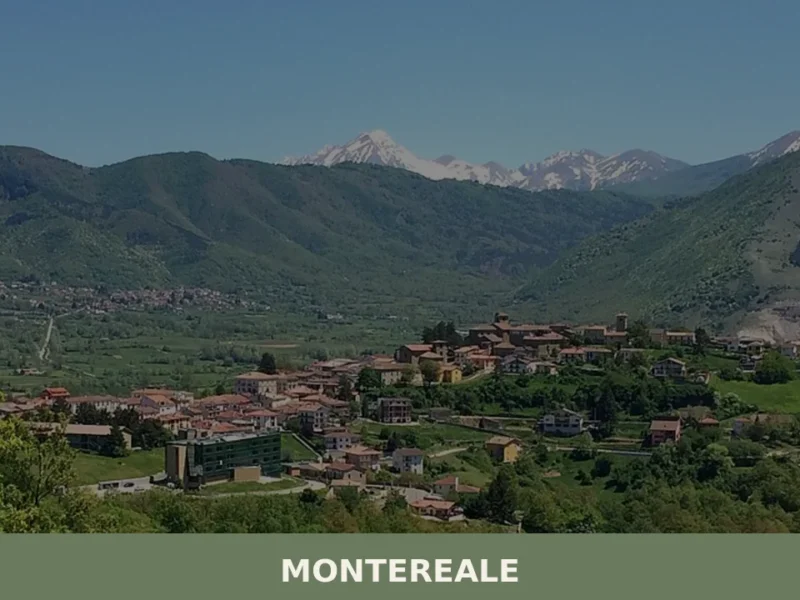
Montereale
Mountain
What to see in Montereale in Abruzzo: Romanesque churches, medieval walls, mountain cuisine and Laga trails. Complete guide to the village at 948 m.
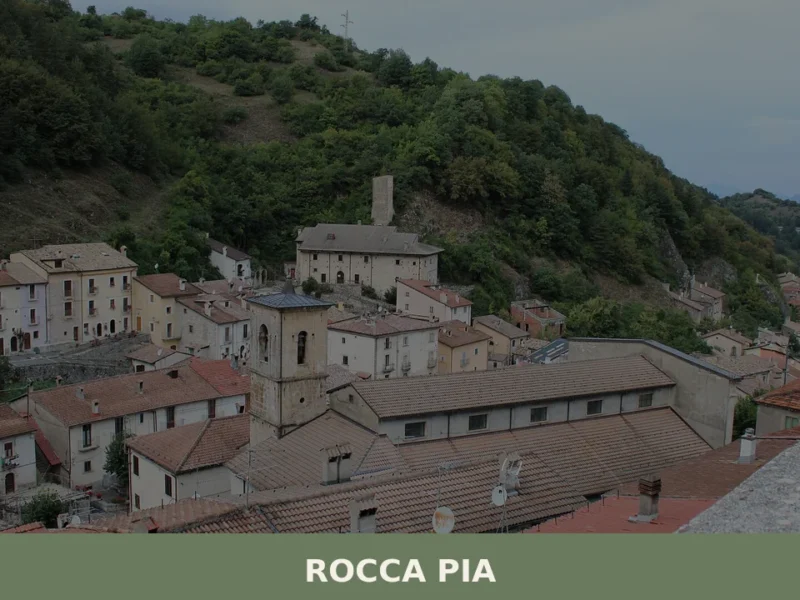
Rocca Pia
Mountain
what to see in rocca pia, Italy: Explore this Abruzzo comune near L'Aquila. Discover its territory extending to the Cinquemiglia Plain. Read our guide.
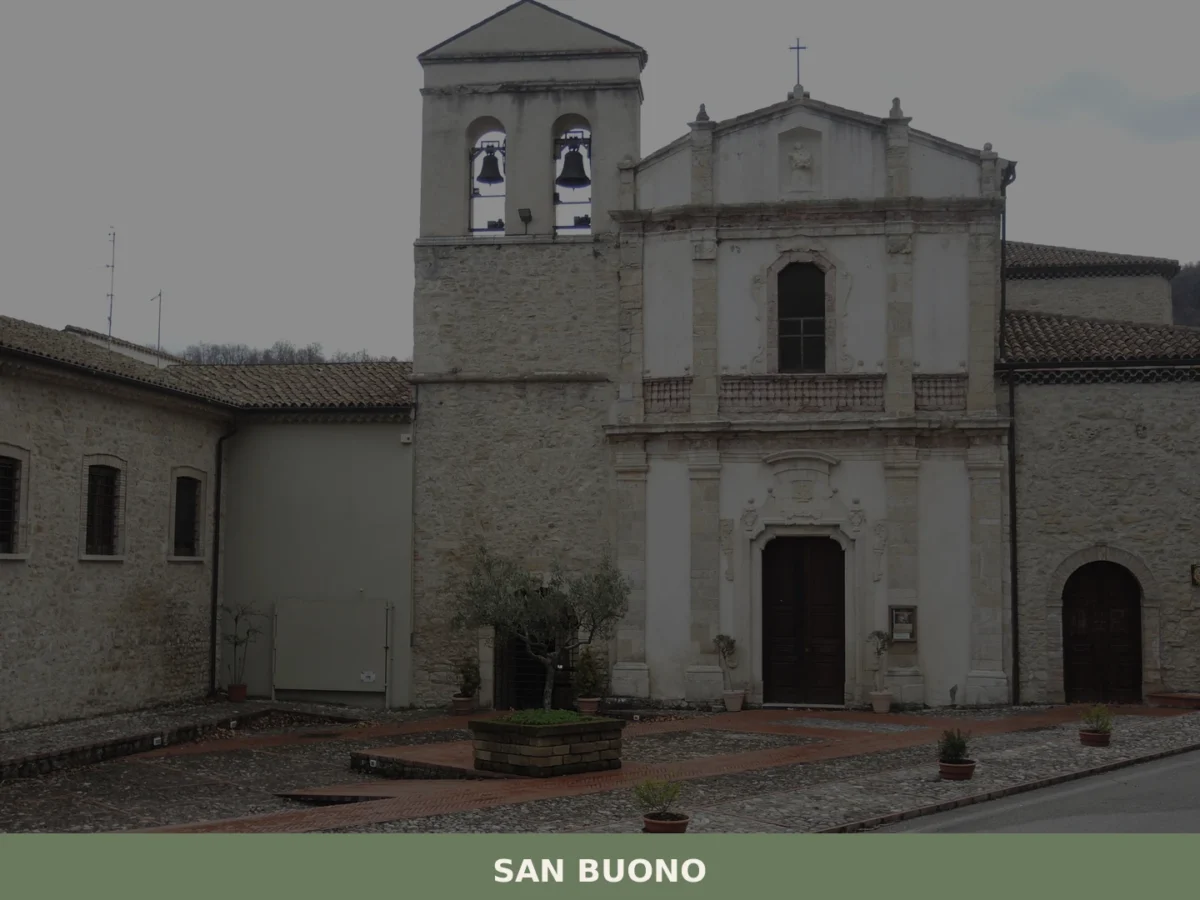
San Buono
Hills
What to see in San Buono? Explore our complete guide to this Abruzzo village (1,010 residents), rich in history and nature. Plan your visit now!
Fano Adriano
Mountain
what to see in fano adriano, Italy: Discover 5 key attractions and local traditions in this Abruzzo village at 750 m (2,461 ft) altitude. Explore.
Palmoli
Mountain
What to see in Palmoli: explore the village at 727 meters above sea level. Discover the Marchesale Castle and the Church of San Valentino. Plan your visit today!
Villa Santa Maria
Mountain
What to see in Villa Santa Maria, Abruzzo, Italy: explore 5 top attractions, local cuisine, and the legacy of Saint Francis Caracciolo. Discover this village of 1,431 inhabitants.




🏡 Know Montenerodomo better than we do?
If you’re a local or have been there, your knowledge matters: add what’s missing or fix a detail on this page.