


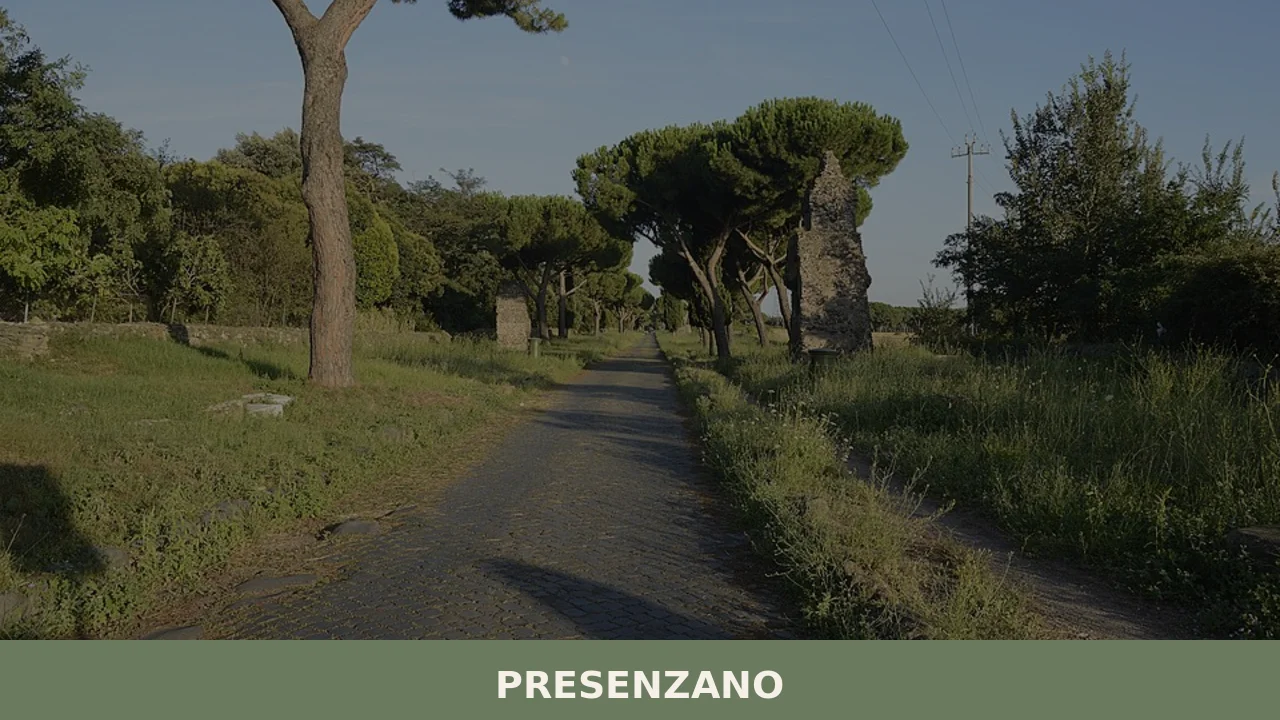
Presenzano
At 272 meters above sea level, in the northwestern sector of the province of Caserta, Presenzano stands out for its strategic position, a natural observation point over the Volturno valley. The territory has been inhabited since Roman times, as evidenced by archaeological finds in the area. This historical continuity has shaped an urban fabric where […]
Discover Presenzano
At 272 meters above sea level, in the northwestern sector of the province of Caserta, Presenzano stands out for its strategic position, a natural observation point over the Volturno valley. The territory has been inhabited since Roman times, as evidenced by archaeological finds in the area. This historical continuity has shaped an urban fabric where civil and religious architecture fits into the hilly context. For those wondering about what to see in presenzano, the village offers a path through historical layers, from ancient traces to more recent structures that define its contemporary identity. A population of 1,738 inhabitants brings this place to life, keeping its customs alive.
History and origins of Presenzano
The name Presenzano is linked, according to some interpretations, to the presence of a Roman military garrison, or perhaps to a late ancient rural estate. Its geographical location, on a hill overlooking the Volturno river, made it an important control point even in pre-Roman and Roman times. Archaeological finds, including coins and ceramic fragments, testify to the site’s frequentation since antiquity, suggesting a continuous habitation that has spanned centuries. For historical insights, you can consult the entry dedicated to Presenzano on Wikipedia Italy.
In the Middle Ages, Presenzano developed as a fortified center. The first documented mentions date back to periods after the year 1000, when the village became part of the feudal domains that characterized the Kingdom of Naples. The current urban structure partly reflects this historical phase, with a layout that adapts to the orography of the hill and denotes a defensive function. Its history is intertwined with that of other localities in the Matese and the Volturno valley, often involved in the events of local powers and noble families.
What to see in Presenzano: 5 unmissable attractions
Church of San Nicola di Bari
The main place of worship in the village, it features a simple facade and interiors that preserve decorative elements from different eras. Its current structure is the result of reconstructions and modifications over the centuries, maintaining a single-nave plan with side chapels.
Remains of the Medieval Castle
On the hilltop are the ruins of an ancient fortification. The perimeter walls and some towers are still visible, outlining the extent of the original defensive structure that protected the village and the valley below.
Baronial Palace
A building that in the past was the residence of the noble families who held the fief of Presenzano. Although altered, it retains traces of stately architecture, with stone portals and windows overlooking the streets of the historic center.
Piazza Umberto I
The main civic square of the village, a meeting point for the community. Surrounded by buildings from various eras, the square offers a glimpse into daily life and serves as a hub for the main pedestrian arteries of the center.
Volturno Belvedere
A natural viewpoint over the surrounding landscape. From here it is possible to observe the wide Volturno river valley, the foothills of the Matese Massif, and the profiles of neighboring villages, offering a clear perspective on the territorial configuration.
Typical cuisine and local products
The gastronomy of Presenzano is part of the Campanian tradition, with particular attention to local agricultural and livestock products. Extra virgin olive oil, derived from the olive groves that dot the hills, is a fundamental ingredient in many preparations. Cheeses, such as Pecorino del Matese, made with sheep’s milk, and scamorza, are distinctive elements. Artisanal cured meats, often obtained from locally raised pork, constitute an important part of the peasant diet.
Typical dishes include homemade pastas, seasoned with robust meat sauces or with legumes such as beans and chickpeas, cultivated in the surrounding fields. There are also seasonal vegetable soups, which reflect the availability of garden produce. Desserts are simple, often based on flour, eggs, and dried fruit, linked to festivities and recipes handed down from generation to generation. Local wine, produced from indigenous grape varieties, accompanies meals.
When to visit Presenzano: the best time
Presenzano’s climate, typically Mediterranean but with continental influences due to its proximity to the Matese, makes spring and autumn the most suitable periods for a visit. During these months, temperatures are mild and the landscape is colored with vibrant hues, encouraging walks through the village streets and excursions in the surrounding areas. Summer can be hot, but evenings offer a cooler climate, ideal for enjoying the atmosphere of the historic center. Winter is colder, with the possibility of precipitation and, occasionally, snow, which gives the landscape a different appearance.
Any local festivities or food festivals, often linked to religious observances or the celebration of typical products, can enrich the experience. For an updated calendar of events and practical information, it is advisable to consult the official website of the Municipality of Presenzano.
How to get to Presenzano
Presenzano is mainly accessible via the road network. Those coming from the north or south can use the A1 Milan-Naples motorway, exiting at the Caianello toll booth, from which the village is about a 15-20 minute drive. The nearest train station is Vairano-Caianello, on the Rome-Cassino-Naples line, connected to the village via local bus services or taxis. Naples-Capodichino International Airport (NAP) is the closest airport, located about 70-80 kilometers away, from which it is possible to continue by car or public transport towards Caserta and then Presenzano.
The nearest major cities include Caserta (about 40 km), Isernia (about 35 km), and Naples (about 70 km). Further details on connections and infrastructure can also be found on the Italian Touring Club portal.
Other villages to discover in Campania
The province of Caserta and the Matese area offer a network of villages that merit exploration. These centers, often developed around medieval fortifications or on ancient settlements, tell stories of a more rural and lesser-known Campania, distant from the more trodden tourist routes. Their identity is strongly linked to the territory, agriculture, and local traditions.
Among these, one can consider villages such as Ciorlano, which offers views of the Lete river and Mount Matese, or Ailano, another hillside center with a history rooted in the Samnite period. Both feature architectures that reflect the historical events and peculiarities of the region’s inland landscape.
In Campania More villages to discover
Castel di Sasso
Castel di Sasso, a small municipality in the province of Caserta with 1,051 inhabitants, has historical roots documented since the 10th century, when it was already attested as a fortified settlement in the fertile Terra di Lavoro. At 200 meters above sea level, the village developed on the Caserta plain, a location that influenced both […]
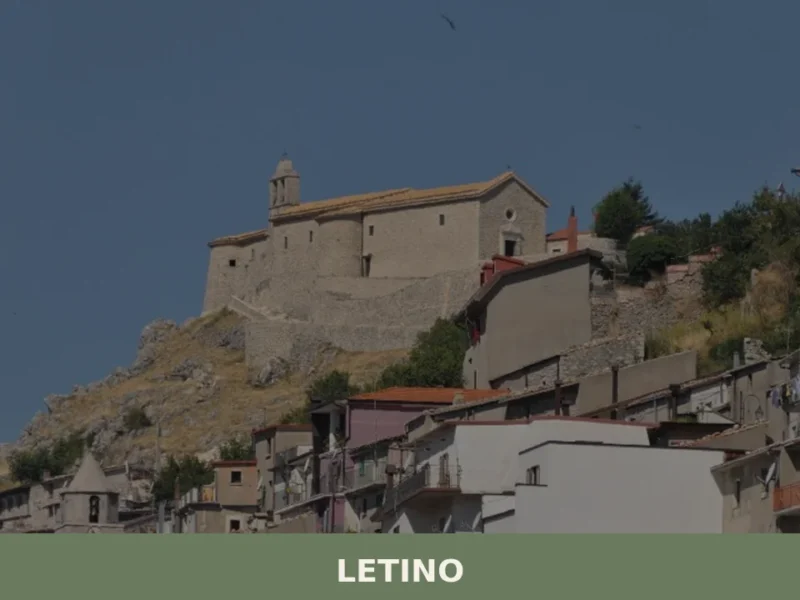
Letino
Explore Letino, a hidden gem village in Campania, Italy. Discover its rich history, stunning mountain scenery, local traditions, and authentic Italian charm.
Caianello
A crossroads village of 1,752 inhabitants in Caserta province, Caianello hides medieval lanes and olive groves above its famous motorway junction.






📝 Incorrect information or updates?
Help us keep the Presenzano page accurate and up to date.