


Caianello
 Hills
Hills
A crossroads village of 1,752 inhabitants in Caserta province, Caianello hides medieval lanes and olive groves above its famous motorway junction.
Discover Caianello
Morning light spills across a road that has carried travellers for millennia. At 236 metres above sea level, the air carries the faint sweetness of olive groves and turned earth. A dog barks near the old church; a woman hangs laundry from a balcony overlooking the autostrada junction below. Caianello — home to just 1,752 residents in the province of Caserta — sits at a crossroads that ancient Romans knew well and modern Italians still navigate daily. Understanding what to see in Caianello means looking past the motorway interchange that made this village’s name familiar, and into the quieter centuries beneath it.
History of Caianello
The name Caianello likely derives from a Latin root — possibly the personal name Caius or Caianius, with the diminutive suffix -ellum, suggesting a small estate or landholding from the Roman period. This is consistent with the broader pattern across Campania, where dozens of villages trace their names to Roman-era praedia, private agricultural properties that survived the Empire’s collapse as nuclei for medieval settlement. The territory sits in the upper Volturno river basin area, a corridor that connected the coast near Campania’s ancient ports to the mountainous interior of the Apennines.
During the medieval period, Caianello fell under the sphere of the Lombard Duchy of Benevento and later the Norman lords who reorganised southern Italy’s feudal structures in the eleventh and twelfth centuries. The village passed through the hands of various baronial families, a common trajectory for small agricultural centres in the Terra di Lavoro — the historical name for the fertile plain surrounding Caserta. The community’s fortunes were tied to the land: grain, olives, and livestock sustained it through centuries of shifting political allegiances, from the Angevins to the Aragonese to the Bourbons.
In the modern era, Caianello gained strategic significance due to its position at the junction of major transport routes. The construction of the Autostrada del Sole in the 1960s placed the village firmly on Italy’s logistical map. Today, the name Caianello appears on highway signs across the country — a curious fame for a village of fewer than two thousand souls, and one that tends to obscure the older, quieter settlement on the hill above the interchange.
What to see in Caianello: 5 must-visit attractions
1. Chiesa Madre (Parish Church)
The main parish church of Caianello anchors the historic centre, its bell tower visible from the surrounding fields. The structure reflects several phases of renovation typical of small southern Italian churches — a Baroque-era façade layered over earlier foundations. Inside, the nave is modest but carefully maintained, with devotional paintings and carved wooden altars that record the faith of generations of local families.
2. The historic centre and old quarter
The upper part of Caianello, clustered around narrow stone lanes and stairways, preserves the compact layout of a medieval hill settlement. Doorways in local limestone, arched passageways between houses, and occasional fragments of older masonry give the quarter a texture that rewards slow, attentive walking. Few tourists pass through here, lending the streets an unperformed authenticity.
3. Remains of the feudal fortifications
Traces of the village’s medieval defences — sections of wall, the foundations of what may have been a baronial tower — can still be identified in the upper village. These are not restored monuments but rather archaeological fragments woven into the fabric of later construction, visible to those who know where to look. They speak to Caianello’s role in the feudal network of the Terra di Lavoro.
4. The rural landscape and olive groves
Surrounding Caianello, the gently sloping terrain supports olive groves and small-scale agriculture that have defined the local economy for centuries. Walking paths lead through cultivated land toward views of the Matese mountains to the north and the Volturno valley. The landscape is working countryside, not manicured parkland — tractors share the roads with walkers.
5. Panoramic views toward Monte Massico and the plain
From elevated points near the historic centre, the view extends south and west across the Campanian plain toward Monte Massico and, on clear days, toward the coast. The patchwork of fields, the ribbon of the autostrada below, and the distant silhouette of volcanic hills compose a panorama that captures the layered geography of this part of Caserta province.
Local food and typical products
The cooking of Caianello belongs to the broader tradition of the Terra di Lavoro: robust, olive-oil-based, centred on seasonal vegetables, dried pasta, and pork. Dishes like pasta e fagioli, sausages seasoned with fennel seed and chilli, and friarielli (broccoli rabe sautéed in garlic and oil) appear on tables throughout the area. Local olive oil, pressed from trees that grow on the surrounding hillsides, is the foundation of most preparations — green-gold, slightly peppery, used generously. The province of Caserta is also known for its mozzarella di bufala, produced in the lowland areas closer to the coast, which reaches Caianello’s tables at peak freshness.
Small family-run trattorie in or near the village serve these dishes without ceremony. Bread is baked in wood-fired ovens; wine comes from local vineyards cultivating Aglianico and Falanghina grapes, varietals that have been grown in Campania since antiquity. During autumn, chestnuts and walnuts from the higher ground supplement the diet. There is no Michelin-starred restaurant here, but what the kitchens of Caianello offer is the unbroken continuity of a culinary tradition shaped by this specific terrain and climate.
Best time to visit Caianello
Spring — from late March through May — brings mild temperatures, wildflowers along the field edges, and the clearest views across the plain before summer haze settles in. Autumn, particularly October and November, is equally rewarding: the olive harvest animates the countryside, the light turns warm and low, and local sagre (food festivals) in surrounding villages celebrate chestnuts, wine, and seasonal produce. Summer can be hot and still, with temperatures regularly exceeding 30°C on the plain. Winter is mild by northern European standards but occasionally damp, with fog in the valleys.
Caianello is not a village that organises itself around tourism, so there is no “season” in the conventional sense. The best approach is to visit as part of a broader exploration of the upper Caserta province, combining the village with day trips to nearby historical sites. A weekday visit, when the rhythms of local life are most visible — the morning market, the midday closure, the evening passeggiata — will give a more truthful impression than a weekend arrival.
How to get to Caianello
Caianello’s position at the junction of the A1 (Autostrada del Sole, connecting Milan to Naples) and the A1dir toward Caserta makes it one of the most accessible small villages in Campania by road. The Caianello exit is well signed and sits approximately 70 kilometres north of Naples and about 40 kilometres northwest of Caserta city.
- By car: From Naples, take the A1 northbound — the journey takes approximately 50 minutes. From Rome, Caianello is roughly 170 kilometres south on the A1, about two hours’ drive.
- By train: The nearest main railway station is at Vairano-Caianello, served by regional trains on the Rome–Naples line. From there, local transport or a short taxi ride reaches the village.
- By air: Naples International Airport (Capodichino) is the closest major airport, approximately 80 kilometres to the south. Rome Fiumicino is a viable alternative for travellers combining a visit with the capital.
More villages to discover in Campania
The upper province of Caserta is rich with small settlements that rarely appear in guidebooks but reward the curious traveller. From Caianello, the landscape transitions toward the Matese mountains to the northeast and the volcanic lowlands to the south — each direction offering a different character of village life. The territory between Caianello and the coast conceals a density of medieval churches, feudal ruins, and agricultural traditions that few international visitors ever encounter.
Consider extending your exploration to Vairano Patenora, a nearby settlement with a well-preserved castle and a deeper layer of medieval architecture, or to Pietramelara, where the old walled centre still retains its original fortified structure above the plain. Both villages share Caianello’s agricultural heritage and offer a complementary perspective on life in this overlooked corner of Campania.
Frequently asked questions about Caianello
When is the patron saint of Caianello celebrated and what is his name?
The patron saint of Caianello is Saint Michael the Archangel, whose feast is celebrated on September 29. This is a tradition deeply rooted in local devotion, shared with many communities in southern Italy that have chosen Archangel Michael as their protector. The date coincides with the universal liturgical feast of Saint Michael, included in the Roman calendar since antiquity.
Which highway exit provides access to Caianello?
Caianello has its own exit on the A1 (Autostrada del Sole), at the junction with the A1dir toward Caserta. The toll booth is indicated on road signs throughout Italy. From Naples the route is approximately 70 kilometers heading north, while from Rome it is approximately 170 kilometers heading south. The nearest railway station is Vairano-Caianello, on the regional Rome–Naples line.
Is it worth stopping in Caianello or is it just a highway rest stop?
Beyond the highway interchange, Caianello preserves a medieval historic center with stone alleyways, remains of ancient feudal fortifications, and a parish church with carved wooden altars. The village is suited to a brief but authentic visit, ideally included in a wider itinerary that includes Vairano Patenora, with its well-preserved medieval castle, or Pietramelara, just a few kilometers away.
Is the territory of Caianello crossed by historical routes or documented trails?
The territory of Caianello lies in the corridor of the upper Volturno valley, a historical axis that connected the Campania coast to the Apennine interior already in Roman times. The Via Latina, an important Roman consular road, crossed this portion of northern Campania. The route of the Via Francigena del Sud runs through bordering areas of the Caserta province, making the area of interest for those studying the historical pilgrimage routes of southern Italy.
Nearby Villages near Caianello
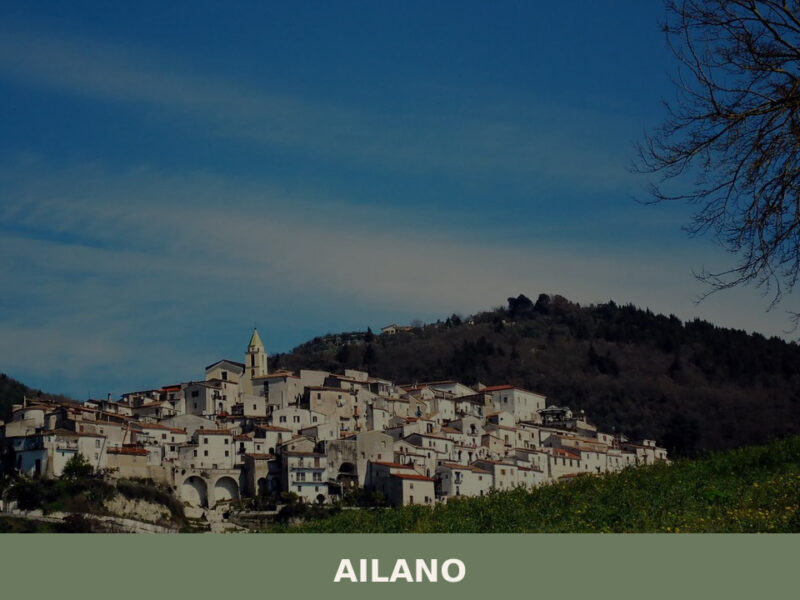
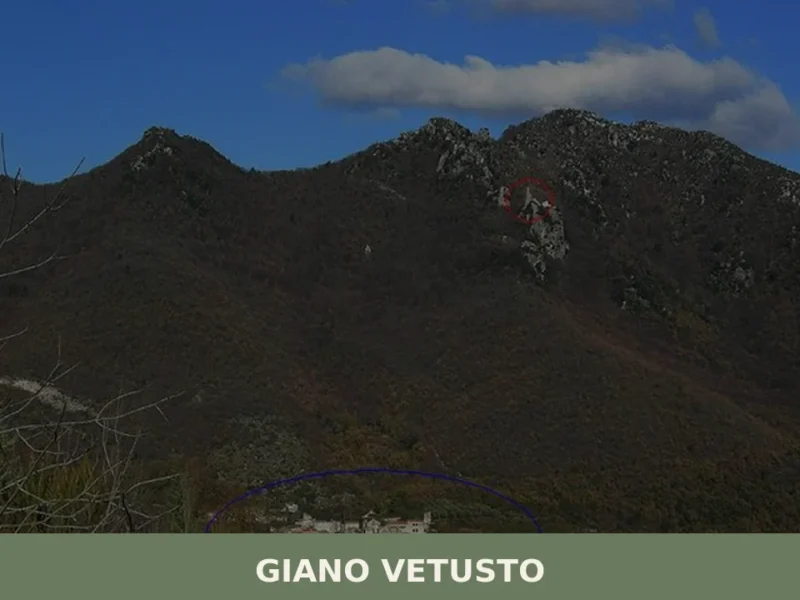
Nearby villages we are mapping:
- Presenzano Campania 📍 8.1 km Coming soon
In Campania More villages to discover
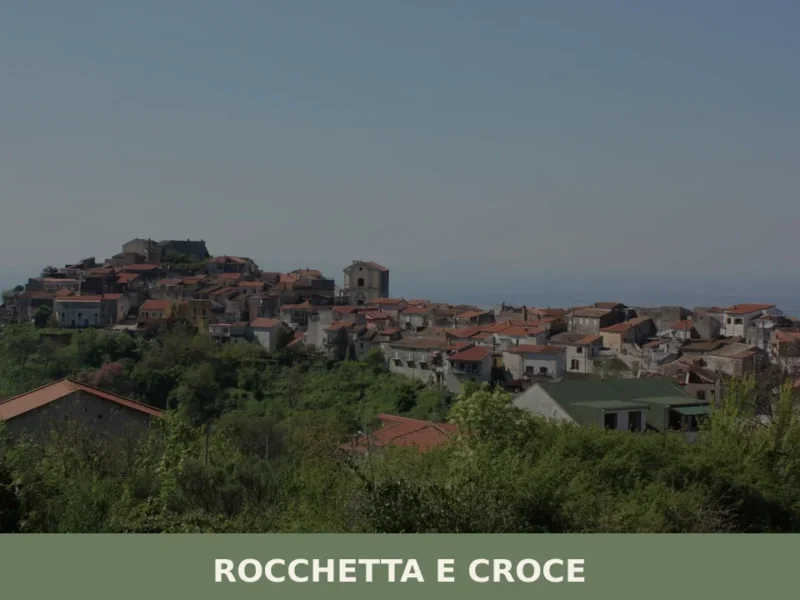
Rocchetta e Croce
Hills
Discover Rocchetta e Croce, a charming village near Caserta. Our guide reveals what to see, must-see attractions, and the history of this Campanian gem.

Torre Annunziata
 Sea
Sea
Nearly 40,000 residents live above the UNESCO-listed ruins of ancient Oplontis. Torre Annunziata offers archaeology, industrial heritage and a black-sand shoreline on the Gulf of Naples.
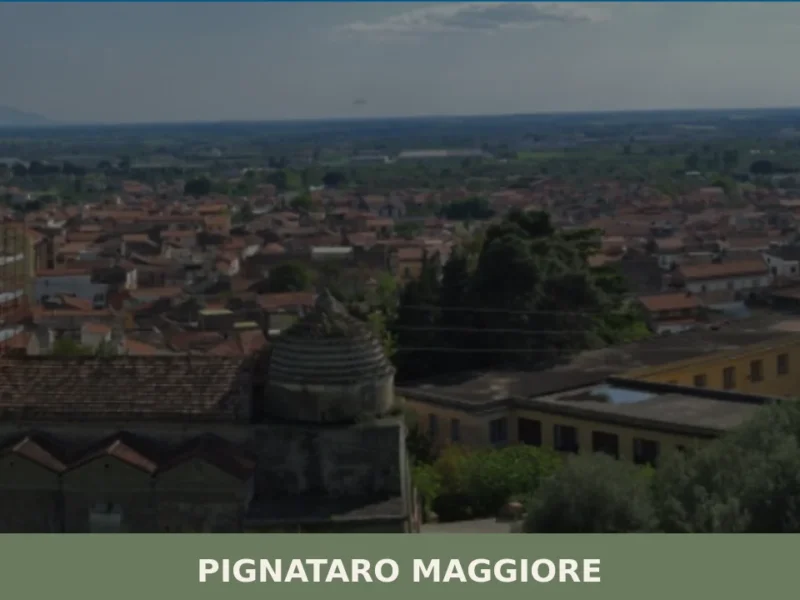
Pignataro Maggiore
 Plains
What to see in Pignataro Maggiore: 5,733 residents, 93m above sea level in Caserta province. Visit San Giorgio Church, historic centre, 'Ndunderi PAT gnocchi. Plan your trip now.
Liberi
Hills
Liberi, a small village in Campania in the province of Caserta: discover its history, monuments and how to plan your visit. Plan your itinerary today.
Arpaise
Hills
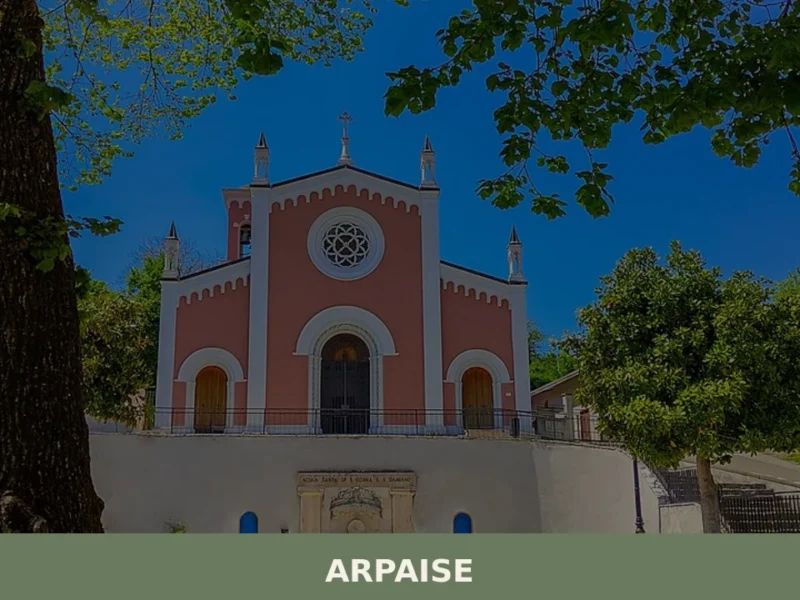
What to see in Arpaise, Italy: Discover this village of 735 inhabitants at 410 m (1,345 ft) altitude. Explore the Parish Church of San Rocco and panoramic views. Read our guide.
Napoli
Sea
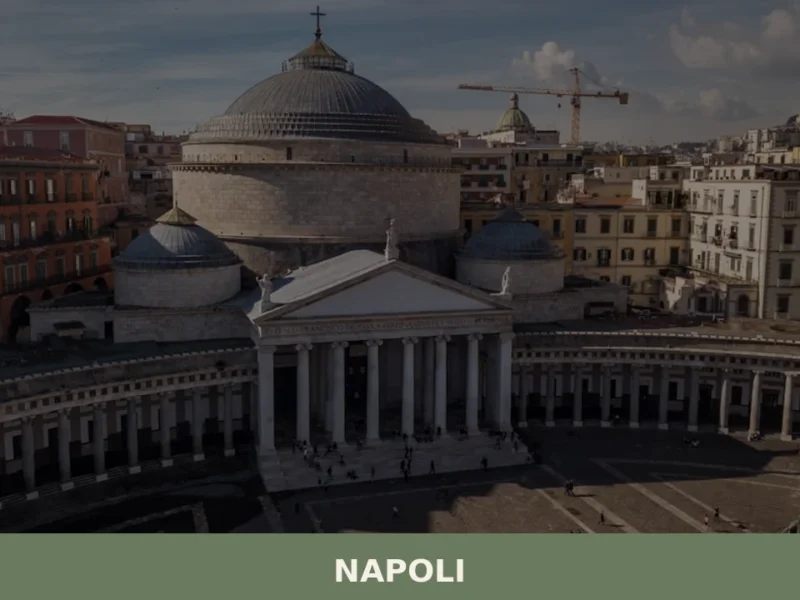
What to see in Napoli: 959,052 residents, UNESCO historic centre and Teatro San Carlo (1737). Discover the National Archaeological Museum, Neapolitan pizza and the 19 September San Gennaro feast.
Acerno
 Mountain
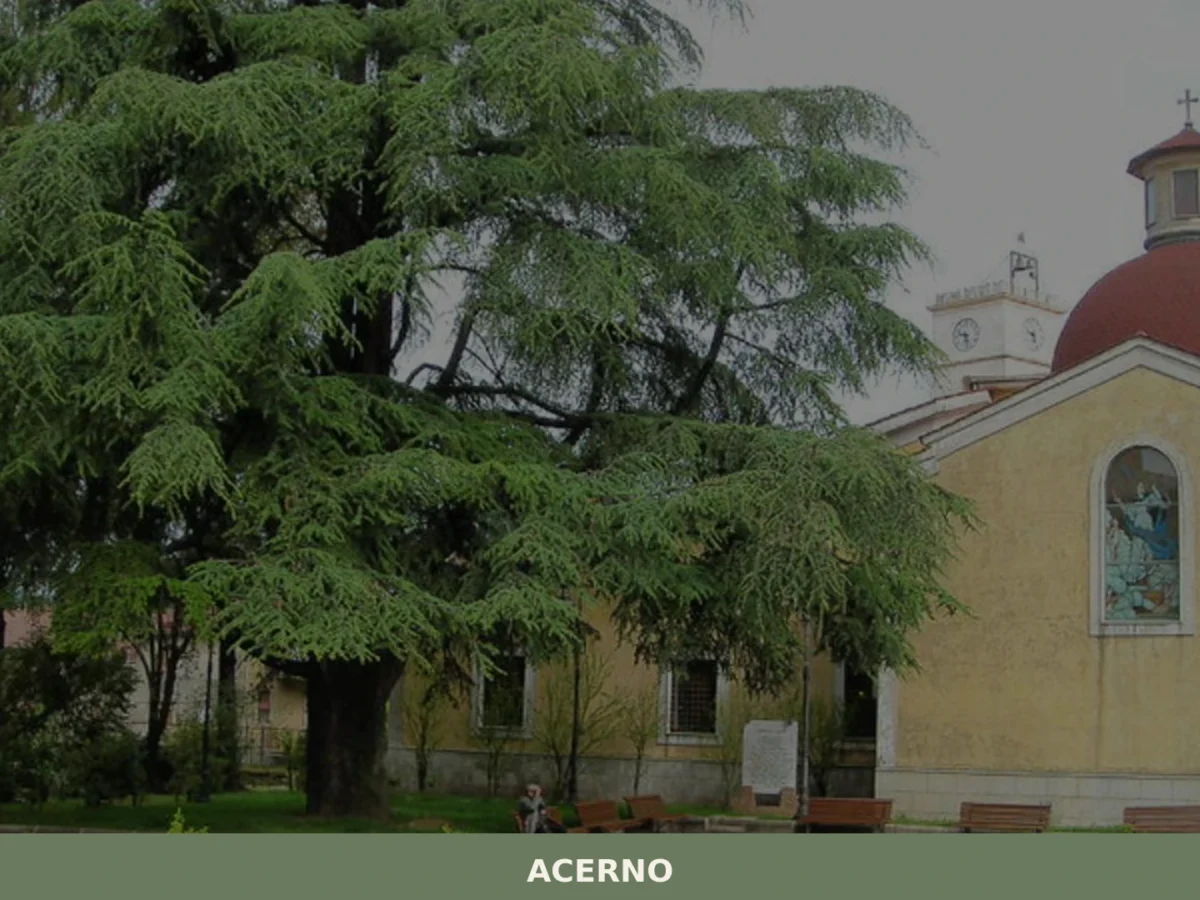
Discover what to see in Acerno, a 2,419-person village in Salerno's Picentini Mountains: medieval cathedral, chestnut forests, and a nine-century diocesan history.
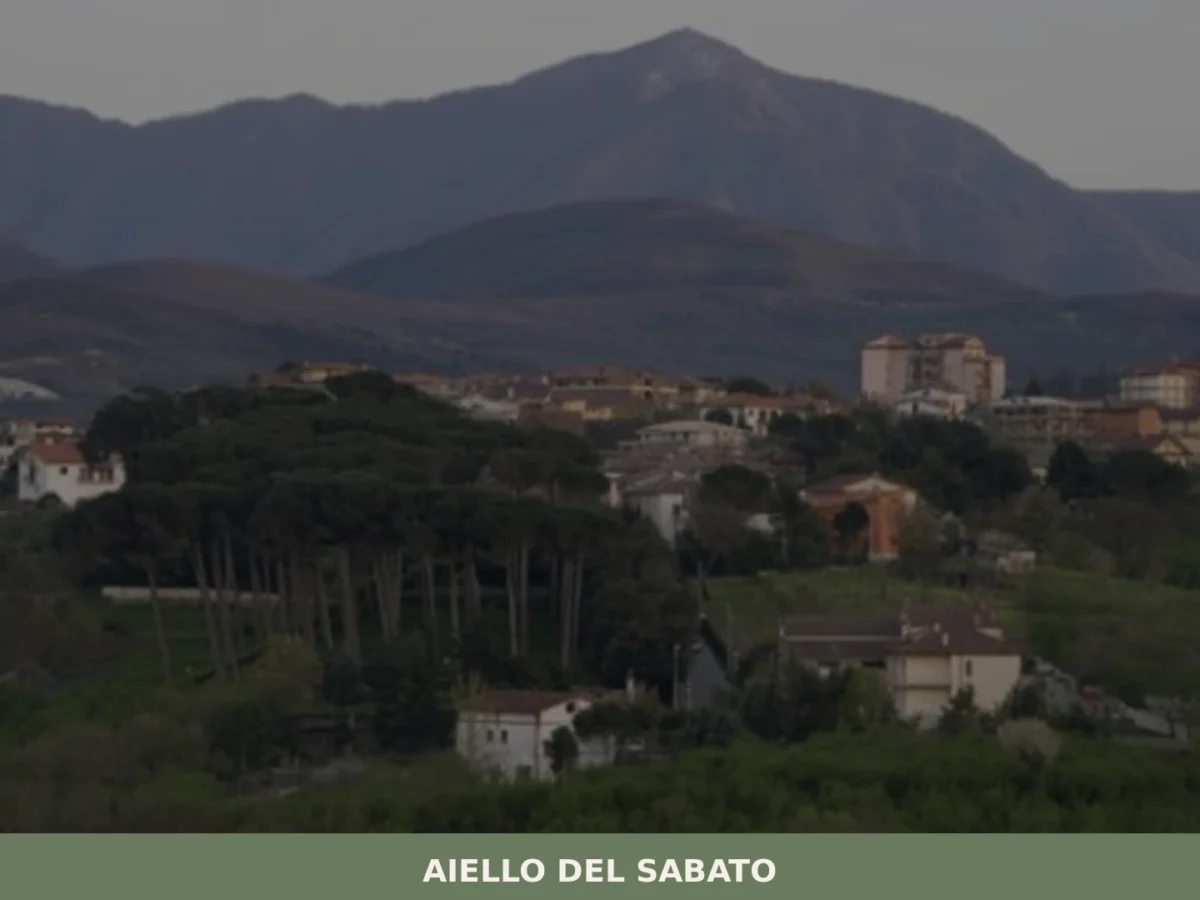
Aiello del Sabato
Hills
What to see in Aiello del Sabato, Italy? Discover this village at 425 m (1,394 ft) altitude. Explore its historic core and learn about its Roman past. Read our guide.

Altavilla Irpina
Mountain
Discover Altavilla Irpina, a hilltop village in Avellino province with medieval churches, ancient stone architecture, and authentic Irpinian food traditions.
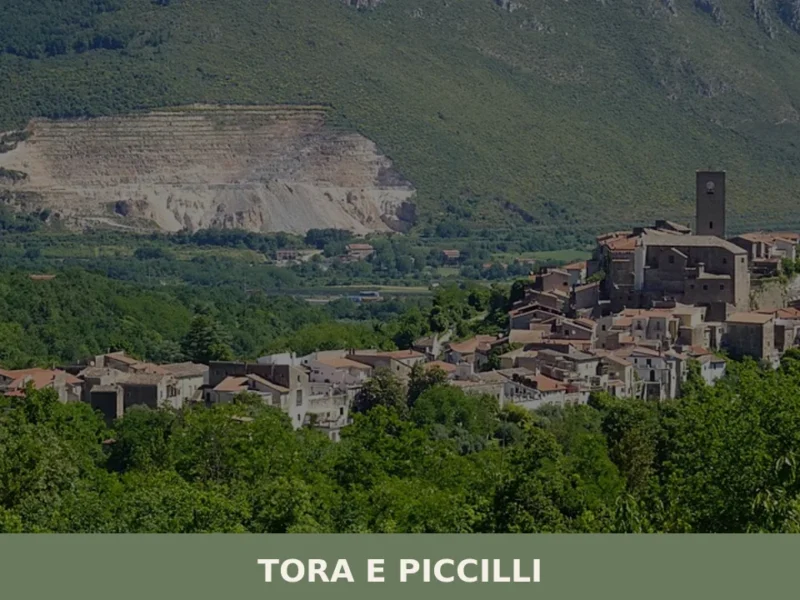
Tora e Piccilli
Hills
What to see in Tora e Piccilli, Italy: discover this Caserta comune at 343 m altitude. Explore its hilly landscape and small-town character. Read our complete guide.



🏡 Know Caianello better than we do?
If you’re a local or have been there, your knowledge matters: add what’s missing or fix a detail on this page.