


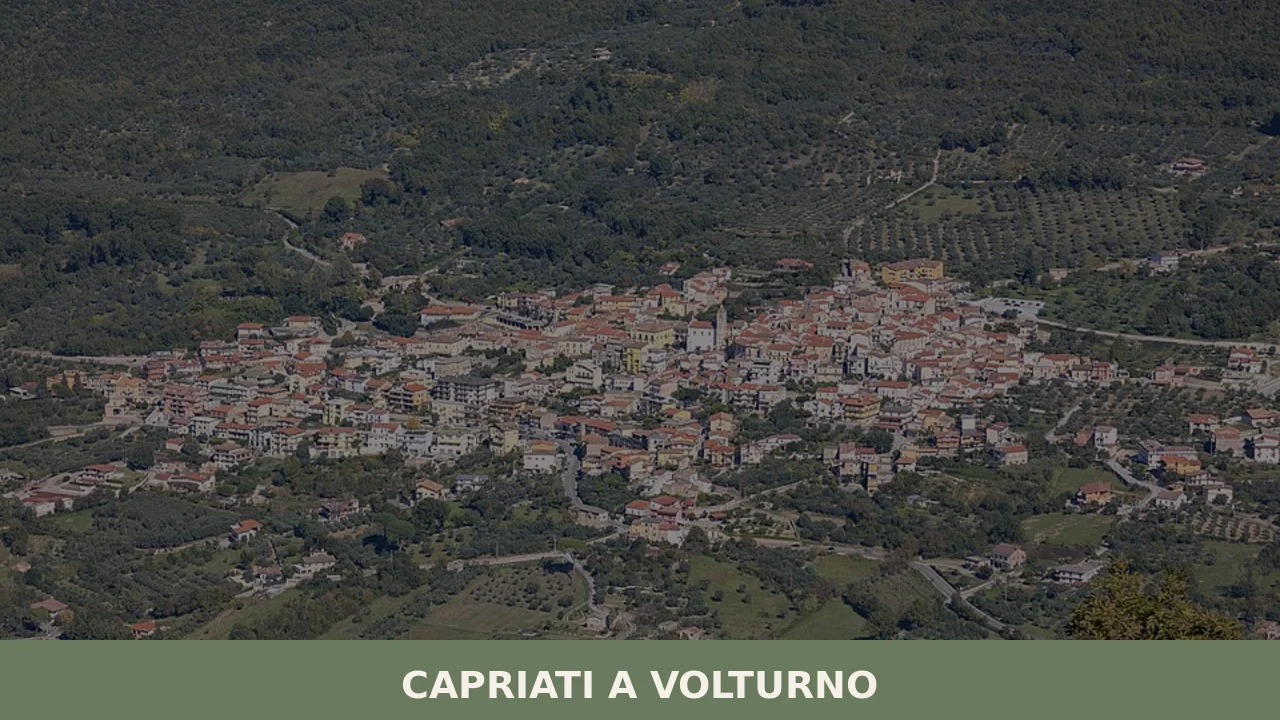
Capriati a Volturno
 Hills
Hills
At 290 metres above sea level, along the right bank of the Volturno, Capriati has a current population of 1,440 residents spread between the historic centre and the hamlets scattered across the valley. The river, which here sweeps through a wide bend before continuing towards the Campanian plain, has shaped the town’s economy and layout […]
Discover Capriati a Volturno
At 290 metres above sea level, along the right bank of the Volturno, Capriati has a current population of 1,440 residents spread between the historic centre and the hamlets scattered across the valley. The river, which here sweeps through a wide bend before continuing towards the Campanian plain, has shaped the town’s economy and layout for centuries. Asking what to see in Capriati a Volturno means exploring a territory where water — from the river, from the karst springs of the Matese — has influenced every settlement decision, from the Samnite era to the post-war reconstruction.
History and origins of Capriati a Volturno
The place name “Capriati” appears in medieval documents in the Latin form Capriatae, probably referring to the goat farming widespread on the slopes of the Matese. Some local historians link the name to the Latin capra, while others trace it to the pre-Roman root kap-, indicating a rocky or elevated place. The first certain written reference dates to the Lombard period, when the territory fell under the jurisdiction of the Gastaldato of Alife, an administrative unit of the Duchy of Benevento. The transition to Norman control in the 12th century led to the reorganisation of the fief and the construction of defensive structures along the Volturno line.
Over the centuries the village passed through the hands of several feudal families — the Pandone, the Gaetani dell’Aquila d’Aragona — following dynamics typical of the baronial South. Its position along the course of the Volturno, a natural transit route between inland Campania and Molise, made Capriati a strategic crossing point rather than an autonomous centre of power. This role as a territorial junction was dramatically confirmed during the Second World War: in the autumn of 1943, the town found itself right behind the Gustav Line, the German defensive belt. Allied bombing caused extensive damage to the built fabric and civilian casualties, marking a sharp break between the old village and the one rebuilt after the war.
The devotion to San Nicola di Bari (Saint Nicholas of Bari), the patron saint celebrated on 16 August — an unusual date compared to the traditional liturgical calendar of 6 December — reflects a local adaptation that ties the religious celebration to the summer period when emigrants return, a phenomenon that has reshaped the municipality’s demographic structure since the post-war years.
What to see in Capriati a Volturno: 5 main attractions
1. Church of San Nicola di Bari
The parish church, dedicated to the patron saint, retains a structure that was extensively reworked after the damage of 1943. The single-nave interior houses a wooden statue of San Nicola carried in procession every 16 August. The façade, in its post-war sobriety, documents the reconstruction that redefined the town centre in the second half of the 20th century.
2. Ruins of the feudal castle
In the upper part of the settlement, the remains of a medieval fortified structure can be identified, dating to the Norman-Swabian period. The surviving perimeter walls, built in local limestone, allow the plan of a modestly sized defensive complex to be recognised, consistent with the site’s role in controlling the Volturno valley.
3. The Volturno and its banks
The stretch of river running alongside the municipal territory represents one of the best-preserved riparian environments of the upper Volturno. Willow and poplar vegetation lines banks that are accessible on foot. In spring and autumn the river attracts sport fishing enthusiasts, while water levels vary considerably between seasons, revealing gravel beds in summer and strong currents in winter.
4. Karst springs on the Matese slopes
The municipal territory extends to the southern foothills of the Matese massif, where karst-origin waters surface and feed watercourses that are tributaries of the Volturno. These resurgences, with a constant temperature of around 10–12 °C, constitute a significant hydrogeological feature and a habitat for freshwater invertebrate fauna studied by the Federico II University of Naples.
5. Historic centre and rural architecture
The houses of the oldest core — those spared by the bombings or rebuilt on pre-existing foundations — feature limestone masonry with monolithic lintels and external staircases in squared blocks. The semi-basement cellars, carved into the tuff bedrock, were used for storing wine and cheese. Some doorway arches bear dates incised between the 18th and 19th centuries, useful for reconstructing the building phases of the village.
Local cuisine and regional products
The cuisine of Capriati a Volturno follows the repertoire of the upper Volturno valley, based on durum wheat and maize. Cavatelli, fresh pasta shaped with the fingers and dressed with a mixed pork-and-veal ragù, are the most common first course on domestic tables. Sagne e fagioli — wide, irregularly cut ribbons of pasta cooked together with local beans — are a winter dish found throughout the Matese area. Pork, traditionally slaughtered between December and January, provides salsicce cured with wild fennel seeds, soppressata, and capicollo. Caciocavallo Silano DOP, also produced in this area from stretched-curd cow’s milk, is the PDO reference cheese for the territory. There is also pecorino del Matese, made by hand with sheep’s milk from flocks that move up to the high pastures in summer. Olio extravergine di oliva Terre Aurunche DOP, obtained from the Sessana cultivar in the surrounding areas, also reaches the tables of Capriati.
Between August and September, the town takes part in the circuit of food festivals and gastronomic events across the Matese area. The patron saint’s feast on 16 August, alongside the procession of San Nicola, includes food stalls selling artisan torrone (nougat) and nocciole (hazelnuts) from the nearby Avellino province. The local bread, baked in wood-fired ovens still active in the hamlets, uses soft wheat flour and has a thick, dark crust. For sweets, pizzelle — thin wafers pressed in patterned irons — and calzoncelli filled with chestnuts and chocolate mark the Christmas period. Wine produced in family vineyards is predominantly Aglianico, with small quantities of Falanghina; some estates in the area fall within the IGT Terre del Volturno designation. The official municipal website periodically publishes the calendar of summer food events.
When to visit Capriati a Volturno: the best time
The climate of the upper Volturno valley is sub-Apennine in character: cold winters with minimum temperatures dropping below zero between December and February, and warm summers tempered by air circulation from the Matese. The most suitable period for a visit runs from mid-April to mid-June, when the riparian vegetation along the Volturno is in full bloom and daytime temperatures stay between 18 and 25 °C. Autumn, from late September to November, offers favourable conditions for hikes towards the karst springs, with stable weather and the changing colours of the beech forests.
Those who want to see the village at its peak of social activity should aim for the week of 16 August, when the feast of San Nicola draws back residents and emigrant families. The number of people present in the centre doubles, houses reopen, and the evening procession passes through the town accompanied by a brass band. In winter Capriati empties out: many houses remain shuttered, commercial services are reduced, and the town takes on a slower rhythm that may appeal to those seeking silence and open spaces, less so to those expecting active hospitality facilities.
How to reach Capriati a Volturno
By car from Naples (approximately 95 km), take the A1 motorway towards Rome and exit at Caianello, then continue on the SS 85 Venafrana in the direction of Venafro. About 30 km from the motorway ramp, turn onto the provincial road leading to Capriati. From Rome the distance is approximately 170 km, again exiting at Caianello. The nearest railway station is Vairano-Caianello, on the Rome–Cassino–Naples line, about 25 km from the village. There are no direct, high-frequency bus connections: a private vehicle is effectively essential. The nearest airport is Naples Capodichino, approximately 110 km away. Rome Fiumicino airport is about 190 km away.
What to see near Capriati a Volturno: other villages in Campania
The Campanian side of the Matese is home to a network of small centres that share the same geological and cultural matrix as Capriati. San Gregorio Matese, reachable in about 40 minutes by car heading up towards Lago del Matese, sits at over 700 metres above sea level and serves as the main gateway to the karst plateau of the massif. The difference in altitude between the two villages — more than 400 metres — translates into a radical change of landscape: from the river valley floor to the highland pastures.
In the opposite direction, heading down towards the motorway, you reach Caianello, a road and rail junction in the province of Caserta. Caianello functions as the logistical gateway to the entire area: anyone arriving by train or motorway necessarily passes through here. The two villages, Capriati and Caianello, are about 25 km apart but belong to very different contexts — one agricultural and mountainous, the other tied to the transit flows of the plain. Visiting both allows you to gauge the internal variety of the province of Caserta, too often reduced in the popular imagination to the Royal Palace alone or the Domizio coastline.
Frequently asked questions about Capriati a Volturno
What is the best time to visit Capriati a Volturno?
The ideal window is mid-April to mid-June, when the Volturno riverbanks are lush and temperatures range between 18–25 °C. Late September to November is excellent for walking towards the karst springs, with stable weather and autumn colours on the Matese beech forests. For village life at its most animated, plan around 16 August, the feast of San Nicola di Bari: emigrants return, the historic centre fills up, and an evening procession with a brass band winds through the streets. Avoid mid-winter if you want open shops and hospitality facilities.
What are the historical origins of Capriati a Volturno?
The village appears in medieval documents as Capriatae, likely derived from the Latin capra (goat), reflecting local farming traditions on the Matese slopes. The first verified reference dates to the Lombard period, when the territory belonged to the Gastaldato of Alife within the Duchy of Benevento. Norman control from the 12th century brought feudal reorganisation and defensive construction along the Volturno. Later feudal lords included the Pandone and Gaetani dell'Aquila d'Aragona families. In autumn 1943 the village suffered heavy Allied bombing as it sat directly behind the German Gustav Line.
What to see in Capriati a Volturno? Main monuments and landmarks
The Church of San Nicola di Bari, rebuilt after 1943 bombing, houses a wooden statue of the patron saint carried in procession on 16 August — the single most important sight in the village. In the upper part of the settlement, the ruins of a Norman-Swabian feudal castle survive in local limestone, readable as a small defensive complex that once controlled the Volturno valley. The oldest houses in the historic centre display carved limestone doorways with dates from the 18th and 19th centuries, and semi-basement cellars cut into tuff bedrock. Access to all is free and outdoors.
What are the main natural attractions of Capriati a Volturno?
Two distinct natural environments stand out. The upper Volturno riverbanks within the municipal territory form one of the best-preserved riparian habitats in the area, lined with willows and poplars and accessible on foot; the river is popular for sport fishing in spring and autumn. On the southern foothills of the Matese massif, karst springs emerge at a constant 10–12 °C, feeding Volturno tributaries and sustaining freshwater invertebrate habitats studied by the Federico II University of Naples. The change in altitude between the valley floor and the Matese plateau — over 400 metres — offers varied landscape within a short drive.
Where to take the best photos in Capriati a Volturno?
The wide river bend where the Volturno curves through municipal territory is the most photogenic natural scene, best captured from the accessible footpaths along the banks in spring when vegetation is at its greenest. The upper part of the historic centre, near the castle ruins, offers elevated views over the valley. For architecture, the carved limestone doorways and external staircases of the oldest houses reward close-up photography, especially in the morning light. During the feast of 16 August, the evening procession of San Nicola through the village streets provides vivid documentary images.
Are there churches or historic buildings to visit in Capriati a Volturno?
The main religious building is the parish Church of San Nicola di Bari, with a sober post-war façade and a single-nave interior containing the wooden statue of the patron saint. The feudal castle ruins in the upper village are the principal historic structure; surviving perimeter walls in local limestone allow the original layout to be read. The oldest residential buildings in the historic core — some with doorway arches inscribed between the 18th and 19th centuries — complete the architectural picture. No museums with fixed opening hours have been documented for the village.
What can you do in Capriati a Volturno? Activities and experiences
Walking along the Volturno banks is the most accessible outdoor activity, with clearly defined footpaths suitable for all fitness levels. Sport fishing is popular on the upper Volturno stretch in spring and autumn. Heading uphill towards the Matese foothills allows exploration of karst springs and, further on, the plateau around Lago del Matese reachable in about 40 minutes by car via San Gregorio Matese. In August the patron saint's feast offers a direct experience of southern Italian village tradition. Between August and September, food festivals across the Matese area provide opportunities to taste local products.
Who is Capriati a Volturno suitable for? Families, couples, hikers, solo travellers?
Capriati a Volturno suits visitors who value quiet, authentic southern Italian village life over organised tourism infrastructure. Nature lovers and hikers find rewards in the Volturno riverbanks and the proximity to the Matese massif. Couples seeking an off-the-beaten-path Campanian destination will appreciate the unspoiled landscape and local food culture. Families with children can enjoy easy riverside walks. It is less suited to travellers expecting museums, regular guided tours or a wide range of restaurants — a private vehicle is essential, and services are limited outside the August peak. Cultural tourists interested in medieval and wartime history will find genuine, unpolished material.
What to eat in Capriati a Volturno? Local products and specialties
The table in Capriati follows the upper Volturno valley tradition. Cavatelli with mixed pork-and-veal ragù and sagne e fagioli (ribbon pasta with local beans) are the key first courses. Pork charcuterie — salsicce with wild fennel, soppressata, capicollo — is produced from December to January. The reference PDO cheese is Caciocavallo Silano DOP; local pecorino del Matese, hand-made from sheep's milk, is also produced here. Extra-virgin olive oil falls under the Terre Aurunche DOP designation. Family vineyards produce predominantly Aglianico, with some estates within the IGT Terre del Volturno. Artisan torrone and local hazelnuts appear at the August feast stalls.
Nearby Villages near Capriati a Volturno
In Campania More villages to discover
Valle Agricola
 Mountain
Valle Agricola, a municipality of 960 inhabitants in the province of Caserta, rises to 691 meters above sea level, representing a mountain settlement within the Matese Massif. Its geographical position, between peaks and valleys, has for centuries determined the social and economic dynamics of the place, oriented towards livestock farming and subsistence agriculture. For those […]
San Pietro Infine
 Plains
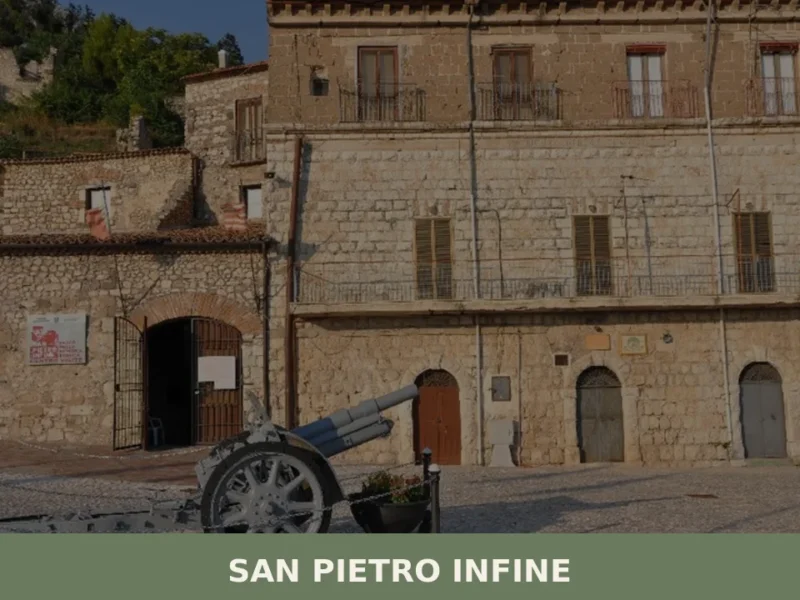
In December 1943, San Pietro Infine was the scene of one of the bloodiest battles of the Italian Campaign, an event that saw the town almost completely razed to the ground and subsequently rebuilt. This historical memory deeply defines the identity of the village, located 140 meters above sea level in the province of Caserta, […]
Tora e Piccilli
Hills
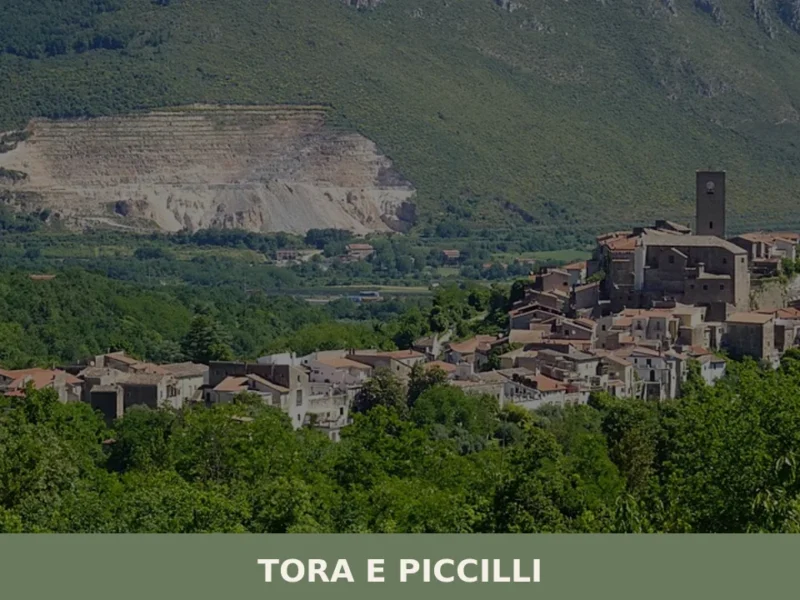
What to see in Tora e Piccilli, Italy: discover this Caserta comune at 343 m altitude. Explore its hilly landscape and small-town character. Read our complete guide.
Salerno
 Sea
Sea
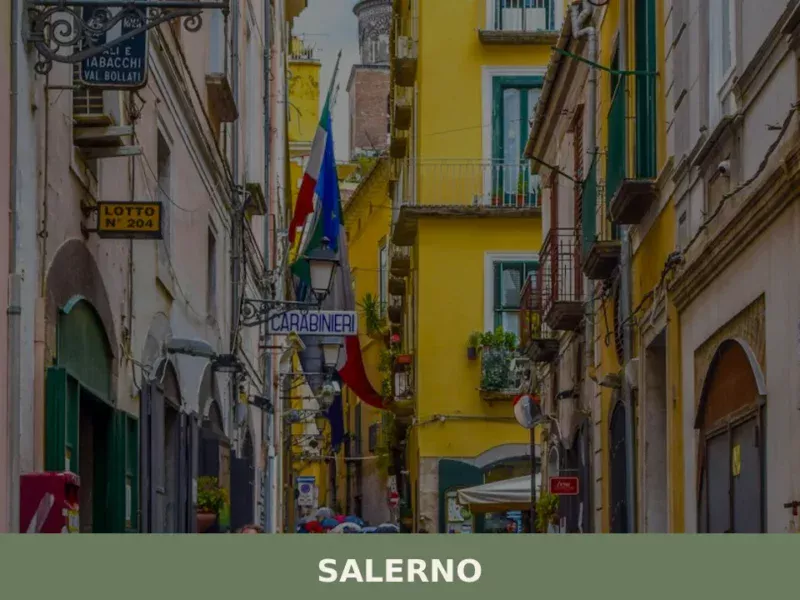
Discover Salerno, Italy, a charming coastal city in Campania. Explore its rich history, stunning cathedral, vibrant old town, and beautiful Mediterranean views. Plan your visit!
Raviscanina
Hills
what to see in raviscanina, Italy: Explore this village at 358 m a.s.l. Discover ancient castle ruins and local traditions. Read more.
Castel di Sasso
Hills
Castel di Sasso, a small municipality in the province of Caserta with 1,051 inhabitants, has historical roots documented since the 10th century, when it was already attested as a fortified settlement in the fertile Terra di Lavoro. At 200 meters above sea level, the village developed on the Caserta plain, a location that influenced both […]
Camigliano
Plains
Morning light flattens across the plain north of Caserta, and Camigliano emerges low and unhurried — a grid of stone and plaster houses, church bells marking the quarter-hour to no one in particular. With fewer than two thousand residents, this is a settlement shaped more by agriculture than spectacle. Yet for those asking what to […]
Castel Campagnano
Plains
Standing at fifty-eight metres above sea level along the left bank of the Volturno, Castel Campagnano has a current population of 1,458, spread between the historic centre and the hamlets scattered across the alluvial plain. The municipality, in the province of Caserta, retains an urban layout that still follows the plan of the fortified medieval […]

Castellammare di Stabia
Sea
Castellammare di Stabia offers over 2,800 years of layered history, from buried Roman villas to Bourbon royal palaces, all framed by the Gulf of Naples.
Afragola
Plains
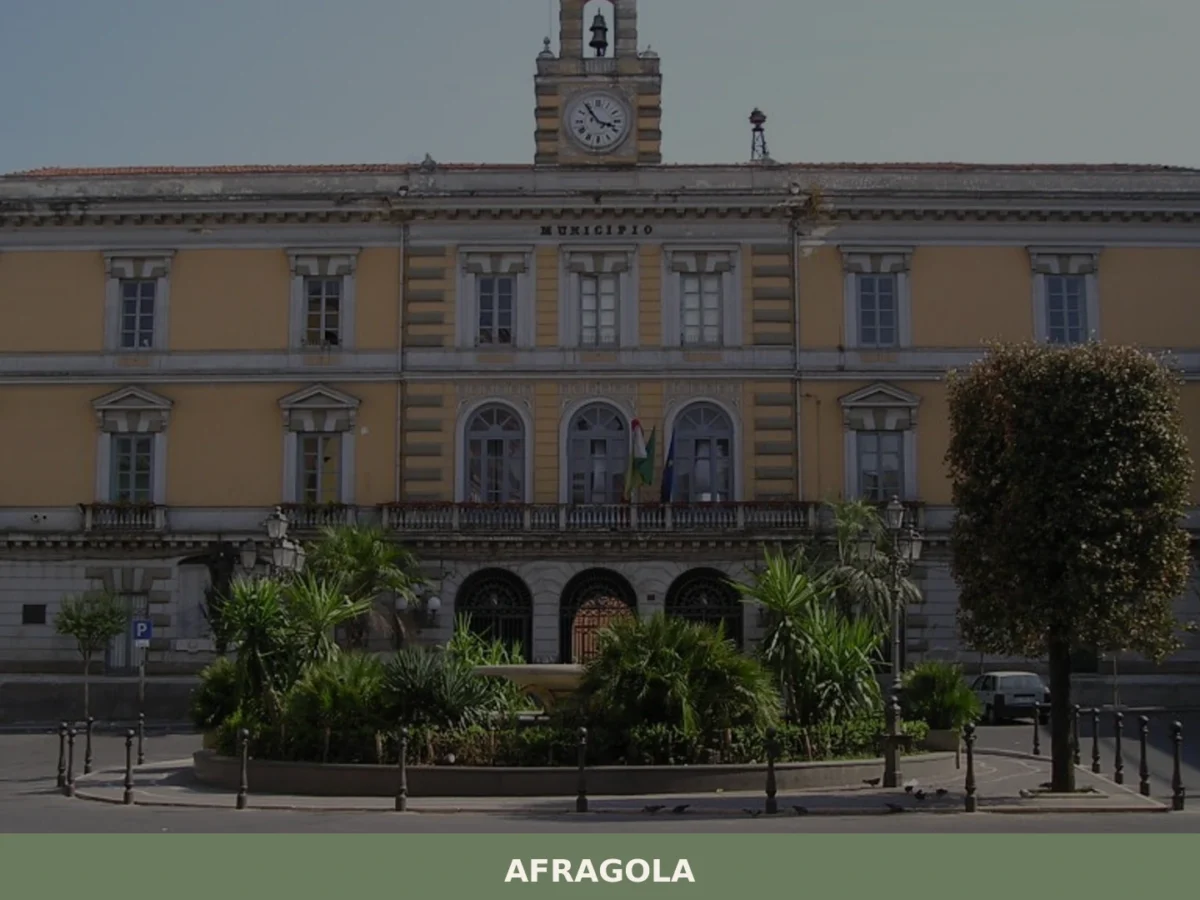
Discover what to see in Afragola, Campania: Zaha Hadid's station, Baroque churches, local food, and practical travel tips for this Naples hinterland town.



🏡 Know Capriati a Volturno better than we do?
If you’re a local or have been there, your knowledge matters: add what’s missing or fix a detail on this page.