


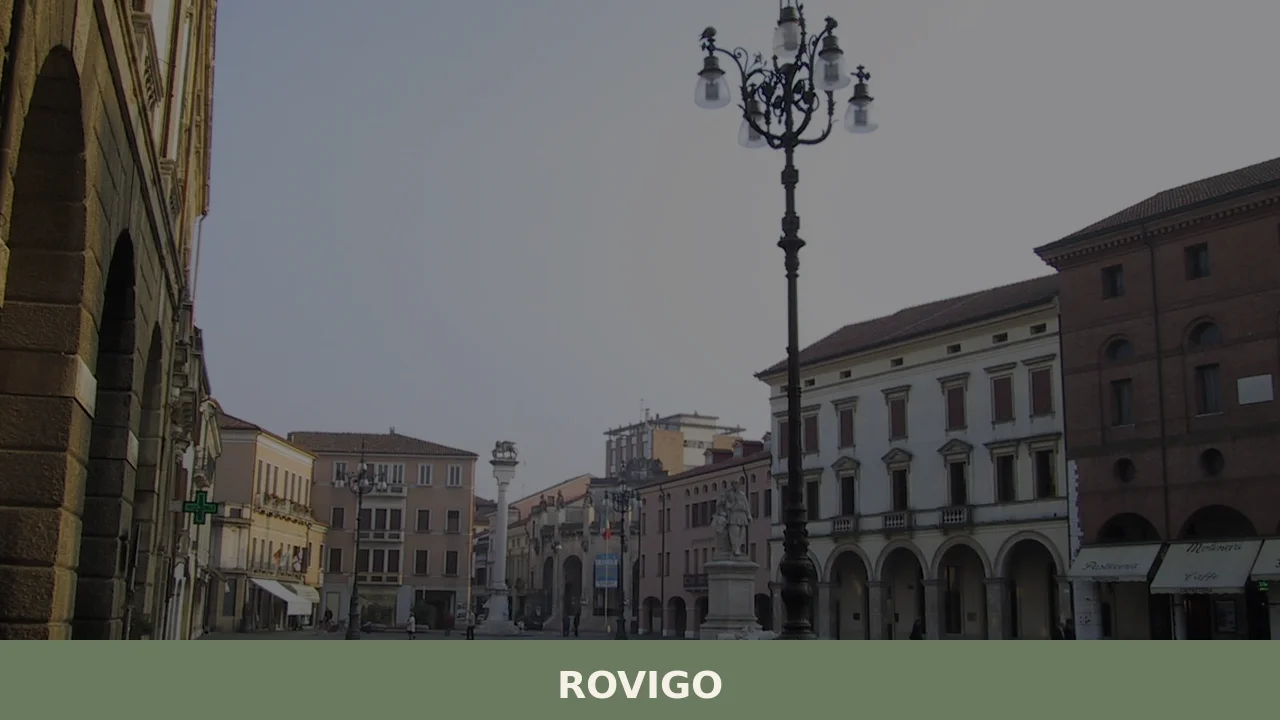
Rovigo
what to see in rovigo? Discover 5 top attractions in this city of 50,000 residents, from Rovigo Castle to La Rotonda. Explore the Polesine region.
Discover Rovigo
The city of Rovigo, capital of the eponymous Venetian province, has its historical roots in the Middle Ages, with the first documented mentions dating back to 838 AD, when the name “Rhodigium” appeared in a document from Ravenna.
A crucial event for its fortification was the construction of a castle in the year 920 at the behest of Bishop Paolo of Adria, a defensive work erected to protect the territory from Hungarian incursions.
Today, those wondering what to see in Rovigo will discover a city that, despite being only 7 m above sea level and belonging to the category of lowland villages, offers a significant cultural and artistic heritage, testament to the different dominations and influences that have shaped it over the centuries.
History and Origins of Rovigo
The name Rovigo, first attested in the 9th century, has an etymology that remains a subject of study, although some theories link it to Germanic or Latin terms referring to the rose, an element present in the city’s coat of arms.
Its strategic position, in the heart of Polesine and close to important waterways like the Po and Adige rivers, determined its development and importance from its origins.
The founding of the castle in 920 AD marked the beginning of a consolidation phase for the community, transforming an agricultural settlement into a significant defensive center for the Diocese of Adria.
During the 12th century, Rovigo came under the control of the Este family, who made it a crucial point of their lordship, endowing it with new fortifications and promoting its urban development.
This Este phase lasted until 1482, the year in which the city was conquered by the Republic of Venice during the War of Ferrara, also known as the Salt War.
Under Venetian rule, which lasted for over three centuries, Rovigo experienced a period of remarkable flourishing, becoming an important agricultural and commercial center, and enriching itself with palaces, churches, and works of art that still characterize its appearance today.
With the fall of the Republic of Venice in 1797 and its subsequent transition under Napoleonic control, the city experienced an era of profound administrative and social transformations.
After the Congress of Vienna in 1815, Rovigo was annexed to the Lombardy-Venetia Kingdom, under Austrian rule, until its annexation to the Kingdom of Italy in 1866.
During the Risorgimento, the city was a center of patriotic fervor, contributing to the cause of national unity.
Its evolution up to the modern age has seen it consolidate as a provincial capital, maintaining a strong link with its agricultural and fluvial past, a context similar to that of Bevilacqua, also in Veneto and with a history tied to important noble families and fortifications.
What to see in Rovigo: main attractions
Donà Tower
The Donà Tower is the most recognizable and ancient element of the Rovigo Castle complex, a defensive structure erected in the 10th century by Bishop Paolo di Adria.
This tower, one of the tallest medieval brick towers in Italy, reaches a height of approximately 66 meters and offers tangible proof of the military power and engineering of the era.
Its primary function was reconnaissance and defense, dominating the surrounding plain and monitoring the crucial waterways for territorial control.
Built with exposed bricks, the tower features a massive and imposing structure, with few openings that accentuate its fortified character.
Today, the Donà Tower is open to visitors and allows one to understand the defensive evolution of the city.
Climbing its steps, it is possible to observe the medieval construction technique up close and, from the top, enjoy a wide view of Rovigo’s historic center and the Polesine countryside.
At the foot of the tower lie the remains of the ancient walls and other castle structures, which have undergone various modifications and enlargements over the centuries.
The visit offers a glimpse into the military and civil life of the village, revealing how the fortification was integrated into the urban fabric and the daily life of the community.
Roverella Palace
Roverella Palace is a building of great architectural value, located in the heart of Rovigo and dating back to the 15th century.
It was commissioned by Cardinal Bartolomeo Roverella and represents a significant example of Venetian Renaissance architecture, although it has undergone modifications and restorations over the centuries.
The main facade, overlooking Piazza Vittorio Emanuele II, is characterized by decorative elements and a harmonious distribution of windows, reflecting the aesthetic taste of the era.
The interior of the palace preserves rooms of particular interest, with frescoed ceilings and details that narrate the history of the noble family who inhabited it.
Currently, Roverella Palace is an important cultural center for the city of Rovigo, regularly hosting art exhibitions of national and international importance.
Its redevelopment has allowed for the enhancement not only of the historic structure but also for offering a dynamic space for the promotion of art and culture.
A visit to the exhibition spaces offers the opportunity to admire the internal architecture and immerse oneself in the temporary collections, which range from ancient to contemporary art.
For information on opening hours and the exhibition calendar, it is advisable to consult the official website of the palace, ensuring an up-to-date and complete experience for those wishing to discover what to see in Rovigo.
Temple of the Blessed Virgin of Succour (La Rotonda)
The Temple of the Blessed Virgin of Succour, more commonly known as “La Rotonda” due to its distinctive circular plan, is one of Rovigo’s most distinctive sacred buildings.
Its construction began in 1594 based on a design by architect Francesco Zamberlan and continued for several decades, with subsequent completions and embellishments.
The building stands out for its central plan, surmounted by a dome, making it a remarkable example of Venetian Baroque architecture.
The exterior is characterized by a portico that surrounds the entire structure, while the interior is a single, spacious circular area.
The interior of the Temple is richly decorated with frescoes and altarpieces created by prominent Venetian artists of the 17th and 18th centuries, including notable works by Palma il Giovane and Andrea Celesti.
These paintings narrate episodes from the life of the Virgin and the saints, contributing to the creation of an atmosphere of profound spirituality and artistic beauty. At the center of the main altar is the revered image of the Blessed Virgin of Succour, an object of devotion for the local community.
La Rotonda is not only a place of worship but also a true art museum, where visitors can appreciate the richness of its artistic heritage and the uniqueness of its architecture.
Cathedral of Saint Stephen Pope and Martyr
The Cathedral of Saint Stephen Pope and Martyr is Rovigo’s main church and the seat of the Diocese of Adria-Rovigo.
Its history is complex, marked by various reconstructions and modifications that have shaped the building’s current appearance.
Its origins date back to an early Christian church, but the current structure is the result of renovations carried out mainly between the 17th and 18th centuries, with a significant rebuilding effort begun in 1696 based on a design by architect Giovanni Battista Meduna.
The neoclassical facade is sober and elegant, characterized by a central portal and a bell tower rising laterally.
Inside, the Cathedral features a Latin cross plan with three naves, separated by pillars supporting the vaults.
The side chapels house works of art of considerable value,
Tra le opere più significative si possono ammirare tele di Mattia Bortoloni e Giovanni Battista Piazzetta, che arricchiscono l’ambiente con la loro espressività barocca.
La visita al Duomo offre l’occasione di riflettere sulla profonda fede della comunità e di apprezzare l’evoluzione dell’arte sacra nel Polesine.
Per chi si chiede ancora what to see in Rovigo, the Duomo offers a context of primary historical and religious artistic importance.
Museum of the Great Rivers
The Museum of the Great Rivers is located in the former Olivetan Monastery, an architectural complex of great historical and artistic interest dating back to the 15th century, which alone would be worth a visit.
The museum is dedicated to the history and culture of the Polesine, a territory profoundly influenced by the presence of the Po and Adige rivers, which have shaped its landscape, economy, and traditions.
The exhibition is divided into several thematic sections that retrace the evolution of the territory, from prehistory to the modern age, through archaeological finds, working tools, documents, and reconstructions.
The museum’s halls illustrate the relationship between humans and the river environment, land reclamation techniques, agriculture, and navigation – elements that have characterized the lives of the Polesine populations.
Particular attention is dedicated to the Paleo-Venetian and Roman civilizations, with exhibitions of artifacts found in local archaeological excavations.
The museum itinerary is designed to be educational and engaging, suitable for visitors of all ages who wish to deepen their knowledge of this unique geographical area.
The Museum of the Great Rivers represents an essential stop for understanding the identity of Rovigo and its territorial context.
Typical cuisine and products of Rovigo
The cuisine of Rovigo and the Polesine region reflects the characteristics of a flat territory, influenced by the presence of rivers and proximity to the sea, as well as by a consolidated agricultural tradition.
Local raw materials, such as rice, fruit and vegetables, freshwater and lagoon fish, and farmed meats, form the basis of a rich and flavorful gastronomy.
The area’s culinary tradition has developed dishes that enhance these simple but genuine ingredients, with recipes handed down from generation to generation, often combining flavors of land and water.
Among the typical dishes, risottos stand out, prepared with local ingredients.
For example, the Polesine risotto can be enriched with river fish or seasonal vegetables, while frog risotto is a classic of peasant cuisine.
Another distinctive element is eel, caught in the valleys and lagoons of the Po Delta, cooked in various ways: grilled eel, simple and tasty, or stewed eel, often accompanied by polenta.
Seafood, such as stewed bosega (mullet), is also present on tables, given the proximity to the coast.
The local cured meats, although lacking specific certifications, are produced according to ancient pork butchery techniques, as can also be found in San Mauro di Saline, where the pork butchery tradition is equally rooted.
Regarding typical products, although there are no PDO, PGI, or PAT certifications listed in the database for this area, local gastronomy is based on fresh, seasonal ingredients from the Polesine territory.
These include vegetables such as garlic, pumpkin, and various types of radicchio, which are used in many traditional recipes.
Cereal production, particularly rice, is a pillar of local agriculture, essential for preparing the numerous risottos that characterize Rovigo’s cuisine.
The quality of local raw materials is guaranteed by the area’s agricultural producers.
To conclude the meal, one can enjoy traditional desserts.
The pinza, a rustic cake made with corn flour, dried fruit, and figs, is typical of the Christmas period but also appreciated on other occasions.
Other simple desserts, often linked to festivities or family traditions, complete the gastronomic offer.
Weekly markets and local food shops offer the opportunity to purchase these products, allowing visitors to take home a taste of Polesine cuisine.
Festivals, events, and traditions of Rovigo
Rovigo’s calendar of traditions is marked by events that reflect the community’s history and religiosity.
The most significant festival is dedicated to the Patron Saint, Saint Bellinus of Padua, celebrated annually on November 26th.
This observance is deeply felt by the population and includes religious celebrations, such as solemn masses and processions, involving the city’s parishes.
The events take place to honor the holy bishop, whose figure is deeply connected to the spiritual history of the Polesine, and represent a moment of gathering and expression of local devotion.
In addition to the patron saint celebrations, Rovigo and its surroundings host various events throughout the year that highlight local traditions.
Fairs and markets are often organized, showcasing agricultural and artisanal products, offering visitors the opportunity to discover the territory’s excellences.
Although there are no specific gastronomic festivals documented as main events, food and wine culture is always present during festive occasions.
Participation in these events allows one to fully experience the city’s atmosphere and connect with its customs, contributing to an authentic experience for anyone visiting the area.
When to visit Rovigo and how to get there
The best time to visit Rovigo is spring (April-June) and autumn (September-October), when temperatures are mild and the climate is ideal for walking and visiting outdoor attractions.
During these months, the Po Delta plain offers evocative landscapes and the days are generally sunny, allowing you to fully enjoy the city’s beauty without the excessive summer heat or winter cold. During summer, temperatures can be high, but the city remains lively with evening events and cultural activities.
Rovigo is well-connected and easily accessible from various locations.
Those arriving by car can use the A13 motorway (Bologna-Padua), taking the specific exit for Rovigo, which is just a few kilometers from the city center.
For those who prefer the train, Rovigo railway station is an important hub, located on the Padua-Bologna and Verona-Chioggia lines, with frequent connections to the main cities of Veneto and Emilia-Romagna.
You can check timetables and purchase tickets on the Trenitalia website.
Furthermore, those visiting Rovigo can extend their itinerary to Roveredo di Guà, which shares the same region and can be an interesting stop for a tour of Veneto.
Regarding air connections, the closest airports are Venice Marco Polo Airport (VCE), about 70 km away, and Bologna Guglielmo Marconi Airport (BLQ), about 80 km away.
Both offer national and international connections and are reachable from Rovigo via shuttle bus services or car rental.
From Venice, the estimated travel time by car is about one hour, while from Bologna it’s about one hour and ten minutes, depending on traffic conditions.
It is recommended to check connections and timetables on the official airport websites, such as Venice Marco Polo Airport, to best organize your trip.
Those looking for a complete experience can combine a visit to Rovigo with an excursion to Velo Veronese, located in a mountainous setting within the same region.
| Starting point | Distance | Estimated time |
|---|---|---|
| Padua | 40 km | 40 minutes |
| Venice | 70 km | 1 hour |
| Bologna | 80 km | 1 hour and 10 minutes |
Where to stay in Rovigo
Rovigo offers various accommodation solutions, suitable for different needs and budgets, allowing visitors to choose the most suitable option for their stay.
In the historic center and its immediate vicinity, you can find hotels of various categories, from more modern structures to hotels with a traditional atmosphere, often located in buildings that reflect local architecture.
These accommodations allow you to reach the city’s main attractions on foot, facilitating the exploration of its cultural and artistic heritage.
In addition to hotels, bed & breakfasts and guesthouses are also available, offering a more intimate and personalized welcome, ideal for those seeking an experience closer to the local reality.
In the areas surrounding the city, you can find agriturismi (farm stays) that offer a stay immersed in the tranquility of the Po Delta countryside, often with the possibility of tasting typical zero-kilometer products.
It is advisable to consult tourist portals or the official website of the Municipality of Rovigo for an updated list of accommodation facilities and for reservations.
Photo Gallery of Rovigo
Do you have photos of Rovigo?
Share your photos of the village: the best ones will be added to the official gallery, with your credit.
Send your photosIn Veneto More villages to discover
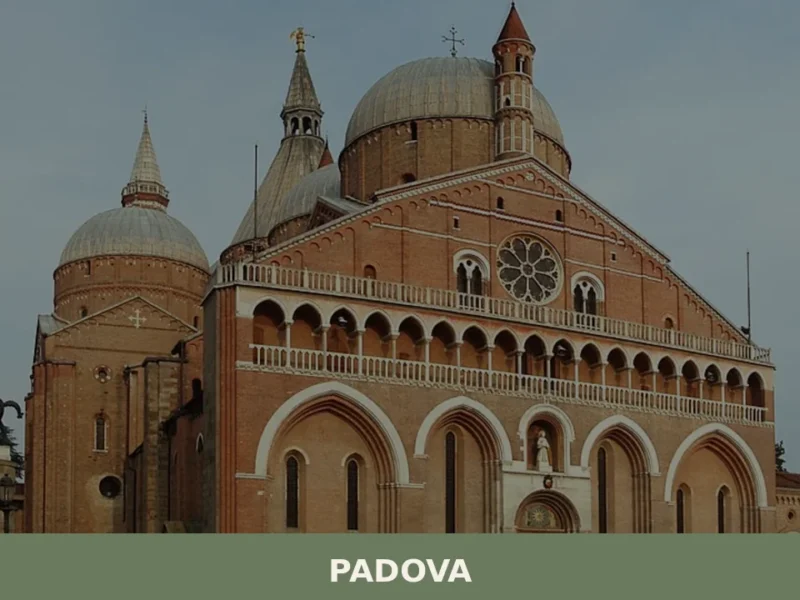
Padova
Padova, Italy: Explore 1 historic university city. Discover Giotto's frescoes at Scrovegni Chapel & the vast Prato della Valle. Plan your trip now!
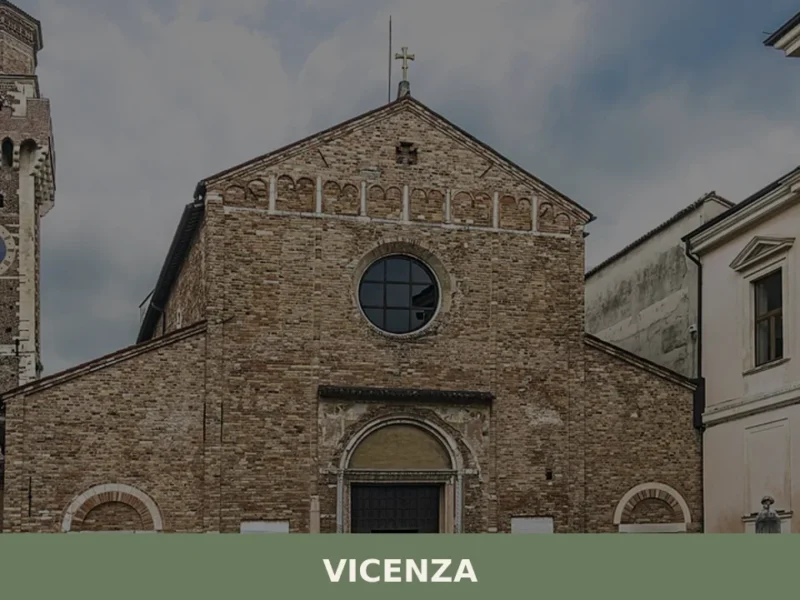
Vicenza
Village of Vicenza: Explore 1 architectural masterpiece, the Olympic Theatre, and taste traditional baccalà. Plan your Italy trip now!
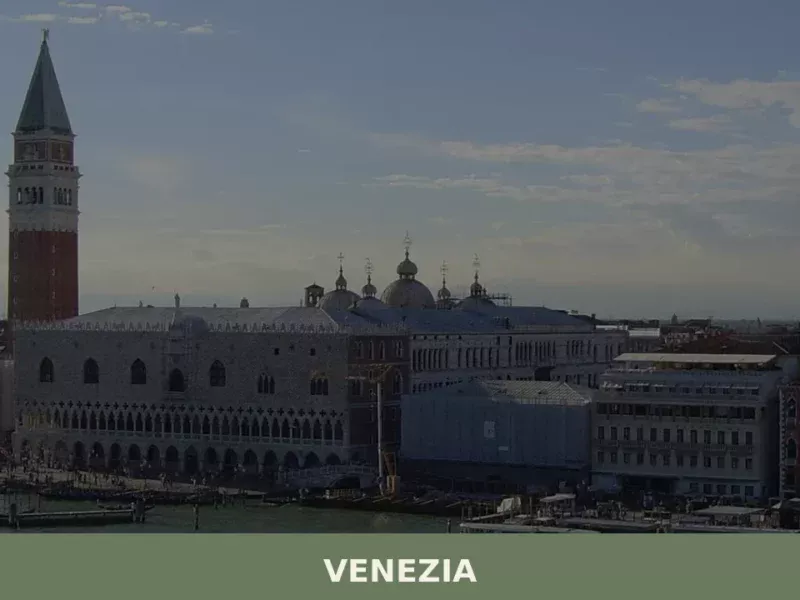
Venezia
With its 259,263 inhabitants, Venice stands out as one of the most significant centers in Veneto, presenting an altitude of 256 meters above sea level. This city, included in the Hill Villages category according to the classification provided, offers an invaluable historical, artistic, and cultural heritage. In this article History and Origins of Venice What […]


📝 Incorrect information or updates?
Help us keep the Rovigo page accurate and up to date.