


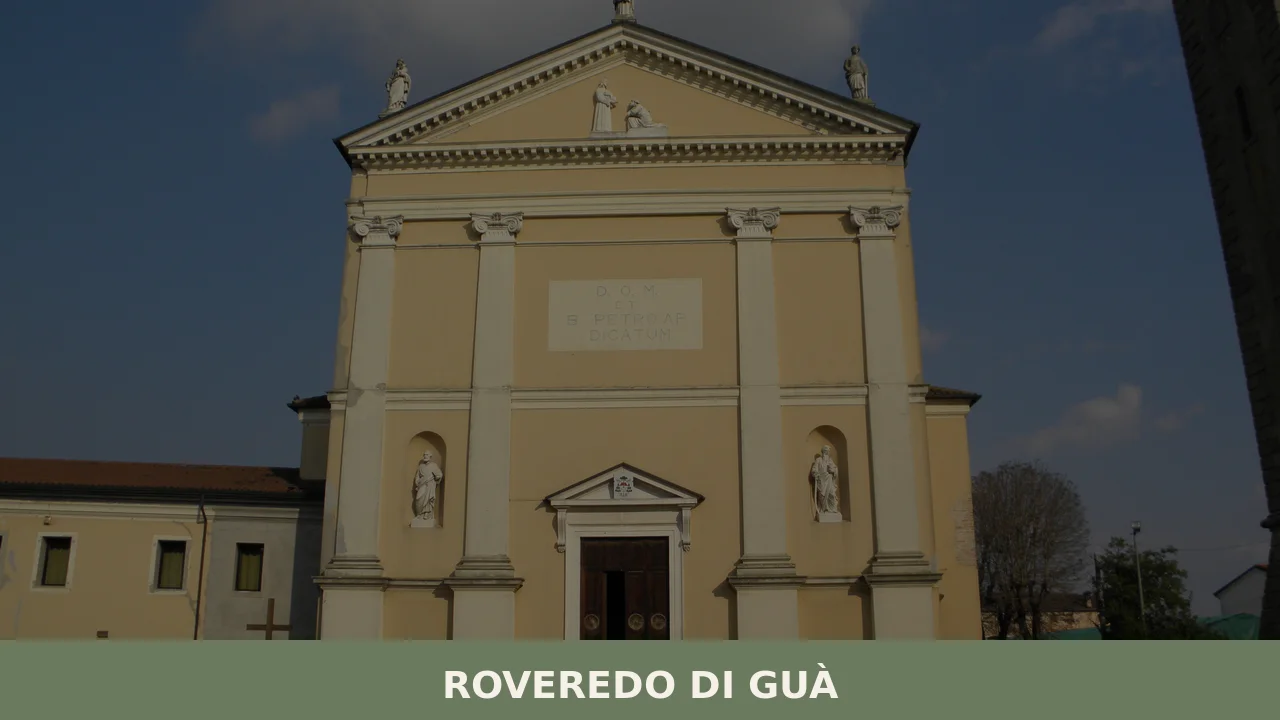
Roveredo di Guà
 Plains
Roveredo di Guà has 1,542 inhabitants and covers an area of just 8 square kilometres on the lower Veronese plain, 16 metres above sea level, along the course of the Guà canal — a branch of the Adige river system that has determined the shape and economy of this territory. Understanding what to see in […]
Discover Roveredo di Guà
Roveredo di Guà has 1,542 inhabitants and covers an area of just 8 square kilometres on the lower Veronese plain, 16 metres above sea level, along the course of the Guà canal — a branch of the Adige river system that has determined the shape and economy of this territory. Understanding what to see in Roveredo di Guà means reading the landscape carefully: cultivated fields stretching as far as the eye can see, a network of ditches and drainage channels that regulate the water flow, a parish church marking the civic centre, and a rural building fabric where farmstead courtyards still retain their original enclosed layout.
History and origins of Roveredo di Guà
The place name “Roveredo” derives from the Latin roboretum, a term indicating an oak forest (Quercus robur), the dominant tree species on the alluvial plains of the Veneto before the great land reclamation campaigns. The suffix “di Guà” identifies the watercourse that crosses the municipal territory, distinguishing this settlement from other identically named places in the region. The earliest written documentation of the village dates to the medieval period, when the territory fell under the jurisdiction of the bishopric of Vicenza and later passed to the control of the Most Serene Republic of Venice, which administered these lands until its fall in 1797.
During Venetian rule, Roveredo di Guà formed part of the agricultural system of the Veneto plain geared towards cereal production. Noble families from Vicenza and Verona held landed estates in the area, and the rural courtyards served both as centres of agricultural management and as seasonal residences. The gradual reclamation of marshland, initiated as early as the sixteenth century by the water magistrates of the Serenissima, progressively transformed the area from woodland and swamp into arable expanse.
With annexation to the Kingdom of Italy in 1866, the municipality took on its current administrative structure. During the twentieth century, agricultural mechanisation and migration towards industrial centres significantly reduced the population — a phenomenon common to many municipalities on the lower Veneto plain. Today Roveredo di Guà retains an identity tied to the land, visible in its dispersed urban layout and in the predominance of farming within the local economy.
What to see in Roveredo di Guà: the 5 main attractions
1. Parish church of San Pietro Apostolo
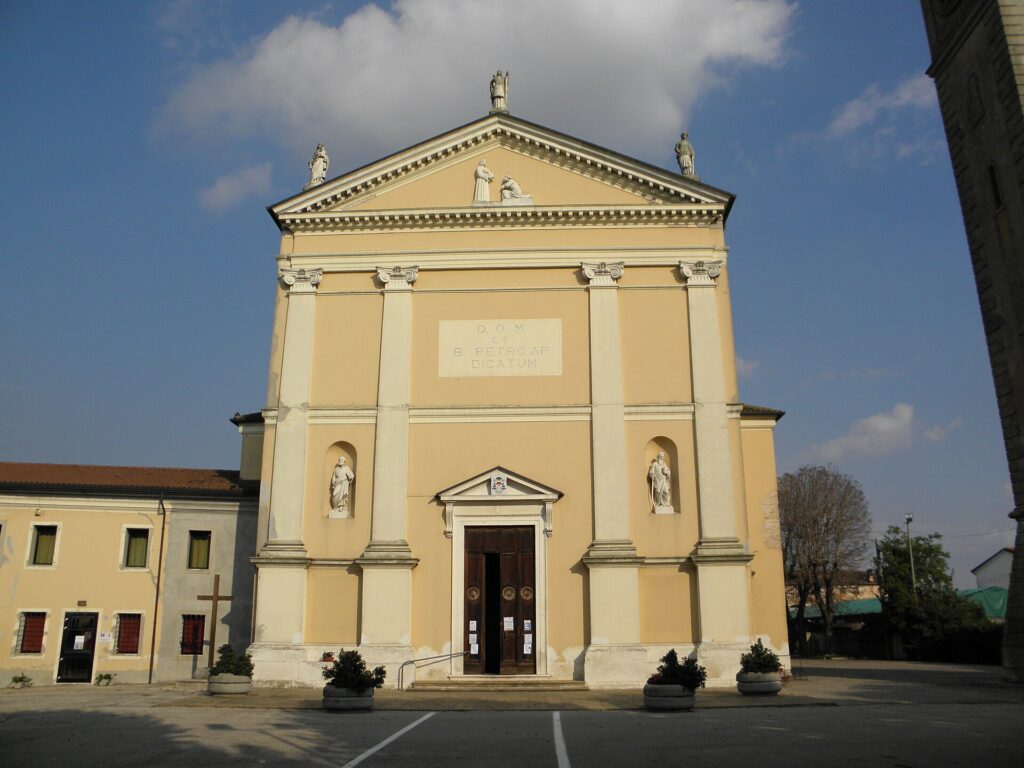
Dedicated to the patron saint, whose feast day falls on 29 June, the church is the focal point of community life. The building, remodelled in several phases between the eighteenth and nineteenth centuries, has a neoclassical façade and preserves liturgical furnishings of Venetian craftsmanship inside. The bell tower, the dominant vertical element against the flat profile of the village, is visible from a considerable distance across the plain.
2. The enclosed-plan rural courtyards
Scattered throughout the municipal territory, the farmstead courtyards of Roveredo di Guà follow the Venetian corte chiusa (enclosed courtyard) typology: a ring of buildings — the main house, the barchessa (open-sided barn), the stable, the hayloft — surrounding a central threshing yard. Some of these structures retain stone doorways and exposed brickwork datable to the seventeenth and eighteenth centuries, readable as direct evidence of the agrarian organisation under the Serenissima.
3. The Guà canal and the hydraulic system
The Guà, which gives the village its name, is a canal derived from the Agno-Guà river in its lowland stretch. The banks and hydraulic structures — sluice gates, small bridges, earthen embankments — compose a waterscape that can be explored on foot or by bicycle along the towpath roads. Water management remains the founding theme of the relationship between the community and its territory.
4. The agricultural landscape of the lower Veronese plain
The flat horizon, punctuated by rows of Lombardy poplars and straight-line ditches, represents a well-preserved example of reclaimed Venetian countryside. In spring, the fields of wheat, maize, and soya create a colour palette that shifts week by week. The network of white farm tracks allows cycling excursions between the hamlets, with visibility on clear days reaching the Berici Hills and the Euganean Hills.
5. The town hall square and the historic centre
The central core of Roveredo di Guà develops around the square overlooked by the town hall and the church. The houses in the centre have plastered façades with simple mouldings, painted wooden shutters, and clay tile roofs. This is not a monumental historic centre, but a place where the scale of the buildings remains human, proportioned to the daily life of a rural community.
Cuisine and local products
The table in Roveredo di Guà reflects the cooking of the lower Veronese plain, built on humble ingredients and slow cooking methods. The cornerstone dish is pearà, a thick sauce made from stale bread, beef marrow, broth, and black pepper, served alongside bollito misto (mixed boiled meats) — a dish shared with the entire province of Verona. Risotto all’Isolana, prepared with diced veal and pork and cooked slowly without the final creaming stage, is another widespread preparation in the area. Riso Nano Vialone Veronese IGP, cultivated on the plain between Verona and Vicenza, is the rice variety used par excellence in these recipes. Among first courses, bigoli — long pasta made from soft wheat and extruded through a press — are served with duck ragù (bigoli co l’arna) or with sardines (bigoli in salsa), a condiment of salt-cured sardines and white onion slowly sautéed together.
The surrounding territory supplies several products with recognised designation status. Radicchio Rosso di Verona IGP, in its late-season variety, appears on winter tables raw in salads or grilled. Olio Extravergine di Oliva Veneto Valpolicella DOP, although produced in the hillier belt further north, is the reference olive oil in kitchens across the province. The wines of the area fall under the Arcole DOC designation, which covers wine production on the plain between Verona and Vicenza with whites based on Garganega and reds from Merlot. For desserts, the Veronese Christmas tradition brings Pandoro di Verona to the table, while Mandorlato di Cologna Veneta, produced in the nearby town, is a hard almond and honey nougat present at winter festivities. The patron saint’s feast of San Pietro on 29 June is traditionally accompanied by food stalls where local preparations can be sampled.
When to visit Roveredo di Guà: the best time of year
The climate of the lower Veronese plain is continental: hot, humid summers with temperatures regularly exceeding 30 °C, and cold winters with frequent days of thick fog between November and February. The most suitable season to visit the village and explore the surrounding countryside runs from mid-April to mid-June, when the fields are in full growth and temperatures remain pleasant for cycling excursions.
The 29th of June, the patron saint’s feast of San Pietro, is the moment when the community gathers for religious celebrations and convivial events in the central square. Autumn, between September and October, offers the advantage of mild temperatures and low-angled light that brings out the geometry of the agricultural landscape after the harvest. Those who accept the winter fog will discover a territory with a different character — muffled and silent — where the outlines of farmhouses emerge from the grey like the wings of an empty stage set.
How to reach Roveredo di Guà
Roveredo di Guà is located in the south-eastern portion of the province of Verona, on the border with the province of Vicenza. By car, the nearest motorway exit is Montebello Vicentino on the A4 Turin–Trieste, approximately 20 kilometres to the north. From the city of Verona the distance is around 45 kilometres in a south-easterly direction, reachable in 40–50 minutes via the SR500 and provincial roads. From Vicenza the journey covers approximately 35 kilometres heading south-west.
The nearest railway station is Lonigo, on the Verona–Rovigo line, about 10 kilometres away. Intercity bus connections are operated by ATV (Azienda Trasporti Verona), but services are limited and geared towards school and work commuters: a car remains the most practical means of transport. The reference airports are Valerio Catullo di Verona-Villafranca, approximately 55 kilometres away, and Marco Polo di Venezia-Tessera, approximately 100 kilometres away.
Other villages to discover in Veneto
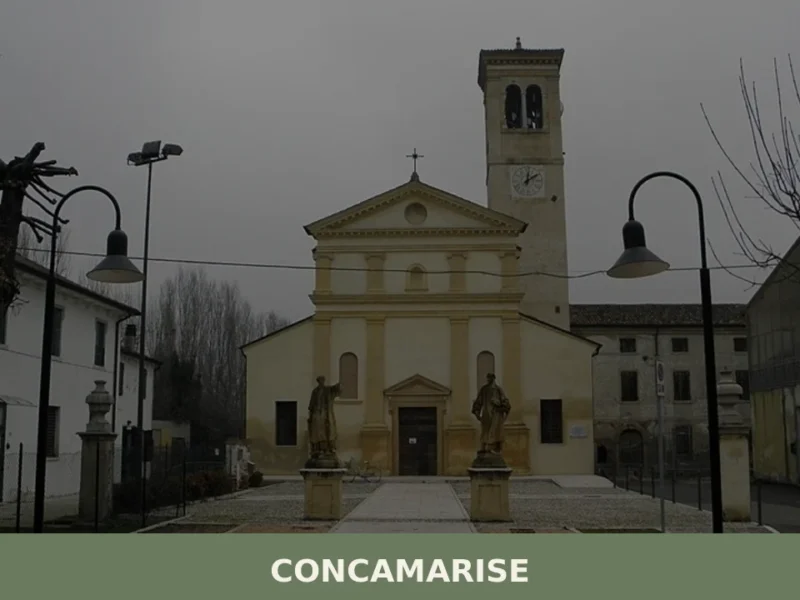
Visitors to Roveredo di Guà who wish to continue exploring rural Veneto can head towards Concamarise, another small municipality in the province of Verona situated on the plain to the north-west. With a similar population size and a landscape equally linked to rice and cereal cultivation, Concamarise shares with Roveredo di Guà the condition of an agricultural centre that has maintained a compact urban scale, where collective life is still measured by the rhythm of the farming seasons.
For a radical contrast, Cortina d’Ampezzo represents the other extreme of the Veneto: an altitude of 1,224 metres, a Dolomite landscape, and an international tourism economy. Placing the two territories side by side — the cereal-growing plain of Roveredo and the rock faces of the Tofane — means traversing the entire geographical range of a region that rises from sea level to three thousand metres in less than two hundred kilometres.
Frequently asked questions about Roveredo di Guà
What is the best time to visit Roveredo di Guà?
The ideal window runs from mid-April to mid-June, when the fields are in full growth, temperatures are pleasant for cycling, and the landscape is at its most colourful. The patron saint's feast of San Pietro falls on 29 June, bringing religious celebrations and food stalls to the central square — a genuine moment of local community life. Autumn (September–October) offers mild temperatures and low-angled light that accentuates the geometry of the reclaimed plain. Winter visits are possible but expect dense fog between November and February, which transforms the landscape into something atmospheric and silent.
What are the historical origins of Roveredo di Guà?
The name derives from the Latin roboretum, meaning oak forest, reflecting the woodland that covered the Veneto plain before large-scale land reclamation. The suffix 'di Guà' identifies the canal crossing the territory. The earliest documentation dates to the medieval period, when the area fell under the bishopric of Vicenza before passing to the Republic of Venice. Under the Serenissima, water magistrates progressively drained marshland from the sixteenth century onward, converting forest and swamp into arable farmland. The municipality took its current administrative form after Italian unification in 1866.
What to see in Roveredo di Guà? Main monuments and landmarks
The central landmark is the Parish Church of San Pietro Apostolo, with its neoclassical façade, Venetian liturgical furnishings, and a bell tower visible across the flat plain. The town hall square forms the civic core, surrounded by plastered houses with clay tile roofs. Scattered across the fields are enclosed Venetian-style farmstead courtyards (corte chiusa), some preserving stone doorways and exposed brickwork from the seventeenth and eighteenth centuries. The Guà canal and its sluice gates, small bridges, and earthen embankments complete the picture of a landscape shaped entirely by centuries of hydraulic engineering.
What are the main natural or scenic attractions of Roveredo di Guà?
The primary natural attraction is the agricultural landscape of the lower Veronese plain itself: a mosaic of wheat, maize, and soya fields bordered by rows of Lombardy poplars and straight drainage ditches. The Guà canal offers a linear green corridor whose towpath roads are accessible on foot or by bicycle. On clear days, the flat horizon opens toward the Berici Hills and the Euganean Hills. The network of white farm tracks connecting the hamlets allows easy exploration of this well-preserved example of reclaimed Venetian countryside without the need for specialised equipment.
Where to take the best photos in Roveredo di Guà?
The bell tower of San Pietro Apostolo provides the strongest vertical accent against the flat plain and works well as a compositional anchor from the surrounding fields. The Guà canal banks offer reflections and the geometry of sluice gates and small bridges. The enclosed farmstead courtyards, with their stone doorways and aged brickwork, reward close-up architectural photography. Spring and autumn provide the best light: dawn and late afternoon in April–May bring warm tones across the crop fields, while October fog lifting in the morning creates atmospheric shots of farmhouses emerging from a grey ground plane.
Are there museums, churches or historic buildings to visit in Roveredo di Guà?
The main historic building open for visits is the Parish Church of San Pietro Apostolo, remodelled between the eighteenth and nineteenth centuries, which preserves liturgical furnishings of Venetian craftsmanship inside. No dedicated municipal museum is documented for the village. The historic interest lies primarily in the rural built heritage: the enclosed farmstead courtyards distributed across the municipal territory contain dateable stone and brick elements from the seventeenth and eighteenth centuries, readable as physical evidence of the agrarian economy under the Venetian Republic. Visiting these requires exploring the local road network by bicycle or on foot.
What can you do in Roveredo di Guà? Activities and experiences
Cycling is the most natural activity: the flat terrain, white farm tracks, and towpath roads along the Guà canal make the area ideal for leisurely rides between hamlets and farmsteads. Walking along the canal banks allows close observation of the hydraulic infrastructure — sluice gates, embankments, small bridges — that defines the territory. On 29 June, the feast of San Pietro provides an authentic local festival experience with food stalls and community celebrations in the central square. The surrounding plain also offers scope for food and wine tourism focused on Arcole DOC wines and Riso Nano Vialone Veronese IGP.
Who is Roveredo di Guà suitable for? Families, couples, hikers, solo travelers?
Roveredo di Guà suits visitors who seek quiet, unhurried rural Italy away from mass tourism circuits. Cyclists of all levels will appreciate the perfectly flat terrain and navigable farm tracks. Food and wine enthusiasts find a genuine introduction to the cuisine of the lower Veronese plain — pearà, bigoli, Arcole DOC wines, Riso Nano Vialone Veronese IGP. Photographers and landscape lovers drawn to wide-open agricultural horizons will find strong material in every season. It is less suited to visitors expecting monumental heritage, lively nightlife, or a dense programme of sightseeing: the appeal here is scale, silence, and authenticity.
What to eat in Roveredo di Guà? Local products and specialties
The local table is rooted in the cooking of the lower Veronese plain. Pearà — a dense sauce of stale bread, beef marrow, broth, and black pepper — accompanies bollito misto and is a Veronese signature. Risotto all'Isolana uses diced veal and pork with Riso Nano Vialone Veronese IGP, the rice variety cultivated on the nearby plain. Bigoli co l'arna (with duck ragù) and bigoli in salsa (salt-cured sardines and white onion) are classic first courses. Local wines fall under the Arcole DOC designation. In winter, Mandorlato di Cologna Veneta — a hard almond and honey nougat produced in a neighbouring town — appears at festive tables.
📷 Photo Gallery — Roveredo di Guà
Nearby Villages near Roveredo di Guà
In Veneto More villages to discover

Marostica
 Hills
Hills
Marostica draws visitors with its world-famous living chess match and over 600 years of Scaligeri and Venetian architecture. The IGP cherry alone is worth the detour.
Ferrara di Monte Baldo
 Mountain
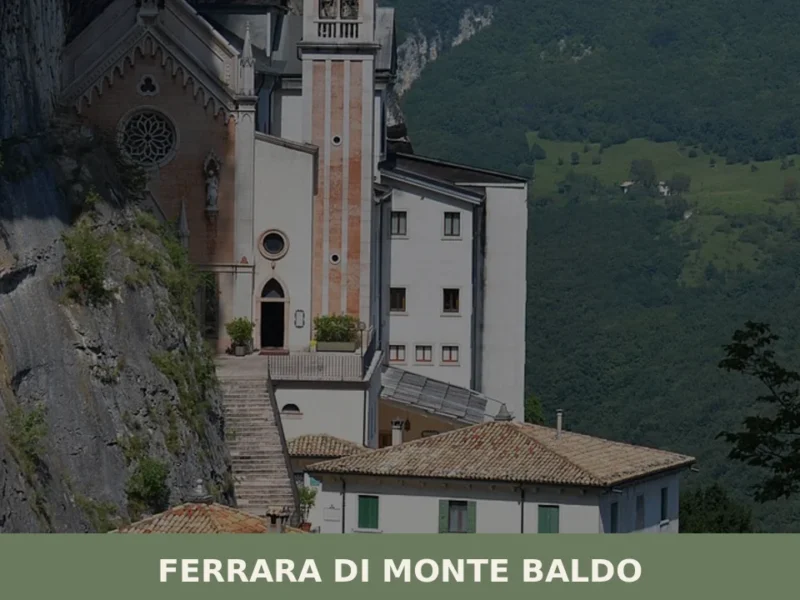
A comune of 280 residents at 856 metres elevation. Discover stone architecture shaped by alpine seasons and the territory that connects the Garda rim to the high Veronese interior.
Verona
Plains
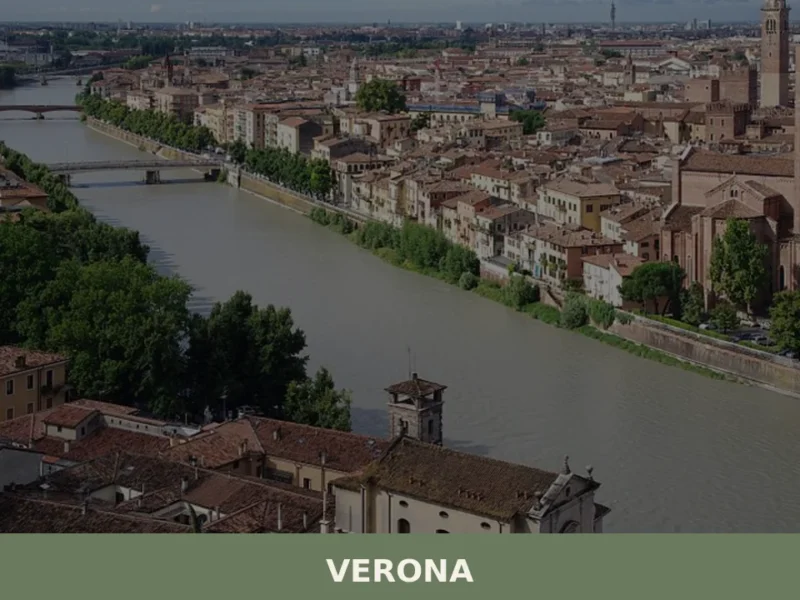
What to see in Verona, a UNESCO city of 255,000 people. Explore the Roman Arena, Juliet's House, San Zeno Basilica and local dishes like bollito and pearà. Plan your visit now.
Vicenza
Plains
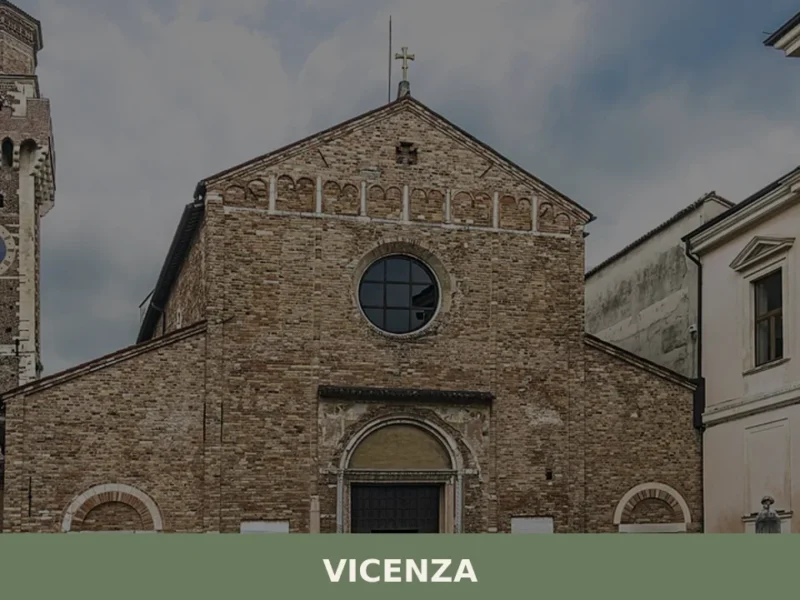
Village of Vicenza: Explore 1 architectural masterpiece, the Olympic Theatre, and taste traditional baccalà. Plan your Italy trip now!
Alano di Piave
Mountain
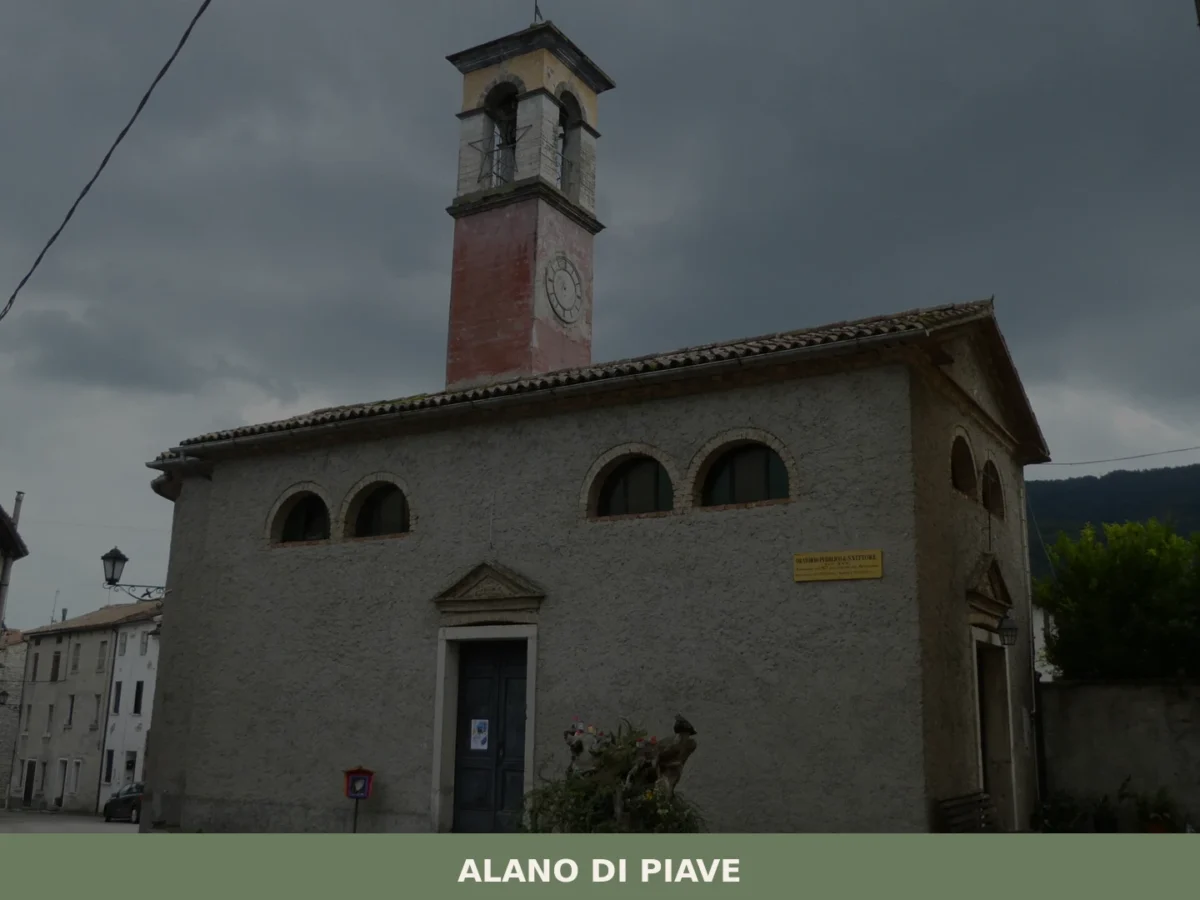
What to see in Alano di Piave? Explore the 5 main attractions of this Venetian village, blending history and nature. Your complete guide to not miss a thing. Plan your visit!
Rovigo
Plains
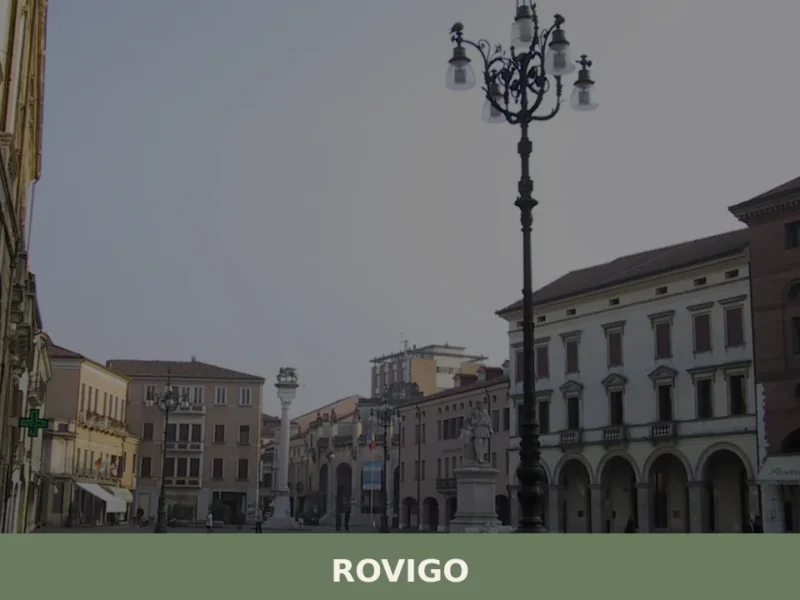
what to see in rovigo? Discover 5 top attractions in this city of 50,000 residents, from Rovigo Castle to La Rotonda. Explore the Polesine region.
Venezia
 Sea
Sea
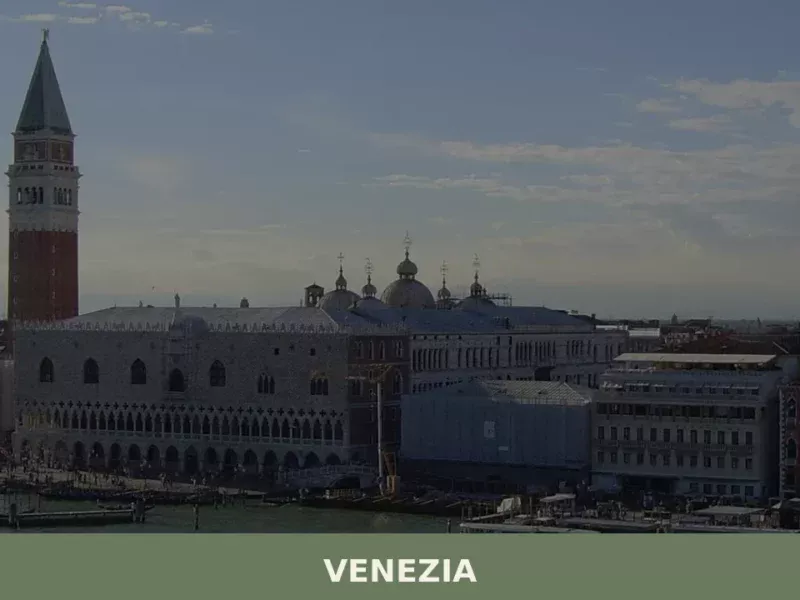
With its 259,263 inhabitants, Venice stands out as one of the most significant centers in Veneto, presenting an altitude of 256 meters above sea level. This city, included in the Hill Villages category according to the classification provided, offers an invaluable historical, artistic, and cultural heritage. In this article History and Origins of Venice What […]

Vittorio Veneto
Hills
Home to a decisive World War I battle and a dual medieval identity, Vittorio Veneto offers 5 exceptional monuments and a rich local food culture in Treviso province.
Agna
Plains
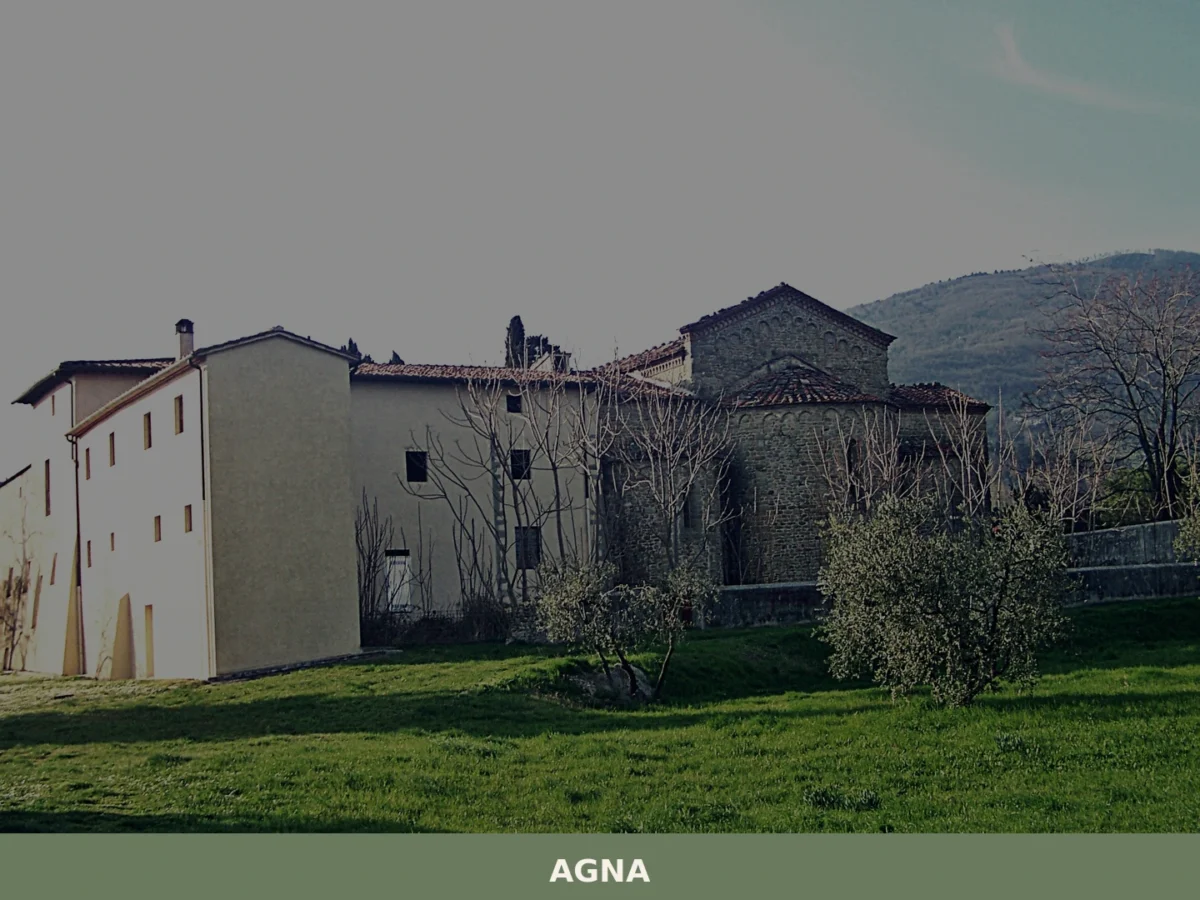
Discover what to see in Agna, a Padova province village of 3,174 people. History, food, travel tips and the canals of the Venetian plain explained.
San Mauro di Saline
Mountain
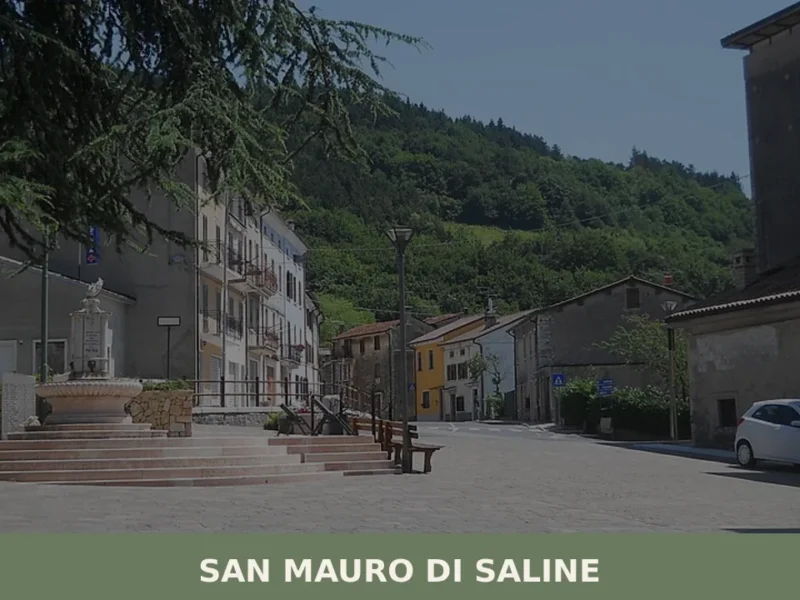
At 804 metres above sea level, on the eastern slope of the Veronese Lessini Mountains, San Mauro di Saline has a current population of 558 inhabitants spread between the municipal centre and the scattered hamlets along the pastures. The village’s name derives from the saline — the brackish water pools that historically surfaced in this […]
🏡 Know Roveredo di Guà better than we do?
If you’re a local or have been there, your knowledge matters: add what’s missing or fix a detail on this page.