


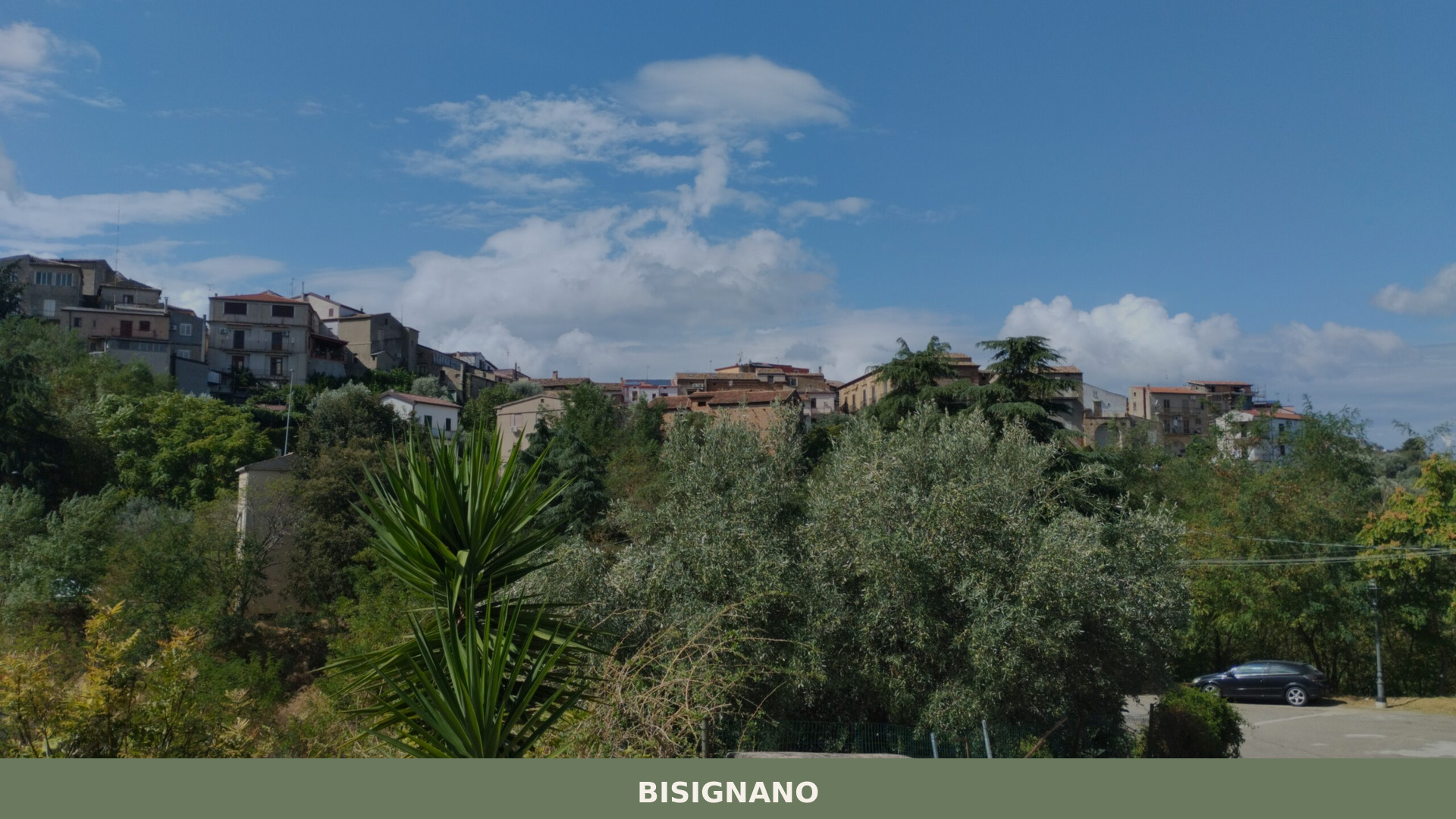

Bisignano is a historic hill town in the province of Cosenza, Calabria, known for its ancient bishopric, the Santuario di Sant’Umile, and more than two thousand years of documented urban life.
Discover Bisignano
Bisignano is a hill town in the province of Cosenza, Calabria, standing at 350 metres above sea level with a population of around 9,400 and a municipal area of approximately 85.28 square kilometres. It sits in the inland hill zone of northern Calabria, roughly 35 kilometres from Cosenza, and carries more than two thousand years of documented urban life within its boundaries — from Bronze Age settlements and a leading role among the cities of the Confederatio Bruttiorum, through Norman and Angevin rule, to its years as the seat of a princely dynasty from 1461 onward. A bishopric since around the turn of the seventh and eighth centuries, Bisignano remains the centre of a diocese and retains a historic fabric of churches, a castle, and two museum collections rooted in its long ecclesiastical tradition.
Pilgrimage and sacred heritage give the town much of its character today. The Santuario di Sant’Umile da Bisignano draws visitors to the cell and the convent museum associated with the Franciscan friar Luca Antonio Pirozzo — born here in the late sixteenth century — while the concattedrale di Santa Maria Assunta anchors the religious and civic centre of the town. The patron saint is San Francesco di Paola, honoured on 2 April each year.
Bisignano village in Calabria: history and origins
Bisignano is a Calabrian town with a long recorded history — from Bronze Age settlements, through Norman and Angevin domination, and on to its years as the capital of a princely dynasty that began in 1461 — a continuous thread of documented urban life.
Archaeological finds from the localities of Mastro D’Alfio and Comò point to settlement as far back as the fifteenth and fourteenth centuries BC. By around 205 BC the town was an ally of Hannibal, and after the Carthaginian defeat at Zama it passed under Roman authority; Titus Livy mentions it among the Bruttian cities that transferred allegiance to the consul Gnaeus Servilius Caepio. Bisignano became a bishopric around the turn of the seventh and eighth centuries, with the first bishop named in a surviving document — Auderamus — appearing in a record of 743. The diocese fluctuated between Byzantine and Latin ecclesiastical authority for centuries before being placed directly under the Holy See following the Norman period, and it was united with the diocese of San Marco Argentano in 1818, and definitively united with the archdiocese of Cosenza in 1979.
Norman dominion left a lasting mark on the town. Around 1056, Roberto d’Altavilla — afterwards called il Guiscardo — secured the submission of Bisignano through the capture of Pietro Turra, a wealthy local lord, reportedly released only after a substantial ransom. In 1461, under Luca Sanseverino, Bisignano became the seat of a principality; the Sanseverino dynasty governed the city and the surrounding territory, with a brief interruption between 1508 and 1529 when the Aloise family held power after a military contest. A noble council known as the Seggio, documented from a royal privilege of 1339, administered civic affairs until the Napoleonic abolition of feudal institutions in 1806. Destructive earthquakes — among the most significant being those of 1638 and 1783 — swept away much of the city’s earlier monumental heritage.
Churches, a Castle, and Sacred Art in Bisignano
Bisignano holds several named religious buildings, a medieval castle, and two museum collections dedicated to sacred art, all distributed across a hilltop centre that has functioned as a bishop’s seat since at least the early eighth century.
Concattedrale di Santa Maria Assunta
The cathedral, dedicated to the Assumption of the Virgin, carries a foundation traced to the thirteenth century, though it was largely rebuilt in subsequent periods. It remains the principal church of the town and shares its diocesan status with Cosenza following the union of the two sees in 1979.
Santuario di Sant’Umile da Bisignano
The sanctuary is dedicated to Umile da Bisignano — born Luca Antonio Pirozzo in the town in 1582, a Franciscan friar who died here in 1637. Within the complex, directly opposite the cell where the saint lived, the Museo del Convento is open to visitors and pilgrims. Display cases contain sacred objects, books, paintings, reliquaries, and related devotional items. The feast of the town’s patron, San Francesco di Paola, falls on 2 April, making spring a period of heightened religious activity in Bisignano.
Further Churches
Four additional churches are recorded within the historic centre: the church of San Bartolomeo, the church of San Domenico, the church of San Pietro Apostolo, and the church of San Giuseppe, which has been identified as the future seat of the Museo Diocesano di arte sacra.
Museo Diocesano di Arte Sacra
The diocesan museum of sacred art is currently being arranged inside the church of San Giuseppe. Works to be displayed come from the cathedral and from churches across the surrounding territory, and include pieces of varying type from the local ecclesiastical heritage. The museum is not yet fully open at the time of writing.
Castello di Bisignano
The castle stands as the surviving trace of the town’s medieval defensive past. The sources describe it as a Byzantine-Norman structure, now in a ruined state. No further details on its current form or accessibility are available from the verified sources.
Bisignano and Its Territory: Certified Products and Regional Flavours
The area around Bisignano, in the province of Cosenza, is home to several certified products: Caciocavallo Silano DOP and Capocollo di Calabria DOP represent the charcuterie and dairy traditions of the broader Calabrian interior, while Bruzio DOP covers local olive oil production. Citrus lovers will find Clementine di Calabria IGP and Cedro di Santa Maria del Cedro DOP among the region’s most distinctive offerings, alongside the well-known Cipolla Rossa di Tropea Calabria IGP.
These are products of a wide provincial and regional territory rather than exclusive specialities of Bisignano itself. The same is true of the liqueur and spirit traditions of the area — amaro alle erbe, liquore alla liquirizia, and anice-based preparations — which belong to a Calabrian craft heritage spread across many communities.
For wine, the territory falls within the Terre di Cosenza DOC, with the broader Calabria IGT also applicable. Cirò, Greco di Bianco, and Lamezia DOC wines, along with IGT labels such as Lipuda and Locride, round out a regional wine landscape worth exploring during any stay in northern Calabria.
Planning your visit and getting there
Bisignano can be reached using the practical reference points below. Distances and journey times are kept concise so the access information stays clear and consistent.
| Departure | Distance | Time |
|---|---|---|
| Cosenza | approx. 35 km | approx. 35 min |
| Acri | approx. 25 km | approx. 30 min |
| Altomonte | approx. 50 km | approx. 50 min |
These practical reference points are enough to plan the journey without overloading the text with unstable logistics. Once on site, the village is best understood slowly, on foot and in relation to the surrounding landscape.
Frequently asked questions about Bisignano
How do you get to Bisignano from Cosenza?
Bisignano lies roughly 35 kilometres north-east of Cosenza. By car, take the A2 Autostrada del Mediterraneo and exit at Tarsia-Bisignano, then follow the SS19 inland. By train, the nearest station on the Ferrovie della Calabria network is Bisignano itself, served by regional connections from Cosenza. Journey time by car is approximately 40 minutes. Local bus services operated by Ferrovie della Calabria also connect the village to Cosenza on a daily schedule.
When is the best time to visit Bisignano?
Spring and early autumn offer the most pleasant conditions, with mild temperatures at 350 metres elevation. A key date is 26 November, the feast of patron saint San Francesco di Paola, when religious processions and local celebrations animate the historic centre. The summer months bring warmer weather suitable for exploring the surrounding hill countryside, while the period around Easter often features traditional sacred rites tied to Bisignano's strong ecclesiastical identity.
Are there hiking or outdoor routes around Bisignano?
The inland hill territory of northern Calabria surrounding Bisignano is traversed by paths connecting it to the broader network of the Pollino and Sila areas. The Calabrian section of the CAI (Club Alpino Italiano) documents routes through the Crati valley lowlands and surrounding ridges accessible from the village. Visitors interested in documented trails are advised to contact the local Pro Loco or the CAI section in Cosenza for current route maps and conditions before setting out.
How long should you plan for a visit to Bisignano?
A focused day trip is sufficient to cover the main monuments: the Santuario di Sant'Umile da Bisignano with its convent museum, the concattedrale di Santa Maria Assunta, and the castle. Arriving in the morning allows time to attend any scheduled museum openings, which typically follow Italian public institution hours (roughly 9:00–13:00, with possible afternoon sessions). Visitors combining Bisignano with the Crati valley or nearby Norman-era sites should consider an overnight stay to avoid a rushed itinerary.
What is a lesser-known historical curiosity about Bisignano?
Bisignano was one of the leading cities of the Confederatio Bruttiorum, the federation of indigenous Bruttian peoples of ancient Calabria, making it a politically significant centre long before Roman consolidation of the region. The town also became the seat of a princely dynasty from 1461, when it was granted as a principality — a title that placed Bisignano among the most prominent feudal lordships of the Kingdom of Naples during the Renaissance period.
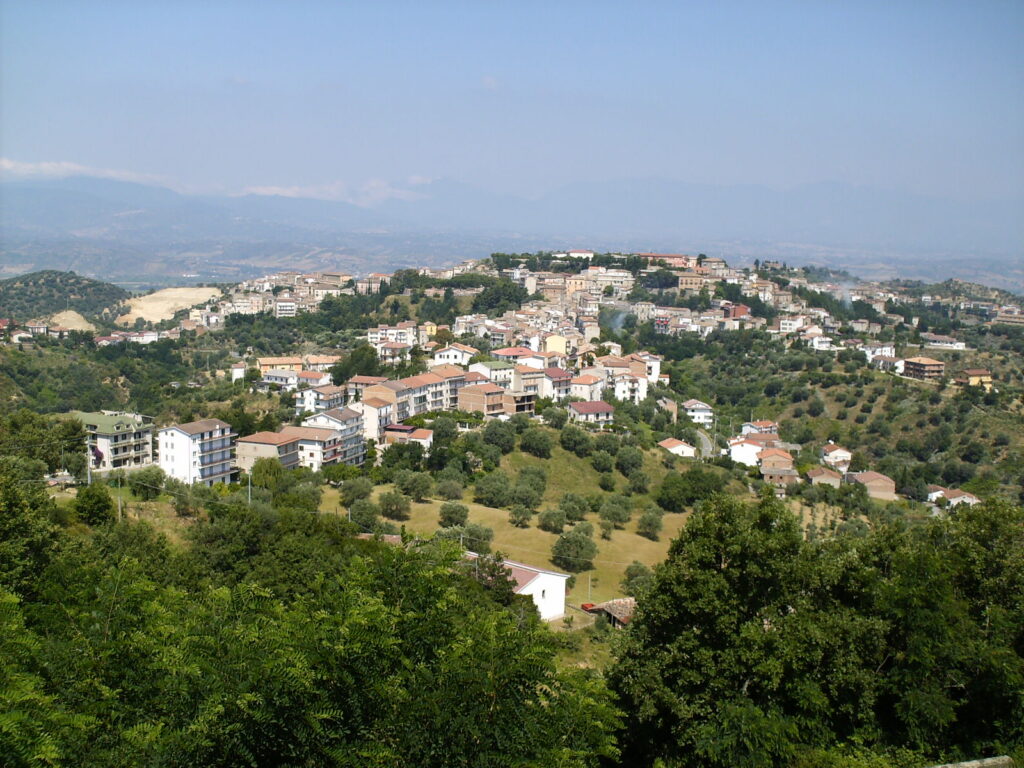
📷 Photo Gallery — Bisignano
Nearby Villages near Bisignano
 Mountain
In Calabria More villages to discover
Cosenza
 Hills
Hills
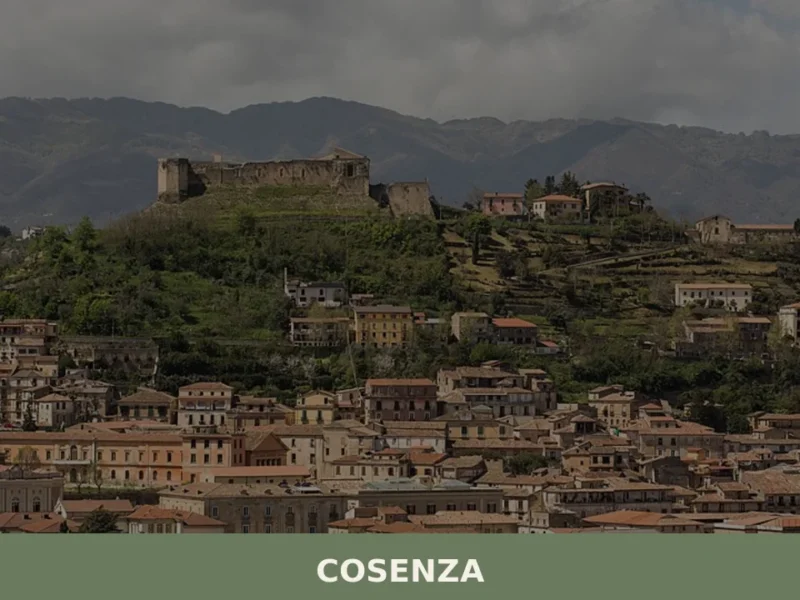
Cosenza rose from an 8th-century italico village to lead the Bruzi confederation. Today it balances a medieval hilltop centro storico with a modern riverbank expansion.
Africo
 Sea
Sea
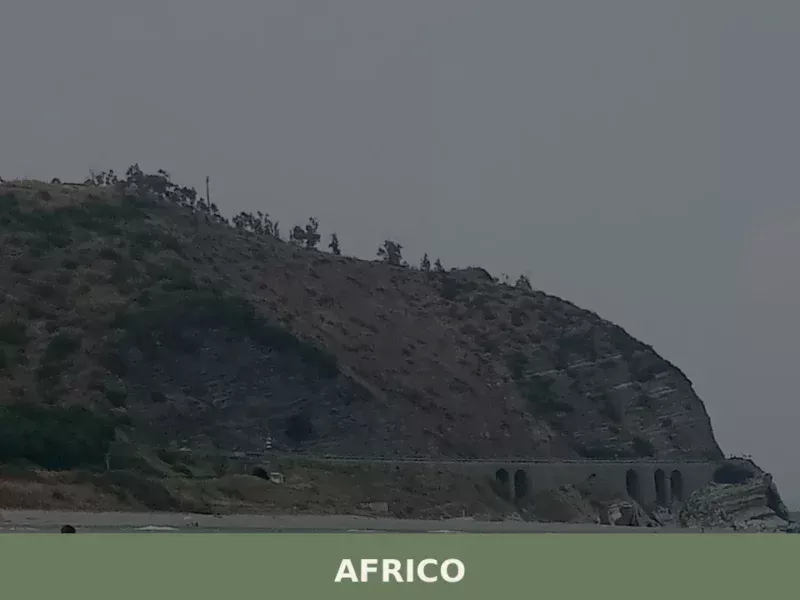
Discover what to see in Africo, Calabria: the abandoned mountain village, Ionian coast, Aspromonte landscapes, local food and practical travel tips.
Stilo
Sea
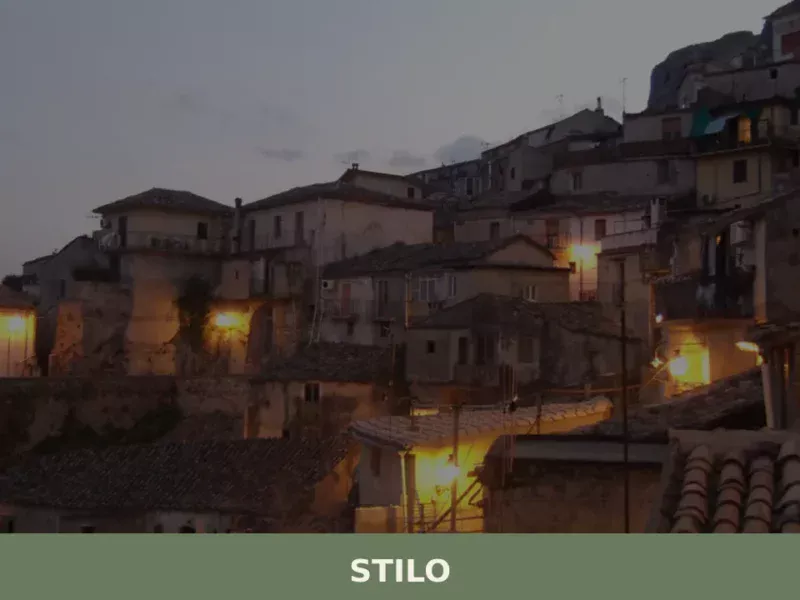
Stilo, a historic municipality in the Reggio Calabria province of Calabria, stands at an elevation of 369 meters, overlooking the Ionian Sea from its position on a coastal hill.
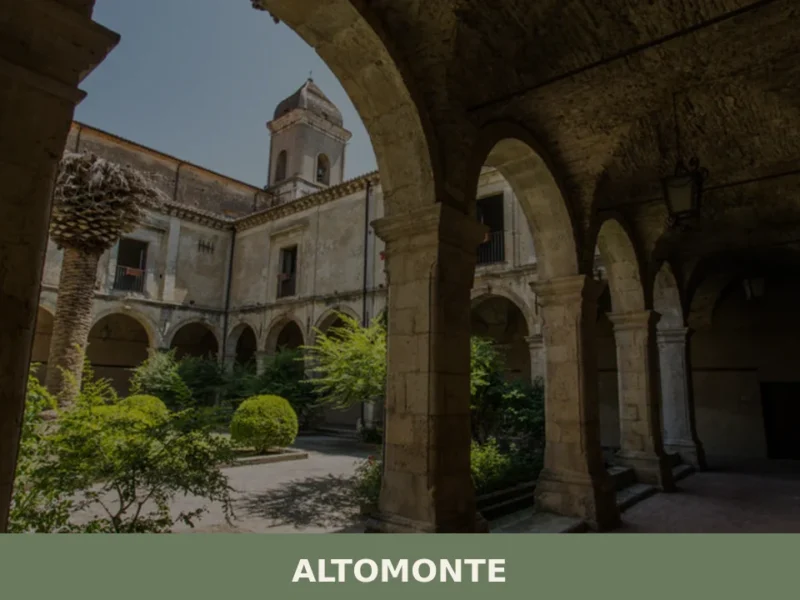
Altomonte
Hills
What to see in Altomonte: a hill village at 455m in Calabria with a 14th-century Gothic church, Civic Museum and medieval castle. Plan your visit today.
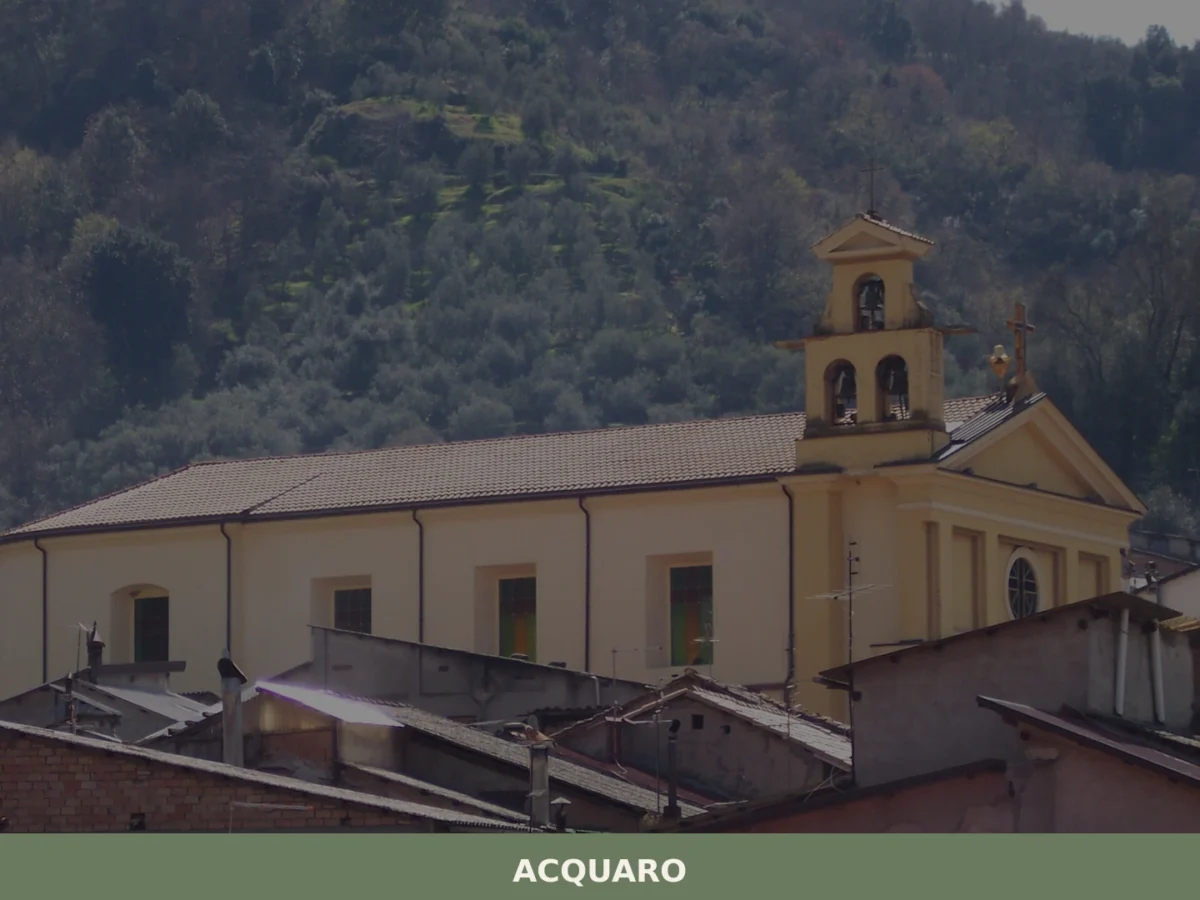
Acquaro
Hills
Discover what to see in Acquaro, a village of 1,778 inhabitants in Vibo Valentia, Calabria. History, food, travel tips and the Alto Mesima valley landscape.
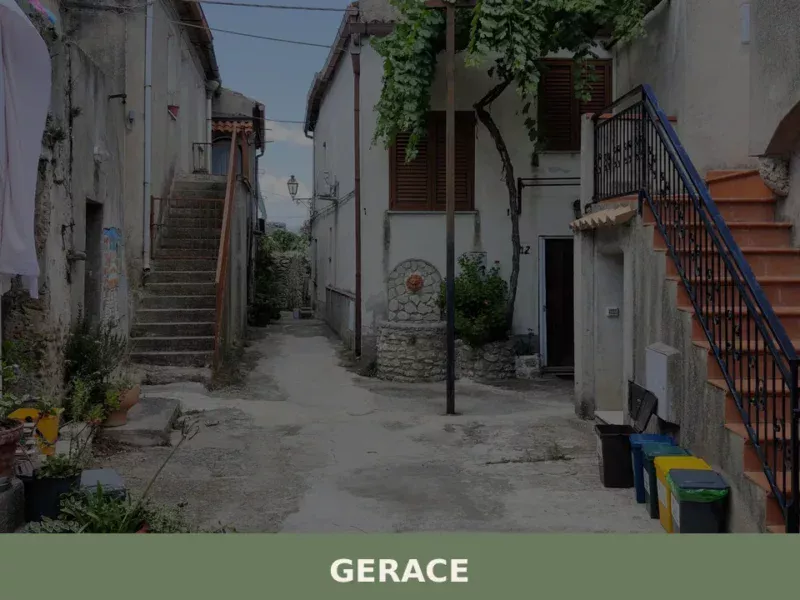
Gerace
Hills
Gerace rises majestically on a sandstone hill at an elevation of 408 metres, situated between the Ionian Sea and the Aspromonte National Park mountains.
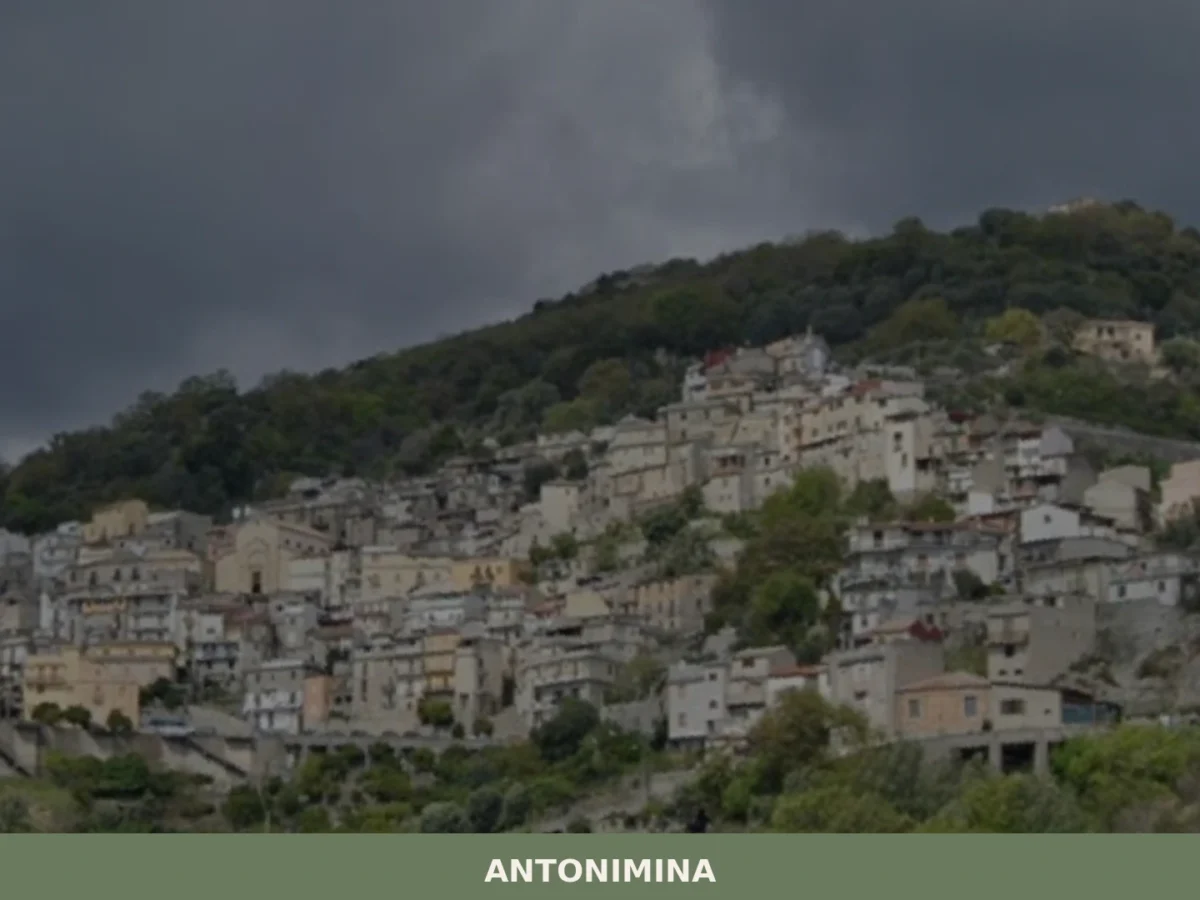
Antonimina
Hills
What to see in Antonimina, Italy, at 327 m: Discover stone alleys and patron feast. Explore Calabria's culture.
Anoia
 Plains
What to see in Anoia? Explore the 5 main attractions of this Calabrian village. The complete guide awaits to help plan your visit. Learn more!
Albidona
Sea
Albidona has 1,142 inhabitants and sits at 810 metres above sea level on the eastern slope of the Pollino massif, in the province of Cosenza. The old town preserves an urban layout arranged in parallel bands, developed along the ridge that separates the Saraceno stream valley from the Caldanello valley. Asking what to see in […]
Belmonte Calabro
Sea
In 1270, Charles I of Anjou granted Drogone de Beaumont the fief that would give rise to the name Belmonte — from the French Beaumont, meaning beautiful mountain. Sitting at 262 metres above sea level on the Tyrrhenian side of the Cosenza province, the village today has 1,984 inhabitants and preserves a historic centre layered […]

🏡 Know Bisignano better than we do?
If you’re a local or have been there, your knowledge matters: add what’s missing or fix a detail on this page.