


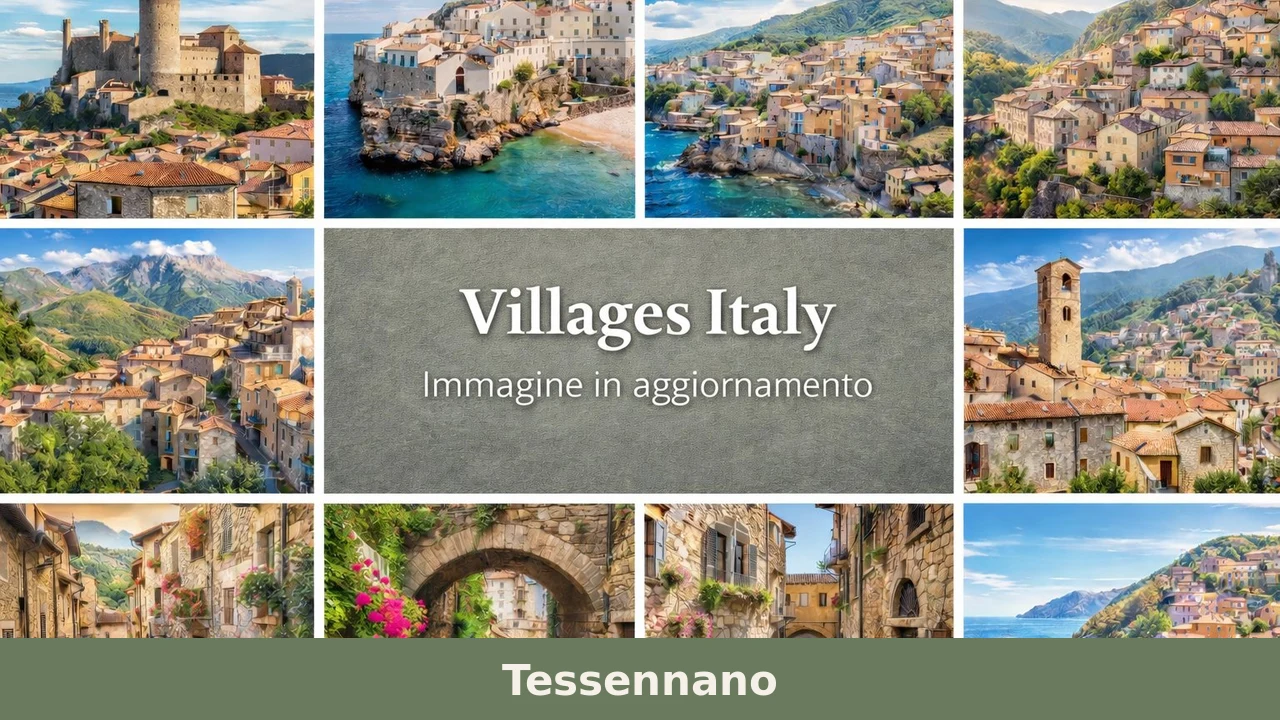
Tessennano
In the heart of Viterbo’s Tuscia region, 302 meters above sea level, lies Tessennano, a settlement with 284 residents. Its hillside location, distant from major thoroughfares, has defined its profile through the centuries. For those wondering what to see in Tessennano, the village presents a historical layering perceptible in its architecture. The settlement develops around […]
Discover Tessennano
In the heart of Viterbo’s Tuscia region, 302 meters above sea level, lies Tessennano, a settlement with 284 residents. Its hillside location, distant from major thoroughfares, has defined its profile through the centuries. For those wondering what to see in Tessennano, the village presents a historical layering perceptible in its architecture. The settlement develops around an ancient core, where local volcanic stone is the prevalent building material. Life here follows rhythms that reflect the agricultural vocation of the territory, with a calendar marked by seasons and festivities.
History and origins of Tessennano
The name “Tessennano” is believed to derive from a Roman praedial, “Tessenianum,” which identified the ownership of an agricultural estate. The first documented attestations of a stable settlement date back to the medieval period, when the territory fell under the ecclesiastical and feudal influences of northern Lazio. The center experienced the dominion of various noble families, including the Orsini and the Aldobrandini, who influenced its development and defensive structure. More details on the history of the municipality are available on the official website of the Municipality of Tessennano.
During the Renaissance, Tessennano maintained its function as an agricultural center, with a population tied to farming and livestock breeding. The original defensive structures, such as the fortress and walls, underwent modifications over the centuries, adapting to residential needs and changing military techniques. The current configuration of the village partly reflects these transformations, with buildings that bear witness to interventions from different eras, from the Middle Ages to the modern age. The history of the place is closely linked to the broader story of Viterbo’s Tuscia region, a border area and crossroads of cultures, as explored on Wikipedia Italy.
What to see in Tessennano: 5 essential attractions
The Parish Church
The main place of worship in the village is the Parish Church, dedicated to Santa Maria Assunta. Its structure, the result of alterations over the centuries, features architectural elements ranging from more austere lines to details from later periods. Inside, some sacred artworks are preserved, including canvases and wooden furnishings, which recount the community’s devotion and its spiritual history.
The Municipal Palace
Facing the main square, the Municipal Palace occupies what was once the baronial residence. The building, with its stone facade and framed windows, represents a landmark in the civil architecture of the village. It houses administrative offices and, at times, minor cultural events, serving as a center for Tessennano’s public and social life.
Gateway to the Old Village
Access to the oldest core of Tessennano is through a stone gate, which was once an integral part of the defensive system. This passage, with its thick side walls, marks the boundary between the more recent settlement and the historical constructions. Passing through it allows one to perceive the original urban structure of the center, with its irregular arrangement of buildings.
The Clock Tower
Dominating the village’s profile, the Clock Tower stands as a distinctive element. Its function, in addition to marking time for the community, was probably also for sighting, given its elevated position. The construction features robust workmanship, typical of the area’s defensive and civil architecture, and offers a visual reference point from various directions.
The Valley Viewpoint
Given its altitude of 302 meters, Tessennano offers several points from which to observe the surrounding landscape. One of these viewpoints, situated at the edge of the inhabited area, allows for an extended view over the hills of Viterbo’s Tuscia region, characterized by cultivated fields, olive groves, and Mediterranean scrub. It is a place where the geographical dimension of the territory manifests itself in its expanse and seasonal chromatic variations.
Typical cuisine and local products
The cuisine of Tessennano, like much of Tuscia’s gastronomy, is based on simple and robust ingredients, a direct expression of the hilly land and its products. Tuscia DOP Extra Virgin Olive Oil represents a fundamental pillar, used both for cooking and as a raw condiment. Among the main dishes, one often finds legume soups, such as the traditional acquacotta, enriched with wild vegetables and stale bread, or variations with Gradoli Purgatory Beans or Onano Lentils, products with specific recognition from neighboring areas.
Wild boar meat, abundant in the surrounding woods, is the star of pasta sauces or roasts. There are also dairy products, including Pecorino Romano DOP, and cured meats derived from local pork butchery. As for desserts, tozzetti, dry biscuits with hazelnuts or almonds, are often present on tables. All of this is often accompanied by local wines, such as Est! Est!! Est!!! di Montefiascone DOC, which testifies to the territory’s viticultural vocation.
When to visit Tessennano: the best time
Tessennano’s climate is of the continental Mediterranean type, with hot, dry summers and colder, wetter winters. Spring and autumn offer mild temperatures and particularly favorable light for landscape observation and outdoor activities. During these periods, the surrounding countryside is colored with hues ranging from intense green to ochre shades, making walks among olive groves and cultivated fields an interesting visual experience.
The patron saint’s festival, celebrated on August 30th, represents a moment of gathering for the community. During this observance, the village comes alive with religious events and local manifestations that reflect the customs of the place. Given the small size of the center, it is advisable to check in advance the calendar of any specific initiatives for a more targeted visit.
How to get to Tessennano
Tessennano is mainly reachable by private transport. From major cities, one can take the A1 motorway (Autostrada del Sole) to the Orte exit, then continue on the SS675 towards Viterbo and subsequently follow signs for Tessennano. Alternatively, for those coming from the Tyrrhenian coast, the SS1 Aurelia is an option, then diverting inland.
The nearest train station is Viterbo Porta Fiorentina, connected to Rome via the FL3 line. From Viterbo, it is necessary to continue with a local bus service or taxi. The nearest airport is Fiumicino International Airport (Rome), about 100 kilometers away, from which it is possible to rent a car to reach the village.
Other villages to discover in Lazio
The Lazio region holds numerous inhabited centers that offer insights and observations on the territory. In addition to Tessennano, the province of Viterbo presents a dense network of villages, each with its own historical and landscape specificities. Moving among the hills of Tuscia, one can encounter realities that maintain a strong connection with agricultural tradition and rural architecture.
For those wishing to extend their exploration, other examples of centers in Lazio include Accumoli, situated in a different mountainous context, and Villa San Giovanni in Tuscia, which shares with Tessennano its belonging to the same geographical and cultural area. Each locality represents a fragment in the complex historical and environmental fabric of the region.
In Lazio More villages to discover
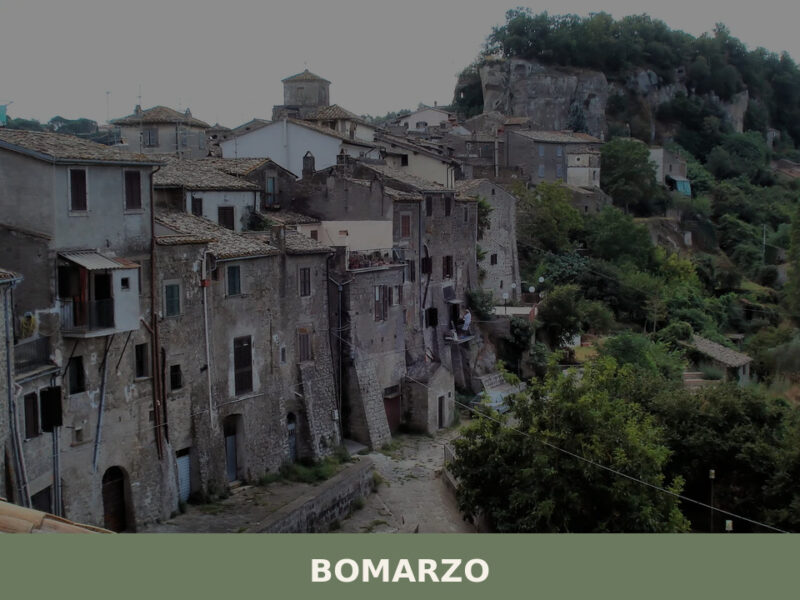
Bomarzo
A tufa-carved village of 1,674 inhabitants in northern Lazio, Bomarzo hides Renaissance monsters, Etruscan ruins, and one of Italy's most unsettling gardens.
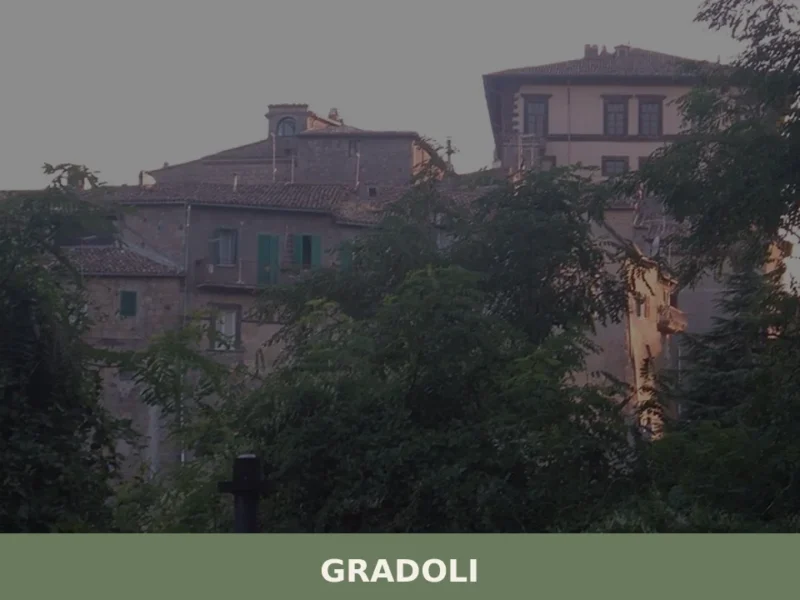
Gradoli
The distant chime of the Collegiate Church’s bells drifts across the valley, carried on a breeze that often stirs the leaves of ancient olive groves. At 470 meters above sea level, Gradoli presents itself not as a grand pronouncement, but as a quiet assertion of history and life etched into the volcanic landscape of northern […]
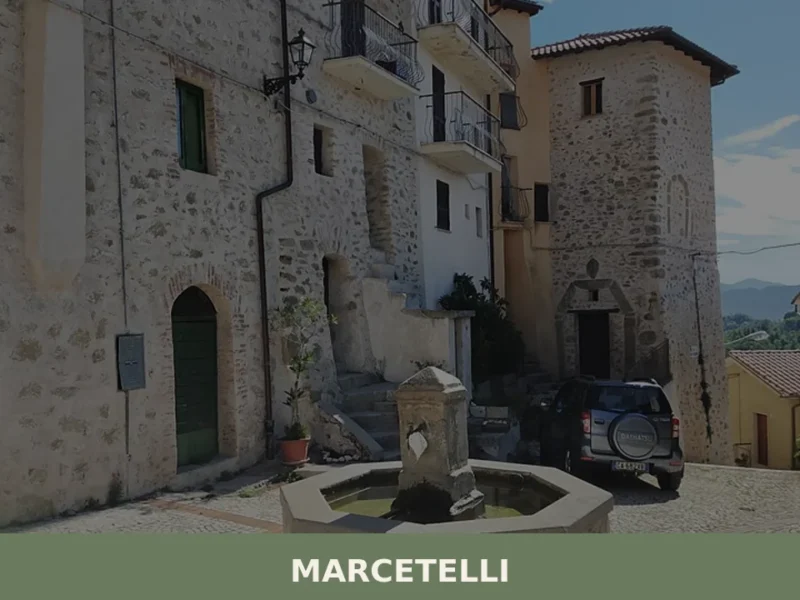
Marcetelli
What to see in Marcetelli, a village at 930m in Rieti province with 82 residents. Explore Lago del Salto, the Church of San Venanzio and PAT-certified Guanciale amatriciano. Plan your visit now.






📝 Incorrect information or updates?
Help us keep the Tessennano page accurate and up to date.