


Tessennano
 Hills
Hills
In the heart of Viterbo’s Tuscia region, 302 meters above sea level, lies Tessennano, a settlement with 284 residents. Its hillside location, distant from major thoroughfares, has defined its profile through the centuries. For those wondering what to see in Tessennano, the village presents a historical layering perceptible in its architecture. The settlement develops around […]
Discover Tessennano
In the heart of Viterbo’s Tuscia region, 302 meters above sea level, lies Tessennano, a settlement with 284 residents. Its hillside location, distant from major thoroughfares, has defined its profile through the centuries. For those wondering what to see in Tessennano, the village presents a historical layering perceptible in its architecture. The settlement develops around an ancient core, where local volcanic stone is the prevalent building material. Life here follows rhythms that reflect the agricultural vocation of the territory, with a calendar marked by seasons and festivities.
History and origins of Tessennano
The name “Tessennano” is believed to derive from a Roman praedial, “Tessenianum,” which identified the ownership of an agricultural estate. The first documented attestations of a stable settlement date back to the medieval period, when the territory fell under the ecclesiastical and feudal influences of northern Lazio. The center experienced the dominion of various noble families, including the Orsini and the Aldobrandini, who influenced its development and defensive structure. More details on the history of the municipality are available on the official website of the Municipality of Tessennano.
During the Renaissance, Tessennano maintained its function as an agricultural center, with a population tied to farming and livestock breeding. The original defensive structures, such as the fortress and walls, underwent modifications over the centuries, adapting to residential needs and changing military techniques. The current configuration of the village partly reflects these transformations, with buildings that bear witness to interventions from different eras, from the Middle Ages to the modern age. The history of the place is closely linked to the broader story of Viterbo’s Tuscia region, a border area and crossroads of cultures, as explored on Wikipedia Italy.
What to see in Tessennano: 5 essential attractions
The Parish Church
The main place of worship in the village is the Parish Church, dedicated to Santa Maria Assunta. Its structure, the result of alterations over the centuries, features architectural elements ranging from more austere lines to details from later periods. Inside, some sacred artworks are preserved, including canvases and wooden furnishings, which recount the community’s devotion and its spiritual history.
The Municipal Palace
Facing the main square, the Municipal Palace occupies what was once the baronial residence. The building, with its stone facade and framed windows, represents a landmark in the civil architecture of the village. It houses administrative offices and, at times, minor cultural events, serving as a center for Tessennano’s public and social life.
Gateway to the Old Village
Access to the oldest core of Tessennano is through a stone gate, which was once an integral part of the defensive system. This passage, with its thick side walls, marks the boundary between the more recent settlement and the historical constructions. Passing through it allows one to perceive the original urban structure of the center, with its irregular arrangement of buildings.
The Clock Tower
Dominating the village’s profile, the Clock Tower stands as a distinctive element. Its function, in addition to marking time for the community, was probably also for sighting, given its elevated position. The construction features robust workmanship, typical of the area’s defensive and civil architecture, and offers a visual reference point from various directions.
The Valley Viewpoint
Given its altitude of 302 meters, Tessennano offers several points from which to observe the surrounding landscape. One of these viewpoints, situated at the edge of the inhabited area, allows for an extended view over the hills of Viterbo’s Tuscia region, characterized by cultivated fields, olive groves, and Mediterranean scrub. It is a place where the geographical dimension of the territory manifests itself in its expanse and seasonal chromatic variations.
Typical cuisine and local products
The cuisine of Tessennano, like much of Tuscia’s gastronomy, is based on simple and robust ingredients, a direct expression of the hilly land and its products. Tuscia DOP Extra Virgin Olive Oil represents a fundamental pillar, used both for cooking and as a raw condiment. Among the main dishes, one often finds legume soups, such as the traditional acquacotta, enriched with wild vegetables and stale bread, or variations with Gradoli Purgatory Beans or Onano Lentils, products with specific recognition from neighboring areas.
Wild boar meat, abundant in the surrounding woods, is the star of pasta sauces or roasts. There are also dairy products, including Pecorino Romano DOP, and cured meats derived from local pork butchery. As for desserts, tozzetti, dry biscuits with hazelnuts or almonds, are often present on tables. All of this is often accompanied by local wines, such as Est! Est!! Est!!! di Montefiascone DOC, which testifies to the territory’s viticultural vocation.
When to visit Tessennano: the best time
Tessennano’s climate is of the continental Mediterranean type, with hot, dry summers and colder, wetter winters. Spring and autumn offer mild temperatures and particularly favorable light for landscape observation and outdoor activities. During these periods, the surrounding countryside is colored with hues ranging from intense green to ochre shades, making walks among olive groves and cultivated fields an interesting visual experience.
The patron saint’s festival, celebrated on August 30th, represents a moment of gathering for the community. During this observance, the village comes alive with religious events and local manifestations that reflect the customs of the place. Given the small size of the center, it is advisable to check in advance the calendar of any specific initiatives for a more targeted visit.
How to get to Tessennano
Tessennano is mainly reachable by private transport. From major cities, one can take the A1 motorway (Autostrada del Sole) to the Orte exit, then continue on the SS675 towards Viterbo and subsequently follow signs for Tessennano. Alternatively, for those coming from the Tyrrhenian coast, the SS1 Aurelia is an option, then diverting inland.
The nearest train station is Viterbo Porta Fiorentina, connected to Rome via the FL3 line. From Viterbo, it is necessary to continue with a local bus service or taxi. The nearest airport is Fiumicino International Airport (Rome), about 100 kilometers away, from which it is possible to rent a car to reach the village.
Other villages to discover in Lazio
The Lazio region holds numerous inhabited centers that offer insights and observations on the territory. In addition to Tessennano, the province of Viterbo presents a dense network of villages, each with its own historical and landscape specificities. Moving among the hills of Tuscia, one can encounter realities that maintain a strong connection with agricultural tradition and rural architecture.
For those wishing to extend their exploration, other examples of centers in Lazio include Accumoli, situated in a different mountainous context, and Villa San Giovanni in Tuscia, which shares with Tessennano its belonging to the same geographical and cultural area. Each locality represents a fragment in the complex historical and environmental fabric of the region.
Frequently asked questions about Tessennano
What is the best time to visit Tessennano?
Spring (April–June) and autumn (September–October) offer the most pleasant conditions, with mild temperatures and striking landscape colors across the Tuscia hills. Summer is warm and dry, with the highlight being the patron saint's feast on August 30th, when the village hosts religious celebrations and local gatherings. Winter is cooler and quieter, suited to visitors seeking solitude. Avoiding August's peak heat while still catching the late-summer festival makes the last week of August a particularly rewarding window for a visit.
What are the historical origins of Tessennano?
The name Tessennano is believed to derive from the Latin praedial 'Tessenianum,' indicating a Roman agricultural estate. Its first documented medieval attestations place it within the ecclesiastical and feudal sphere of northern Lazio. Over the centuries, the village passed under the dominion of noble families including the Orsini and the Aldobrandini, who shaped its defensive and urban structure. Like much of Viterbo's Tuscia, it developed as an agricultural and pastoral center at the crossroads of competing feudal influences during the medieval and Renaissance periods.
What to see in Tessennano? Main monuments and landmarks
Tessennano's compact historic core offers five key sites: the Parish Church of Santa Maria Assunta, with sacred artworks and centuries of architectural layering; the Municipal Palace, a former baronial residence on the main square; the stone Gateway to the Old Village, a surviving element of the medieval defensive system; the Clock Tower, which dominates the village skyline; and a hilltop Viewpoint at 302 meters overlooking the Tuscia hills. The village is freely accessible on foot, and its tight medieval street layout makes exploration straightforward even for casual visitors.
What are the main natural or scenic attractions of Tessennano?
Tessennano sits at 302 meters in the hilly Viterbo Tuscia, surrounded by olive groves, cultivated fields, and Mediterranean scrub. The viewpoint at the edge of the village offers wide panoramas over the rolling Lazio countryside. The unspoiled rural landscape between Tessennano and neighboring centers like Villa San Giovanni in Tuscia is well suited for walking and cycling along country roads. The area's natural character reflects the broader Tuscia environment, known for its volcanic geology, dense vegetation, and absence of mass tourism infrastructure.
Where to take the best photos in Tessennano?
The most rewarding photography spots in Tessennano include the valley viewpoint at the edge of the village, which frames panoramic shots of the Tuscia hills, especially evocative at sunrise and during autumn foliage. The stone Gateway to the Old Village provides a classic architectural composition with depth and texture. The Clock Tower, visible from multiple angles within the village, offers strong vertical subjects. The main square in front of the Municipal Palace captures the essence of the village's civil architecture in a single, well-composed frame.
Are there museums, churches or historic buildings to visit in Tessennano?
The main historic buildings open to the public include the Parish Church of Santa Maria Assunta, which preserves sacred canvases and wooden furnishings accumulated over centuries of community devotion. The Municipal Palace, formerly a baronial residence, houses administrative offices and occasionally hosts minor cultural events. The Clock Tower and the stone defensive Gateway are accessible as part of a walking tour of the old center. Specific opening hours for the church are not formally published; as is common in small Lazio villages, visits are best arranged by contacting the parish or municipality directly.
What can you do in Tessennano? Activities and experiences
Tessennano is best experienced through slow, contemplative visits: walking the medieval lanes of the historic center, pausing at the valley viewpoint, and exploring the surrounding countryside on foot or by bike. The patron saint's celebration on August 30th offers a genuine glimpse into local community life. The broader Tuscia area invites food and wine itineraries centered on Tuscia DOP olive oil, local legume dishes, and Est! Est!! Est!!! di Montefiascone DOC wine. Day trips to nearby Viterbo and other Tuscia villages extend the experience significantly.
Who is Tessennano suitable for? Families, couples, hikers, solo travelers?
Tessennano is best suited to couples and solo travelers seeking quiet, off-the-beaten-path destinations with authentic rural character. Its compact size, gentle hillside terrain, and peaceful atmosphere also make it accessible for older visitors and those traveling with children who appreciate open landscapes over urban stimulation. Food and wine enthusiasts will find the Tuscia gastronomic tradition rewarding. Hikers looking for light walking in scenic countryside will enjoy the surroundings, though the village itself lacks marked long-distance trails. It is not suited to visitors seeking nightlife, large museums, or resort-style amenities.
What to eat in Tessennano? Local products and specialties
The local table draws directly from the Tuscia tradition. Tuscia DOP Extra Virgin Olive Oil is the foundational ingredient across dishes. Acquacotta, a peasant soup of wild vegetables, stale bread, and egg, is a regional staple. Pasta and roast preparations featuring wild boar reflect the wooded surroundings. Legume dishes incorporating Gradoli Purgatory Beans or Onano Lentils, both products with area recognition, are common. Pecorino Romano DOP and local pork cured meats round out the table, with tozzetti biscuits for dessert and Est! Est!! Est!!! di Montefiascone DOC as the recommended local wine pairing.
📷 Photo Gallery — Tessennano
Nearby Villages near Tessennano
In Lazio More villages to discover
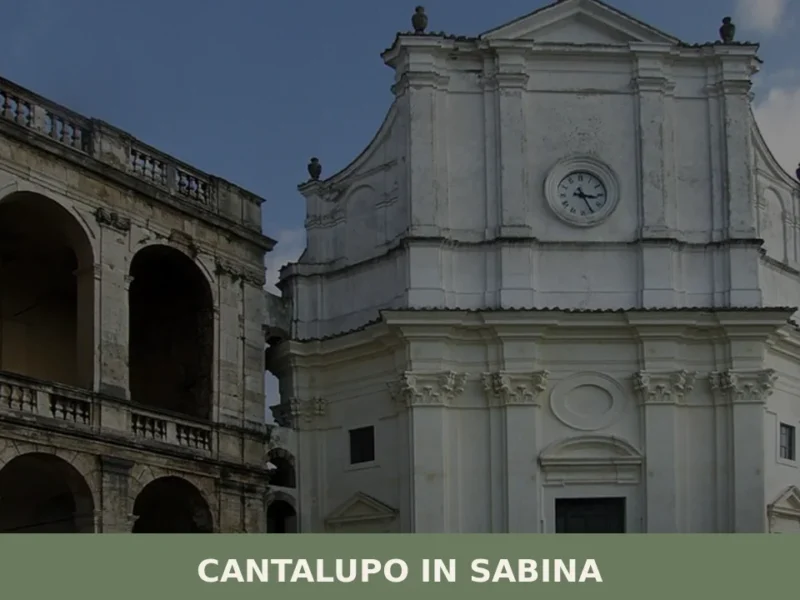
Cantalupo in Sabina
Hills
What to see in Cantalupo in Sabina: a hill village at 297 m in Rieti with 1,738 residents. Explore the medieval centre, the San Biagio feast and PAT-certified guanciale. Plan your visit now.
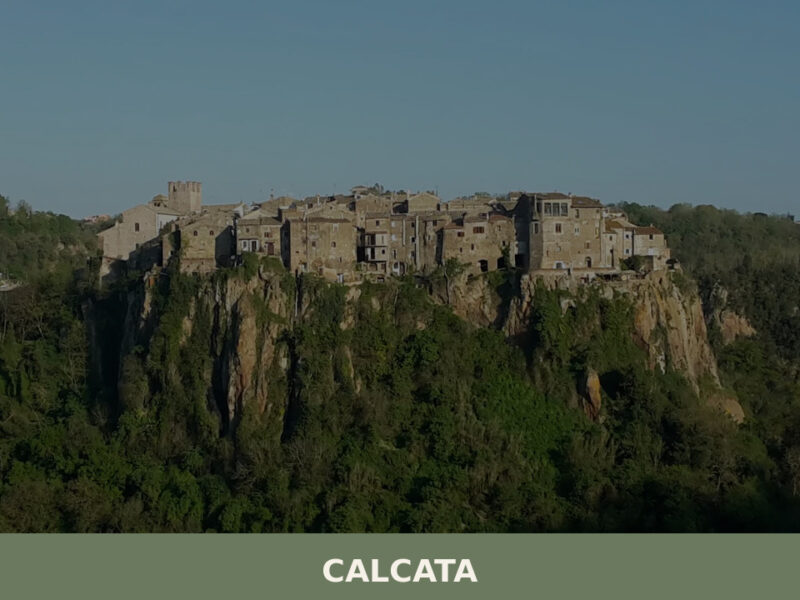
Calcata
Hills
In 1935, the Italian government declared Calcata Vecchia a village to be abandoned due to the instability of the tuff cliff on which it stands. Fifty years later, the village was reborn as an artistic center, now offering visitors a unique experience. If you are wondering what to see in Calcata, the village appears as […]
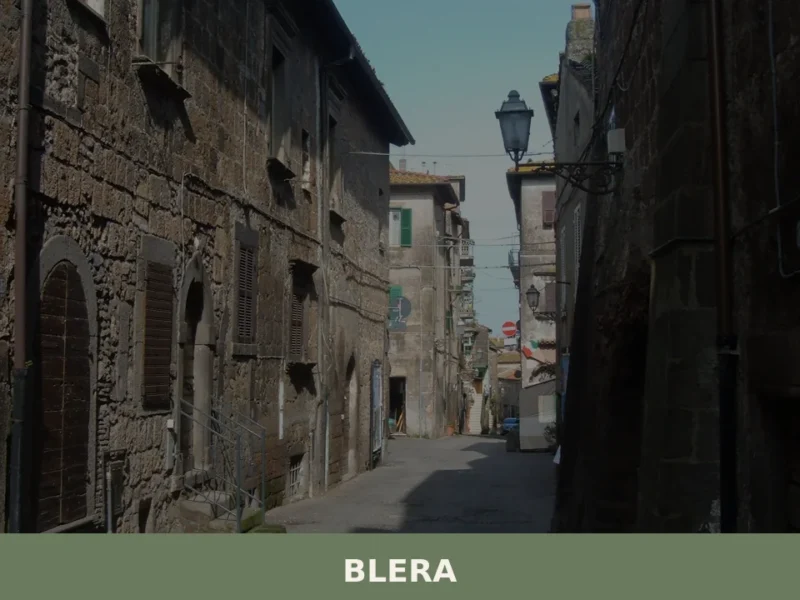
Blera
Hills
What to see in Blera, Lazio, Italy: Etruscan rock tombs, Via Clodia bridges, and a town at 270 m altitude. Explore history, food, and travel tips. Discover now.
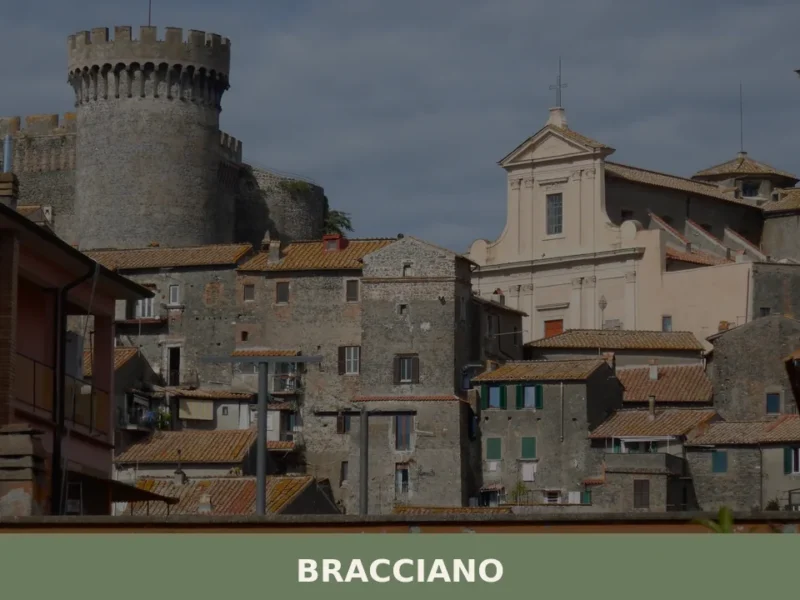
Bracciano
Hills
 Lake
Lake
What to see in Bracciano, Italy: Discover its medieval castle and volcanic lake. Located 30 km (19 mi) from Rome, explore this Lazio village for a memorable day trip.
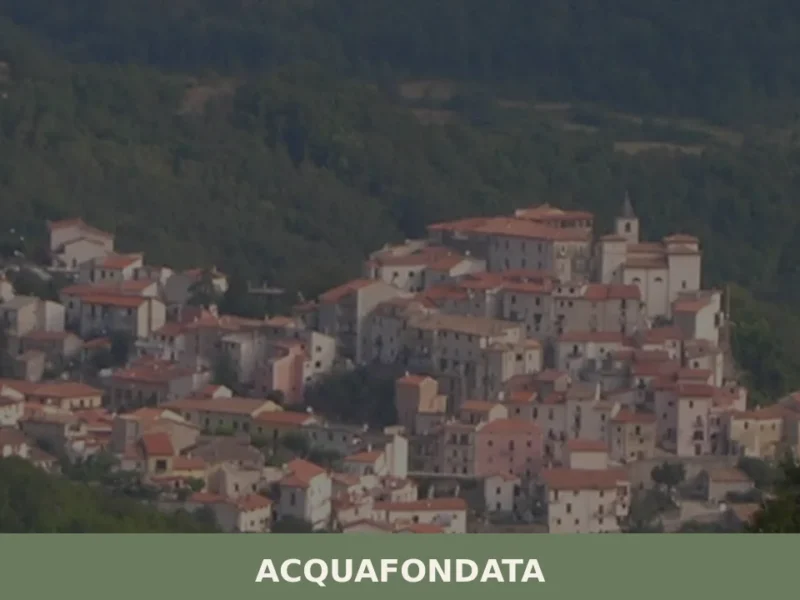
Acquafondata
 Mountain
What to see in Acquafondata: discover 5 attractions in this Lazio village, from historic churches to views over the Aurunci Mountains. Plan your visit.
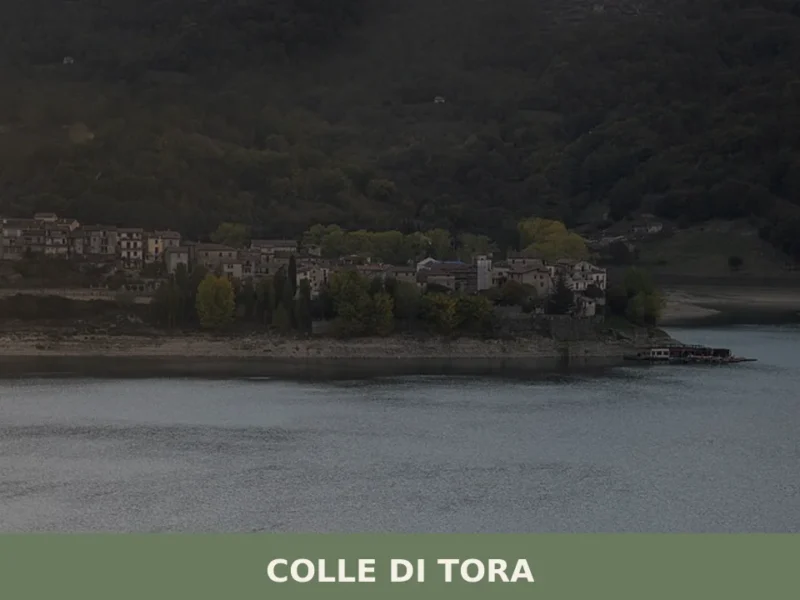
Colle di Tora
Hills
Lake
What to see in Colle di Tora: a village at 542 m on Lake Turano with 381 residents, a medieval centre and 3 PAT-certified products. Plan your visit today.
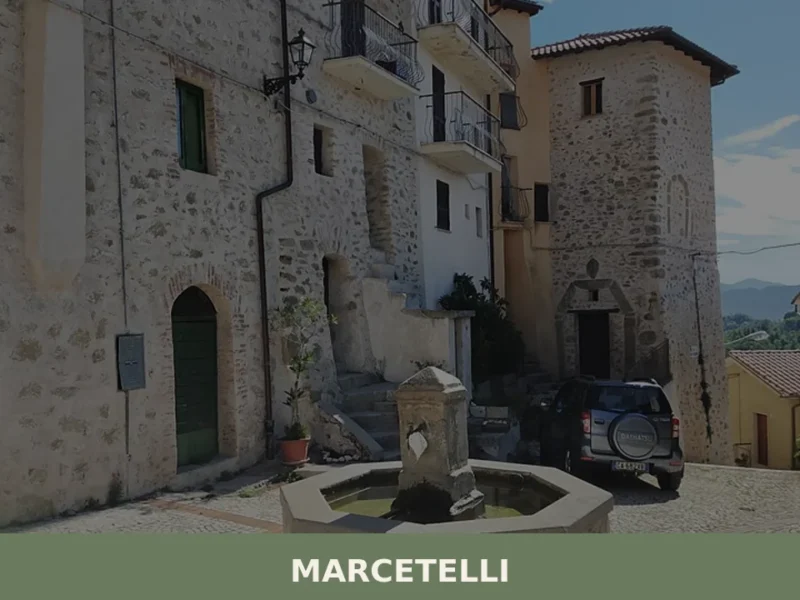
Marcetelli
Lake
Mountain
What to see in Marcetelli, a village at 930m in Rieti province with 82 residents. Explore Lago del Salto, the Church of San Venanzio and PAT-certified Guanciale amatriciano. Plan your visit now.
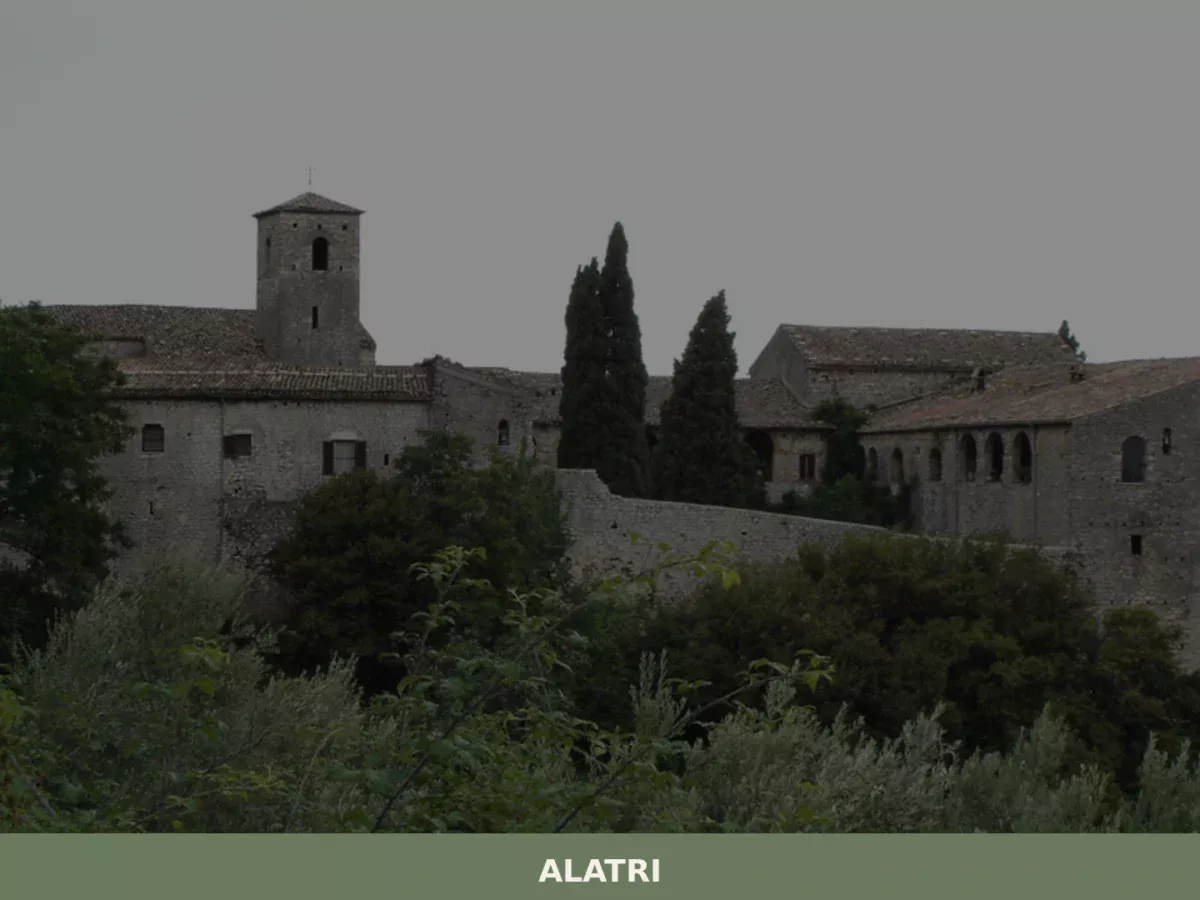
Alatri
Mountain
Limestone blocks measuring up to 3 by 2 metres sit without mortar on the hill above the city, fitted so precisely that a knife blade cannot pass between them. The terrace walls of the acropolis rise to over 15 metres (49 ft), enclosing a rectangular plateau of 220 by 100 metres (720 by 330 ft). […]
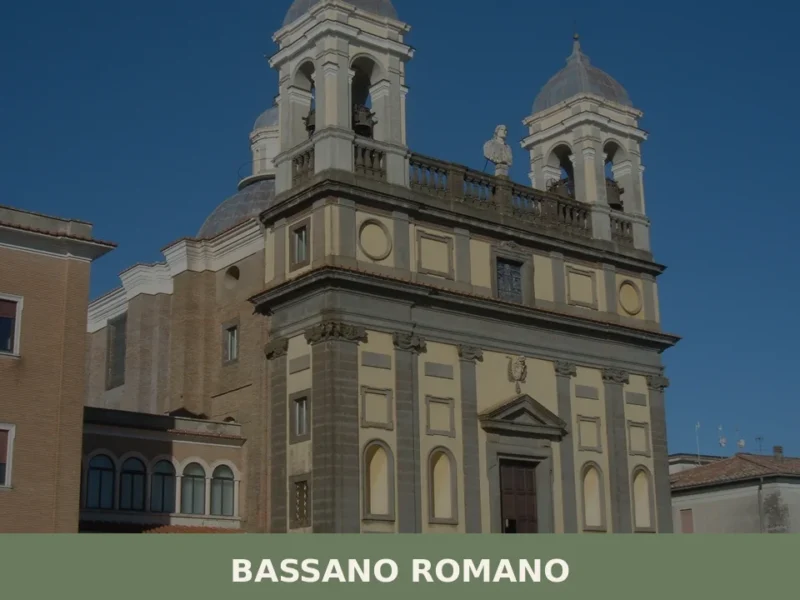
Bassano Romano
Hills
What to see in Bassano Romano, Italy: Palazzo Giustiniani, maiolica heritage, and the feast of San Gratiliano. 4,980 inhabitants at 360 m. Discover it now.
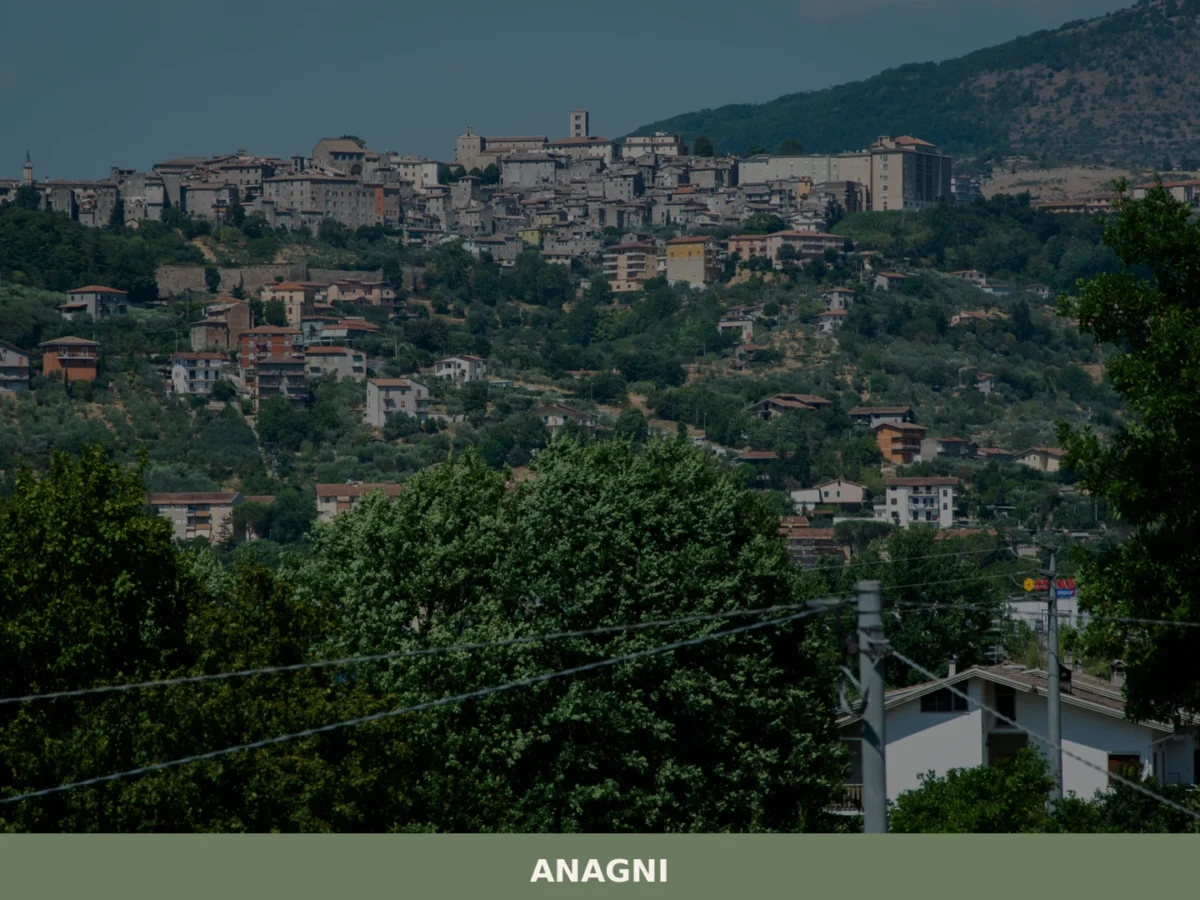
Anagni
Hills
What to see in Anagni: from the Cathedral of Santa Maria to the medieval Crypt. Complete guide with 5 attractions, practical tips and a one-day itinerary.





🏡 Know Tessennano better than we do?
If you’re a local or have been there, your knowledge matters: add what’s missing or fix a detail on this page.