


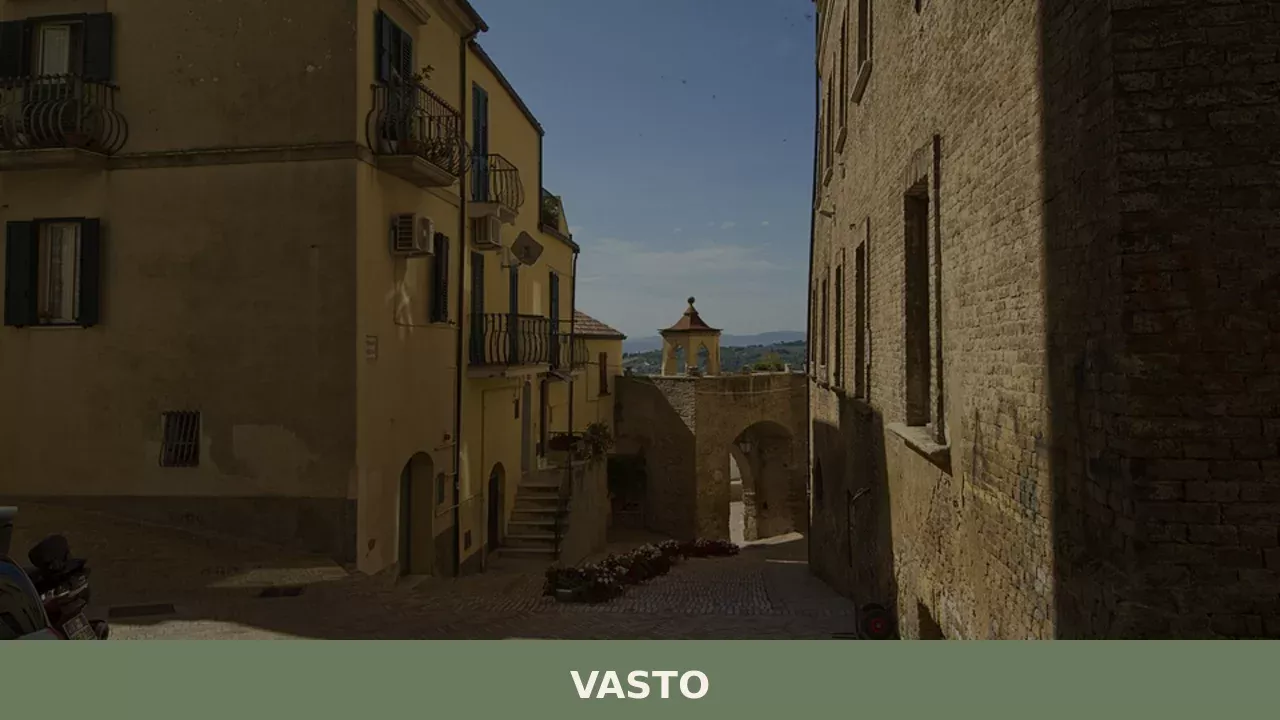
Vasto
With 40,692 inhabitants, Vasto stands on the Abruzzo Adriatic coast, a town that from its promontory at 144 meters above sea level observes a stretch of sea that was a crossroads of cultures and trades. For those wondering what to see in vasto, the answer unfolds among Roman vestiges, Renaissance architecture, and views of the […]
Discover Vasto
With 40,692 inhabitants, Vasto stands on the Abruzzo Adriatic coast, a town that from its promontory at 144 meters above sea level observes a stretch of sea that was a crossroads of cultures and trades. For those wondering what to see in vasto, the answer unfolds among Roman vestiges, Renaissance architecture, and views of the Gulf. Its urban extension, while maintaining a dense historical core, stretches towards the coastline, offering a landscape that ranges from the squares of the old town to sandy beaches. Its history, traceable back to the pre-Roman era with ancient Histonium, makes it a point of interest for understanding the dynamics of the Adriatic territory through the centuries, a place where historical layers are legible in the urban fabric.
History and Origins of Vasto
Vasto’s roots are in antiquity, with the foundation of the Frentani settlement of Histonium, later assimilated into the Roman sphere. Already in the 1st century AD, the city was a center of some importance, as evidenced by the remains of public and private buildings still visible. After the fall of the Roman Empire, the name evolved into Guastum, from which Vasto derives, and the city underwent barbarian incursions and the dominations that characterized Southern Italy.
The medieval and Renaissance periods saw Vasto strengthen, particularly under the D’Avalos lordship, who in the 15th century left a significant mark on urban and architectural development. Their dominion helped shape the historic center, endowing it with fortifications and palaces that still define the identity of the town today. Its strategic position on the Adriatic Sea has always made Vasto a crucial point for trade and exchanges, influencing its culture and economy over the centuries. For historical insights, you can consult the dedicated entry on Wikipedia.
what to see in vasto: 5 essential attractions
1. Caldoresco Castle
Built in the 15th century by Giacomo Caldora, Caldoresco Castle stands in defense of the city. Its quadrangular structure with corner towers, although altered over time, retains the grandeur of Aragonese fortifications. Today it hosts cultural events and offers a perspective on past defensive strategies, dominating a part of the historic center.
2. Palazzo d’Avalos
A historic residence of the D’Avalos family, the palace is an example of Renaissance architecture. Inside, the spaces house the Civic Museums, with archaeological sections, an art gallery, and modern art collections. The Neapolitan garden attached to the palace offers a peaceful place with sea views, typical of noble residences of the era.
3. Cathedral of San Giuseppe
Vasto’s main place of worship, the Cathedral of San Giuseppe, features a Romanesque-Gothic facade, the result of various reconstructions and restorations. The interior, with three naves, preserves sacred artworks and testimonies of local devotion. Its location in the heart of the old town makes it a focal point for observing the city’s urban planning.
4. Loggia Amblingh
The Loggia Amblingh is a viewpoint overlooking the Gulf of Vasto and the Adriatic coast. This panoramic promenade, lined with elegant palaces and flowered balconies, offers expansive views ranging from the Punta Aderci Nature Reserve to the distant outlines of the Tremiti Islands. It is an advantageous observation point for grasping the relationship between the town and its maritime context.
5. Punta Aderci Regional Nature Reserve
A few kilometers from the urban center, the Punta Aderci Nature Reserve protects a wild stretch of coast, characterized by pebble beaches and sandy dunes. Nature trails allow visitors to explore the local biodiversity and reach Punta Penna beach, dominated by the lighthouse. The area is an example of the landscape integrity of the Abruzzo coast.
Typical Cuisine and Local Products
Vasto’s cuisine reflects its dual soul, between sea and land. The Brodetto alla Vastese is perhaps the most representative dish: a fish soup that varies according to the day’s catch, prepared with different varieties of fresh fish, tomato, chili pepper, and local herbs. Another distinctive product is Ventricina Vastese, a cured sausage with an intense flavor, prepared with coarsely ground pork, enriched with salt, pepper, sweet and hot bell pepper, then cased and aged. Its preparation is linked to rural traditions and ancient knowledge.
No less important are the Pallotte Cacio e Ova, meatballs made from stale bread, cheese, and eggs, fried and then immersed in a tomato sauce. On the coast, Scapece, fried bluefish marinated in vinegar with saffron, represents a traditional preservation method that enhances its flavor. The local extra virgin olive oil, often produced from indigenous cultivars like Gentile di Chieti, accompanies every dish. For a genuine gastronomic experience, you can consult the recommendations of the Italian Touring Club.
When to Visit Vasto: The Best Time
Vasto enjoys a Mediterranean climate, with warm summers and mild winters, influenced by its proximity to the Adriatic Sea. The best time to visit the town and its coast is from May to September, when temperatures are pleasant and allow for enjoying both strolls in the historic center and beach activities. The patron saint festival of San Michele Arcangelo, celebrated on September 29, offers an opportunity to observe local traditions, with religious rites and festivities that enliven the town’s streets.
The spring and autumn months, with cooler but still mild temperatures, are also suitable for exploring the city and its surroundings with greater tranquility, avoiding summer crowds. During these periods, the colors of the surrounding countryside and the sea views take on particular nuances, ideal for photography enthusiasts and those seeking a more intimate experience.
How to Get to Vasto
Vasto is accessible via several communication routes. By car, it can be reached via the A14 Adriatica motorway, exiting at the “Vasto Nord” or “Vasto Sud” toll booths. For those who prefer the train, Vasto-San Salvo station is served by regional and intercity trains, connecting the town with the main cities on the Adriatic coast. The nearest airport is Abruzzo Airport in Pescara (PSR), located about 70 kilometers to the north, from which you can continue by car or public transport services.
Distances from some major cities are: Pescara about 70 km, Chieti about 60 km, Campobasso about 90 km, and Rome about 270 km. The local road network allows for easy travel within the surrounding territory and to reach coastal locations and points of interest in the region.
Other Towns to Discover in Abruzzo
Abruzzo, a region of strong landscape contrasts, offers a plurality of towns that deserve to be explored, each with its own peculiarities. While Vasto represents the maritime and historical
In Abruzzo More villages to discover
Brittoli
Brittoli has 258 inhabitants today — fewer than it takes to fill a regional railway carriage. Yet this small settlement at 779 metres above sea level, in the western part of the province of Pescara, retains a building fabric that dates in part to the 12th century and a strategic position on the ridge separating […]
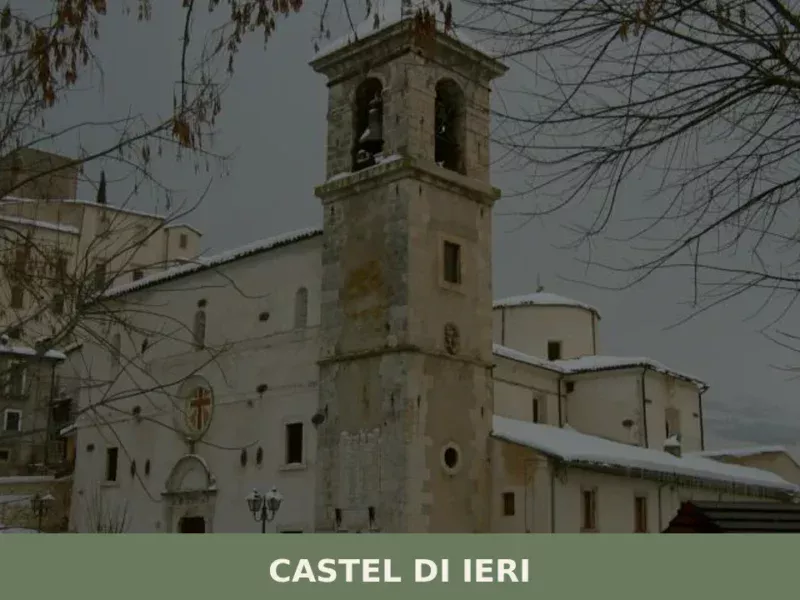
Castel di Ieri
In Castel di Ieri, a village of 289 registered inhabitants at 519 metres above sea level in the Valle Subequana, the most significant feature lies underground: an Italic temple from the 1st century BC, unearthed during the 1980s, which redrew the archaeological map of inland Abruzzo. Anyone looking into what to see in Castel di […]
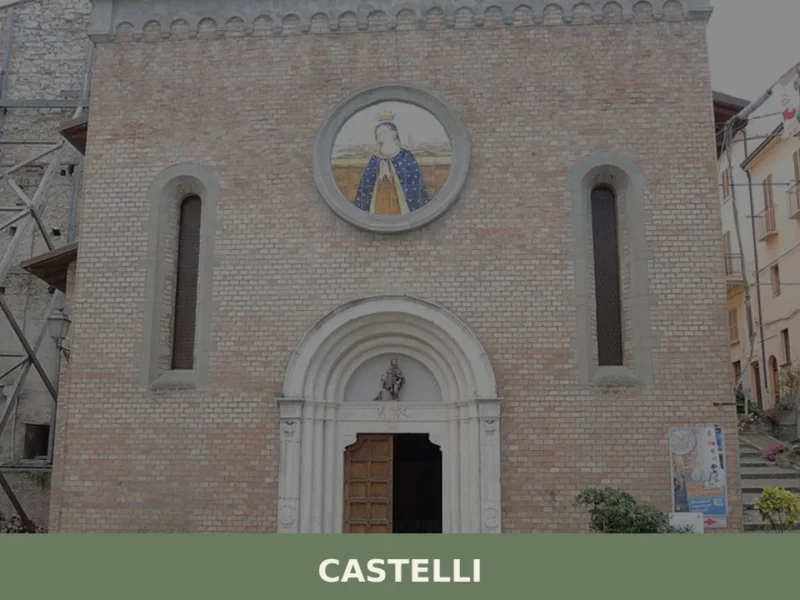
Castelli
Since the 14th century, Castelli has been recognized as one of Abruzzo’s most significant ceramic production centers, an art that has shaped the village’s identity and continues to define its image today. This small settlement, with its 976 inhabitants and an altitude of 497 meters above sea level in the province of Teramo, offers an […]





📝 Incorrect information or updates?
Help us keep the Vasto page accurate and up to date.