


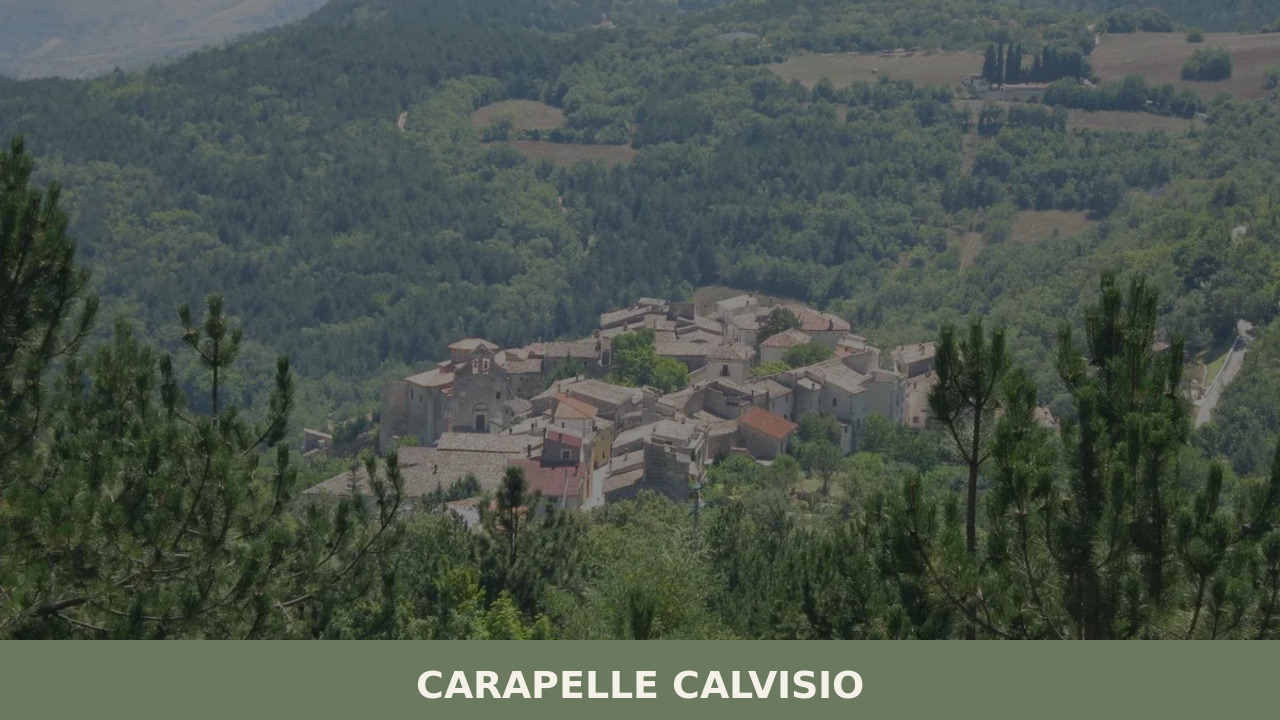
Carapelle Calvisio
 Mountain
What to see in Carapelle Calvisio, Italy? Explore this village at 910 m (2,986 ft) altitude, visit Rocca Calascio, and discover its unique population status. Read our guide!
Discover Carapelle Calvisio
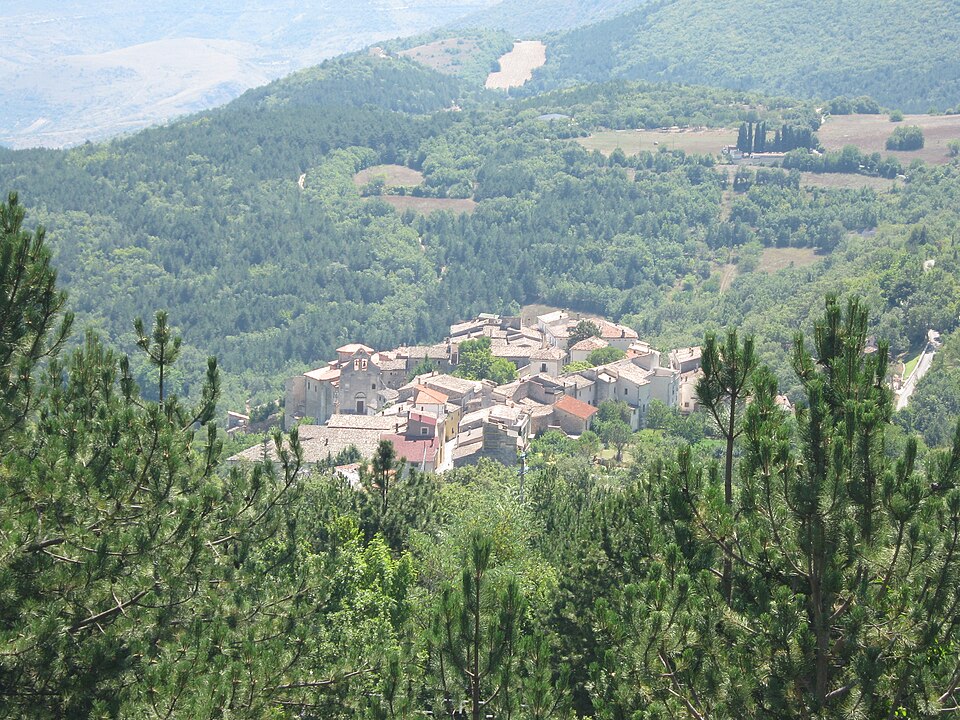
At an elevation of 910 m (2,986 ft) above sea level, Carapelle Calvisio appears as a compact cluster of stone buildings set against the dramatic backdrop of the Gran Sasso e Monti della Laga National Park. This high-altitude village in Italy’s Abruzzo region offers a perspective on life shaped by the mountains, where the air is crisp and the vistas extend across rugged terrain. Its isolation has contributed to its unique character and preserved it from extensive modern development.
For those planning what to see in Carapelle Calvisio, this guide offers an overview of its distinctive features and nearby points of interest.
With a population of just 78 inhabitants, the village itself is a study in quiet resilience, while the proximity to the Gran Sasso e Monti della Laga National Park and the imposing Rocca Calascio provides clear reasons for a visit. Visitors to Carapelle Calvisio find a destination that combines natural beauty with a glimpse into a less-traveled part of central Italy.
History of Carapelle Calvisio
Carapelle Calvisio is situated in the Province of L’Aquila, within the broader Abruzzo region, a location that has historically influenced its development and current demographic profile. The village’s existence at 910 m (2,986 ft) above sea level, within the Gran Sasso e Monti della Laga National Park, has fostered a degree of isolation. This geographical characteristic meant that the village was largely preserved from serious damage during the devastating 2009 L’Aquila earthquake, as it was separated by a mountain from the epicentral area. For those planning what to see in Carapelle Calvisio, understanding its unique geographical context is key.
The village holds a distinctive demographic status in Italy, being one of the least populous non-alpine comuni (municipalities) in the country.
As of current data, Carapelle Calvisio has 78 inhabitants, a figure that is projected to decrease to 68 by 2026. This population trend reflects a broader phenomenon observed in many small Italian mountain communities, where historical patterns of emigration and lower birth rates have led to significant demographic shifts over generations. It is tied with Montefino as the least populous municipality in Abruzzo, highlighting its unique position. This demographic characteristic is shared with other small, high-altitude communities across the region, including Valle Castellana, which also experiences similar challenges and charm.
Further insights into Carapelle Calvisio’s population structure reveal its current composition: as of 2026, the population is anticipated to be 68, with 52.9% male and 47.1% female residents. Minors are expected to constitute 8.8% of the population, while seniors will make up a substantial 38.2%, indicating an aging community.
Additionally, as of 2025, the foreign-born population accounts for 10 residents, representing 14.3% of the total, with Brazil being the largest country of origin, contributing three residents to this diverse group. Its proximity to the historical Rocca Calascio suggests a historical connection to the broader territorial dynamics of the L’Aquila area, even if Carapelle Calvisio itself has limited documented ancient history.
What to see in Carapelle Calvisio, Abruzzo: top attractions
Gran Sasso e Monti della Laga National Park
The Gran Sasso e Monti della Laga National Park, where Carapelle Calvisio is located, spans three provinces in Abruzzo and is one of Italy’s largest protected areas, established in 1991. Visitors can experience diverse ecosystems ranging from high alpine peaks to wooded valleys and vast plateaus. The park encompasses the Gran Sasso massif, home to Corno Grande, the highest peak in the Apennines at 2,912 m (9,554 ft), offering extensive opportunities for hiking, wildlife observation, and photography.
Exploring this natural expanse provides a profound connection with the wild heart of central Italy.
Rocca Calascio
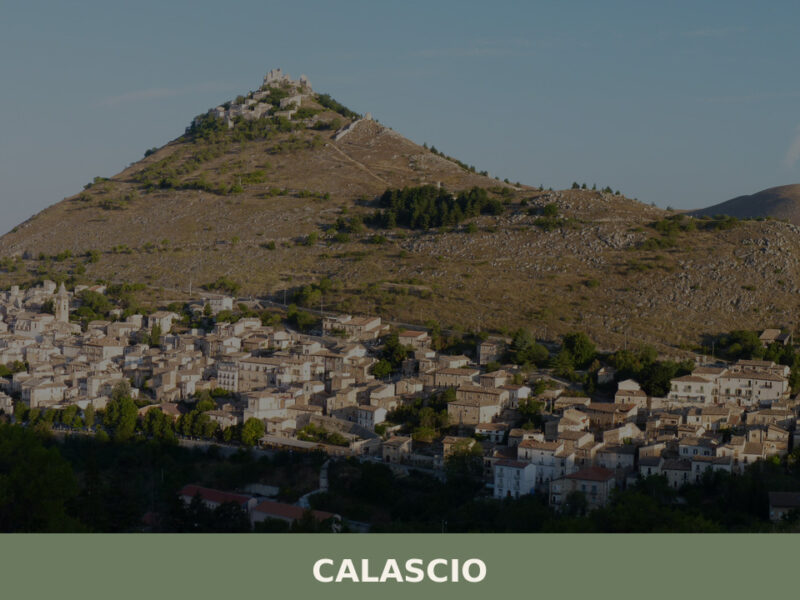
Just a few kilometers from Carapelle Calvisio, approximately 15 km (9.3 mi) away, stands the impressive Rocca Calascio, a mountain fortress dating back to the 10th century. This historic castle, built entirely of white stone, is one of the highest fortifications in Italy, located at an altitude of 1,460 m (4,790 ft) above sea level. From its towers, visitors can survey the surrounding Abruzzo landscape, including the Tirino Valley and the Gran Sasso massif. The structure, largely preserved despite centuries of exposure, offers a tangible link to medieval military architecture and regional history.
The Village of Carapelle Calvisio
The village of Carapelle Calvisio itself serves as a unique point of interest, characterized by its traditional stone architecture and compact layout typical of high-altitude Abruzzese settlements. With a population of 78 inhabitants, it offers a tangible example of rural life in central Italy. Visitors can observe the quiet rhythm of daily life and appreciate the communal spaces that have sustained this small community for generations. Understanding what to see in Carapelle Calvisio includes appreciating its quiet rhythm and resilient community, particularly in light of its preservation during the 2009 earthquake.
Church of San Pancrazio Martire
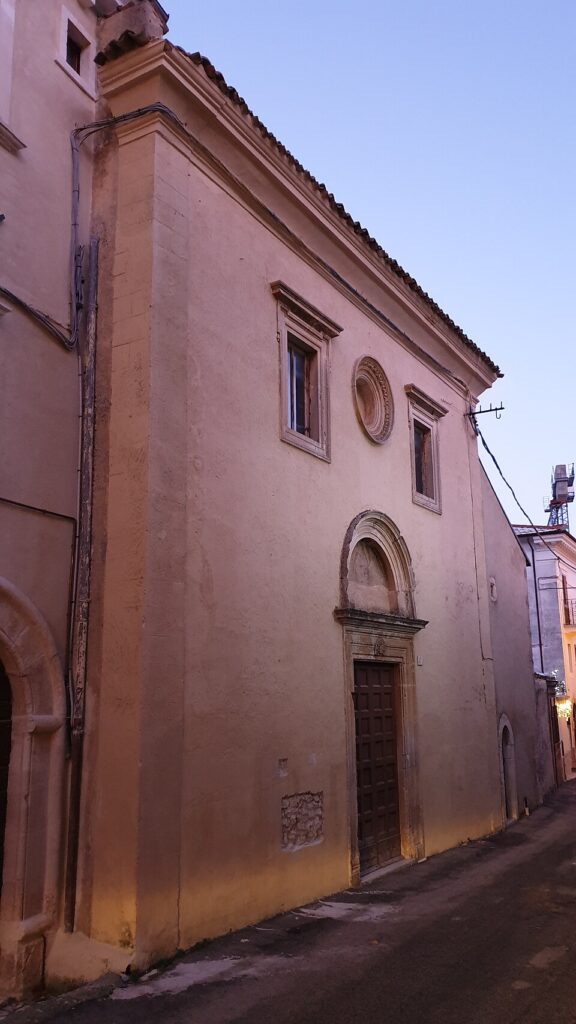
Central to the village’s spiritual and cultural life is the Church of San Pancrazio Martire, dedicated to Carapelle Calvisio’s patron saint.
While specific architectural details are not widely documented, village churches in this region often feature simple, sturdy stone construction reflecting local building traditions and centuries of devotion. The church serves as a focal point for community gatherings and religious ceremonies, particularly during the annual patron saint feast on May 12. Its presence underscores the enduring role of faith and tradition in this small mountain community.
Panoramas of Gran Sasso
Given its elevation of 910 m (2,986 ft) within the Gran Sasso e Monti della Laga National Park, Carapelle Calvisio provides extensive panoramic views of the surrounding mountains and valleys. From various vantage points within and around the village, visitors can witness the rugged peaks and expansive plateaus that define the Abruzzese landscape. The clear mountain air often allows for unobstructed sightlines across vast distances, revealing the natural grandeur of the Apennine range.
These vistas offer a contemplative experience, especially during sunrise or sunset, when the light transforms the contours of the land.
Local food and typical products of Carapelle Calvisio
The culinary traditions around Carapelle Calvisio, while not explicitly detailed in specific sources for the village itself, are deeply rooted in the broader gastronomic landscape of Abruzzo’s mountainous interior. This region is known for its hearty, rustic fare, influenced by sheep farming, agricultural bounty, and historical self-sufficiency. Dishes often feature local ingredients such as lamb, sheep’s milk cheeses, cured meats, and wild herbs gathered from the surrounding Gran Sasso e Monti della Laga National Park. The approach to cooking emphasizes natural flavors and traditional preparation methods.
Typical dishes found in the wider Abruzzese mountain areas often include robust pasta preparations and slow-cooked meats. For instance, a common regional pasta dish is maccheroni alla chitarra, an egg pasta cut with a traditional tool resembling a guitar, often served with a rich lamb or mixed meat ragù. Another staple is Arrosticini, skewers of diced lamb, grilled over an open flame, representing a simple yet deeply flavorful tradition of the pastoral communities. These dishes reflect the reliance on local resources and the importance of communal eating in mountain life.
While specific certified products directly attributed to Carapelle Calvisio are not detailed in the provided sources, the Abruzzo region as a whole boasts a range of acclaimed food products.
These include various types of Pecorino cheese made from sheep’s milk, which are often produced in mountain areas and characterized by their distinct sharp or mellow flavors depending on aging. Additionally, renowned cured meats, such as various types of salami and prosciutto, are common throughout the region, often made using traditional curing methods passed down through generations. These regional specialties reflect the agricultural heritage and skilled craftsmanship of Abruzzese food producers.
Visitors seeking to experience the local gastronomy would typically find regional specialties in nearby towns or during seasonal events in the wider Abruzzo area. While no specific food fairs or markets are listed for Carapelle Calvisio, many villages in the region host traditional sagre (a traditional local food festival) during the warmer months, often celebrating specific local produce like truffles, cheeses, or seasonal fruits. These events provide excellent opportunities to sample authentic dishes and local products directly from producers, offering a vibrant insight into the culinary culture of the Abruzzo mountains.
Festivals, events and traditions of Carapelle Calvisio
The most significant annual event in Carapelle Calvisio is the feast day dedicated to its patron saint, San Pancrazio Martire, celebrated every year on May 12.
This date is a central fixture in the village’s calendar, drawing together residents for a day of observance and community. Such patron saint festivals in Italy typically involve religious processions through the village streets, where a statue of the saint is carried, accompanied by local parishioners and often a marching band. The event serves as a vital expression of collective identity and spiritual heritage, connecting generations through shared rituals.
While specific details about the unfolding of the San Pancrazio Martire feast in Carapelle Calvisio are not extensively documented, these celebrations generally include a solemn mass, followed by social gatherings, and sometimes traditional music or local markets. The festival provides an important opportunity for family reunions and for former residents to return to their roots, reinforcing community bonds. Beyond this annual religious observance, the provided sources do not detail other specific festivals, food fairs, or unique traditions for Carapelle Calvisio, indicating a focus on the patron saint as the primary cultural event.
When to visit and what to see in Carapelle Calvisio, Italy
For those considering the best time to visit Abruzzo and Carapelle Calvisio, the late spring through early autumn months, from May to October, offer the most favorable conditions.
During this period, the high-altitude climate provides pleasant temperatures for exploring the Gran Sasso e Monti della Laga National Park, with less chance of snow on higher trails and generally clear skies for panoramic views. May is particularly significant for the village due to the San Pancrazio Martire feast, offering a cultural highlight. Summer months, while popular, maintain a comfortable coolness compared to Italy’s lower-lying areas, making it an an ideal escape from the heat. This period is also ideal for planning what to see in Carapelle Calvisio, as weather permits outdoor activities and cultural events.
Carapelle Calvisio is best accessed by car, as public transport options are limited in this mountainous region. For international visitors, the nearest major airports are Abruzzo Airport (PSR) in Pescara, approximately 90 km (56 mi) away, with a driving time of about 1 hour and 20 minutes, or Rome’s Fiumicino Airport (FCO), about 140 km (87 mi) distant, taking approximately 2 hours and 15 minutes by car. From Rome, visitors can take the A24 motorway towards L’Aquila, then follow signs towards the Gran Sasso area. The village is approximately 35 km (21.7 mi) from L’Aquila, the provincial capital, a drive of about 45 minutes over mountain roads.
The terrain around Carapelle Calvisio, given its mountain setting at 910 m (2,986 ft) above sea level, can be steep and uneven, especially on trails within the national park. Visitors planning to explore the natural surroundings should be prepared for varying gradients and suitable footwear is recommended.
For those making a day trip from nearest major city hubs like Rome, the journey is certainly feasible, offering a contrasting experience of rural mountain life. Visitors eager to explore more of Abruzzo’s diverse village offerings might also consider destinations such as Perano, which provides a different perspective on the region’s varied landscapes and cultural heritage. It is also advisable for international travelers to carry some Euros cash, as smaller establishments in remote villages may have limited card payment facilities, and English may not be widely spoken. You can find more practical information on the official municipality website of Carapelle Calvisio.
Frequently asked questions about Carapelle Calvisio
What is the best time to visit Carapelle Calvisio?
Spring and autumn are ideal for visiting Carapelle Calvisio, with mild temperatures perfect for exploring the village's historic streets and surrounding mountain trails. May is particularly special: on May 12th, the village celebrates its patron saint, San Pancrazio Martire, with traditional festivities that offer a rare glimpse into authentic Abruzzese village life. Summer suits those who enjoy local festivals and outdoor activities, while winter transforms the village into a snow-dusted stone landscape of quiet, photogenic beauty — best for solitude seekers comfortable with limited services.
What are the historical origins of Carapelle Calvisio?
Carapelle Calvisio has medieval origins and its name is thought to derive from the Latin 'Carapallium' and 'Calvisium,' pointing to ancient Roman landholding roots. During the medieval period, the village served a strategic defensive role within the Kingdom of Naples, positioned at 910 meters to monitor the surrounding Abruzzo terrain. Over centuries, its function shifted from military outpost to agricultural community, a transition still visible in its architecture, which blends remnants of fortifications with austere rural dwellings typical of mountain villages in the Province of L'Aquila.
What to see in Carapelle Calvisio? Main monuments and landmarks
The main landmarks in Carapelle Calvisio include the Parish Church of San Giovanni Battista, which houses a 17th-century wooden crucifix, the ruins of the medieval castle offering panoramic views over the Abruzzo highlands, and the Palazzo Baronale, a well-preserved example of 14th-century noble architecture. The Antico Frantoio, a historic olive press, illustrates the village's deep agricultural heritage. Access to most sites is on foot through the village's cobblestone streets. Given the small size of the village, all key landmarks can be visited in a single unhurried day.
What are the main natural or scenic attractions of Carapelle Calvisio?
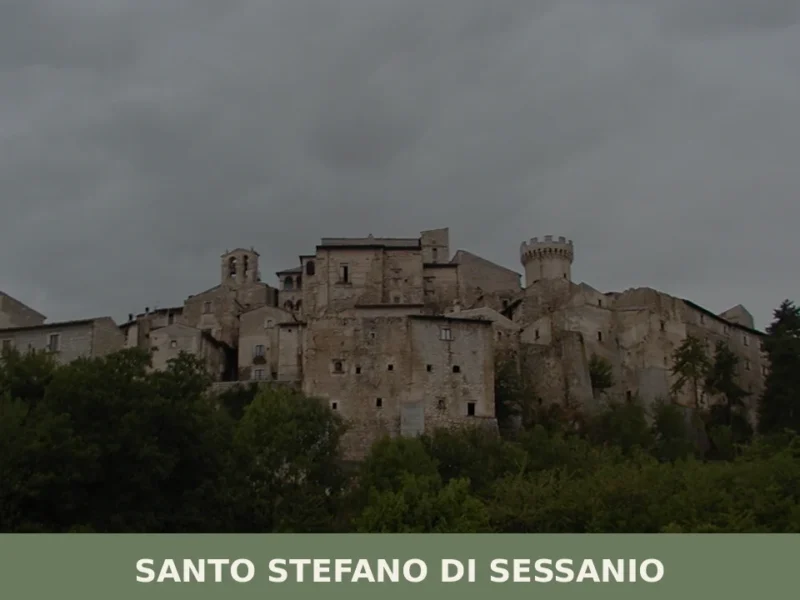
Carapelle Calvisio sits at 910 meters within the dramatic mountain landscape of the Gran Sasso and Monti della Laga National Park area. Natural footpaths connect the village to nearby Santo Stefano di Sessanio, passing through unspoiled terrain typical of the Abruzzo highlands. The surrounding olive groves and open mountain vistas make the area rewarding for walkers and nature lovers. The proximity to Campo Imperatore — one of the largest high-altitude plateaus in the Apennines — adds significant scenic and naturalistic value for visitors exploring this corner of the Province of L'Aquila.
Where to take the best photos in Carapelle Calvisio?
The ruins of the medieval castle provide the most commanding viewpoint in Carapelle Calvisio, with sweeping panoramas over the rugged Abruzzo mountains. The cobblestone alleys framed by ancient stone buildings offer atmospheric shots at any time of day, but early morning light is especially evocative. The area around the Palazzo Baronale and the Parish Church of San Giovanni Battista creates a photogenic historic core. For landscape photography, the surrounding trails toward Santo Stefano di Sessanio deliver expansive mountain views across an almost entirely unspoiled natural environment.
Are there museums, churches or historic buildings to visit in Carapelle Calvisio?
The Parish Church of San Giovanni Battista is the principal religious building in the village, containing a notable 17th-century wooden crucifix. The Palazzo Baronale represents the finest surviving example of civil historic architecture, dating to the 14th century. The ruins of the medieval castle, though partly deteriorated, remain accessible and historically significant. The Antico Frantoio preserves the tradition of olive oil production and functions as a living heritage site. Given Carapelle Calvisio's small size, formal opening hours and ticketing are not typically applicable — visiting during daylight hours is generally sufficient.
What can you do in Carapelle Calvisio? Activities and experiences
Visitors to Carapelle Calvisio can explore medieval ruins and historic architecture on foot, walk natural trails connecting the village to Santo Stefano di Sessanio, and discover traditional olive oil production at the Antico Frantoio. The feast of San Pancrazio Martire on May 12th offers a meaningful cultural experience rooted in centuries of local tradition. The surrounding mountain environment supports hiking and landscape photography throughout the year. Dining at small family-run trattorias, where handmade pasta and local products are served using time-honored recipes, rounds out an authentic and unhurried visit to this corner of Abruzzo.
Who is Carapelle Calvisio suitable for? Families, couples, hikers, solo travelers?
Carapelle Calvisio is best suited to travelers seeking authenticity over amenities: couples looking for a slow, romantic mountain retreat, hikers interested in Apennine trails and proximity to the Gran Sasso area, and cultural travelers drawn to medieval heritage and rural Abruzzo traditions. Solo visitors who appreciate quiet, contemplative destinations will feel at home here. With a population of just 78, the village is intimate rather than tourist-oriented, making it less suitable for families seeking structured activities or entertainment, but deeply rewarding for those who value genuine off-the-beaten-path experiences in southern Italy.
What to eat in Carapelle Calvisio? Local products and specialties
The local cuisine of Carapelle Calvisio reflects the mountain traditions of the Province of L'Aquila. Handmade pasta such as 'sagne' — flat, irregular pasta ribbons — is a regional staple, often paired with locally foraged truffles. The area's pastoral heritage produces robust aged cheeses and cured meats typical of Abruzzo's mountain communities. Extra-virgin olive oil, produced using traditional methods at the village's historic frantoio, is central to the local table. Meals are typically served in small, family-run trattorias where recipes follow seasonal rhythms and multi-generational culinary knowledge rather than commercial standardization.
📷 Photo Gallery — Carapelle Calvisio
Getting there
Piazza Gabriele d'Annunzio, 67020 Carapelle Calvisio (AQ)
Nearby Villages near Carapelle Calvisio
In Abruzzo More villages to discover

Castiglione Messer Raimondo
 Hills
Hills
What to see in Castiglione Messer Raimondo, Italy: explore 5 top attractions near Gran Sasso, medieval history and local food. Discover Abruzzo's Teramo province.
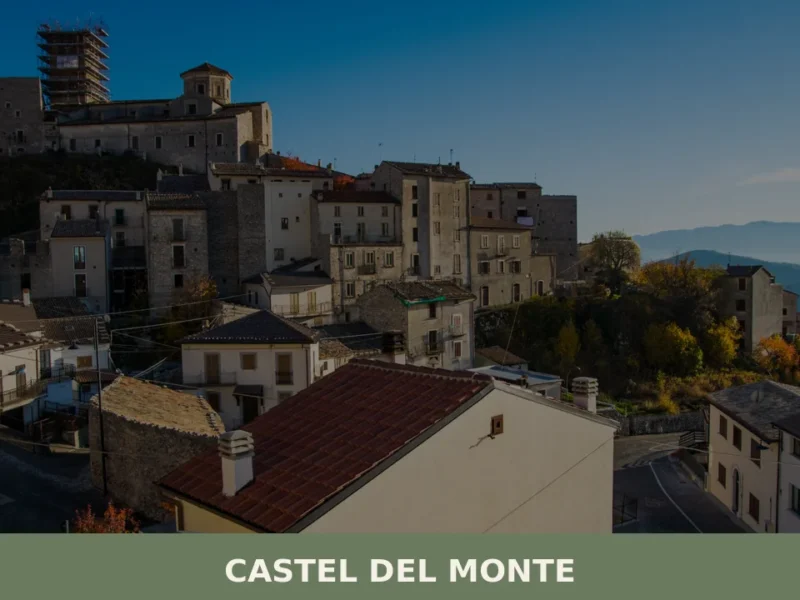
Castel del Monte
Mountain
what to see in Castel del Monte? Discover this Abruzzo village at 1346m altitude. Explore historic churches, medieval walls, and taste traditional canestrato cheese in Italy.
Atessa
Hills
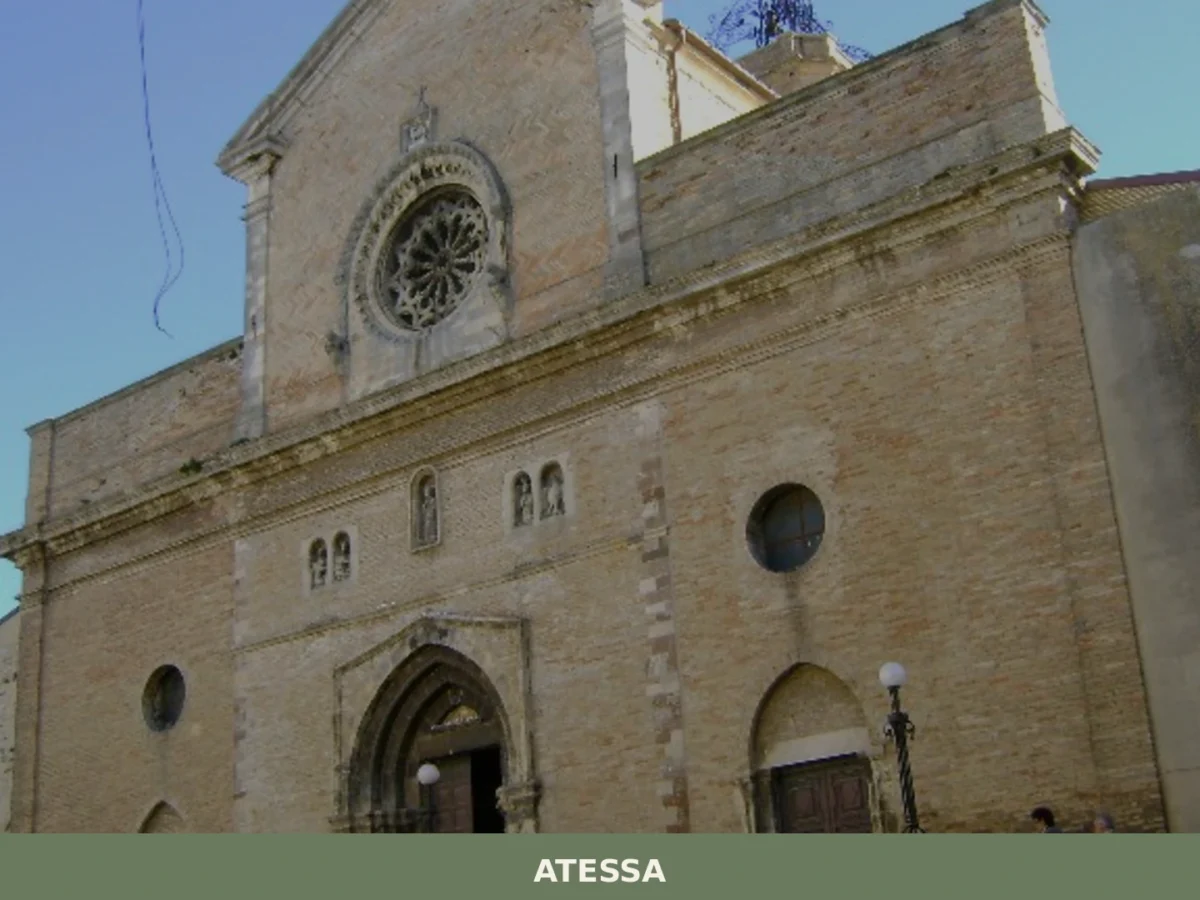
What to see in Atessa, Abruzzo, Italy: explore the Cathedral of San Leucio, the Pallanum archaeological park, and a 17th-century historic centre spanning 11,003 hectares. Discover it all.

Castel Frentano
Hills
What to see in Castel Frentano, Italy: 5 top attractions, bocconotto dessert, 14th-century walls & WWII history. Discover this Chieti province village in Abruzzo.
Dogliola
Hills
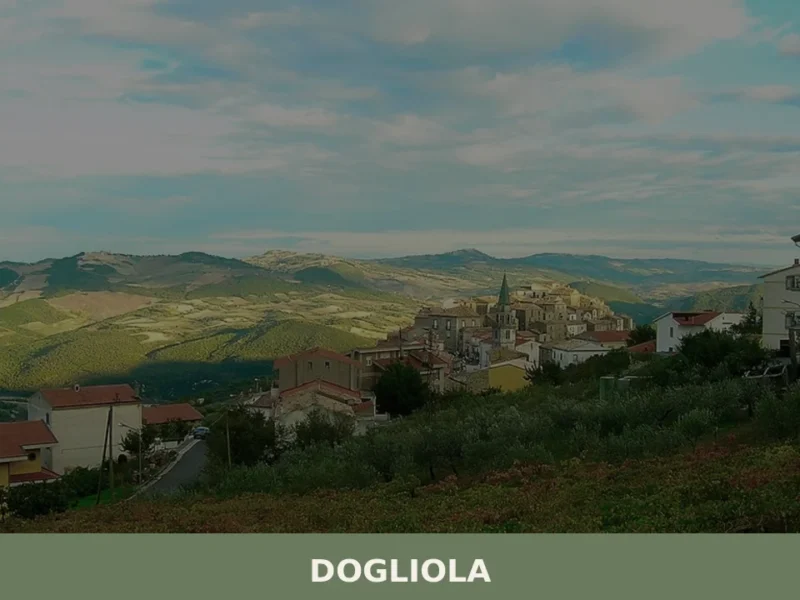
what to see in dogliola, Italy: Discover the 445 m elevation, 311 residents, and San Rocco festival. Explore rich history and stunning landmarks.
Civitella del Tronto
Hills
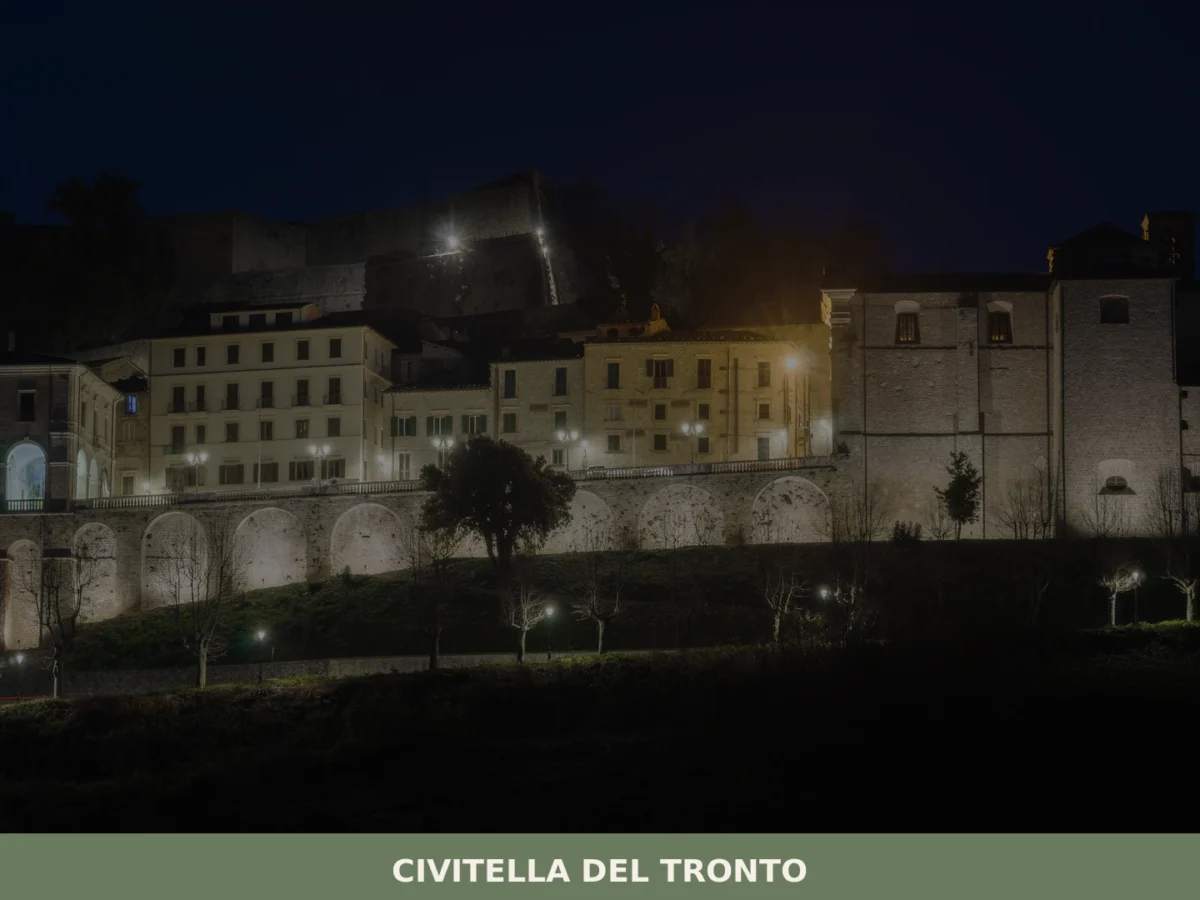
what to see in civitella del tronto, Italy: Discover the historic Fortress and the 1326 San Francesco church in this Abruzzo village at 589 meters altitude. Explore now.
Fara San Martino
Hills
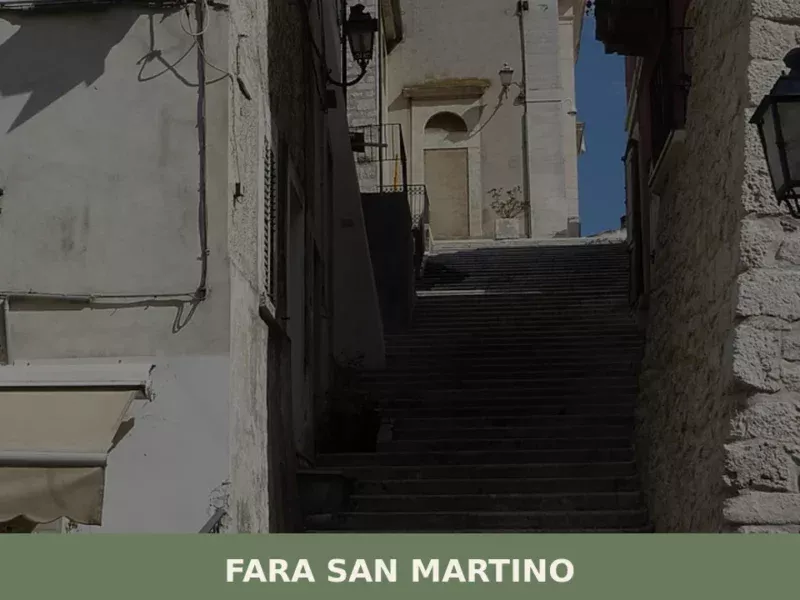
what to see in fara san martino, Italy. Explore its 440m altitude, the Abbey of San Martino in Valle, and its renowned pasta heritage. Discover Abruzzo now!

Casoli
Hills
What to see in Casoli, Abruzzo, Italy: explore Castello Masciantonio, Lake Casoli 4 mi away, and a medieval town listed among Italy's most beautiful villages. Discover it now.
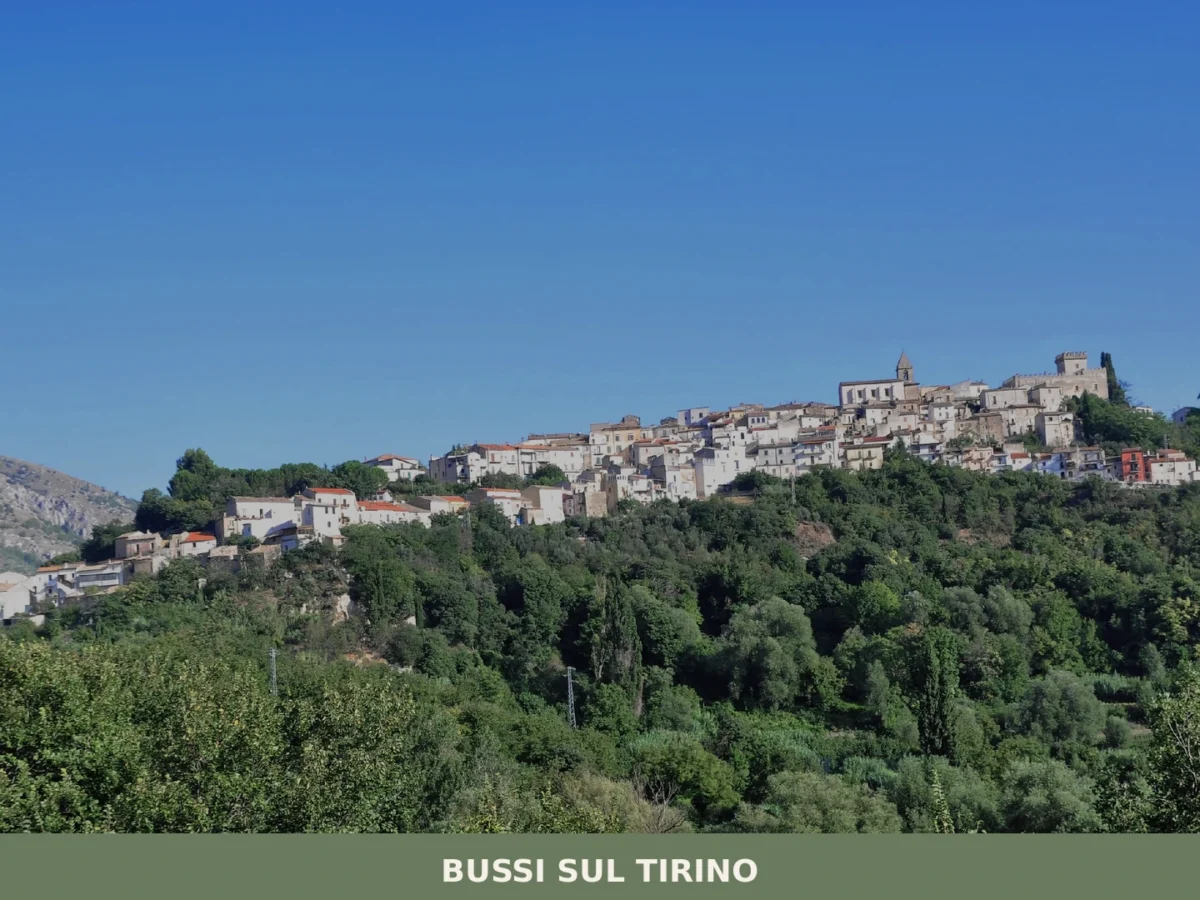
Bussi sul Tirino
Mountain
What to see in Bussi sul Tirino, Italy: explore 5 top attractions in the Gran Sasso National Park. Discover the Castello Mediceo and local food. Complete guide.

Casalincontrada
Hills
What to see in Casalincontrada, Abruzzo, Italy: 3 historic monuments, a 14th-century city gate and Baroque church. Discover the best of this Chieti village.




🏡 Know Carapelle Calvisio better than we do?
If you’re a local or have been there, your knowledge matters: add what’s missing or fix a detail on this page.