


Villa Celiera
 Mountain
At 714 metres above sea level, with 557 registered residents and an economy still tied to sheep farming and timber harvesting, Villa Celiera occupies a step on the eastern slope of the Gran Sasso, in the province of Pescara. The village overlooks the Fino valley from a position exposed to northeast winds for much of […]
Discover Villa Celiera
At 714 metres above sea level, with 557 registered residents and an economy still tied to sheep farming and timber harvesting, Villa Celiera occupies a step on the eastern slope of the Gran Sasso, in the province of Pescara. The village overlooks the Fino valley from a position exposed to northeast winds for much of the year. Asking what to see in Villa Celiera means preparing for a route through religious architecture, beech forests and a direct relationship with the Apennine mountains that shapes every aspect of local life.
History and origins of Villa Celiera
The place name appears in medieval documents in the form Villa Cellaria, a probable reference to the storerooms — the cellae — used to preserve grain and agricultural supplies in the monastic buildings of the area. The territory fell within the holdings of the Abbey of San Clemente a Casauria, founded in 871 by Emperor Louis II, which exercised control over numerous settlements in the Pescara area until the 13th century. With the transition to the Norman-Swabian feudal system, Villa Celiera came under the influence of the baronial families that took turns governing the Vestine lands.
Between the 14th and 16th centuries, the village followed the fortunes of the Barony of Carpineto, passing through the hands of the Valignani, the d’Aquino and finally the Ferrante families. The urban layout preserves the structure of that period: a compact core with narrow streets arranged along the contour lines, designed to slow the cold currents descending from the massif. The construction of the parish church dedicated to Saint John the Baptist, patron saint of the village, dates in its current form to the 17th century, although the original structure is older.
During the 19th century, Villa Celiera experienced severe depopulation linked to emigration to the Americas, a phenomenon common to many mountain communities in Abruzzo. The population, which exceeded two thousand inhabitants at the end of the 19th century, has gradually declined to the current 557. Today’s economy revolves around sheep farming, forestry and a still-niche hiking tourism sector.
What to see in Villa Celiera: 5 main attractions
1. Church of San Giovanni Battista
The main place of worship in Villa Celiera stands at the highest point of the old town centre. The façade, reworked in the 18th century, features a portal in local stone with a carved architrave. Inside, a polychrome stucco high altar and several canvases from the Neapolitan school, datable to between the 17th and 18th centuries, are preserved. The patron saint’s feast day, on 24 June, is the occasion when the entire community gathers here.
2. Historic centre and the remains of the medieval tower
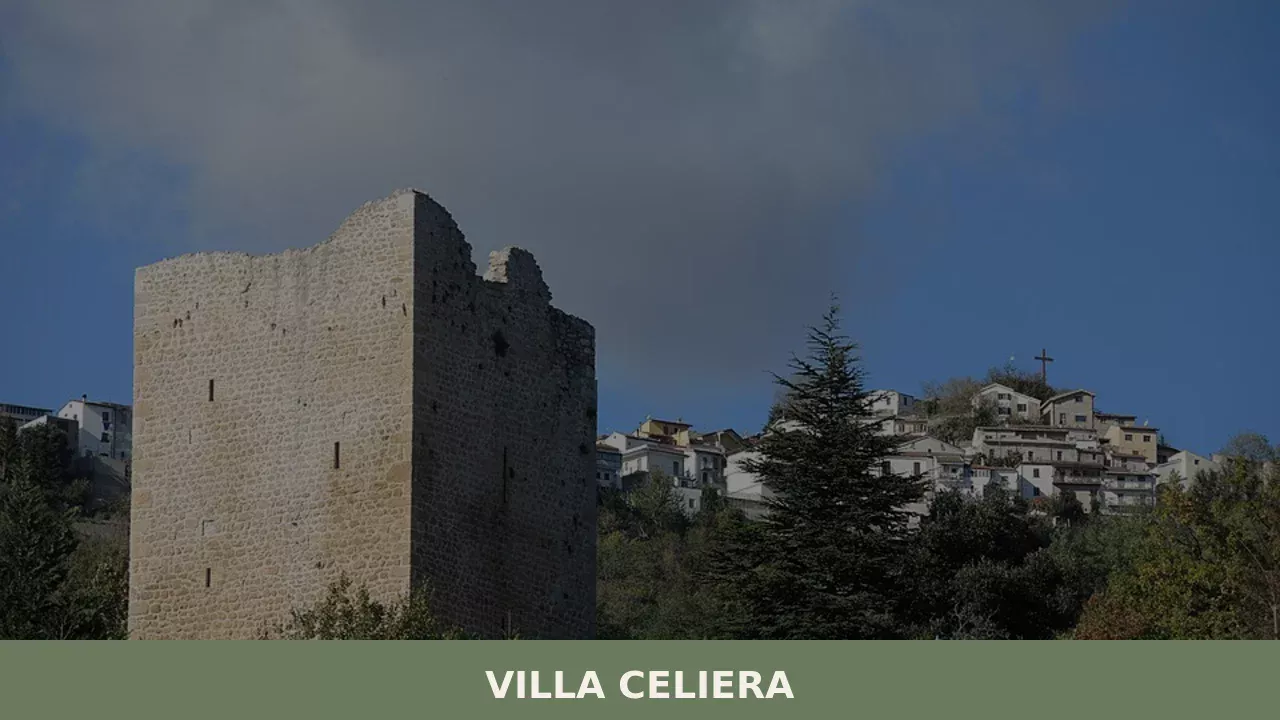
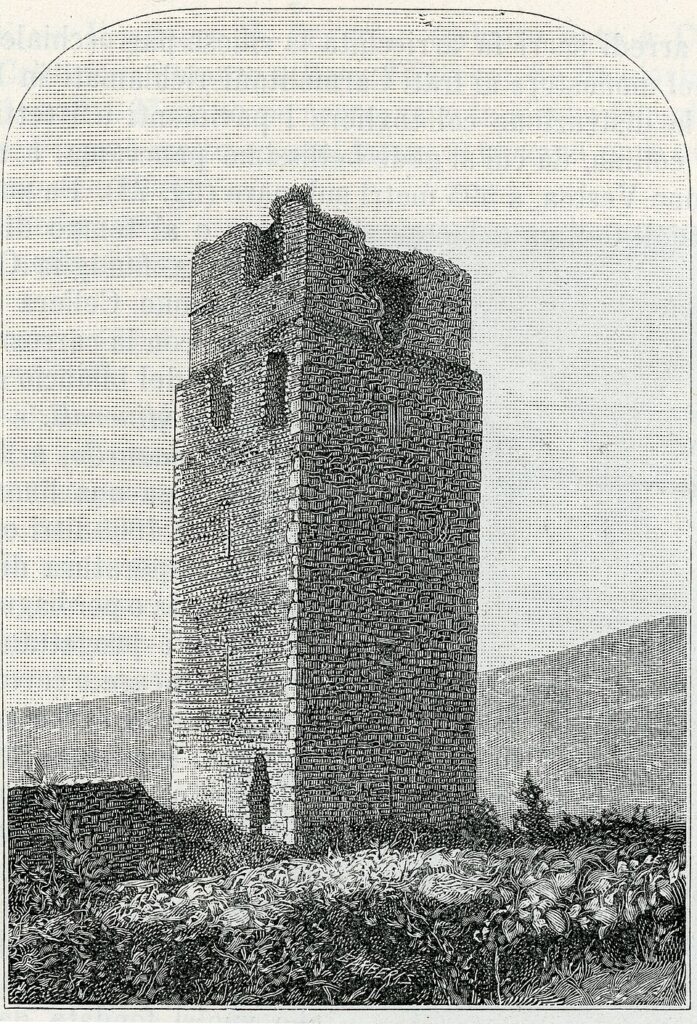
The oldest part of the village develops along two parallel axes connected by covered passageways and limestone staircases. In the upper section, the ruins of a watchtower remain, probably dating to the 13th–14th century, which formed part of the defensive system of the Barony of Carpineto. The load-bearing walls, over a metre thick, are still legible in their original structure.
3. Bosco di Sant’Antonio and the trails towards the Gran Sasso
From the upper edge of the village, trails lead into the beech forests on the eastern slope of the Gran Sasso, within the territory of the Gran Sasso and Monti della Laga National Park. Between 900 and 1,400 metres of elevation, the forest is dense and home to red deer, roe deer and, at higher altitudes, the Apennine chamois reintroduced in the 1990s.
4. Historical fountains and wash houses
Villa Celiera retains several stone fountains distributed along the streets of the centre and in the immediate surroundings. These structures, some dating back to the 19th century, served as public water supply points and wash houses. The main fountain, in the village square, has a rectangular basin fed by a mountain spring that maintains a constant flow even during the summer months.
5. Panoramic view over the Fino valley
From the eastern edge of the settlement, at a small viewpoint free of modern structures, the eye reaches the valley of the River Fino all the way to the Adriatic coast on clear days. The distance to the sea as the crow flies is approximately 35 kilometres. This vantage point offers a clear reading of Abruzzo’s geomorphology: the transition from the limestone rock of the Gran Sasso to the clay hills of the mid-Adriatic occurs within just a few kilometres.
Food and local products
The table in Villa Celiera reflects the pastoral and mountain economy of the area. Arrosticini — skewers of sheep meat cut into small cubes and grilled on a fornacella — are present at every festival and celebration. Pasta alla pecorara — an irregularly shaped pasta dressed with mutton ragù and pecorino — belongs to the tradition of the shepherds who practised transhumance along the drovers’ roads towards the Tavoliere plain. The lentils and chickpeas grown at altitudes above 600 metres have small grains and thin skins, characteristics linked to the temperature range of the area.
The local pecorino, made with milk from flocks raised on open pasture on the slopes of the Gran Sasso, is aged in caves and cellars at natural temperature for periods ranging from three to twelve months. During autumn, the harvesting of porcini mushrooms and black truffle in the surrounding beech forests sustains a small barter economy. In September and October, some families still produce vino cotto following a process that involves reducing grape must over direct heat before fermentation.
When to visit Villa Celiera: the best time
The mountain climate demands careful planning. Winters at 714 metres of elevation are harsh, with temperatures regularly dropping below zero between December and February and frequent snowfall. Road access can be difficult during the coldest weeks. Spring, from mid-April to June, brings the flowering of the beech forests and daytime temperatures between 12 and 20 degrees — ideal conditions for hiking. Summer is the period of greatest tourist presence, with cool evenings that rarely exceed 25 degrees even in July and August.
The feast of Saint John the Baptist, on 24 June, is the event that draws the broadest community participation, with a procession, bonfires and a communal dinner in the village square. In August, food festivals dedicated to local products are organised by the pro loco. Autumn, with the foliage of the beech forests between October and November, offers a sharp landscape and a low-angle light that nature photographers know well. Up-to-date information on events and accessibility is available on the Touring Club Italiano website.
What to see in Villa Celiera and in other villages in Abruzzo
Travelling along the Apennine ridge of Abruzzo from north to south, one encounters villages with different histories and configurations, yet united by the same geological and agro-pastoral matrix. To the north, towards the Monti della Laga and the border with the Marche, Valle Castellana presents a territory fragmented into dozens of scattered hamlets between 400 and 1,200 metres, where sandstone replaces the limestone of the Gran Sasso and the architecture reveals influences as much from the Marche as from Abruzzo.
Moving instead towards the coast, in the Chieti hinterland, Casalanguida occupies a hillside position on the left bank of the Sinello, at much lower altitudes, where the landscape is dominated by vineyards and olive groves. The comparison between these two villages and Villa Celiera conveys the orographic variety of Abruzzo in concrete terms: in less than a hundred kilometres, one passes from high-altitude beech forest to Mediterranean scrubland on the coastal hills, with the full climatic and cultural gradient that this entails.
📷 Photo Gallery — Villa Celiera

Nearby Villages near Villa Celiera
In Abruzzo More villages to discover
Secinaro
Mountain
what to see in secinaro, Italy: Explore this Abruzzese village at 859m (2,818 ft) above sea level, home to a unique meteor crater field and Monte Sirente's slopes.
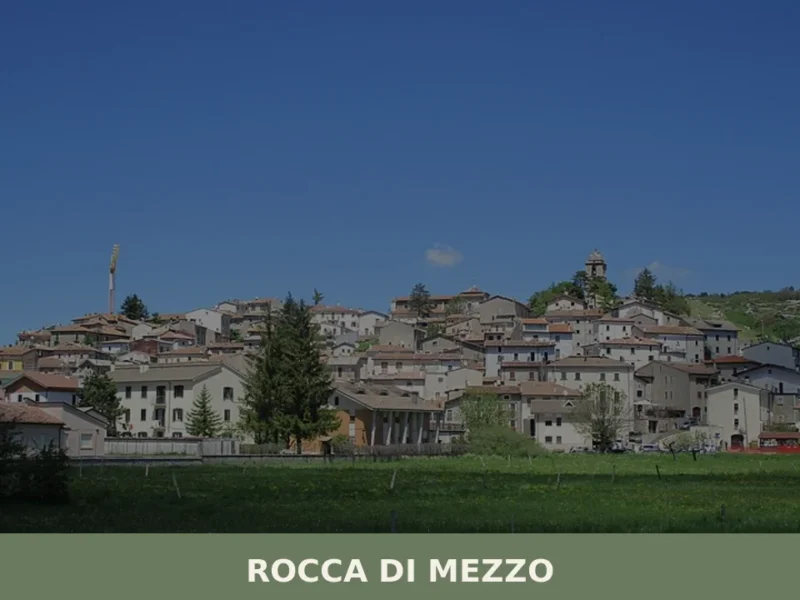
Rocca di Mezzo
Mountain
what to see in rocca di mezzo, Italy. Explore the administrative seat of the Sirente-Velino Regional Park in this L'Aquila comune with 1,499 inhabitants. Discover its role.
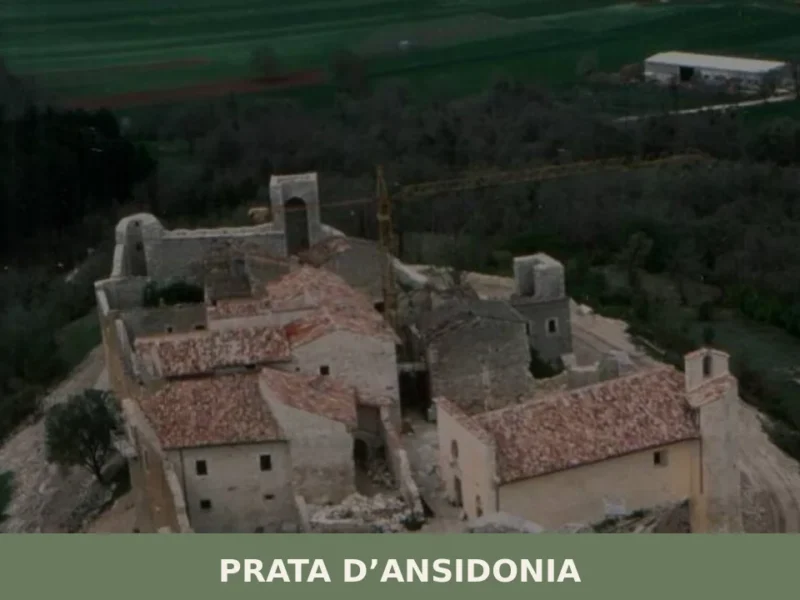
Prata d’Ansidonia
Mountain
What to see in Prata d’Ansidonia? Discover the 5 must-see historic attractions of this village in Abruzzo. Plan your visit and immerse yourself in local history.
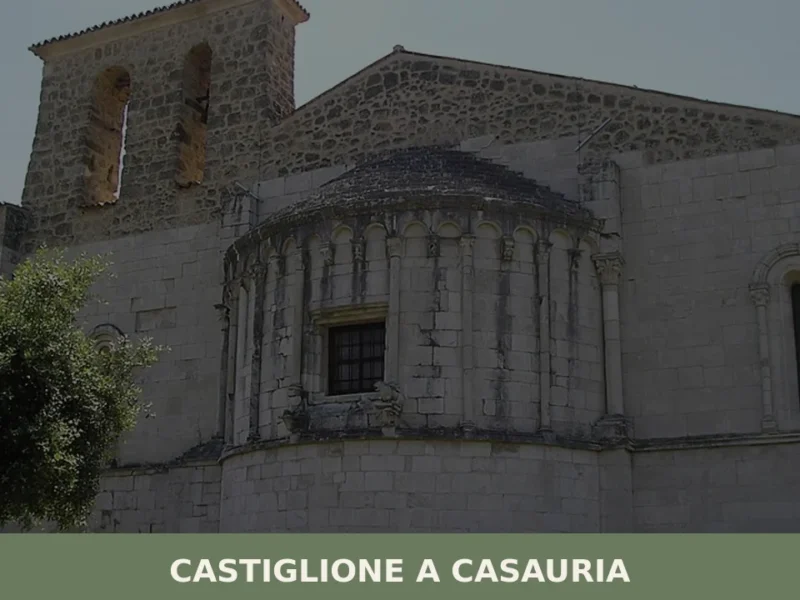
Castiglione a Casauria
 Hills
Hills
The Abbey of San Clemente a Casauria, founded in 871 by Emperor Louis II, stands just a few hundred metres from the town centre and ranks among the most important Romanesque monuments in central Italy. It is this monastic presence that defines the identity of Castiglione a Casauria, a village of 701 inhabitants in the […]
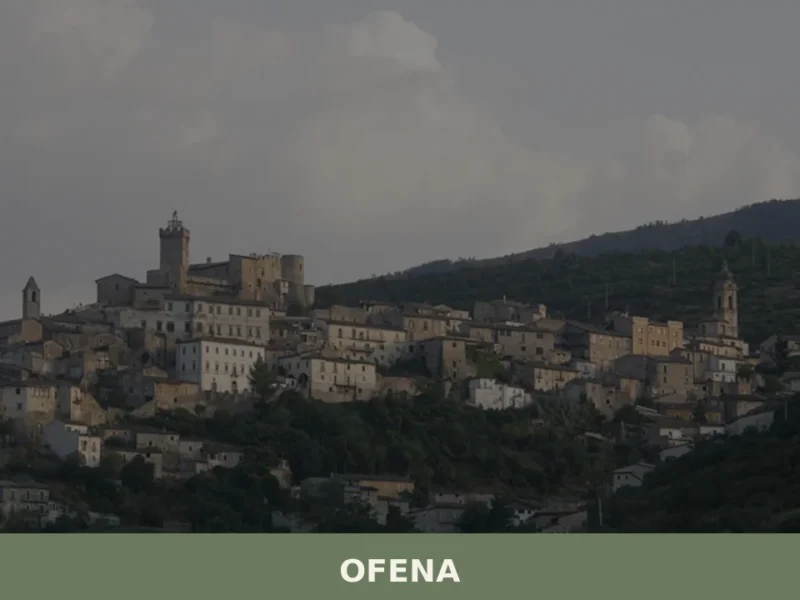
Ofena
Mountain
What to see in Ofena, Italy: Explore its historical significance as Aufinium and the Gran Sasso e Monti della Laga National Park. This village of 517 inhabitants offers a journey into Abruzzo's past. Read our guide.
Giuliano Teatino
Hills
Giuliano Teatino is a small village in Abruzzo, in the province of Chieti. Discover its origins, monuments and how to visit: a practical guide to plan your trip.
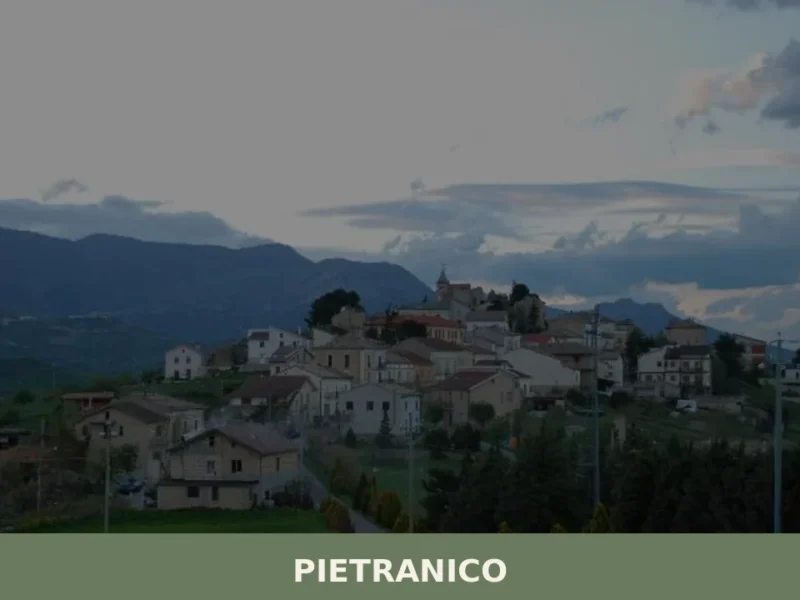
Pietranico
Hills
What to see in Pietranico, Abruzzo, Italy: 506 inhabitants, a medieval castle site, and wind-swept hilltop views. Discover top attractions and how to get there.
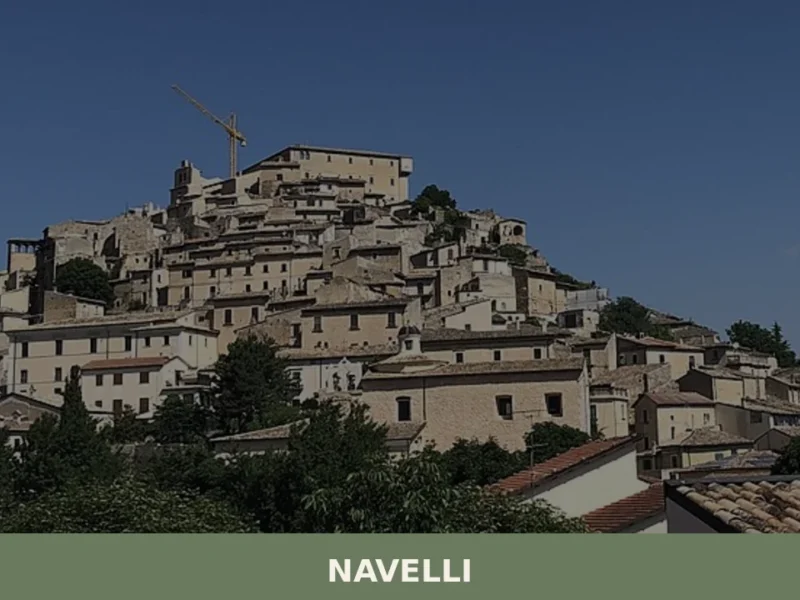
Navelli
Mountain
Navelli has a current population of 537 and occupies a plateau at 760 metres above sea level on the homonymous highland, in the province of L’Aquila. Saffron cultivation in this area has been documented since at least the 13th century, when the spice became a trade commodity destined for the markets of Milan, Venice and […]
Pineto
 Sea
Sea
what to see in pineto, Italy: Explore a coastal town at 4 m a.s.l., discover the historic Torre di Cerrano, and experience traditional festivals in Mutignano. Read our guide.
San Buono
Hills
What to see in San Buono? Explore our complete guide to this Abruzzo village (1,010 residents), rich in history and nature. Plan your visit now!



🏡 Know Villa Celiera better than we do?
If you’re a local or have been there, your knowledge matters: add what’s missing or fix a detail on this page.