Perched at 600 meters above sea level on the western slopes of the Gargano promontory, San Giovanni Rotondo is one of those rare Italian destinations where the spiritual and the wild exist in breathtaking harmony. A weekend in San Giovanni Rotondo offers something most tourists never expect from Puglia: cool mountain air, ancient beech forests, and a sacred atmosphere that has drawn millions of pilgrims since the days of Padre Pio. Whether you come seeking quiet reflection, exhilarating hikes through the Gargano National Park, or simply the pleasure of a slow southern Italian meal in a medieval alleyway, this hilltop town delivers on every front. For a complete overview of the village — including how to get there, where to park, and what to expect — explore the full guide to San Giovanni Rotondo on VillagesItaly.
Your first day should be devoted to the reason San Giovanni Rotondo appears on the map for over seven million visitors a year: the extraordinary spiritual heritage tied to Saint Pio of Pietrelcina. From monumental modern architecture to intimate convent cells, the experience is layered and deeply moving — even for the non-religious traveler.
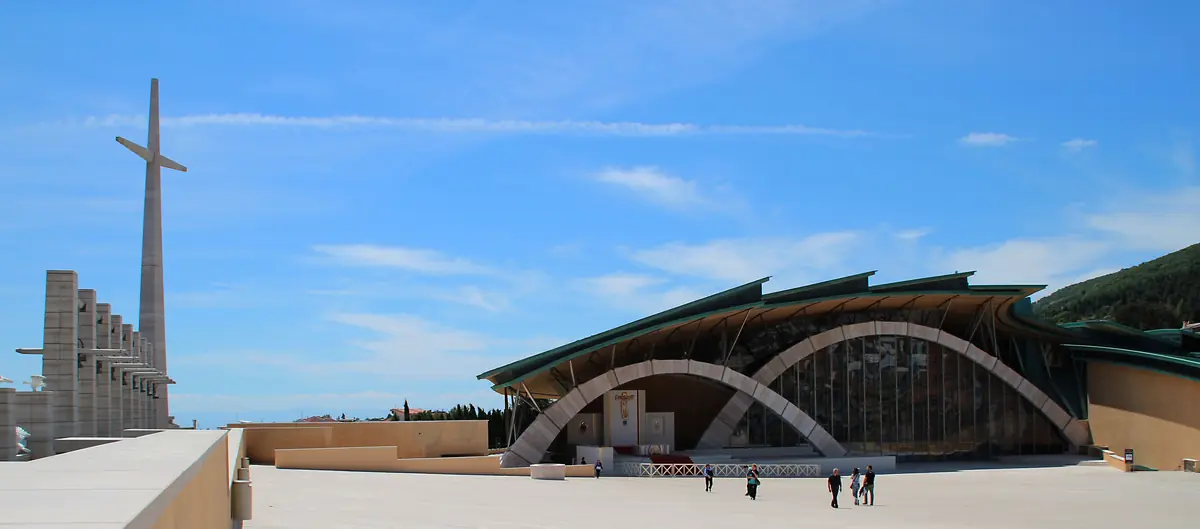
Start at the newest and most striking landmark in town: the Church of San Pio da Pietrelcina, designed by Pritzker Prize-winning architect Renzo Piano and inaugurated in 2004. The building is a marvel of engineering — a series of stone arches that fan out like the ribs of a giant shell, creating a luminous interior that seats 6,500 worshippers. Descend to the lower crypt to visit the resting place of Padre Pio’s remains, displayed behind glass in a serene, candlelit space. Arrive early in the morning to avoid the largest tour groups, especially on weekends and feast days. For updated mass times, visiting hours, and event schedules, consult the official website of the Capuchin Friars of San Giovanni Rotondo.
Just steps from the new sanctuary stands the older and far more intimate Church of Santa Maria delle Grazie, attached to the Capuchin convent where Padre Pio lived for over fifty years. This is where the mysticism feels most tangible. You can visit the small cell where the friar slept, see the wooden crucifix before which he reportedly received the stigmata, and walk the same corridors he paced during decades of prayer, controversy, and devotion. The atmosphere here is hushed and contemplative — a striking contrast to the grandeur of Piano’s church next door.
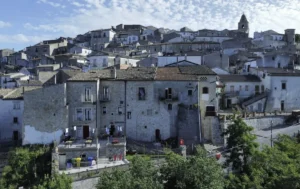
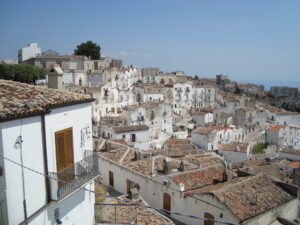
After a morning of sacred sites, stretch your legs through the old town. The medieval quarter is a tangle of narrow limestone alleys, modest stone houses, and small churches including the Church of San Leonardo and the Church of Sant’Onofrio. Sit down at a local trattoria for a lunch that showcases the best of Gargano cuisine: orecchiette with turnip tops, pancotto pugliese (a rustic bread soup with wild greens), slices of aged caciocavallo podolico cheese, and a glass of Nero di Troia from the nearby vineyards. It’s honest, elemental food — and absolutely unforgettable.
The second day of your weekend in San Giovanni Rotondo reveals the side of the Gargano that even many Italian travelers overlook: a rugged, forested mountain landscape that feels more like the Apennines than the sunbaked coast most people associate with Puglia.
Lace up your boots for the highlight of the trip — a moderately challenging trek (approximately 3 to 4 hours round trip) through the magnificent beech forest of Bosco Quarto to the dramatic Valle dell’Inferno. The trail winds through dense canopy, over mossy rocks, and past seasonal streams before opening onto the valley’s steep, atmospheric gorge. The trailhead is reachable by car in about 15 minutes from the town center. Bring plenty of water, layered clothing (mountain weather shifts quickly), and a packed lunch. For official trail maps, park regulations, and seasonal path updates, check the Gargano National Park website.
On the drive back toward town, pull over at one of the panoramic viewpoints where the Gargano mountains drop away to reveal the vast Tavoliere delle Puglie — Italy’s second-largest plain, stretching golden and flat toward Foggia and beyond. Along the road, several working masserie (traditional farmhouses) and agriturismos welcome visitors for tastings of local extra-virgin olive oil, fresh ricotta, and honey. These stops connect you to the agricultural soul of the territory — the same land that feeds the villages of Troia and Orta Nova on the plain below.
End your day with a leisurely return to the center of San Giovanni Rotondo. As the light softens, the town takes on a different character: families promenade along the main corso, the smell of woodsmoke drifts from kitchen windows, and the illuminated sanctuary glows against the darkening mountain sky. Treat yourself to an artisanal gelato, settle onto a bench in the piazza, and let the quiet close of a Gargano evening wash over you. If you’re still hungry for coastal scenery, the charming fishing village of Peschici is less than an hour’s drive to the northeast — perfect for a day-trip extension.
San Giovanni Rotondo is a place of contrasts that somehow feel perfectly whole: the hush of a convent cell and the roar of wind through a mountain gorge, the solemnity of sacred architecture and the warmth of a trattoria table groaning with local cheese and bread. A weekend here won’t just show you a different side of Puglia — it will change the way you think about what southern Italy can be.
Ready to start planning? Visit the complete San Giovanni Rotondo village guide on VillagesItaly for everything you need — from transport details and accommodation tips to local events and hidden gems across the Gargano’s most beautiful borghi.