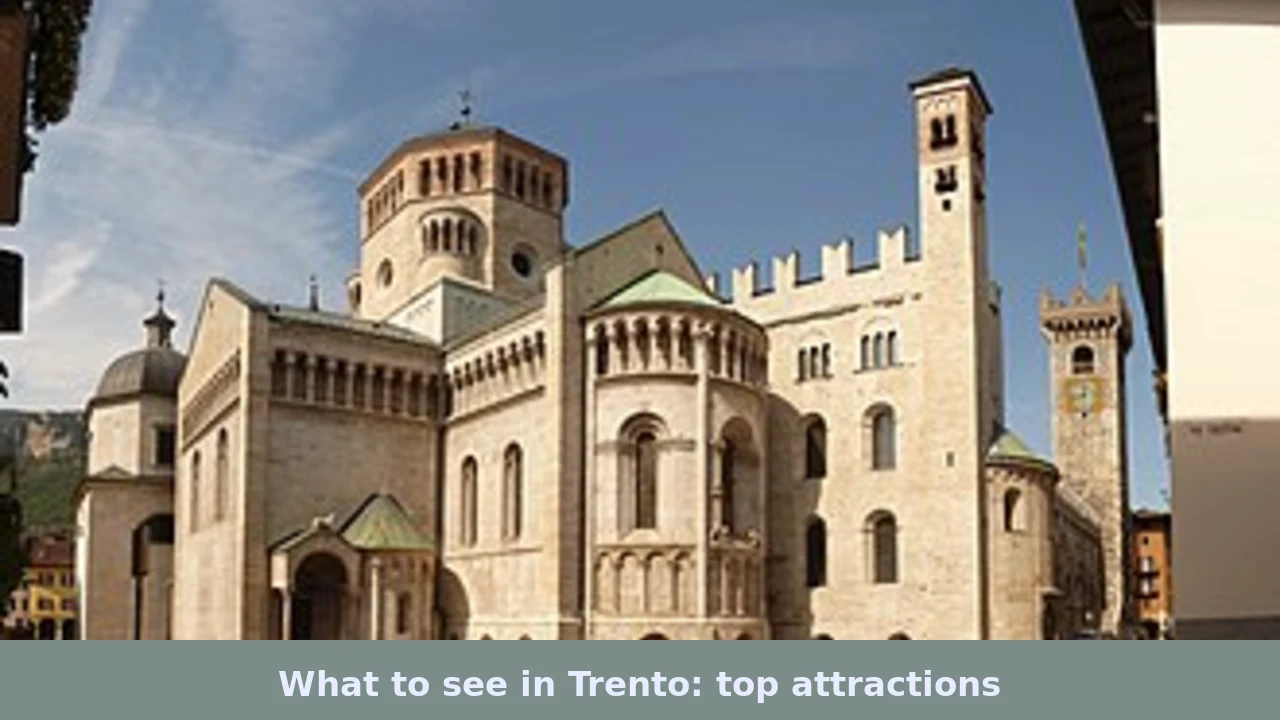
In Trento, the capital of Trentino-Alto Adige, one of the first answers to the question what to see in trento is undoubtedly its Cathedral. The Cathedral of San Vigilio, built starting from the 12th century on the site of an ancient Early Christian basilica, represents the historical and religious heart of the city. This imposing structure played a crucial role in European history, having been the seat of the general congregations of the Council of Trent. Its architecture, blending Romanesque and Gothic elements, narrates centuries of faith and significant events, attracting visitors from all over the world.
The History of the Cathedral of San Vigilio
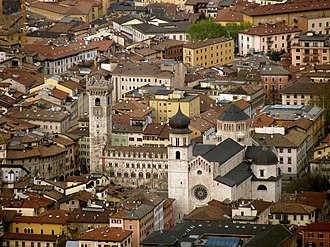
The origins of the Cathedral of San Vigilio are rooted in the 4th century, when an Early Christian funerary basilica was built over the tomb of San Vigilio, the third Bishop of Trento and patron saint of the city, martyred in 400 AD. The foundations of this first structure are still visible in the current crypt. The construction of the Cathedral as we know it today began in the 12th century, at the behest of Bishop Altemanno, who laid the first stone of the new Romanesque cathedral around 1145.
Over the following centuries, the building underwent several modifications and expansions. Under Bishop Federico Wanga, between the late 13th and early 14th centuries, significant Gothic-style innovations were introduced, including the majestic rose window on the facade, attributed to Master Adamo d’Arogno. The cathedral gained international historical importance between 1545 and 1563, when it hosted the general congregations of the Council of Trent, an event that redefined the history of the Catholic Church. To learn more about its history, you can consult the entry Trento Cathedral.
Architecture and Distinctive Features
The Cathedral of San Vigilio stands out for its architecture, which harmonizes the Lombard Romanesque style with subsequent Gothic additions. The main facade, facing west, features a large central rose window, known as the “Wheel of Fortune,” with sculpted figures representing the alternation of human rise and fall. On either side, two portals open, among which the Bishop’s Door stands out, featuring Romanesque sculptures depicting biblical scenes and evangelical symbols.
The exterior is also characterized by Romanesque apses, which display rich decoration of hanging arches and pilasters. The bell tower, approximately 75 meters high, was completed in successive eras and stands majestically beside the cathedral. Inside, the plan is a Latin cross with three naves, divided by pillars supporting ribbed vaults. Natural light, filtered through the stained-glass windows, creates an atmosphere of contemplation and spirituality.
What to Admire Inside the Cathedral
Once you cross the threshold of the Cathedral of San Vigilio, you are greeted by an artistic heritage of great value. The presbytery houses the main altar, beneath which lie the remains of San Vigilio. Here you will also find the Baroque ciborium, a work by Francesco Antonio Giongo, which holds the saint’s relics. The central nave leads to the Chapel of the Crucifix, of particular historical significance, as it was here that the decrees of the Council of Trent were read and promulgated.
The chapel is adorned with a large 15th-century wooden crucifix, highly venerated. Along the side naves, you can observe several smaller chapels, including the Chapel of Saint Anne and the Chapel of the Holy Martyrs, which house frescoes and artworks from different eras, from the Middle Ages to the Baroque. The crypt, accessible from the right nave, allows visitors to explore the remains of the ancient Early Christian basilica and understand the more remote origins of the cult of San Vigilio.
Why the Cathedral of San Vigilio Deserves a Visit
A visit to the Cathedral of San Vigilio offers an experience that goes beyond simple artistic admiration. It is a journey into history and faith, an opportunity to connect with the events that shaped not only Trento but all of Europe. Its imposing architecture and sculptural details tell millennia-old stories, while the interior spaces invite reflection and contemplation. Those seeking a deep connection with the past and wishing to understand Trento’s historical significance will find the cathedral an unavoidable landmark.
It is worth dwelling on the details, such as the sculptures of the stylophoric lions supporting the portal columns, symbols of strength and guardianship. The Cathedral is an example of how art and spirituality can intertwine, creating a place of beauty and meaning. Its central location also makes it an ideal starting point for exploring the city’s historic center, rich in other attractions.
Curiosities and Anecdotes Related to the Cathedral
One of the most well-known curiosities concerns the “Door of the Lions,” a side portal featuring rich sculptural decoration with stylophoric lions, zoomorphic figures, and vegetal motifs, typical of Romanesque art. It is said that one of the lions was originally positioned to allow worshippers to measure the length of an arm, useful for commercial transactions in the nearby market.
Another fascinating anecdote concerns the cathedral’s floor, which in some places shows traces of an ancient sundial. This allowed the exact time to be calculated based on the sun’s position, an ingenious system for its time. The cathedral also houses a precious treasure, the Diocesan Museum of Trent, located inside the adjacent Palazzo Pretorio, where liturgical objects, sculptures, and paintings related to the history of the diocese and the Cathedral itself are preserved.
Planning Your Visit to the Cathedral of San Vigilio
The Cathedral of San Vigilio is open to the public for tourist visits and religious functions. Generally, opening hours vary slightly by season, so it is advisable to consult the official website of the Diocese of Trento for the most up-to-date information. If you arrive by car, you can use the underground car parks in the city center, just a few minutes’ walk from the cathedral. The Cathedral’s central location also makes it easily accessible by public transport.
A visit can take one to two hours, depending on the desired level of detail. It is a place of worship, so respectful attire is required. For further details on opening hours and access, you can visit the website of the Diocesan Museum of Trent, which also offers useful information about the cathedral itself. After exploring the Cathedral, you might consider visiting other fascinating places in Trentino, such as Bolzano, Castelbello-Ciardes, or Caldaro on the Wine Road, all easily accessible from Trento.
If you wish to delve deeper into Trento and discover its other wonders, we invite you to consult the complete village guide on our portal. You will find additional details on attractions, gastronomy, and accommodation options to best plan your next visit.