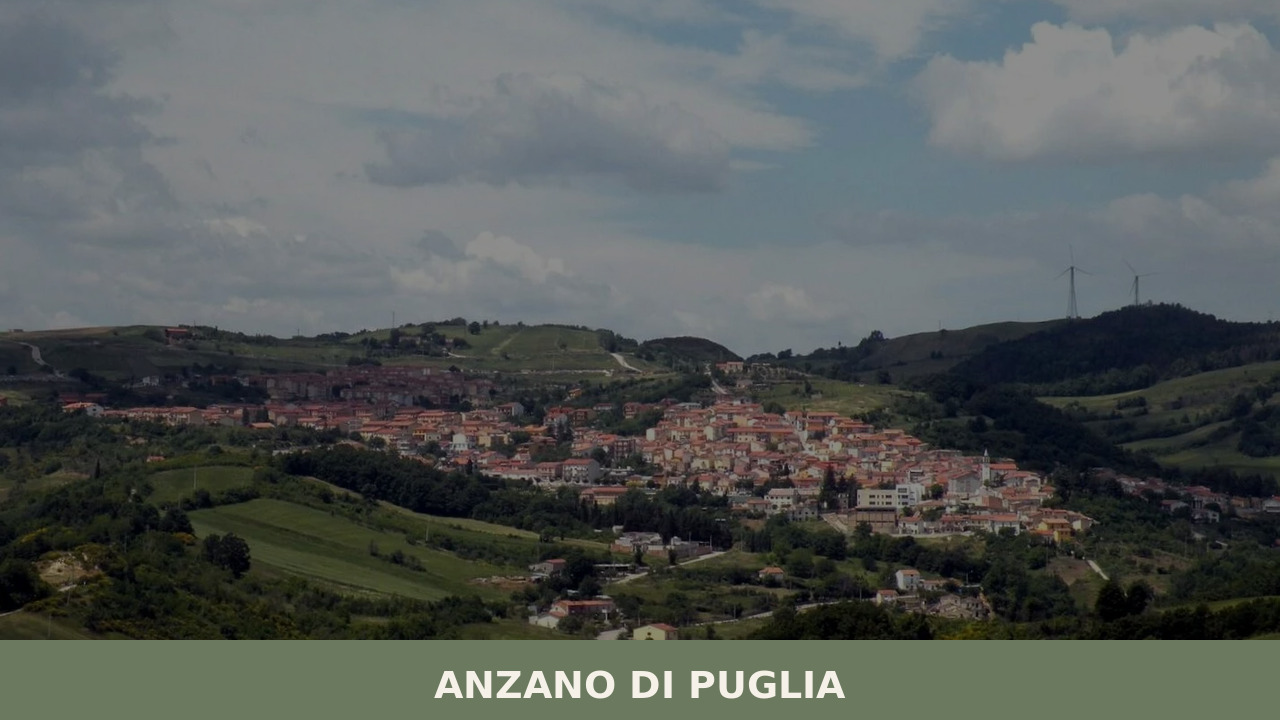
A tiny hilltop village at 760 m in the Daunia Mountains, Anzano di Puglia enchants with stone lanes, sweeping panoramas, and authentic mountain cuisine.
Perched at 760 metres above sea level in the heart of the Subappennino Dauno, Anzano di Puglia is a tiny hilltop village of just over 1,000 souls that rewards those who wander off the beaten path. If you’re wondering what to see in Anzano di Puglia, prepare for sweeping mountain panoramas, centuries-old stone lanes, and a community that still lives by the rhythms of the land. This is Puglia at its most intimate and authentic — far from the crowded coast, yet brimming with quiet beauty.
The origins of Anzano di Puglia reach back to the early Middle Ages, when scattered settlements dotted the ridges of the Daunia Mountains. The village’s name is thought to derive from the Latin personal name Antianus or Antianum, suggesting the site of a Roman-era estate or farmstead. Over the centuries, the settlement grew around a fortified nucleus, typical of the small feudal borghi that served as defensive outposts in this mountainous borderland between Campania and Puglia.
During the Norman and Swabian periods, Anzano — like many neighbouring villages in the province of Foggia — was drawn into the complex web of feudal lordships that shaped southern Italy. The village passed through the hands of several noble families, each leaving subtle marks on its architecture and parish churches. Its elevated position made it a strategic lookout over the Tavoliere plain below.
By the 18th and 19th centuries, Anzano di Puglia was a modest agricultural community devoted to grain cultivation, sheep-rearing, and the seasonal rhythms of transhumance — the ancient practice of driving livestock between highland and lowland pastures. Emigration in the 20th century reduced its population significantly, yet the village has preserved a strong sense of identity and a remarkable architectural coherence that rewards today’s visitor.
Anzano’s compact old quarter is a delightful maze of narrow stone-paved alleys, arched passageways, and humble yet elegant palazzi. Walking through the centro storico reveals centuries of vernacular architecture, with doorways carved from local stone and wrought-iron balconies draped in seasonal flowers. It is best explored slowly, on foot, with no particular destination in mind.
The parish church stands at the heart of the village and serves as its spiritual anchor. Dedicated to the community’s patron saint, the Chiesa Madre features a simple yet dignified façade typical of Daunia’s rural ecclesiastical architecture. Inside, look for traditional altarpieces, devotional statues, and the quiet atmosphere that defines small-town Italian faith.
At 760 metres above sea level, Anzano di Puglia offers some of the most striking vistas in the Subappennino Dauno. From several lookout points along the village’s edge, you can survey the vast Tavoliere delle Puglie stretching eastward, the rolling Daunia hills, and — on clear days — distant glimpses of the Gargano promontory. Sunrise and sunset are particularly memorable.
Scattered along the lanes and in the surrounding countryside, small chapels and edicole votive (wayside shrines) testify to centuries of popular devotion. These modest sacred sites, often adorned with faded frescoes or ceramic tiles depicting the Madonna, are a moving expression of the community’s spiritual life and make for rewarding discoveries during a countryside walk.
The landscape around Anzano is ideal for gentle hiking and nature walks. Rolling meadows, ancient oak woodlands, and seasonal wildflower displays characterise the Subappennino Dauno. Trails lead through a pastoral landscape largely unchanged for centuries, offering birdwatching opportunities and the chance to encounter shepherds still practising traditional animal husbandry.
The cuisine of Anzano di Puglia reflects its mountain setting and agro-pastoral heritage. Hearty, flavourful dishes dominate the table: handmade pasta shapes such as orecchiette, cavatelli, and cicatelli are dressed with slow-cooked ragù or wild greens. Lamb and kid goat — roasted or stewed with herbs — are central to festive meals. Local cheeses, including caciocavallo and fresh ricotta, are produced from the milk of sheep and cows that graze the surrounding highlands. Bread, baked in wood-fired ovens using locally milled durum wheat, remains a staple of daily life.
The area also produces excellent extra-virgin olive oil and robust local wines. Foraged ingredients — wild asparagus, mushrooms, chicory, and aromatic herbs — add seasonal variety to the kitchen. Visitors looking to taste authentic Daunia cooking should seek out the village’s small family-run trattorias and agriturismi in the surrounding countryside, where meals are prepared with ingredients sourced from just a few kilometres away. The Puglia regional tourism board offers further guidance on food itineraries in the Daunia area.
Thanks to its elevation, Anzano di Puglia enjoys a cooler climate than the lowland towns of the Foggia province, making it an appealing retreat during the hot southern Italian summer. Late spring (May–June) is arguably the finest season: the meadows are in full bloom, temperatures are mild, and the light is golden. Autumn (September–October) brings warm colours to the Daunia hills along with the grape and olive harvests. Winters can be brisk and occasionally snowy, lending the village a quiet, atmospheric charm.
The village’s patron saint feast — a highlight of the local calendar — draws the community together with religious processions, music, and abundant food. Summer months also see small-scale cultural events and sagre (food festivals) celebrating local products. Visitors should be aware that services are limited, so it is wise to plan accommodation and dining in advance, especially outside peak summer.
Anzano di Puglia lies in the western part of the province of Foggia, close to the border with Campania. By car, the village is accessible from the A16 motorway (Napoli–Canosa), exiting at Grottaminarda or Lacedonia and following regional roads through the Daunia hills. The drive from Foggia takes approximately 1 hour and 15 minutes (about 70 km); from Naples, allow around 1 hour and 45 minutes (roughly 130 km). The nearest airports are Bari Karol Wojtyła Airport (approximately 170 km) and Naples Capodichino Airport (approximately 140 km). The closest railway stations are at Ariano Irpino and Foggia, from where you would need a car or local bus to reach the village. A rental car is strongly recommended for exploring the area with flexibility.
Anzano di Puglia makes an excellent starting point for exploring the lesser-known corners of Puglia’s mountainous interior. Just a short drive to the south, the neighbouring village of Accadia shares a similar hilltop setting and a fascinating abandoned medieval quarter known as the Rione Fossi. Together, the two villages offer a compelling portrait of life in the Subappennino Dauno across the centuries.
For those willing to venture further east toward the Gargano peninsula, the sacred town of Monte Sant’Angelo — a UNESCO World Heritage Site renowned for its Sanctuary of Saint Michael the Archangel — provides a dramatic contrast: from the quiet pastoral uplands of the Daunia to one of Europe’s most important pilgrimage destinations. Combining the two areas in a single trip reveals the extraordinary diversity that makes Puglia far more than its celebrated coastline.
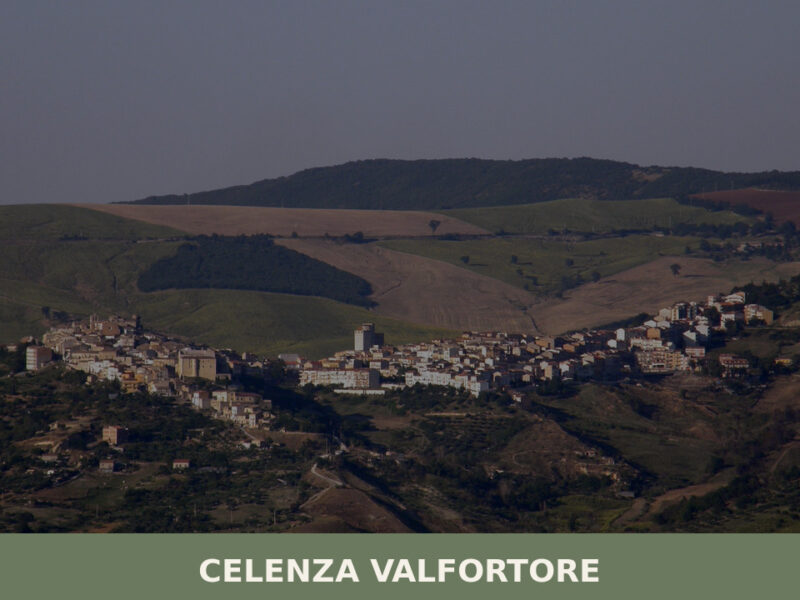
A hill village of 1,363 people above the Fortore valley in Puglia's Daunia highlands. Castle, churches, stone lanes, and a working landscape far from the tourist coast.
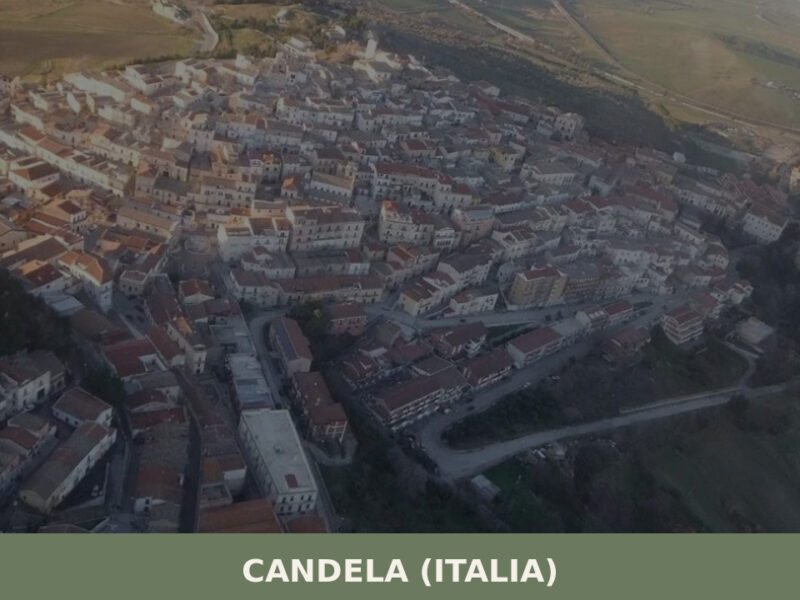
Discover Candela, a charming hilltop village in Puglia's Daunia hills. Explore medieval alleys, stunning panoramas, and authentic southern Italian flavours.
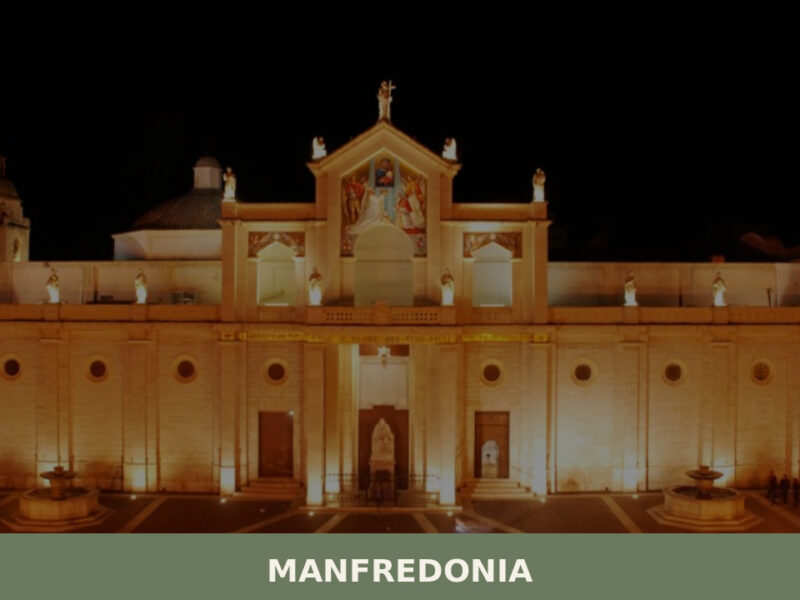
A port city founded by King Manfred on the Gargano coast, Manfredonia holds a medieval castle, pre-Roman carved stele, and one of Puglia's oldest carnivals.
📝 Incorrect information or updates?
Help us keep the Anzano di Puglia page accurate and up to date.