


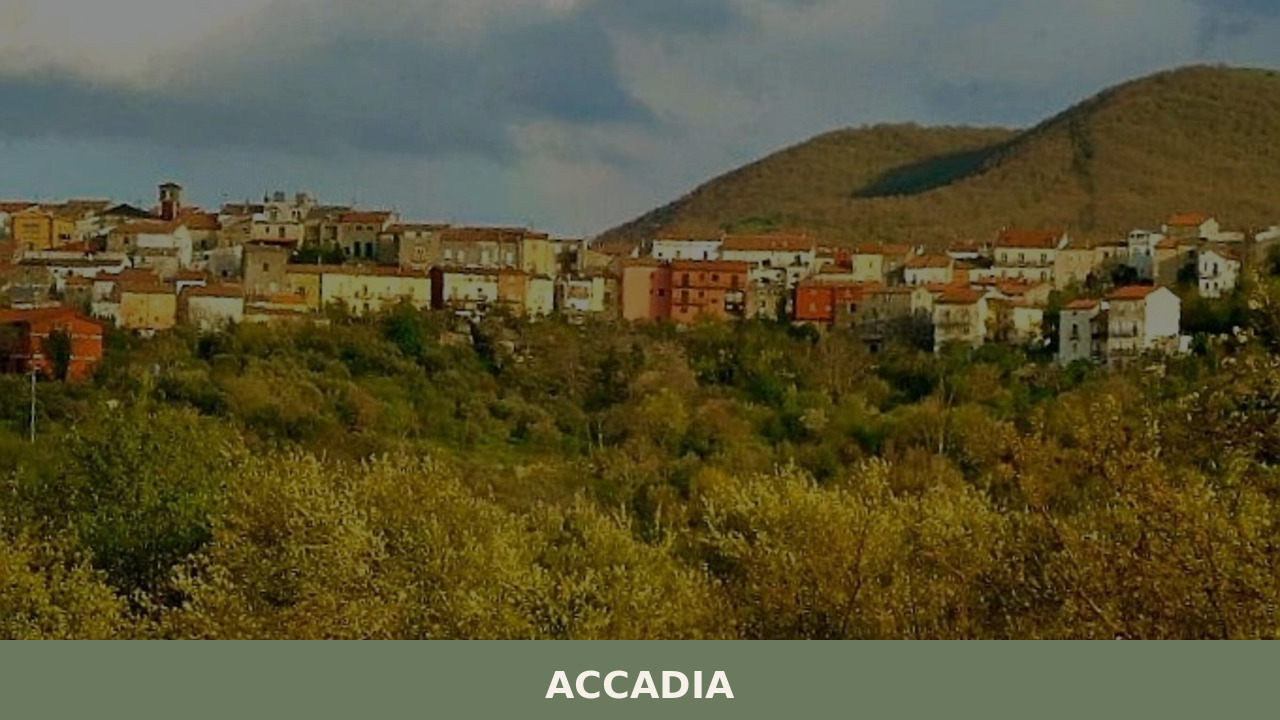
Accadia
 Mountain
Perched at 650 metres above sea level on the western edge of Puglia’s Subappennino Dauno, the small village of Accadia feels like a secret whispered between mountains and sky. Home to just over 2,200 inhabitants, this ancient hilltop settlement in the province of Foggia rewards visitors with crumbling medieval ruins, sweeping panoramas, and a fierce […]
Discover Accadia
Perched at 650 metres above sea level on the western edge of Puglia’s Subappennino Dauno, the small village of Accadia feels like a secret whispered between mountains and sky. Home to just over 2,200 inhabitants, this ancient hilltop settlement in the province of Foggia rewards visitors with crumbling medieval ruins, sweeping panoramas, and a fierce local pride rooted in centuries of history. If you’re wondering what to see in Accadia, prepare for a journey through time — from its haunting abandoned old quarter to its vibrant piazzas alive with tradition.
History of Accadia
The origins of Accadia are debated among historians, but the settlement is believed to date back to at least the early Middle Ages. Some scholars have linked the village’s name to the Latin word Aquadia, suggesting a connection to the area’s abundant water sources, while others point to possible Lombard or Byzantine roots. What is certain is that the village’s strategic hilltop position made it a valued stronghold throughout the medieval period, controlling routes between the Apulian plains and the mountains of Campania.
During the Norman and Swabian eras, Accadia was fortified with walls and a castle, becoming part of the feudal system that shaped much of southern Italy. The village passed through the hands of numerous noble families over the centuries, including the Guevara and the Loffredo. Each left traces — in stone, in customs, in the layout of streets that still twist and climb like memory itself. The devastating 1930 Irpinia earthquake dealt a catastrophic blow to the old quarter, forcing residents to abandon its medieval core and rebuild on safer ground below.
Today, the ruins of the original settlement — known locally as the Rione Fossi — stand as a hauntingly beautiful open-air monument. Rather than erasing its scars, Accadia has chosen to preserve them, transforming loss into a living lesson in resilience. The modern village, though modest, carries forward centuries of Dauno identity with quiet determination.
What to see in Accadia: 5 must-visit attractions
1. The Rione Fossi (Old Quarter Ruins)
The abandoned medieval heart of Accadia is its most extraordinary sight. Wandering through the skeletal stone houses, collapsed archways, and overgrown alleyways of the Rione Fossi is an unforgettable experience. Partially stabilised for visitors, this ghostly quarter offers a raw glimpse into life before the 1930 earthquake reshaped the village forever. The silence here speaks volumes.
2. Church of the Annunziata
Located in the newer part of the village, the Church of the Annunziata serves as Accadia’s principal place of worship. Its sober façade gives way to a carefully maintained interior housing religious artworks and statues venerated by locals for generations. It stands as a symbol of the community’s spiritual continuity after the traumatic abandonment of the old town.
3. The Castle Ruins
At the highest point of the Rione Fossi, the remains of Accadia’s medieval castle survey the landscape with quiet authority. Though reduced to fragments of walls and foundations, the site rewards the short climb with breathtaking panoramic views across the Subappennino Dauno, stretching towards the Tavoliere plain and, on clear days, as far as the Gargano promontory.
4. Palazzo Vassalli
Among the surviving noble residences, Palazzo Vassalli speaks to Accadia’s feudal past and the influence of aristocratic families on the village’s development. Its architectural details — carved doorways, ironwork balconies — reflect the modest elegance of provincial southern Italian nobility. The palazzo contributes to the layered streetscape of the modern village centre.
5. The Dauno Landscape and Nature Walks
Accadia’s position at the border between Puglia and Campania makes it a superb base for countryside walks. Rolling hills covered in wheat fields, ancient oak woodlands, and wildflower meadows define the surrounding landscape. Marked trails lead through the Subappennino Dauno, offering birdwatching, foraging opportunities, and the kind of deep silence that only rural southern Italy can deliver.
Local food and typical products
The cuisine of Accadia is mountain-rooted Pugliese cooking at its most honest. Expect handmade pasta shapes such as orecchiette and cavatelli dressed with slow-cooked ragù or wild vegetables, hearty soups of legumes and grains, and lamb prepared in time-honoured ways — roasted with herbs from the surrounding hills or simmered with potatoes and onions. Bread is sacred here, baked in large loaves from local durum wheat and often the centrepiece of dishes like pancotto, a humble bread soup elevated by good olive oil. The area also produces excellent cheeses, including caciocavallo and fresh ricotta from small pastoral farms.
Local extra-virgin olive oil, while produced in smaller quantities than in coastal Puglia, carries a distinctive peppery character shaped by altitude and terroir. During autumn, foraged mushrooms and chestnuts appear on tables and at small sagre (food festivals) that bring the community together. Dining in Accadia typically means family-run trattorias where menus change with the seasons and portions reflect a generous mountain spirit. For those interested in the broader food culture of the Puglia region, Accadia offers an authentic, uncommercialised introduction.
Best time to visit Accadia
Thanks to its elevation of 650 metres, Accadia enjoys a cooler climate than much of Puglia, making it an appealing retreat during the scorching summer months of July and August when the coast can be overwhelming. Spring (April to June) is arguably the finest season: wildflowers blanket the hillsides, temperatures are mild, and the landscape is luminously green. Autumn brings its own rewards — the chestnut and mushroom harvests, golden light across the Dauno hills, and a calendar of local food festivals that celebrate the season’s bounty.
Winter can be cold and occasionally snowy at this altitude, lending the village a quiet, atmospheric charm but limiting some outdoor activities. The feast of the village’s patron saint and periodic cultural events in the Rione Fossi (including occasional open-air concerts and historical re-enactments) are worth timing a visit around — check with the Municipality of Accadia for updated event schedules. Regardless of when you arrive, you will likely have the village largely to yourself — a rare gift in modern Italian travel.
How to get to Accadia
Accadia sits in the western corner of the province of Foggia, close to the border with Campania. By car, the village is reached via the SS655 road from Foggia (approximately 75 km, around 1 hour 15 minutes) or from the A16 Napoli–Canosa motorway, exiting at Candela and following signs towards Accadia (roughly 20 km from the exit). From Bari, the drive is approximately 150 km, taking around two hours via the A14 and A16 motorways.
The nearest railway station with regular service is Candela or Foggia, from which local buses operated by regional transport companies connect to Accadia, though schedules can be infrequent — a rental car is strongly recommended. The closest major airport is Bari Karol Wojtyła Airport (approximately 160 km), with Naples Capodichino Airport (around 140 km) as a convenient alternative, especially for travellers combining a visit with destinations in Campania. Given its off-the-beaten-path location, reaching Accadia requires a small effort — but that very remoteness is part of its deep appeal.
More villages to discover in Puglia
Accadia’s position in the Subappennino Dauno places it within reach of some of Puglia’s most beloved destinations. To the east, the Gargano promontory offers a dramatically different landscape of limestone cliffs, ancient forests, and sparkling Adriatic coves. A visit to San Giovanni Rotondo, one of Italy’s most important pilgrimage sites and home to the sanctuary of Padre Pio, pairs beautifully with a stay in Accadia — the contrast between mountain solitude and spiritual fervour is profoundly moving.
For those drawn to the coast, the fishing village of Mattinata on the Gargano’s southern shore offers white pebble beaches, sea caves accessible by boat, and a luminous Mediterranean atmosphere that feels a world away from Accadia’s misty hilltop. Together, these villages paint a rich portrait of Puglia’s extraordinary diversity — from mountain ruins to sacred sanctuaries to the turquoise Adriatic. Building an itinerary that connects them rewards the traveller with a deep, nuanced understanding of this endlessly surprising region.
Frequently asked questions about Accadia
Quando si festeggia il patrono di Accadia e come si svolge la celebrazione?
Il patrono di Accadia è San Sebastiano, la cui festa si celebra il 20 gennaio. Come in molti comuni del Sud Italia, la ricorrenza è occasione di cerimonie religiose, processioni per le vie del paese e momenti di aggregazione comunitaria. Cadendo in pieno inverno, la festa rappresenta uno dei principali appuntamenti del calendario locale, vissuto con particolare sentimento dalla piccola comunità di circa 2.200 abitanti.
Accadia è adatta come meta di una gita giornaliera da Foggia o da altri centri vicini?
Sì, Accadia è facilmente visitabile in giornata da Foggia, distante circa 75 km (circa 1 ora e 15 minuti di auto). Chi arriva dall'autostrada A16 Napoli–Canosa può uscire a Candela e raggiungere il paese in circa 20 km. Mezza giornata è sufficiente per esplorare il Rione Fossi e il centro moderno; una giornata intera permette di aggiungere una passeggiata nel paesaggio del Subappennino Dauno circostante.
Esistono percorsi escursionistici documentati nei dintorni di Accadia?
Il territorio di Accadia rientra nell'area del Subappennino Dauno, dove il Club Alpino Italiano (CAI) ha segnato sentieri numerati che attraversano boschi di querce, vallate e crinali collinari. La zona è inoltre interessata da tratti della rete escursionistica della Puglia. Per informazioni aggiornate su tracciati specifici, numerazioni CAI e condizioni dei sentieri, è consigliabile consultare la sezione CAI di Foggia o il portale ufficiale della Regione Puglia dedicato all'outdoor.
Che tipo di clima ha Accadia rispetto al resto della Puglia?
Grazie all'altitudine di 650 metri sul livello del mare, Accadia ha un clima significativamente più fresco rispetto alla pianura pugliese e alla costa. Le estati sono miti, con temperature ben al di sotto di quelle costiere, mentre gli inverni possono essere rigidi e talvolta nevosi. Questa caratteristica rende il paese una destinazione interessante nei mesi estivi, quando la costa adriatica e il Tavoliere raggiungono temperature torride.
Nearby Villages near Accadia
In Apulia More villages to discover
Cisternino
 Hills
Hills
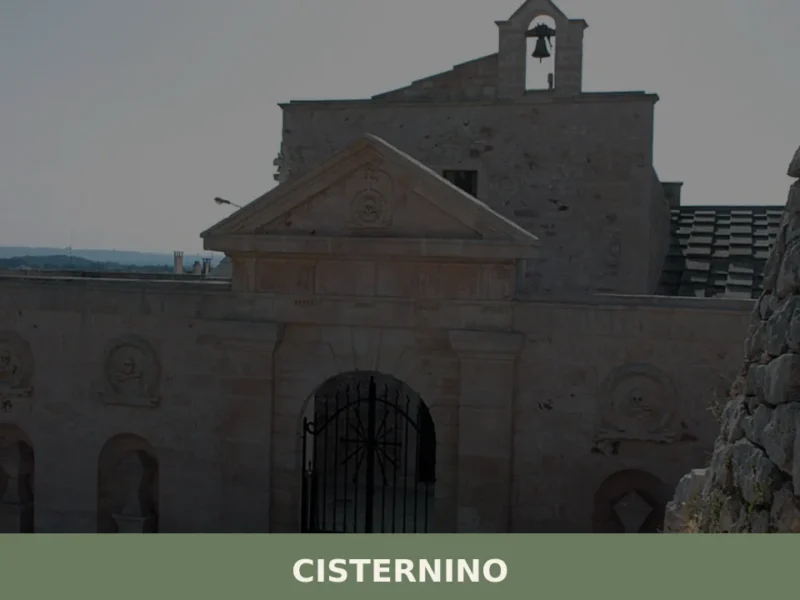
At 394 meters above sea level, in the heart of the Itria Valley, Cisternino features a compact urban layout, characterized by white lime buildings that line a network of narrow streets. This architecture, typical of Puglia’s “white village” style, reflects centuries of adaptation to the climate and terrain. Its elevated position offers a wide view […]
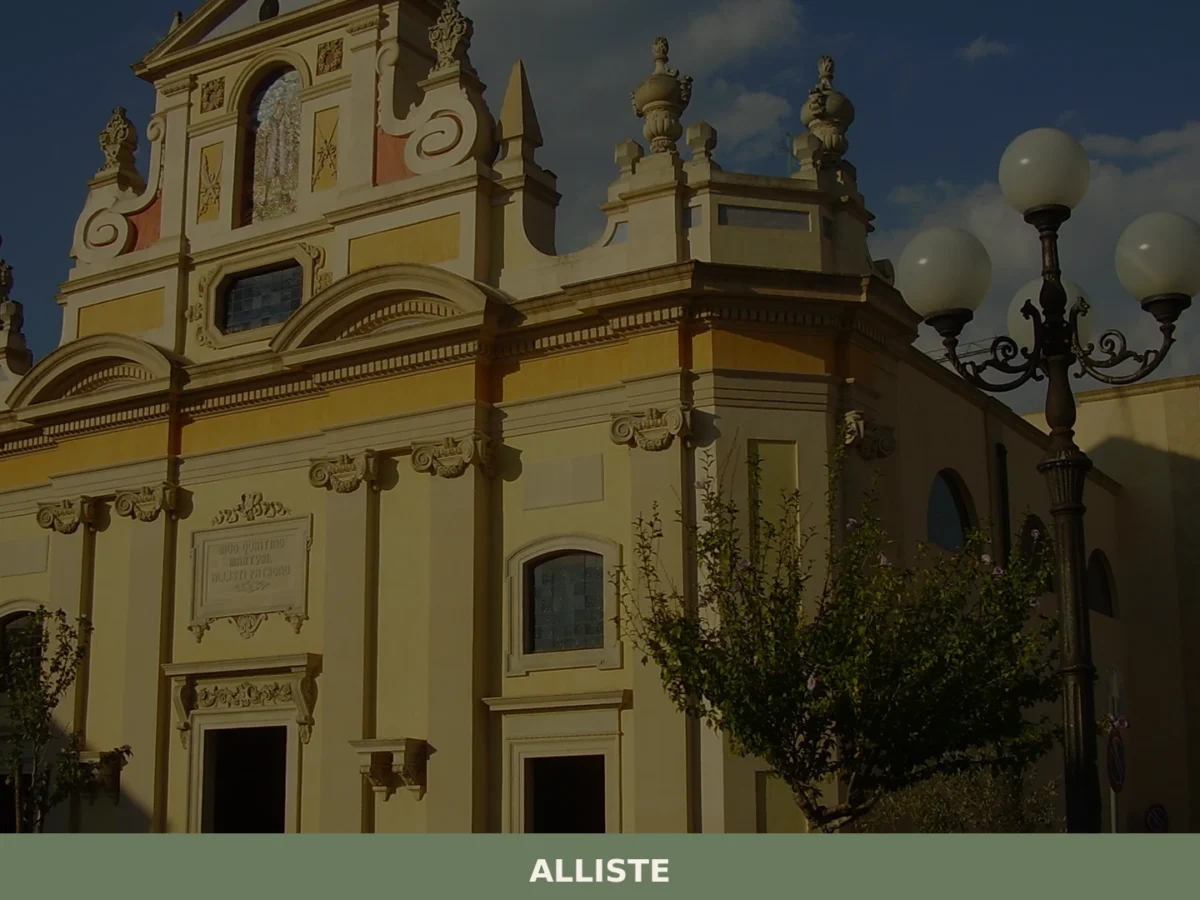
Alliste
 Sea
Sea
what to see ad Alliste: scopri il 6.481 abitanti. Visita chiese e masserie, assapora la cuisine salentina per un viaggio autentico.
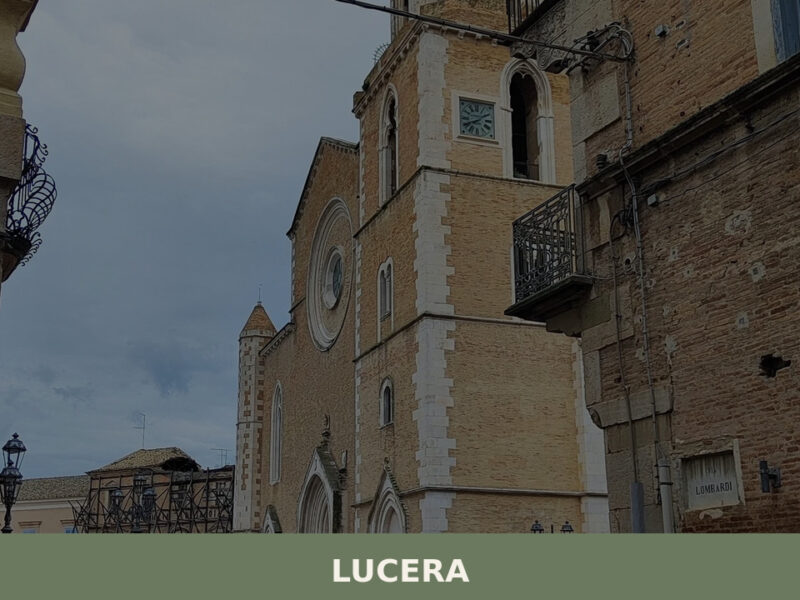
Lucera
Hills
Discover Lucera, a historic hilltop city in Puglia where Roman ruins, a Saracen past, and Angevin grandeur converge amid the sun-drenched Tavoliere plain.
Modugno
 Plains
In 1316, King Robert of Anjou confirmed Modugno’s privilege of holding a free fair, recognising this community on the Bari plain as a commercial hub that few centres of similar size could claim. Today, first-time visitors find a compact old town, gathered around Romanesque churches and noble palaces, surrounded by the orderly expanse of olive […]
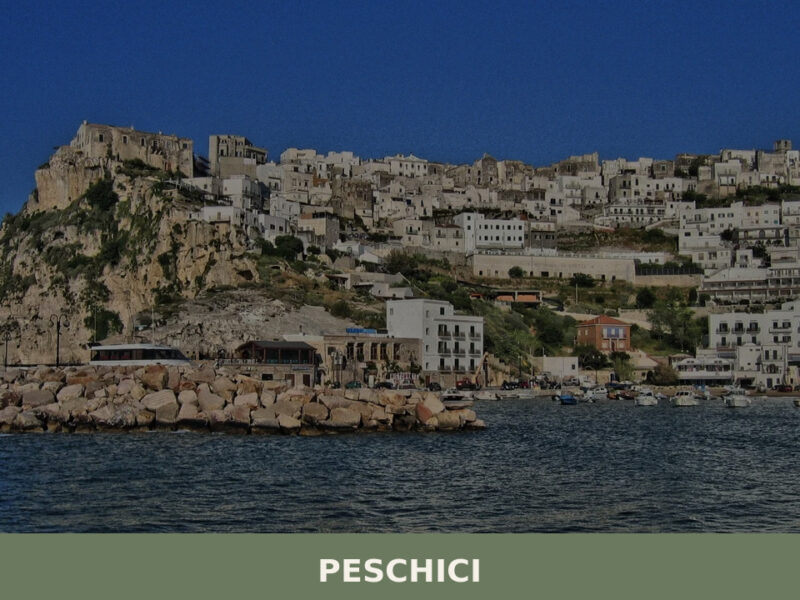
Peschici
Sea
Perched on a rocky promontory above the turquoise waters of the Adriatic Sea, Peschici is one of the most enchanting coastal villages in Puglia’s Gargano peninsula. With its whitewashed houses, narrow alleyways, and dramatic clifftop setting, this small town of 4,283 inhabitants offers a captivating blend of history, natural beauty, and Mediterranean charm. If you’re […]
Stornarella
Plains
A working agricultural village on the Tavoliere plain near Foggia, Stornarella offers wheat-field panoramas, rural chapels, and the elemental cuisine of northern Puglia.
Triggiano
Plains
What to see in Triggiano? Discover the 5 must-see attractions, from the Baronial Castle to the Mother Church, and experience the tradition of this Apulian village.
Capurso
Plains
Every last Sunday of August, the streets of Capurso light up with illuminations reaching twenty metres in height, and the sheer weight of the crowd forces traffic to be diverted onto the provincial road to Cellamare. This is the climax of the feast of the Madonna del Pozzo, a devotional event that since 1705 has […]
Roccaforzata
Plains
Roccaforzata is home to 1,762 inhabitants, spread across a plateau at 145 metres above sea level in the eastern Taranto countryside. The municipal territory covers just 6.67 square kilometres, making it one of the smallest in the province of Taranto. Anyone looking into what to see in Roccaforzata will find a compact urban centre, developed […]
Carosino
Plains
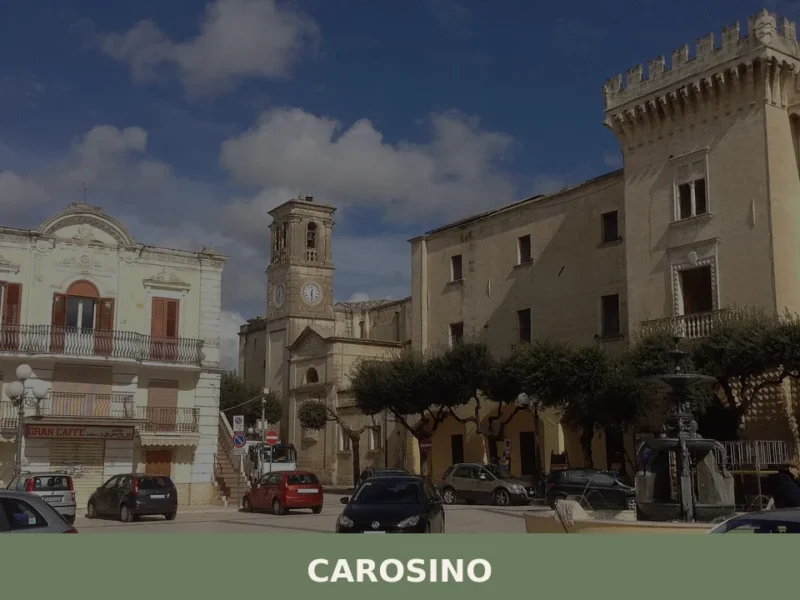
Carosino is a comune of 6,371 inhabitants in the province of Taranto, positioned in the Ionian arc of Puglia where the landscape flattens into olive groves and vineyards before reaching the coast. Known locally by its Salentine dialect name Carusinu, the town sits within a territorial context defined by centuries of agricultural production and the […]



🏡 Know Accadia better than we do?
If you’re a local or have been there, your knowledge matters: add what’s missing or fix a detail on this page.