


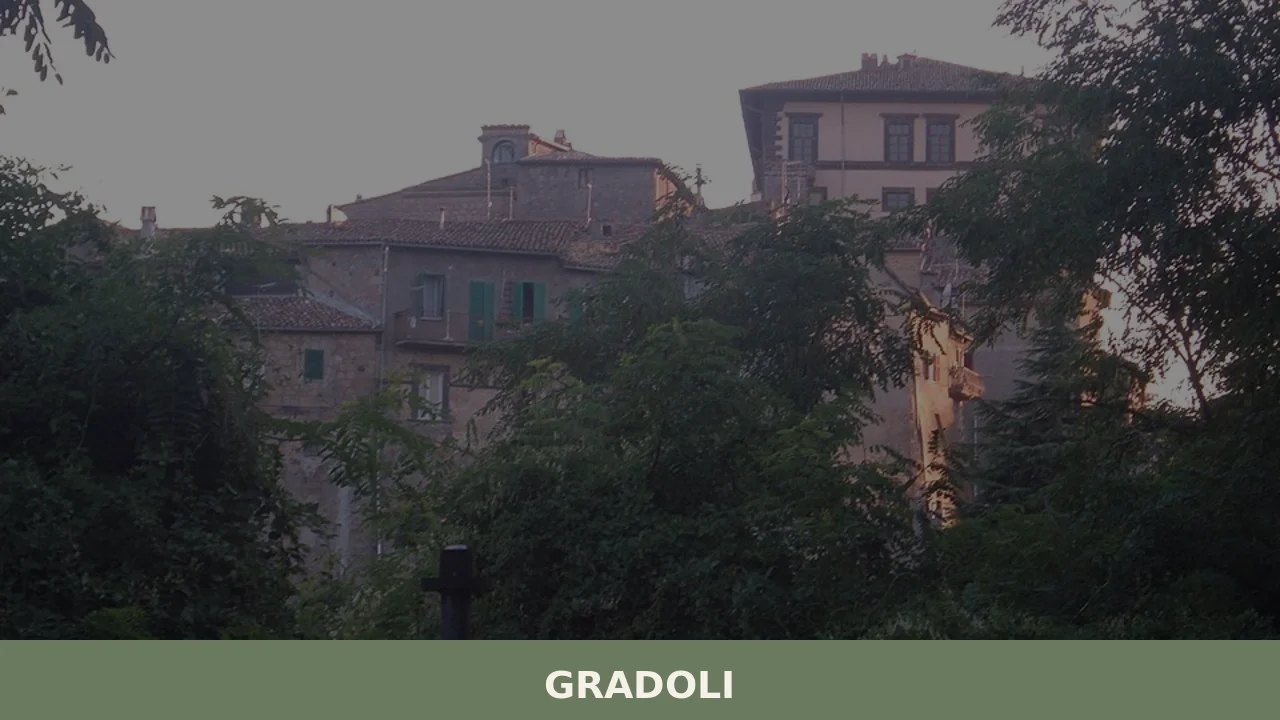
Gradoli
The distant chime of the Collegiate Church’s bells drifts across the valley, carried on a breeze that often stirs the leaves of ancient olive groves. At 470 meters above sea level, Gradoli presents itself not as a grand pronouncement, but as a quiet assertion of history and life etched into the volcanic landscape of northern […]
Discover Gradoli
The distant chime of the Collegiate Church’s bells drifts across the valley, carried on a breeze that often stirs the leaves of ancient olive groves. At 470 meters above sea level, Gradoli presents itself not as a grand pronouncement, but as a quiet assertion of history and life etched into the volcanic landscape of northern Lazio. Here, the tuffaceous rock forms the very foundation, a testament to geological time and human perseverance. Sunlight, when it breaks through the morning haze, illuminates facades of peperino stone, revealing textures and shadows that speak of centuries. This village, home to just over a thousand inhabitants, offers a glimpse into a rhythm of life that has persisted through eras, inviting closer observation.
History of Gradoli
The origins of Gradoli are deeply rooted in the ancient history of Etruria, a region rich with the echoes of a civilization that predates Rome. While direct Etruscan settlements within the current village boundaries are not definitively documented, the surrounding territory, particularly near Lake Bolsena, was a vibrant hub of Etruscan culture. The name “Gradoli” itself is thought by some etymologists to derive from the Latin “gradus,” meaning steps or ascent, perhaps alluding to its elevated position or the terraced cultivation common to the area. During the Roman period, the territory likely served as an agricultural outpost, supplying resources to the burgeoning empire.
The medieval period saw Gradoli evolve into a fortified borgo, a common defensive strategy in a region frequently contested by powerful feudal families and the Papal States. Its strategic position overlooking the northern reaches of Lake Bolsena made it a valuable possession. By the Renaissance, Gradoli came under the influence of the powerful Farnese family, who left an indelible mark on its architecture and governance. Their patronage transformed the village, endowing it with structures that reflect the artistic and political ambitions of the era, shaping the identity of Gradoli that persists to this day.
What to see in Gradoli: 5 must-visit attractions
Palazzo Farnese
Dominating the highest point of the village, the Palazzo Farnese stands as a formidable example of Renaissance architecture. Though less grand than its counterparts in Caprarola or Piacenza, this palace in Gradoli served as a significant residence for the Farnese family. Its robust stone walls and elegant internal courtyard speak of both defensive strength and refined living. Visitors can observe the architectural details and imagine the life of the noble family who once resided within its chambers, influencing the village’s destiny.
Collegiate Church of Santa Maria Maddalena
The heart of Gradoli’s spiritual life, the Collegiate Church of Santa Maria Maddalena, dates back to the medieval period, though it has seen numerous renovations over the centuries. Its façade, often rebuilt, presents a blend of historical styles. Inside, the church houses various artworks and religious artifacts that narrate the community’s devotion. The bell tower, a prominent feature on the village skyline, continues to mark the hours, its chimes echoing across the surrounding landscape.
The Historical Centre
Wandering through Gradoli’s historical centre reveals a labyrinth of narrow, cobbled alleys and stone houses. These pathways, often winding and irregular, preserve the medieval urban fabric of the village. Arches, small squares, and glimpses of ancient walls emerge around each bend, inviting exploration. This area offers a tangible connection to the past, where the architecture itself tells a story of generations who have walked these same stones.
Panoramic Viewpoints over Lake Bolsena
Due to its elevated position, Gradoli offers several natural viewpoints providing expansive vistas over Lake Bolsena, Europe’s largest volcanic lake. From various spots along the village periphery, particularly towards the west, the shimmering expanse of the lake unfolds, framed by rolling hills and distant mountains. These panoramas are best observed during the golden hours of dawn or dusk, when the light plays dramatically across the water and landscape.
The Museo del Costume Farnesiano
Housed within a historic building, the Museo del Costume Farnesiano (Museum of Farnese Costume) offers a unique insight into the sartorial elegance and daily life during the Farnese era. Through reconstructed period costumes, historical garments, and related artifacts, the museum illustrates the fashion, social hierarchy, and cultural practices of the 16th and 17th centuries. It provides a vivid, tangible connection to the village’s most influential historical period.
Local food and typical products
The culinary traditions of Gradoli are deeply rooted in the agricultural bounty of the Lazio region, particularly influenced by the fertile volcanic soils and the proximity of Lake Bolsena. Olive oil, pressed from trees that dot the surrounding hillsides, is a cornerstone of the local diet, often used generously in everything from bruschetta to stewed vegetables. Local cheeses, crafted from sheep’s or cow’s milk, reflect the pastoral heritage, with varying degrees of aging offering distinct flavors. The famous “Est! Est!! Est!!!” wine, though primarily from Montefiascone, is a common companion to meals, its crisp white notes complementing the regional fare.
Typical dishes often feature simple, robust ingredients. Pasta, handmade with local flour, might be served with rich ragùs, wild mushroom sauces, or a simple garlic and olive oil dressing. Lake Bolsena provides fresh fish, such as coregone (whitefish) and perch, which are often grilled or fried. For those seeking an authentic taste of the village, local trattorias and agriturismi offer opportunities to experience these traditional flavors, often prepared with recipes passed down through generations.
Best time to visit Gradoli
Gradoli experiences a Mediterranean climate, characterized by warm, dry summers and mild, somewhat rainy winters. The most pleasant times to visit are during the spring (April to June) and autumn (September to October). In spring, the landscape is lush and green, wildflowers bloom, and temperatures are comfortably moderate, ideal for exploring the village and its surroundings on foot. Autumn brings a palette of warm colors to the foliage and the grape harvest, often accompanied by local festivals celebrating new wine and olive oil.
Summers (July and August) can be hot, with temperatures often exceeding 30°C, though the altitude provides some relief. This is also the period for many local sagre (food festivals) and cultural events, making it a lively time despite the heat. Winters (November to March) are cooler and quieter, with occasional rainfall and crisp air. While some services might be reduced, visiting in winter offers a serene experience, allowing for a deeper appreciation of the village’s historic atmosphere without the crowds.
How to get to Gradoli
Gradoli is situated in the province of Viterbo, in the northern part of Lazio. The most convenient way to reach the village is by car. From Rome, take the A1 motorway north towards Florence, exiting at Orte, then follow signs towards Viterbo and subsequently Lake Bolsena/Gradoli. The journey from Rome typically takes around 1.5 to 2 hours, covering approximately 100-120 kilometers. From Viterbo, Gradoli is about a 30-minute drive northwest.
For those travelling by train, the nearest major station is Viterbo Porta Fiorentina or Viterbo Porta Romana, which are connected to Rome via regional lines. From Viterbo, local bus services (Cotral) operate to Gradoli, though schedules can be infrequent, especially on weekends. The nearest international airports are Rome Fiumicino (FCO) and Rome Ciampino (CIA), both approximately 1.5 to 2 hours’ drive from Gradoli. Car rental is highly recommended for flexibility in exploring the village and the surrounding Tuscia region.
More villages to discover in Lazio
The region of Lazio, extending beyond the bustling capital of Rome, is a treasure trove of historical villages, each with its own unique character and story. These borghi, often perched on volcanic outcrops or nestled in rolling hills, offer a profound connection to Italy’s ancient past and its enduring traditions. Many of these communities, like Gradoli, preserve medieval street plans, Renaissance palaces, and a slower pace of life that contrasts sharply with modern urbanity. Exploring them provides insights into the layered history of central Italy, from Etruscan roots to papal influence.
Beyond Gradoli, visitors can delve further into the rich tapestry of Lazio’s provincial life. For instance, the charming village of Arlena di Castro offers another perspective on the Viterbo landscape, with its own unique historical charm and local customs. Similarly, heading east, one might discover Bassano in Teverina, a village that provides a different architectural and cultural experience, highlighting the diversity within the region. These villages, often less frequented than major tourist destinations, offer a genuine encounter with Italian provincial life, where history is not just preserved in museums but lived on cobbled streets and within ancient walls. For more information on the region, consult sources like Wikipedia’s Lazio page or the official Gradoli municipality website, and explore the wider offerings of the Lazio tourism board.
In Lazio More villages to discover
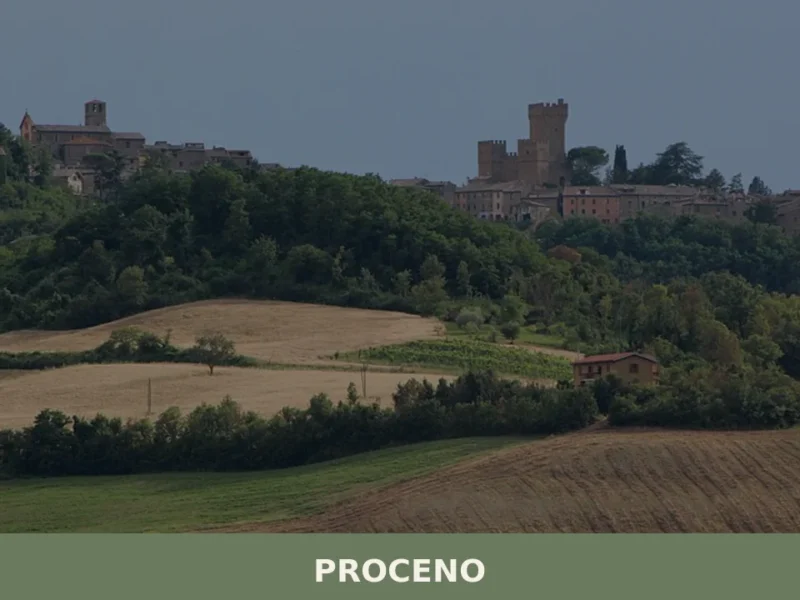
Proceno
A 418 meters above sea level, in northern Lazio, the village of Proceno developed around a Fortress documented as early as the 12th century. This architectural element, central to the settlement’s development, still defines the structure of the historic center today. With a population of 519 inhabitants, Proceno is part of the Viterbo Tuscia region, […]
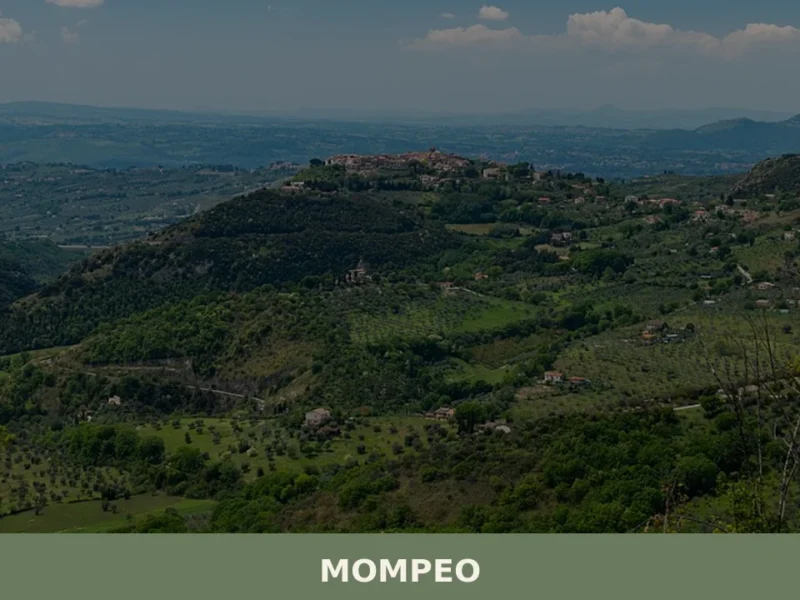
Mompeo
Discover Mompeo, a charming village in Lazio, Italy. Explore its rich history, stunning landscapes, and authentic Italian culture off the beaten path.
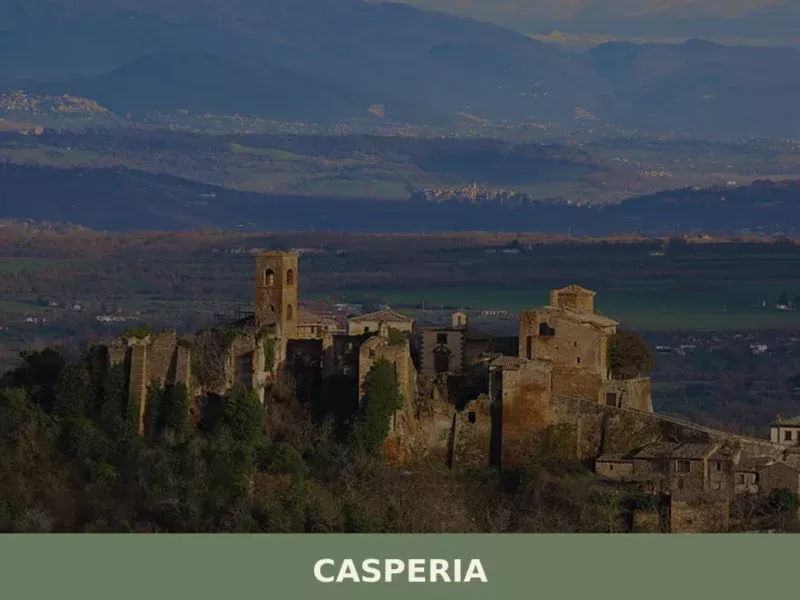
Casperia
What to see in Casperia, a hilltop village at 397 m in Rieti province: medieval centre, 3 PAT-certified products including guanciale. Plan your visit and where to stay.


📝 Incorrect information or updates?
Help us keep the Gradoli page accurate and up to date.