


Atri
 Hills
Hills
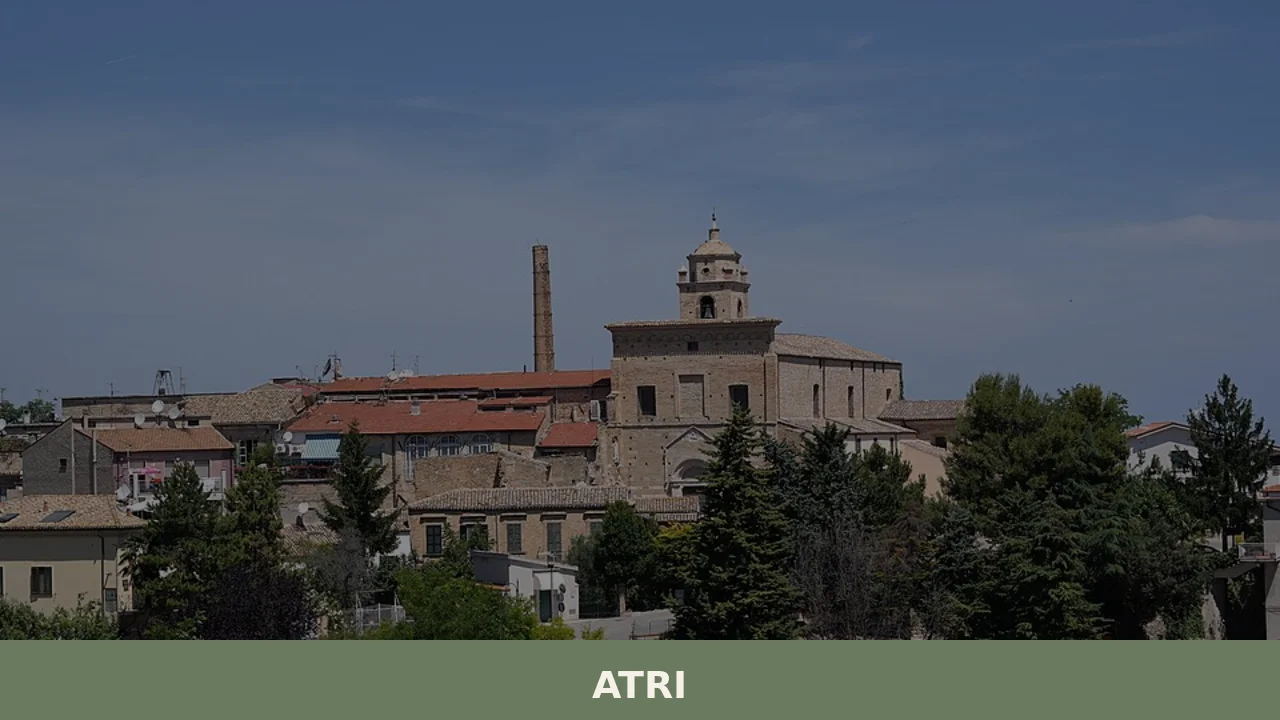
Atri, in the province of Teramo, stands at 442 meters above sea level, an altitude that allows the city to overlook the Teramo hills. Its origins lie in ancient Hatria, a Picene settlement and later an important Roman municipality, known for minting its own coins as early as the 3rd century BC. This historical richness […]
Discover Atri
Atri, in the province of Teramo, stands at 442 meters above sea level, an altitude that allows the city to overlook the Teramo hills. Its origins lie in ancient Hatria, a Picene settlement and later an important Roman municipality, known for minting its own coins as early as the 3rd century BC. This historical richness is still evident today in its structures and streets. For those wondering what to see in Atri, the historic center offers a journey through centuries of cultural layers, from Roman remains hidden beneath church foundations to the medieval and Renaissance architecture that defines its urban identity. The city, with its 9,996 inhabitants, maintains a distinctive character, a result of its long and complex historical development.
History and Origins of Atri
Atri’s identity is deeply connected to its ancient foundation. Known as Hatria, or Hadria, its name has often been associated with the origin of the Adriatic Sea itself, a hypothesis that highlights its strategic and commercial importance in antiquity. Historical documents attest to its relevance as early as the pre-Roman era, as a center for the Praetutii. During the Roman Empire, Atri flourished, acquiring public infrastructure and an autonomous monetary system, elements that confirm its prestige and autonomy.
The Middle Ages saw Atri consolidate as an episcopal see and come under the rule of various feudal families, including the Acquaviva, who for centuries exercised significant influence over the territory. The Ducal Palace, now the municipal seat, is clear evidence of the power and presence of this dynasty. The urban transformations of this period have bequeathed a city fabric where civil and religious architecture intertwine, revealing the marks of successive eras and urban planning choices dictated by defensive and representational needs.
What to See in Atri: 5 Must-Visit Attractions
Basilica Co-Cathedral of Santa Maria Assunta
Atri Cathedral, built starting in the 13th century over Roman and early Christian remains, features a Romanesque-Gothic structure. Its main portal, a work by Rainaldo d’Atri, displays elaborate sculptures, while the interior houses a cycle of 15th-century frescoes by Andrea de Litio, illustrating scenes from the Old and New Testaments, as well as a finely carved wooden choir.
Municipal Theater
Inaugurated in 1881, Atri’s Municipal Theater is a neoclassical-style building. Its interior hall, with a horseshoe plan and three tiers of boxes, is decorated with stuccos and frescoes depicting allegorical themes. It represents a center for cultural activities in the city, hosting theater seasons and concerts.
Ducal Palace of the Acquaviva
Located in Piazza Duomo, the Ducal Palace was the residence of the Acquaviva family, who governed Atri from the 14th to the 18th century. The current structure is the result of successive modifications, which transformed the original medieval castle into a stately home. Today it houses the offices of the Municipality of Atri.
Capitular Museum
Adjacent to the Co-Cathedral, the Capitular Museum collects sacred artworks, liturgical vestments, sculptures, and silver objects from the cathedral’s treasury and other churches in the area. The collection also includes archaeological artifacts documenting Atri’s ancient history, offering insight into the community’s religious and cultural life.
Regional Natural Reserve of Atri Calanchi
A few kilometers from the inhabited center, the Atri Calanchi Natural Reserve offers a unique geological landscape. The calanchi are clay formations shaped by water and wind erosion, creating sharp ridges and deep ravines. The area is a habitat for various species of flora and fauna, and features paths for nature observation.
Typical Cuisine and Local Products
Atri’s cuisine, like that of Abruzzo, is based on ingredients from the land and livestock farming, with a strong emphasis on seasonality. Among the first courses, “maccheroni alla chitarra” seasoned with mutton or pork ragù are a distinctive element, prepared with a rough pasta sheet that holds the sauce. A specific product of the territory is “Atri licorice,” known for its quality; the city has a tradition in cultivating and processing this root, used for both sweets and liqueurs. The “Pan Ducale di Atri” is a traditional sweet, often made with almonds and candied fruit, which celebrates the city’s history and its ancient lordship.
Local dairy products include “Pecorino di Atri,” a hard or semi-hard cheese made from sheep’s milk, which can be eaten fresh or aged. Extra virgin olive oil and honey are also significant productions of the hilly area. Throughout the year, local food festivals and events allow visitors to discover and taste these specialties, such as the Bread Festival, which promotes traditional baked goods. Atrian cuisine is an expression of a strong connection with the territory and its resources.
When to Visit Atri: The Best Time
Atri’s climate, Mediterranean with continental influences due to its altitude, makes spring and autumn the most suitable periods for a visit. Temperatures are mild and allow exploration of the historic center and the Calanchi Reserve without the summer heat or winter cold. The patron saint’s festival in honor of Saint Reparata of Caesarea in Palestine is celebrated eight days after Easter, an opportunity to observe local religious and popular traditions, with processions and events that enliven the city.
Summer, from June to September, offers a rich calendar of cultural events and outdoor evenings, although temperatures can be high, especially in July and August. Winter, from December to March, is colder and may bring snowfall, but the city takes on a particular quietness, suitable for those seeking a more contemplative experience. For nature excursions in the calanchi, it is advisable to avoid the rainiest months to prevent slippery trails.
How to Get to Atri
Atri is mainly accessible by car. Those coming from the north or south can take the A14 motorway (Bologna-Taranto) and exit at “Atri-Pineto.” From there, continue for about 15-20 minutes following the road signs for Atri.
- By train: The nearest railway station is Pineto-Atri, on the Adriatic line. From Pineto-Atri, it is possible to reach Atri center via local bus services or taxi.
- By plane: The nearest airport is Abruzzo Airport (PSR) in Pescara, approximately 30 kilometers away. From the airport, you can rent a car or use public transport services (bus to Pescara station, then train to Pineto-Atri, or direct bus to Atri if available).
- Distances from main cities:
- Pescara: approximately 30 km
- Teramo: approximately 40 km
- L’Aquila: approximately 100 km
- Rome: approximately 200 km
Other Villages to Discover in Abruzzo
Abruzzo, a region extending from the Apennine peaks to the Adriatic coast, features a variety of villages, each with its own specific character. After exploring Atri and its historical and natural sites, one can continue discovering the Abruzzo territory by visiting other locations that offer different perspectives on the region’s life and culture. For example, moving inland, you will find Bomba, a village that overlooks an artificial lake, known for the Sanctuary of San Mauro Abate and its rural architecture.
Another itinerary can lead towards the villages of Marsica, where Gioia dei Marsi is located. This center, despite suffering severe damage from the 1915 earthquake, has been rebuilt and today offers an example of resilience and connection to a mountain landscape. Visiting these places allows one to grasp the geographical and cultural diversity of Abruzzo, from the Adriatic hills to the inland areas, maintaining a common thread in the historical richness and the presence of deeply rooted traditions.
Frequently asked questions about Atri
What is the best time to visit Atri?
Spring (April–May) and autumn (September–October) offer the mildest temperatures for exploring the historic center and the Calanchi Reserve, with comfortable conditions for walking. A highlight is the feast of Santa Reparata di Cesarea di Palestina, celebrated eight days after Easter, featuring religious processions and local events. Summer brings a lively calendar of cultural evenings but can be hot in July and August. Winter is quieter and occasionally snowy, ideal for reflective visits. Avoid the rainiest months for nature trails in the calanchi, as clay paths become slippery.
What are the historical origins of Atri?
Atri traces its roots to ancient Hatria (also spelled Hadria), a Picene settlement later inhabited by the Praetutii and subsequently absorbed into the Roman Republic. By the 3rd century BC it had its own coin mint, a mark of significant autonomy and prestige. Some scholars link the city's name to the origin of the term 'Adriatic Sea.' During the Middle Ages, Atri became an episcopal see and fell under the long dominion of the Acquaviva family, whose influence shaped much of the city's civil and religious architecture from the 14th to the 18th century.
What to see in Atri? Main monuments and landmarks
Atri's top sights include: the Basilica Co-Cathedral of Santa Maria Assunta (13th century), renowned for Andrea de Litio's 15th-century fresco cycle and its Romanesque-Gothic portal; the Ducal Palace of the Acquaviva in Piazza Duomo, now the municipal seat; the neoclassical Municipal Theater (1881) with its horseshoe-shaped hall; and the Capitolar Museum housing sacred art and archaeological finds. Just outside town, the Atri Calanchi Natural Reserve offers striking clay erosion landscapes. Check current opening hours directly with the municipal offices or local tourist office before visiting.
What are the main natural or scenic attractions near Atri?
The Regional Natural Reserve of Atri Calanchi, located a few kilometers from the town center, is the standout natural attraction. The reserve features dramatic clay formations — sharp ridges and deep ravines sculpted by erosion — along with diverse flora and fauna. Marked paths allow visitors to explore the landscape on foot. The reserve is best visited in dry weather, as clay trails become hazardous after rain. Spring and early autumn are the optimal seasons for both wildlife observation and comfortable walking conditions.
Where to take the best photos in Atri?
The most photogenic spots in Atri include Piazza Duomo, where the Cathedral's sculpted portal and the Ducal Palace create a striking historic scene, and the panoramic terraces of the hilltop historic center, which overlook the Teramo hills and, on clear days, toward the Adriatic coast. The Calanchi Reserve offers surreal, otherworldly landscapes ideal for landscape photography, particularly in the golden light of early morning or late afternoon. The Cathedral's interior, with Andrea de Litio's frescoes, also provides remarkable subjects for architectural and art photography.
Are there museums or historic buildings to visit in Atri?
Yes. The Capitolar Museum, adjacent to the Co-Cathedral, holds sacred artworks, liturgical vestments, silverware, and archaeological finds that document Atri's history from antiquity to the modern era. The Basilica Co-Cathedral of Santa Maria Assunta itself is an essential visit for its 15th-century fresco cycle by Andrea de Litio. The Municipal Theater (1881) is open for cultural events and theater seasons. The Ducal Palace houses municipal offices but its exterior and courtyard reflect the Acquaviva dynasty's architectural legacy. Confirm current museum hours with the local tourist office.
What can you do in Atri? Activities and experiences
Visitors can explore the historic center on foot, visiting the Cathedral, Capitolar Museum, and Ducal Palace. Nature walks in the Atri Calanchi Reserve offer a unique geological experience. Food and wine enthusiasts can attend local festivals such as the Bread Festival, which celebrates traditional baked goods, or taste local products at area shops and restaurants. The patron saint's festival eight days after Easter combines religious processions with popular celebrations. The Municipal Theater hosts theater seasons and concerts throughout the year, offering cultural experiences beyond sightseeing.
Who is Atri suitable for?
Atri suits a broad range of visitors. History and art lovers will appreciate the Roman heritage, medieval architecture, and Andrea de Litio's frescoes in the Cathedral. Nature enthusiasts and hikers will find the Calanchi Reserve a rewarding destination. Couples seeking a quiet, atmospheric hilltop town with scenic views and good local cuisine will feel at home here. Families can combine cultural visits with easy nature walks in the reserve. It is less suited to those seeking beach holidays or nightlife, but ideal for slow, contemplative travel focused on culture, food, and landscape.
What to eat in Atri? Local products and specialties
Atri's food tradition centers on robust Abruzzese staples. Maccheroni alla chitarra with mutton or pork ragù is the quintessential first course. The city has a documented tradition of licorice cultivation and processing, used in sweets and liqueurs — 'Atri licorice' is a recognized local specialty. The 'Pan Ducale di Atri,' a traditional almond and candied-fruit cake, celebrates the town's ducal heritage. Local Pecorino di Atri, a sheep's-milk cheese eaten fresh or aged, is a notable dairy product. Extra virgin olive oil and honey from the surrounding hills round out the local larder.
📷 Photo Gallery — Atri
Getting there
Piazza Duchi di Acquaviva, 64032 Atri (TE)
Nearby Villages near Atri


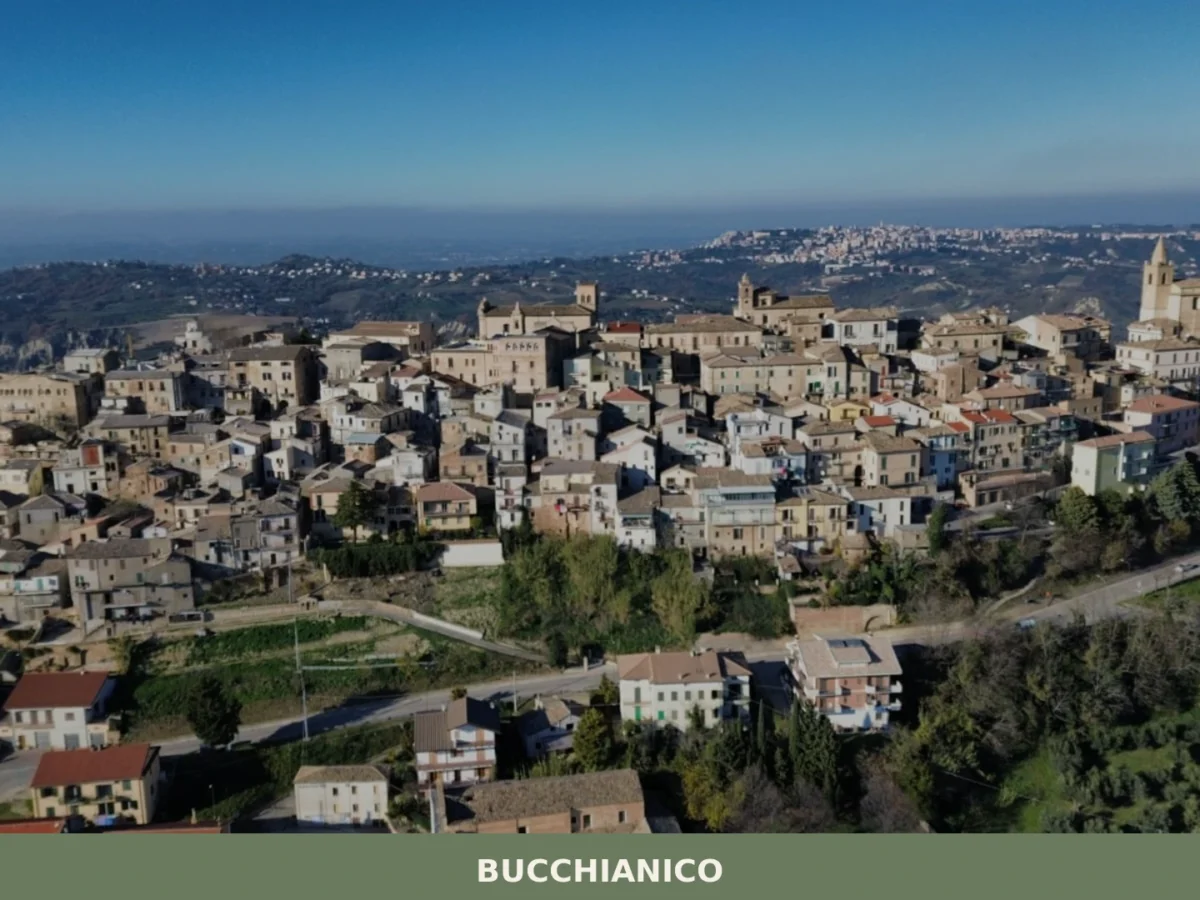
In Abruzzo More villages to discover
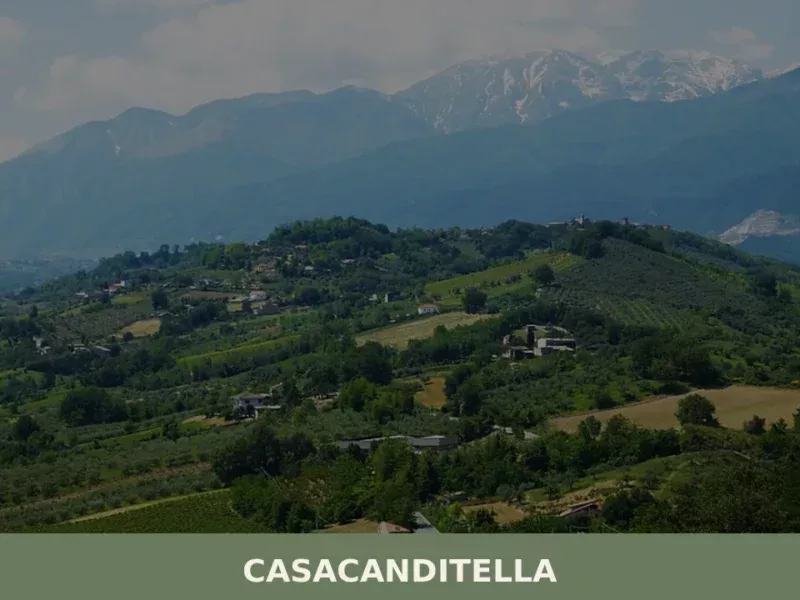
Casacanditella
Hills
At 432 metres above sea level, on the eastern slope of the Majella descending towards the Foro river valley, Casacanditella has 1,169 inhabitants and a municipal territory that extends entirely across hilly terrain in the province of Chieti. Anyone wondering what to see in Casacanditella will find a compact urban centre, a church dedicated to […]
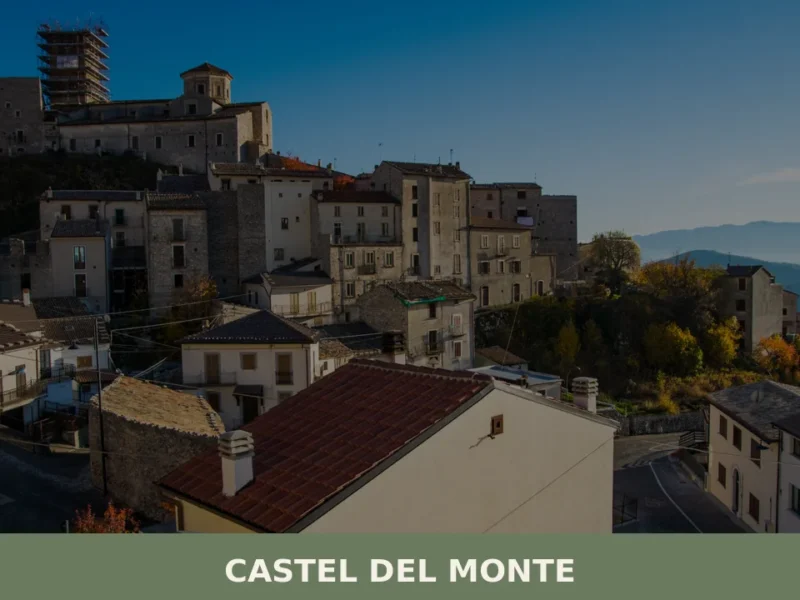
Castel del Monte
 Mountain
what to see in Castel del Monte? Discover this Abruzzo village at 1346m altitude. Explore historic churches, medieval walls, and taste traditional canestrato cheese in Italy.
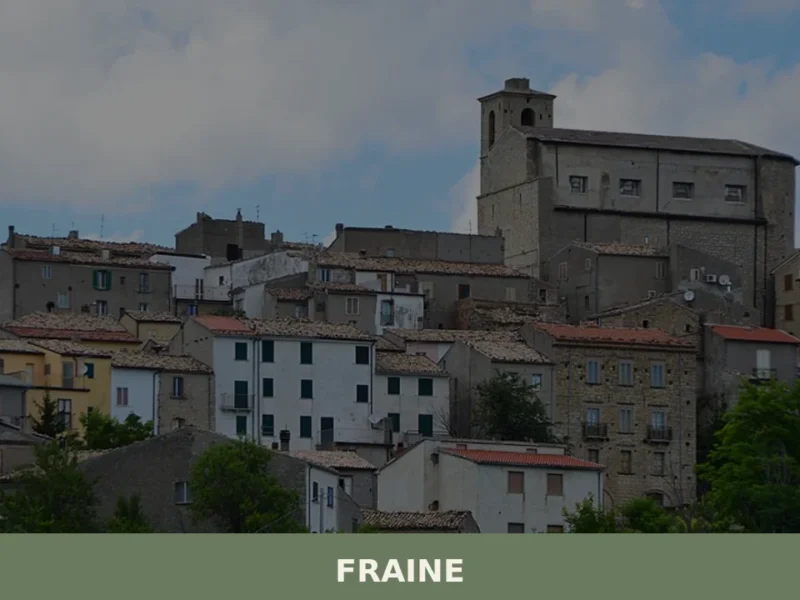
Fraine
Mountain
At 751 meters above sea level, in the Chieti area, lies Fraine, a municipality with a population of 261 inhabitants. This village, whose history dates back to the 10th-11th century, serves as an observation point over the Alto Vastese territory. For those wondering what to see in fraine, the town offers a journey through the […]
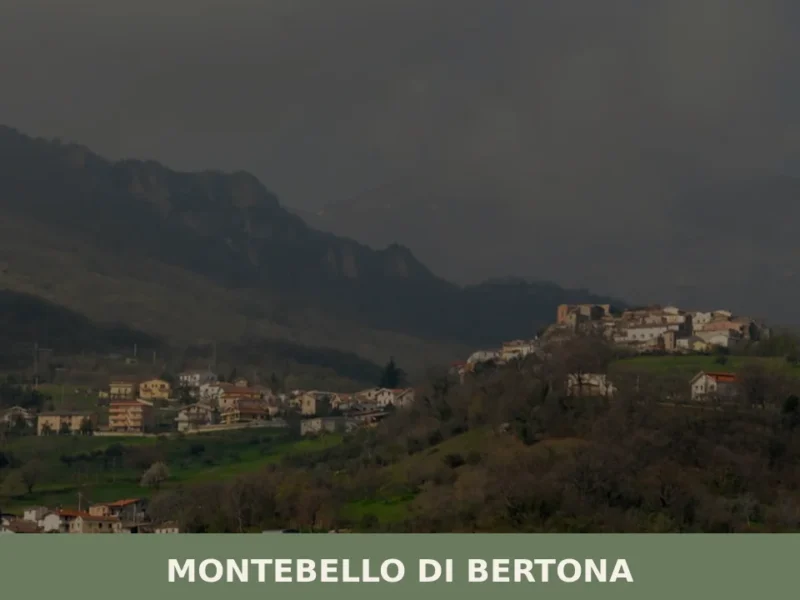
Montebello di Bertona
Mountain
What to see in Montebello di Bertona, Italy: Discover a village of 994 inhabitants in Gran Sasso National Park. Explore historic sites and natural trails. Read our guide.
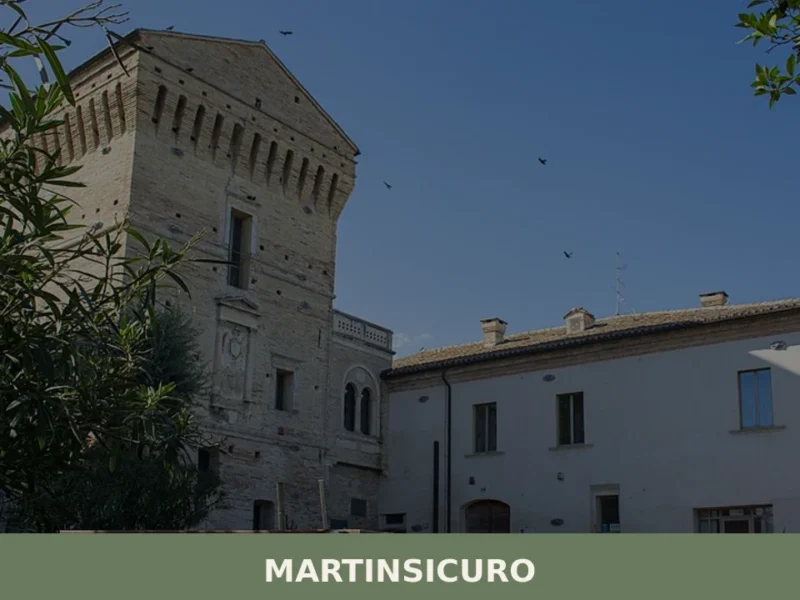
Martinsicuro
 Sea
Sea
Martinsicuro, located 2 meters above sea level in the province of Teramo, has a population of 16,270 inhabitants. Its development is directly linked to the Adriatic coast and the presence of the Tronto river mouth. For those wondering what to see in Martinsicuro, the core interest lies in its identity as a seaside town that […]
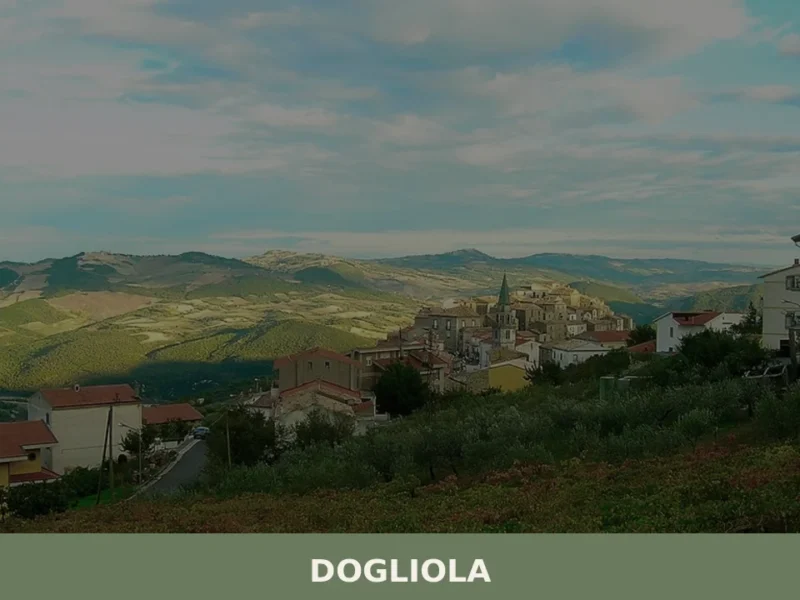
Dogliola
Hills
what to see in dogliola, Italy: Discover the 445 m elevation, 311 residents, and San Rocco festival. Explore rich history and stunning landmarks.

Casalincontrada
Hills
What to see in Casalincontrada, Abruzzo, Italy: 3 historic monuments, a 14th-century city gate and Baroque church. Discover the best of this Chieti village.
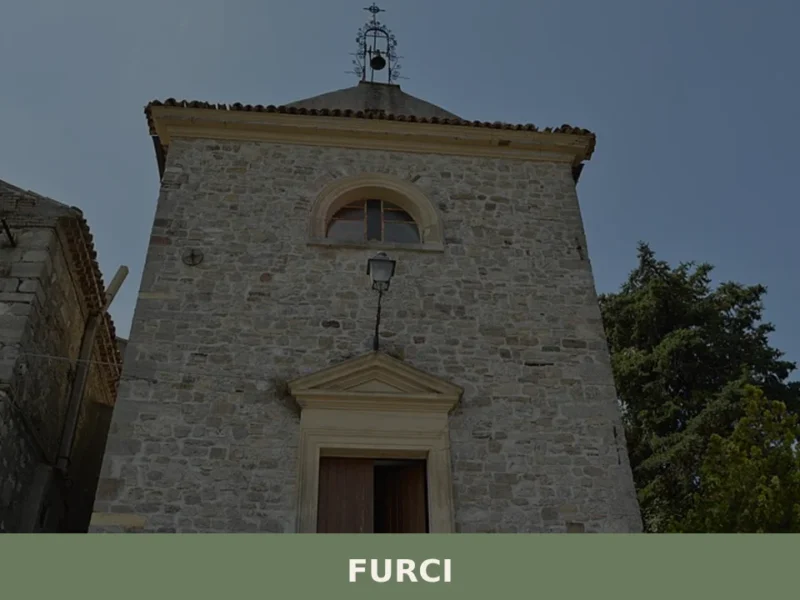
Furci
Hills
Furci has 806 inhabitants and sits at 550 metres above sea level, along the hill ridge that separates the Sinello valley from the Treste stream valley, in the southern part of the province of Chieti. Anyone looking into what to see in Furci will find a compact urban centre, organised around the main church and […]
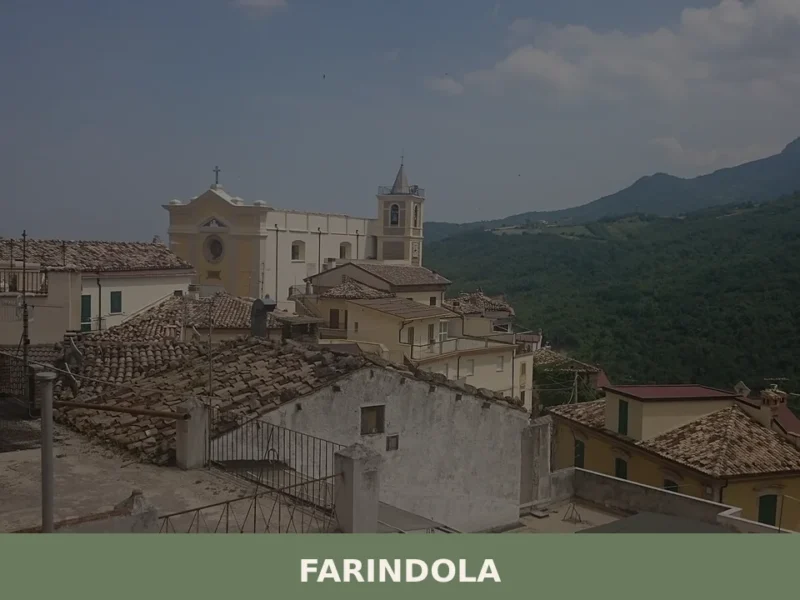
Farindola
Mountain
What to see in Farindola, Abruzzo, Italy: explore the 28 m Vitello d'Oro falls, Gran Sasso National Park and Pecorino di Farindola. Discover 1,569 inhabitants strong.
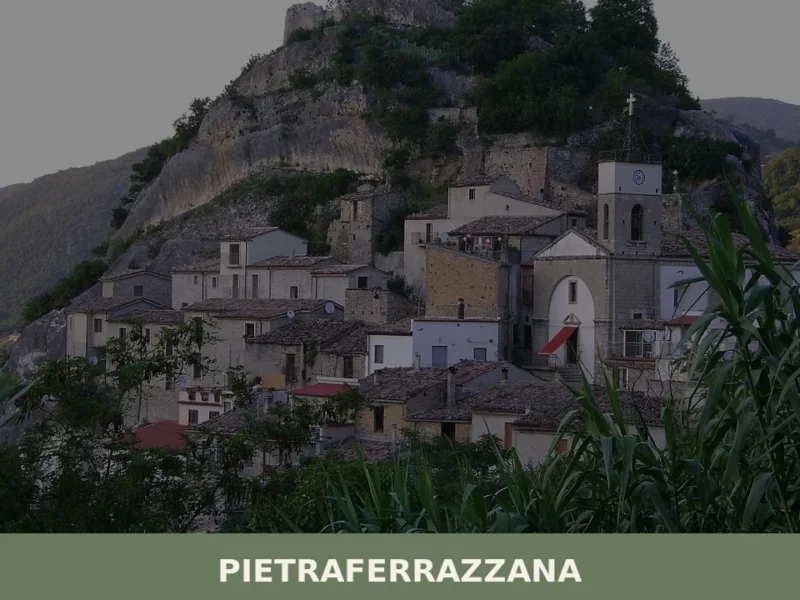
Pietraferrazzana
Hills
The rock that gives the village its name is no metaphor: Pietraferrazzana literally grew up against a stone cliff, and the profile of the village changes depending on where you stand along the Sangro valley floor. In this article History and Origins of Pietraferrazzana What to See in Pietraferrazzana: Main Attractions Traditional Cuisine and Products […]

🏡 Know Atri better than we do?
If you’re a local or have been there, your knowledge matters: add what’s missing or fix a detail on this page.