


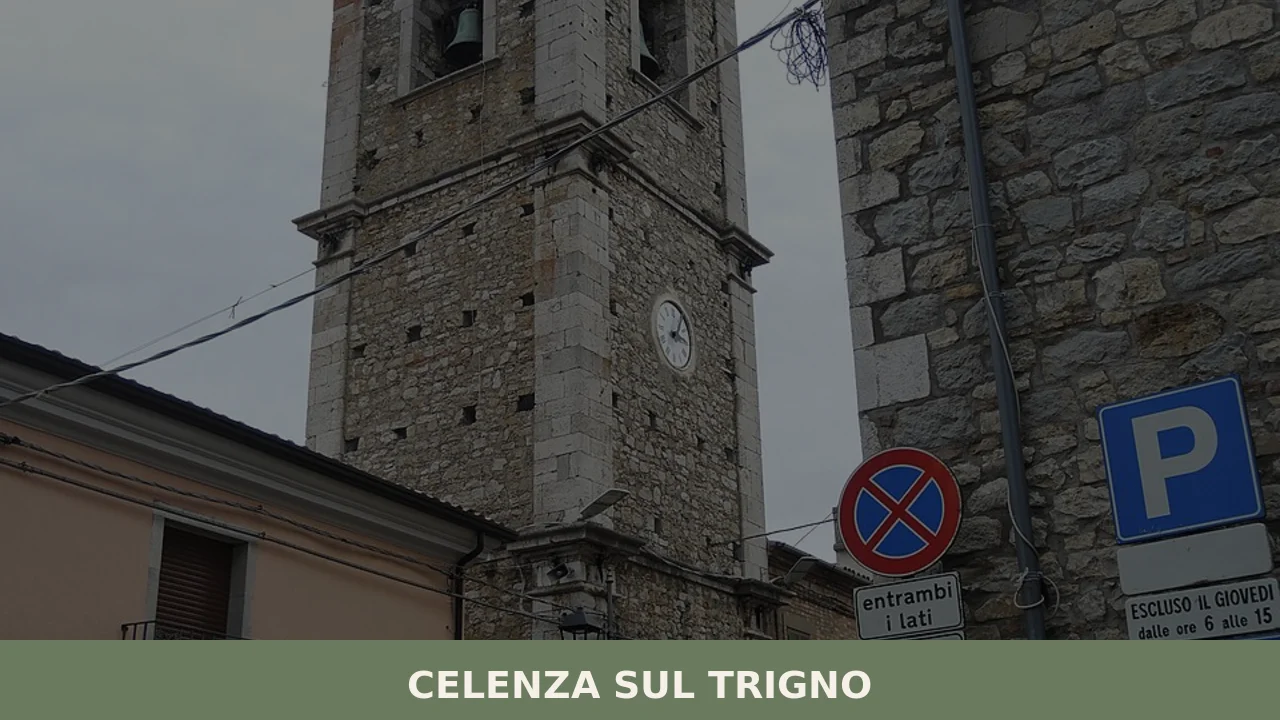
Celenza sul Trigno
 Mountain
At 646 metres above sea level, with 781 registered residents, Celenza sul Trigno occupies a ridge separating the Trigno river valley from the Treste stream, in the province of Chieti. The village appears in medieval documents as a Norman possession, and its urban layout preserves the concentric plan typical of 12th-century fortified settlements. Anyone wondering […]
Discover Celenza sul Trigno
At 646 metres above sea level, with 781 registered residents, Celenza sul Trigno occupies a ridge separating the Trigno river valley from the Treste stream, in the province of Chieti. The village appears in medieval documents as a Norman possession, and its urban layout preserves the concentric plan typical of 12th-century fortified settlements. Anyone wondering what to see in Celenza sul Trigno will find a compact built-up centre here, where houses in local stone line narrow streets that follow the slope of the terrain, opening onto a horizon that on clear days reaches the Maiella massif and the Adriatic Sea.
History and origins of Celenza sul Trigno
The name “Celenza” most likely derives from the Latin Celentia, a form linked to the Roman gentile name Celens, suggesting an origin as a late-antique landed estate. Some sources also connect the etymology to the term cella, referring to grain stores or small rural buildings from the Roman period. The specification “sul Trigno” was added after Italian unification to distinguish the town from the identically named Celenza Valfortore, in Puglia.
During the Norman period, the village came under the orbit of the County of Montagano. A document from the Catalogus Baronum, compiled between 1150 and 1168, records Celenza as a fief held by local lords subject to the Norman counts. In the following centuries, ownership passed through several feudal families: the d’Avalos, who controlled vast territories in the Vasto area, included Celenza among their domains between the 15th and 16th centuries. The village’s layout retains traces of this period — remnants of perimeter walls, the base of a tower, and a street grid converging toward the highest point of the ridge.
In 1806, with the abolition of feudalism decreed by Joseph Bonaparte, Celenza became an autonomous municipality. Throughout the 19th and 20th centuries the town underwent a progressive depopulation driven by emigration, first to the Americas and then to northern Italy, a phenomenon common to many inland Abruzzo centres and documented in local historical sources.
What to see in Celenza sul Trigno: the main attractions
1. Church of Santa Maria delle Grazie
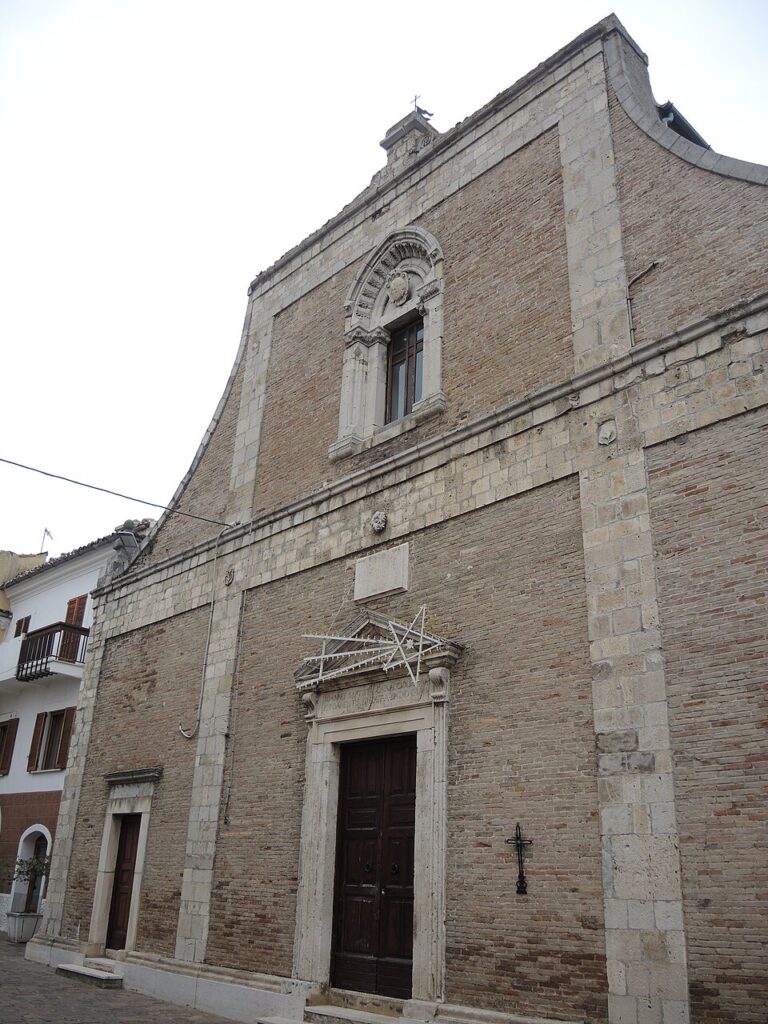
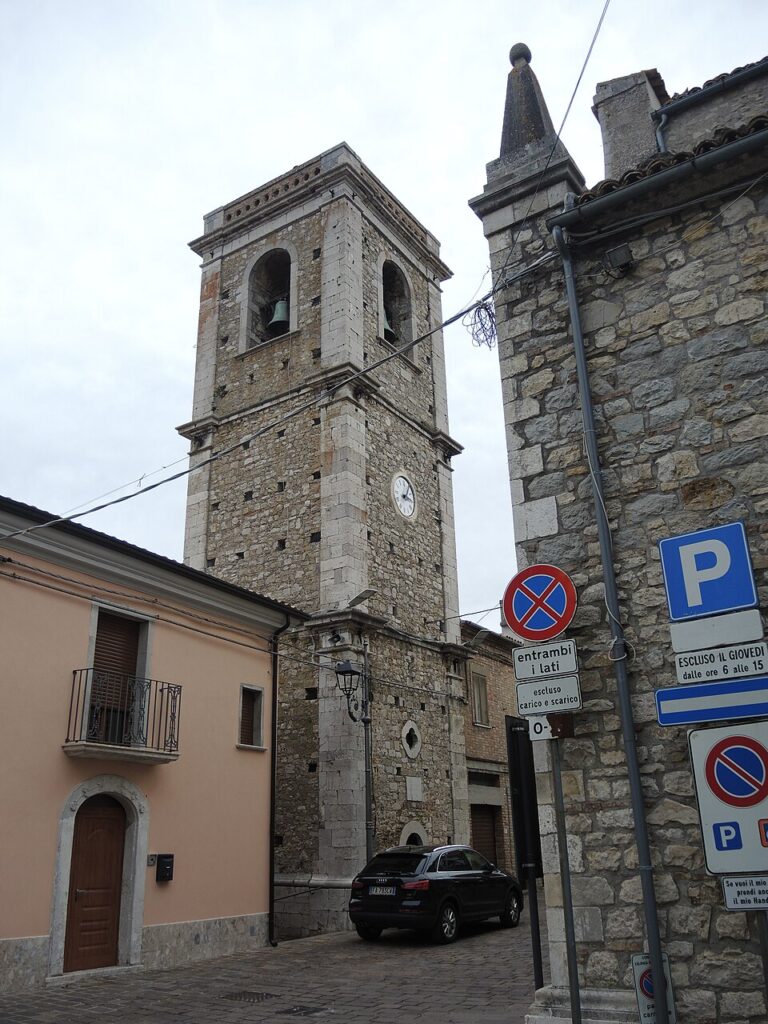
A religious building situated in the upper part of the village, rebuilt in the 18th century on older foundations. The interior houses a carved stone altar and several canvases from the Neapolitan school. The façade features a simple round-arched portal, and the square bell tower is visible from various points across the Trigno valley.
2. Ruins of the medieval castle
On the highest point of the ridge, sections of wall remain from what was once the original defensive core of the village. The surviving structures — stretches of limestone curtain wall and the base of a tower — reveal the strategic function of the site, positioned to control the confluence of the Trigno and the Treste. The area has not been set up as a museum but is accessible on foot from the centre.
3. Historic centre and medieval urban layout
The old core retains the concentric arrangement of houses around the fortified summit. The buildings, constructed in local sandstone with occasional brick inserts, face onto sloping lanes barely two metres wide. Several carved stone portals, datable to between the 16th and 18th centuries, mark the entrances of the more important dwellings.
4. Historic public fountain
In the lower part of the village stands a stone fountain that served as a water supply point for residents and working animals. The structure, with a rectangular basin and iron spouts, is a recurring feature in Abruzzo’s mountain villages and documents the pre-modern water management system of the settlement.
5. Trigno valley landscape
From the western edge of the village the view drops down toward the course of the Trigno river, which marks the border between Abruzzo and Molise. The slope is covered with oak woods, degraded Mediterranean scrub, and agricultural terraces now partly abandoned. In spring, flowering broom colours the hillsides yellow; in autumn the downy oak and Turkey oak woods turn red and ochre.
Food and local produce
The cuisine of Celenza sul Trigno follows the repertoire of the inland Vasto area, based on cereals, legumes, pork, and olive oil. Among the dishes documented in the area: sagne a pezzate, irregular pasta made with water and flour dressed with tomato sauce and chilli pepper; pallotte cace e ove, cheese and egg balls fried and then cooked in tomato sauce; ventricina del Vastese, a cured meat made from pork cut by hand with a knife tip and flavoured with sweet and hot pepper, recognised as a Traditional Agri-food Product (PAT) of the Abruzzo region.
The extra-virgin olive oil produced in the hilly belt along the Trigno falls within the Colline Teatine PDO area. Farro and lentil varieties are also cultivated on the surrounding land. At present there are no widely renowned restaurants in the village, but a few family-run trattorias offer menus tied to the seasonality of local produce, with affordable prices and portions calibrated to farming tradition.
When to visit Celenza sul Trigno: the best time
The altitude of 646 metres brings cold winters, with temperatures frequently dropping below zero between December and February, and snowfall is not uncommon. Summer is cool compared to the coast — highs rarely exceed 30°C — making the months between June and September the most suitable for a visit. The patron saint festival dedicated to San Donato d’Arezzo, celebrated on 7 August, is the community’s main gathering: a procession, a brass band, fireworks, and a communal dinner in the streets of the centre.
In spring, between April and May, the flowering vegetation along the Trigno valley provides the best conditions for walks in the surrounding area. Autumn is the season for olive harvesting and mushroom foraging in the nearby woods. Those visiting the village in winter will find a centre that is virtually silent, with few services open — it is advisable to check opening times and availability by contacting the Municipality before setting out.
How to reach Celenza sul Trigno
The village is reached by car from the A14 motorway (Bologna–Taranto), Vasto Sud–San Salvo exit, continuing on the SS 650 Trignina toward Agnone for about 35 kilometres. The road climbs up the Trigno valley along a winding but scenic route — estimated travel time: 40–45 minutes from the motorway exit.
The nearest railway station is Vasto–San Salvo, on the Adriatic line. From there, no regular scheduled bus services run to Celenza: a private vehicle or car rental is necessary. The closest airport is Pescara (Abruzzo Airport), approximately 120 kilometres away. Rome Fiumicino airport is about 280 kilometres away, and Naples Capodichino about 220.
- From Chieti: approximately 100 km, 1 hour and 30 minutes
- From Pescara: approximately 120 km, 1 hour and 40 minutes
- From Campobasso: approximately 85 km, 1 hour and 20 minutes
- From Rome: approximately 280 km, 3 hours
What to see near Celenza sul Trigno: other villages in Abruzzo
Inland Abruzzo is a network of small settlements just a few dozen kilometres apart but often very different in history and vocation. To the northwest, in the Marsica area, Aielli has turned the façades of its houses into an open-air art gallery through a mural project launched in 2017: an interesting case of cultural regeneration in a mountain village that shares Celenza’s depopulation problem but has chosen a different path to address it.
Closer to the Teatine coast, Casacanditella offers a useful comparison: a hilltop centre in the province of Chieti that looks toward the Maiella from a different angle, with a gentler landscape and an economy still tied to olive growing. Visiting both villages in a single itinerary makes it possible to gauge the geographic and social variety of a territory that within just a few kilometres shifts from river valley to clay hillside, from oak forest to cultivated field.
Frequently asked questions about Celenza sul Trigno
What is the best time to visit Celenza sul Trigno?
The best time to visit Celenza sul Trigno is during the summer months, from June to September, when temperatures are pleasant, rarely exceeding 30°C. This period allows comfortable exploration of the village and its surrounding landscapes. Don't miss the patron saint festival for San Donato d'Arezzo on August 7th, featuring a procession, brass band, fireworks, and a communal dinner. Spring (April-May) is ideal for scenic walks amidst flowering vegetation, while autumn offers opportunities for olive harvesting and mushroom foraging. Winter visits are possible but expect cold weather and limited services.
What to see in Celenza sul Trigno? Main monuments and landmarks
Celenza sul Trigno offers a glimpse into its medieval past and stunning natural vistas. Key attractions include the **Church of Santa Maria delle Grazie**, an 18th-century reconstruction with Neapolitan school canvases, and the **Ruins of the medieval castle** on the ridge's highest point, accessible on foot, offering strategic views. Explore the **Historic centre**, with its concentric layout of local stone houses and narrow lanes, revealing 16th-18th century carved stone portals. Don't miss the **Historic public fountain** in the lower village, or the breathtaking **Trigno valley landscape** from the western edge, perfect for panoramic photos of oak woods and agricultural terraces.
What are the main natural or scenic attractions of Celenza sul Trigno?
The primary natural attraction is the **Trigno valley landscape**, best viewed from the western edge of the village. This panoramic vista encompasses the Trigno river, marking the Abruzzo-Molise border, and slopes covered in oak woods, Mediterranean scrub, and abandoned agricultural terraces. In spring, the hillsides burst with yellow broom, while autumn transforms the woods into a tapestry of red and ochre. On clear days, the horizon stretches to include both the distant Maiella massif and the Adriatic Sea, offering spectacular views for nature lovers and photographers.
Where to take the best photos in Celenza sul Trigno?
For the best photos in Celenza sul Trigno, head to the **western edge of the village**. From here, you can capture the dramatic **Trigno valley landscape**, with its winding river, lush oak woods, and agricultural terraces. On clear days, the view extends to the majestic **Maiella massif** and even the **Adriatic Sea**, providing stunning backdrops. The **square bell tower of the Church of Santa Maria delle Grazie** is also a prominent landmark, visible from various points across the valley, offering picturesque architectural shots within the historic centre.
Are there museums, churches or historic buildings to visit in Celenza sul Trigno?
Yes, Celenza sul Trigno offers several historic buildings. The **Church of Santa Maria delle Grazie**, rebuilt in the 18th century, features a carved stone altar and Neapolitan school canvases. You can also explore the **Ruins of the medieval castle** on the highest point, which are accessible on foot and reveal the village's defensive past. The **Historic centre** itself is a living museum, with its medieval urban layout, local sandstone houses, narrow lanes, and impressive 16th-18th century carved stone portals. Additionally, the **Historic public fountain** provides insight into the village's traditional water management system.
What can you do in Celenza sul Trigno? Activities and experiences
In Celenza sul Trigno, you can immerse yourself in its history by exploring the **medieval historic centre**, with its narrow streets and ancient stone buildings. Enjoy **panoramic views** of the Trigno valley, the Maiella massif, and the Adriatic Sea from various vantage points. **Nature walks** are particularly rewarding in spring when the valley blooms. Autumn offers opportunities for **olive harvesting** and **mushroom foraging** in the nearby woods. Don't miss the vibrant **patron saint festival on August 7th** for a taste of local community spirit, and be sure to **savour the traditional Abruzzese cuisine** at the village's family-run trattorias.
Who is Celenza sul Trigno suitable for? Families, couples, hikers, solo travelers?
Celenza sul Trigno is ideal for **travelers seeking tranquility, history, and authentic Abruzzese experiences**. It appeals to **couples and solo travelers** looking for a peaceful escape from bustling cities, offering a slow-paced exploration of its medieval charm. **Hikers and nature enthusiasts** will appreciate the scenic Trigno valley for walks, especially in spring, and the panoramic views. Those interested in **local culture and traditional cuisine** will enjoy the historic centre and family-run trattorias. It's less suited for those seeking vibrant nightlife or extensive tourist infrastructure, but perfect for a quiet, immersive retreat.
What to eat in Celenza sul Trigno? Local products and specialties
Celenza sul Trigno's cuisine reflects the rich traditions of inland Abruzzo. Must-try specialties include **sagne a pezzate**, irregular pasta with tomato and chilli, and **pallotte cace e ove**, fried cheese and egg balls in tomato sauce. A renowned local cured meat is **ventricina del Vastese**, a Traditional Agri-food Product (PAT) flavored with sweet and hot pepper. The area also produces excellent **extra-virgin olive oil**, falling within the Colline Teatine PDO. You can also find locally cultivated farro and lentils. These authentic dishes are best enjoyed at the village's family-run trattorias, which prioritize seasonal local produce.
📷 Photo Gallery — Celenza sul Trigno
Nearby Villages near Celenza sul Trigno
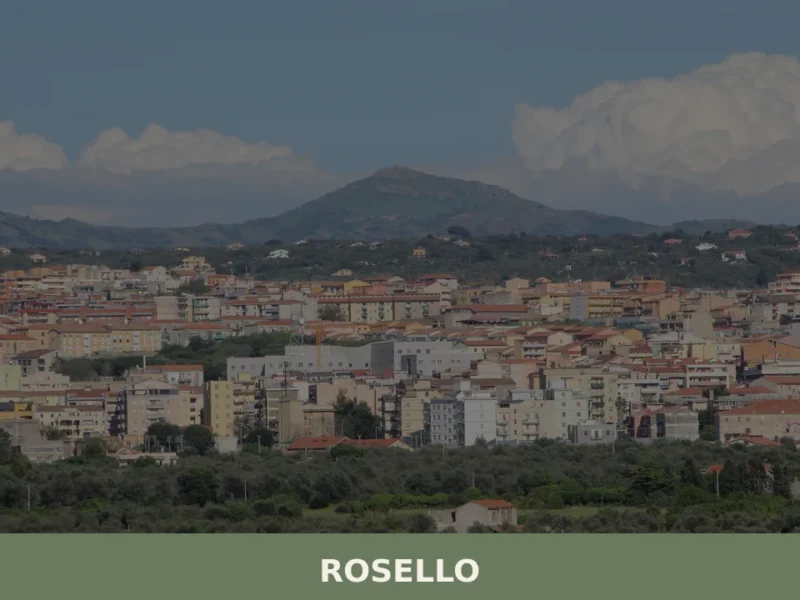
In Abruzzo More villages to discover
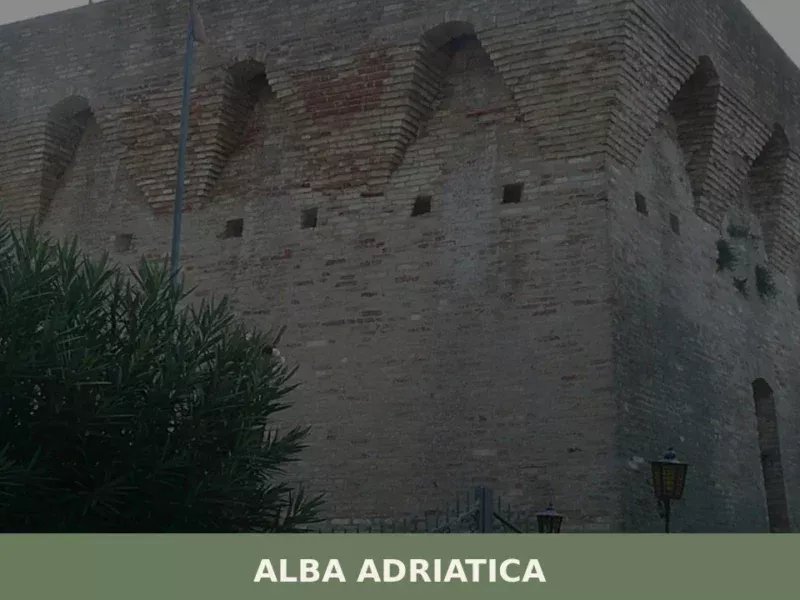
Alba Adriatica
 Sea
Sea
Until 1956, this locality did not exist as an independent municipality: it was a hamlet of Tortoreto, known as Tortoreto Stazione because of the railway stop on the Adriatic line. The administrative separation created a coastal town that today has 12,760 inhabitants spread across a territory sitting just 5 metres above sea level. Understanding what […]
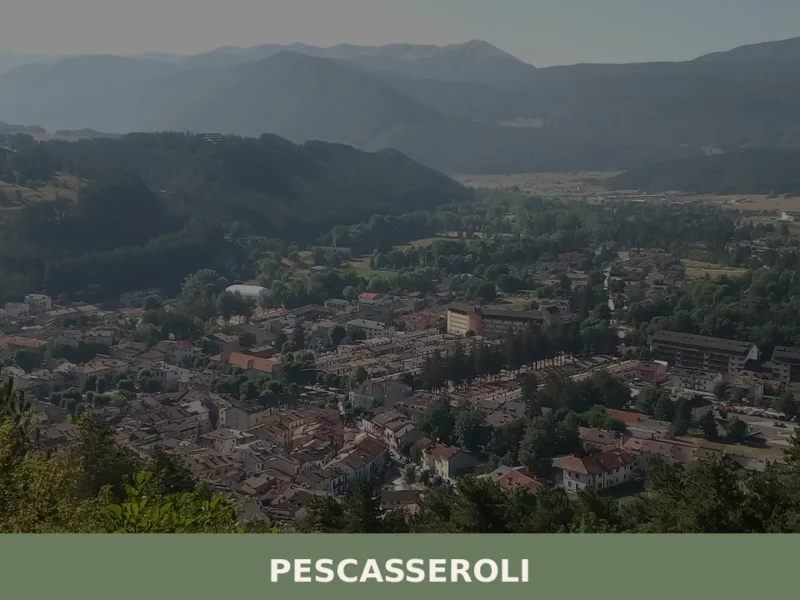
Pescasseroli
Mountain
What to see in Pescasseroli: from the Abruzzo National Park to Croce's birthplace, UNESCO beech forests, mountain cuisine and practical information for visiting the village.
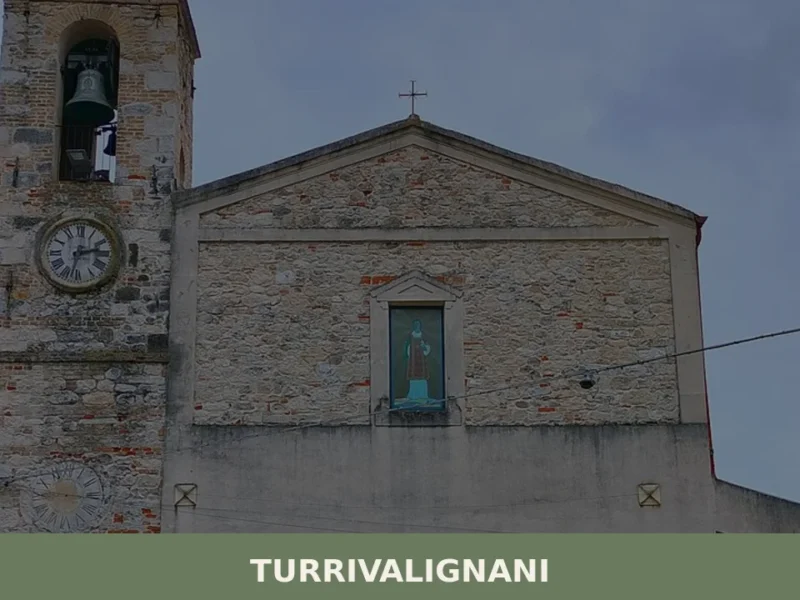
Turrivalignani
 Hills
Hills
What to see in Turrivalignani? Discover the ancient village, the Church of San Nicola, and nature trails. Plan your visit to Abruzzo!
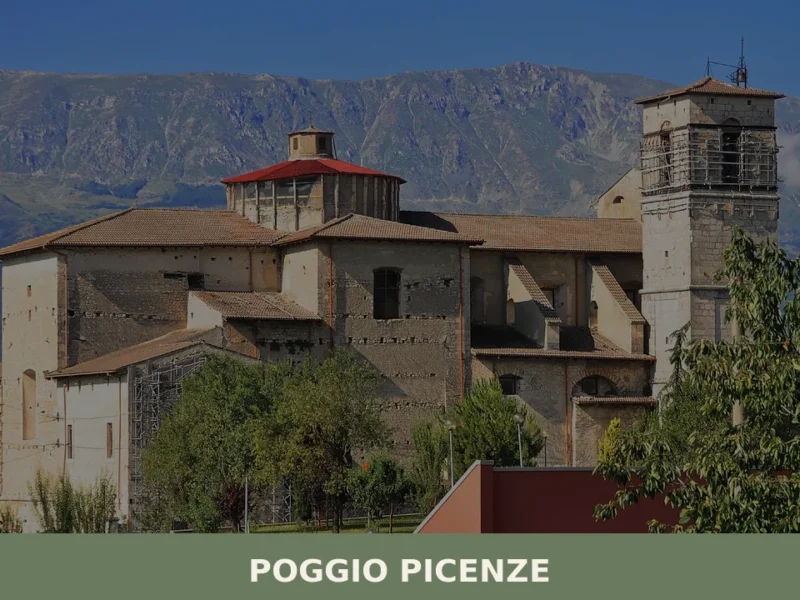
Poggio Picenze
Mountain
What to see in Poggio Picenze, Italy: explore 5 top attractions at 760 m altitude, the Blues festival, and San Felice feast. Discover Abruzzo's limestone village.
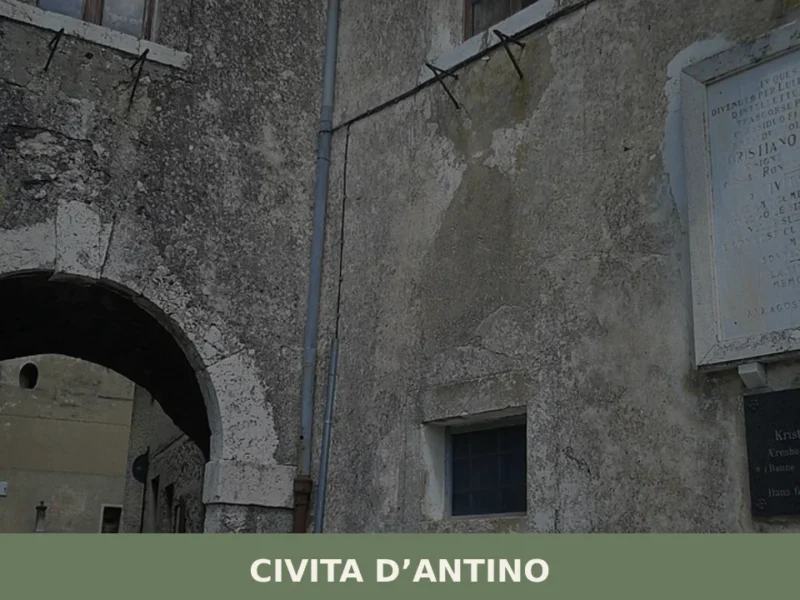
Civita d’Antino
Mountain
In 1878, the Danish painter Kristian Zahrtmann reached Civita d’Antino for the first time and decided to return every summer until 1911, turning this small town in the Valle Roveto into an artistic colony frequented by dozens of Scandinavian painters. Even today, anyone wondering what to see in Civita d’Antino will find traces of that […]
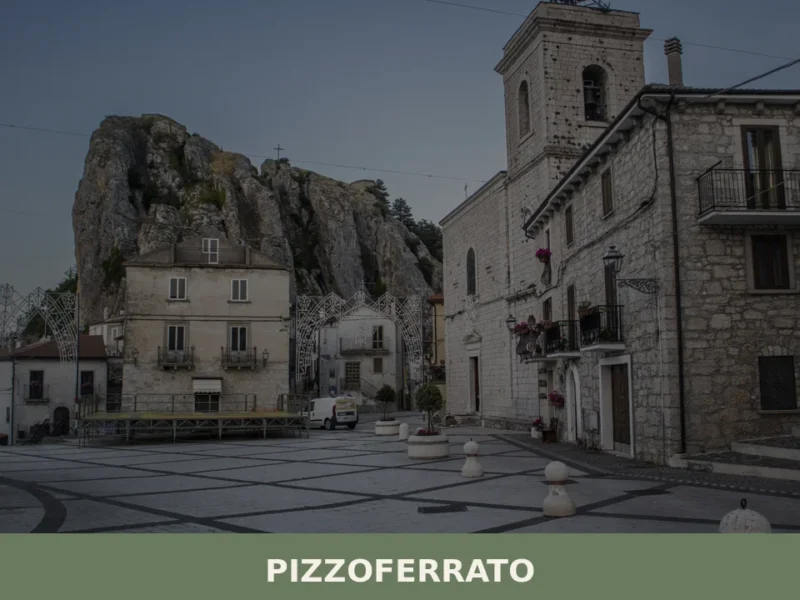
Pizzoferrato
Mountain
What to see in Pizzoferrato, Italy? Explore this mountain village at 1251 m (4104 ft) altitude. Discover ancient churches and Majella National Park. Read our guide!
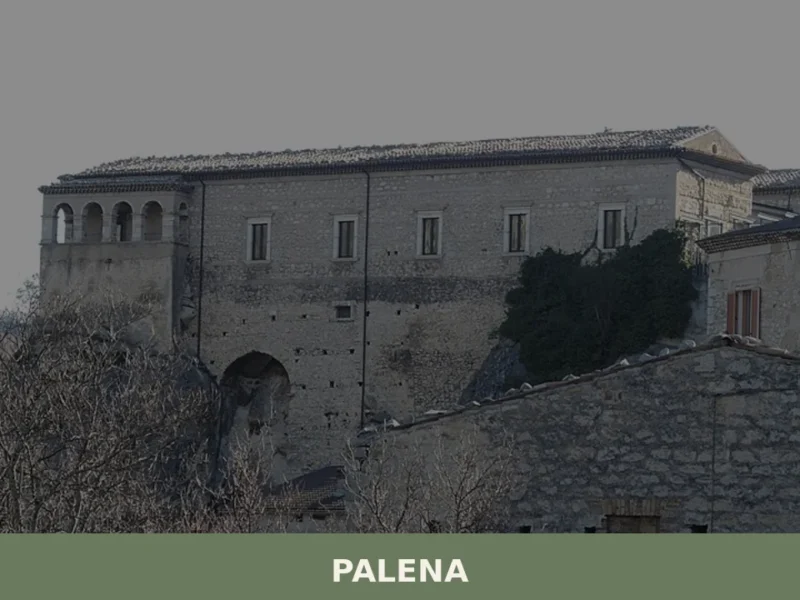
Palena
Mountain
What to See in Palena: discover 5 must-see attractions, from the Ducal Castle to the Marsican Bear Museum. Plan your visit and taste local products.
Giuliano Teatino
Hills
Giuliano Teatino is a small village in Abruzzo, in the province of Chieti. Discover its origins, monuments and how to visit: a practical guide to plan your trip.
Villalfonsina
Hills
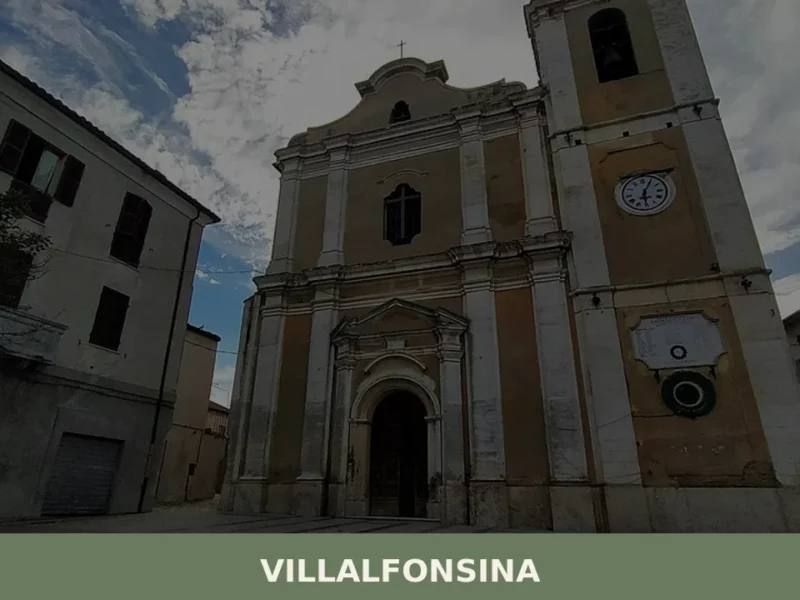
Villalfonsina has 895 inhabitants and sits at 203 metres above sea level, on a hillside terrace overlooking the coastal plain of the central Adriatic, in the province of Chieti. Its name carries a precise historical reference: the dedication to a feudal lord of the d’Avalos family, Alfonso, who left a lasting mark on the village […]
Palmoli
Mountain
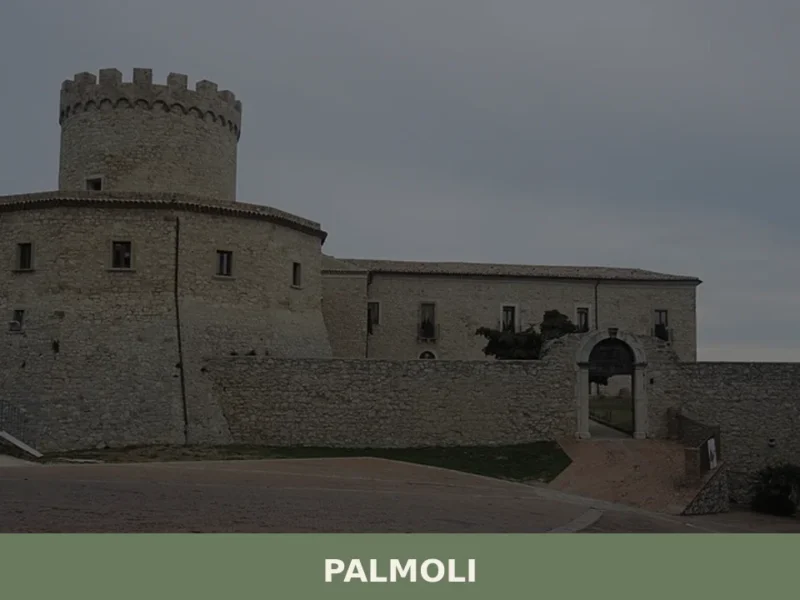
What to see in Palmoli: explore the village at 727 meters above sea level. Discover the Marchesale Castle and the Church of San Valentino. Plan your visit today!




🏡 Know Celenza sul Trigno better than we do?
If you’re a local or have been there, your knowledge matters: add what’s missing or fix a detail on this page.