


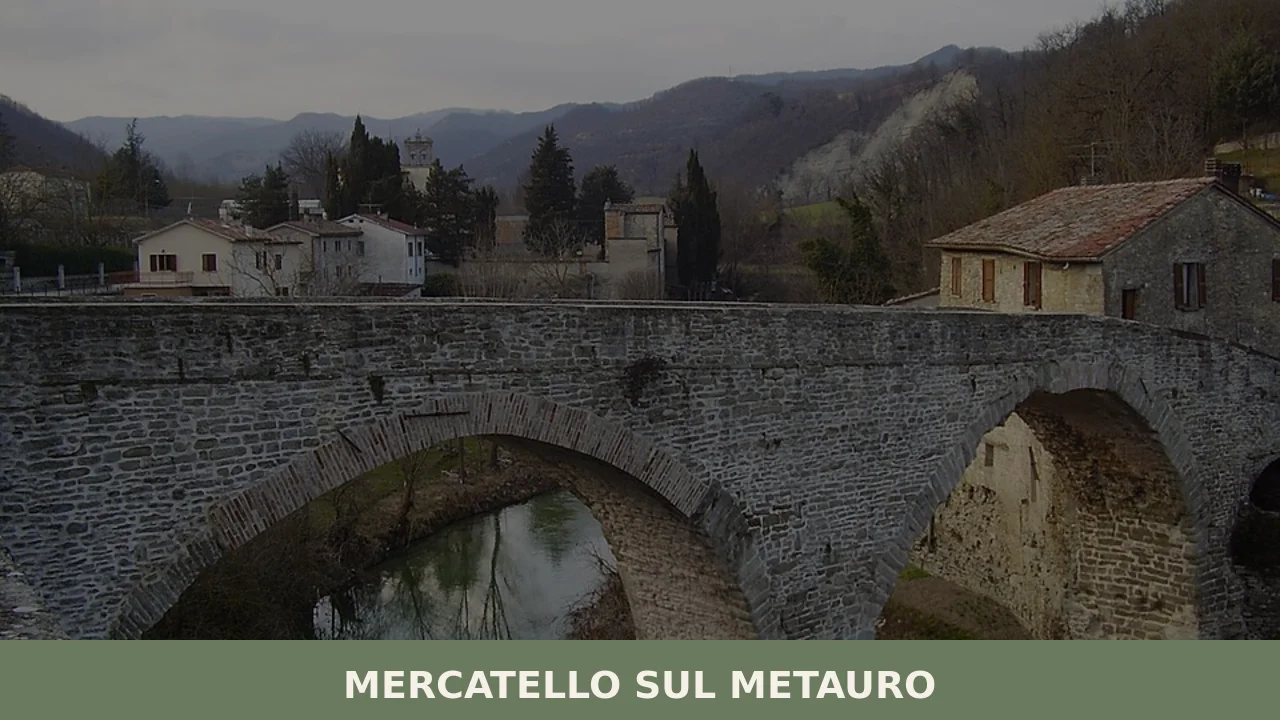
Mercatello sul Metauro
 Hills
Hills
Mercatello sul Metauro has a current population of 1,326 and sits at an elevation of 429 metres in the middle Metauro valley, in the province of Pesaro and Urbino. The village owes its identity to one specific figure: Saint Veronica Giuliani, a Capuchin mystic born here in 1660, beatified in 1804 and canonised in 1839. […]
Discover Mercatello sul Metauro
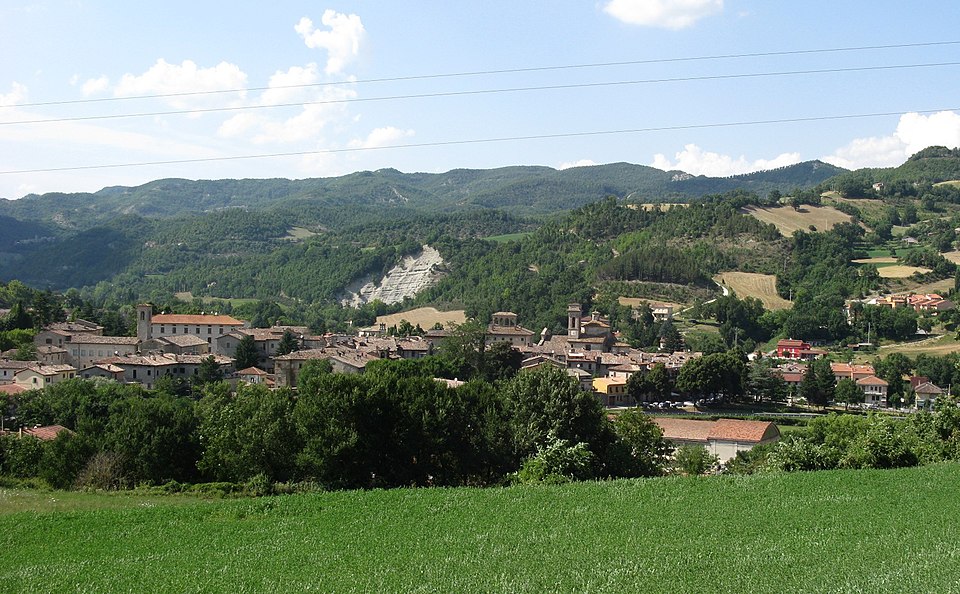
Mercatello sul Metauro has a current population of 1,326 and sits at an elevation of 429 metres in the middle Metauro valley, in the province of Pesaro and Urbino. The village owes its identity to one specific figure: Saint Veronica Giuliani, a Capuchin mystic born here in 1660, beatified in 1804 and canonised in 1839. Every 9 July the community celebrates her patron saint feast day. Understanding what to see in Mercatello sul Metauro means passing through layers of history spanning the 13th century to the Counter-Reformation, all concentrated within a compact urban centre where churches, palazzi and museums follow one another over just a few hundred metres.
History and origins of Mercatello sul Metauro
The village’s name points to its original economic function: a small market — mercatellum — that grew up along the road connecting the Adriatic coast to Tuscany, following the course of the River Metauro. The earliest known document mentioning the settlement dates to the 12th century, when the community organised itself as a free commune and adopted its own statutes. Its position on the route between Urbino and Sansepolcro made it a trading point between the Marche hinterland and the Valtiberina, a role that the place name itself records with precision.
During the 13th and 14th centuries, Mercatello came under the influence of the Brancaleoni, feudal lords of the Massa Trabaria — the vast Apennine territory straddling the Marche, Umbria and Tuscany that took its name from the timber (trabes) transported to Rome along the Tiber. The village later entered the orbit of the Duchy of Urbino, first under the Montefeltro and then the Della Rovere, following their fortunes until the devolution to the Papal States in 1631. Traces of that ducal period survive in the urban layout and in several civic buildings in the historic centre, which is structured around two main squares linked by a straight road axis.
The figure who has most shaped the village’s reputation beyond its borders is Saint Veronica Giuliani, born Orsola, the seventh daughter of the superintendent of ducal finances. She entered the Capuchin monastery in Città di Castello at the age of seventeen and remained there until her death in 1727, producing a spiritual diary of over 22,000 pages — one of the most extensive in Christian mysticism. Her canonisation by Gregory XVI in 1839 turned Mercatello into a pilgrimage destination and fixed the village’s religious calendar around the date of 9 July.
What to see in Mercatello sul Metauro: 5 main attractions
1. Collegiate Church of Saints Peter and Paul (Pieve Collegiata)
A Romanesque building from the 12th century with a façade of sandstone ashlar blocks and a round-arched portal. The three-nave interior holds a 14th-century wooden crucifix and a stone baptismal font. The square bell tower, visible from the valley, serves as a visual landmark for anyone coming up the Metauro from Urbania.
2. Church and Museum of San Francesco
The Gothic church, built in the 13th century, contains a cycle of 14th-century frescoes from the Rimini-Marche school and a carved wooden high altar. The adjoining museum houses sacred furnishings, painted panels and a section devoted to illuminated manuscripts from the monasteries of the Massa Trabaria, documenting the artistic production of the Apennine area.
3. Birthplace of Saint Veronica Giuliani
The building where Orsola Giuliani was born in 1660 has been converted into a sanctuary and documentation centre. The rooms retain period furnishings and explanatory panels reconstructing the saint’s life. On the ground floor there is a small chapel with relics and personal objects, including autograph letters.
4. Palazzo Gasparini and the historic centre
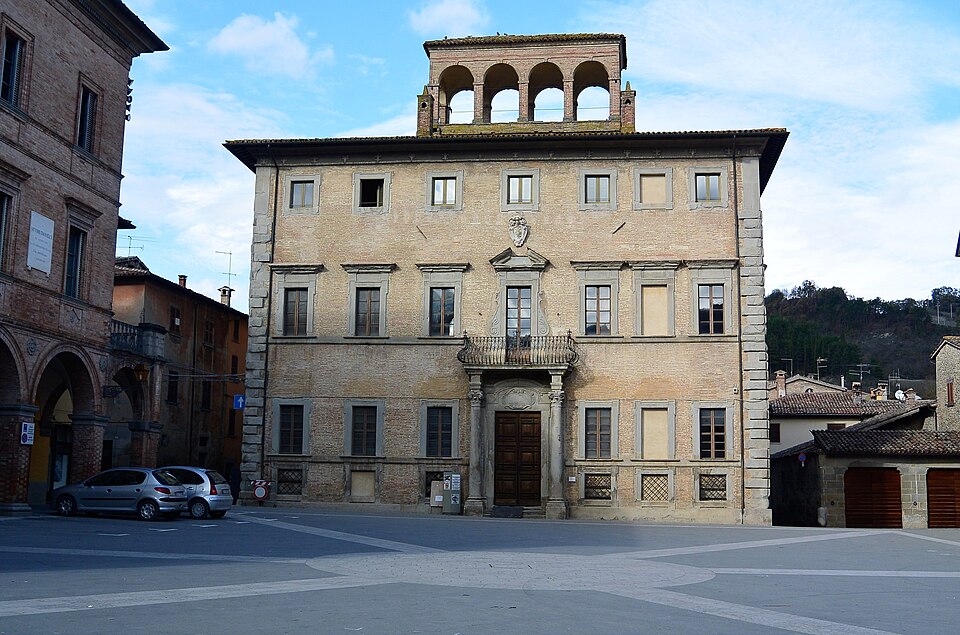
A 17th-century noble palace overlooking the main square. The building features a pietra serena sandstone portal and windows with moulded frames. From here, a route unfolds through the historic centre with its two distinct nuclei — Borgo and Mercato — separated by the Sant’Antonio stream and connected by a masonry bridge.
5. Bridge over the Metauro and the river landscape
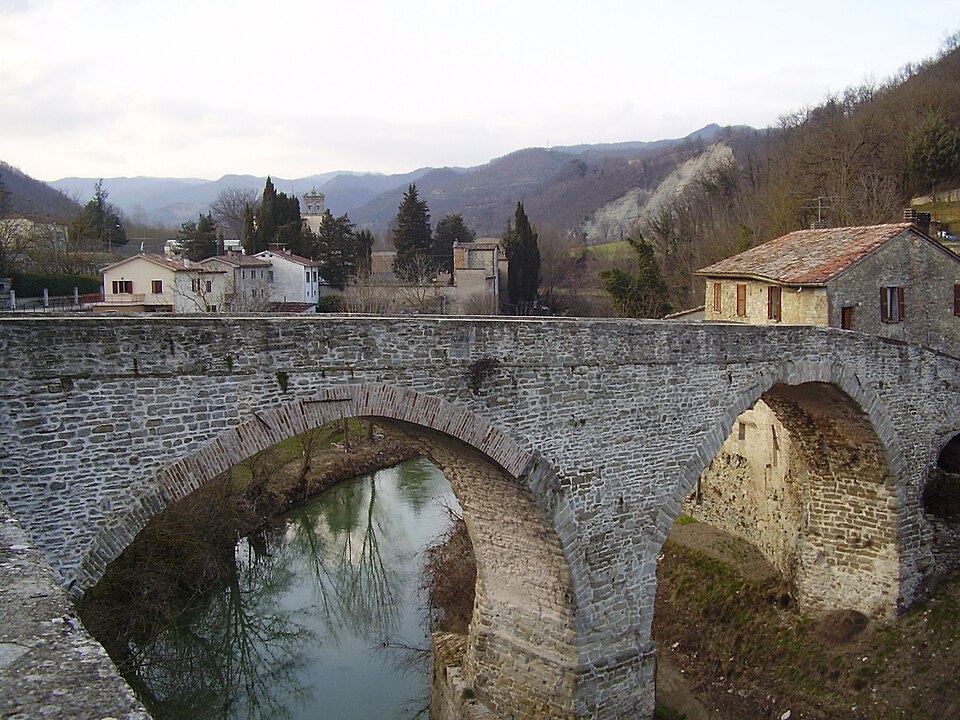
The stone bridge crossing the Metauro marks the southern entrance to the village. From this point you can survey the valley at its narrowest section, with the river flowing between sandstone formations. The banks are walkable along unpaved paths that connect Mercatello to the Turkey oak and downy oak woods on the Apennine slope.
Local cuisine and regional products
The cooking of Mercatello sul Metauro belongs to the Apennine tradition of the Marche, built on a foundation of cereals, pulses and meat from extensive farming. The most deeply rooted dish is crescia sfogliata, a layered flatbread made with flour, lard and eggs, cooked on a stone slab or in an iron pan — a local variant of the Pesaro-style crescia that in the Massa Trabaria takes on greater thickness and a more crumbly texture. Passatelli in brodo, a dough of breadcrumbs, eggs and Parmigiano Reggiano DOP pressed through a wide-holed mould, appears on the winter menus of trattorias in the centre. Another common first course: tagliolini with fine black truffle (Tuber melanosporum), harvested in the mixed woodlands between Mercatello and nearby Apecchio, an area known for its truffle production. Casciotta d’Urbino DOP, a semi-soft cheese made from a blend of sheep’s and cow’s milk, often accompanies the cutting boards served with Prosciutto di Carpegna DOP, produced in the municipality of the same name to the north-east of the province.
Among the products of the forest floor, alongside black truffle, you will find porcini mushrooms (Boletus edulis) and chestnuts from the Pesaro Apennines. Cartoceto DOP extra virgin olive oil, produced in the hilly territory of the province, is used uncooked on pulse soups — in particular those made with roveja, a small wild pea historically cultivated in the Apennine area of the Marche. Bianchello del Metauro DOC, a white wine from Biancame grapes grown in the valley, is the most natural accompaniment to local dishes. In autumn, food festivals dedicated to truffles and mushrooms enliven the municipalities of the middle valley, with tasting stalls and direct sales by foragers. The village’s restaurants — few in number and family-run — work mainly on reservation during the winter months, while in summer the tables move out into the squares.
When to visit Mercatello sul Metauro: the best time
The 9th of July, the feast of Saint Veronica Giuliani, is the day when the village reaches its peak in terms of visitors: a religious procession, market stalls along the squares and a communal open-air dinner. For those who prefer a visit without the crowds, May and June offer temperatures between 15 and 25 degrees and long days suited to walking the riverside paths. Autumn — from mid-September to November — is truffle and mushroom season, with food festivals in the surrounding municipalities and the Turkey oak woods turning from yellow to brown.
Winter at 429 metres of elevation brings temperatures frequently below zero and possible snowfall, which leave the village quiet and sparsely visited. Accommodation options are limited: a few holiday rentals and a couple of agriturismi in the surrounding countryside. Checking availability and museum opening times in advance is advisable, particularly between November and March, when hours are reduced. The municipal website publishes an updated calendar of events and information on local services.
How to get to Mercatello sul Metauro
By car, the most direct route from the Adriatic follows the E78 (the Fano–Grosseto dual carriageway) as far as Urbania, then continues on the SP73 heading south-west for roughly 15 kilometres along the Metauro valley. From Fano the total journey is about 70 km, taking approximately one hour and fifteen minutes. From Perugia, take the E45 northward to Città di Castello, then cross the Apennines eastward on the SP257 — around 90 km in an hour and a half. From Rimini, the route via Pesaro and Urbino covers approximately 100 km.
The nearest railway station is Urbania, on the Fano–Urbino line (limited service; check Trenitalia timetables). From Urbania to Mercatello there are 15 km to cover by car or by local bus services on the Adriabus network, with reduced runs on public holidays. The closest airports are Rimini-Federico Fellini (110 km), Ancona-Falconara (120 km) and Perugia-San Francesco (100 km). None of the three has direct connections to the Metauro valley: car hire is the most practical solution.
Other villages to visit in the Marche
Heading up the Metauro valley towards the Apennines, roughly 20 kilometres from Mercatello, you reach Apecchio, a centre of the Massa Trabaria known for its craft beer production — the municipality holds the title of “City of Beer” — and for its black truffle foraging woods. The historic core retains a fortress and the Furlo fossil collection, and in October it hosts a beer fair that draws visitors from across the region.
On the hilly side of the province, heading towards the coast, Fratte Rosa preserves a ceramic tradition documented since the Middle Ages: the sgraffito-decorated terracottas produced here are displayed in a dedicated local museum. The village, smaller than Mercatello and at a slightly lower elevation, offers a different landscape — clay hills dotted with olive trees and wheat fields — that rounds out the geographical variety of the Pesaro hinterland. The two villages are about 50 kilometres apart and can be linked in a day-long itinerary crossing the entire width of the province from west to east.
Frequently asked questions about Mercatello sul Metauro
Is a car necessary to visit Mercatello sul Metauro?
A car is strongly recommended. The village sits in the inland Metauro valley with no railway station; the nearest is Urbania, 15 km away on the limited Fano–Urbino line. Local Adriabus services connect Urbania to Mercatello but runs are infrequent, especially on weekends and public holidays. The closest airports (Rimini, Ancona-Falconara, Perugia) are 100–120 km away with no direct valley connections. Car hire at the airport is the most practical option for independent exploration.
Is the historic centre of Mercatello sul Metauro accessible by wheelchair?
The centre presents challenges for wheelchair users. At 429 metres elevation, the village is built on sloping terrain with narrow medieval streets, cobblestone paving and stepped passages between the two historic nuclei of Borgo and Mercato, linked by a masonry bridge over the Sant'Antonio stream. The main squares offer flatter surfaces, but accessing churches and museums often involves steps. There is no documented barrier-free route through the entire centre. Visitors with mobility needs should contact the municipality in advance for specific guidance.
Can I visit Mercatello sul Metauro as a day trip from Urbino or other nearby cities?
Yes, it works well as a day trip. Urbino is approximately 40 km away (about 50 minutes by car via Urbania). The compact historic centre can be explored in two to three hours, including the Collegiate Church, the Church and Museum of San Francesco, and the birthplace of Saint Veronica Giuliani. Combining it with a stop in Urbania or Apecchio makes a full day itinerary through the Metauro valley. From Fano on the coast, the drive is roughly 70 km (about 75 minutes).
Are there marked hiking or cycling routes near Mercatello sul Metauro?
The valley offers unpaved paths along the Metauro riverbanks connecting the village to surrounding Turkey oak and downy oak woodlands. The area falls within the Massa Trabaria Apennine zone, which features several CAI-marked trails on the ridges towards Bocca Trabaria pass and the Alpe della Luna nature reserve across the Tuscan border. Cyclists can follow the quiet SP73 valley road between Urbania and Mercatello. For MTB riders, forest tracks climb towards the Apennine watershed. Check CAI Pesaro section maps for numbered paths.
Is Mercatello sul Metauro part of any official Italian village network or recognition?
Mercatello sul Metauro holds the Bandiera Arancione quality mark awarded by the Touring Club Italiano, a certification given to small inland towns that meet criteria for tourism hospitality, environmental quality and cultural heritage preservation. The village is also listed among notable borghi on established Italian tourism portals. This recognition confirms a baseline standard of visitor services, signposted walking routes through the centre and maintained historical monuments.
Where can I park when visiting Mercatello sul Metauro?
Free parking is available in small lots on the edges of the historic centre, particularly near the stone bridge over the Metauro at the village's southern entrance and along the main road approaching from Urbania. The compact centre is best explored on foot — the distance between the main squares is only a few hundred metres. During the patron saint feast on 9 July and summer events, spaces fill quickly, so arriving early in the morning is advisable.
📷 Photo Gallery — Mercatello sul Metauro
Nearby Villages near Mercatello sul Metauro
In Marche More villages to discover
Fermo
 Sea
Sea
What to see in Fermo? Discover the 5 must-visit attractions of this village in Marche with our complete guide. Plan your perfect visit!
Carpegna
 Mountain
Morning mist lifts off Monte Carpegna in slow, deliberate layers, revealing stone walls the colour of raw honey and a bell tower that has marked the hours here for centuries. The village sits at the foot of its namesake peak in the province of Pesaro e Urbino, home to just 1,672 residents who move through […]
Appignano
 Plains
What to see in Appignano, Marche, Italy: discover the church of San Giovanni, local food traditions, and a village 35 km from Ancona. Explore the full guide.
Macerata
Hills
What to see in Macerata: discover the 5 main attractions, including the Sferisterio and Piazza della Libertu00e0. Plan your visit to this Marche village.
Acquasanta Terme
Mountain
Discover what to see in Acquasanta Terme: Roman thermal baths, Tronto gorge, medieval hamlets and Apennine landscapes in Marche's Ascoli Piceno province.
Agugliano
Sea
Discover what to see in Agugliano, a hill comune near Ancona in Marche. History, food, attractions, travel tips and where to stay.
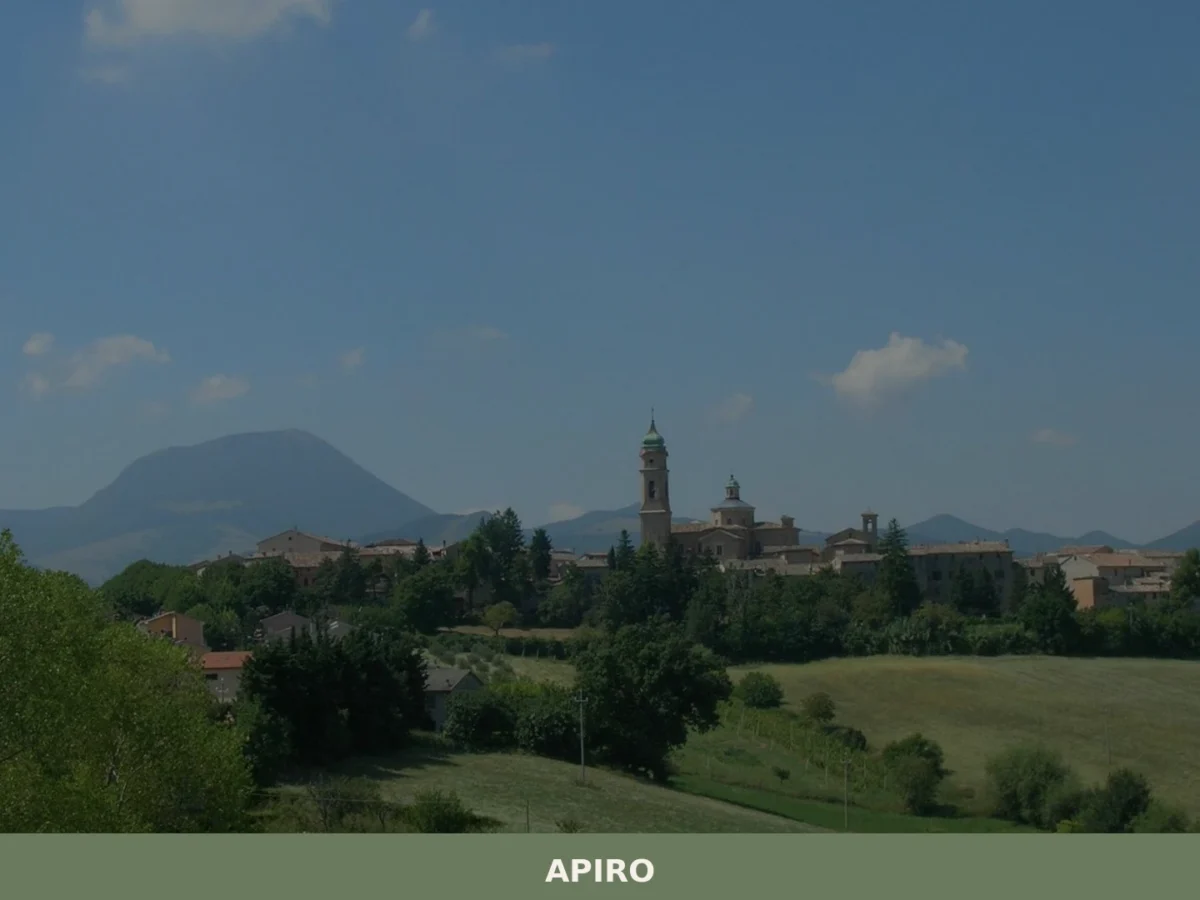
Apiro
Hills
What to see in Apiro, Marche, Italy: discover the Sant'Urbano museum, a 14th-century church, and local cuisine 40 km from Ancona. Explore the full guide.
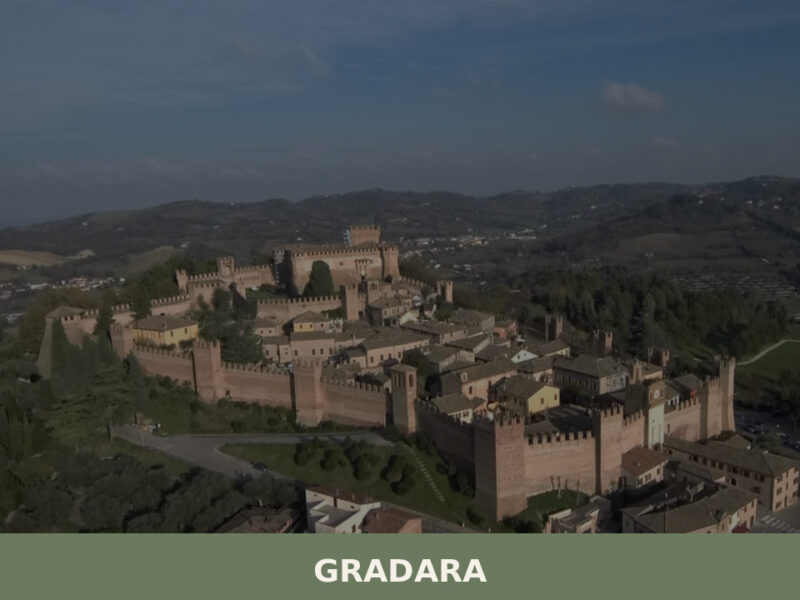
Gradara
Plains
What to See in Gradara: discover Malatesta Castle and 4 other must-see attractions. Plan your trip to this Marche village of 4,889 inhabitants.
Isola del Piano
Hills
Discover Isola del Piano, a charming village in Marche, Italy. Explore its rich history, organic traditions, stunning landscapes, and authentic Italian culture.
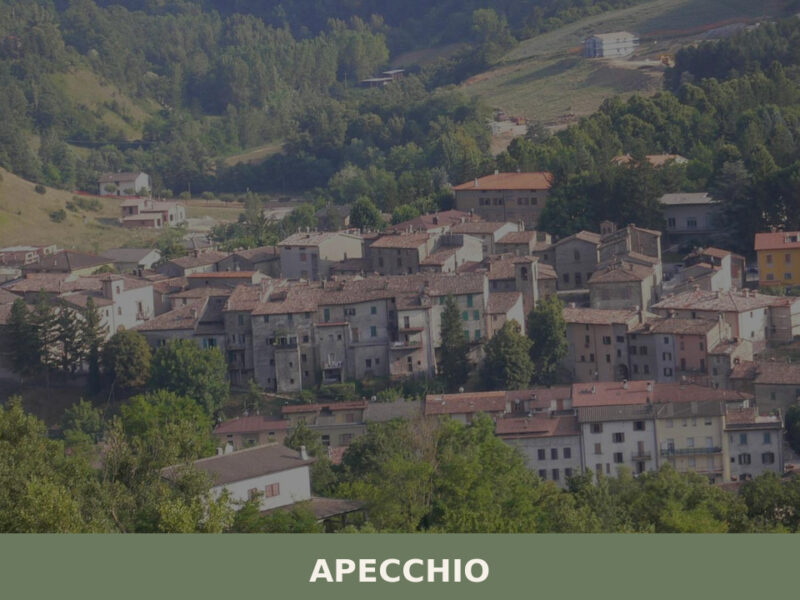
Apecchio
Hills
Morning mist lifts off the Biscubio river and the medieval bridge emerges in grey stone, its arches still carrying the weight of six centuries. A bell tower marks the hour above terracotta rooftops, and the smell of woodsmoke mixes with damp earth from the surrounding Apennine slopes. At 493 metres above sea level, this small […]
🏡 Know Mercatello sul Metauro better than we do?
If you’re a local or have been there, your knowledge matters: add what’s missing or fix a detail on this page.